The 8 Plants Georgia Gardeners Are Growing To Help Keep Ticks Away
Ticks become a real concern in Georgia once the weather warms up and time outside starts to increase. They show up in grass, along edges, and in those overlooked spots that never seem to fully dry out.
It does not take much for them to turn a comfortable yard into something people start to avoid.
More gardeners are paying closer attention to what surrounds their space and how it affects that problem. Certain plants are starting to stand out for the way they fit into the yard while also changing how inviting it feels for pests.
It is not just about looks anymore, it is about creating a space that feels easier to spend time in.
Small changes can shift how a yard functions over time. The right plant choices can help create a setting that feels cleaner, more balanced, and far less stressful to manage through the season.
1. American Beautyberry Contains Compounds That Help Deter Ticks
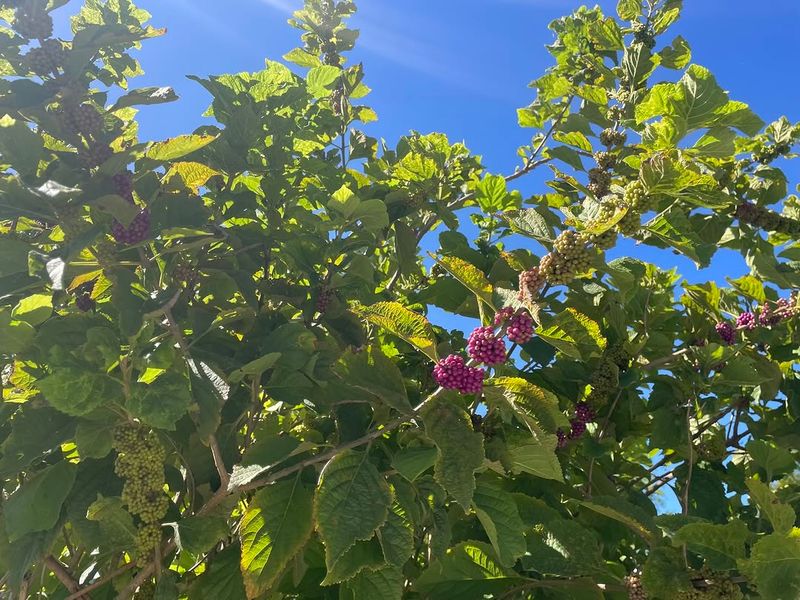
Few plants in a Georgia yard turn heads quite like American Beautyberry, with those wild clusters of neon-purple berries that seem almost too bright to be real.
Crushing the leaves and rubbing them on skin has been a traditional practice in the rural South for generations. Callicarpa americana grows naturally across Georgia, so it tends to handle the heat and humidity without much fuss.
Partial shade suits it well, which makes it useful for those shadier corners of the yard where other plants struggle.
Planting beautyberry along walkways, fence lines, or near seating areas gives you the best chance of it doing any good. Birds absolutely go after the berries in fall, so you get wildlife value on top of everything else.
Results will vary depending on how many plants you have and how your yard is set up, but as a native shrub that pulls double duty, beautyberry is hard to argue against for Georgia gardeners serious about reducing tick pressure naturally.
Once you have one established in your yard it tends to spread naturally over time, filling in spaces with almost no effort on your part. The berries hold on well into fall and sometimes early winter, giving you color long after most other shrubs have gone quiet.
It is one of those plants that works hard in the background without asking much in return, which is exactly what a Southern garden needs more of.
2. Lavender Produces Strong Oils That Ticks Tend To Avoid
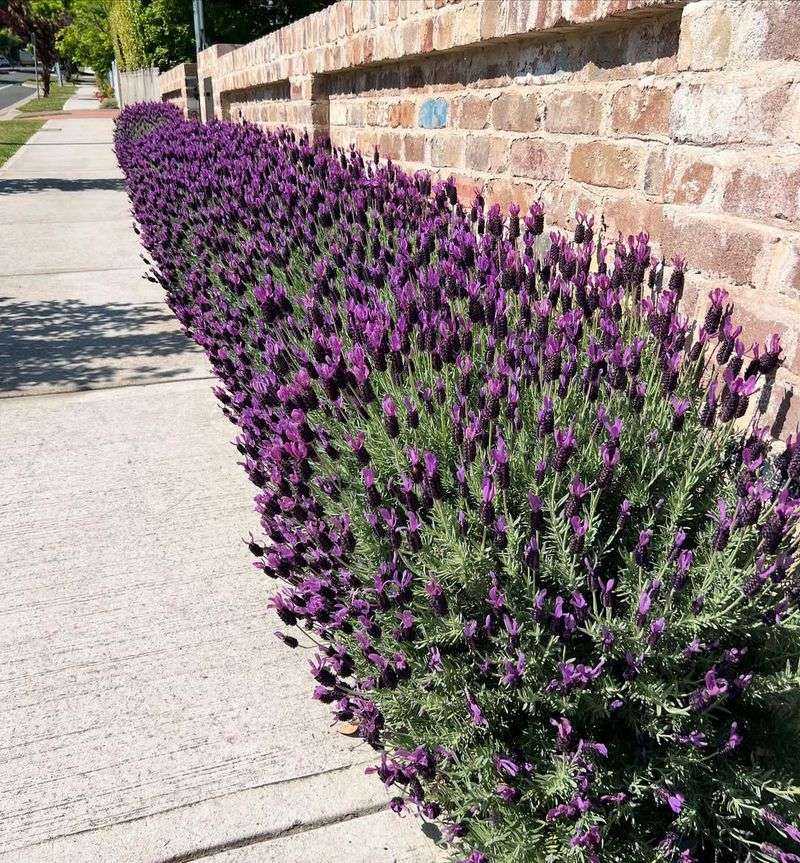
Lavender has a scent that most people love, but ticks want nothing to do with it. The essential oils in lavender, especially linalool, interfere with how ticks detect their surroundings, making the area around lavender plants less inviting to them.
It is not a force field, but planting it in spots where people walk or sit can help reduce tick contact in those areas.
Growing lavender in Georgia takes a bit of planning. The state’s humidity can be rough on it, particularly in the southern part of the state where summers are long and muggy.
Your Georgia Garden Changes Every Week. Your Plan Should Too.
Gardening in Georgia changes quickly throughout the season. Every Friday you’ll receive a simple weekly plan showing exactly what to plant, prune, fertilize, harvest, and protect so you never miss the right timing.
Raised beds, sandy or gravelly soil, and excellent drainage give lavender its best shot at thriving here. In the northern Georgia foothills, it generally performs better.
Full sun is non-negotiable for lavender. Crowding it or letting it sit in wet soil will cause problems faster than the heat ever will.
Planting it along sunny borders, near a patio, or at the edge of a garden path lets the oils carry on the breeze where people actually spend time. Harvest the flowers regularly to encourage new growth and keep the plant productive.
Dried lavender bundles near doorways can extend the repellent effect indoors as well, which is a bonus many Georgia homeowners appreciate.
3. Rosemary Has A Scent That Can Disrupt How Ticks Find Hosts
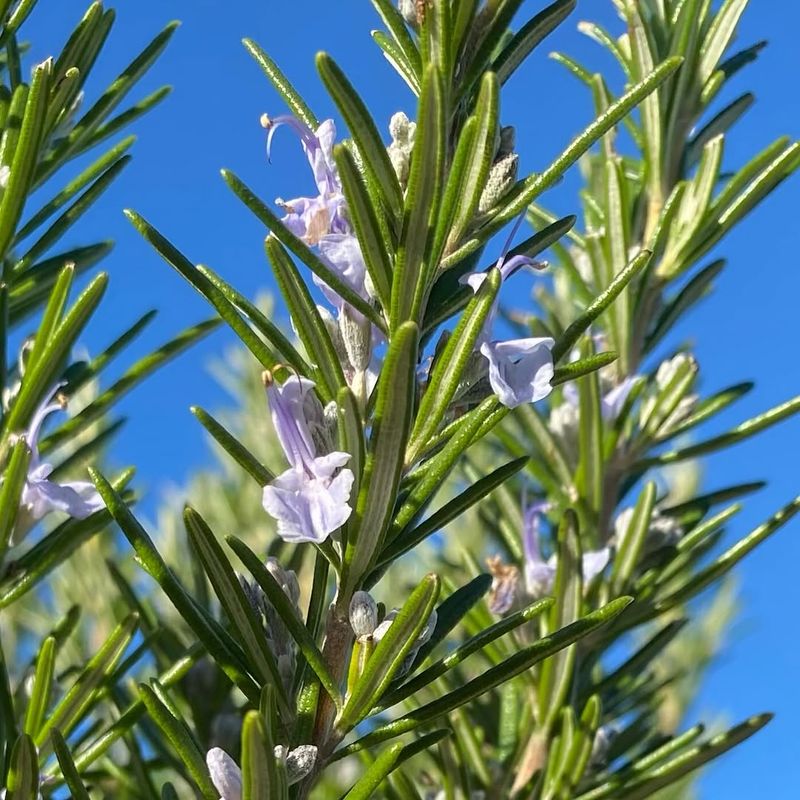
Rosemary does something specific that sets it apart from other aromatic herbs — its oils, including camphor and cineole, appear to interfere with the sensory receptors ticks use to locate a warm-blooded host.
Ticks rely heavily on detecting carbon dioxide and body heat to find their next meal, and rosemary’s chemical profile seems to muddy that signal somewhat.
That is a genuinely useful trait for a plant you can also cook with.
Across Georgia, rosemary is a reliable performer in most parts of the state. It handles heat well, tolerates drought once it has had time to settle in, and asks very little in return for full sun and decent drainage.
Coastal Georgia gardeners have grown large, shrub-sized rosemary plants for years with minimal care beyond the occasional trim.
Planting rosemary along garden paths, near outdoor seating, or as a low border hedge puts it exactly where people are most likely to brush against it, releasing the oils as they pass.
Brushing your hands through it before heading into the yard is something many experienced Georgia gardeners do out of habit.
It is not a replacement for tick checks after being outside, but as part of a broader approach to managing your yard, rosemary earns its place easily. Plus, fresh rosemary on roasted vegetables is a hard benefit to overlook.
4. Mint Spreads Fast And Makes The Area Less Inviting
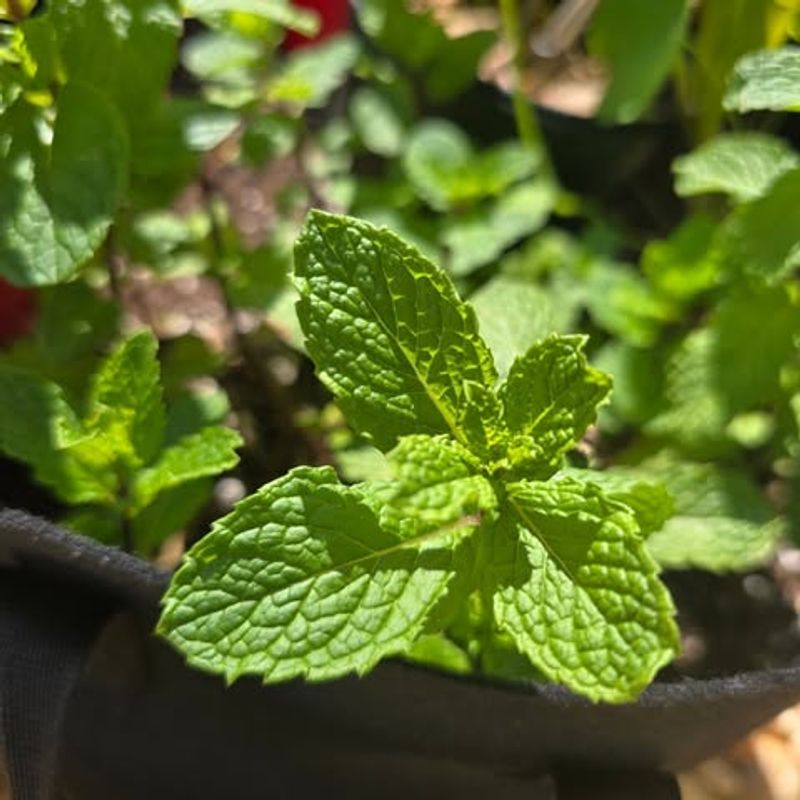
Mint is one of those plants that gardeners either love or approach with caution, because it spreads aggressively and will take over a bed if you are not paying attention.
That spreading habit, though, is actually part of what makes it useful for tick management — more plants covering more ground means more of that sharp, menthol-heavy scent filling the air around the area.
Ticks are not fans of that smell.
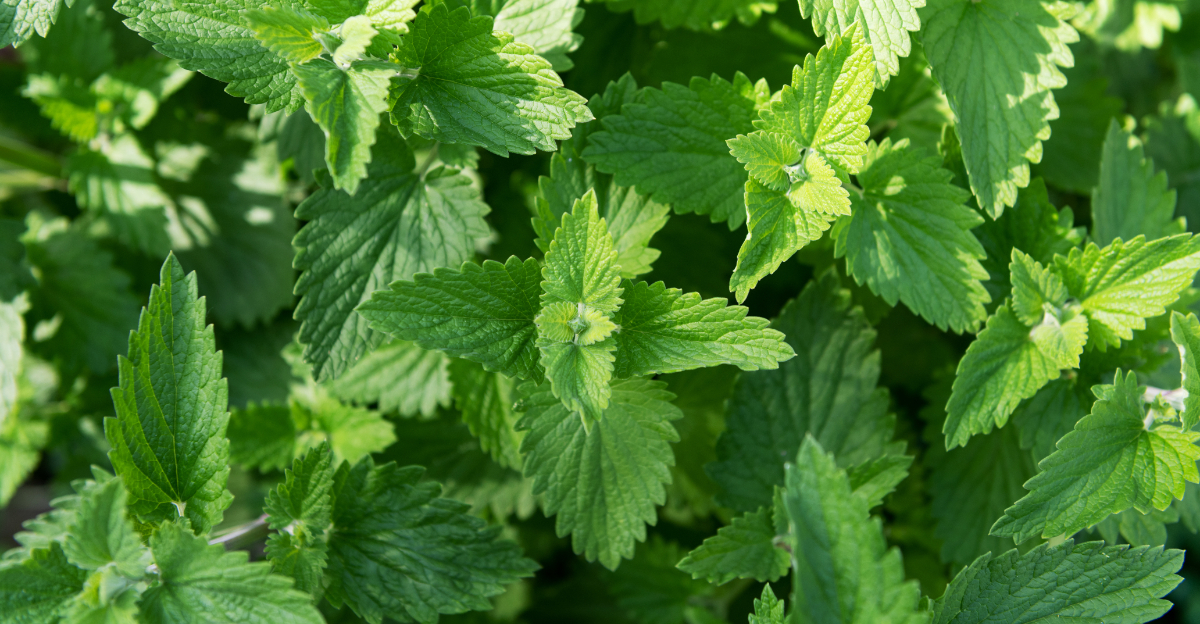
Peppermint and spearmint are both commonly grown in Georgia and both contain menthol and related compounds that ticks tend to avoid.
Planting mint in containers is the most practical approach for most yards, since it keeps the spreading in check while still putting the scent where you need it.
Set containers along a porch edge, near a garden gate, or around a seating area for the most noticeable effect.
Georgia summers can stress mint during the hottest weeks, so some afternoon shade and consistent moisture help it stay vigorous. Cutting it back when it starts to look ragged encourages fresh, oil-rich growth.
Crushing a few leaves between your fingers and rubbing them on your arms before yard work is something gardeners in Georgia have done for years as a light, natural deterrent.
Mint also keeps aphids and other insects at a distance, so the benefits go beyond just ticks in your outdoor space.
5. Marigolds Contain Compounds Used In Some Natural Repellents
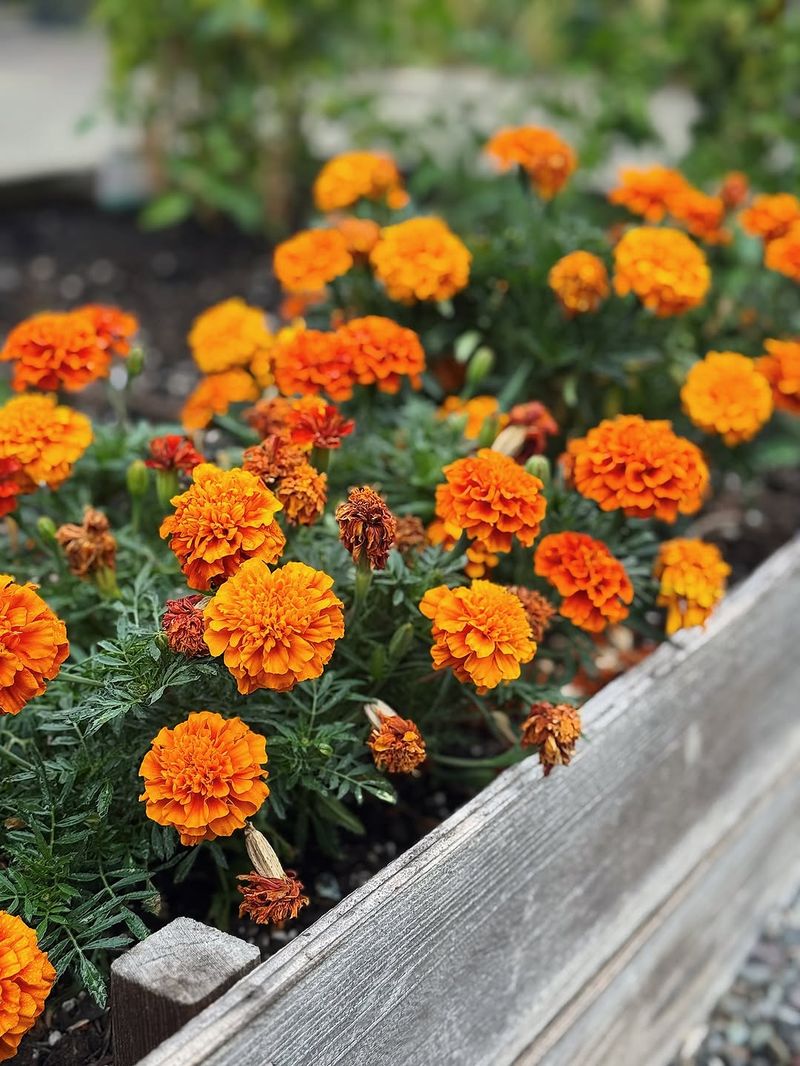
Marigolds have earned a permanent spot in Georgia gardens for a long time, mostly because they are tough, colorful, and genuinely useful against a range of garden pests.
When it comes to ticks specifically, marigolds contain pyrethrin, the same compound used as the active ingredient in many commercial insect repellent products.
That is not a small thing — pyrethrin is effective enough that the pesticide industry built an entire product category around it.
Tagetes species, especially French marigolds, tend to do well across Georgia from spring through fall. They handle the summer heat better than many flowering plants and keep blooming even when temperatures climb.
Planting them along borders, near vegetable beds, or in clusters around seating areas puts the repellent compounds right where people and pets move through the yard most often.
The scent marigolds produce is strong enough that some people find it unpleasant up close, though most gardeners get used to it quickly. Deadheading spent blooms keeps the plants producing flowers and oils throughout the season.
While marigolds alone will not solve a serious tick problem, combining them with other repellent plants like rosemary or lavender creates overlapping layers of deterrence across your yard.
For Georgia gardeners who want something practical, affordable, and visually appealing, marigolds check every one of those boxes without any complicated care routines.
6. Thyme Produces Oils That Help Reduce Tick Activity
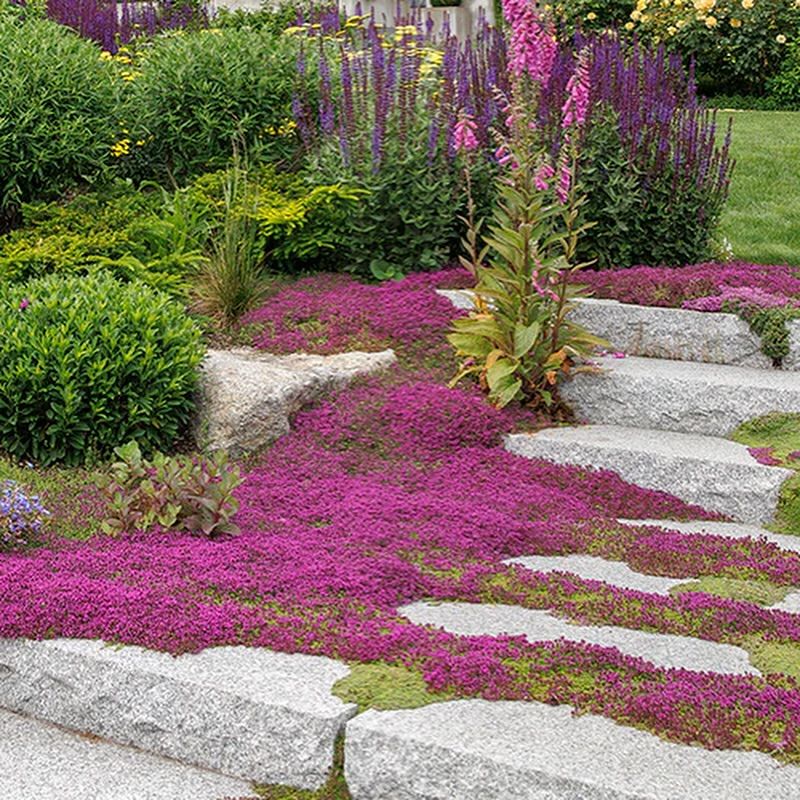
Thyme is a low-growing herb that does not ask for much, but what it gives back in terms of pest deterrence is worth paying attention to.
Thymol, the primary oil in thyme, is potent enough that it shows up as an active ingredient in some EPA-registered biopesticide products.
Ticks exposed to thymol in research settings showed reduced activity, which gives gardeners a reasonable basis for planting it strategically around the yard.
Creeping thyme works especially well in Georgia landscapes because it fills in gaps between stepping stones, along pathway edges, and in spots where grass struggles to grow. Every time someone walks across it, the leaves release their oils into the air.
That constant, low-level release is part of what makes thyme practical rather than just decorative.
Upright thyme varieties also do well in containers or raised herb beds throughout Georgia, handling the summer heat reasonably well as long as drainage is solid. Overwatering is the most common mistake — thyme prefers things on the dry side.
Trim it back after flowering to keep the growth dense and oil-rich. Pairing thyme with other aromatic herbs like rosemary or lavender in the same bed creates a concentrated zone of scent that ticks are unlikely to find appealing.
It is a small investment with a practical payoff for anyone spending time in a Georgia yard during tick season.
7. Catnip Contains Nepetalactone That Repels Ticks
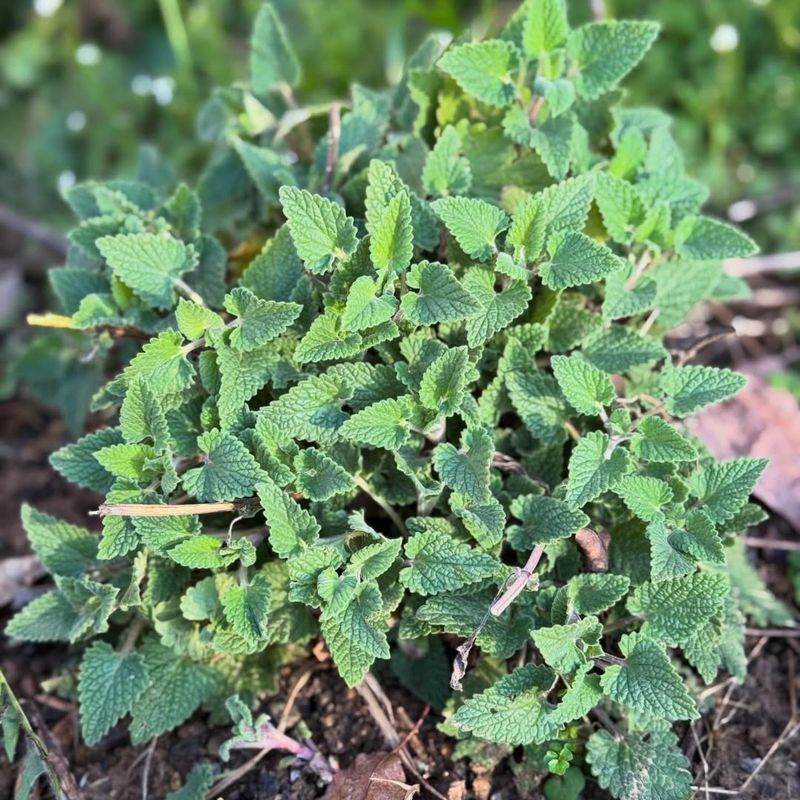
Catnip gets a lot of attention for what it does to cats, but the compound responsible for that reaction — nepetalactone — turns out to be a surprisingly effective insect and tick repellent.
Growing catnip in Georgia is straightforward. It handles heat reasonably well, prefers full sun to light shade, and does not need particularly rich soil to produce well.
Like mint, it spreads readily, so container planting or regular cutting back keeps it manageable in a home garden setting.
Planting catnip near yard edges, along fence lines, or in spots where ticks are most likely to hitchhike onto people or pets gives it the best chance of making a difference.
Brushing against the plant releases nepetalactone into the air, which is where the deterrent effect is most concentrated.
One honest caveat for Georgia gardeners: if neighborhood cats visit your yard, catnip will attract them reliably, which is either a benefit or a drawback depending on your feelings about cats.
Either way, the plant earns its space on the basis of its repellent properties alone, and it requires very little attention to stay productive through most of the Georgia growing season.
Drying the leaves and tucking them into small cloth pouches near outdoor seating areas or along entry points to the home is another simple way to put the plant to work beyond just growing it in the ground.
8. Garlic Has A Strong Smell That May Help Deter Ticks
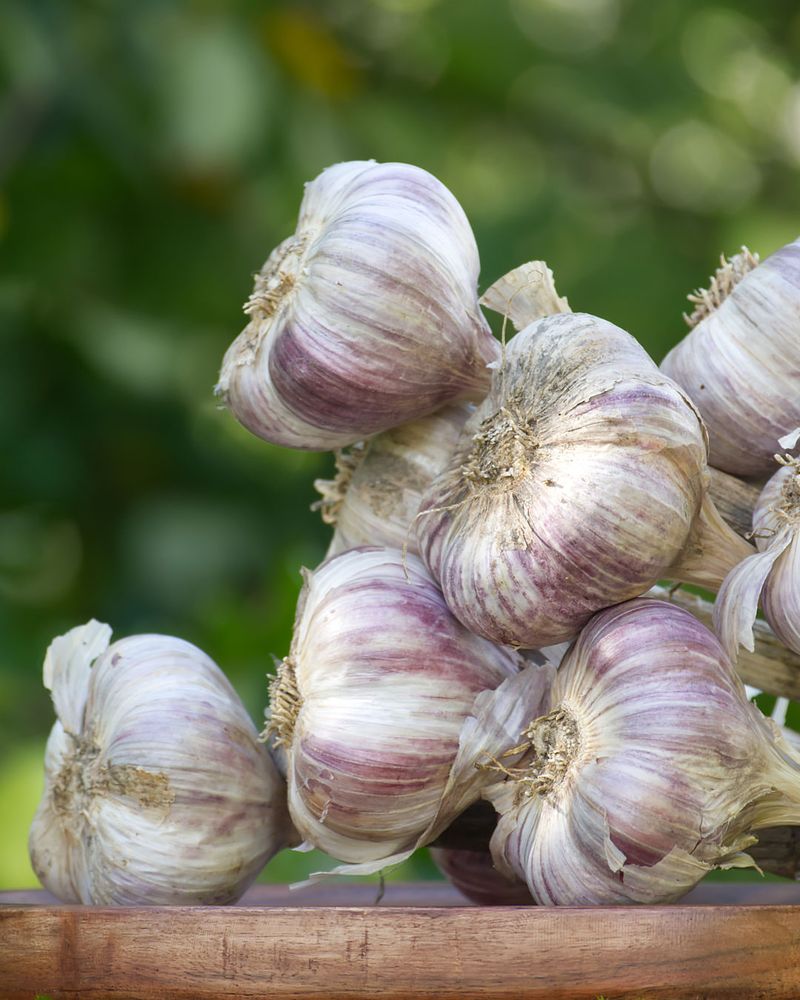
Garlic’s reputation as a pest deterrent goes back centuries, and while the folklore sometimes gets exaggerated, there is a real chemical reason ticks dislike it.
Sulfur compounds released by garlic — particularly allicin — create a sharp, penetrating odor that interferes with how ticks and other insects orient themselves.
Planting garlic around the edges of a garden or near high-traffic areas adds a layer of olfactory interference that ticks would rather avoid.
In Georgia, garlic is typically planted in fall, around October or November, and harvested the following June before the summer heat sets in fully. That timing works well across most of the state, from the piedmont to the coastal plain.
Hardneck varieties tend to perform better in northern Georgia where winters are cooler, while softneck types handle the milder winters of central and southern Georgia more reliably.
Beyond the repellent effect, garlic grown in clusters among ornamental plants or along vegetable bed borders pulls double duty without taking up much space.
The sulfur compounds that deter ticks also affect aphids, spider mites, and other common garden pests, so the practical value extends well past tick season.
Harvested bulbs can be crushed and diluted in water to make a basic spray for garden beds, though results with sprays vary and should not be treated as a guaranteed solution.
As part of a layered approach to tick management in a Georgia yard, garlic is a sensible and productive addition.