Native Trees That Can Give Pennsylvania Front Yards Better Four-Season Interest
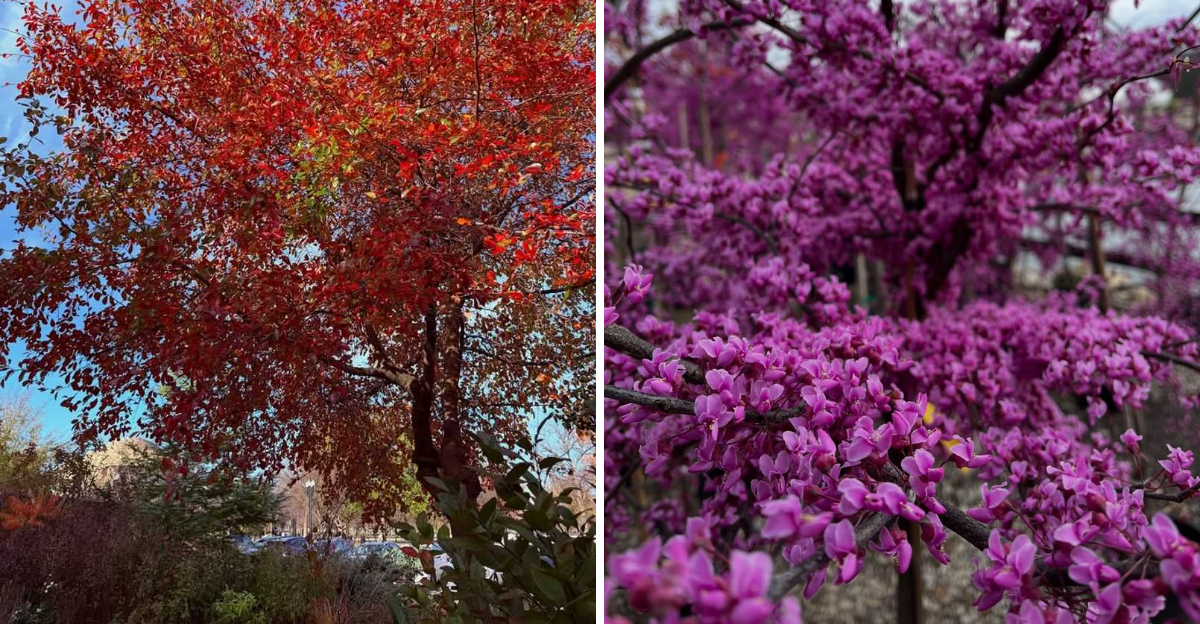
Many Pennsylvania homeowners find themselves staring at a bleak, skeletal landscape once the autumn leaves finally hit the grass. While the classic oak or maple offers a fantastic summer canopy, your front yard deserves to look intentional and vibrant even in the middle of February.
Swapping out generic suburban choices for high-performing native trees ensures that your property remains a neighborhood standout throughout the entire calendar year.
These local powerhouses offer a rotating display of delicate spring blossoms, lush summer foliage, fiery fall colors, and striking winter silhouettes.
Focusing on indigenous species means you are working with the natural rhythm of Pennsylvania rather than fighting against it. These trees provide visual architecture that thrives in our specific climate.
You can easily elevate your curb appeal while offering essential shelter for local songbirds during the coldest months.
1. Eastern Redbud
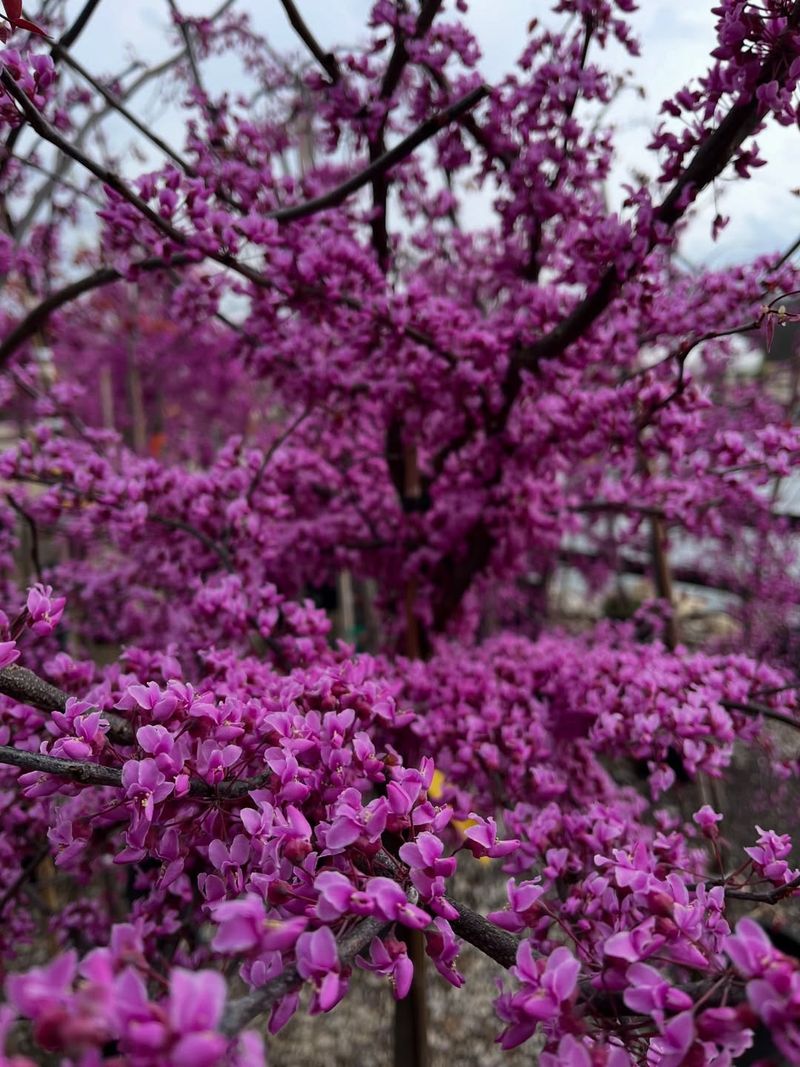
Before its leaves even show up, the Eastern Redbud puts on one of the most jaw-dropping flower displays of any native tree in Pennsylvania.
Clusters of bright pink-purple blooms burst directly from the bare branches in early spring, creating a look that stops neighbors in their tracks. It is one of the earliest signs that warmer weather is on the way.
Once the flowers fade, heart-shaped green leaves fill in and provide a full, lush canopy through the summer months.
The leaves have a soft, rounded shape that adds a gentle texture to the front yard landscape. This tree grows 20 to 30 feet tall, making it a great fit for smaller spaces.
Come fall, the foliage shifts to a warm yellow, adding one last burst of color before the tree goes dormant. Even in winter, the Eastern Redbud earns its keep.
Its elegant branching structure creates a graceful silhouette against the sky, especially when light snow dusts the limbs.
Eastern Redbud adapts well to both full sun and partial shade, and it handles a range of soil types found across Pennsylvania. It is not a fussy tree, which makes it a smart choice for homeowners who want seasonal beauty without a lot of effort.
Plant it near a walkway or as a focal point in the front yard, and it will reward you with color and character all year long. Few native trees pack this much visual impact into such a manageable size.
2. Serviceberry
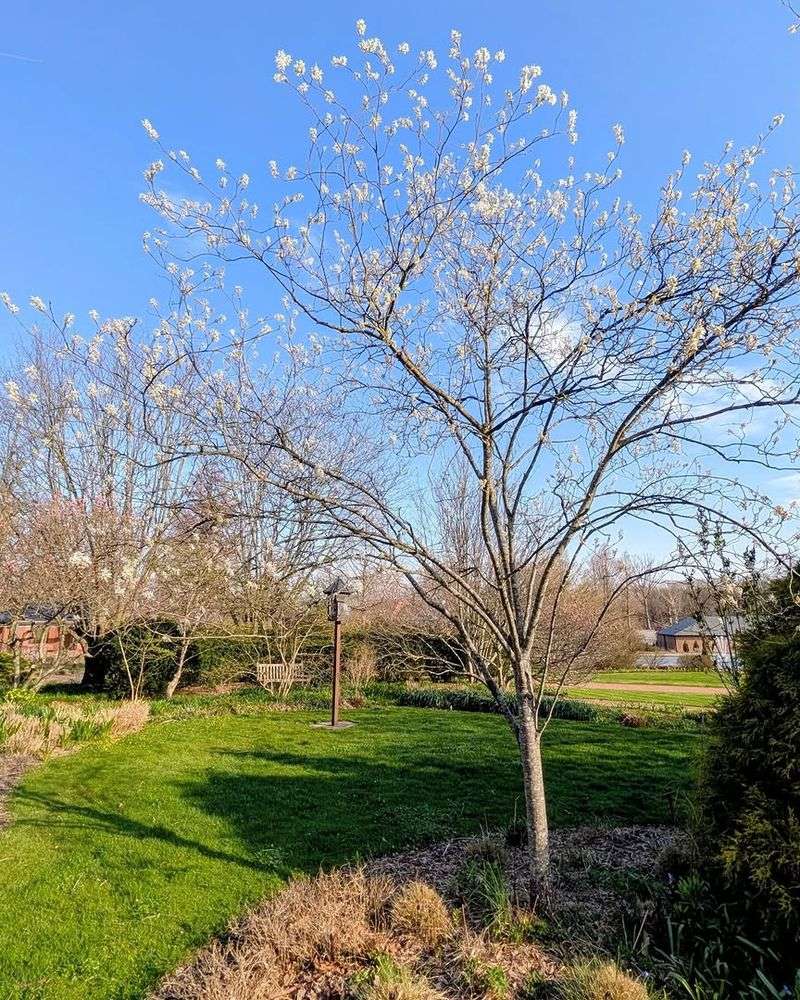
If there is one native tree that truly delivers something worth noticing in every single season, the Serviceberry is it. In early spring, before most other trees have even woken up, this beauty covers itself in delicate white flowers that glow against the still-bare landscape.
It is one of the first trees to bloom in Pennsylvania, which makes it a real standout in the neighborhood.
Summer brings small, sweet berries that ripen to a deep purple-red color. Birds go absolutely wild for them, and if you get there first, you can enjoy them yourself right off the branch.
The berries have a mild, sweet flavor similar to blueberries, making them a fun bonus for families with curious kids.
Your Pennsylvania Garden Changes Every Week. Your Plan Should Too.
Gardening in Pennsylvania changes quickly throughout the season. Every Friday you’ll receive a simple weekly plan showing exactly what to plant, prune, fertilize, harvest, and protect so you never miss the right timing.
As temperatures cool in fall, the Serviceberry transforms again. The foliage turns a brilliant mix of orange and red, giving your front yard some of the richest autumn color you will find on any native Pennsylvania tree.
It grows 15 to 25 feet tall, so it fits well in most front yard spaces without crowding the house.
Winter reveals yet another layer of charm. The smooth gray bark and fine, airy branching pattern create a clean, sculptural look that holds visual interest even when the tree is bare.
Serviceberry handles a wide range of soil types and light conditions, from full sun to partial shade.
It also supports pollinators in spring and songbirds through summer, making it one of the most ecologically valuable trees you can plant in a Pennsylvania front yard. It is a true four-season performer.
3. Flowering Dogwood
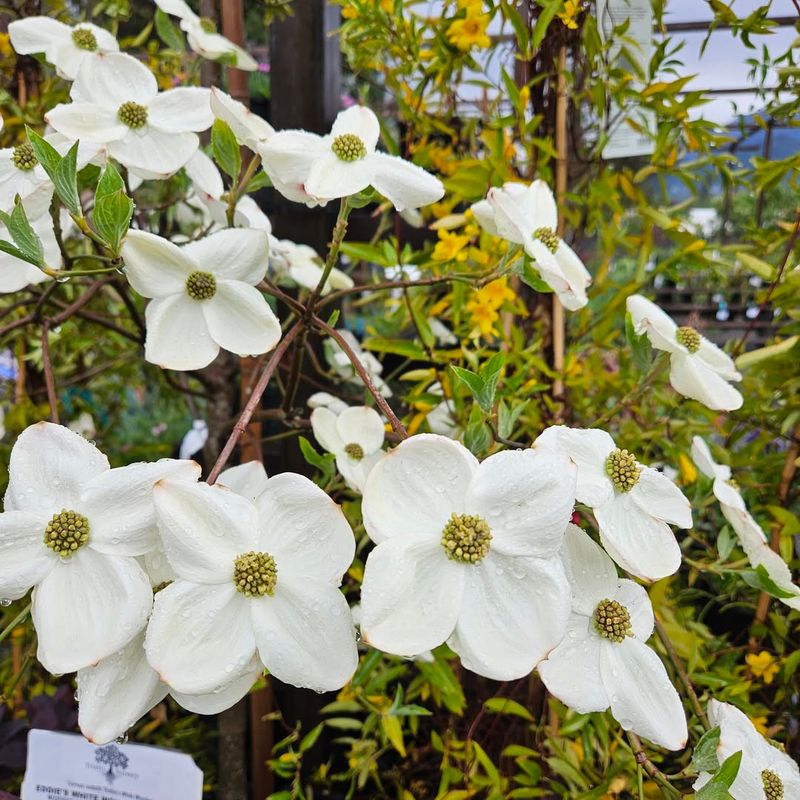
Few native trees in Pennsylvania carry the same timeless, classic appeal as the Flowering Dogwood. Gardeners and landscapers have admired it for generations, and it is easy to see why.
In spring, the tree produces large, showy white or soft pink bracts that look like oversized petals surrounding the small true flowers at the center. The effect is stunning and unmistakable.
Through the summer, Flowering Dogwood develops a layered, horizontal branching pattern that creates a wide, graceful canopy. The rich green leaves provide good shade and give the tree a full, structured look.
It typically grows 15 to 30 feet tall, making it well-suited for front yards where you want shade without blocking too much of your home’s curb appeal.
Fall is where this tree really surprises people. The leaves turn a deep reddish-purple, and clusters of glossy red berries appear at the tips of the branches.
Those berries are a favorite food source for over 30 species of birds, which means your front yard becomes a wildlife hotspot right when things start to slow down in the garden.
Winter shows off the Flowering Dogwood’s elegant structure. The distinctive layered branching form remains visible long after the leaves have dropped, giving the tree a sculptural quality that few others can match.
It prefers partial shade and well-drained, slightly acidic soil, which is common across much of Pennsylvania.
Planting one near the corner of your home or along a walkway will give your front yard a polished, four-season look that feels both natural and refined throughout the entire year.
4. American Hornbeam
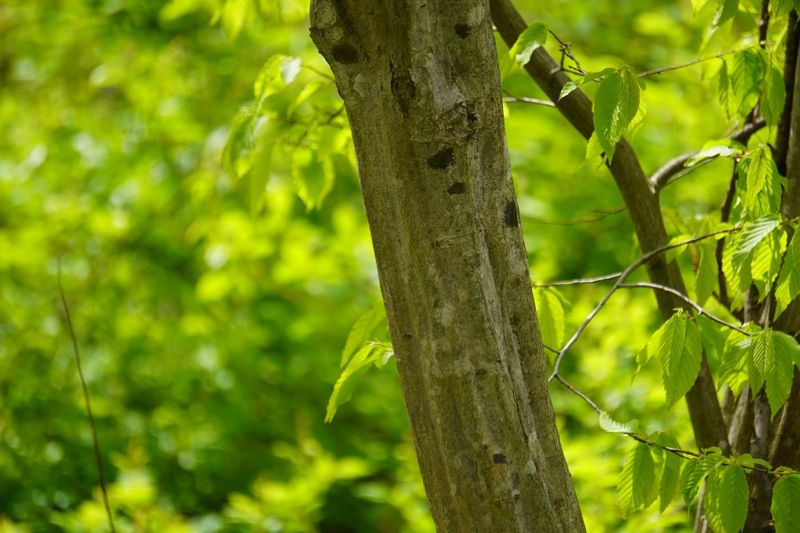
Not every front yard gets full sun, and that is exactly where the American Hornbeam shines.
Nicknamed musclewood because of its smooth, rippled bark that looks almost like flexed muscle, this tree brings a one-of-a-kind texture to the Pennsylvania landscape that you simply do not find in other native species.
It is a slow grower, but the payoff is absolutely worth the wait. Spring brings subtle flowers and fresh, bright green foliage that fills in nicely under taller canopy trees. Through summer, the dense green leaves create a cool, shaded feel in the yard.
This tree is a natural understory species, meaning it thrives in partial to full shade, making it perfect for front yards with limited direct sunlight.
When fall arrives in Pennsylvania, the American Hornbeam puts on a warm show. Leaves shift through shades of yellow, orange, and red before dropping, adding layered color to areas of the yard that might otherwise look flat during autumn.
It reaches a mature height of 20 to 35 feet, staying compact enough for most residential settings.
Winter is when musclewood truly earns its nickname. The smooth, sinewy gray bark stands out beautifully against snow or a gray winter sky.
It has an almost sculptural quality that makes the tree look interesting even without any leaves on it. American Hornbeam also provides food for birds and small wildlife through its seeds and catkins.
For Pennsylvania homeowners with shaded front yards who want something with real personality and year-round visual texture, this underappreciated native tree deserves a much closer look.
5. Black Gum
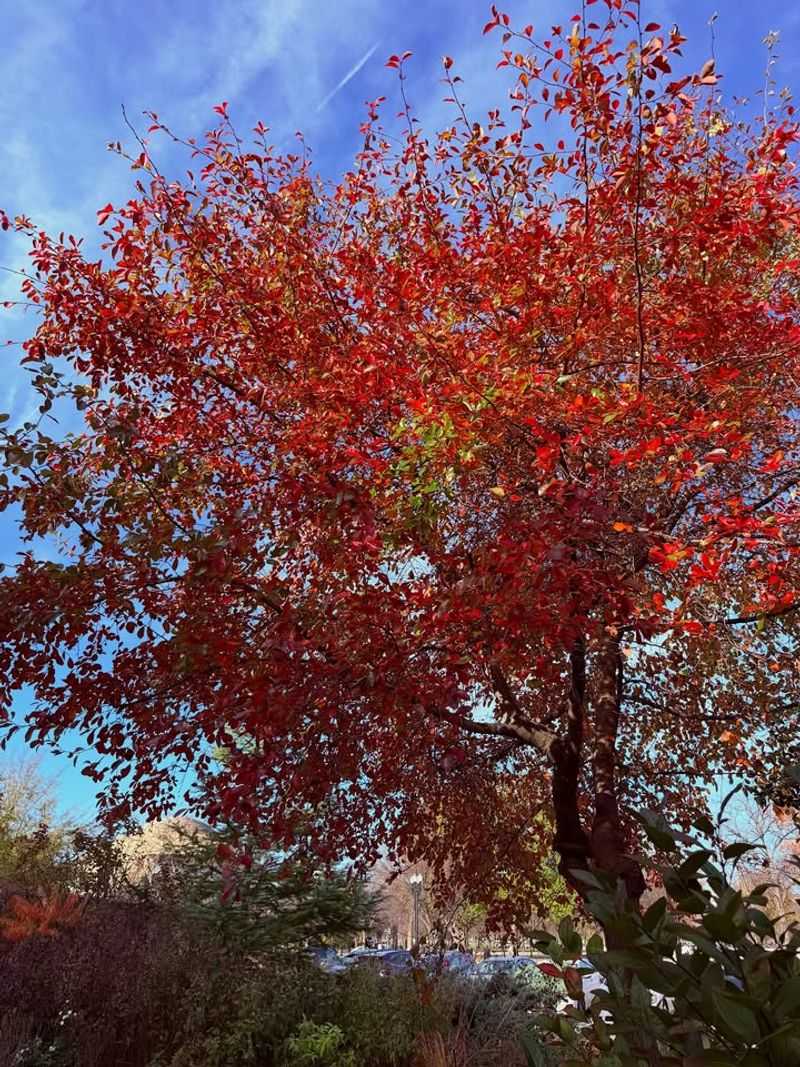
Ask any serious native plant enthusiast in Pennsylvania which tree delivers the most breathtaking fall color, and there is a very good chance they will say Black Gum without hesitation.
The foliage turns a blazing, fire-engine red in autumn that is hard to beat. Even among other trees known for fall color, the Black Gum holds its own and then some.
Spring is quieter but still productive. Small, nectar-rich flowers appear early in the season and attract a wide variety of native bees and pollinators.
These blooms are modest in appearance but big on ecological value. Black Gum is actually considered one of the best honey plants in the eastern United States, which is a fun fact worth sharing with your neighbors.
Summer brings glossy, deep green leaves that catch sunlight in a way that makes the tree look almost lacquered. The canopy is full and attractive without being overwhelming.
Black Gum grows slowly but steadily, eventually reaching 30 to 50 feet tall, so give it a prominent spot in the front yard where it has room to develop its strong, horizontal branching structure over time.
Come winter, the bare silhouette of the Black Gum is genuinely striking. The bold, layered branches spread outward in a distinctive pattern that looks like something out of a nature painting.
It tolerates a wide range of soil conditions and is naturally found throughout Pennsylvania in both wet and dry sites.
If you want one tree that earns admiration from spring through winter, Black Gum makes a compelling case for the top of the list in any Pennsylvania front yard planting plan.
6. River Birch
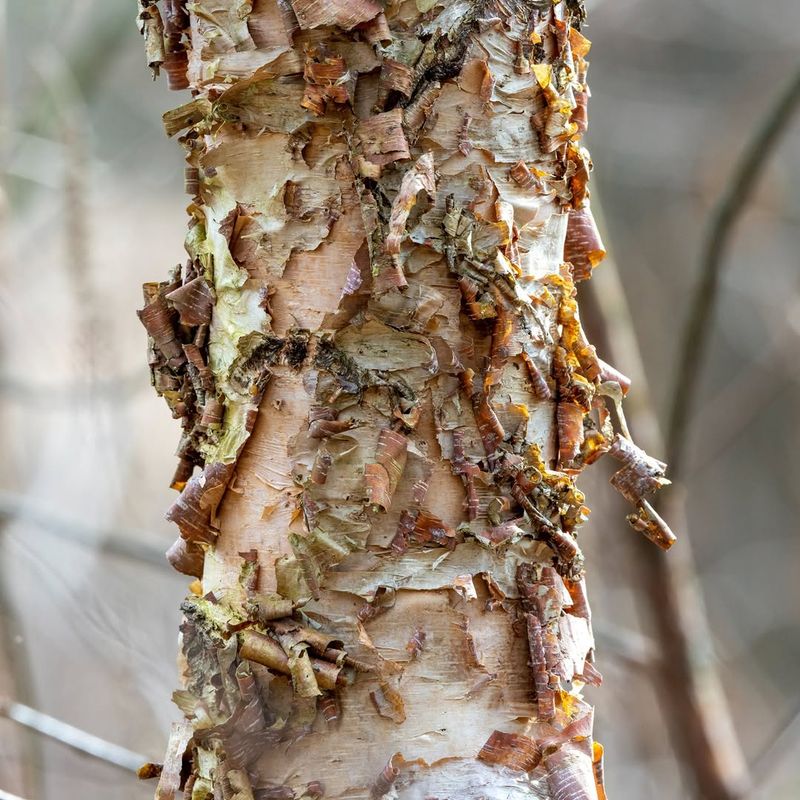
Walk past a River Birch in winter and you will do a double take. The peeling, cinnamon-colored bark is one of the most visually striking features of any native tree in Pennsylvania, and it looks especially dramatic when the branches are bare.
Sheets of salmon, tan, and reddish-brown bark curl back to reveal fresh layers underneath, creating a look that is both wild and refined at the same time.
River Birch is one of the faster-growing native trees on this list, which is great news if you want results sooner rather than later. Through spring and summer, the tree produces lush, bright green foliage that flutters in the breeze and creates a light, airy canopy.
It is a natural fit for moist areas of the yard, and it handles wet soil far better than most ornamental trees.
Fall brings a clean, warm yellow to the leaves before they drop. It may not be the most dramatic fall color on this list, but the yellow tones are cheerful and bright, especially when paired with the colorful foliage of nearby shrubs or perennials.
River Birch is commonly planted in multi-stem form, which means the peeling bark effect is multiplied and even more eye-catching.
River Birch grows 40 to 70 feet tall at maturity, so it works best in larger Pennsylvania front yards where it has space to spread. It thrives in full sun to partial shade and adapts to a range of soil types.
Catkins in spring add extra texture, and the seeds attract birds and small wildlife. For year-round bark interest alone, this native tree is hard to beat.