Deer Resistant Plants That Still Look Great All Season In Michigan
Finding plants that deer usually leave alone can feel like a never ending challenge in Michigan gardens. Just when a bed starts looking full and colorful, hungry visitors can undo all that progress in a single night.
The good news is that you do not have to settle for plain or boring choices just to avoid damage. Many deer resistant plants offer beautiful flowers, rich texture, bold foliage, and long lasting color that keeps the garden looking good from spring through fall.
In Michigan, where weather can shift quickly and wildlife pressure is often high, choosing the right plants makes a big difference. The best options are not only less appealing to deer, but also tough enough to handle local conditions with less fuss.
If you want a landscape that stays attractive without becoming a favorite snack, these plants are smart picks worth adding to your garden.
1. Hellebores (Helleborus Hybridus)
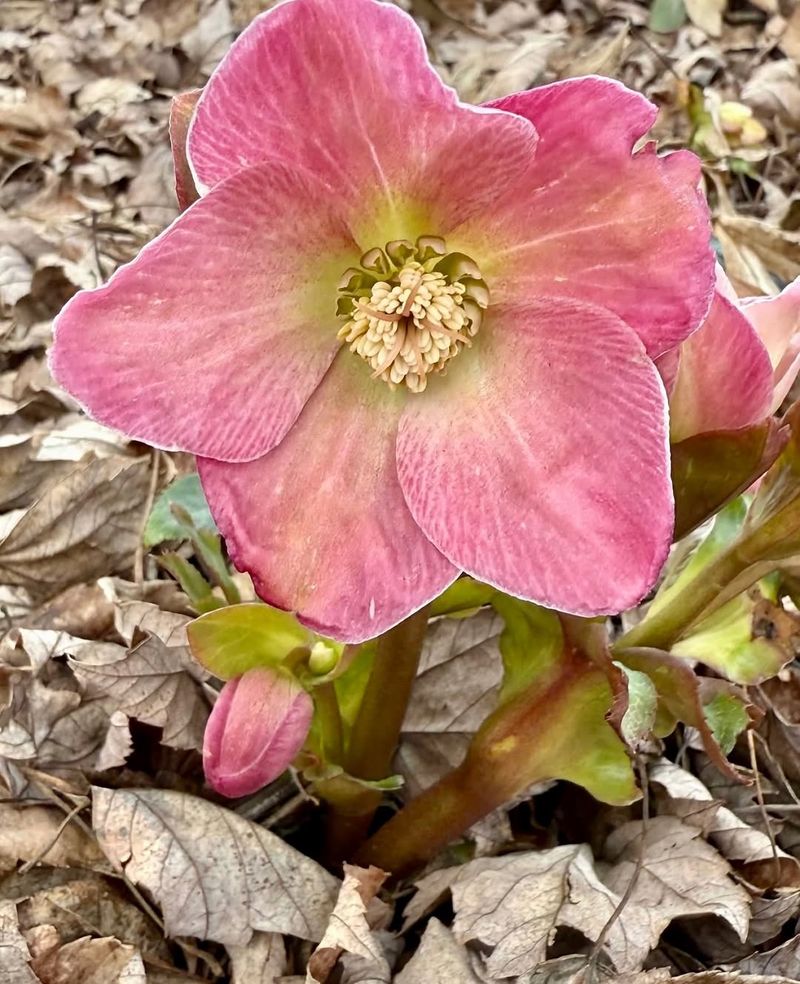
Few plants wake up a Michigan garden as quietly and confidently as hellebores do. While most perennials are still sleeping under the last traces of frost, hellebores push out their nodding, cup-shaped blooms in soft shades of cream, pink, plum, and deep burgundy.
They bloom so early that they often catch gardeners by surprise, sometimes flowering while patches of snow still linger nearby.
What makes hellebores especially valuable is their ability to thrive in shady spots where other plants struggle. Under a canopy of trees or along a north-facing fence, they settle in and perform beautifully year after year.
Their glossy, deep green foliage stays attractive long after the flowers fade, giving the garden structure and richness well into summer and beyond.
Deer tend to leave hellebores completely alone because the plants contain compounds that taste unpleasant and cause irritation. For Michigan gardeners dealing with regular deer pressure, that kind of built-in protection is a serious bonus.
Plant them in rich, well-drained soil with consistent moisture, and they will reward you with very little fuss. Once established, hellebores are remarkably self-sufficient and even self-seed gently over time, slowly filling a shady corner with more color each passing season.
2. Catmint (Nepeta Faassenii)
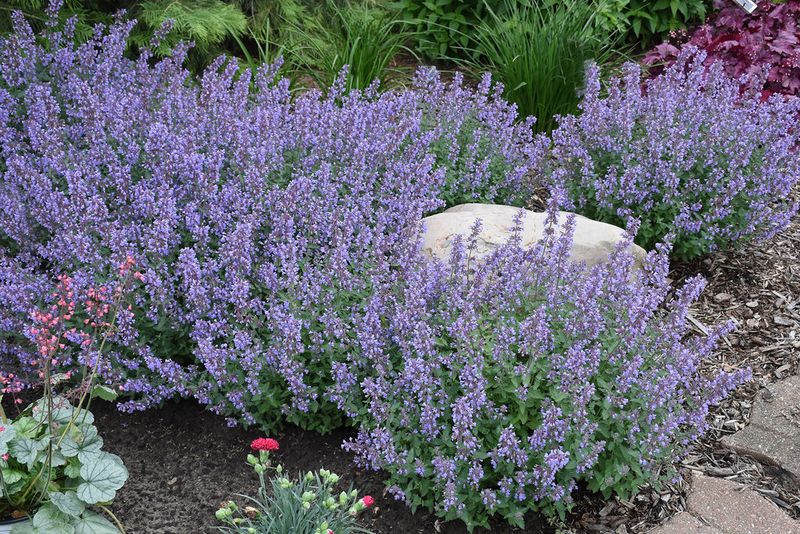
Walk past a catmint plant on a warm afternoon and you catch a faint, herby scent that most deer find completely unappealing.
That natural fragrance is one of the main reasons catmint has become such a go-to plant for Michigan gardeners who want long-season color without the worry.
From late spring well into summer, it produces wave after wave of soft lavender-blue flower spikes that look gorgeous along borders, pathways, and sunny garden edges.
Catmint grows into a relaxed, billowy mound of silvery-green foliage that softens the edges of any planting. After the first big flush of flowers fades, a simple trim with garden shears sends it right back into bloom within a few weeks.
That rebloom habit is something most gardeners genuinely appreciate, especially when midsummer hits and some other perennials start to look tired.
In Michigan, catmint handles heat, humidity, and cold winters without complaint. It thrives in full sun with well-drained soil and actually performs better when conditions are a little on the dry side, making it a smart choice for spots where watering is limited.
Your Michigan Garden Changes Every Week. Your Plan Should Too.
Gardening in Michigan changes quickly throughout the season. Every Friday you’ll receive a simple weekly plan showing exactly what to plant, prune, fertilize, harvest, and protect so you never miss the right timing.
Pollinators absolutely swarm the flowers, so you get the added bonus of bees and butterflies visiting throughout the season. It is one of those plants that earns its place in the garden every single year.
3. Lavender (Lavandula Angustifolia)
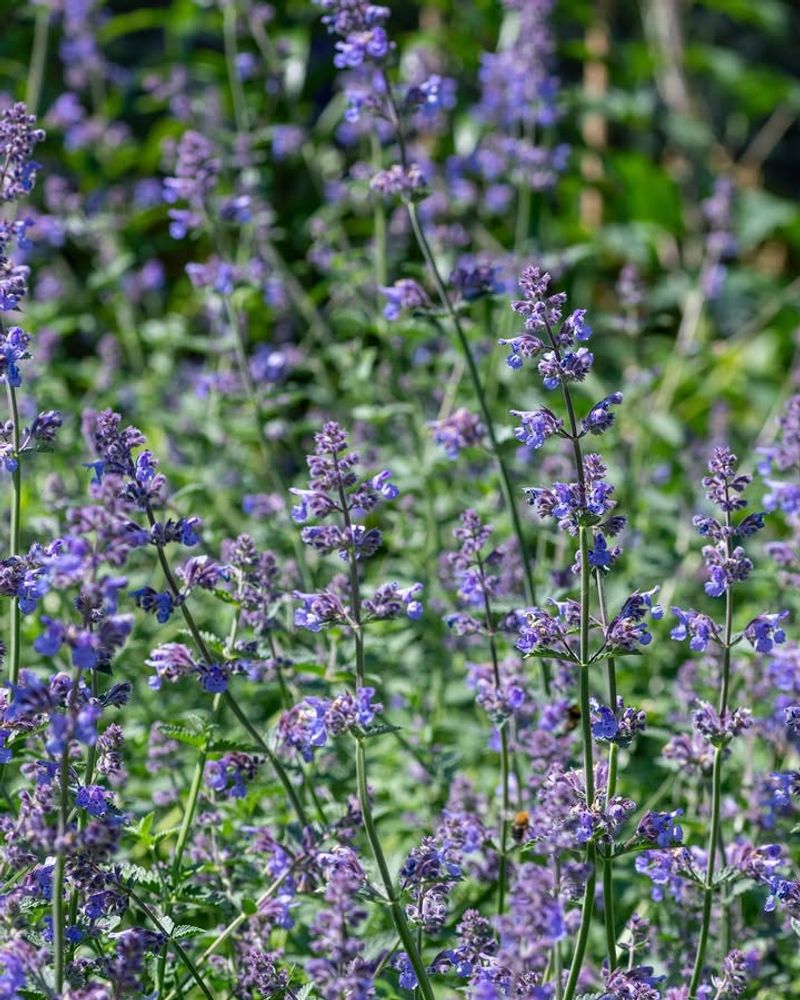
Lavender brings something to a Michigan garden that very few other plants can match: fragrance, structure, and color all wrapped into one tidy, silvery-green mound.
The strong aromatic oils in its foliage are exactly what sends deer in the opposite direction, making it one of the most reliably unbothered plants you can grow in the state.
Plant it along a sunny walkway or at the front of a border and enjoy the scent every time you brush past it.
Blooming in early to midsummer, lavender produces tall spikes of purple flowers that attract bees, butterflies, and hummingbirds in impressive numbers.
Even after the flowers fade, the silver-green foliage stays tidy and attractive through the rest of the growing season.
In Michigan, choosing a cold-hardy variety like Hidcote or Phenomenal gives you the best chance of success through the state’s sometimes brutal winters.
Lavender demands full sun and excellent drainage above everything else. It struggles in heavy clay or consistently wet soil, so raised beds or amended, well-draining garden spots work best across much of Michigan.
Once it is established and happy with its location, it needs very little attention beyond a light trim after flowering.
Cutting back the spent flower stalks and a small amount of foliage keeps the plant compact and encourages fresh growth for the following season. It is truly a plant that rewards the right placement with years of beauty.
4. Russian Sage (Salvia Yangii)
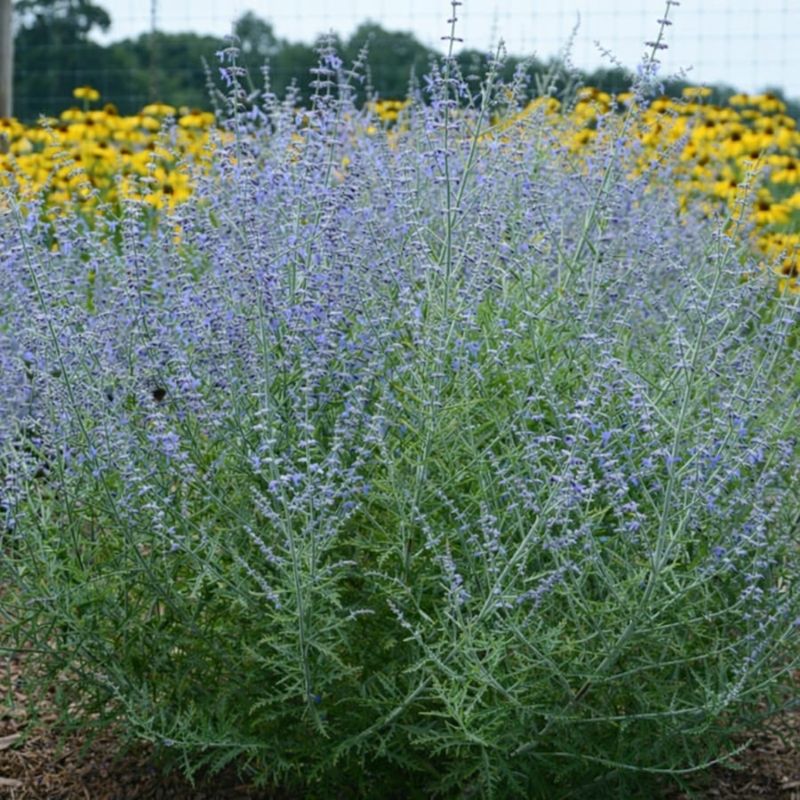
Russian sage has a way of making a Michigan garden look effortlessly elegant from midsummer all the way into fall. Its tall, airy spikes of lavender-blue flowers rise above clouds of finely cut, silver-white foliage, creating a hazy, almost dreamy effect in the border.
It is the kind of plant that looks expensive and high-maintenance but actually asks for very little once it gets going.
Deer consistently avoid Russian sage because of its strongly aromatic foliage, which releases a sharp, pungent scent when touched. That scent is pleasant enough to most gardeners but clearly off-putting to wildlife.
In Michigan, where deer pressure can be intense in suburban and rural areas alike, that natural resistance makes Russian sage a genuinely practical choice for open, sunny beds.
Full sun and well-drained soil are the two things Russian sage needs most. It handles summer heat and drought with ease, and its silvery stems remain standing and attractive even after the growing season ends, giving the winter garden some quiet visual interest.
Cutting it back hard in early spring encourages vigorous new growth and keeps the plant looking full and fresh. Pair it with yellow or orange perennials like rudbeckia for a bold color combination that stops people in their tracks.
Across Michigan landscapes, Russian sage earns its spot with almost no effort from the gardener at all.
5. White Snakeroot (Ageratina Altissima)
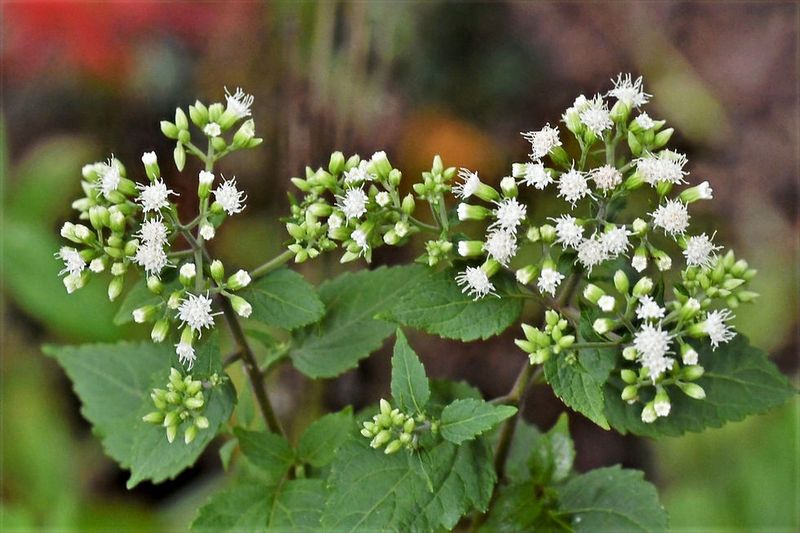
Most shade-loving plants peak in spring and then quietly fade into the background by late summer. White snakeroot flips that script entirely.
It holds its deep green foliage through the warmer months and then bursts into a frothy display of bright white flowers right when the rest of the garden starts winding down.
For Michigan gardeners with shady yards or woodland edges, that late-season bloom is incredibly valuable.
White snakeroot is a native plant, which means it evolved alongside Michigan’s climate and local ecology.
It supports native bees and butterflies during a time of year when nectar sources are becoming scarce, making it a smart addition for anyone interested in supporting pollinators.
Deer tend to leave it alone, which is a welcome trait in wooded Michigan neighborhoods where deer regularly wander through the yard.
Growing white snakeroot is refreshingly simple. It adapts to a wide range of soil types and moisture levels, thriving in everything from dry shade under mature trees to moist, humus-rich woodland soil.
It spreads gradually by seed, so you may find new plants popping up nearby over time, which most gardeners consider a bonus rather than a problem.
Keep in mind that all parts of the plant are toxic if eaten, so it is best planted away from areas where pets or small children play. In the right spot, it is a standout performer with almost zero maintenance required.
6. Boxwood (Buxus Spp.)
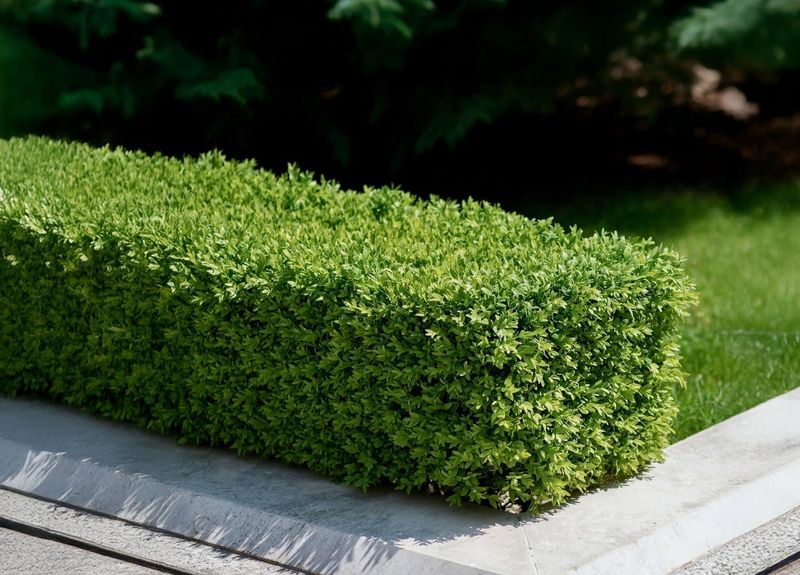
Structure is something gardens often lose in winter, and that is exactly where boxwood steps in to save the day.
Staying green and dense through Michigan’s coldest months, boxwood provides the kind of year-round backbone that makes a landscape look intentional and polished no matter the season.
It is one of the few evergreen shrubs that deer generally avoid, partly because of its bitter-tasting foliage and strong smell.
Boxwood works beautifully as a low hedge, a border edging plant, or a standalone accent in formal and informal gardens alike.
Its tight, compact growth habit means it holds a tidy shape for a long time without constant pruning, though a light trim once or twice a year keeps it looking crisp and well-defined.
In Michigan, selecting cold-hardy varieties like Green Velvet or Green Mountain helps the plant sail through harsh winters without significant damage.
Plant boxwood in a spot with well-drained soil and some protection from harsh winter winds, which can cause foliage browning in exposed locations. It tolerates both full sun and partial shade, giving Michigan gardeners plenty of flexibility when planning their layouts.
Watering consistently during the first couple of growing seasons helps establish a strong root system that can handle Michigan summers and winters with ease.
Once settled in, boxwood is remarkably low-maintenance and provides structure and greenery that ties the whole garden together through every season of the year.
7. Ninebark (Physocarpus Opulifolius)
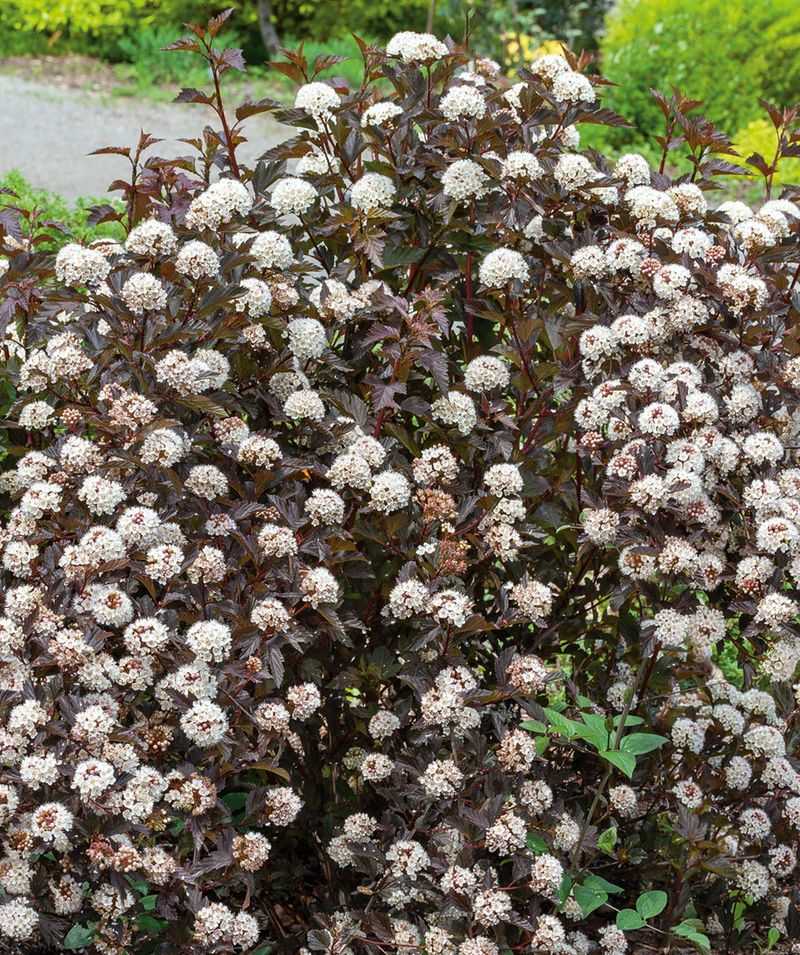
Ninebark is one of those native Michigan shrubs that punches well above its weight in the garden.
It delivers colorful foliage in shades of deep burgundy, gold, or bright lime green depending on the variety, along with clusters of small white or pinkish flowers in late spring and attractive seed heads that follow through summer and into fall.
It is a full-season performer that earns its space from the moment it leafs out. Deer are not particularly drawn to ninebark, which makes it a practical choice for Michigan properties where wildlife pressure is a regular issue.
Its fast growth rate also means it fills in quickly, providing privacy, structure, or a colorful backdrop to smaller perennials and flowering plants in the border.
Varieties like Diablo, Summer Wine, and Tiny Wine offer different sizes and foliage colors, so there is a ninebark to fit nearly any garden situation.
One of the best things about ninebark is its toughness. It adapts to a wide range of soil types, handles both moist and somewhat dry conditions, and grows well in full sun to partial shade across Michigan’s varied landscapes.
Pruning after flowering keeps the plant tidy and encourages vigorous new growth.
Because ninebark is native to the region, it also supports local birds and insects throughout the season, adding genuine ecological value alongside its impressive ornamental appeal. It is a shrub that does it all.
8. Potentilla (Dasiphora Fruticosa)
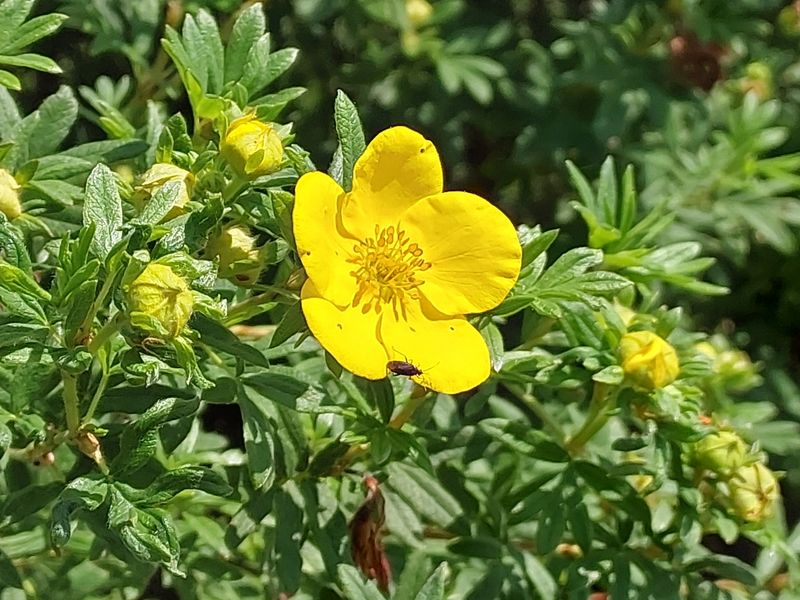
Potentilla is the kind of shrub that just keeps going. From late spring through summer and often well into fall, it produces a steady stream of cheerful, rose-like flowers in shades of yellow, white, orange, or soft pink depending on the variety.
Very few flowering shrubs can match that kind of staying power, and Michigan gardeners who discover potentilla often wonder why they waited so long to plant it.
Deer tend to leave potentilla alone, which is a genuine advantage in many parts of Michigan where browsing pressure can be significant.
The shrub stays naturally compact and rounded, usually reaching between two and four feet tall and wide, which makes it easy to fit into foundation plantings, mixed borders, or along sunny pathways.
It does not need much pruning to stay attractive, though a light trim in early spring freshens up the shape nicely.
Full sun brings out the best in potentilla, and it handles Michigan’s variable weather remarkably well. It is cold-hardy through even the harshest winters the state typically throws at it, and it also tolerates heat, drought, and poor soils once established.
Goldfinger and Abbotswood are two popular varieties that perform especially well across Michigan gardens.
Pairing potentilla with ornamental grasses or blue-flowered perennials creates a striking combination that looks great from early summer all the way to the first hard frost of the season.
9. Spirea (Spiraea Japonica)
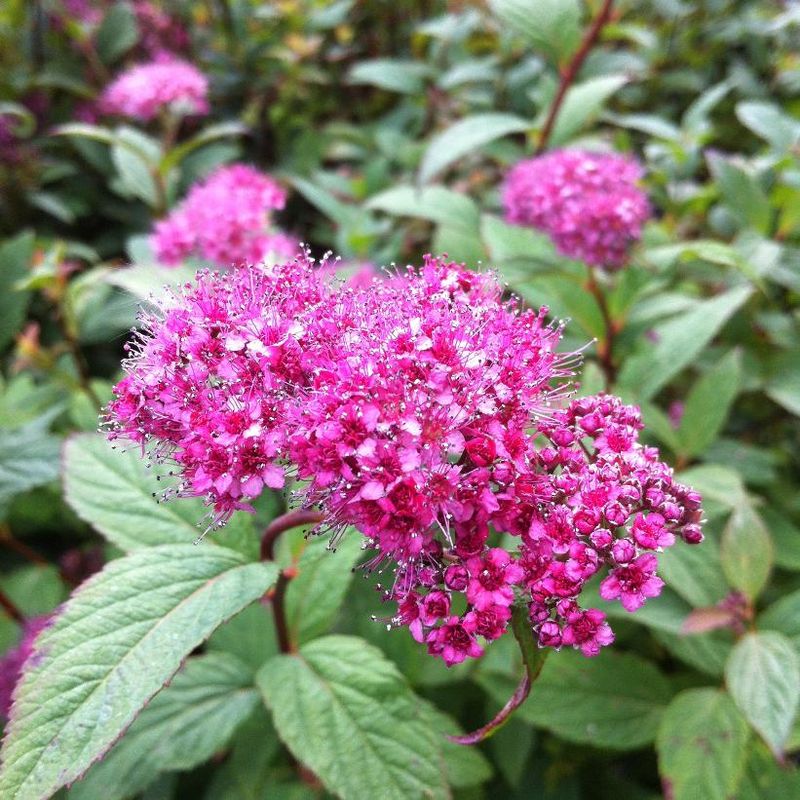
Spirea has been a staple of Michigan gardens for good reason. It is easy to grow, reliably pretty, and produces flat-topped clusters of pink or white flowers that light up the landscape in late spring and early summer.
After the first bloom, a quick trim encourages a second flush of color, extending the show well into the summer months. Few shrubs offer that kind of value with so little effort from the gardener.
Deer tend to pass over spirea in favor of tastier options, which makes it a smart pick for yards where wildlife visits regularly.
Its foliage stays fresh and attractive through the growing season, and on varieties like Magic Carpet and Goldflame, the leaves even shift through warm shades of gold, orange, and red as temperatures change.
That foliage interest adds a layer of seasonal color that goes well beyond the flowers alone.
Spirea thrives in full sun across Michigan’s varied growing conditions and adapts to most soil types without complaint. It stays relatively compact, making it easy to work into borders, foundation plantings, or mass plantings along slopes and edges.
Cutting it back by about one-third in early spring keeps the plant vigorous and full, preventing the woody, open look that older shrubs can develop over time.
Whether you are planting a new garden from scratch or refreshing an existing one, spirea is one of those reliable, hardworking choices that rarely disappoints through the long Michigan growing season.
10. Weigela (Weigela Florida)
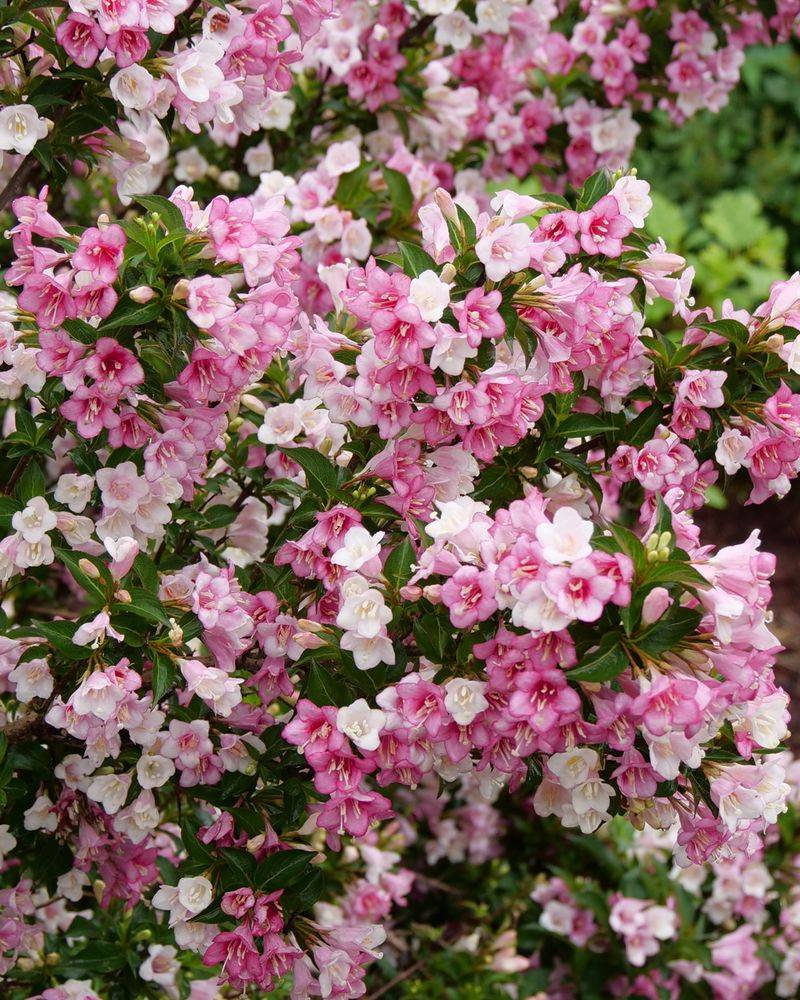
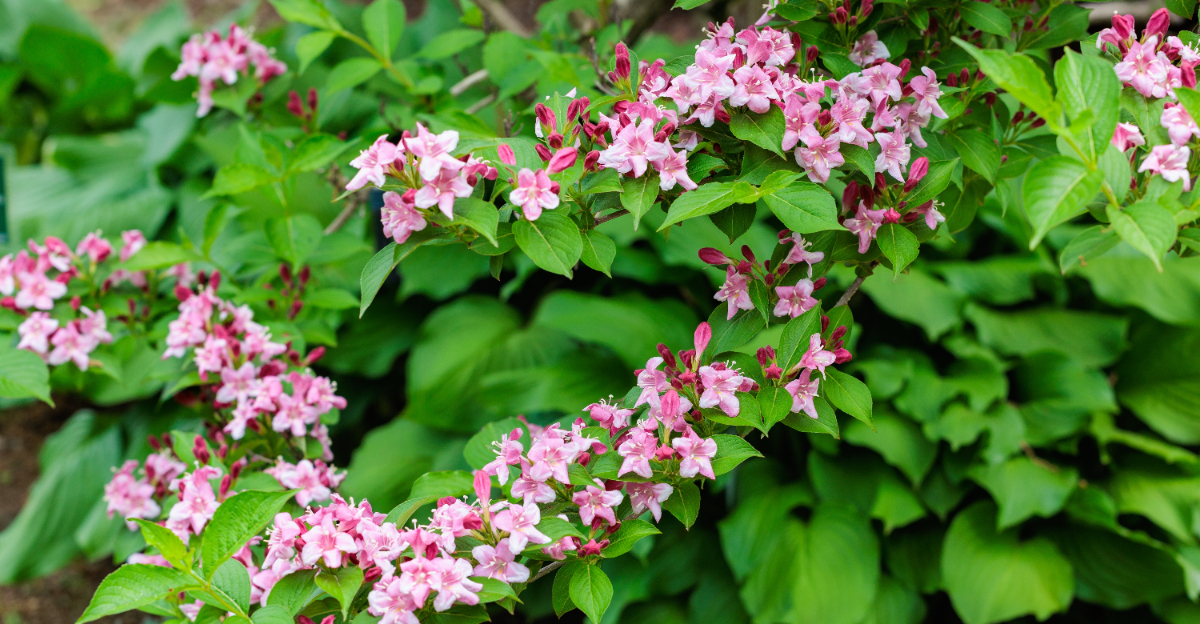
Weigela bursts onto the scene in late spring with an eye-catching display of funnel-shaped flowers in shades of pink, red, or white, covering the arching branches so fully that the foliage almost disappears beneath them.
Hummingbirds absolutely love it, and watching them hover around a weigela in full bloom is one of those small garden moments that makes all the planting and planning feel completely worth it.
Michigan gardeners appreciate weigela for more than just its flowers. Many modern varieties, like Wine and Roses and Sonic Bloom, feature dark, rich foliage that stays ornamental throughout the entire growing season.
Even after the main bloom period ends, the shrub continues to look attractive, and some varieties rebloom sporadically through summer, adding unexpected splashes of color when you least expect them.
Deer tend to bother weigela less frequently than many other common flowering shrubs, which is a practical advantage across much of Michigan where deer are a regular presence.
Weigela grows well in full sun to light shade and tolerates a range of soil conditions, though it performs best in well-drained, moderately fertile ground.
Pruning right after the main flowering period, rather than in fall or early spring, protects the buds that form on old wood and ensures a strong bloom the following year. Plant it where you can enjoy both the flowers and the visiting hummingbirds up close.