These Are The 8 Native Texas Plants To Grow Instead Of Hostas
Hostas get a lot of love, and it is easy to see why. They bring that soft, full, leafy look that makes garden beds feel rich and settled.
The problem is, Texas is not exactly hosta country. What looks effortless in cooler climates can turn into a constant struggle once intense sun, hot soil, and long dry stretches enter the picture.
For many gardeners, the result is familiar. Leaves scorch, plants shrink back, and that lush look disappears fast.
That is why more Texas gardeners are starting to rethink the whole hosta idea. Instead of fighting the climate, they are choosing native plants that give a similar sense of texture, fullness, or shade garden appeal without demanding so much extra help.
These plants are already built for local conditions, which makes them a smarter fit for yards that need beauty and resilience at the same time.
If you love the look of hostas but hate watching them fall apart, there is good news. Texas has plenty of native options that can fill beds with color, shape, and character while standing up to the weather a whole lot better.
1. Turk’s Cap
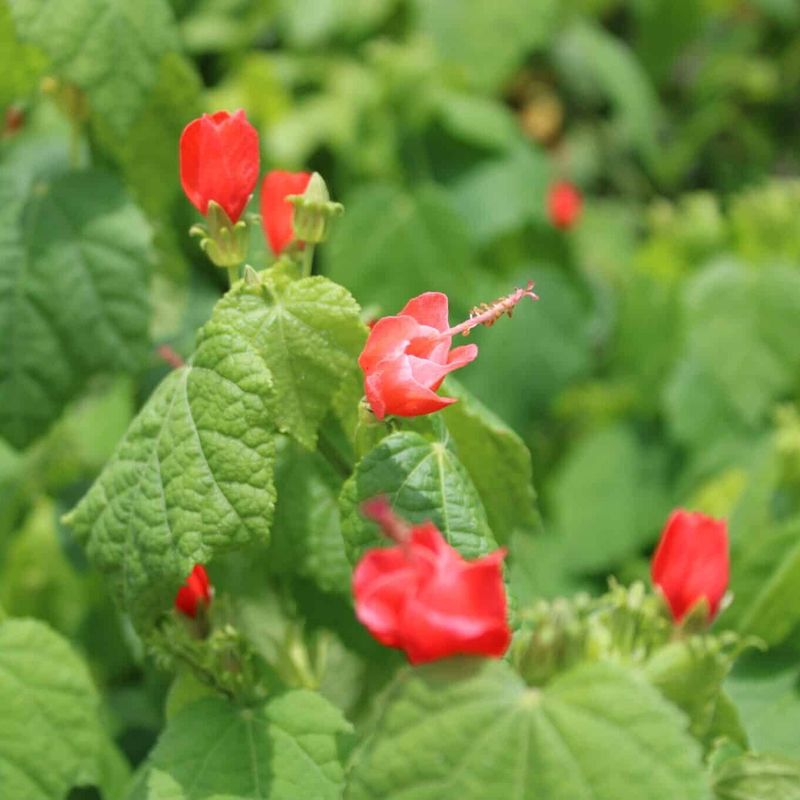
Picture a plant that shrugs off the brutal Texas summer like it is nothing. That is Turk’s Cap in a nutshell.
This native shrub is one of the best substitutes for hostas in shaded garden beds, and once you see it in action, it is easy to understand why so many Texas gardeners are obsessed with it.
Turk’s Cap grows naturally across Central and South Texas, thriving in spots where other plants give up. It handles shade, part shade, heat, and humidity far better than hostas ever could.
The leaves are soft and broad, giving your garden that lush, layered look you want. And then come the flowers.
Bright red, twisted blooms appear from late spring all the way through fall, drawing in hummingbirds like a magnet. Butterflies and bees love it too.
Growing Turk’s Cap is refreshingly simple. It typically reaches two to three feet tall, though in the right conditions it can shoot up to nine or ten feet.
Plant it in well-drained soil and give it a good watering while it gets established. After that, it pretty much takes care of itself.
It even comes back strong after a hard winter. For Texas gardeners looking for bold foliage, seasonal color, and wildlife appeal all in one plant, Turk’s Cap is a clear winner.
2. Inland Sea Oats
Not every plant in a garden needs to be a showstopper with flashy blooms. Sometimes, the most beautiful thing you can add is movement.
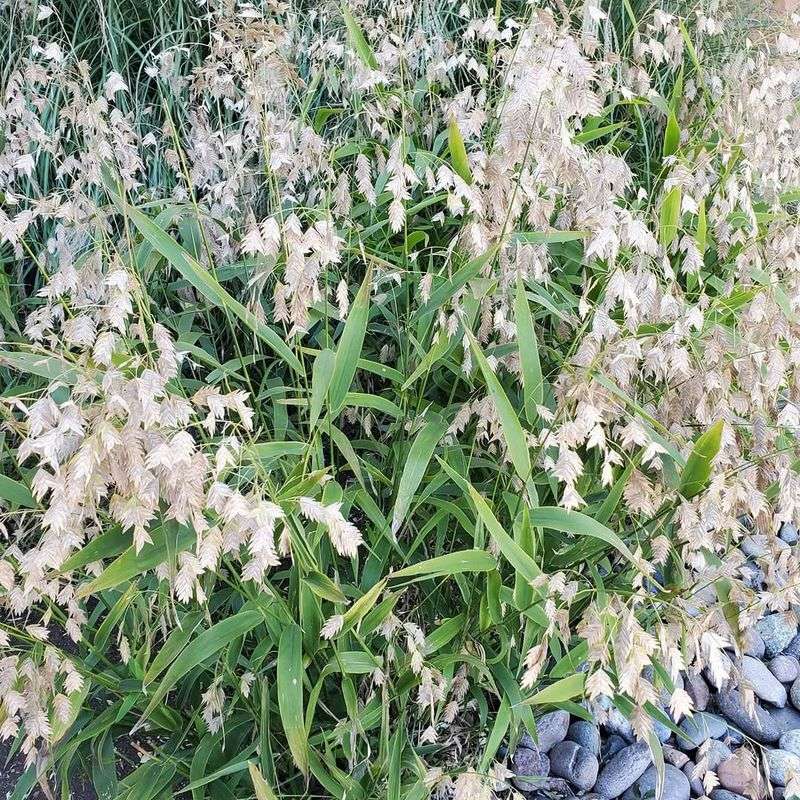
Inland Sea Oats does exactly that. This ornamental grass brings a soft, flowing texture to shady garden beds that is surprisingly similar to the look of grouped hostas.
Native to Texas and much of the eastern United States, Inland Sea Oats is one of the rare grasses that actually prefers shade. Most grasses want full sun, but this one is perfectly happy under tree canopies and along shaded fence lines.
Your Texas Garden Changes Every Week. Your Plan Should Too.
Gardening in Texas changes quickly throughout the season. Every Friday you’ll receive a simple weekly plan showing exactly what to plant, prune, fertilize, harvest, and protect so you never miss the right timing.
It grows two to four feet tall, forming graceful clumps with flat, bamboo-like leaves. In late summer, flat, dangling seed heads appear and sway in even the lightest breeze, adding a calming, almost musical quality to the garden.
Inland Sea Oats is also incredibly low maintenance, which is a huge win for busy Texas gardeners. It adapts well to a variety of soil types, tolerates occasional drought once established, and spreads gradually to fill in empty spaces.
Birds love the seeds in fall and winter, so you get wildlife value too. If you want a plant that brings life, texture, and easy elegance to a shaded Texas landscape, Inland Sea Oats earns its place every single season.
3. Cedar Sage
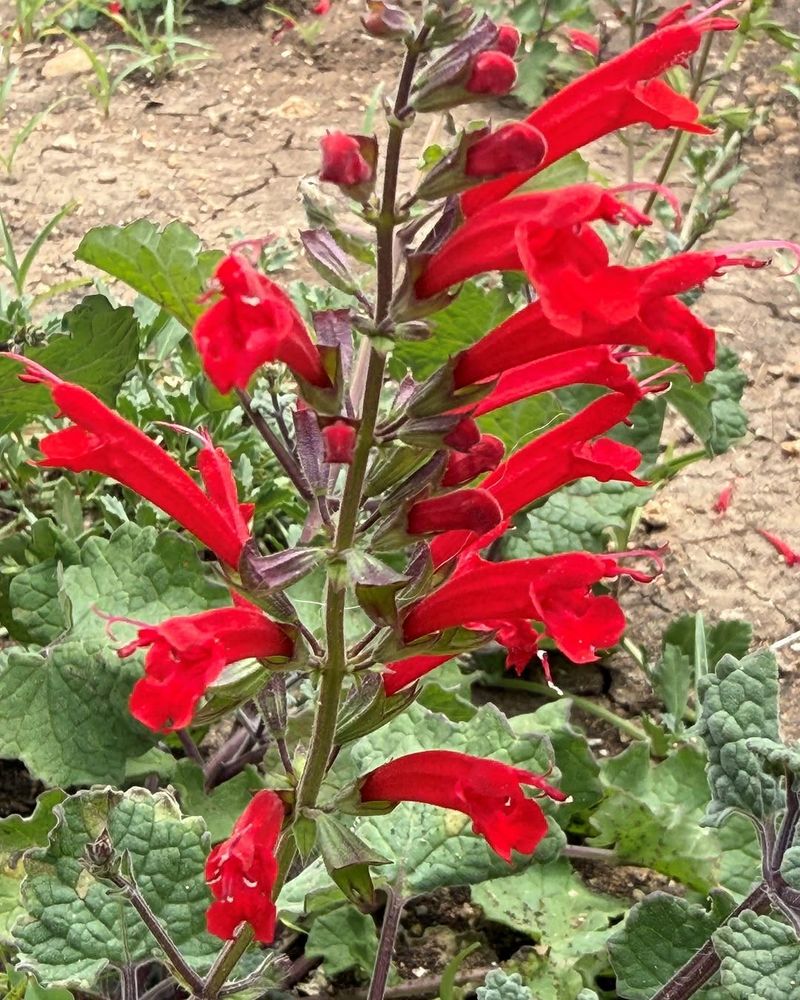
Dry shade is one of the toughest spots in any Texas garden. Most plants refuse to grow there, and hostas absolutely hate it.
Cedar Sage, on the other hand, was practically born for it. Native to the rocky woodlands of Central Texas, this compact little perennial handles dry, shaded conditions with ease and still manages to look gorgeous doing it.
Cedar Sage stays relatively small, usually reaching about one to two feet tall, which makes it perfect for front borders, rock gardens, or tucked under large trees where nothing else will grow. The leaves are rounded and slightly textured, giving the plant a neat, tidy appearance.
From spring through fall, it sends up slender stems topped with vivid red tubular flowers that hummingbirds simply cannot resist. Butterflies and native bees are frequent visitors too, making this plant a real pollinator magnet.
One of the best things about Cedar Sage is how little it asks of you. Once established in a shaded spot with decent drainage, it rarely needs supplemental watering, even during dry Texas summers.
It reseeds gently, so over time it can spread to fill a bed without becoming invasive. For gardeners in Austin, San Antonio, and the Hill Country region who want a tough, beautiful, and wildlife-friendly plant for challenging spots, Cedar Sage is a brilliant choice worth planting right away.
4. American Beautyberry
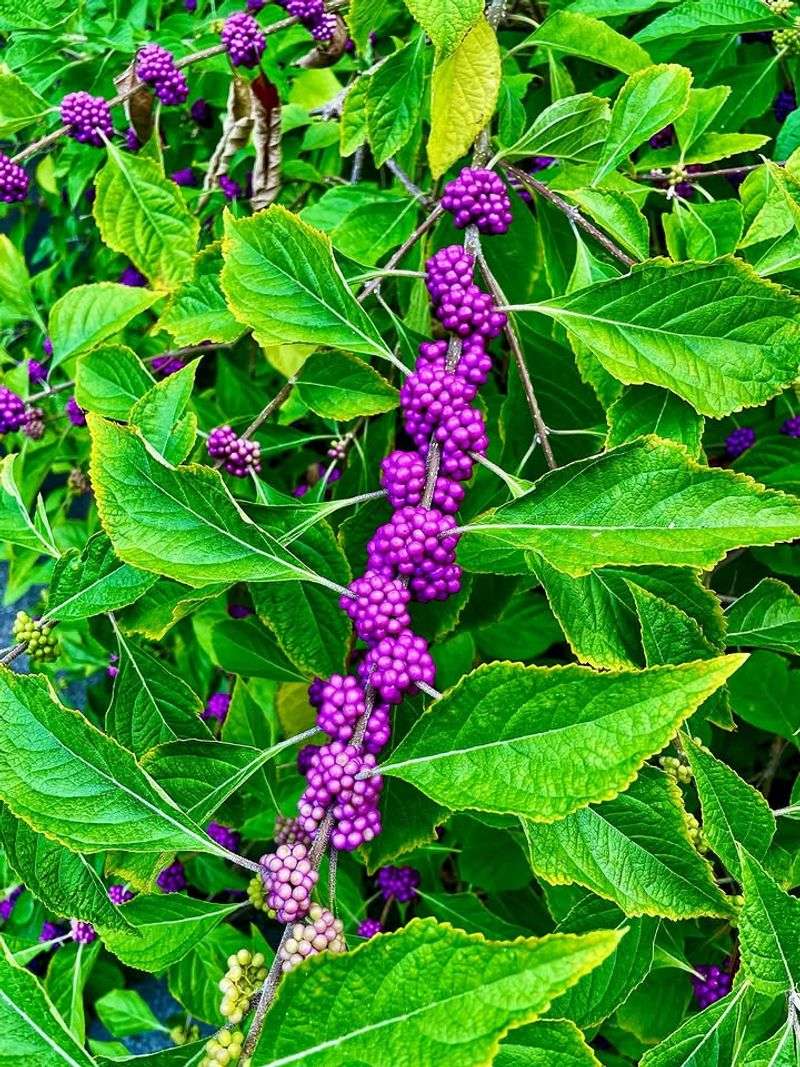
Few native plants in Texas can match the sheer drama of American Beautyberry in the fall. When the rest of the garden is winding down, this deciduous shrub suddenly bursts into color with clusters of vivid, magenta-purple berries that line every stem from top to bottom.
It looks almost unreal, like something out of a fairy tale garden. American Beautyberry is a natural fit for part-shade spots across Texas, from the Piney Woods of East Texas to the Hill Country and Gulf Coast areas.
It grows three to six feet tall and has large, slightly rough leaves that provide bold, textural contrast throughout the growing season.
Even before the berries appear, the plant holds its own as a handsome foliage shrub that fills space beautifully. After the berries fade, the foliage turns a warm golden yellow before the plant goes dormant for winter.
Birds go wild for the berries, so expect mockingbirds, robins, and other species to flock to your yard in fall. The plant is also quite tolerant of poor soils and periods of drought once it gets established, which makes it well suited to the unpredictable Texas climate.
Compared to hostas, which can look ragged by August, American Beautyberry just keeps getting better as the seasons change. It is bold, reliable, and genuinely exciting to watch through every month of the year.
5. Dwarf Palmetto
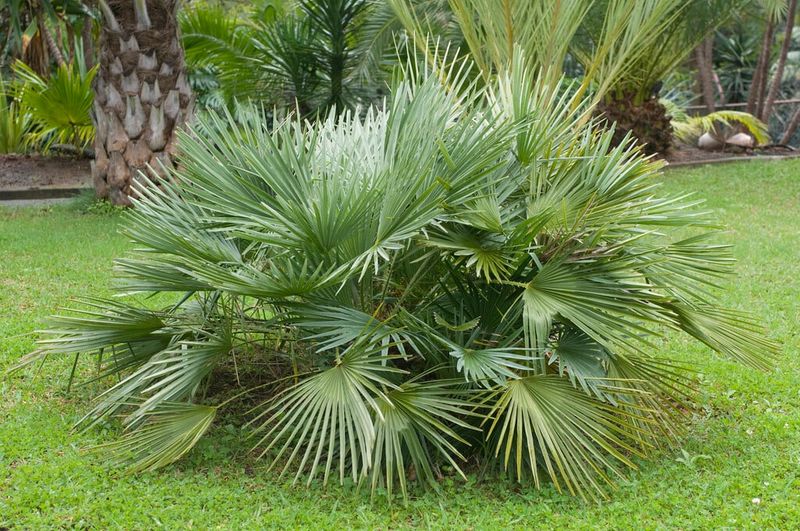
Want to give your shaded garden a bold, tropical feel without leaving Texas? Dwarf Palmetto is the answer.
This native palm grows naturally along the Gulf Coast and in the bottomlands of East Texas, and it brings a dramatic, architectural presence that no hosta could ever match.
The huge, fan-shaped fronds can span several feet wide, creating a lush, layered look that stops people in their tracks.
Despite its tropical appearance, Dwarf Palmetto is surprisingly tough. It handles cold snaps, flooding, and long stretches of shade without skipping a beat.
Once it gets established in moist, well-drained soil, it is extremely self-sufficient. Unlike hostas, which can wilt and scorch in Texas heat, Dwarf Palmetto stays green and full all year long.
It is an evergreen plant, so it earns its space in the garden through every season, not just spring and summer.
Dwarf Palmetto grows slowly, usually staying under six feet tall, though the fronds themselves can be impressively large. It works beautifully as a focal point in a shaded bed or as a backdrop for smaller native plants like Cedar Sage or Inland Sea Oats.
For Texas gardeners who want drama, structure, and year-round interest in a shaded spot, Dwarf Palmetto is one of the most rewarding native plants you can choose. Plant it once and enjoy it for decades to come.
6. Texas Gold Columbine
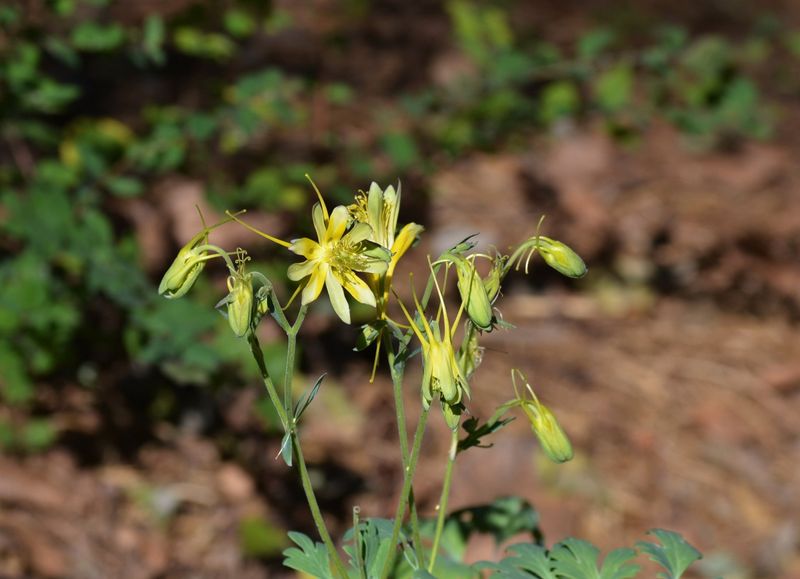
Do not let the delicate look fool you. Texas Gold Columbine is one tough native perennial that has been surviving in the wild landscapes of the Chihuahuan Desert region long before anyone thought to put it in a garden.
With its soft, ferny blue-green foliage and cheerful yellow blooms, it brings a lightness and elegance to shaded spots that is totally unique among Texas natives.
Unlike traditional columbines that struggle in the Texas climate, this variety was selected specifically for its ability to handle the heat, low rainfall, and rocky soils that define much of the state.
It thrives in partial shade and performs especially well under the canopy of live oaks and cedar elms, which are common in Central Texas landscapes.
Blooms appear in spring and can continue into early summer, attracting hummingbirds and long-tongued bees that rely on the nectar-rich flowers.
Texas Gold Columbine grows one to three feet tall and reseeds freely, so a single plant can eventually spread into a lovely, soft colony. It pairs beautifully with other shade-loving natives like Cedar Sage and Inland Sea Oats, creating a layered, naturalistic garden feel.
Gardeners in Austin and the Hill Country region especially love this plant for its reliability and its ability to brighten up dark corners of the yard. It is spring color and texture without any of the drama hostas bring.
7. Coralberry
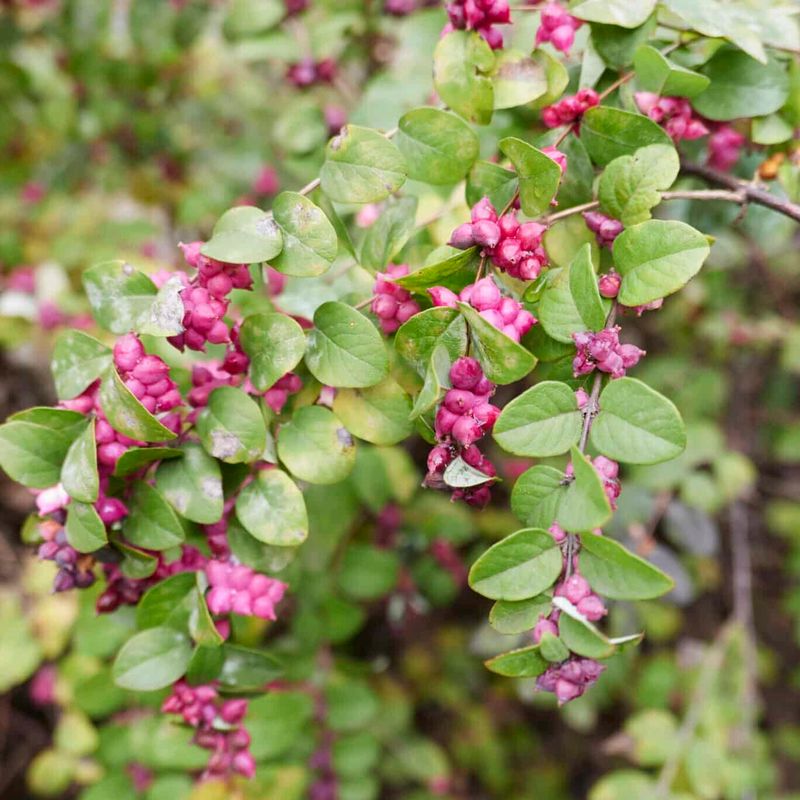
Coralberry is the kind of plant that quietly does everything right. It is not flashy or attention-grabbing in the way that some garden plants are, but once you see how effortlessly it fills a shaded area with dense, leafy growth and colorful berries, you will wonder why you waited so long to plant it.
Across Texas, this low-spreading native shrub is a reliable workhorse in tough spots.
Naturally found in the woodlands, ravines, and creek banks of Central and East Texas, Coralberry tolerates shade, poor soils, and dry conditions that would send hostas into decline.
It typically grows two to four feet tall and spreads by underground runners to form a thick, groundcover-like mat.
The small, oval leaves stay green and fresh-looking through most of the year. In fall and winter, clusters of bright coral-pink berries appear along the arching stems, adding unexpected color to the garden at a time when most other plants have faded.
Birds and small mammals rely on the berries as a food source during cooler months, so planting Coralberry means supporting local wildlife through the seasons. The flowers, though tiny and easy to miss, are also visited by native bees and hummingbirds in summer.
For Texas gardeners who need a dependable, low-maintenance plant to fill and anchor shaded beds, Coralberry is an underrated gem that deserves far more attention than it typically gets in garden centers.
8. Wild Ginger
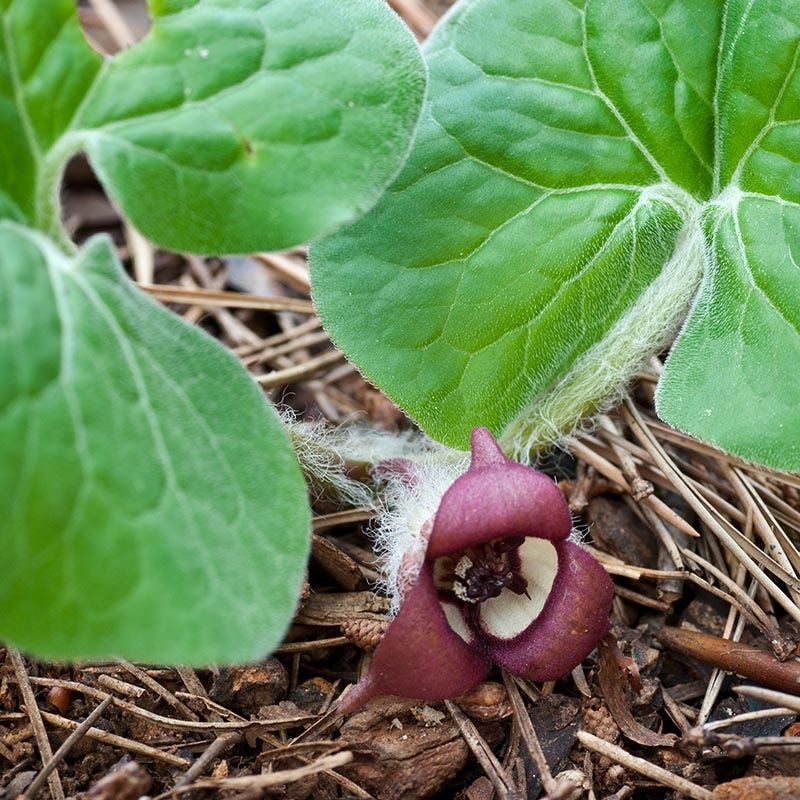
If the main reason you love hostas is their big, bold, heart-shaped leaves and the way they carpet the ground in deep shade, Wild Ginger might just become your new favorite plant. The resemblance is striking.
Lush, dark green, heart-shaped leaves form a dense, low-growing mat that looks almost identical to a classic hosta planting from a few feet away. But unlike hostas, Wild Ginger actually handles the heat and humidity of Texas without complaint.
Wild Ginger is a native groundcover that thrives in deep shade, making it one of the very few plants that can fill the darkest corners of a Texas garden with genuine style.
It grows just six to twelve inches tall, spreading slowly by rhizomes to create a seamless, weed-suppressing carpet.
The leaves stay attractive from spring through fall, and in early spring, small, hidden flowers appear at ground level beneath the foliage. They are easy to miss but fascinating up close, with a rich, deep burgundy color.
Gardeners in East Texas and the more humid parts of the state will find Wild Ginger especially rewarding, as it appreciates consistent moisture and rich, organic soil.
It pairs beautifully with taller shade plants like American Beautyberry or Dwarf Palmetto, filling in the lower layer of a naturalistic garden design.
For anyone chasing that classic hosta look in a Texas-tough package, Wild Ginger is the closest and most satisfying match you will find.