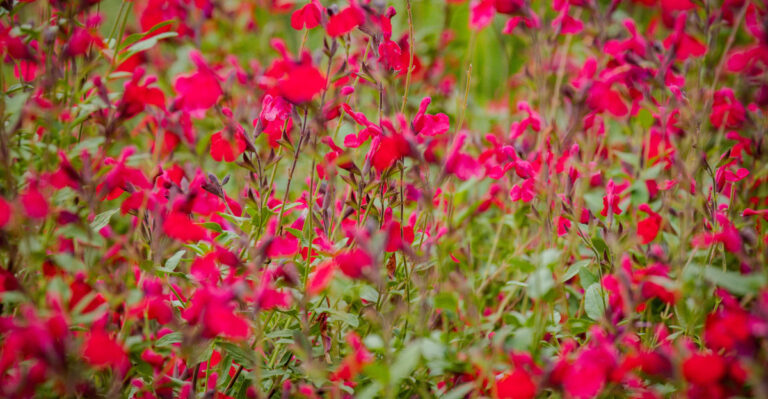
Meet The Flower California Gardeners Will Be Obsessed With This Year
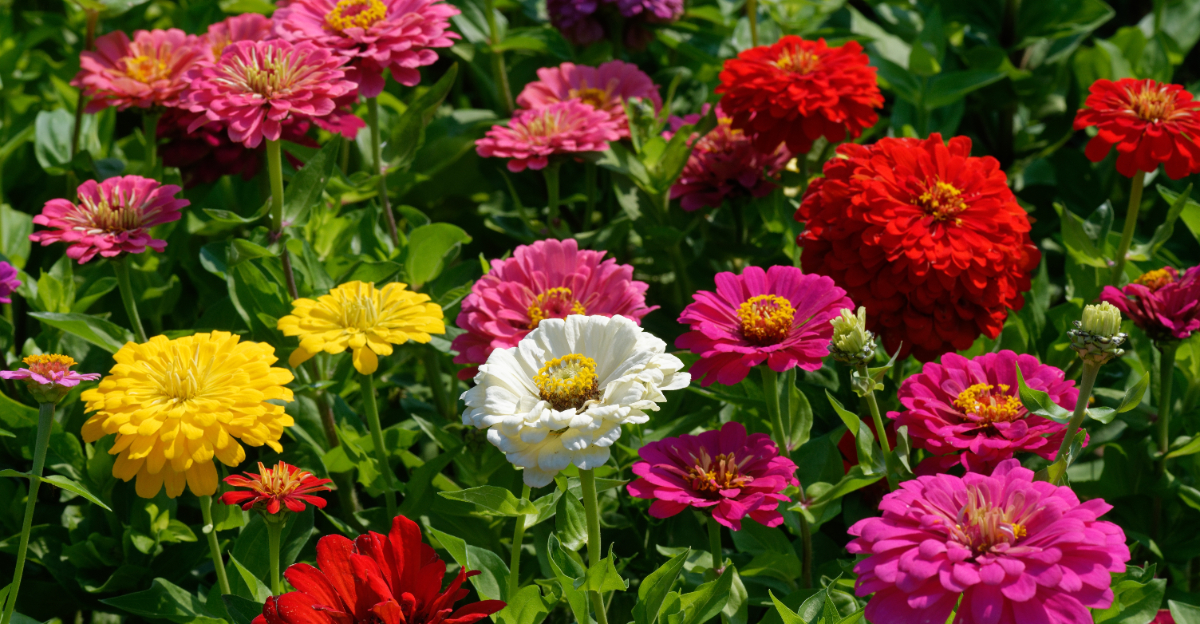
Every year, one flower seems to suddenly pop up everywhere in California gardens, porch pots, and backyard cutting beds, and this year it is easy to see why zinnias are getting so much attention.
They are bright, cheerful, fast to grow, and packed with the kind of color that makes a yard look happier almost overnight.
In a state where gardeners love bold blooms but do not always want something fussy, zinnias hit a very sweet spot.
They handle heat like champs, keep blooming through the sunny stretch, and bring that full, festive look people start craving as the season picks up.
Butterflies love them, gardeners love them, and even a simple patch of zinnias can make the whole space feel more alive. That is part of their charm. Zinnias do not feel precious or complicated.
They just show up, grow fast, and put on a wildly colorful performance that fits right into the easygoing energy of a California garden.
1. Why Zinnias Are Everywhere Right Now
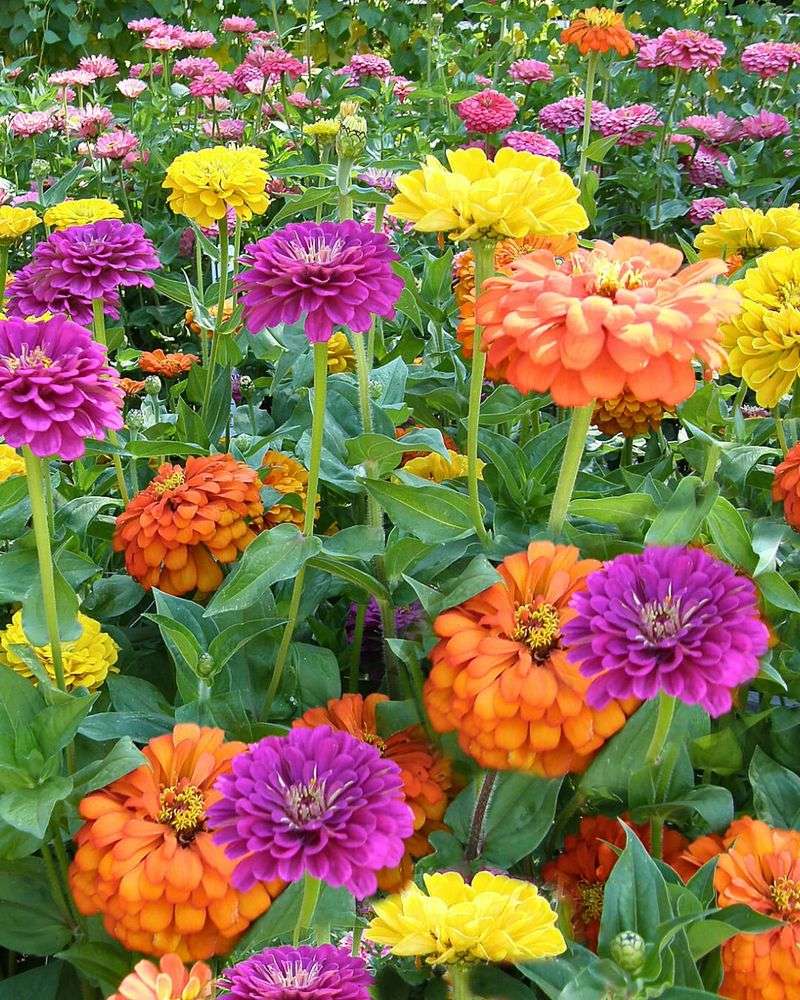
Something magical is happening in California gardens this year. Everywhere you look, from small backyard plots in Sacramento to community gardens in San Diego, zinnias are taking over in the best way possible.
Gardeners are planting them in raised beds, along fences, and even in pots on patios.
So why the sudden surge? A lot of it comes down to timing.
After a few tough gardening seasons with unpredictable weather, California growers are choosing flowers that are reliable and rewarding. Zinnias check both boxes with ease.
They sprout fast, usually within a week of planting, and they reward you with blooms before you know it.
Social media has also played a big role. Gardeners across California are sharing their zinnia photos online, and those colorful images spread fast.
Seed companies are reporting record sales of specialty zinnia varieties. Flower farmers in Fresno and Ventura County say demand for cut zinnias has never been higher.
Once you see them in person, it is easy to understand why everyone wants them in their garden this season.
2. The Colors Gardeners Cannot Resist
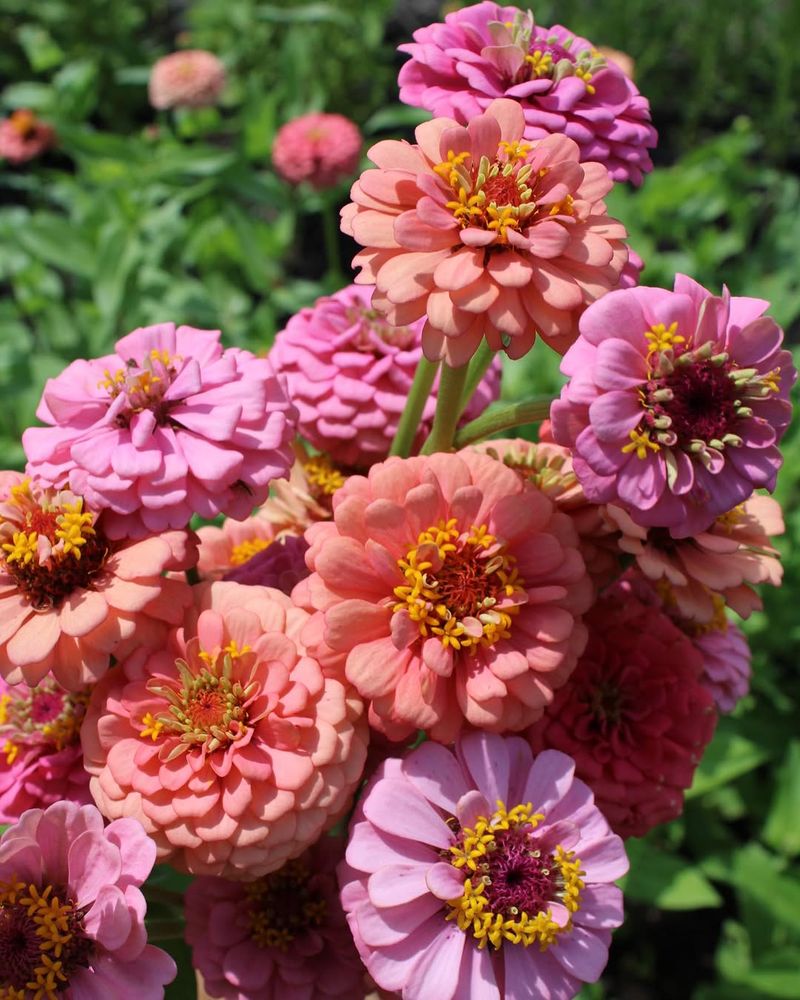
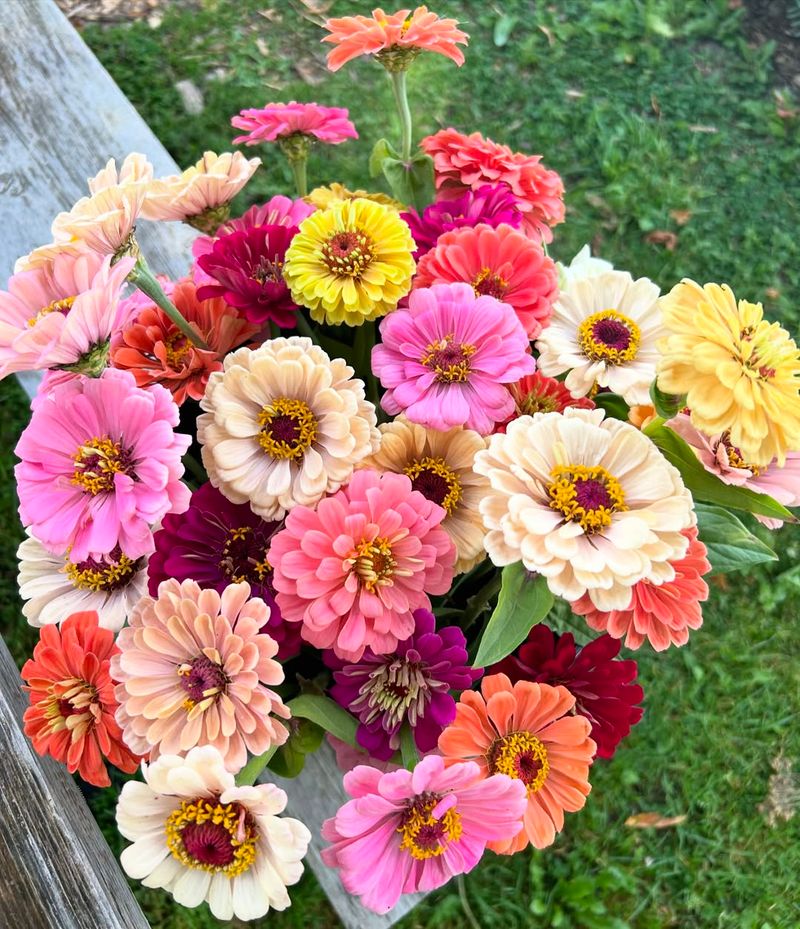
Few flowers can match the color range that zinnias bring to the table. From deep burgundy and burnt orange to soft coral, lemon yellow, and creamy white, there is a shade for every garden style.
California gardeners are especially drawn to the warm, earthy tones that feel right at home in the golden landscape of the state.
Specialty zinnias are leading the trend this year. Varieties with vintage-inspired hues, like dusty rose and antique peach, are flying off nursery shelves.
These complex colors feel different from the typical bright primary shades most people picture. They look elegant in bouquets and stunning in garden beds.
What makes zinnias even more exciting is how unpredictable they can be. Some seeds produce multicolored blooms that blend two or three shades on a single flower.
Gardeners in the Bay Area and Los Angeles have been posting photos of these striped and bicolor blooms with great excitement. If you love a garden that looks like a painting, zinnias give you exactly that.
Your California Garden Changes Every Week. Your Plan Should Too.
Gardening in California changes quickly throughout the season. Every Friday you’ll receive a simple weekly plan showing exactly what to plant, prune, fertilize, harvest, and protect so you never miss the right timing.
Plant a mix of colors and watch your outdoor space transform into something truly eye-catching and full of personality.
3. They Bloom Through The Heat
California summers are no joke. Temperatures in the Central Valley regularly climb past 100 degrees Fahrenheit, and many flowers simply cannot keep up.
That is where zinnias shine. They are built for heat.
The hotter it gets, the more they seem to thrive, pushing out fresh blooms week after week without skipping a beat.
Most summer flowers start to fade or slow down once the real heat arrives. Zinnias do the opposite.
They were originally native to dry regions of Mexico, so warm and sunny conditions feel natural to them. That background makes them a perfect match for California’s long, dry summers.
Gardeners in Riverside and Bakersfield especially appreciate how well they hold up when temperatures soar.
Watering is straightforward too. Zinnias do not need constant moisture.
Once established, they can handle a few days between watering sessions without any trouble. This makes them a smart choice for water-conscious gardeners who want beautiful blooms without a big water bill.
If you are planting in late spring or early summer, you will be rewarded with continuous color all the way through fall. Few flowers offer that kind of staying power in California’s demanding climate.
4. Why Pollinators Love Them Too
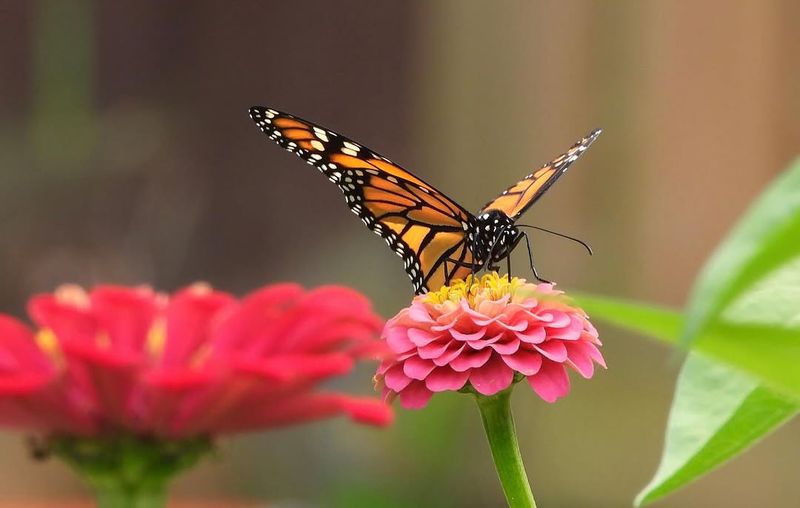
Gardening is not just about beauty anymore. More California gardeners are thinking about how their plant choices affect local wildlife, and zinnias are a fantastic option for anyone who wants to support pollinators.
Butterflies absolutely love them. Monarch butterflies, painted ladies, and swallowtails are regularly spotted fluttering from bloom to bloom in zinnia-filled gardens across the state.
Bees are big fans too. Native bees, bumblebees, and honeybees visit zinnias throughout the day, collecting nectar and pollen.
Since California is home to hundreds of native bee species, planting zinnias is a simple and beautiful way to give them the food they need. Gardeners near wildlife corridors in places like Marin County and the Santa Barbara foothills have noticed a real increase in pollinator activity after adding zinnias to their yards.
The California Native Plant Society encourages gardeners to think about ecological benefits when choosing flowers. While zinnias are not native to California, they are a well-known pollinator magnet that works well alongside native plantings.
Pairing zinnias with native wildflowers creates a garden that is both gorgeous and genuinely helpful to local ecosystems. It is a win for you, your neighbors, and every bee and butterfly in the neighborhood.
5. The Best Spot To Plant Zinnias
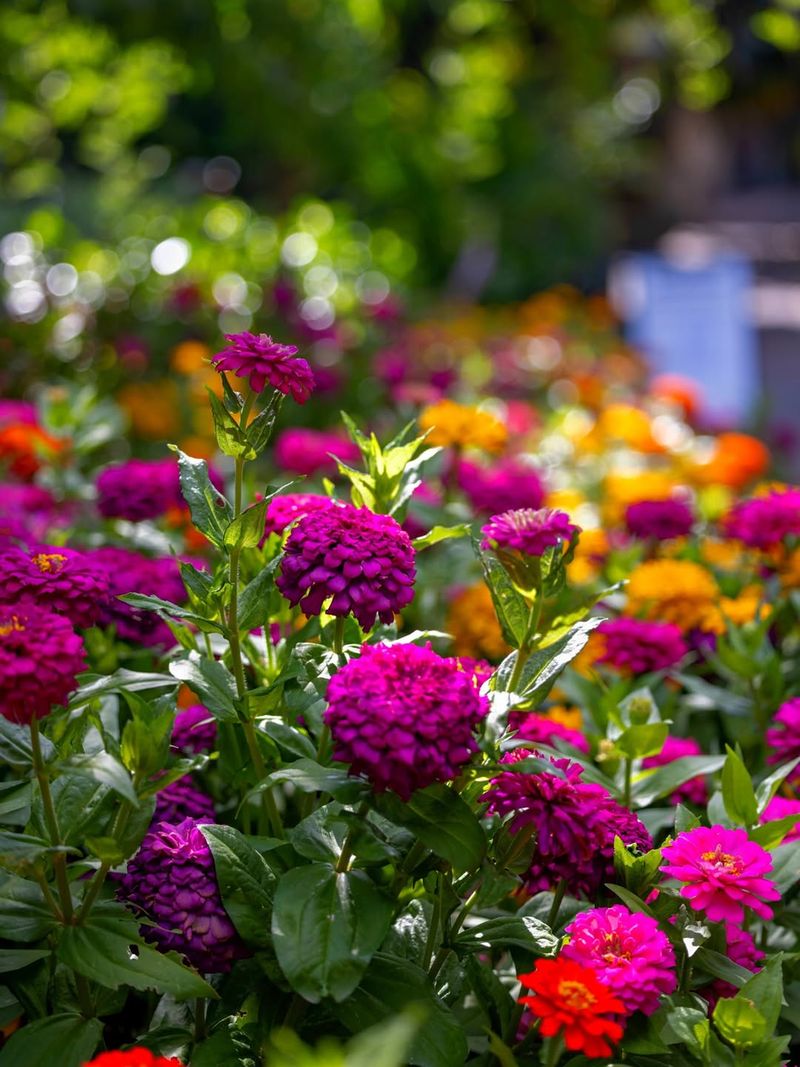
Location matters a lot when it comes to getting the most out of your zinnias. Full sun is the number one requirement.
Zinnias need at least six to eight hours of direct sunlight each day to produce their best blooms. A south-facing garden bed or an open area with no shade from trees or buildings is the ideal setup.
Soil preparation makes a real difference too. Zinnias prefer well-draining soil that is not too rich.
If your California garden has heavy clay soil, mix in some compost or raised bed mix before planting. Sandy soils found in parts of San Diego and the Inland Empire are actually quite good for zinnias with just a little organic matter added in.
Spacing is something many beginners overlook. Planting zinnias too close together can lead to poor air circulation, which invites powdery mildew.
Give each plant about 12 inches of space to breathe and spread out. This is especially important in coastal areas of California where morning fog lingers.
When given the right spot with plenty of sun, good drainage, and room to grow, zinnias reward you with a season-long show of color that is hard to beat in any California garden.
6. How To Keep Blooms Coming
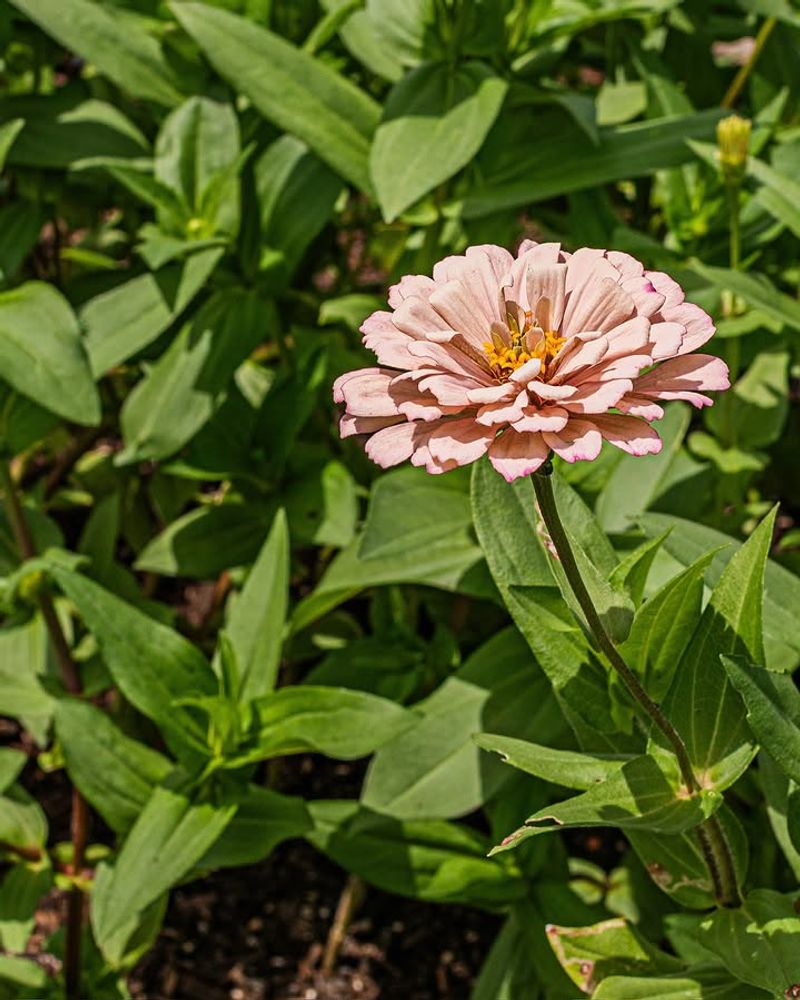
One of the best things about zinnias is how easy they are to keep blooming all season long. The secret is deadheading.
When a flower starts to fade and look tired, snip it off just above the next set of leaves. This simple step tells the plant to produce more flowers instead of focusing energy on making seeds.
Deadheading does not need to be complicated or time-consuming. A quick walk through your garden every few days with a pair of scissors is all it takes.
Many California gardeners make it part of their morning routine, combining it with a cup of coffee and a relaxing look around the yard. The more you cut, the more blooms you get.
It really is that straightforward.
Fertilizing lightly every few weeks also helps keep plants strong and productive. A balanced, slow-release fertilizer works well without pushing too much leafy growth at the expense of flowers.
Avoid over-watering, which can cause root problems. In hotter parts of California like the San Joaquin Valley, a layer of mulch around the base of each plant helps keep moisture in the soil and roots cool.
With just a little consistent care, your zinnias will bloom beautifully from early summer all the way to the first cool nights of autumn.
7. The Varieties Everyone Will Want
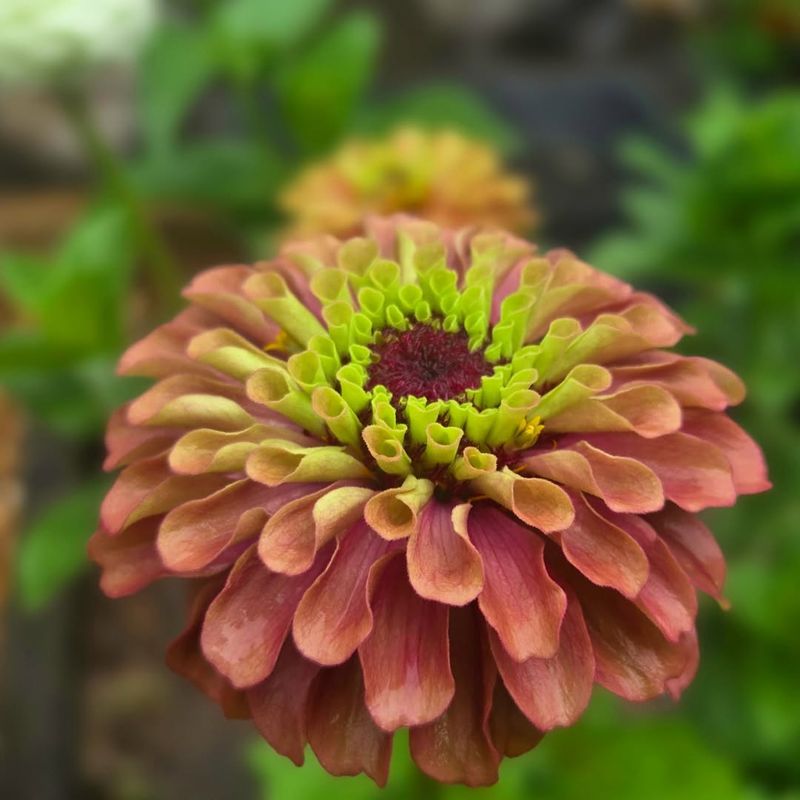
Not all zinnias are the same, and that is a big part of what makes them so exciting right now. Gardeners across California are seeking out specialty varieties that go way beyond the standard red-and-yellow mixes you might remember from childhood.
Seed companies are offering dozens of unique options, and the choices are genuinely impressive.
Benary’s Giant is one of the most popular choices for cut flower gardens. The blooms are large, long-stemmed, and come in a rich range of colors that look stunning in vases.
Queeny Lime Orange is another fan favorite, offering that vintage, moody palette that has been trending in California flower farming communities this year.
For gardeners who love something a little different, Zinderella types produce pom-pom style blooms that look almost like dahlias. Jazzy mix varieties offer bold bicolor petals that make every stem look unique.
Narrowleaf zinnias are smaller but produce an incredible number of blooms and hold up especially well in the heat of Southern California summers.
With so many varieties available at local nurseries and through online seed shops, California gardeners have never had more fun choosing which zinnias to grow. Pick a few different types and enjoy a season full of surprises.