These Flowering Texas Shrubs Replace Your Boring Fence Line And Thrive In Heat
A plain fence line has a way of dragging down the whole yard. No matter how nice the patio looks or how well kept the lawn is, that long stretch of wood can still feel bare, stiff, and forgettable.
In Texas, it gets even trickier because the plants along a fence usually have to deal with intense sun, reflected heat, dry soil, and tight growing space all at once. That is a rough setup for anything delicate or high maintenance.
That is why flowering shrubs can be such a smart upgrade. They do more than cover empty space.
They soften hard lines, bring color into the background, and make the yard feel fuller and more alive. Even better, the right Texas-friendly shrubs can handle the heat without acting like every hot afternoon is a personal attack.
If your fence line feels dull or underused, this is one of the easiest ways to change the mood of the whole yard. A few well-chosen shrubs can turn that flat, boring edge into a part of the landscape people actually notice.
1. Texas Sage
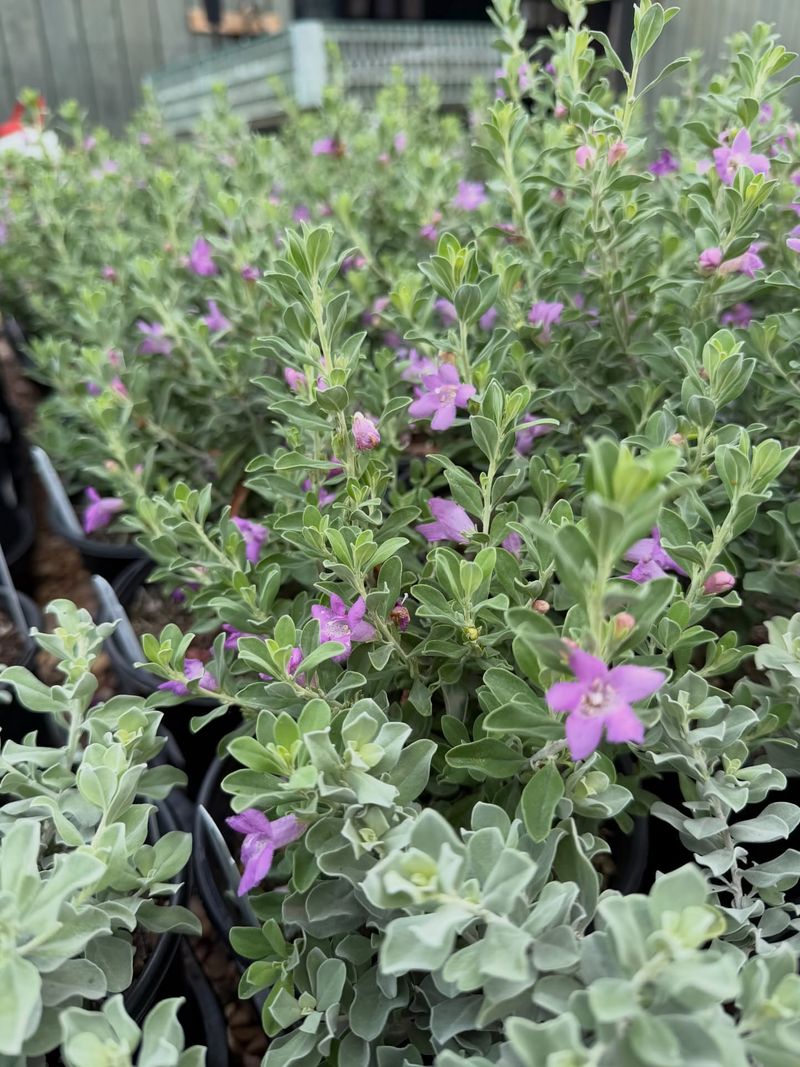
Walk through almost any older neighborhood in San Antonio or El Paso, and you will spot this shrub right away. Texas Sage, also called Cenizo, is one of the most recognized native plants in the state.
Its soft, silvery leaves catch the light beautifully, and when the rains come, it explodes into a cloud of purple blooms almost overnight.
That rain-triggered blooming is one of the coolest things about this plant. Old-timers in Texas sometimes called it the barometer bush because it blooms right before or after a rainstorm.
Gardeners love this feature because it means the shrub puts on a show multiple times throughout the warm season without any extra effort from you.
Texas Sage loves full sun and thrives in the kind of dry, rocky, well-drained soil that is common across much of the state. Once it gets established, it needs almost no extra watering.
It handles the brutal Texas summer without skipping a beat, making it one of the most dependable fence-line choices around.
Mature plants can reach four to eight feet tall and just as wide, so they offer real privacy along a fence. You can also trim them into a more formal hedge shape if you prefer a cleaner look.
Either way, this shrub delivers silvery texture, seasonal color, and tough-as-nails performance. For anyone in Texas looking to replace a boring fence line with something that actually earns its space, Texas Sage is a rock-solid starting point.
2. Turk’s Cap
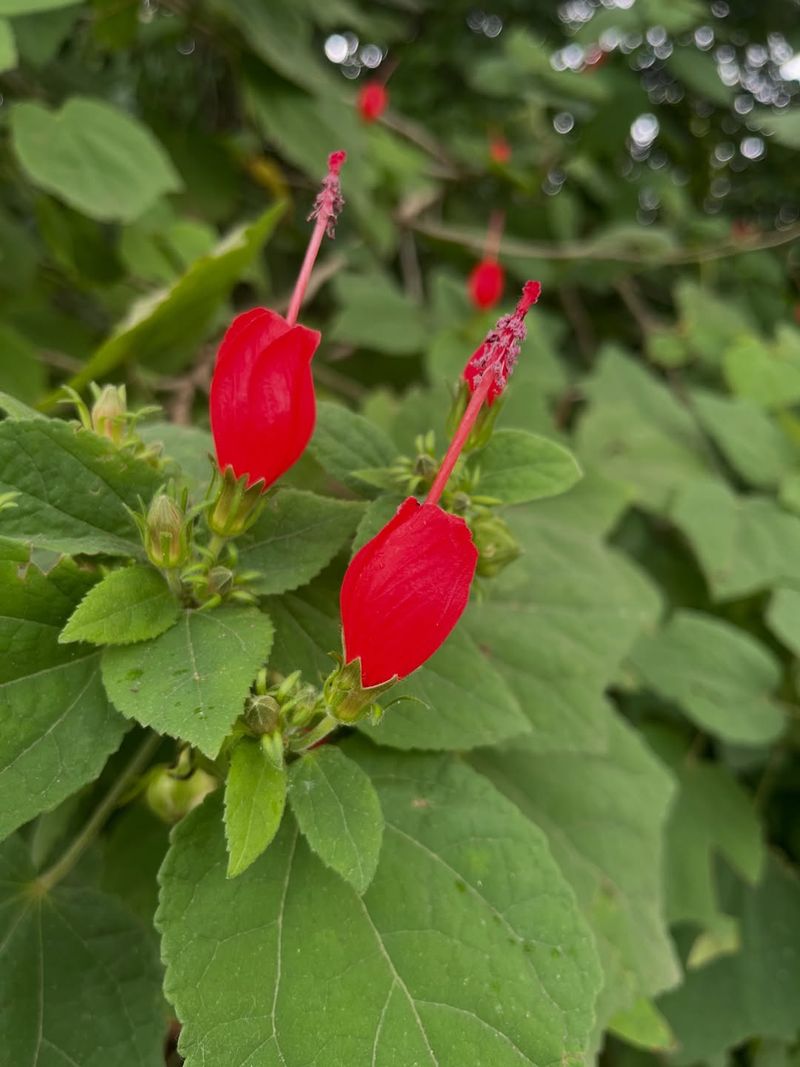
Not every fence line in Texas sits in full blazing sun. Some spots face east, get afternoon shade from trees, or stay a little cooler than the rest of the yard.
That is exactly where Turk’s Cap steps in and completely owns the space. Most flowering shrubs struggle in shade, but this one actually prefers it.
Turk’s Cap gets its name from its unusual flower shape. The bright red petals never fully open.
Your Texas Garden Changes Every Week. Your Plan Should Too.
Gardening in Texas changes quickly throughout the season. Every Friday you’ll receive a simple weekly plan showing exactly what to plant, prune, fertilize, harvest, and protect so you never miss the right timing.
Instead, they stay twisted into a tight spiral that looks like a little Turkish turban sitting on the stem. Hummingbirds absolutely love these flowers and will visit your fence line all season long once this plant gets going.
Butterflies and bees are regular visitors too, so your yard becomes a mini wildlife habitat without much effort.
Across Texas, this shrub blooms from late spring all the way through fall, giving you months of color in spots where other plants would give up.
It handles the heat and humidity of Houston and East Texas just as well as the drier conditions farther west. It spreads naturally over time and can grow four to nine feet tall in the right conditions.
One thing gardeners really appreciate is how little this plant asks for in return. Water it occasionally during dry spells, and it pretty much takes care of itself.
Cut it back in late winter if it gets too large, and it comes back full and healthy every spring. For shaded or east-facing fence lines across Texas, Turk’s Cap is an easy, colorful answer.
3. Flame Acanthus
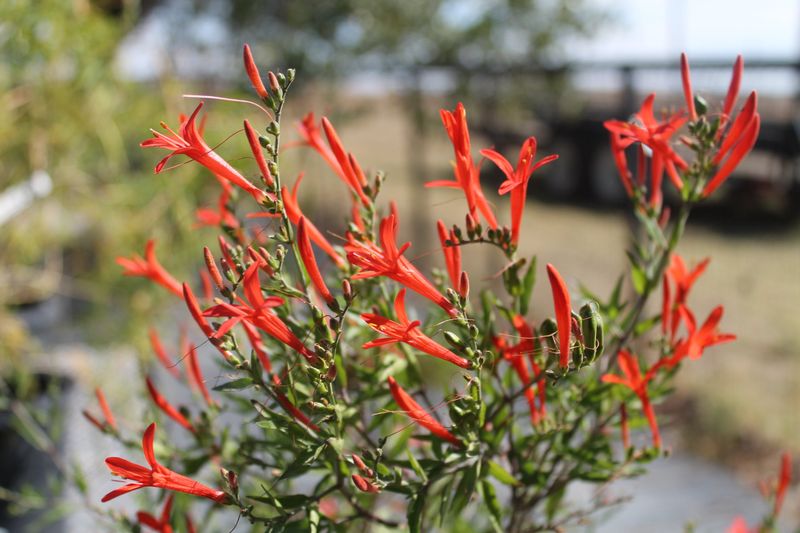
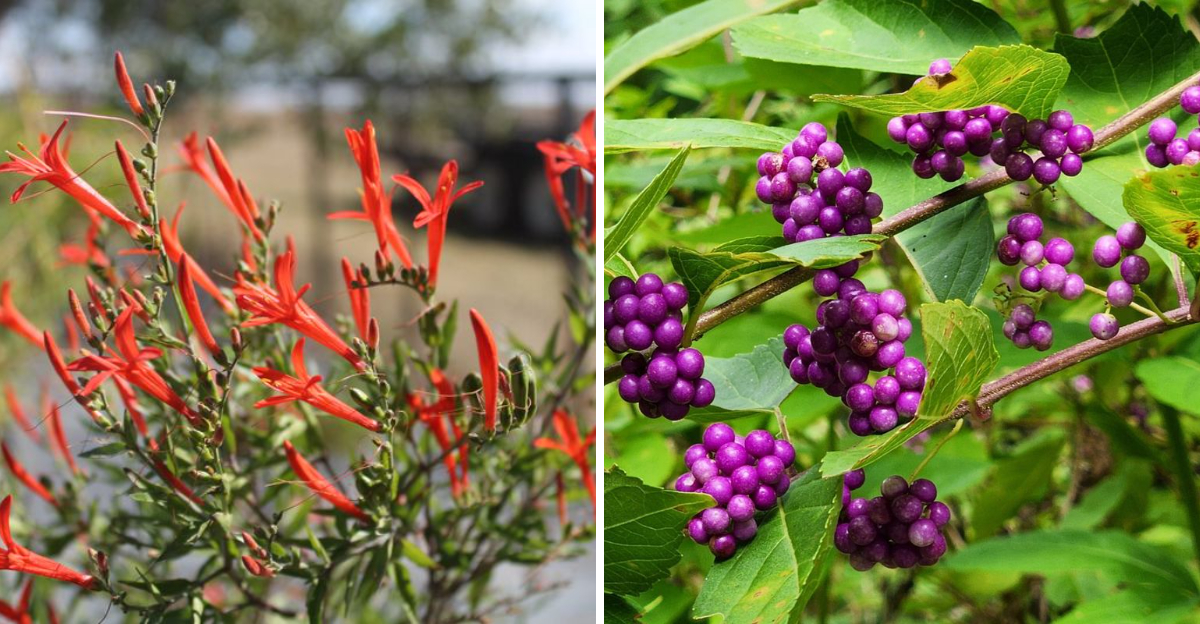
Imagine a shrub that practically glows in the summer sun. Flame Acanthus earns its name honestly, sending up clusters of narrow, tubular flowers in shades of fiery orange and red from midsummer all the way into fall.
When most plants are struggling in the peak Texas heat, this one is putting on its best show.
Native to the Texas Hill Country and surrounding regions, Flame Acanthus is built for the toughest conditions the state can throw at it. It thrives in rocky, dry soil with little water and full sun exposure.
You will not need to baby this plant. Once it settles in, it grows vigorously and fills fence-line spaces with thick, leafy growth topped by those brilliant flame-colored blooms.
Wildlife gardeners especially love this shrub. Hummingbirds treat it like a favorite diner, stopping by repeatedly throughout the day.
Butterflies and sphinx moths also visit regularly. If you want a fence line that feels alive with movement and color, few plants deliver that experience as well as Flame Acanthus does through the long Texas summer.
The plant typically grows three to five feet tall and wide, making it a solid mid-size option for layering along a fence. It loses its leaves in winter but comes back strong each spring, often spreading slowly by seed to fill in gaps over time.
Pruning is simple and can be done in late winter before new growth starts. For a low-effort, high-impact fence-line plant in Texas, Flame Acanthus is genuinely hard to beat.
4. Autumn Sage
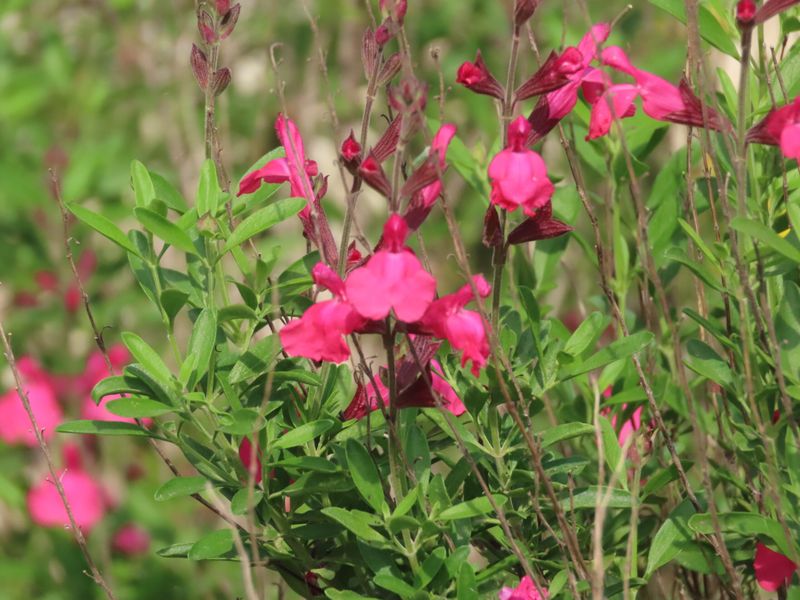
Some plants just refuse to quit, and Autumn Sage is one of them. From early spring until the first hard freeze, this compact little shrub keeps pushing out fresh blooms in shades of red, coral, hot pink, and sometimes white or salmon.
For smaller fence-line spaces where you want big color without a big footprint, it is one of the best choices available in Texas.
Native to the Chihuahuan Desert region straddling Texas and Mexico, Autumn Sage was practically designed for heat and drought. It prefers well-drained soil and full to partial sun, and it asks for very little water once established.
Gardeners in Dallas, Austin, and San Antonio have used it for years along borders and fence edges because it performs reliably even during the hottest summers on record.
Hummingbirds are wild about the tubular flowers, and you will often see them hovering along the fence line wherever this plant grows. Butterflies visit frequently too.
The plant stays relatively compact, usually reaching two to three feet tall and wide, which makes it perfect for layering in front of taller shrubs or planting in tighter spaces where a larger plant would crowd things out.
Maintenance is refreshingly easy. A light trim after each big flush of blooms encourages the plant to branch out and produce even more flowers.
It may slow down during the most intense summer heat but picks right back up when temperatures ease slightly in early fall. Autumn Sage brings steady, cheerful color to Texas fence lines without demanding much attention in return.
5. Esperanza
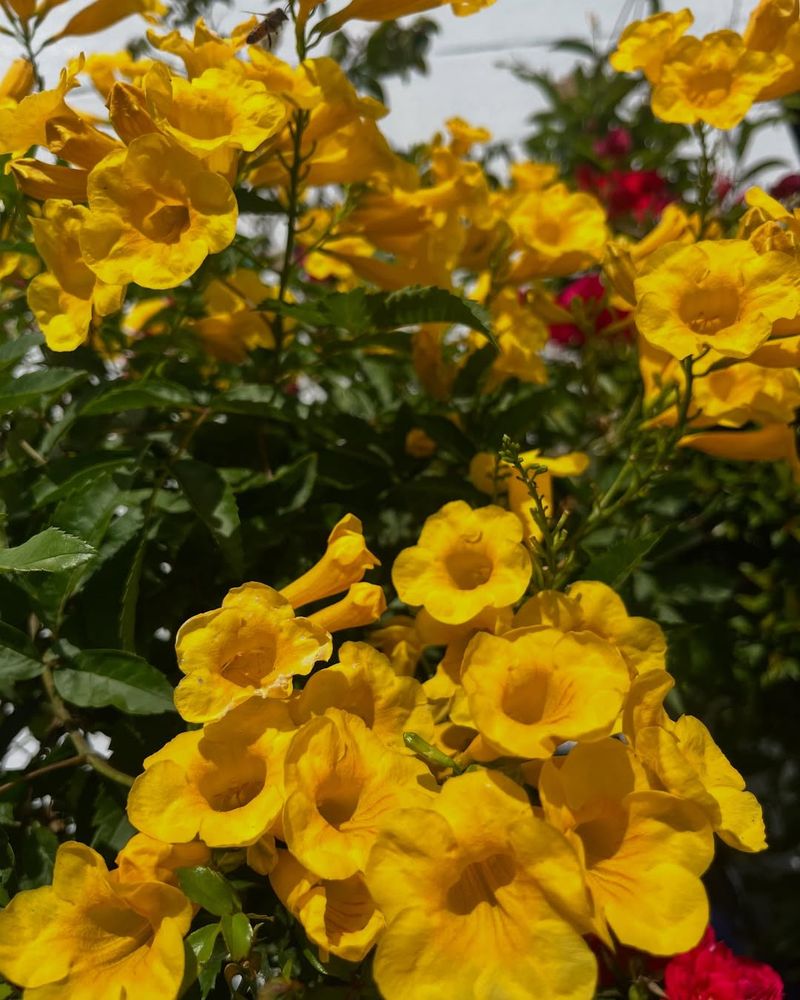
There is nothing shy about Esperanza. Also known as Yellow Bells, this shrub goes big in every way.
The flowers are large, trumpet-shaped, and a rich, saturated yellow that practically jumps out at you from across the yard. It grows fast, it blooms heavily, and it loves the Texas heat more than almost any other plant on this list.
Esperanza is a favorite across South and Central Texas, where it has been used for decades to create informal hedges, privacy screens, and vibrant focal points in the landscape. It thrives in full sun and well-drained soil, and once established, it handles drought conditions with ease.
During a hot Austin or San Antonio summer, when other flowering plants look stressed, Esperanza just keeps blooming.
Hummingbirds and butterflies are drawn to the flowers, which adds even more life and movement to your fence line.
The plant can grow six to ten feet tall in a single season under ideal conditions, so it fills in a fence line quickly and creates a bold, tropical-looking screen that grabs attention from the street.
In South Texas, Esperanza often acts like a perennial, coming back from its roots each spring after a mild winter. In colder parts of the state, it may behave more like an annual, but it grows so fast that it fills back in quickly even when starting fresh.
Either way, the payoff in color and visual impact is enormous. For anyone who wants a fence line that makes a real statement, Esperanza delivers that in spades every single season.
6. American Beautyberry
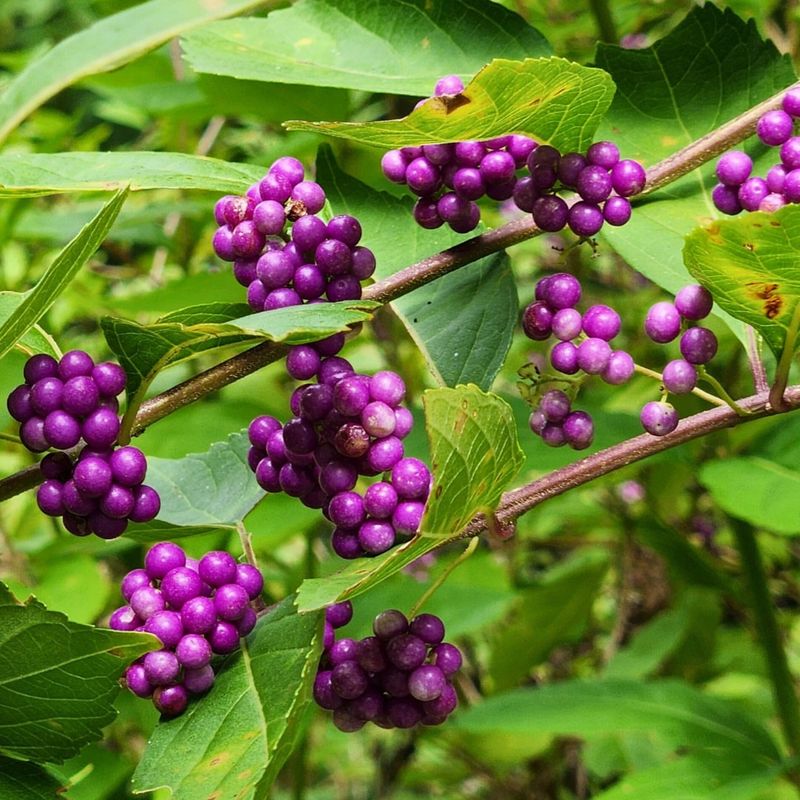
Most people discover American Beautyberry in the fall when its branches are absolutely loaded with clusters of electric purple berries that look almost too vivid to be real. But this native Texas shrub earns its place along the fence line in every season.
In spring and early summer, it produces delicate, soft pink flowers that attract bees and butterflies before the famous berries even start to form.
Found naturally across East Texas and into the piney woods, American Beautyberry adapts well to a wide range of conditions. It handles part shade to full sun, tolerates the heavy clay soils common in many Texas neighborhoods, and grows without much fuss once it gets settled.
It is one of those plants that fits naturally into the landscape without looking like it was forced there.
The shrub grows four to six feet tall and can spread just as wide, making it excellent for softening the hard lines of a fence. Its arching branches give it a relaxed, natural look that blends beautifully with other native plants.
Birds love the berries in fall and winter, so planting it along your fence line essentially sets up a feeding station that keeps feathered visitors coming back regularly.
Pruning American Beautyberry is simple. Cut it back hard in late winter, and it responds by pushing out vigorous new growth loaded with flowers and berries.
It rarely needs extra fertilizer or irrigation once established. For Texas gardeners who want year-round interest beyond just flowers, this shrub brings texture, wildlife value, and seasonal drama to any fence line.
7. Rock Rose
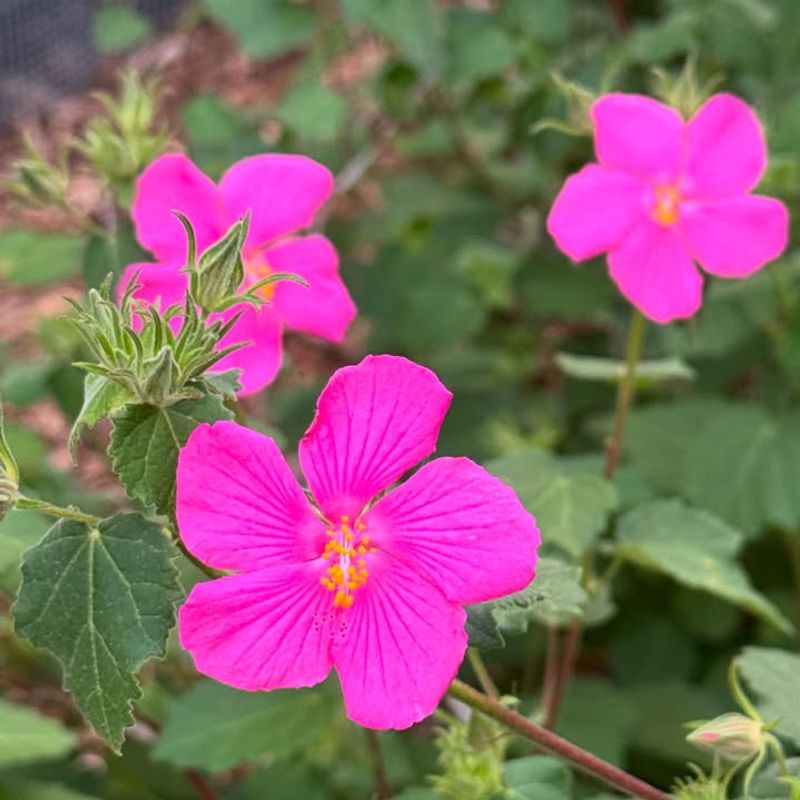
If you have a sunny, rocky stretch of fence line where the soil is thin and dry, Rock Rose was practically born for that spot.
This petite native Texas shrub produces hibiscus-like pink flowers with a rich magenta center, and it keeps blooming from late spring all the way through fall without missing a beat.
The flowers are not huge, but they are charming and plentiful, giving the plant a soft, cottage-garden feel that works beautifully along fence edges.
Rock Rose is native to the Texas Hill Country and thrives in the kind of rocky, alkaline, fast-draining soil that many other plants find difficult. It grows well in full sun to light shade and handles drought conditions like a seasoned pro.
Once established, it rarely needs supplemental watering, even during the driest stretches of a typical Texas summer.
The plant stays on the smaller side, usually reaching two to four feet tall and wide. That compact size makes it ideal for layering in front of taller shrubs like Esperanza or Texas Sage, creating a tiered fence-line planting that has depth and visual interest at multiple heights.
Hummingbirds and butterflies visit the flowers regularly, adding movement and life to the planting.
Pruning Rock Rose is easy and actually encourages more blooms. A light trim in midsummer can refresh the plant and push out a fresh round of flowering.
In mild Texas winters, it often stays semi-evergreen, keeping some foliage through the cooler months. For gardeners who want a low-profile, long-blooming native plant to finish off a fence-line design, Rock Rose is a graceful and reliable final touch.