7 Perennials Texas Gardeners Should Avoid (They Spread Faster Than You Think)
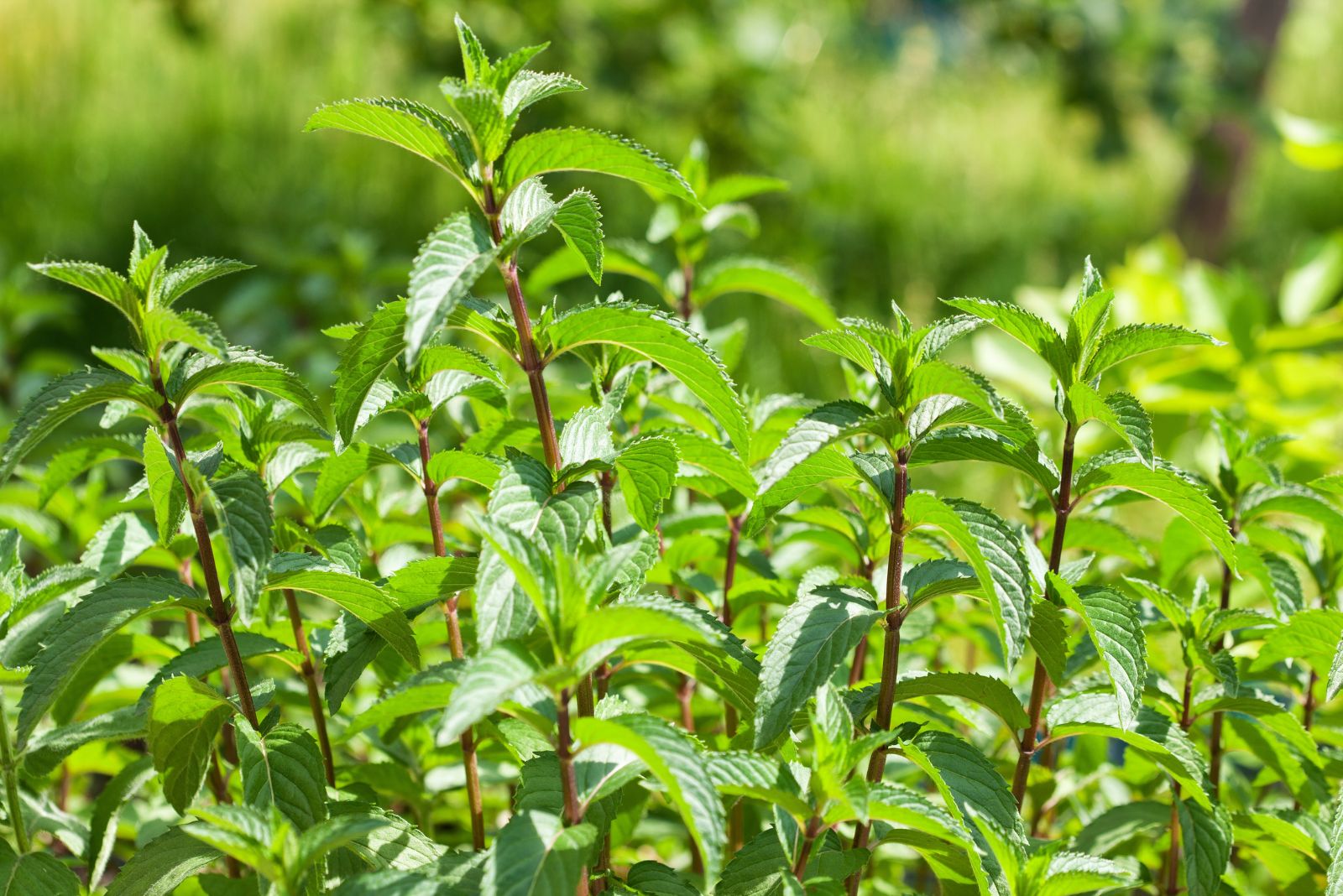
A perennial can seem like the perfect garden solution at first. Plant it once, watch it come back every year, and enjoy the color without starting over each season.
That sounds great until one of those plants decides your whole yard belongs to it. In Texas, where long growing seasons, heat, and mild winters can give plants extra momentum, some perennials spread a lot faster than gardeners expect.
What starts as one nice clump can turn into a creeping, crowding problem before you realize how much space it has taken.
That is what makes certain perennials so tricky. They are often sold as easy, dependable choices, which is true right up until they begin pushing out neighboring plants, swallowing borders, or popping up far beyond the spot where you planted them.
Then the low-maintenance favorite starts feeling like a full-time cleanup project. For Texas gardeners, that kind of growth can get out of hand quickly.
Knowing which perennials are more aggressive than they look can save a lot of effort later and help you build a garden that stays balanced instead of turning into a battle for space.
1. Mint (Mentha Spp.)
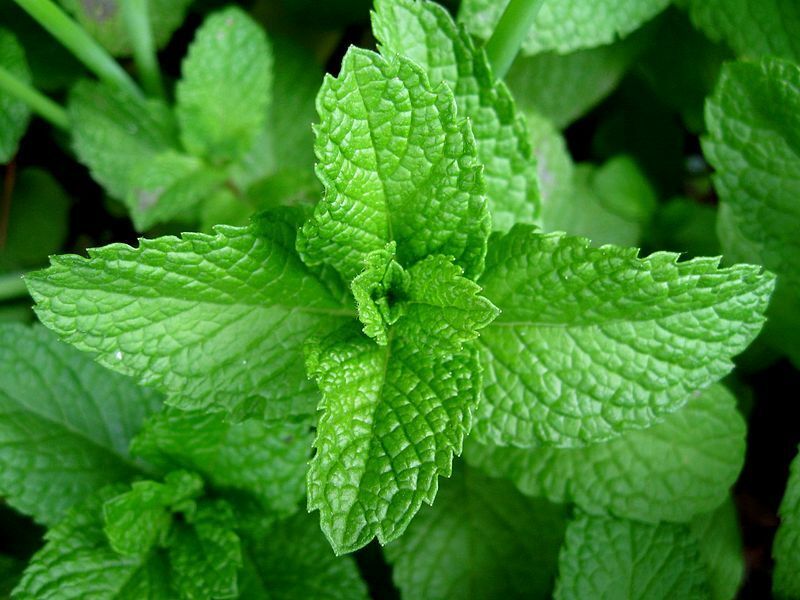
Most people plant mint thinking it will stay in one neat little spot. Spoiler alert: it absolutely will not.
Mint is one of the sneakiest spreaders in any Texas garden, and it does not need much encouragement to take over everything around it.
Mint travels underground using runners called stolons. These thin, root-like stems shoot out in every direction just below the soil surface.
Before long, you will find mint popping up several feet away from where you originally planted it, often right in the middle of other plants you actually want to keep.
In Texas, where the growing season stretches for many months, mint has plenty of time to spread far and wide. One small plant can turn into a massive patch in a single season.
It does not care about your garden borders, your flower beds, or your carefully placed stepping stones. It will grow right through all of them.
Removing mint is harder than it sounds. Even tiny pieces of root left behind in the soil can sprout new plants.
You can pull and pull, but mint keeps coming back. Many Texas gardeners have spent years fighting mint they planted just once.
The smartest move is to grow mint only in containers. A pot with no drainage holes at the bottom works best to stop runners from sneaking out.
You still get to enjoy fresh mint for your kitchen without turning your garden into a mint jungle. Container growing really is the only safe way to enjoy this plant in Texas.
2. Bamboo (Running Types)
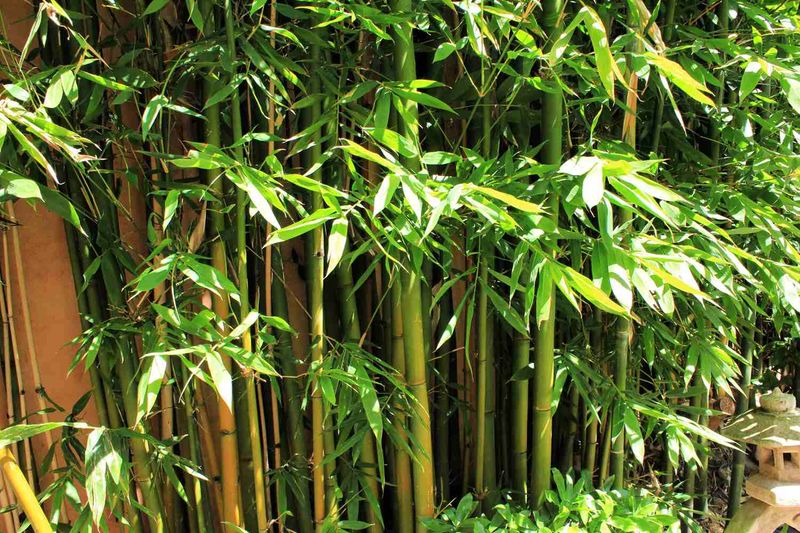
Bamboo looks stunning. Tall, swaying stalks and tropical vibes make it one of the most requested plants at Texas nurseries.
But running bamboo is one of the biggest gardening mistakes you can make in Texas, and many homeowners only realize this years after planting.
Running bamboo spreads using underground rhizomes that can travel ten feet or more in a single year. These rhizomes are tough, thick, and very hard to stop.
Your Texas Garden Changes Every Week. Your Plan Should Too.
Gardening in Texas changes quickly throughout the season. Every Friday you’ll receive a simple weekly plan showing exactly what to plant, prune, fertilize, harvest, and protect so you never miss the right timing.
They can push through mulch, crack pavement, and even sneak under fences into your neighbor’s yard. Once running bamboo gets going, removing it becomes a serious project that can take years of hard work.
Texas heat actually helps bamboo grow faster. Warm soil temperatures keep rhizomes active for more months compared to cooler states.
What starts as a stylish privacy screen can quickly become a bamboo forest that swallows garden beds, lawns, and flower borders whole.
Digging it out requires removing every single piece of rhizome from the soil. Leave even a small chunk behind, and new shoots will appear within weeks.
Many Texas homeowners end up hiring professionals just to get rid of bamboo they planted themselves.
If you truly love the look of bamboo, clumping varieties are a much safer choice. Clumping bamboo grows in tight, contained bunches and does not send out those aggressive underground runners.
Always read the plant label carefully before buying, because nurseries do not always make the difference clear. A little research before you plant can save you years of frustration later.
3. Obedient Plant (Physostegia Virginiana)
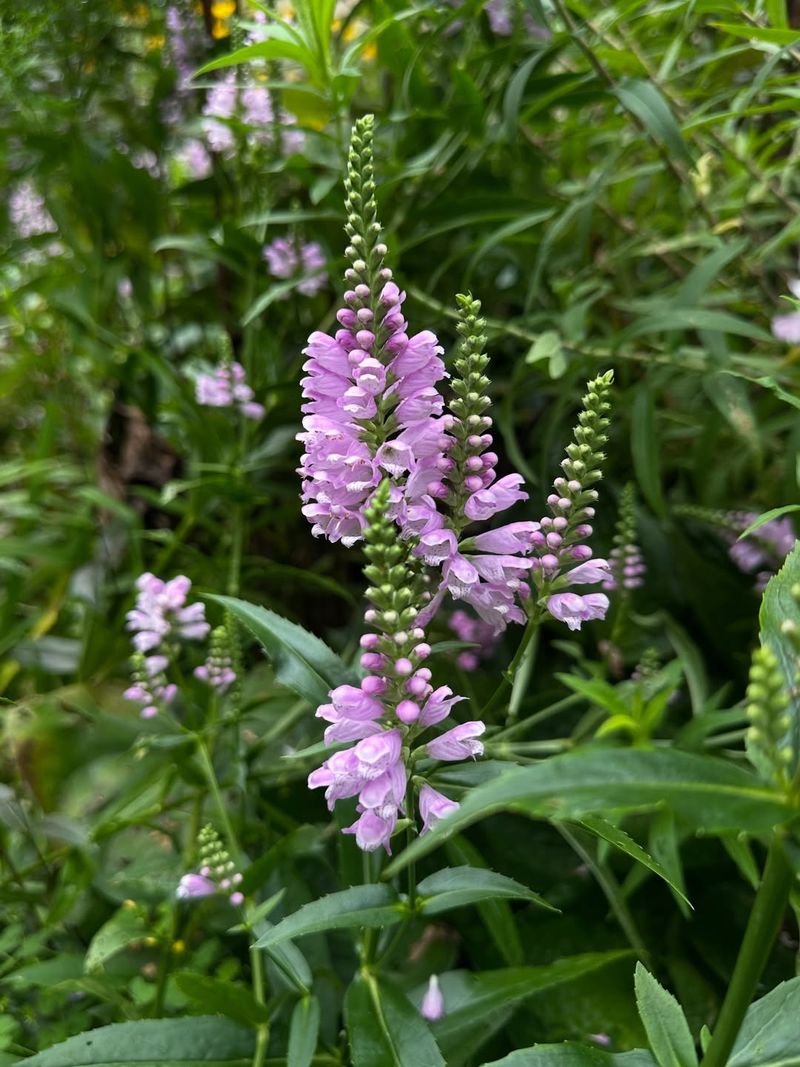
The name “obedient plant” sounds like a gardener’s dream. You might imagine a well-behaved flower that stays exactly where you put it.
Unfortunately, the name refers to the way individual flowers stay in place when you move them on the stem, not to the plant’s overall behavior in your garden.
Physostegia virginiana is actually quite the opposite of obedient when it comes to spreading. It moves aggressively through underground rhizomes, forming large colonies that can crowd out every other plant in a mixed perennial bed.
In Texas, where warm conditions give it a long growing season, this plant can spread surprisingly fast.
Pretty pink or white flower spikes appear in late summer, which is part of why gardeners keep reaching for it at the nursery. But those flowers come with a cost.
The rhizomes underneath are constantly pushing outward, claiming more and more territory season after season.
Once obedient plant takes over a bed, reclaiming that space takes real effort. You have to dig up the entire area, remove all the rhizomes, and replant from scratch. Even then, small pieces of root can sprout new plants if you miss them.
The best approach in Texas is to give this plant plenty of space from the start. A spot where it can roam freely without crowding other plants is ideal.
A naturalized area or a large border where spreading is welcome works much better than a tidy mixed bed. Knowing what you are getting into before you plant makes all the difference with this one.
4. Bee Balm (Monarda Spp.)
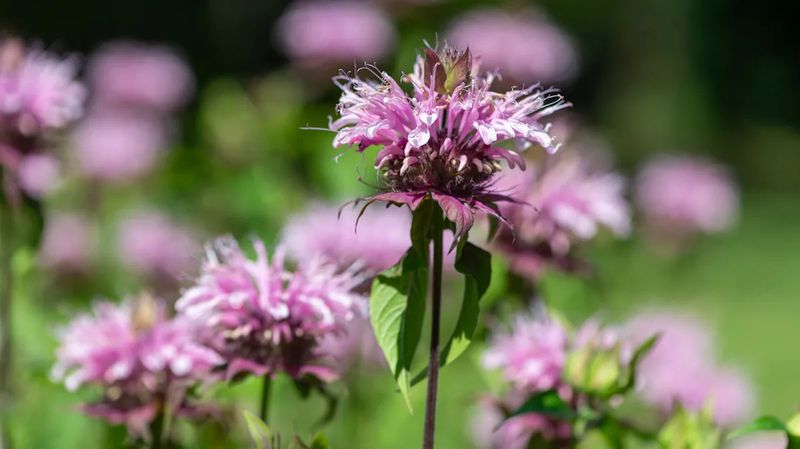
Walk past a blooming patch of bee balm and you will understand immediately why Texas gardeners fall in love with it. Bright red, pink, or purple flowers shaped like wild crowns attract hummingbirds, butterflies, and bees by the dozens.
It is genuinely one of the most beautiful summer bloomers you can grow. But beauty has a price.
Bee balm spreads outward from its center each year, forming wider and wider patches. The original plant slowly loses vigor in the middle while new growth pushes aggressively to the edges.
Over just a few seasons, what started as one tidy clump can become a sprawling mass that crowds out your other favorite perennials.
Texas summers give bee balm warm soil and plenty of sunshine, which encourages faster spreading than you might expect compared to cooler climates. In a small or tightly planted bed, this can become a real problem quickly.
Neighboring plants that cannot compete with bee balm’s spreading habit often get squeezed out entirely.
Managing bee balm means dividing it regularly, sometimes every year or two. You dig up the clump, remove the tired center, and replant only the fresh outer sections. It is doable, but it adds a regular maintenance task to your gardening calendar.
Larger beds where a bit of spreading is welcome are the best spots for bee balm in Texas. Give it room to do its thing, and you will enjoy those gorgeous blooms every summer without constant battles.
Pair it with equally tough plants that can hold their own ground and you will have a winning combination.
5. Gregg’s Mistflower
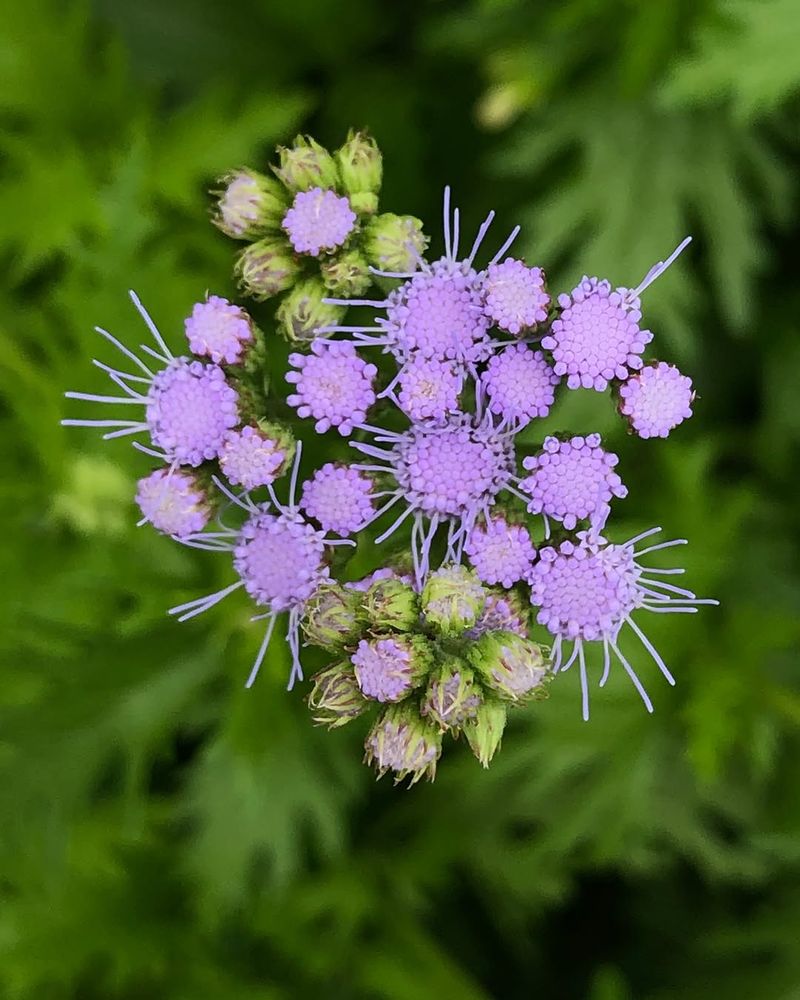
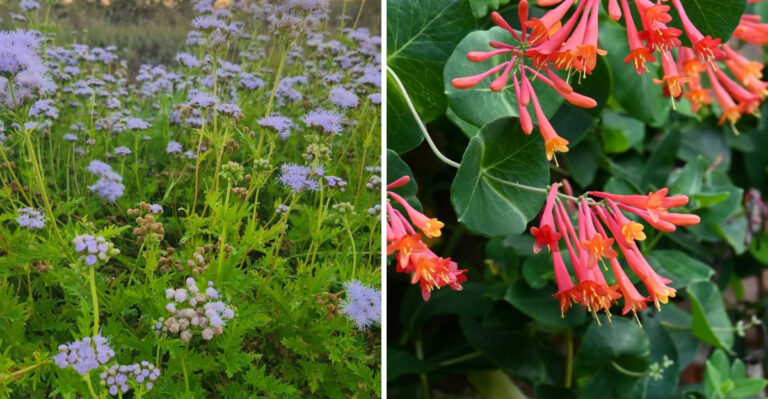
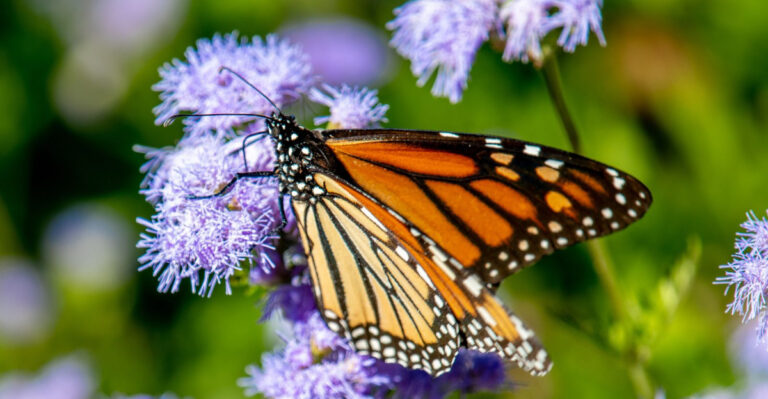
Pollinators go absolutely wild for Gregg’s mistflower. Those soft, fuzzy clusters of blue-purple blooms that appear in fall are like a magnet for butterflies, especially monarchs passing through Texas on their migration.
For that reason alone, many gardeners rush to plant it without thinking twice about what comes next.
Once established in Texas soil, Conoclinium greggii spreads with surprising speed. It fills empty spaces faster than most gardeners expect, sending out roots that claim new territory season after season.
In a naturalized meadow or a large open area, this spreading habit is actually a wonderful thing. In a small, tidy border, it quickly becomes overwhelming.
The plant thrives in Texas heat and drought, which means it rarely struggles the way more delicate plants do. That toughness is a double-edged sword.
A plant that survives anything is also a plant that spreads without much to slow it down. By the time you notice it has outgrown its spot, it has already moved into areas you did not intend.
Removing mistflower requires digging out the root system, which can be more involved than it looks. New growth can return from roots left behind in the soil, so thorough removal takes persistence.
For Texas gardeners who want to support pollinators without creating a management headache, this plant works best in naturalized areas, along dry creek beds, or in wild-style garden sections where spreading is welcome.
Tight, structured borders are not the right home for this enthusiastic bloomer. Give it space and it will reward you beautifully every fall.
6. Mexican Petunia (Ruellia Simplex)
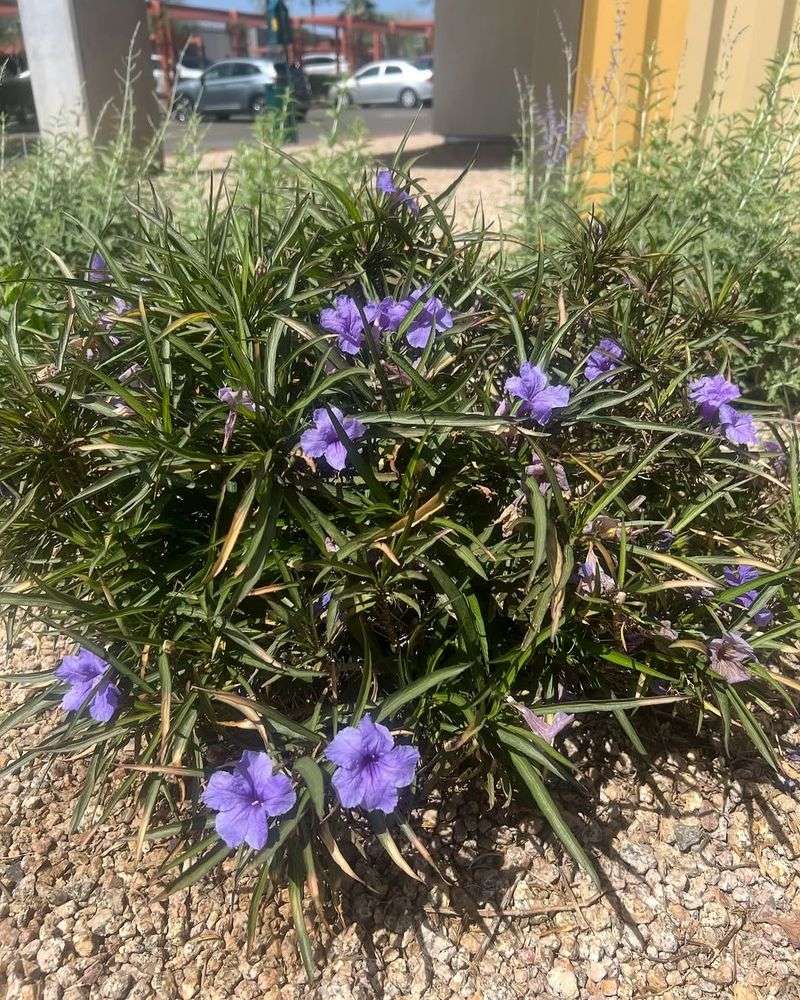
Ask any experienced Texas gardener about Mexican petunia and you will likely get a knowing look followed by a long sigh.
Ruellia simplex is everywhere in Texas landscapes, partly because it is so tough, colorful, and easy to grow. But that toughness is exactly what makes it such a problem once it gets going.
Mexican petunia spreads two ways, which is what makes it so hard to manage. First, it spreads through underground roots that push outward in all directions.
Second, it produces seed pods that literally pop open and fling seeds several feet away from the parent plant. Those seeds can travel even farther with wind, water, or foot traffic.
In a single growing season, one plant can produce dozens of offspring scattered across your yard and beyond.
Texas heat, drought, and neglect do not slow this plant down at all. It keeps blooming and spreading through conditions that would stop most other plants in their tracks.
That resilience is impressive, but it also means that once Mexican petunia is established somewhere in your yard, getting it out completely is a serious challenge.
Ruellia simplex has even been listed as invasive in Florida, and Texas gardeners are increasingly aware of its aggressive behavior here too. Pulling plants out by hand rarely solves the problem because root fragments left behind will sprout again.
If you love the look of those cheerful purple blooms, sterile or compact dwarf varieties are available that spread far less aggressively. These selections give you the color without the chaos, making them a much smarter choice for Texas gardens of any size.
7. Ribbon Grass (Phalaris Arundinacea Var. Picta)
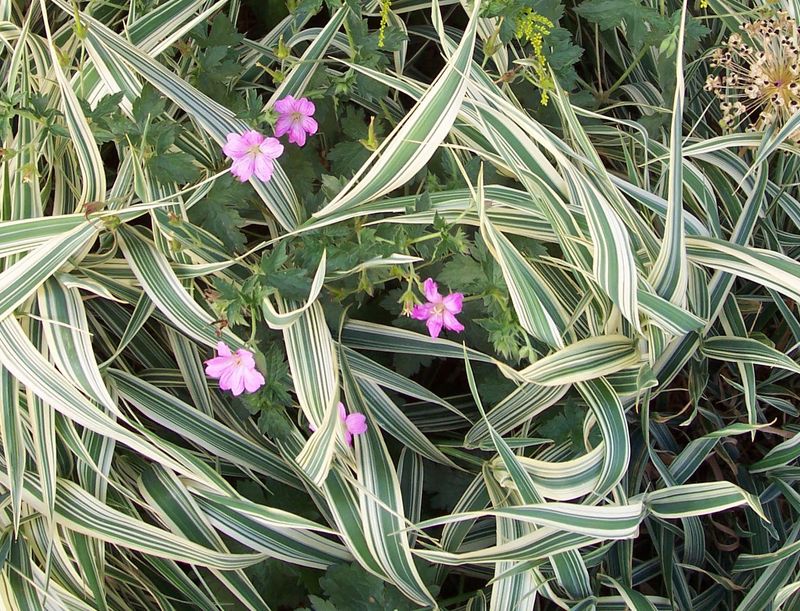
Striped green and white leaves that shimmer in a breeze make ribbon grass look like an elegant, low-maintenance garden choice. It photographs beautifully, it looks great in online garden inspiration posts, and it is widely available at Texas nurseries.
All of that makes it easy to understand why so many gardeners bring it home without hesitation.
The problem shows up fast. Ribbon grass spreads through underground rhizomes that move quickly through loose garden soil.
Texas beds, especially those with good amended soil, give those rhizomes an easy path to travel. Within one or two growing seasons, ribbon grass can escape its original planting area and begin taking over nearby plants, lawn edges, and garden paths.
Unlike some ornamental grasses that grow in tidy, contained clumps, ribbon grass is a runner. It does not stay put, and it does not ask permission before moving into new territory.
Keeping it tidy in a Texas bed requires constant attention, regular digging around the edges, and removal of escaping rhizomes before they establish themselves further out.
Once ribbon grass spreads into a lawn or a mixed bed, removing it without disturbing surrounding plants is genuinely tricky. The rhizomes weave through the soil and tangle with roots of neighboring plants, making clean removal difficult.
If you want ornamental grass with striking foliage in your Texas garden, look for clumping varieties that stay where you plant them.
Many beautiful options exist that give you the same visual impact without the aggressive spreading habit. Ribbon grass is simply not worth the ongoing maintenance it demands in a Texas landscape.