These 8 Native Plants Help Bring California Scrub Jays To Your Yard
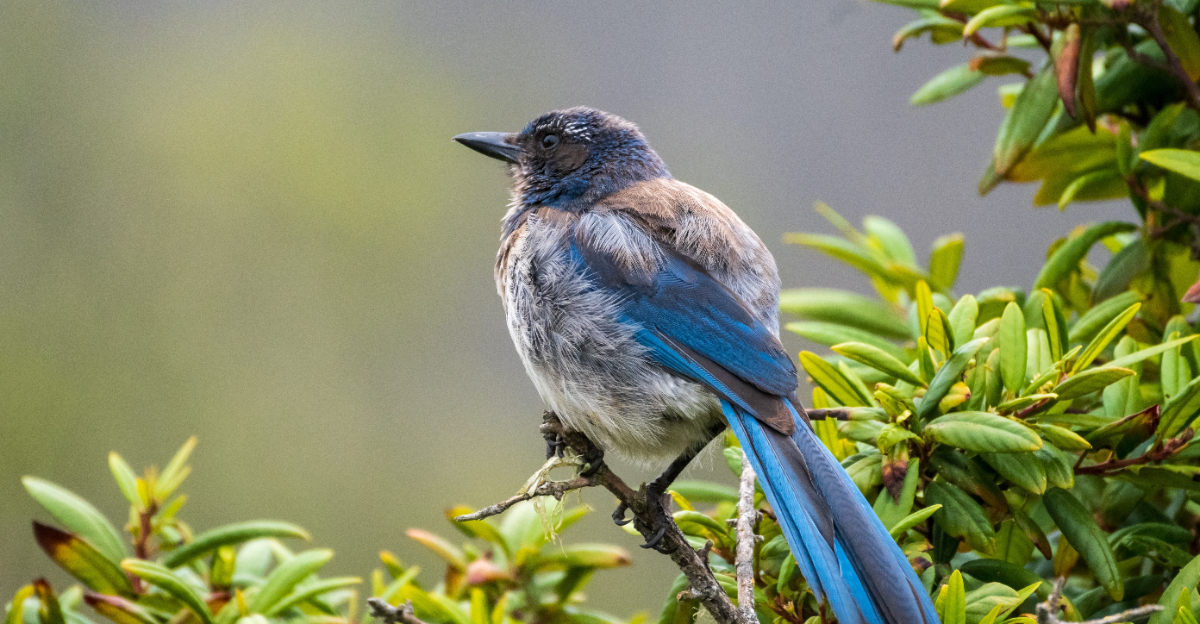
California scrub jays do not do subtle. They show up loud, curious, full of attitude, and somehow manage to act like they own the whole neighborhood.
Honestly, they kind of do. With their bright blue feathers and bold personalities, these birds can turn an ordinary backyard into a much livelier place.
The trick is giving them a yard that feels worth visiting. That is where native plants come in. California gardeners who want more bird activity are starting to lean on plants that belong here, and scrub jays tend to notice.
The right shrubs, perennials, and berry-producing natives can offer food, cover, nesting spots, and a safer place to hop around without feeling exposed. It is a much better strategy than hoping a random decorative plant will somehow impress them.
Scrub jays have standards. Add the right native plants, though, and your yard can start looking a lot more like the kind of place these clever, flashy birds would gladly claim as part of their daily route.
1. Coast Live Oak
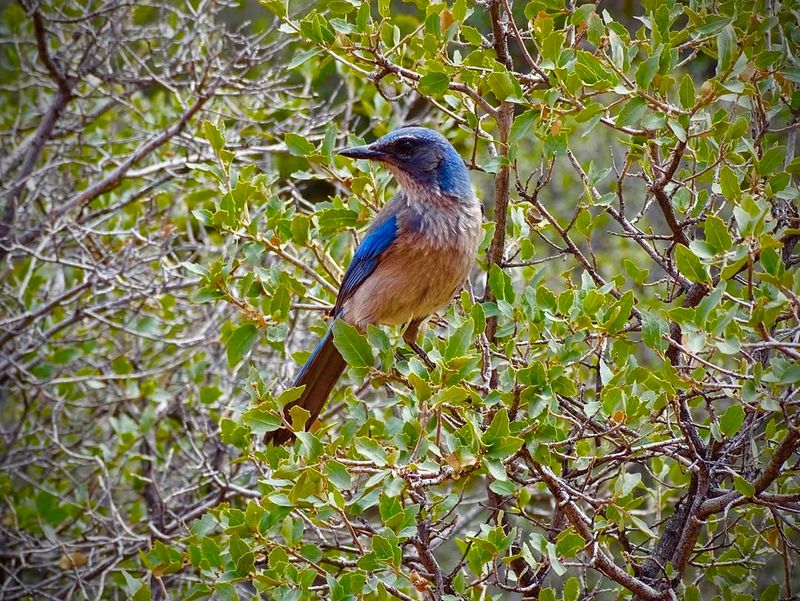
Few trees in California carry as much wildlife value as the Coast Live Oak. This beautiful evergreen tree produces acorns that California Scrub Jays absolutely love.
In fact, scrub jays are known to collect and bury acorns for later, making oaks one of their most important food sources all year long.
Coast Live Oak grows naturally along the California coast and in foothill areas, making it a perfect fit for many California yards. It offers dense, spreading branches that give birds excellent shelter from wind and rain.
Scrub jays also use the thick canopy as a safe spot to watch for predators.
Planting a Coast Live Oak does take patience since this tree grows slowly at first. But once it gets established, it needs very little water and care.
Over time, it becomes a living hub for wildlife in your yard. Even a young tree will start attracting scrub jays once it begins producing acorns.
If you have room for just one large native tree in your California garden, this one is truly worth every bit of the wait.
2. Valley Oak
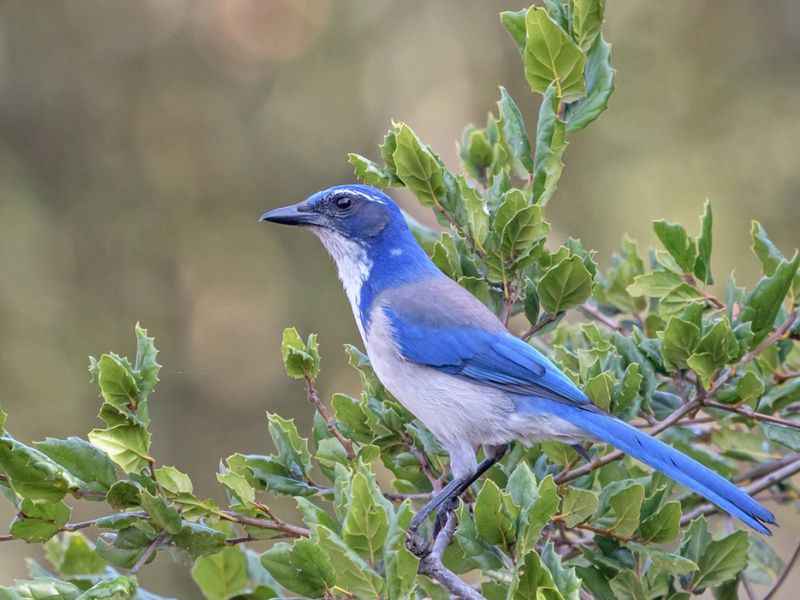
Standing tall across California’s valleys and foothills, the Valley Oak is one of the most iconic trees in the state. It produces large, chunky acorns that California Scrub Jays find irresistible.
These birds will visit Valley Oaks repeatedly during fall and winter, stocking up on acorns before hiding them across the yard.
What makes the Valley Oak especially great is its sheer size. A mature tree creates a wide, welcoming canopy that offers birds plenty of room to perch, forage, and nest.
Scrub jays feel safe in large trees because the height gives them a good view of their surroundings. The bark of older Valley Oaks also hides insects, giving jays another reason to hang around.
This tree thrives in California’s hot, dry summers once it gets established. It prefers deep soils found in valley floors and gentle slopes, which is why it grows so well in many parts of central and northern California.
Your California Garden Changes Every Week. Your Plan Should Too.
Gardening in California changes quickly throughout the season. Every Friday you’ll receive a simple weekly plan showing exactly what to plant, prune, fertilize, harvest, and protect so you never miss the right timing.
Planting a Valley Oak is truly a long-term gift to your yard and your local ecosystem. Over generations, this tree will keep feeding and sheltering California Scrub Jays and dozens of other wildlife species.
3. California Scrub Oak
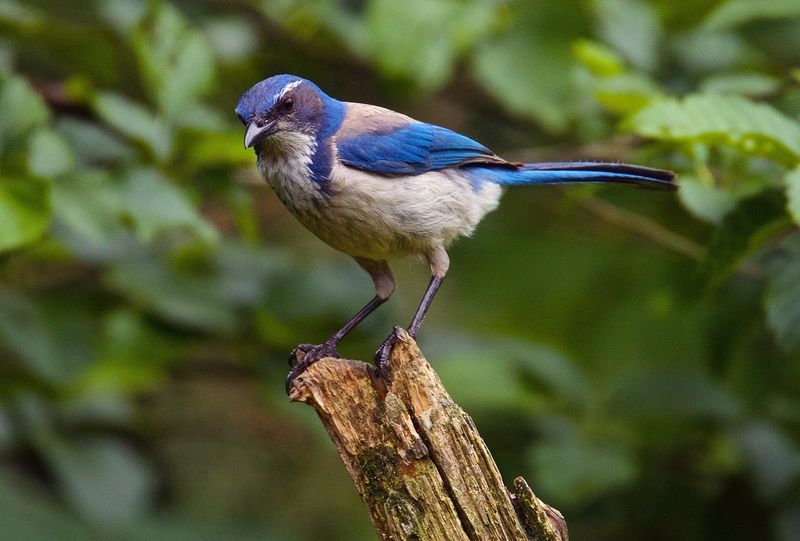
Not every California yard has room for a towering oak tree, and that is exactly where California Scrub Oak comes in. This compact, shrubby oak grows much lower to the ground, making it a great option for smaller spaces.
It still produces acorns, which means scrub jays will absolutely seek it out.
California Scrub Oak is a tough plant that thrives in dry, rocky, or sandy soils across California. It is a key part of the chaparral habitat, which is one of the scrub jay’s favorite environments.
The dense, tangled branches of this shrub give birds excellent cover from hawks and other threats. Scrub jays often nest close to or within scrub oak thickets because of how protected they feel there.
Beyond just feeding birds, California Scrub Oak supports a whole community of insects that scrub jays also snack on. It is drought-tolerant once established, so it fits right into a low-water California garden.
If you want a plant that pulls double duty as both a food source and a safe hiding spot for birds, this scrubby little oak delivers in a big way. It is a smart, space-friendly choice for any California wildlife garden.
4. Toyon
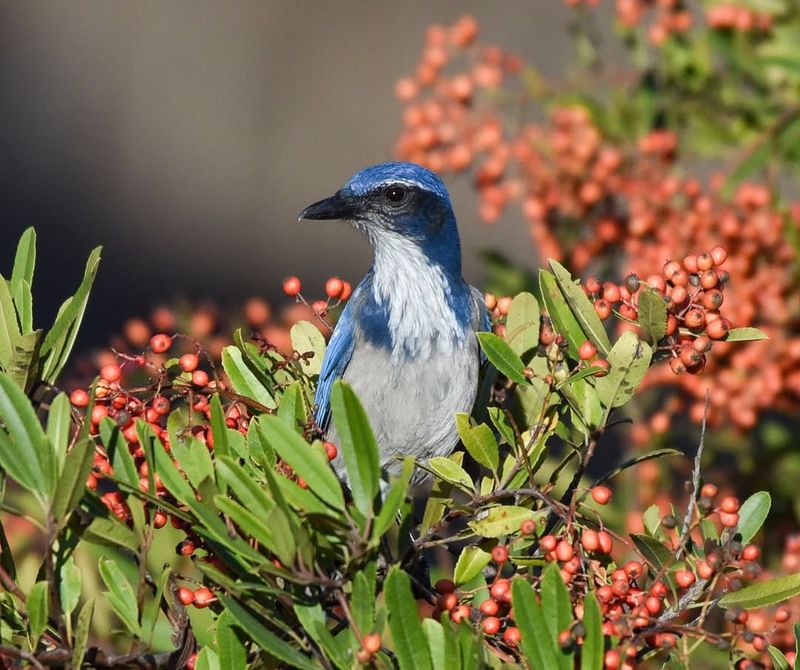
Walk through almost any wild hillside in California during winter, and you will likely spot Toyon’s bright red berries glowing among the green leaves. This native shrub is sometimes called California Holly or Christmas Berry because of how festive it looks during the cold months.
California Scrub Jays go wild for those berries, and they will visit your yard regularly once Toyon starts producing fruit.
Toyon is a medium to large shrub that can also be trained into a small tree shape if you prefer. It grows well across much of California, from coastal gardens to inland slopes.
The berries ripen in late fall and stay on the plant well into winter, giving scrub jays a reliable food source when other options are limited. Birds are not the only ones attracted to it either since bees and butterflies love the white flower clusters that appear in summer.
One of the best things about Toyon is how easy it is to grow. It handles California’s dry summers with ease and requires very little maintenance once settled in.
Plant it where it gets full sun to light shade, and it will reward you with berries year after year. It is a standout native plant for any California bird garden.
5. Manzanita
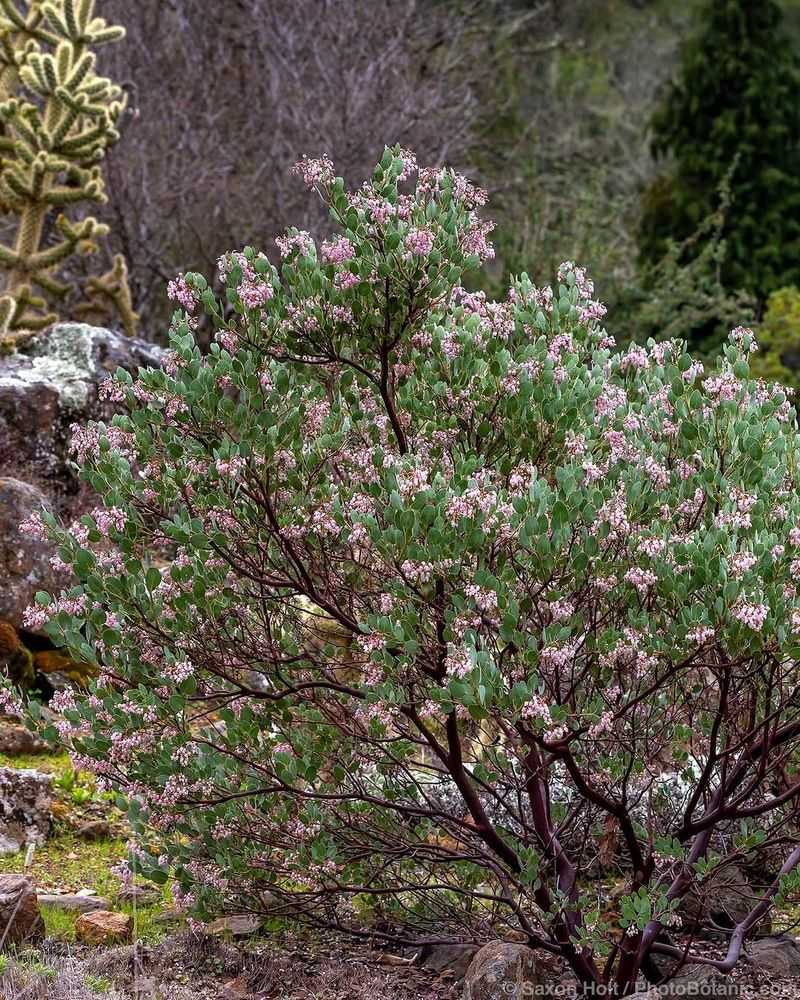
There is something almost magical about Manzanita. The smooth, reddish-brown bark practically glows in California’s afternoon sun, and the small, round berries are a favorite snack for California Scrub Jays.
These birds will perch right in the branches to pick berries off one by one, making Manzanita a joy to watch from your window.
Manzanita comes in many shapes and sizes, from low-growing ground covers to tall, arching shrubs. This variety means there is almost certainly a Manzanita species that fits your California yard perfectly.
The dense branching structure also provides great shelter for birds, and some scrub jays use larger Manzanita shrubs as nesting spots. The thick twigs make a sturdy base for their cup-shaped nests.
Beyond the birds, Manzanita is a beloved plant among California gardeners because it is incredibly drought-tolerant. Once established, it needs almost no extra watering, which is a big win in California’s dry climate.
It blooms with tiny, bell-shaped pink or white flowers in late winter, attracting pollinators before the berries even form. If you are building a native plant garden designed to attract scrub jays and other wildlife, Manzanita belongs near the top of your planting list.
6. Elderberry
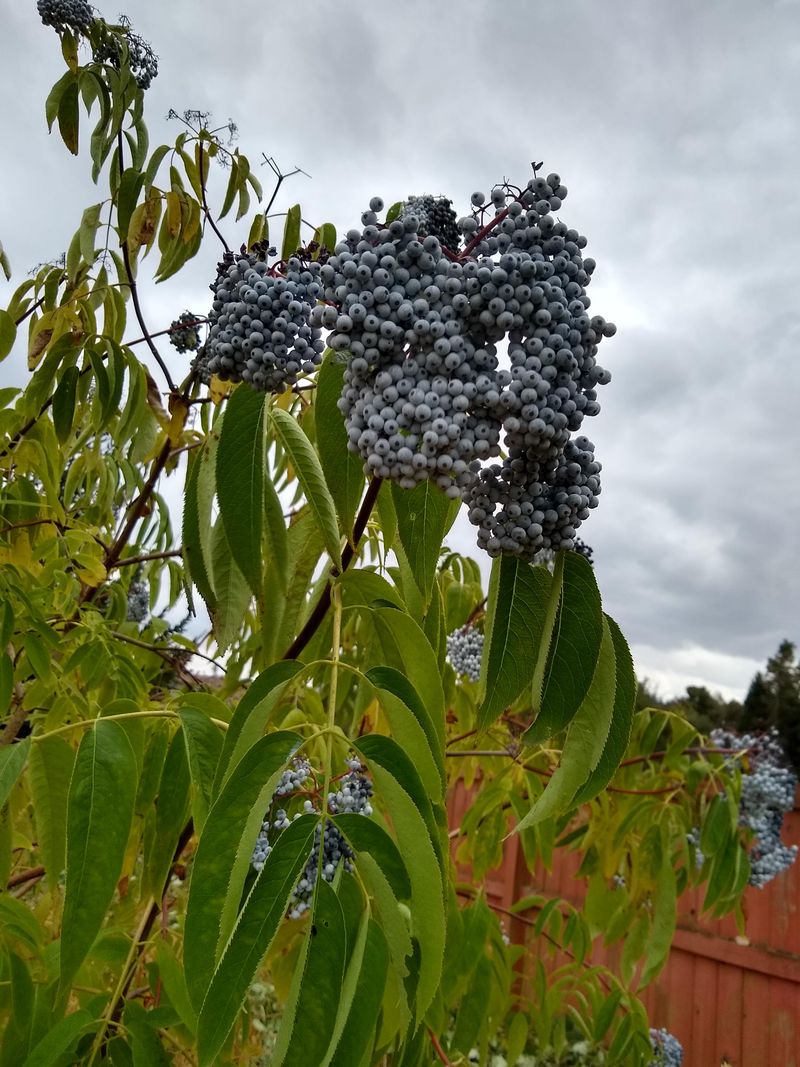
Elderberry is one of those plants that practically hums with wildlife activity from spring all the way through fall. California Scrub Jays are big fans of the dark, juicy berries that ripen in late summer and early fall.
The clusters of fruit hang heavy on the branches, and birds waste no time diving in once the berries are ready.
Blue Elderberry is the native species most commonly found across California, growing naturally along streams, in canyons, and at woodland edges. It is a fast-growing shrub that can reach impressive heights in just a few years, giving your yard quick structure and shade.
The large clusters of creamy white flowers that appear in spring attract a wide range of pollinators, making Elderberry a multi-season winner in the garden.
Scrub jays are not the only birds that love Elderberry. Many other California bird species flock to this plant as well, so planting it essentially turns your yard into a neighborhood bird hotspot.
Elderberry grows best in spots that receive some moisture, such as near a drip line or low area in your yard. With the right placement in a California garden, this native shrub will become one of your most rewarding plants season after season.
7. Western Serviceberry
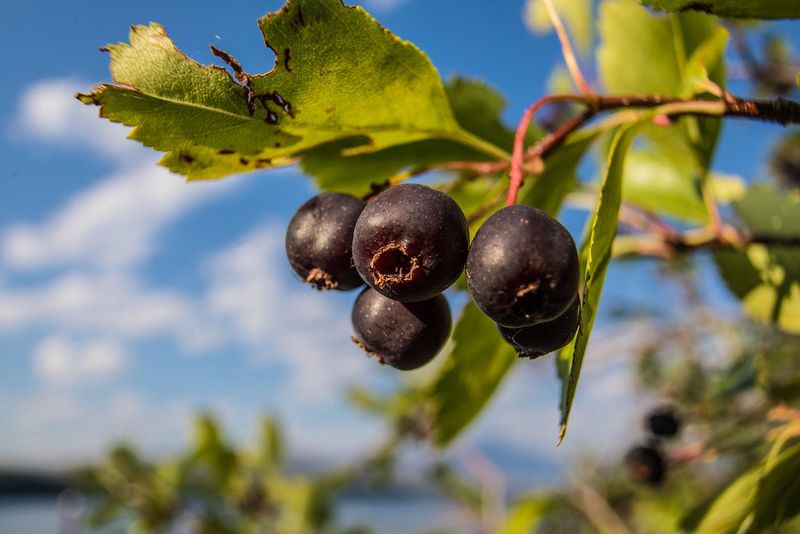
Not as widely known as some California natives, Western Serviceberry is a hidden gem that scrub jays truly appreciate. The small, blueberry-like fruits ripen in early summer, arriving right when many birds are busy feeding their young.
California Scrub Jays are quick to discover these berries and will return to the shrub repeatedly until the fruit is gone.
Western Serviceberry grows naturally in California’s mountain foothills and woodland edges, where it often forms part of a mixed shrub layer alongside oaks and manzanita. In a garden setting, it works beautifully as a mid-sized shrub or small tree.
The white blossoms that appear in early spring are stunning and arrive before most other plants have even woken up for the season, making it a lovely early-season focal point.
Beyond its appeal to birds, Western Serviceberry is a tough and adaptable plant. It handles both cold winters in higher elevations and the dry summers typical of much of California.
Planting it alongside other native fruiting shrubs creates a layered food source that keeps scrub jays visiting your yard across different seasons. For California gardeners who want to support wildlife while keeping their garden visually interesting all year, Western Serviceberry is an excellent and underrated choice.
8. Wild Rose
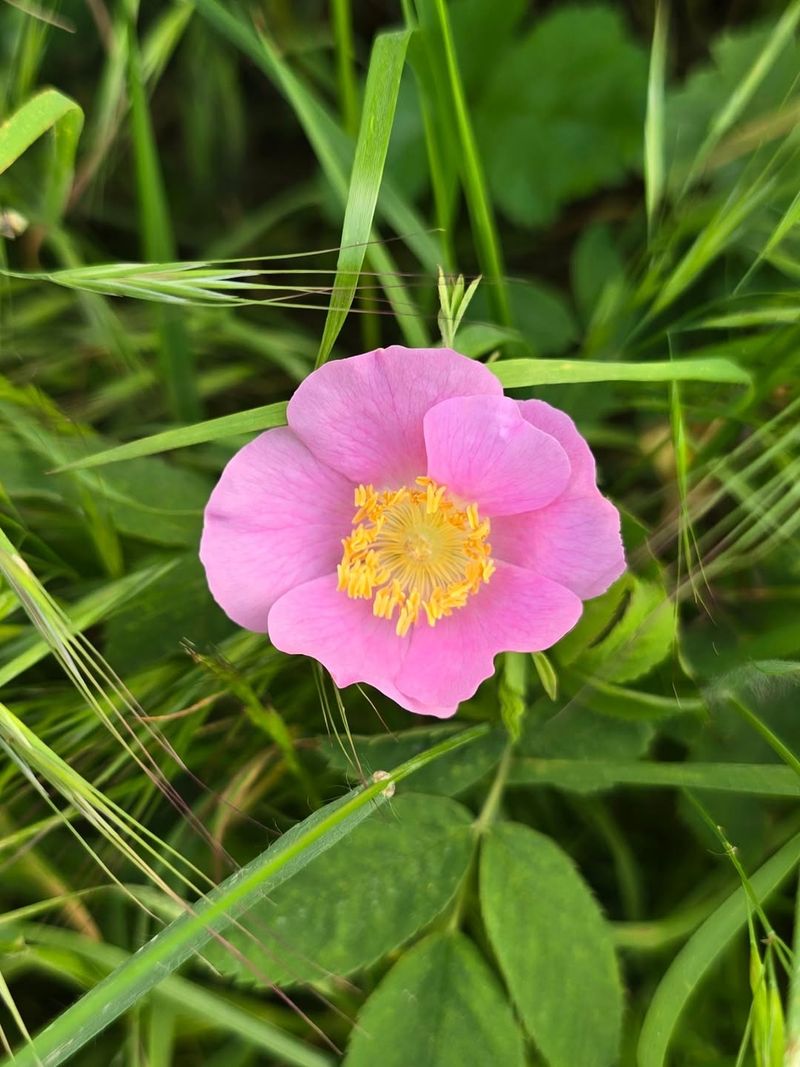
Wild Rose brings a natural, relaxed beauty to any California garden, and California Scrub Jays are among its biggest fans. The bright red rose hips that form after the flowers fade are packed with nutrients, and birds snack on them throughout fall and winter.
Scrub jays will also poke around the thorny canes looking for insects hiding among the leaves and stems.
Several wild rose species are native to California, including Rosa californica, which grows along streams and in moist woodland areas. The pink flowers bloom in late spring and early summer, filling the garden with a soft, sweet scent.
After the petals drop, the hips slowly ripen to a rich red color that practically signals to birds that dinner is ready.
Wild Rose also provides excellent nesting cover. The thorny branches create a natural barrier that keeps predators away, making it a safe spot for scrub jays and other birds to build nests.
It spreads gradually over time, forming thickets that add structure and depth to a California wildlife garden. Give it a sunny to partly shaded spot with occasional water, and it will reward you with blooms, hips, and steady bird activity year after year.
It is a true all-around winner for any native plant garden in California.