Native Pennsylvania Shrubs That Outperform Barberry In Home Landscapes
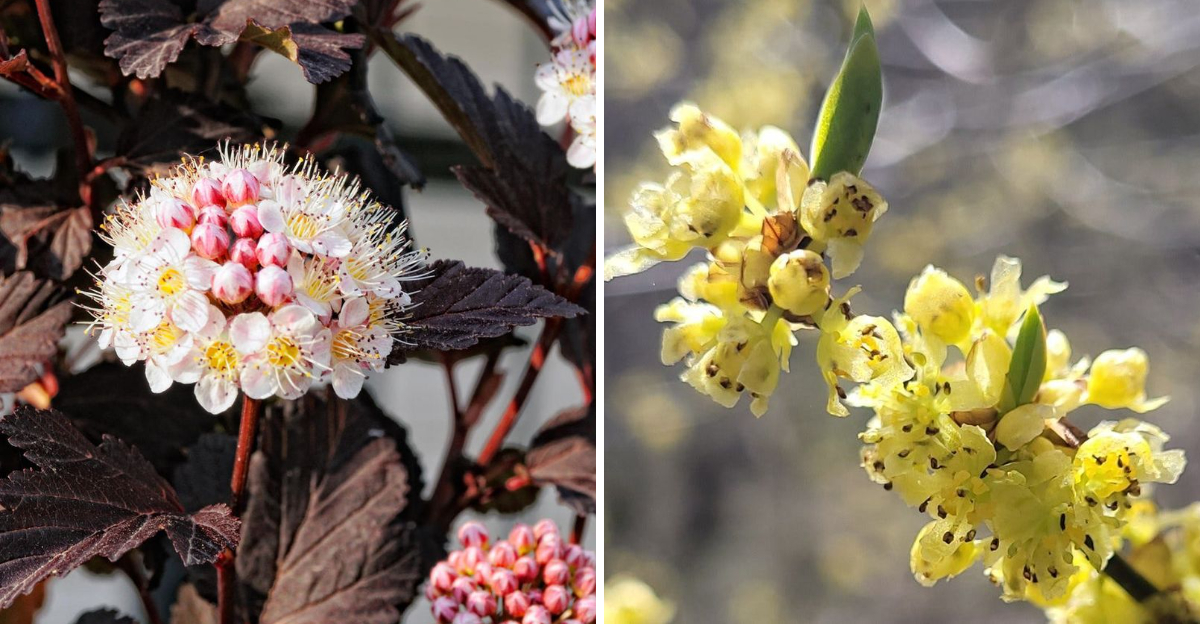
Is that tidy shrub in your yard secretly a magnet for ticks? Many Pennsylvania homeowners originally planted Japanese barberry for its low-maintenance shape and deep red hues, but the hidden costs are hard to ignore.
This invasive plant doesn’t just escape into local woods and choke out native species; research shows its dense, humid thickets create a perfect nursery for tick populations.
If you want a safe, beautiful landscape, it’s time for a change.
Pennsylvania offers incredible native shrubs that provide stunning seasonal color and architectural structure.
These local alternatives support our birds and pollinators without any of the ecological baggage.
1. Inkberry Holly Brings Evergreen Structure Without The Trouble
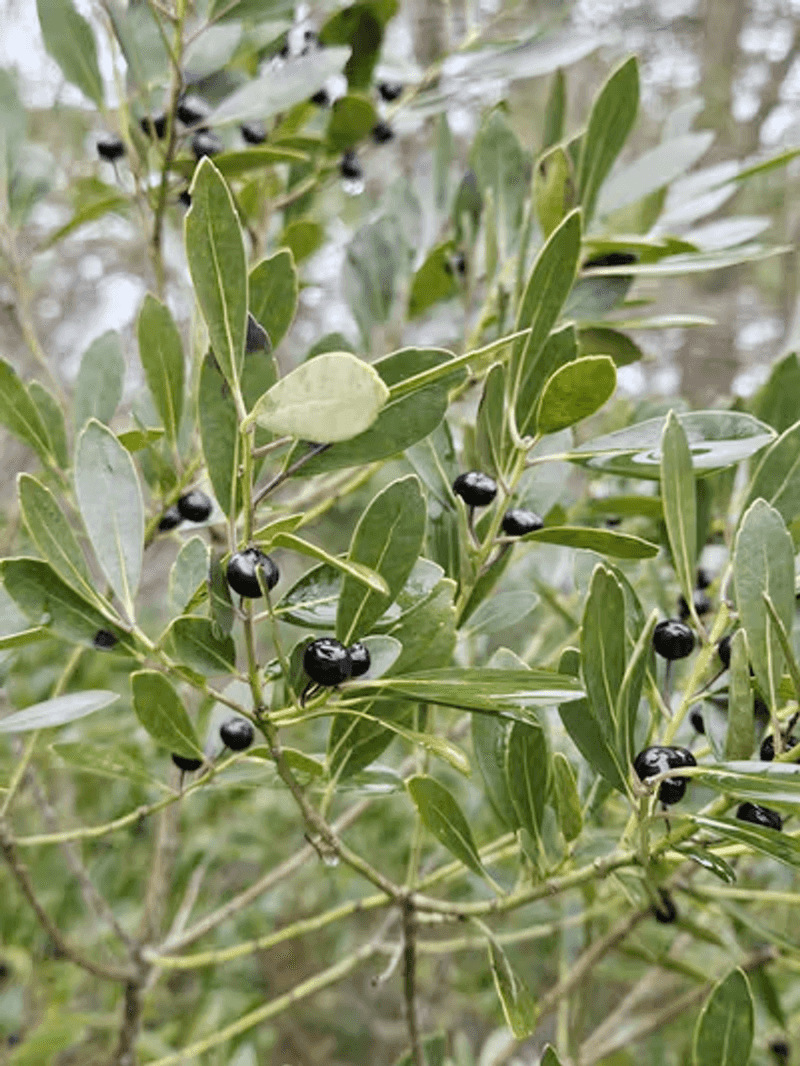
Foundation plantings around Pennsylvania homes often need a shrub that holds its good looks through winter, and inkberry holly delivers that dependable structure year after year.
Unlike barberry, which drops its leaves and leaves bare thorny stems through the cold months, inkberry keeps its glossy, dark green foliage looking tidy from January through December.
That evergreen quality alone makes it a strong contender for anyone redesigning a front yard or mixed border.
Inkberry holly (Ilex glabra) is native to Pennsylvania and grows well in full sun to part shade, reaching roughly four to eight feet tall depending on the variety.
Compact cultivars like Shamrock and Gem Box are especially useful for smaller yards where space is tight.
The shrub tolerates wet soils surprisingly well, making it a smart choice near downspouts or low spots in the yard where other shrubs might struggle.
Small black berries ripen in late summer and persist through winter, giving birds a reliable food source during lean months. Deer resistance is another practical bonus for Pennsylvania gardeners in suburban and rural areas.
Minimal pruning is needed to keep inkberry looking sharp, and it rarely requires much attention once established in the right spot.
2. Winterberry Holly Adds Bright Berries And Seasonal Color
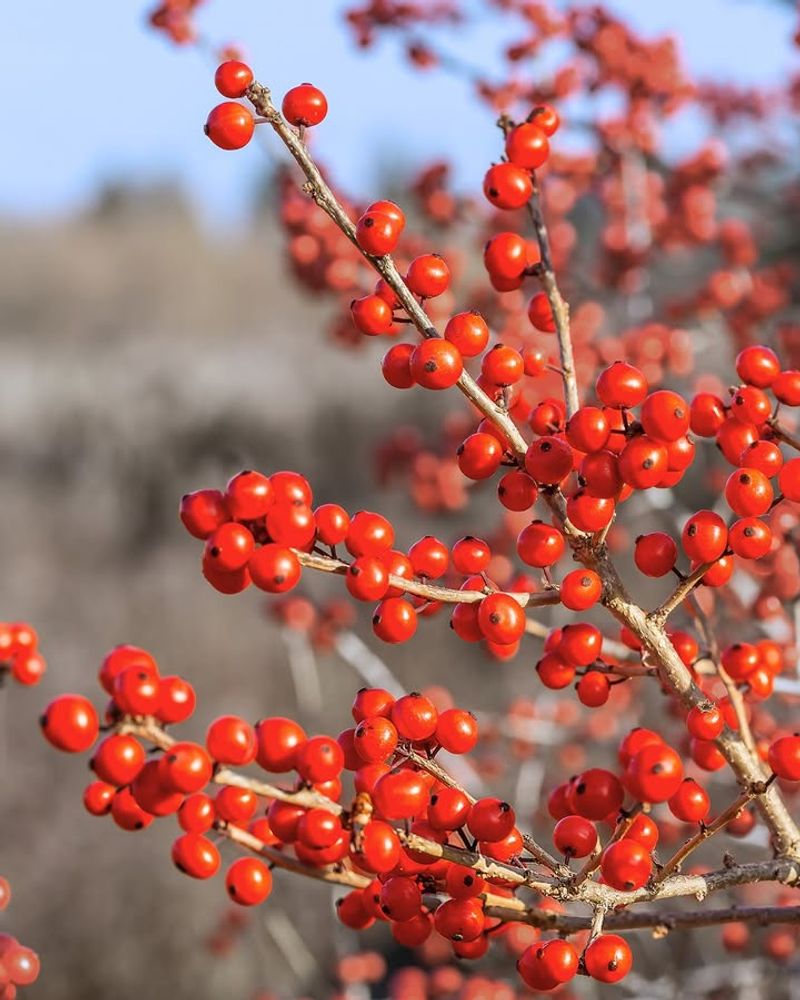
Few sights in a Pennsylvania winter yard stop people in their tracks quite like a winterberry holly loaded with blazing red berries after the leaves have fallen.
The bare branches become almost entirely covered in clusters of brilliant fruit, turning an otherwise quiet garden bed into something genuinely spectacular from November through February.
Birds, including cedar waxwings and American robins, flock to the berries and add even more life to the scene.
Winterberry (Ilex verticillata) is a native deciduous holly that thrives across Pennsylvania in moist to wet soils, making it an outstanding choice near rain gardens, pond edges, or low areas of the yard that stay damp after heavy rains.
It grows between six and ten feet tall in most landscape settings, though compact varieties like Red Sprite stay closer to three to four feet.
Full sun to part shade suits it well, with heavier berry production typically occurring in sunnier spots.
One thing worth knowing is that winterberry is dioecious, meaning you need both a male and a female plant for berry production.
Pairing a female variety with a compatible male pollinator like Jim Dandy or Southern Gentleman ensures a full berry display each season.
Your Pennsylvania Garden Changes Every Week. Your Plan Should Too.
Gardening in Pennsylvania changes quickly throughout the season. Every Friday you’ll receive a simple weekly plan showing exactly what to plant, prune, fertilize, harvest, and protect so you never miss the right timing.
The effort of choosing the right pair is absolutely worth it.
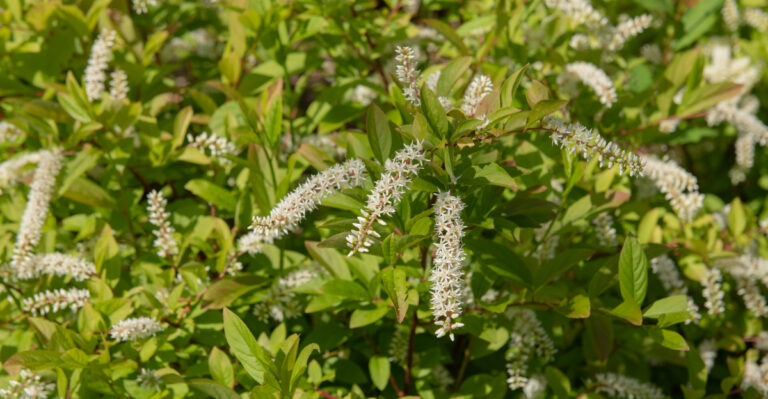
3. Virginia Sweetspire Offers Graceful Form And Fiery Fall Color
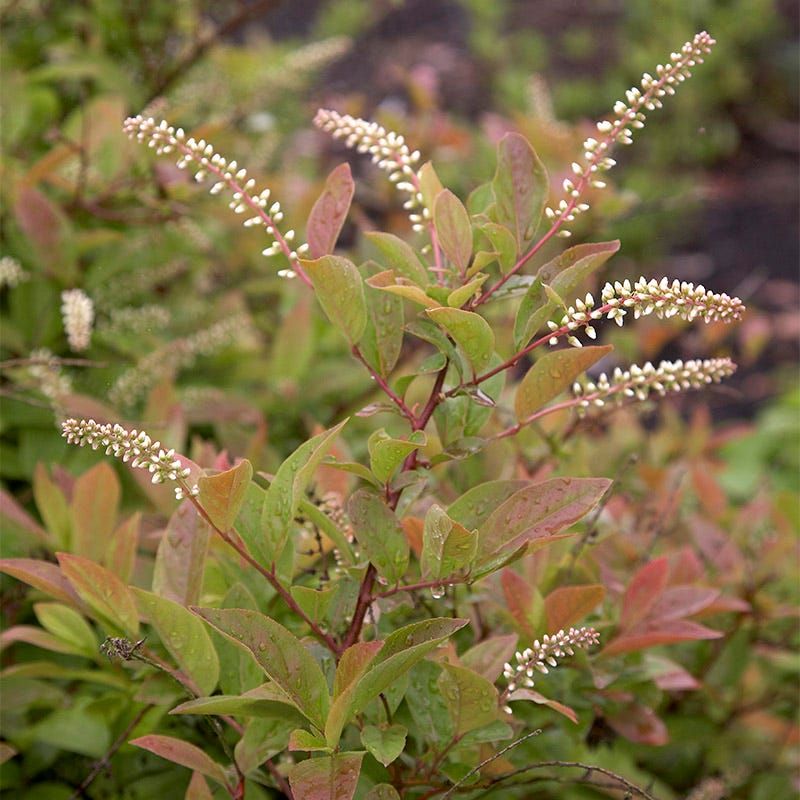
Autumn in Pennsylvania brings some of the most stunning foliage displays in the country, and Virginia sweetspire earns its place in that seasonal show with leaves that shift through shades of red, orange, and burgundy well into late fall.
What makes it even more impressive is that the color often lingers longer than most other shrubs, giving the garden a warm glow when many other plants have already gone bare.
Summer brings its own reward in the form of long, arching white flower spikes that are lightly fragrant and attractive to pollinators.
Virginia sweetspire (Itea virginica) grows three to five feet tall and tends to spread gently by suckering, creating a natural, layered look over time.
It handles a wide range of soil conditions, from consistently moist to occasionally dry, and performs well in both full sun and part shade.
That adaptability makes it genuinely versatile for Pennsylvania landscapes, whether tucked along a shaded woodland edge or placed in a sunny mixed border.
Cultivars like Henry’s Garnet and Little Henry are popular choices that offer reliable fall color and a manageable mature size for residential settings.
Maintenance needs are low once the shrub is established, and it rarely needs more than light shaping to keep a neat appearance.
Wildlife value is solid, with blooms supporting native bees and other beneficial insects.
4. Spicebush Supports Wildlife And Lights Up Shady Spots
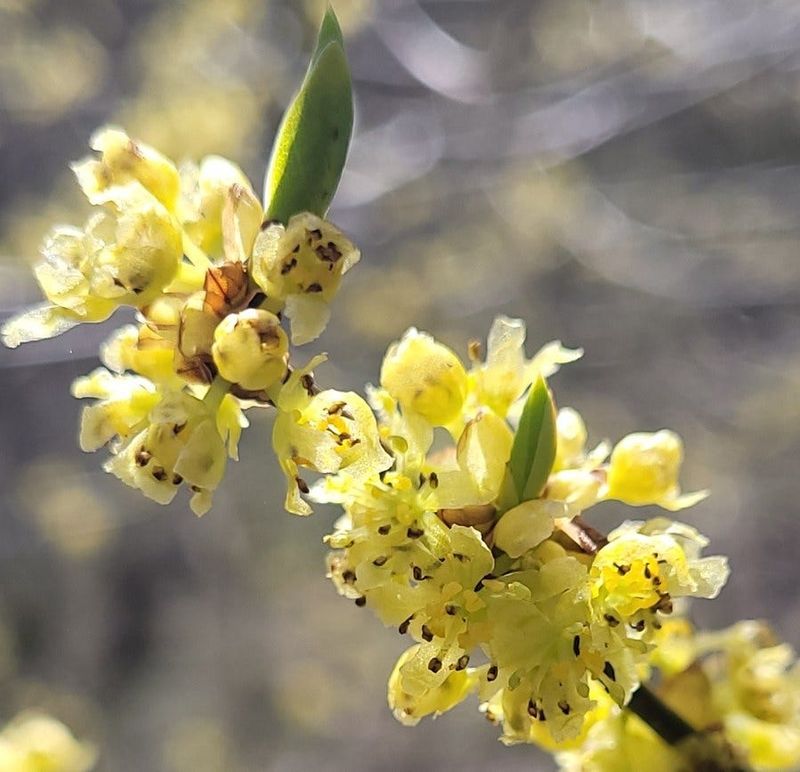
Shaded corners and woodland edges in Pennsylvania yards can be tricky spots to fill with shrubs that actually look good and do something useful.
Spicebush handles both of those challenges with confidence, lighting up the understory with tiny yellow flowers as early as March when most of the landscape is still waking up from winter.
That early bloom is a welcome sight for gardeners and for native bees and other early pollinators searching for food sources after a long cold season.
Spicebush (Lindera benzoin) is a native shrub deeply woven into Pennsylvania ecosystems. Its leaves serve as the primary host plant for the spicebush swallowtail butterfly, one of the most striking butterflies found across the state.
Female plants also produce glossy red berries in late summer and early fall that migrating birds rely on heavily before heading south. The aromatic foliage has a pleasant spicy scent when crushed, adding a sensory bonus to any planting.
Growing six to twelve feet tall in part shade to full shade, spicebush fills in nicely beneath taller trees where barberry might have previously crept in.
It prefers moist, well-drained soils but adapts reasonably well to average garden conditions.
Fall foliage turns a soft, buttery yellow that glows beautifully in low autumn light. For Pennsylvania gardeners who want to actively support local wildlife, spicebush is genuinely hard to beat.
5. Ninebark Brings Texture And Toughness To Pennsylvania Yards
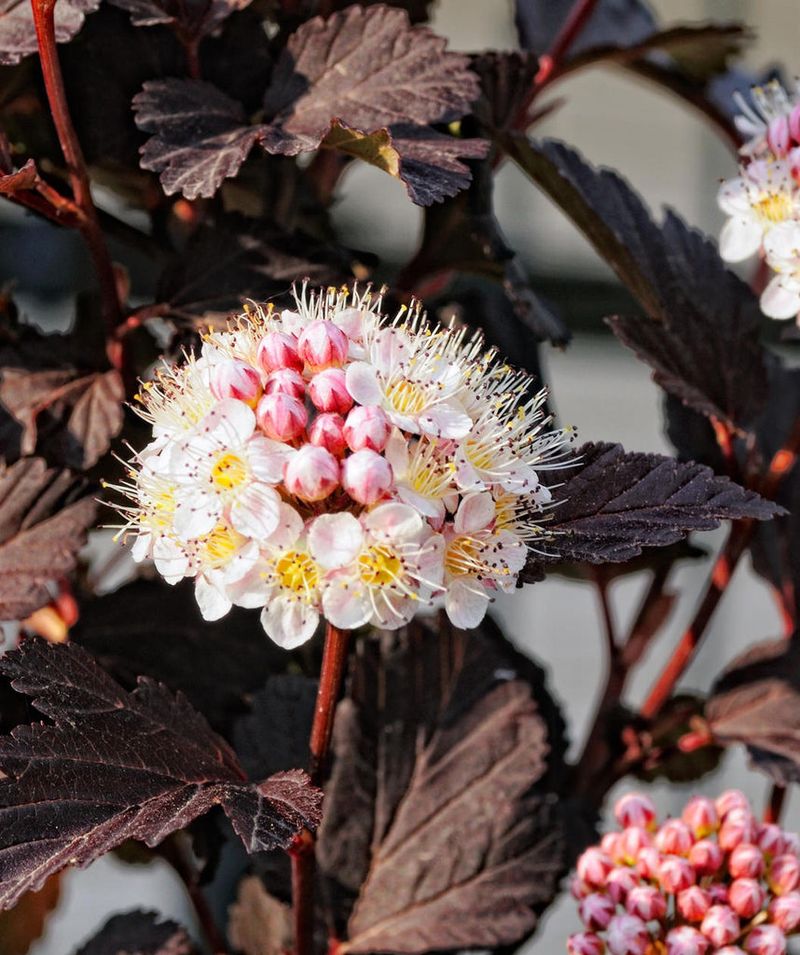
If there is one native shrub that consistently impresses Pennsylvania gardeners with its sheer toughness, ninebark is a strong candidate for that title.
It grows in poor soils, tolerates drought once established, handles clay soils common across much of Pennsylvania, and shrugs off heat and humidity without missing a beat.
Beyond its rugged constitution, ninebark brings genuine visual interest through multiple seasons, which is something barberry rarely manages to match in terms of ecological value.
Physocarpus opulifolius, the native ninebark, features peeling, layered bark that gives the stems a distinctive texture in winter when the garden is otherwise quiet.
Spring brings clusters of small white or pale pink flowers that attract native bees, followed by reddish seed clusters that birds find useful.
Popular cultivars like Diablo and Summer Wine offer deep burgundy foliage that holds its color through summer, creating bold contrast in mixed borders or foundation plantings.
Ninebark typically grows five to ten feet tall, though compact varieties stay closer to three to five feet, making them easier to manage in smaller Pennsylvania yards.
Full sun produces the richest foliage color, though the shrub also performs well in part shade.
Occasional renewal pruning every few years keeps it looking its best, but it is not a high-maintenance shrub by any measure. For slopes, sunny borders, or difficult spots where other shrubs falter, ninebark is a dependable and rewarding choice.
6. Buttonbush Adds Unusual Blooms Near Wet Areas
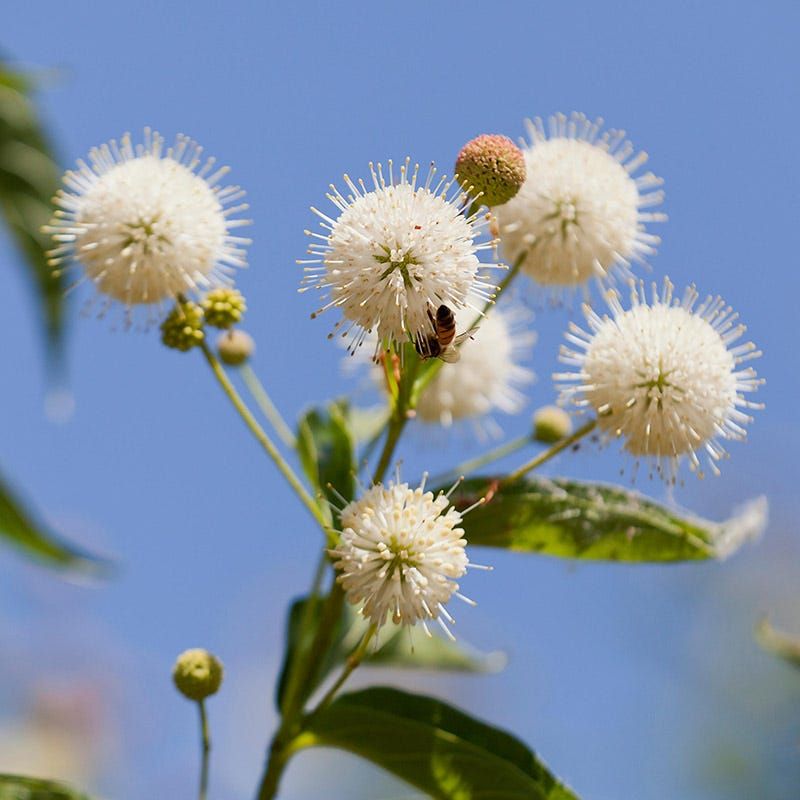
Wet spots in Pennsylvania yards often become problem areas that homeowners struggle to plant successfully.
Buttonbush turns that challenge into an opportunity, thriving in consistently moist to wet soils where most ornamental shrubs would quickly decline.
Its unusual spherical white flower clusters, which bloom from late June through August, look like something out of a botanical curiosity collection and draw compliments from neighbors who have never seen anything quite like them before.
Cephalanthus occidentalis is a native shrub with serious wildlife credentials.
The fragrant blooms attract an impressive variety of pollinators, including native bees, butterflies, and hummingbirds, making buttonbush one of the more ecologically productive shrubs you can add to a Pennsylvania landscape.
After flowering, rounded seed heads form and persist into winter, providing food for waterfowl and other birds that visit wet areas. The glossy green foliage is also attractive through the growing season.
Buttonbush grows roughly six to twelve feet tall and wide in ideal conditions, so it works best as a background plant, a naturalized screen near water features, or a specimen in a large rain garden.
It tolerates standing water for extended periods, which is genuinely rare among ornamental shrubs.
Full sun to part shade suits it well, and it requires very little care once established in a moist site. Pennsylvania homeowners with poorly draining low spots now have a native solution worth celebrating.
7. New Jersey Tea Fits Sunny Spaces With A Native Touch
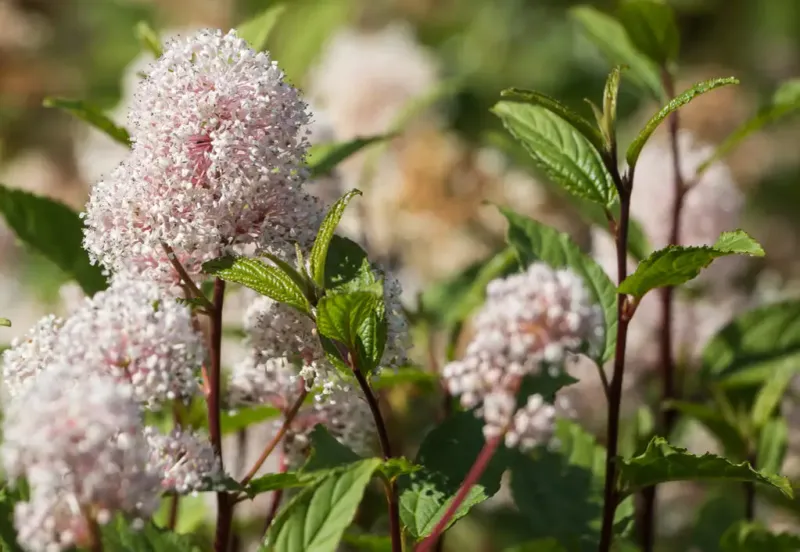
Compact, sun-loving, and covered in fluffy white flower clusters each summer, New Jersey tea is a native shrub that fits neatly into spots where barberry once dominated without any of the invasive drawbacks.
Despite its name, this plant grows naturally across Pennsylvania and much of the eastern United States, thriving in the well-drained, sunny conditions found in many residential landscapes.
During the American Revolution, its leaves were reportedly used as a tea substitute, which gives the plant a small but memorable piece of history.
Ceanothus americanus stays relatively low, typically reaching three to four feet tall and wide, which makes it a practical choice for front foundation beds, mixed borders, or any sunny area where a smaller shrub is needed.
The white flower panicles bloom from late spring through midsummer and attract a wide range of native bees, butterflies, and other beneficial insects.
It is also a host plant for several native butterfly species, adding ecological depth to its ornamental appeal.
One of the more notable traits of New Jersey tea is its deep taproot, which makes it quite drought-tolerant once established – a real advantage during Pennsylvania’s increasingly dry summer stretches.
It prefers well-drained to dry soils and does not perform well in wet or heavy clay conditions.
Full sun brings out its best flowering, and it generally needs very little pruning or supplemental watering after the first season or two.
8. Fragrant Sumac Spreads Gentle Color Across Slopes And Banks
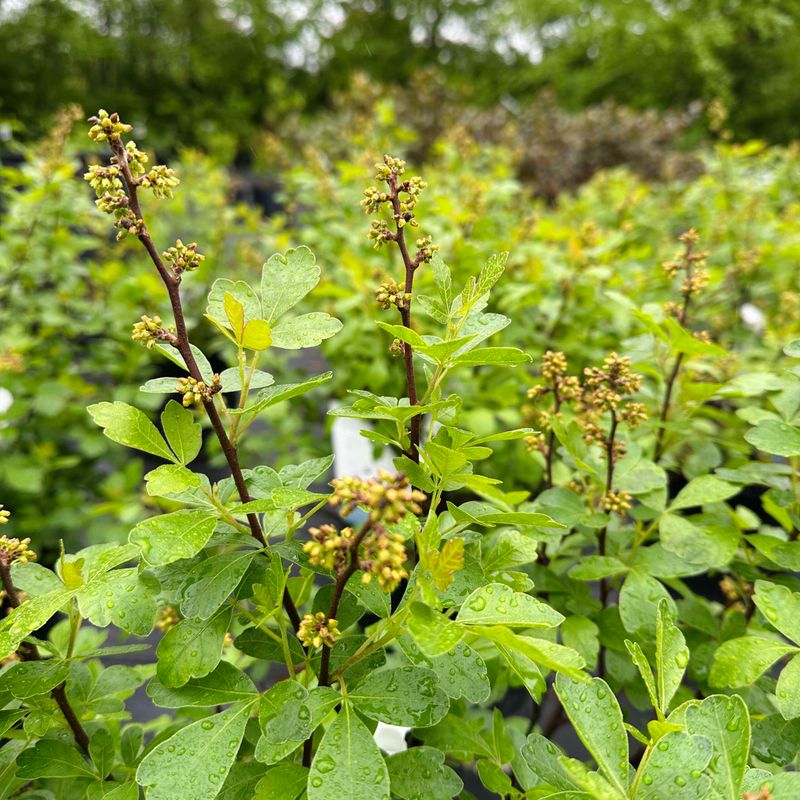
Slopes and banks in Pennsylvania yards can be among the most frustrating spots to keep planted and looking good through all four seasons.
Fragrant sumac handles those challenging sites with a low, spreading habit that holds soil effectively while delivering genuine seasonal interest from early spring through late fall.
In March and April, small yellow flower clusters appear before the leaves emerge, offering one of the earliest native bloom sources for pollinators waking up after winter.
Rhus aromatica is a native shrub that earns its common name honestly – the foliage releases a pleasant, slightly citrusy aroma when brushed or lightly crushed.
Growing roughly two to six feet tall with a spreading width that can reach eight feet or more, it works beautifully as a ground-covering mass planting on banks, in open sunny areas, or along the edges of driveways and pathways.
The Gro-Low cultivar stays particularly compact and is widely used in Pennsylvania landscapes for erosion control and low-maintenance coverage.
Fall color is a genuine highlight, with leaves turning shades of orange, red, and purple that rival many trees in intensity. Small red berries follow the flowers and attract birds through summer.
Fragrant sumac tolerates dry, rocky, and sandy soils that would challenge most other shrubs, and it thrives in full sun to light shade. Once established, it asks for very little in return for a lot of seasonal beauty and practical value.
9. Northern Bayberry Handles Tough Sites With Easy Charm
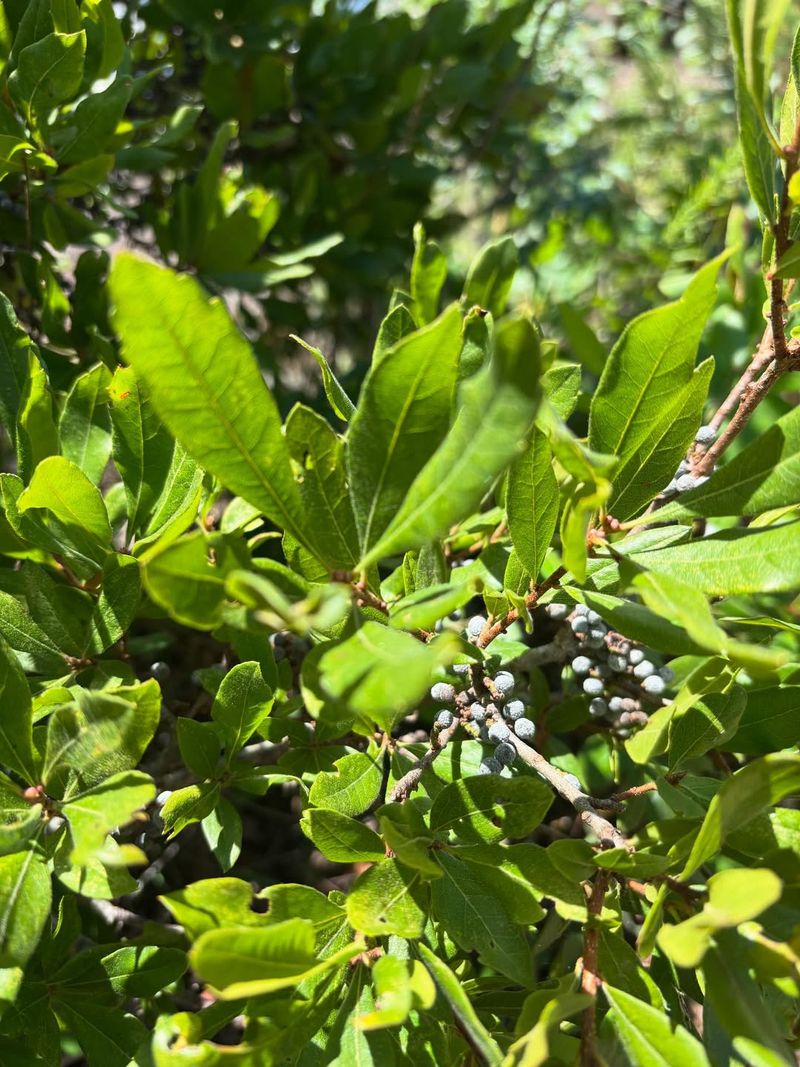
Some of the most rewarding native shrubs are the ones that ask for very little and still manage to look good through challenging conditions.
Northern bayberry fits that description well, growing comfortably in poor, sandy, or dry soils where many ornamental shrubs would struggle to survive the first summer.
Along Pennsylvania’s coastal-influenced eastern counties and across the state’s drier inland sites, bayberry has been a reliable landscape plant long before anyone was talking about native gardening trends.
Morella caroliniensis, sometimes listed as Myrica pennsylvanica, is a semi-evergreen to deciduous shrub that grows roughly five to ten feet tall.
The waxy, gray-blue berries that cluster along the stems in fall and winter are a beloved food source for yellow-rumped warblers and other migratory birds passing through Pennsylvania.
Those same berries carry a pleasant, distinctive fragrance that gives the plant another layer of sensory appeal, especially when warmed by winter sun.
Northern bayberry thrives in full sun to part shade and tolerates salt spray, drought, and wind exposure that would stress less adaptable plants. It also fixes atmospheric nitrogen through root associations, gently improving poor soils over time.
The foliage has a clean, aromatic quality that carries through much of the year.
For exposed foundation beds, coastal-style gardens, or dry sunny slopes where barberry once spread unchecked, northern bayberry brings structure and ecological value with minimal fuss.