The Fertilizer Mistake Florida Gardeners Make That Burns Roots In Summer Heat
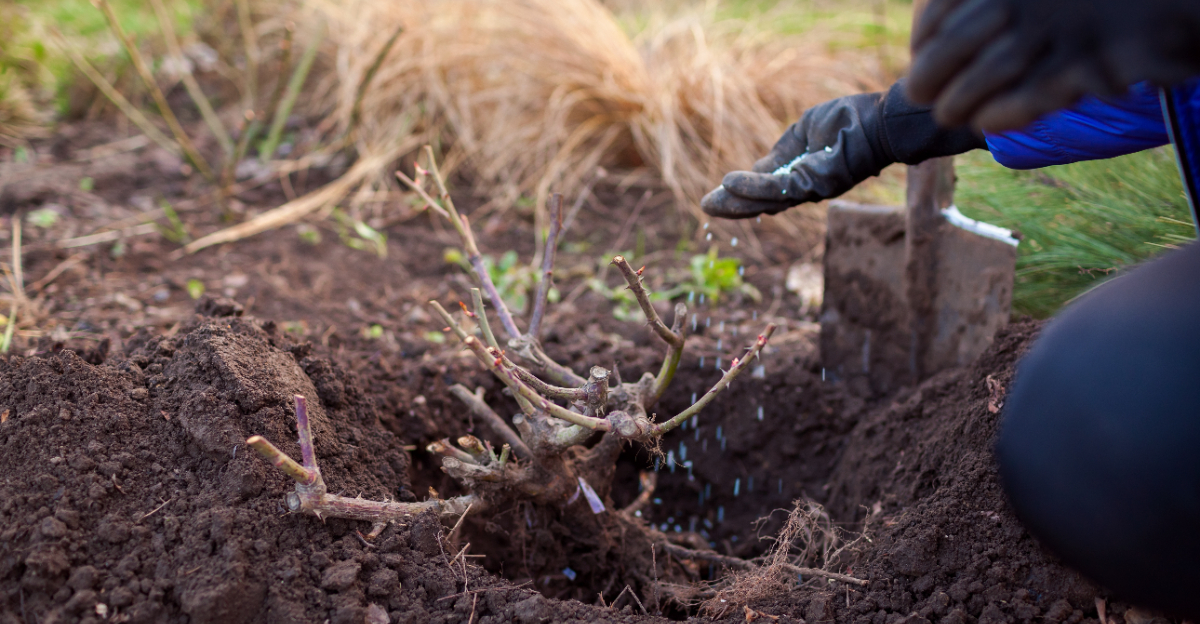
Florida gardeners know the trap. The heat starts building, plants look a little tired, and the first instinct is to help them along with fertilizer.
It feels like the responsible move. More nutrients, more growth, more color, more strength for the brutal months ahead.
Then the exact opposite happens. Leaves start looking rough, growth stalls out, and plants that seemed fine suddenly act like they are hanging on by a thread.
That is why this mistake catches so many people. It hides inside a habit that sounds smart, looks normal, and gets repeated in yards all over Florida every summer.
The worst part is that the real damage does not start where most gardeners are looking. It starts down in the root zone, where heat, soil conditions, and one wrong move can team up fast.
By the time the plant starts waving a red flag, summer has already turned a simple mistake into a hard lesson.
1. Fertilizing Dry Soil In Summer Can Backfire Fast
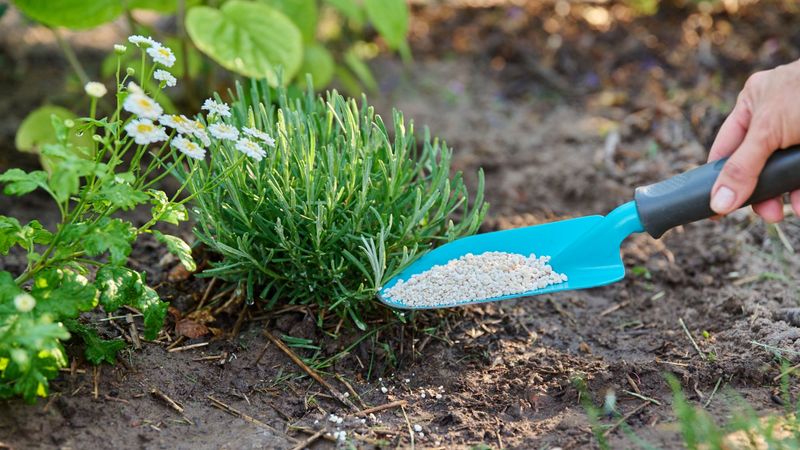
Picture this: your garden beds are bone-dry after three days without rain, and you figure it is a good time to toss down some fertilizer before the next watering.
That instinct, while understandable, is one of the most common and damaging mistakes Florida gardeners make during summer months.
When soil lacks moisture, fertilizer granules cannot dissolve and spread properly through the ground. Instead, they sit in concentrated pockets right around the root zone.
According to UF/IFAS guidelines, fertilizer applied to dry soil increases the risk of salt buildup near roots, which pulls water out of plant tissue through osmosis rather than delivering nutrients into it.
Florida’s sandy soils make this problem even more noticeable. Sandy soil has low water-holding capacity, meaning dry conditions arrive faster and become more extreme compared to clay-heavy soils.
Roots in dry, fertilizer-heavy soil face two problems at once: dehydration from the heat and salt stress from the fertilizer. Starting with properly moistened soil is not just a helpful tip, it is the foundation of safe summer fertilizing in Florida.
2. Heat Turns Fertilizer Into A Root-Burning Mix
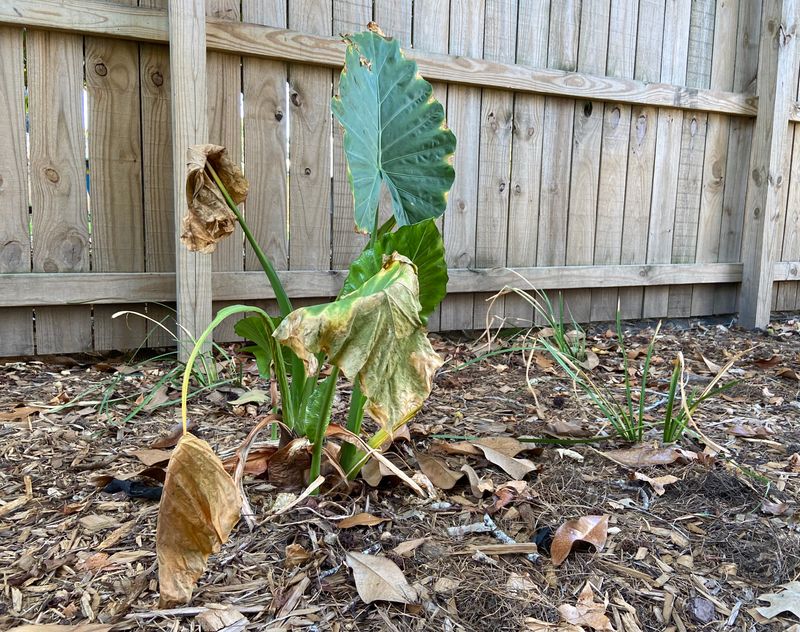
Most people think of fertilizer as plant food, something purely helpful and nourishing. What surprises many gardeners is that in high heat, the chemistry of fertilizer in soil shifts in ways that make it far less friendly to roots.
Fertilizers contain salts, and those salts become more concentrated and reactive when soil temperatures climb above 85 degrees Fahrenheit, which happens regularly across Florida from June through September.
High soil temperatures speed up the breakdown of some fertilizer compounds, releasing nutrients faster than roots can take them in.
That excess builds up in the soil water, raising its salt concentration to levels that stress or damage root cells.
UF/IFAS research supports the idea that root activity slows significantly during heat stress, meaning plants are less equipped to handle a sudden flood of nutrients.
Roots in this state are more vulnerable to osmotic stress, where water is drawn out of root cells rather than absorbed.
Your Florida Garden Changes Every Week. Your Plan Should Too.
Gardening in Florida changes quickly throughout the season. Every Friday you’ll receive a simple weekly plan showing exactly what to plant, prune, fertilize, harvest, and protect so you never miss the right timing.
The result looks like wilting or leaf scorch even when the soil is not completely dry. Recognizing that heat changes how fertilizer behaves is a key step toward smarter summer gardening in Florida.
3. Dry Soil Amplifies The Damage Fast
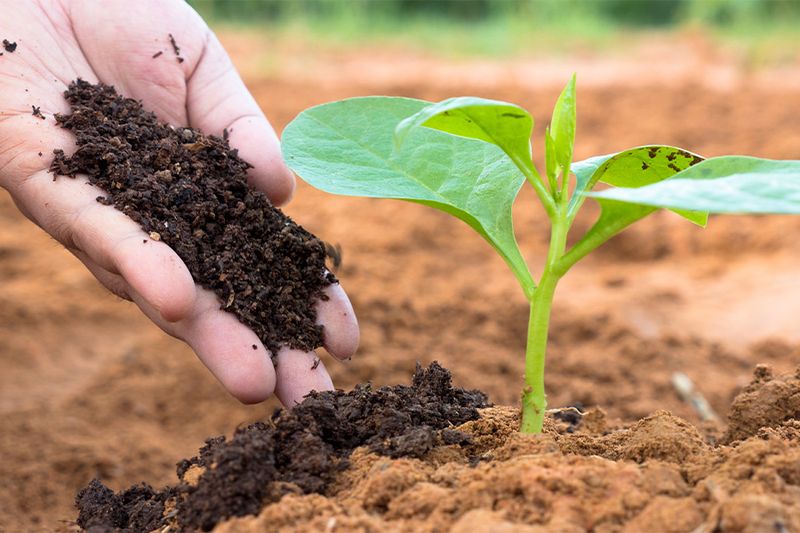
Soil moisture does a lot more than just keep plants hydrated. It also acts as a buffer between fertilizer compounds and plant roots, diluting salts and helping nutrients move through the soil at a manageable pace.
Remove that moisture, and the buffer disappears almost entirely.
When fertilizer is applied to dry Florida soil in summer, the salt concentration around roots can spike quickly. Without enough water to dilute those salts, the concentration gradient between the soil and root cells becomes unbalanced.
Water moves out of the roots and into the surrounding soil in an attempt to equalize that concentration, leaving roots dehydrated and unable to function properly.
Florida’s frequent summer drought periods between rain events make this scenario very realistic. Even gardens that receive irrigation may have pockets of dry soil if water distribution is uneven or if sandy soil drains before the next watering cycle.
Checking soil moisture a few inches below the surface before fertilizing is a simple but effective habit.
Squeezing a handful of soil and checking whether it holds together gives a quick read on whether conditions are safe enough to fertilize without risking root damage from concentrated salts.
4. Fast-Release Fertilizer Makes It Worse Instantly
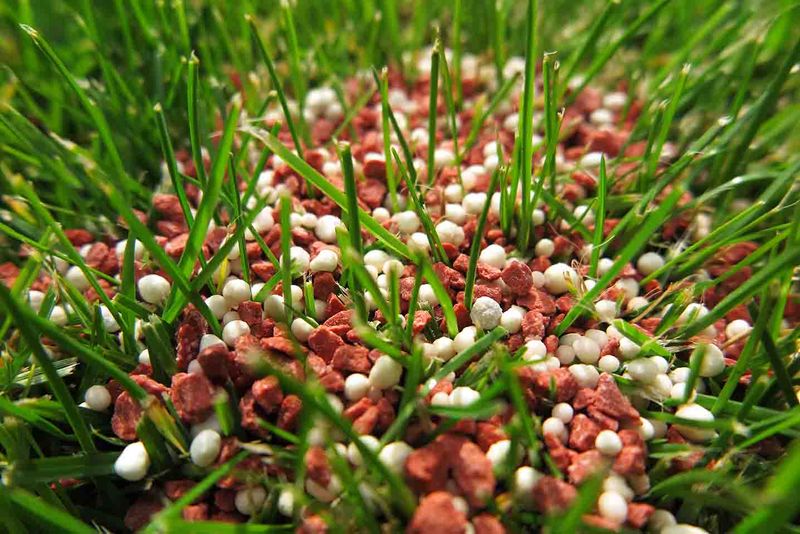
Walk into any garden center and you will find shelves full of fertilizers promising fast results and quick greening.
Those products work well in cooler, more forgiving conditions, but during a Florida summer, fast-release fertilizers introduce a level of risk that many gardeners do not expect.
Fast-release, or water-soluble, fertilizers dissolve quickly and flood the soil with nutrients all at once. In summer heat, roots are already under stress and absorbing nutrients at a slower rate.
When a large dose of soluble fertilizer hits dry or warm soil, the salt load spikes before roots can process it.
UF/IFAS recommends slow-release fertilizers for Florida lawns and gardens precisely because they reduce the chance of nutrient overload and root burn during warm months.
Slow-release products use coated granules or organic compounds that break down gradually over weeks or months. This steady delivery matches better with the reduced absorption rate of heat-stressed roots.
Switching away from fast-release products before summer arrives is a straightforward change that can make a noticeable difference in how well plants hold up through the hottest months.
Checking the fertilizer label for release type takes only a moment and can save a lot of plant stress later.
5. Middday Feeding Pushes Plants Over The Edge
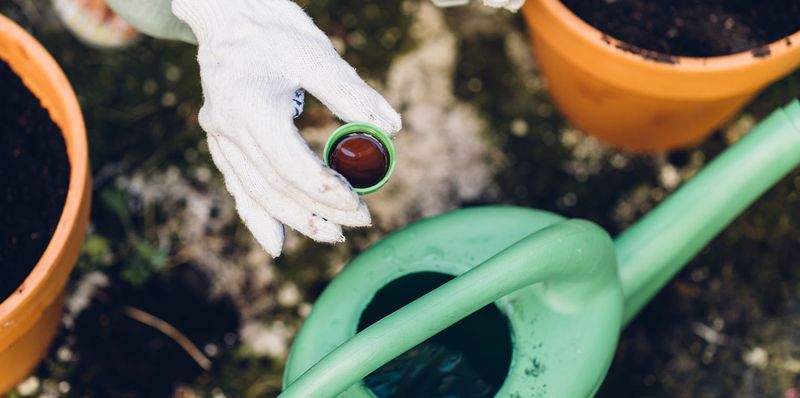
Timing matters more than most gardeners give it credit for.
Applying fertilizer in the middle of a Florida summer day, when temperatures are at their peak and the sun is beating down hard, stacks multiple stressors on top of each other in a way that roots simply cannot handle well.
During midday hours, soil surface temperatures in Florida can reach well above 100 degrees Fahrenheit.
At those temperatures, any fertilizer sitting on or just below the surface becomes more chemically active, releasing nutrients rapidly into an already heat-stressed environment.
Plants in the middle of the day are also losing water through their leaves at a fast rate, which means their root systems are already working hard just to maintain hydration without the added challenge of processing fertilizer salts.
UF/IFAS guidelines suggest that any garden tasks involving soil disturbance or chemical application are better done in the early morning or late afternoon when temperatures are lower and plants are less stressed.
Fertilizing during cooler parts of the day gives soil time to absorb moisture and spread nutrients more evenly before the heat builds again.
Shifting application time by just a few hours can meaningfully reduce the risk of pushing heat-stressed plants into more serious trouble.
6. Water First Or Risk Root Damage
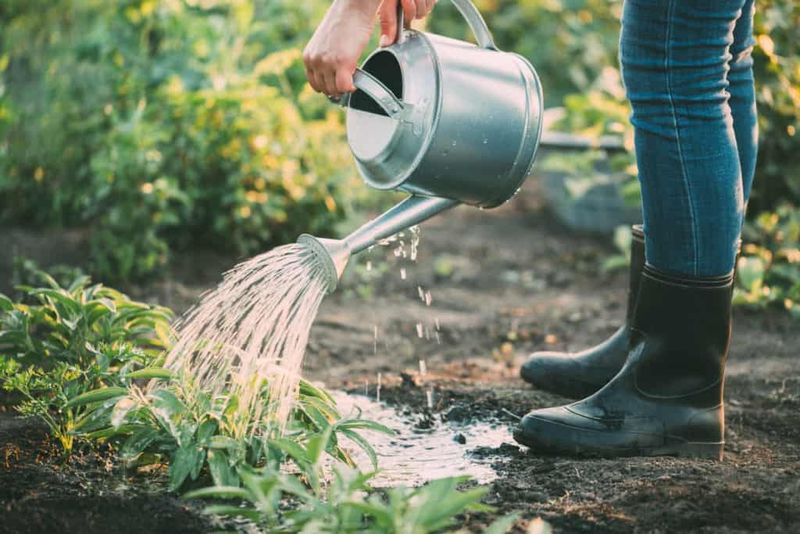
Watering before fertilizing is one of those steps that sounds almost too simple to matter, but it genuinely changes how safely fertilizer interacts with your plants.
Moist soil does something important: it dilutes fertilizer compounds as they begin to dissolve, spreading them more evenly and reducing the concentration that any single root might encounter.
For Florida gardeners in summer, the recommendation from UF/IFAS is to water plants thoroughly at least one to two days before applying any granular fertilizer.
This pre-watering ensures the soil has enough moisture to buffer the fertilizer rather than letting it concentrate around roots.
After applying fertilizer, a second watering helps move granules off leaves and stems and pushes nutrients down toward the root zone at a safer, more diluted level.
Skipping pre-watering is especially risky with Florida’s sandy soils, which can go from damp to dry very quickly between irrigation cycles. A quick test before fertilizing is to push a finger or a soil probe about two to three inches into the ground.
If the soil feels dry at that depth, watering first is a smart move before reaching for the fertilizer bag. This small habit protects roots without requiring any extra products or complicated steps.
7. Switch To Slow-Release Before Summer Stress Hits
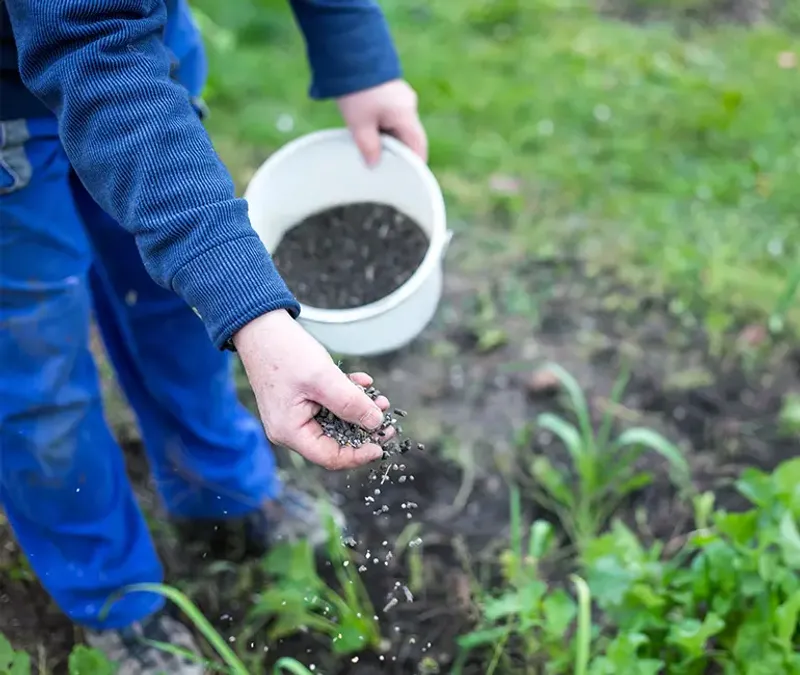
One of the most practical adjustments Florida gardeners can make heading into summer is replacing fast-release fertilizers with slow-release formulas.
The difference between these two product types becomes much more significant when soil temperatures are high and roots are operating under stress.
Slow-release fertilizers, sometimes labeled as controlled-release, use polymer coatings or organic matter to break down gradually over several weeks or months.
Because nutrients are released slowly, they match more closely with the reduced rate at which heat-stressed roots can absorb them.
UF/IFAS specifically recommends slow-release nitrogen sources for Florida lawns and ornamental plants during warm months, noting that they reduce the risk of nutrient runoff and root burn compared to soluble products.
Making the switch does not require a complete overhaul of your gardening routine. Many garden centers carry slow-release granular fertilizers that are applied similarly to fast-release products.
Reading the fertilizer label and looking for terms like polymer-coated, sulfur-coated, or controlled-release indicates a safer choice for summer use.
Applying a slow-release product in late spring, before the most intense heat arrives, gives nutrients time to begin releasing at a manageable pace before Florida’s summer stress season fully sets in.
8. Feed Early To Keep Roots Safer
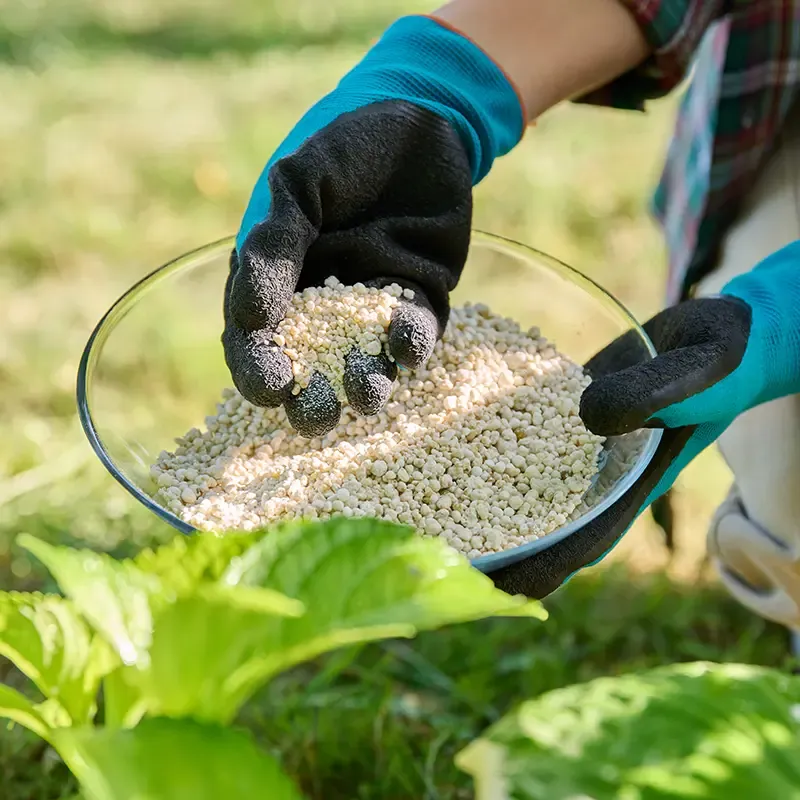
Early morning is the sweet spot for fertilizing in Florida during summer. Temperatures are at their lowest, soil moisture from overnight humidity or irrigation is often at its highest, and plants are just beginning to ramp up their metabolic activity for the day ahead.
Fertilizing in the early morning hours, ideally before 9 a.m., gives granules time to begin dissolving into moist soil before the heat of the day increases soil temperatures and speeds up chemical reactions.
Roots that are well-rested from the cooler overnight period are also better positioned to begin absorbing nutrients at a manageable rate rather than being overwhelmed all at once.
Beyond just the time of day, early-season timing matters too. UF/IFAS suggests that the window between late February and early June tends to be the most productive fertilizing period for Florida landscapes, before peak summer heat sets in.
Gardeners who front-load their fertilizing schedule during that window reduce the need to fertilize during the riskiest months of July and August.
Combining early-morning application with pre-watering and a slow-release product creates a layered approach that gives Florida plants the best chance of staying healthy and well-fed without the root damage that summer heat so easily triggers.