Texas Homeowners Are Replacing St. Augustine Grass With These Low-Water Plants
For years, St. Augustine grass was the default choice for Texas lawns. It looked lush, covered space fast, and gave yards that classic green blanket people expected.
Then reality started setting in. Keeping it alive through scorching summers, watering restrictions, rising utility bills, and stubborn dry spells became more trouble than many homeowners wanted to deal with.
A lawn that once seemed practical started feeling expensive, thirsty, and frustrating. That shift is pushing more Texans to rethink what a yard should look like.
Instead of pouring water and effort into grass that struggles when the heat gets intense, many are turning to low-water plants that can handle local conditions with far less fuss.
These options are not just about saving water, either. They can add color, texture, and personality in ways a standard lawn never could.
A lot of homeowners are finding that once they make the switch, their yard looks better, needs less work, and makes a lot more sense for the climate they actually live in.
1. Buffalograss
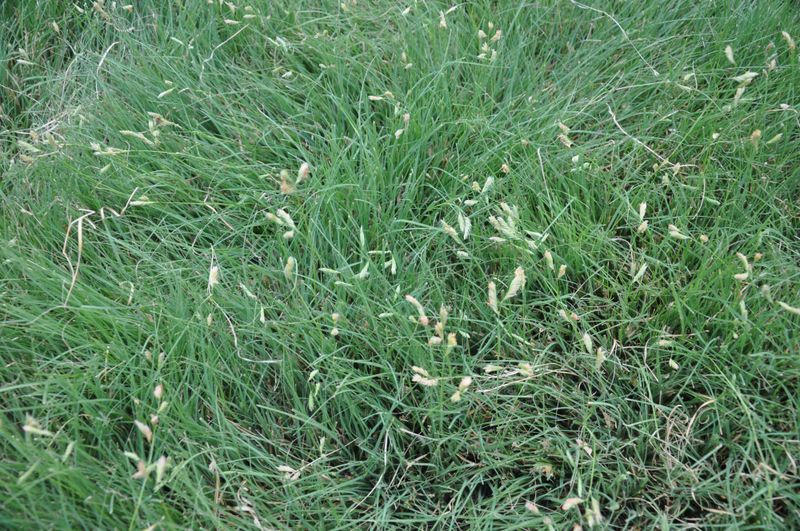
Before you write off the idea of a real lawn, meet buffalograss. This tough native grass has been growing wild across the Texas plains for thousands of years, long before sprinkler systems ever existed.
It looks and feels like a traditional lawn, but it survives on a fraction of the water that St. Augustine needs.
Once buffalograss gets established, it can go weeks without rain and still bounce back looking healthy.
In many parts of Texas, homeowners report watering it just once or twice a month during summer, compared to multiple times a week with St. Augustine. That is a massive difference in both water use and utility costs.
Buffalograss thrives in full sun, which makes it a natural fit for open Texas yards with little shade. It grows slowly and stays relatively short on its own, so you will spend far less time behind a lawn mower.
Most people mow it only a handful of times per season. One thing to keep in mind is that buffalograss does not do well in shady spots or in areas with heavy clay soil that stays wet. It prefers well-drained soil and open sunlight.
If your yard fits that description, this grass could be the easiest swap you ever make. Planting buffalograss is straightforward. You can start it from seed or sod, and it spreads naturally over time.
Many Texas landscapers now recommend it as the top grass option for homeowners who want a lawn feel without the heavy upkeep.
2. Blue Grama
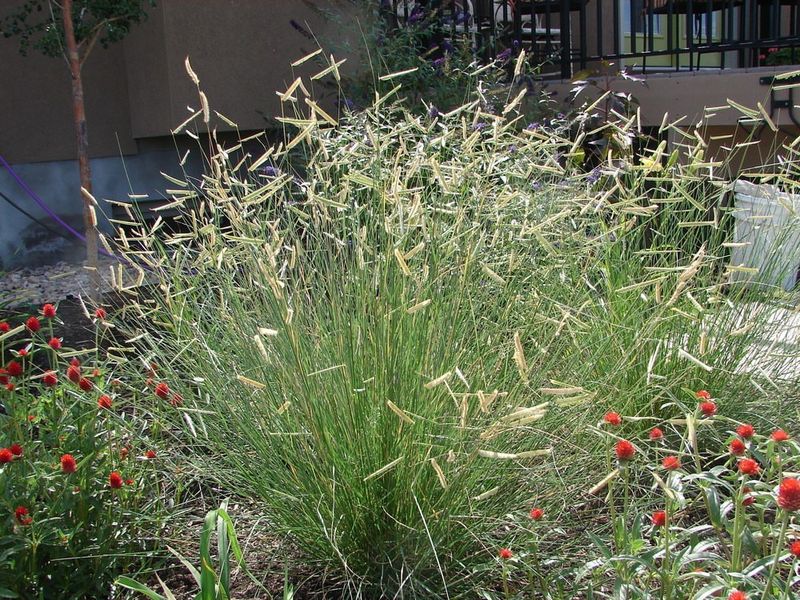
There is something almost poetic about blue grama grass. Its seed heads curl into little half-moon shapes that look like tiny eyelashes waving in the breeze.
It is one of the most charming native grasses you can plant in a Texas yard, and it barely needs any water to thrive.
Blue grama is a short, fine-textured grass that creates a relaxed, meadow-style look. It is perfect for homeowners who love a natural aesthetic and want their yard to feel more like open Texas countryside than a manicured golf course.
Your Texas Garden Changes Every Week. Your Plan Should Too.
Gardening in Texas changes quickly throughout the season. Every Friday you’ll receive a simple weekly plan showing exactly what to plant, prune, fertilize, harvest, and protect so you never miss the right timing.
The soft, flowing appearance gives any landscape a calm and inviting feel. What makes blue grama stand out is its ability to handle poor soil conditions. Many Texas yards have rocky or sandy soil that struggles to support St. Augustine grass.
Blue grama actually prefers lean, well-drained soil and does not need fertilizer to look good. That saves both money and effort.
This grass handles extreme heat with ease. During the hottest Texas summers, blue grama simply goes semi-dormant and waits for cooler temperatures or a bit of rain before greening back up.
It does not need you to rescue it with a hose. That resilience is what makes it so popular with low-maintenance gardeners.
Blue grama works especially well when mixed with wildflowers for a natural meadow effect. Planting it alongside native Texas blooms creates a yard that attracts birds and pollinators while staying beautiful with minimal effort throughout the year.
3. Curly Mesquite
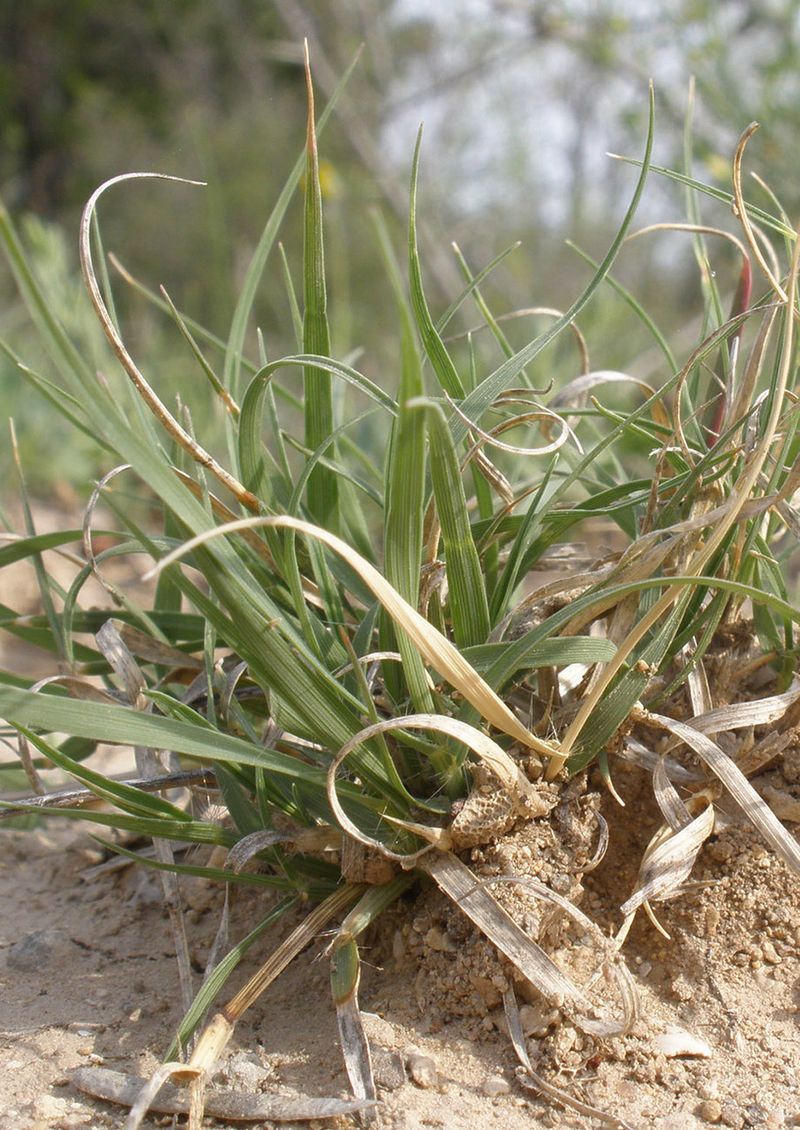
Not many plants can say they were built for the harshest corners of Texas, but curly mesquite grass can. Named for the way its fine blades curl slightly at the tips, this low-growing native grass is a quiet powerhouse in dry, sun-baked yards.
It spreads by stolons, meaning it creeps outward and fills in bare patches on its own over time.
Curly mesquite stays naturally short, usually only a few inches tall, which means mowing becomes a rare chore rather than a weekly obligation.
For busy Texas homeowners who would rather spend weekends relaxing than pushing a lawn mower in 100-degree heat, that is a pretty appealing trade-off.
Drought toughness is where curly mesquite really earns its reputation. It can handle long dry spells without much help at all.
Once it gets established in your yard, you can essentially step back and let the Texas sun and occasional rainfall do the work. It is one of the most self-sufficient groundcovers available to homeowners in the region.
Curly mesquite works best in informal landscapes where a perfectly uniform lawn is not the goal. It has a relaxed, natural appearance that suits rustic or country-style yards beautifully.
If you want something that looks like it belongs in the Texas Hill Country, this grass delivers that vibe effortlessly.
It does prefer full sun and well-drained soil, so shady or soggy spots are not ideal. In the right conditions though, curly mesquite is one of the most dependable low-water options available to Texas homeowners today.
4. Texas Sedge
Shady yards in Texas present a real problem. St. Augustine grass is supposed to handle shade, but in many Texas landscapes, the shade is simply too deep or too dry for it to survive well.
Texas sedge steps in as a genuinely reliable solution for those tricky spots where most grasses give up.
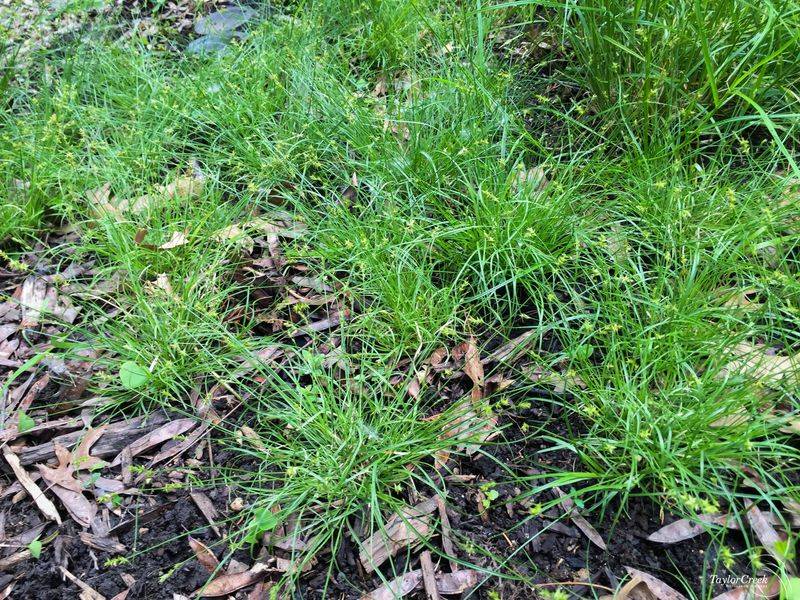
Texas sedge is a native plant that naturally grows under oak trees and along shaded creek banks across the state. It forms a soft, fine-textured mat that looks very much like a traditional lawn from a distance.
Most guests would never guess it is not grass at all. That lawn-like appearance is one of the biggest reasons homeowners love it.
What truly sets Texas sedge apart is its ability to thrive in dry shade. Many shade-tolerant plants still demand regular watering, but Texas sedge is remarkably efficient with moisture.
Once it gets settled into your yard, it can handle the dry conditions that come with dense tree cover without needing constant attention from you.
Maintenance is refreshingly minimal. Texas sedge grows slowly and stays low, so mowing is optional rather than necessary.
Some homeowners never mow it at all and simply enjoy the gentle, flowing look it creates beneath trees and along shaded borders.
If you have a yard with large live oaks or pecans casting heavy shade, Texas sedge could transform those frustrating bare patches into lush green areas. Across Texas, it is quickly becoming one of the most recommended lawn alternatives for shaded residential landscapes.
5. Frogfruit
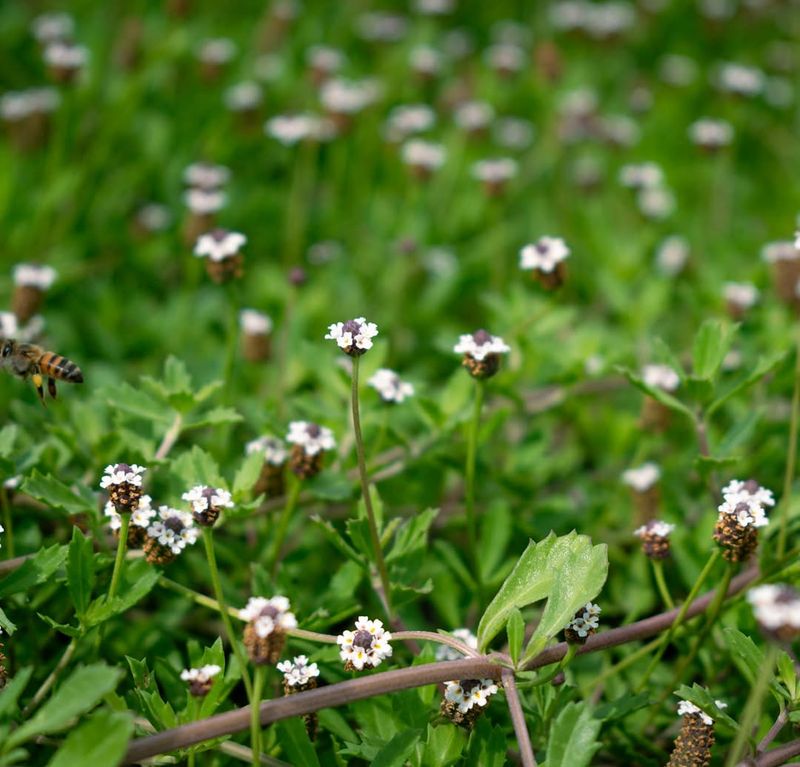
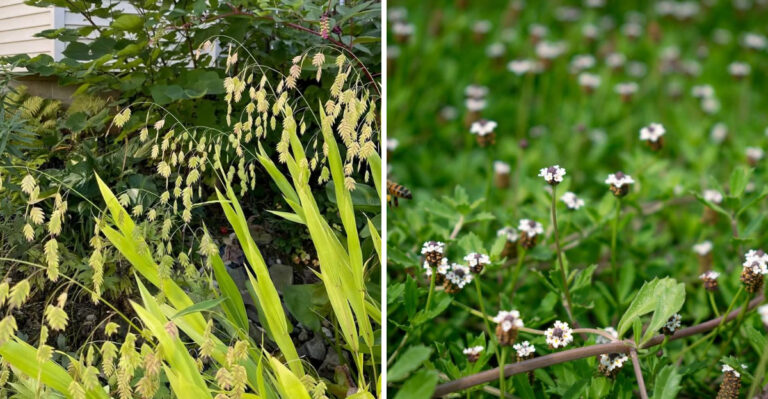
Walk through a Texas nature preserve and you might spot a low, creeping plant hugging the ground and covered in tiny white and pink flowers. That is frogfruit, and it is having a serious moment in Texas landscaping circles.
Homeowners across the state are discovering that this fast-spreading native groundcover can replace entire sections of lawn with almost no effort.
Frogfruit grows flat and dense, forming a thick mat that crowds out weeds naturally. It stays low enough that mowing is rarely needed, and it handles foot traffic better than many other groundcover options.
Families with kids or pets will appreciate that it holds up to daily use without falling apart. One of the most exciting things about frogfruit is what it does for local wildlife. Those tiny flowers are irresistible to butterflies, bees, and other pollinators.
Planting frogfruit in your Texas yard essentially turns your lawn into a mini pollinator habitat. It is a win for both your water bill and the local ecosystem.
Water needs are impressively low once frogfruit is established. It can handle the intense summer heat that Texas is known for, and it bounces back quickly after dry spells.
During establishment, give it some regular water to help it spread, but after that, nature largely takes over.
Frogfruit works in both full sun and partial shade, making it one of the most versatile groundcover options available. Whether you are replacing a front lawn or filling in a side yard, this tough little plant is ready to do the job beautifully.
6. Gulf Muhly
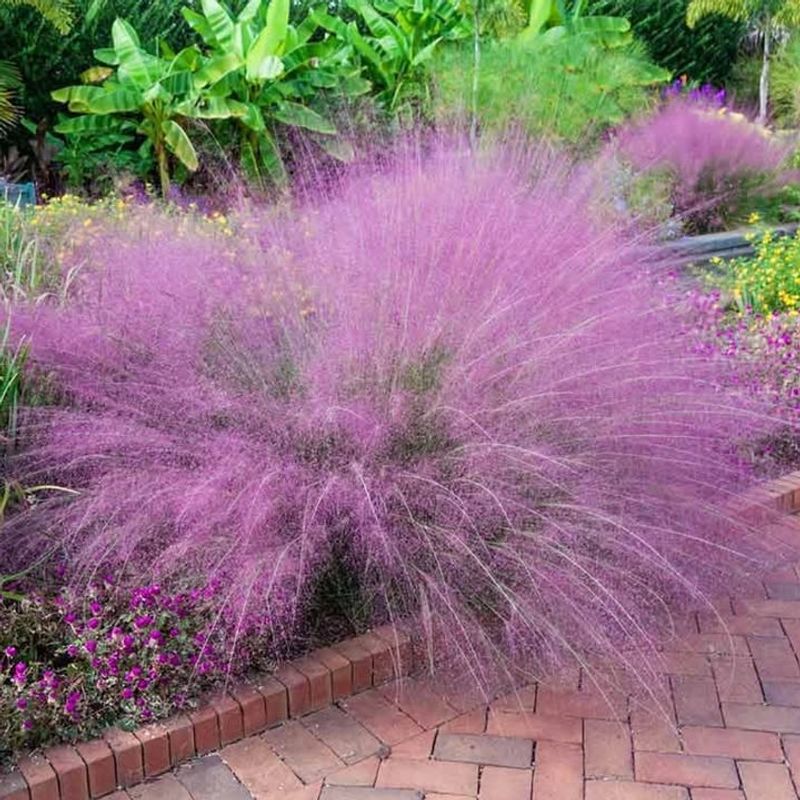
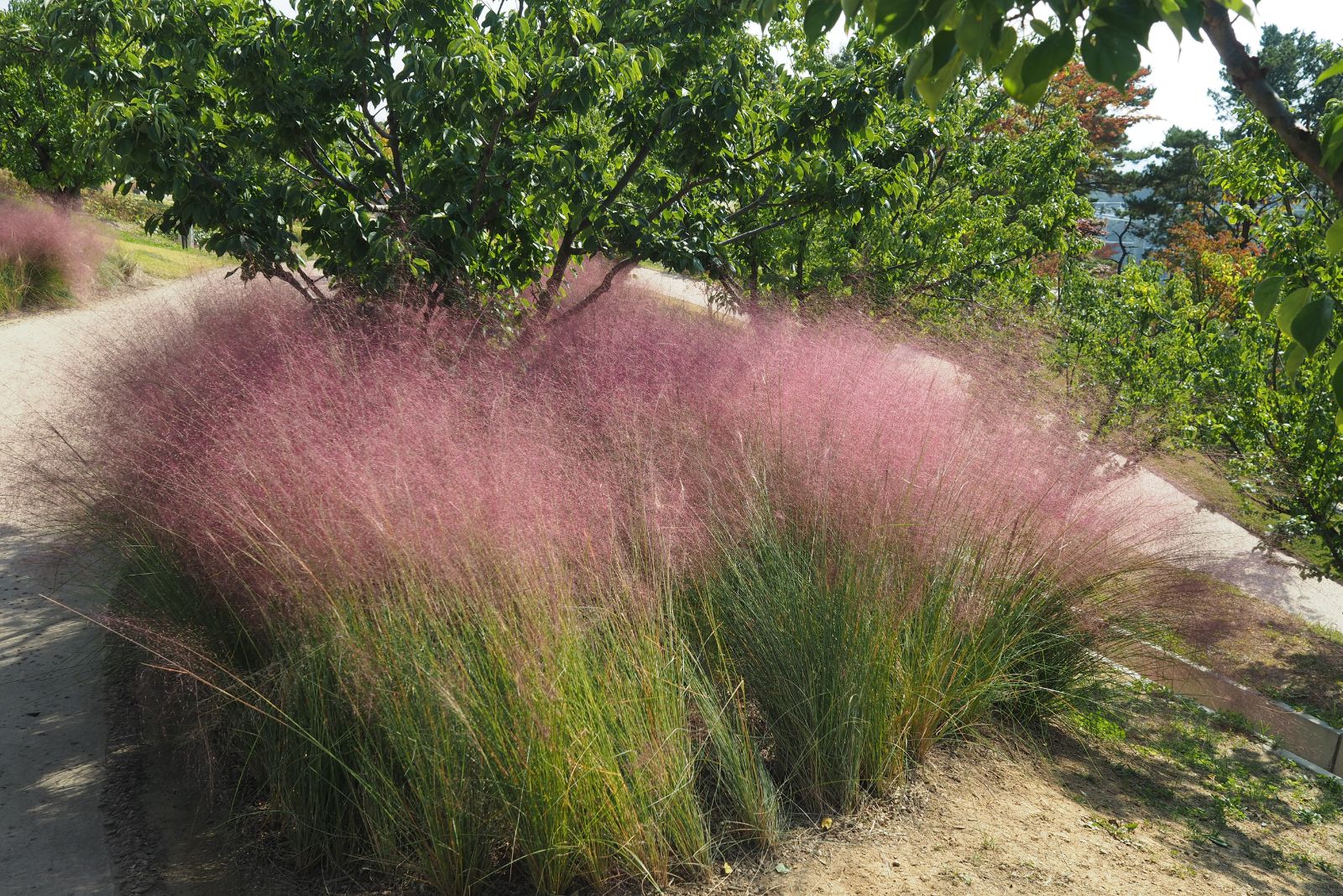
Every October, something magical happens in Texas yards planted with gulf muhly. The grass erupts into billowing clouds of pink and purple plumes that seem to glow in the afternoon sun.
Few plants put on a show quite like this one, and the fact that it thrives on very little water makes it even more impressive.
Gulf muhly is not designed to replace an entire lawn, but it is one of the best plants for mass planting along borders, slopes, and open areas where St. Augustine grass once struggled.
Planted in groups, it creates a sweeping, soft texture that looks stunning in modern Texas landscapes. Landscape designers across the state use it constantly for good reason.
Heat and drought are no problem for gulf muhly. During the brutal Texas summers when other plants beg for water, gulf muhly simply keeps growing.
It is adapted to the region’s climate in a way that imported or non-native grasses never truly are. Established plants can survive on rainfall alone in most parts of Texas.
Maintenance is almost laughably easy. Cut it back once a year in late winter before new growth begins, and that is essentially all the care it needs.
No fertilizer, no pest sprays, no complicated watering schedules. Just plant it, step back, and wait for the fall fireworks.
Gulf muhly also attracts birds that feed on its seeds during the cooler months. Planting it alongside other native Texas plants creates a layered, wildlife-friendly landscape that looks professionally designed without requiring professional-level effort.
7. Dwarf Ruellia
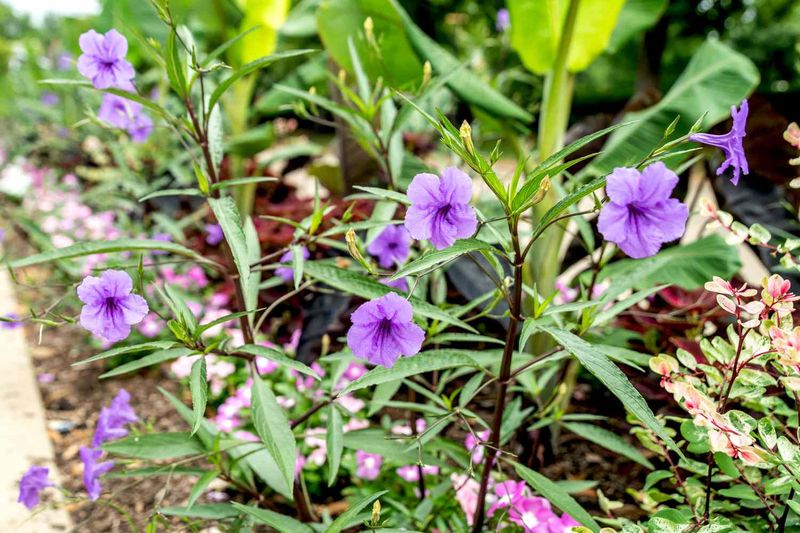
Most lawn replacements ask you to give up color in exchange for water savings. Dwarf ruellia, also known as Katie ruellia, refuses to make that trade.
This compact flowering groundcover spreads across the ground like a carpet and blooms in cheerful purple trumpets from spring all the way through fall. Your yard gets to look colorful and stay water-smart at the same time.
Dwarf ruellia grows to about six to twelve inches tall and spreads steadily to fill open spaces.
It is commonly used in Texas landscapes to replace turf in areas where grass was never thriving anyway, such as hot, dry strips along driveways or sunny slopes that erode easily. Once it fills in, it holds the soil and suppresses weeds naturally.
Water needs drop significantly once dwarf ruellia gets established. Texas summers are no match for this tough little plant.
It handles heat, humidity, and occasional drought without much complaint. During the hottest stretches of the year, a deep watering every week or two is usually enough to keep it happy and blooming.
One thing worth knowing is that dwarf ruellia can spread aggressively in some conditions. Choosing the sterile or non-invasive cultivar varieties helps keep it contained.
Many Texas nurseries now carry well-behaved varieties specifically selected for residential landscapes.
Pollinators love the tubular purple flowers, so planting dwarf ruellia also supports local bees and butterflies. It is a practical, pretty, and surprisingly low-effort way to add lasting color to a Texas yard without running the sprinklers constantly.