The 8 Best Low-Growing Plants For Texas Walkways That Stay Tidy
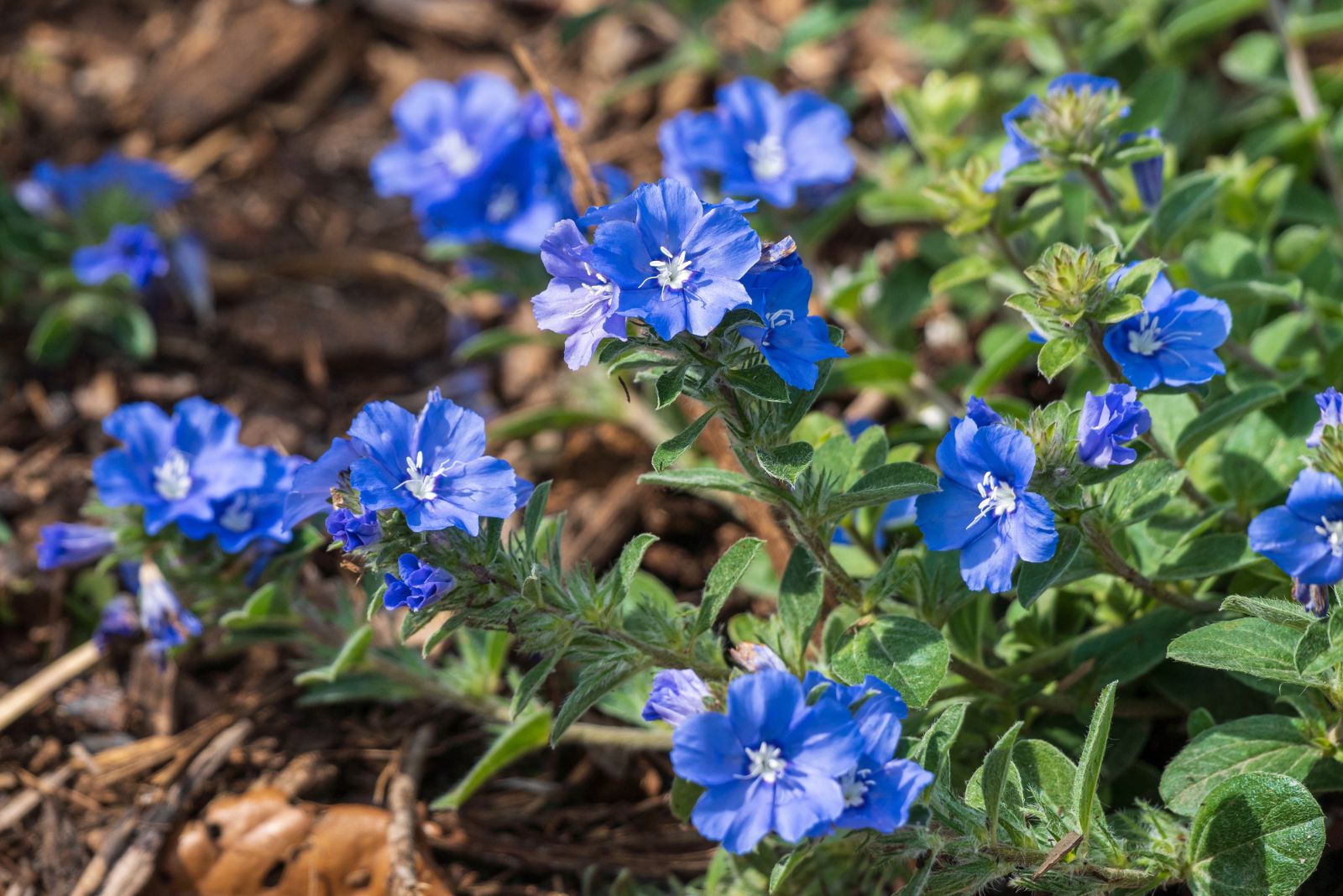
A walkway can make a yard feel finished, but the plants along it can make or break the whole look. When they spill too far, grow unevenly, or start looking messy in the heat, even a nice path can feel harder to enjoy.
That is why low-growing plants are such a smart choice for Texas walkways. They soften the edges, add color and texture, and keep things looking cared for without constantly creeping into the space where people actually need to walk.
In Texas, that tidy look matters even more. Plants have to deal with intense sun, long hot stretches, sudden storms, and dry conditions that can turn high-maintenance choices into a chore.
The best options stay compact, hold their shape well, and do not demand nonstop trimming just to stay in bounds.
That makes them perfect for homeowners who want a clean, welcoming path without extra hassle. With the right low-growing plants, a Texas walkway can look neat, polished, and full of life without becoming one more thing that needs constant attention.
1. Dwarf Ruellia (Ruellia Katie)
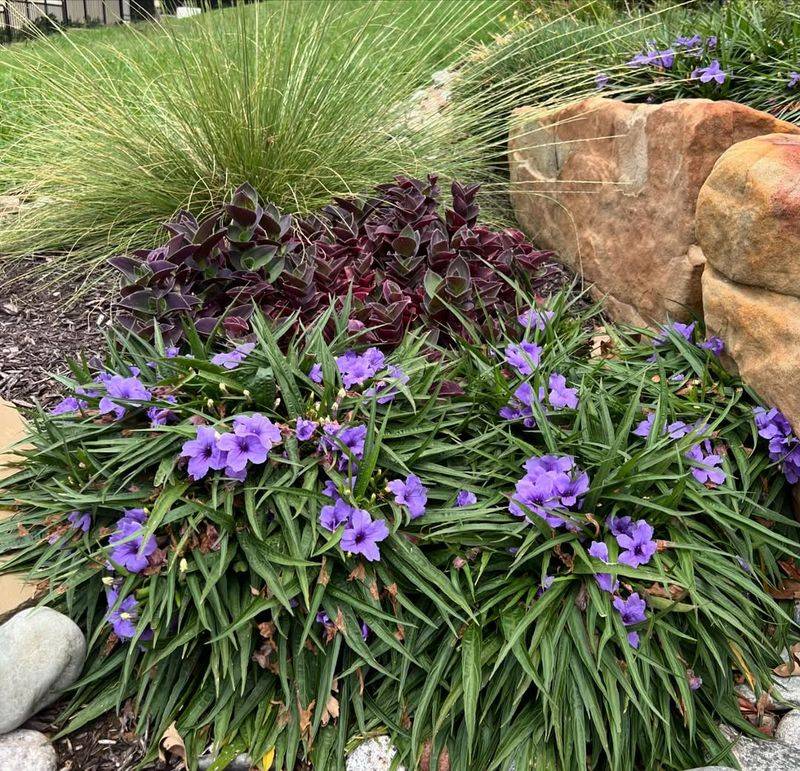
If you want color along your Texas walkway without the constant battle of trimming back overgrown plants, Dwarf Ruellia might just become your new favorite.
Known as Ruellia ‘Katie,’ this compact flowering groundcover grows only about 8 to 12 inches tall and spreads neatly without taking over your path. It produces cheerful purple trumpet-shaped blooms that pop against the summer heat.
What makes this plant stand out is how well it handles the tough Texas climate. It tolerates drought, shrugs off intense heat, and keeps a tidy, low profile throughout the growing season.
Unlike taller ruellias that flop and spread aggressively, the dwarf variety stays in its lane, so to speak.
Gardeners across Texas love it because it adds real visual interest without demanding much attention.
Plant it along sunny walkway edges in well-drained soil, and it will reward you with blooms from spring all the way through fall. It also attracts hummingbirds and butterflies, adding extra life to your landscape.
One thing to keep in mind is that it can self-seed in very moist conditions, so a little deadheading goes a long way. Overall, for a low-maintenance, color-packed border plant that genuinely stays compact, Dwarf Ruellia earns its spot on this list without any debate.
2. Blackfoot Daisy (Melampodium Leucanthum)
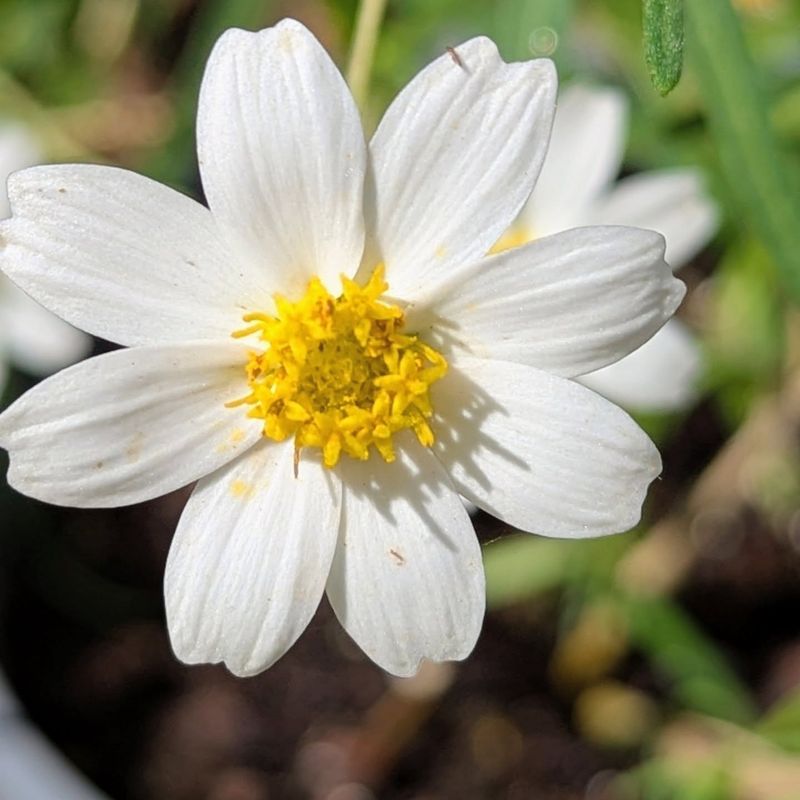
There is something almost cheerful and effortless about the Blackfoot Daisy that makes it a standout choice for Texas walkways. This native perennial produces small, bright white flowers with sunny yellow centers, and it blooms almost year-round in the right conditions.
Growing only 6 to 12 inches tall and spreading 12 to 18 inches wide, it fits neatly along path edges without spilling onto the walkway.
Native to the rocky, limestone-rich soils of central and west Texas, this plant was practically born for tough conditions. It thrives in full sun and requires very little water once established, making it an excellent choice for homeowners who want beauty without a big water bill.
The naturally compact, airy growth habit means you rarely need to prune it at all. Pollinators absolutely love the Blackfoot Daisy. Bees and butterflies flock to the blooms throughout the season, giving your walkway a lively, garden-fresh feel.
Your Texas Garden Changes Every Week. Your Plan Should Too.
Gardening in Texas changes quickly throughout the season. Every Friday you’ll receive a simple weekly plan showing exactly what to plant, prune, fertilize, harvest, and protect so you never miss the right timing.
Plant it in well-draining soil and avoid overwatering, since this plant actually prefers to stay on the dry side.
One fun fact: the name comes from the small black base of each seed head, not from any particular location. For a truly low-fuss, high-reward border plant that is perfectly suited to the Texas landscape, Blackfoot Daisy is hard to beat.
3. Frogfruit (Phyla Nodiflora)
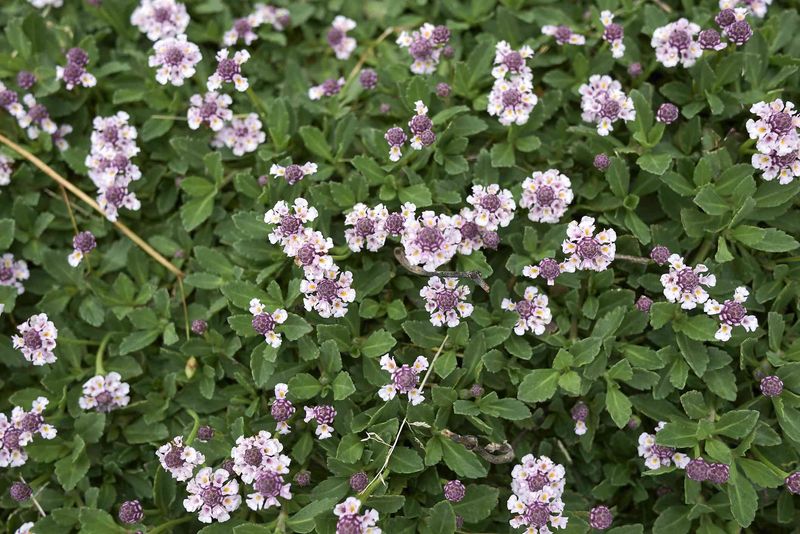
Do not let the quirky name fool you. Frogfruit is one of the hardest-working groundcovers you can plant along a Texas walkway.
This native spreader forms a dense, flat mat that hugs the ground at just 2 to 4 inches tall, making it one of the lowest-growing options on this entire list. It fills in gaps beautifully and naturally crowds out weeds, which means less work for you.
Frogfruit handles everything Texas throws at it. Full sun, partial shade, drought, clay soil, and even light foot traffic are no match for this tough little plant.
That last point is especially useful along walkway edges where plants occasionally get stepped on. It bounces back quickly and keeps spreading without skipping a beat.
The tiny white and pink flowers are small but mighty when it comes to attracting pollinators. Bees and butterflies, including the rare Phaon Crescent butterfly, rely on this plant as a food source.
So planting it along your walkway is a small act that supports local Texas ecosystems. Frogfruit spreads by runners, so it does fill in over time. If you want to keep it contained to a specific area, a simple garden edging strip works well.
For a fast-establishing, pollinator-friendly, ultra-low groundcover that handles the Texas heat with ease, Frogfruit is a standout choice.
4. Woolly Stemodia (Stemodia Lanata)
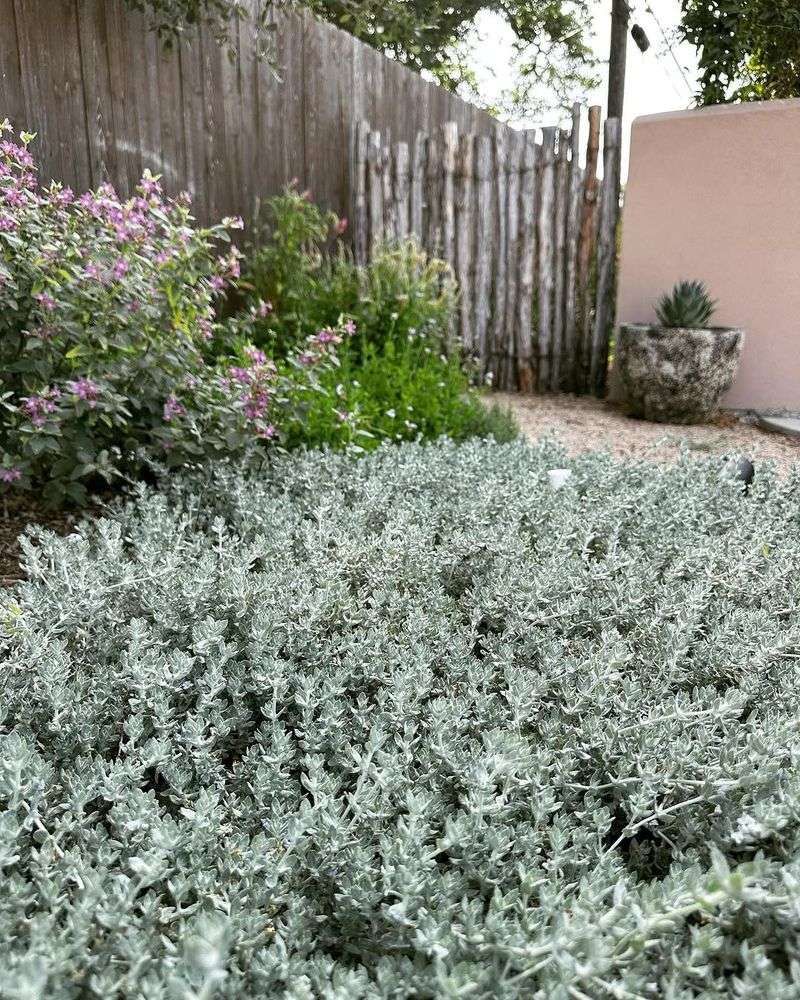
Most people have never heard of Woolly Stemodia, and that is honestly a shame. This lesser-known Texas native deserves far more attention in home landscapes, especially along walkways that need a refined, textured edge.
The plant gets its name from the soft, woolly white fuzz that covers its leaves, giving it a silvery, almost velvety appearance that looks striking against dark mulch or stone pavers.
It stays low and compact, usually reaching only 6 to 10 inches in height. That tidy habit makes it perfect for walkway borders where you want definition without bulk.
It thrives in full sun and handles dry, rocky soil with ease, which is exactly the kind of conditions found in many Texas yards and gardens.
Beyond its looks, Woolly Stemodia is remarkably tough. It handles drought well and does not need much fertilizer or fuss to look good.
The silvery foliage actually reflects light, which can make a walkway feel brighter and more open during the long Texas summer days.
Plant it in well-drained soil and give it full sun for the best results. It pairs beautifully with purple-flowering plants like Dwarf Ruellia, creating a soft color contrast along the path edge.
For gardeners across Texas who want something a little different and a lot beautiful, Woolly Stemodia is a hidden gem worth discovering.
5. Blue Daze (Evolvulus Glomeratus)
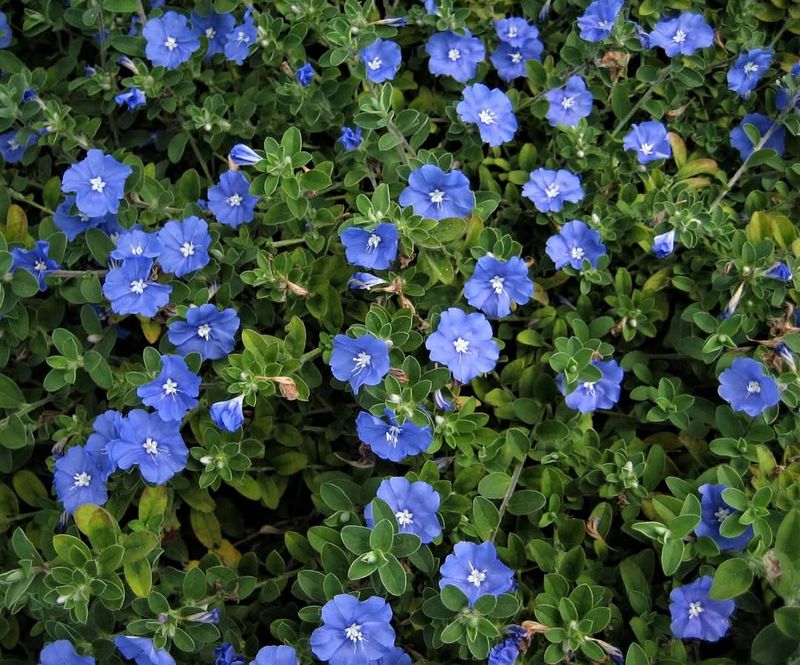
Few plants deliver as much visual punch for as little effort as Blue Daze. The moment those tiny, vivid blue flowers open each morning along a Texas walkway, the whole path takes on a fresh, polished look.
The blooms close in the evening, but they return reliably every day throughout the warm season, which in Texas means a very long show indeed.
Blue Daze grows as a low, trailing mound, typically reaching 12 inches or less in height. Its silver-green foliage is attractive even when the plant is not in bloom, making it a solid year-round border choice.
It thrives in full sun and well-drained soil, and it handles the heat of a Texas summer without wilting or looking ragged.
This plant is especially popular for walkway edging because it naturally stays neat and does not sprawl aggressively. A little light trimming in midsummer can encourage fresh growth and even more blooms, but it honestly looks great with minimal intervention.
It also pairs well with yellow-flowering plants, creating a bold color contrast along path edges.
Blue Daze is typically grown as an annual in cooler climates, but in the warmer parts of Texas, it often comes back year after year. For a low-growing, high-color border plant that makes your walkway look professionally landscaped, Blue Daze is a reliable and rewarding pick.
6. Damianita (Chrysactinia Mexicana)
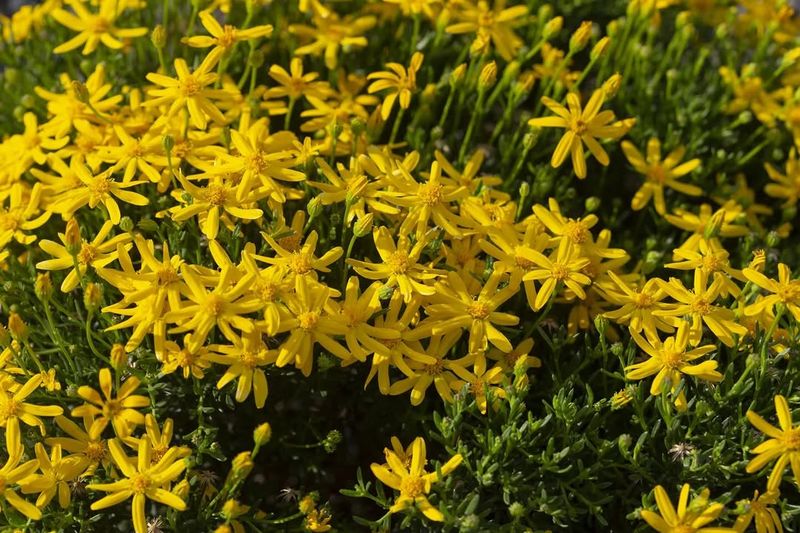
Walk past a blooming Damianita on a warm Texas morning and you will immediately notice two things: the bright yellow flowers and the pleasant, herbal fragrance.
This compact, shrub-like perennial is native to the Chihuahuan Desert and the rocky hills of west and central Texas, so it was practically designed for tough, hot landscapes. It forms a tight, rounded mound that rarely needs shaping to look tidy.
Damianita typically grows 1 to 2 feet tall and wide, staying well within the boundaries of a walkway border without any aggressive spreading.
The cheerful yellow blooms appear in spring and again in fall, and the fine, needle-like dark green foliage looks attractive between bloom cycles. It is one of those plants that earns its keep in the landscape all year long.
Extreme drought tolerance is one of Damianita’s biggest selling points. Once established in well-drained, rocky, or sandy soil, it needs almost no supplemental watering in most parts of Texas.
Overwatering is actually the biggest risk with this plant, so less is genuinely more when it comes to irrigation.
It pairs beautifully with blue or purple flowers, making it a natural companion for Blue Daze or Dwarf Ruellia along a mixed walkway border. For hot, sunny Texas walkways where most plants struggle to look their best, Damianita thrives with confidence and color.
7. Creeping Thyme (Thymus Spp.)
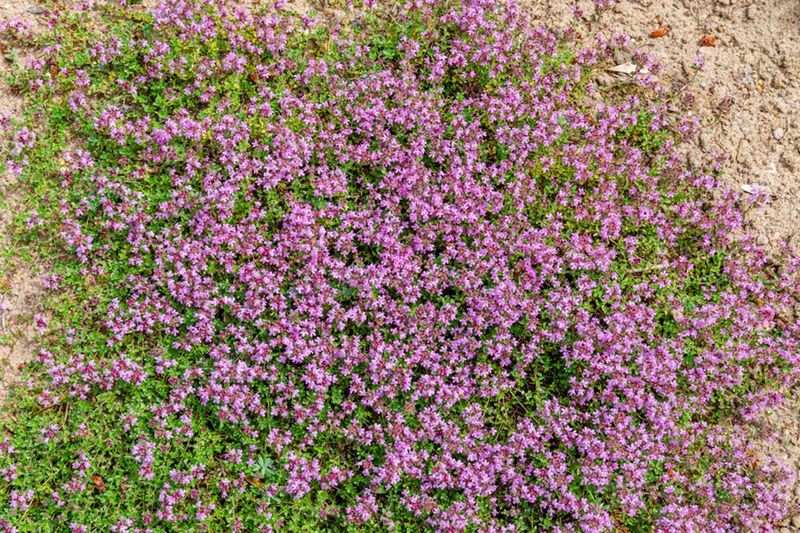
Imagine walking along your path and catching a soft, herbal scent with every step. That is exactly what Creeping Thyme brings to a Texas walkway.
This low-growing herb forms a dense, mat-like carpet that hugs the ground and fills in the spaces between pavers or along path edges with a lush, green texture. It is one of the few plants that actually smells better when lightly stepped on.
Creeping Thyme stays very low, usually no more than 3 to 6 inches tall, which makes it one of the tidiest options for any walkway border. It produces small pink or purple flowers in late spring that attract bees and add a pretty splash of color.
After blooming, the foliage remains attractive and dense throughout the rest of the growing season.
In Texas, Creeping Thyme does best in full sun with well-draining soil. It handles heat and dry conditions well, though it appreciates occasional deep watering during the hottest stretches of summer.
Avoid planting it in areas with poor drainage or heavy clay, since soggy roots are its main weakness.
One of the best things about this plant is how little maintenance it requires. A light trim after the bloom cycle keeps it looking fresh and encourages compact regrowth.
For Texas gardeners who want a fragrant, functional, and beautifully tidy walkway edge, Creeping Thyme is a timeless and practical choice.
8. Texas Sedge (Carex Texensis)
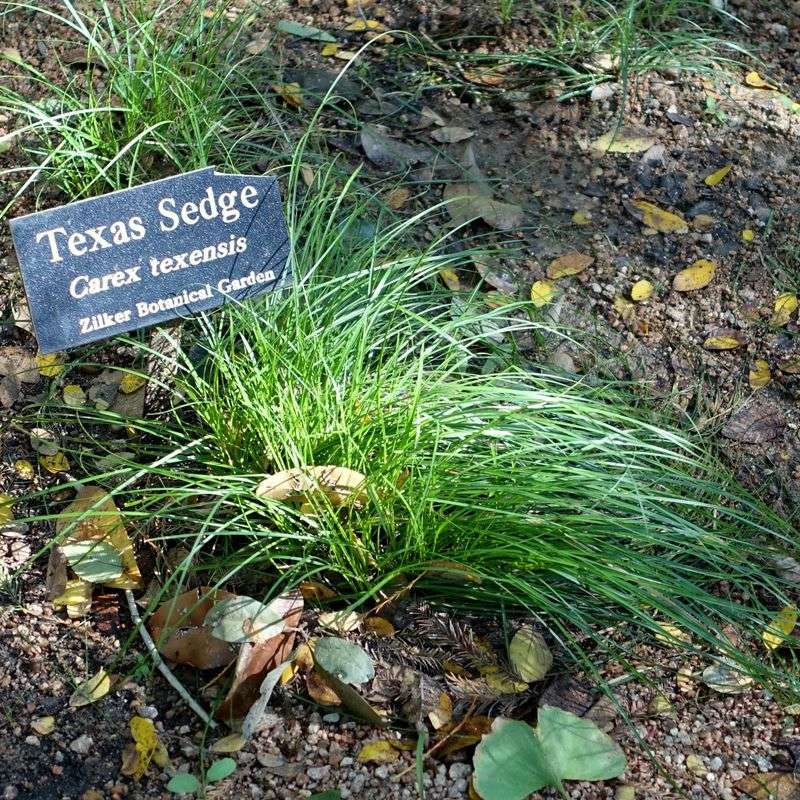
Not every Texas walkway gets full sun all day, and that is where Texas Sedge truly shines. Most of the plants on this list prefer bright, sunny spots, but Carex texensis is built for shade and partial shade, making it the go-to choice for paths that run along the north side of a house or beneath tree canopies.
It brings a soft, grass-like texture to spots where other plants simply struggle. Texas Sedge stays low and tidy, reaching only about 6 to 10 inches in height without requiring regular mowing or trimming.
The fine, arching foliage has a gentle, flowing look that adds elegance to shaded walkway edges. It spreads slowly by rhizomes, forming a neat, dense mat over time without becoming invasive or aggressive.
One of its most impressive traits is its tolerance for dry shade, which is one of the toughest conditions in any Texas landscape.
Under established trees where soil moisture is often scarce, Texas Sedge holds its own and stays green through most of the year. It also handles occasional drought without looking stressed or patchy.
Plant it in groups for the best visual effect, spacing plants about 12 inches apart to allow them to fill in naturally. For shaded or partially shaded Texas walkways that need a low-maintenance, naturally tidy groundcover, Texas Sedge is the clear and obvious answer.