7 Plants You Should Divide In Pennsylvania Before April Ends
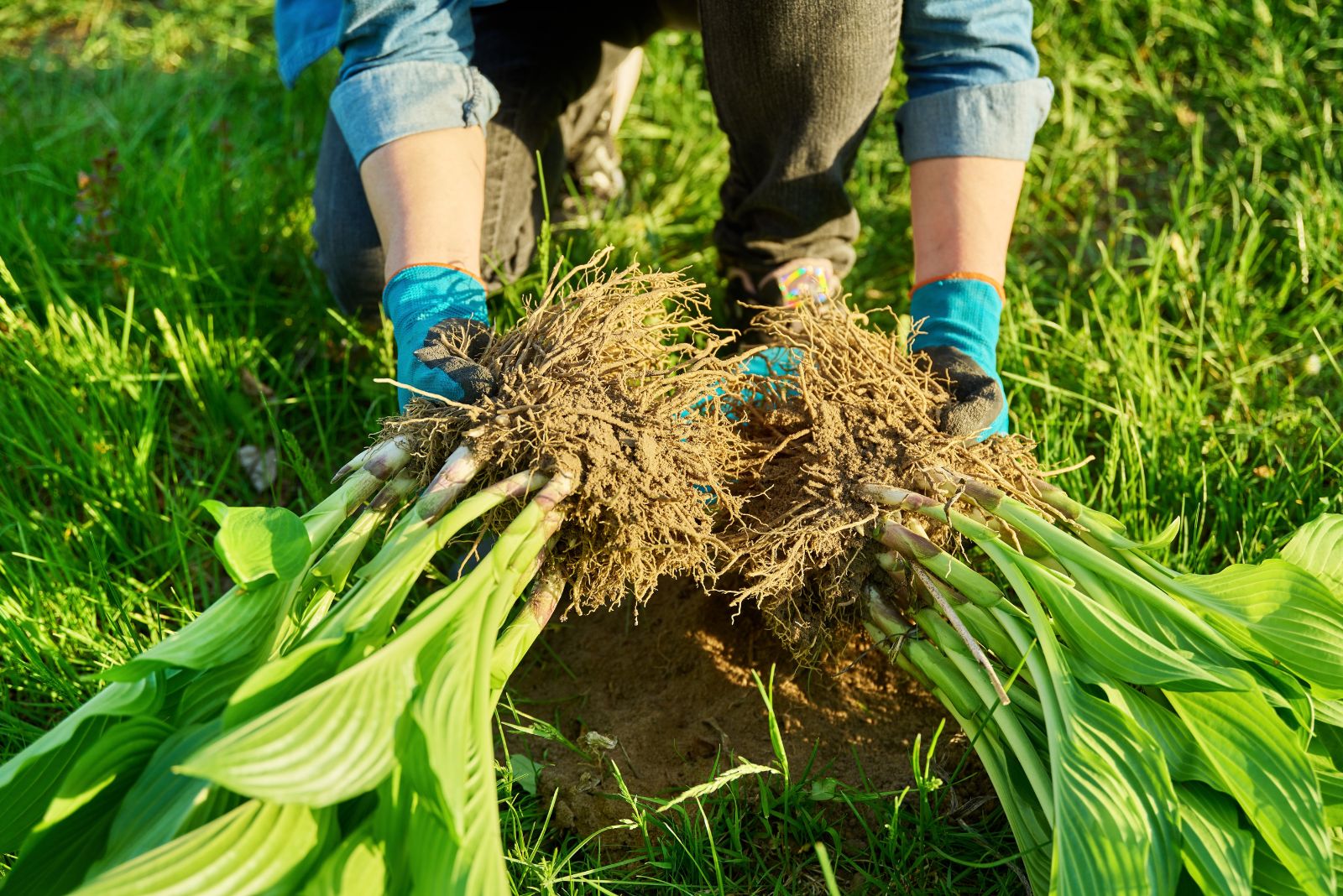
Spring has a way of making everything in the garden feel urgent at once. One minute the beds still look half-asleep, and the next you are spotting fresh growth everywhere and realizing some plants are already getting a head start.
In Pennsylvania, that short window before April ends is especially useful for dividing certain perennials. Miss it, and you may still get the job done later, but the plants often handle the move better when the weather is cool and the growing season is just getting going.
This is also one of the easiest ways to make a garden look better without buying anything new.
Dividing overgrown plants can help them stay healthier, bloom more reliably, and fit their space a lot better. It also gives you extra plants to fill bare spots or share with someone else.
A lot of gardeners put it off because it sounds more complicated than it really is. In most cases, it is a simple job that can make a noticeable difference by the time summer rolls around.
1. Hosta
Few plants are as loyal and low-maintenance as the hosta. Walk through almost any shaded Pennsylvania yard in spring, and you will likely spot those familiar, bold leaves pushing up through the soil.
Hostas come in dozens of sizes and colors, from tiny mounds to giant leafy clumps that can take over a garden bed if left unchecked for too long.
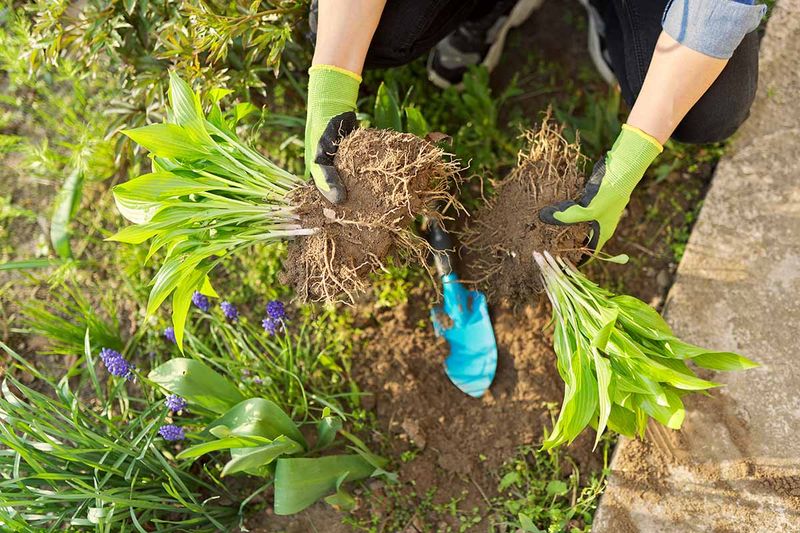
Early spring is the perfect time to divide them, right when the new shoots are just starting to poke out of the ground. At this stage, the clumps are easy to dig up and separate.
The emerging shoots act like little flags that show you exactly where each new plant is growing, which makes splitting them much less guesswork.
To divide a hosta, use a sharp spade or garden fork to lift the entire clump out of the ground. Then gently pull or cut the root ball into sections, making sure each piece has at least two or three healthy shoots attached.
Replant the divisions at the same depth they were growing before, water them well, and keep the soil moist for the first few weeks.
In Pennsylvania, hostas do best in spots with morning sun and afternoon shade. Dividing them every three to five years keeps them looking their best.
You will notice stronger, more vibrant foliage and better overall plant health after dividing. Plus, you end up with extra plants to fill in other shaded corners of your yard for free.
2. Black-Eyed Susan
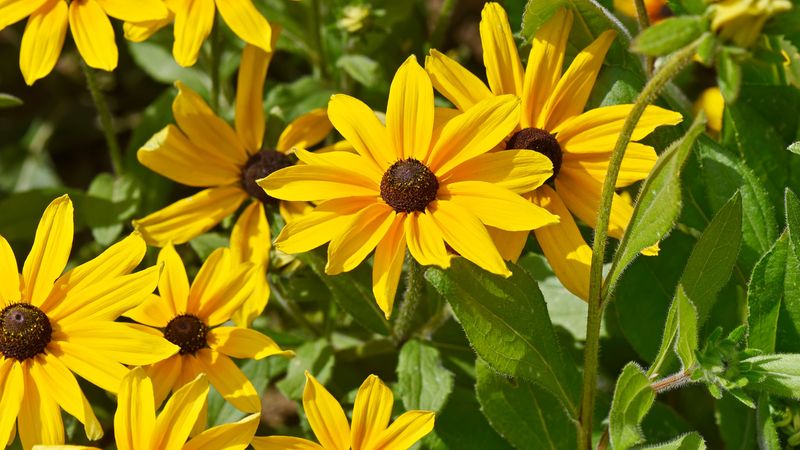
Black-Eyed Susans are one of Pennsylvania’s most cheerful native wildflowers. Those bright yellow petals with dark centers show up in meadows, roadsides, and backyard gardens from midsummer all the way into fall.
They are tough, drought-tolerant, and beloved by pollinators like bees and butterflies. But over time, they spread and self-seed so freely that they can crowd out their neighbors.
Dividing Black-Eyed Susans before April ends keeps them from taking over your garden beds. When plants are overcrowded, air cannot circulate well around the stems and leaves.
Your Pennsylvania Garden Changes Every Week. Your Plan Should Too.
Gardening in Pennsylvania changes quickly throughout the season. Every Friday you’ll receive a simple weekly plan showing exactly what to plant, prune, fertilize, harvest, and protect so you never miss the right timing.
Poor air circulation creates conditions that invite fungal problems and weaker growth overall. Splitting them up now gives each section more space and better access to sunlight, which directly leads to stronger stems and more blooms come summer.
Early spring is an ideal time to divide because the plants are still low to the ground and easy to work with. Use a garden fork to lift a clump, then separate it into smaller sections by hand or with a sharp spade.
Make sure each division has healthy roots and a few growing points at the base. Avoid keeping sections from the very center of an old clump, as those tend to be the weakest parts.
Replant your divisions in a sunny spot with well-draining soil. Pennsylvania gardens with full sun are where Black-Eyed Susans truly shine.
Water the new divisions regularly for the first couple of weeks, and they will establish themselves quickly. You will be rewarded with a bold, colorful display that supports local wildlife all season long.
3. Daylily
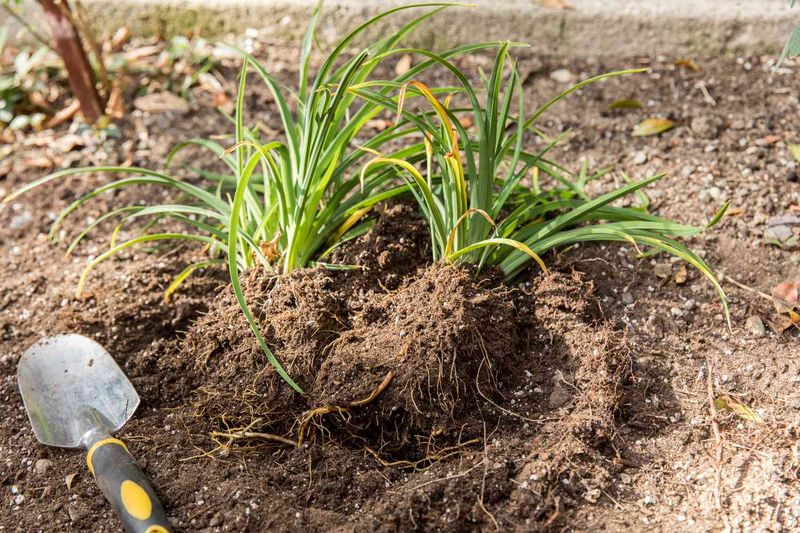
Daylilies are the workhorses of the Pennsylvania garden. They grow fast, spread quickly, and rarely complain about much.
Give them a sunny spot and decent soil, and they will reward you with waves of colorful blooms all summer long. But here is the catch: daylilies multiply so fast that a single plant can turn into a massive, overcrowded clump in just a few years.
When a daylily clump gets too dense, the plants start competing with each other for water, nutrients, and light. The result is fewer blooms, weaker stems, and a tired-looking center that seems almost hollow.
Dividing them before April ends in Pennsylvania gives each new section room to breathe and the energy to put on a great flower show later in the season.
Dig up the whole clump with a garden fork, then shake off the loose soil so you can see the root structure clearly. Pull the clump apart into smaller sections by hand, or use two garden forks placed back to back to pry them apart.
Each division should have several healthy fans of leaves and a good chunk of roots attached.
Replant the divisions about 18 to 24 inches apart in a sunny location. Water them in well and add a thin layer of mulch to hold moisture while they settle in.
Daylilies are incredibly forgiving, so even if a division looks a little rough at first, it will bounce back quickly once the spring warmth kicks in across Pennsylvania.
4. Bee Balm
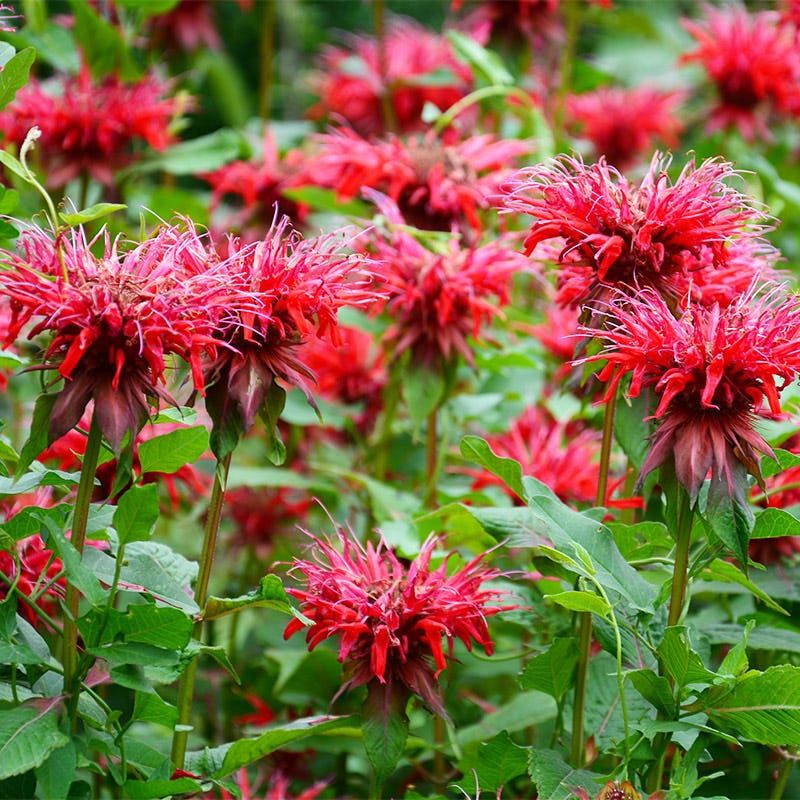
Bee Balm has a personality as bold as its bright red, pink, or purple flowers. It spreads aggressively through underground runners, and before you know it, one small plant can claim an entire garden bed.
Pennsylvania gardeners who love the blooms but want to keep things under control know that regular division is the key to managing this lively perennial.
Dividing Bee Balm in early spring, before April ends, does two important things. First, it reins in the plant’s spreading habit and keeps it from overwhelming nearby plants.
Second, it dramatically improves air circulation around the stems, which is a big deal for Bee Balm because it is prone to powdery mildew. Crowded plants trap humidity and create the perfect conditions for that fuzzy white coating to appear on the leaves mid-season.
To divide Bee Balm, dig up the outer sections of the clump rather than the center, which tends to be older and less vigorous. Each division should have healthy roots and several new shoots.
Discard any sections that look woody or hollow in the middle, as those are past their prime and will not perform well.
Replant the divisions in a spot with full sun to partial shade and good air flow. Space them at least 18 inches apart to encourage healthy growth.
Pennsylvania summers can be humid, so giving Bee Balm plenty of room goes a long way toward preventing mildew issues. Water new divisions consistently until they are well established, and look forward to a stunning summer display.
5. Garden Phlox
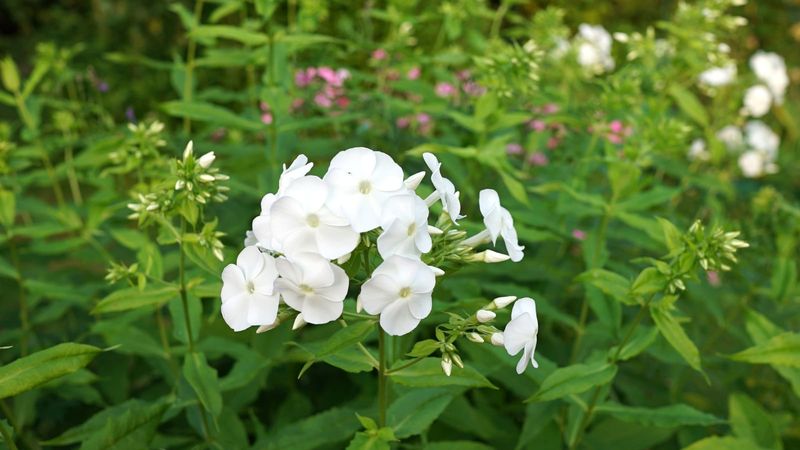
There is something wonderfully old-fashioned about Garden Phlox. Those tall, fragrant clusters of pink, purple, or white flowers have been a staple of Pennsylvania gardens for generations.
They bloom in midsummer when many other perennials are taking a break, making them a valuable addition to any garden bed. The trouble is, they can get crowded and leggy if you do not stay on top of dividing them every few years.
When Garden Phlox is overcrowded, the stems stretch and flop over, the blooms get smaller, and the plants become more vulnerable to powdery mildew. Sound familiar?
Like Bee Balm, Phlox is notorious for mildew problems, and crowding only makes things worse. Dividing them before April ends in Pennsylvania gives each new section more room, better airflow, and a fresh start before the growing season kicks into high gear.
Spring division is straightforward with Garden Phlox. Dig up the clump and look for the healthiest, most vigorous shoots around the outer edges.
Those are your best divisions. Avoid replanting the old, woody center of the clump since it will not produce strong growth. Each division should have a solid root system and at least three to five healthy shoots.
Plant divisions about 18 to 24 inches apart in a spot that gets full sun to light shade. Good soil drainage matters a lot for Phlox, so amend heavy clay soils with compost if needed.
Water new plants regularly until established. Come July and August, your Pennsylvania garden will be filled with gorgeous, fragrant blooms that attract butterflies and hummingbirds throughout the season.
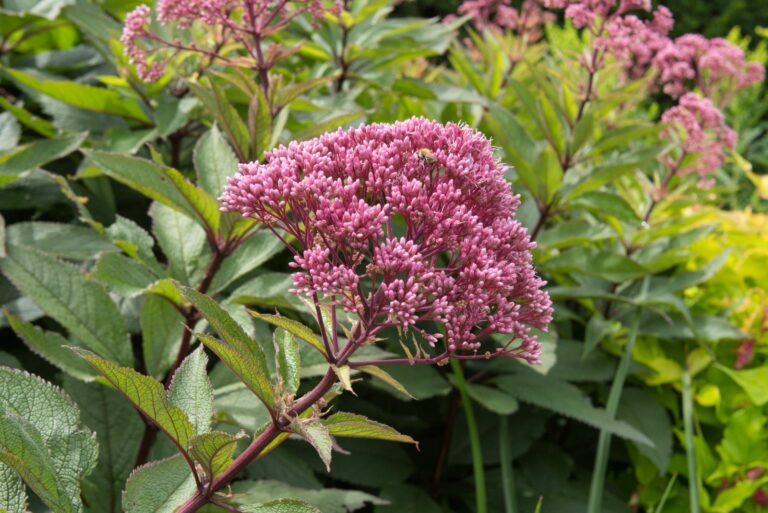
6. Sedum (Upright Types Like Hylotelephium)
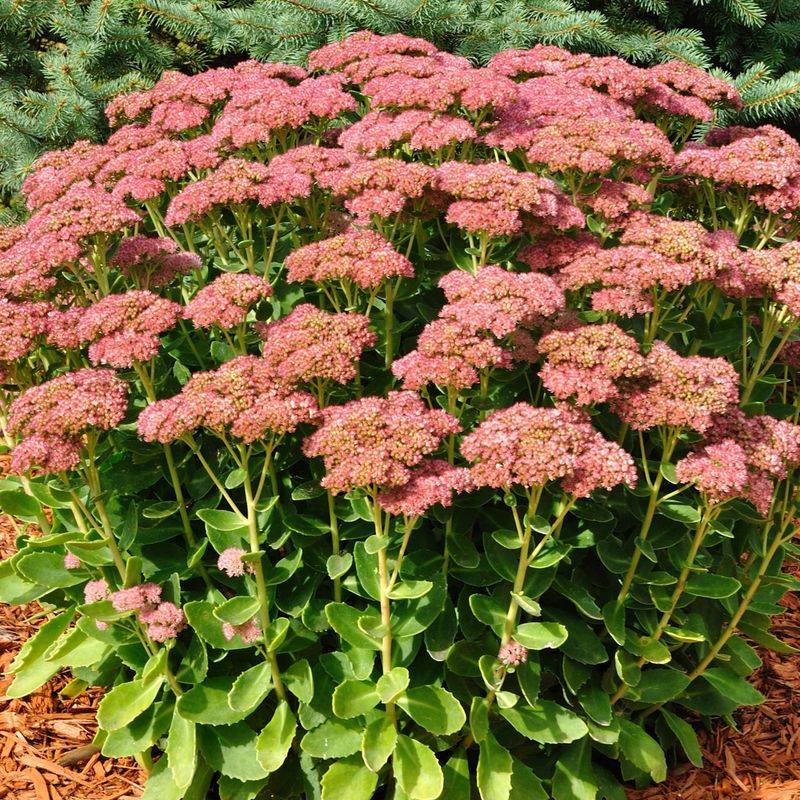
Upright sedums, now commonly known as Hylotelephium, are some of the most reliable perennials you can grow in a Pennsylvania garden.
They are drought-tolerant, deer-resistant, and absolutely stunning in late summer and fall when their broad, flat flower heads turn from pink to deep rusty red.
Pollinators go absolutely wild for them, and they look great even after the blooms fade and the seed heads dry out in winter.
Even though sedums are tough, they do benefit from division every three to four years. Over time, the clumps can flop open in the center, leaving an unattractive gap where the oldest growth has become too woody and weak.
Dividing them in early spring, just as the new fleshy shoots begin to emerge from the soil, is the easiest and most effective approach.
The new growth on upright sedums looks like small, plump rosettes poking up through the ground. This is your signal that it is time to act.
Dig up the whole clump with a spade, then use a sharp knife or spade to cut it into sections. Each division needs healthy roots and at least one or two of those fresh rosette shoots to grow successfully.
Replant the divisions in a sunny spot with well-drained soil. Sedums really do not like sitting in wet soil, so avoid low spots in your Pennsylvania garden where water tends to pool after rain.
Space them about 18 inches apart, water them in, and then step back. Sedums establish quickly in spring and will reward your effort with a spectacular fall show.
7. Ornamental Grasses (Cool-Season Types)
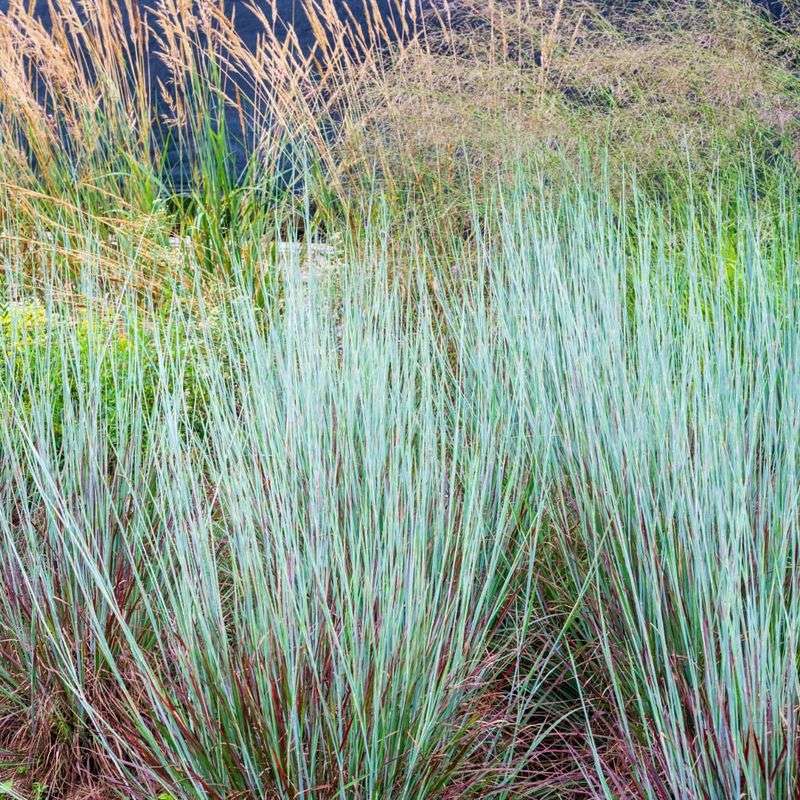
Cool-season ornamental grasses like feather reed grass (Calamagrostis) are some of the most architectural plants you can grow in a Pennsylvania landscape.
They bring movement, texture, and year-round interest to garden beds, looking graceful even in the depths of winter when everything else has gone quiet.
But like most perennials, they eventually outgrow their space and need to be divided to stay looking their best.
The timing for dividing cool-season grasses is a little different from warm-season types. Cool-season grasses start growing early in spring, which means you need to divide them before that growth really takes off.
Waiting too long into the season can stress the plant and slow down establishment. Getting it done before April ends in Pennsylvania puts you right in the sweet spot for success.
Start by cutting the old foliage down close to the ground if you have not already done so. Then use a sharp spade or even a sturdy saw to cut through the dense root mass.
Ornamental grass clumps can be incredibly tough, so do not be surprised if it takes some muscle. Divide the clump into sections, each with healthy roots and fresh green shoots emerging from the base.
Replant the divisions at the same depth they were originally growing, spacing them according to the mature size of the variety. Water them thoroughly after planting and keep the soil consistently moist for the first few weeks.
Pennsylvania springs are generally cool and rainy enough to help new grass divisions settle in without too much extra effort on your part. You will see fresh, vigorous growth within a few weeks.