The Best Backyard Privacy Plants That Thrive In Pennsylvania Heat
Want more backyard privacy without ending up with a row of plants that wilt the second summer gets serious? That is the challenge a lot of Pennsylvania homeowners run into.
A plant might look full and promising in spring, but once the heat, humidity, and dry stretches show up, not every privacy screen holds up the way people hoped.
If you are putting time and money into creating a little more seclusion, you want plants that can actually handle the job.
The best privacy plants do more than block a view. They help a yard feel calmer, more finished, and more comfortable to spend time in.
They can soften fences, create a greener backdrop, and make the whole space feel more tucked away without looking stiff or overly formal. In Pennsylvania, though, good looks are only part of the equation.
Heat tolerance matters too, especially during those sticky summer weeks when weaker plants start looking stressed.
That is why choosing the right ones makes such a difference. Some privacy plants grow beautifully in Pennsylvania heat and keep your backyard looking lush when other options begin to struggle.
1. Arborvitae (Thuja Occidentalis)
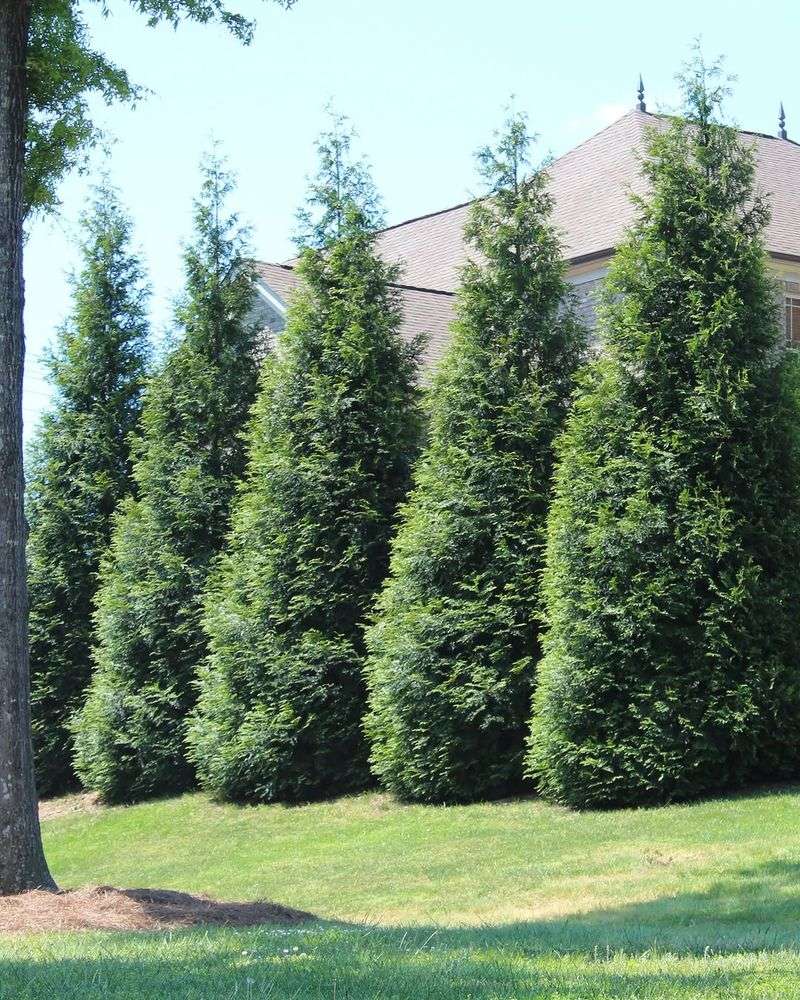
Ask any Pennsylvania homeowner what plant they reach for first when building a backyard privacy screen, and arborvitae will come up every single time. This classic evergreen has earned its reputation for good reason.
With its tall, narrow shape and dense, feathery foliage, it creates a solid green wall that blocks unwanted views all year long.
One of the biggest advantages of arborvitae is how fast it grows. Some popular varieties, like the Green Giant, can put on three to five feet of new growth each year.
That means you will not be waiting forever to get the privacy you want. Even in Pennsylvania’s sticky summer heat, arborvitae handles the humidity better than many other evergreen options on the market.
Proper spacing is key to getting the best results from this plant. Planting them about five to six feet apart gives each tree enough room to fill in naturally without crowding.
When they mature, they create a seamless, unbroken hedge that looks both polished and natural. They can reach heights of thirty to forty feet, making them great for blocking second-story views too.
Arborvitae also handles Pennsylvania winters with ease, staying green even when temperatures drop hard. They do prefer well-drained soil and at least six hours of sunlight each day.
Adding a layer of mulch around the base helps keep the roots cool and moist through the hottest summer months. This plant is a reliable, low-maintenance choice for any Pennsylvania backyard.
2. Eastern Red Cedar (Juniperus Virginiana)
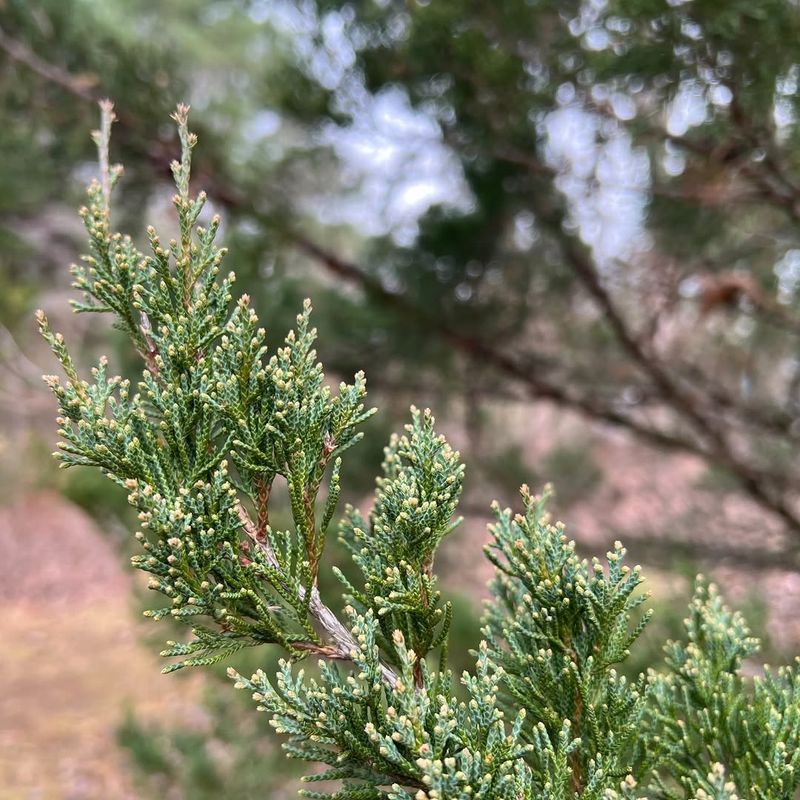
Tough, dependable, and completely at home in Pennsylvania, the Eastern Red Cedar is one of those plants that just handles whatever nature throws at it. Hot summers, dry spells, rocky soil, and even poor drainage are no match for this native evergreen.
It has been growing wild across the state for centuries, which tells you everything you need to know about how well it fits here.
Your Pennsylvania Garden Changes Every Week. Your Plan Should Too.
Gardening in Pennsylvania changes quickly throughout the season. Every Friday you’ll receive a simple weekly plan showing exactly what to plant, prune, fertilize, harvest, and protect so you never miss the right timing.
Eastern Red Cedar grows at a steady, moderate pace and can eventually reach forty to fifty feet tall. Its dense, blue-green foliage provides solid year-round privacy without any complicated maintenance.
Once established, it becomes remarkably drought tolerant, which is a huge bonus during Pennsylvania’s occasional dry summer stretches. You will spend less time watering and more time actually enjoying your yard.
One thing that makes this cedar stand out is its adaptability. It grows well in almost any soil type, including sandy, clay-heavy, or rocky ground that other plants struggle in.
It also handles both full sun and partial shade, giving you flexibility in where you plant it. Birds love this tree too, as they are drawn to its small, berry-like cones for food and shelter.
For Pennsylvania homeowners who want a privacy screen that blends naturally into the landscape, Eastern Red Cedar is a perfect fit. It has a wild, textured look that feels more like a natural woodland edge than a formal hedge.
Plant it in a staggered row for a more organic appearance, and let it grow into its own beautiful, rugged character over time.
3. American Holly (Ilex Opaca)
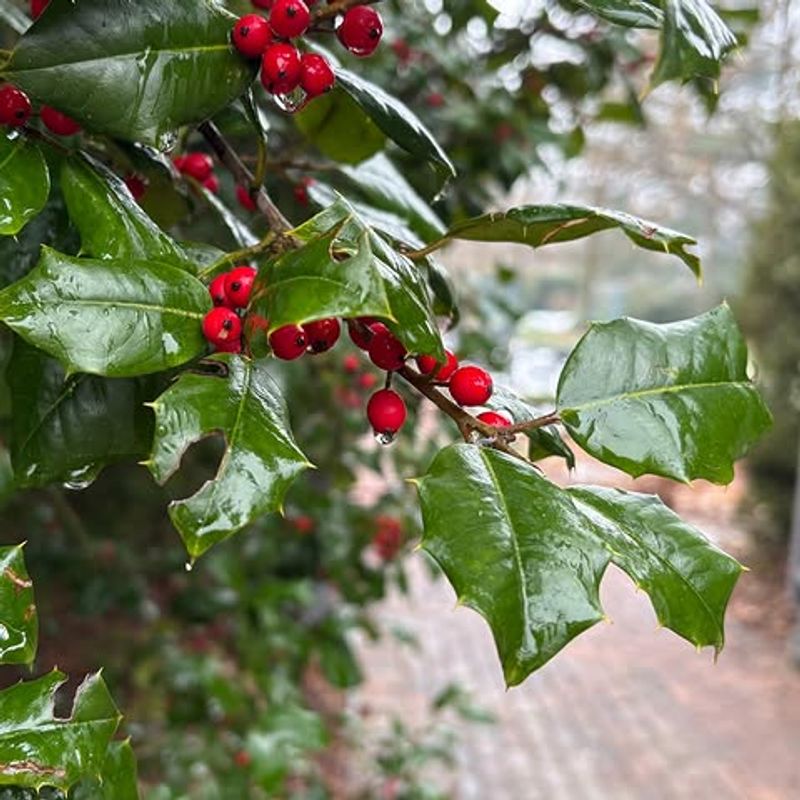
Few plants bring the same combination of beauty and function that American Holly delivers.
With its glossy, dark green leaves and brilliant red winter berries, this native broadleaf evergreen does double duty as both a privacy screen and a striking landscape feature. It is one of the most visually interesting choices available for Pennsylvania backyards.
American Holly grows fifteen to thirty feet tall and develops a naturally dense, pyramidal shape over time. The thick, spiny foliage stays on the tree all year, creating solid coverage through every season.
Pennsylvania summers can be brutal with heat and humidity, but American Holly handles those conditions without missing a beat. It was practically built for the mid-Atlantic climate.
One bonus that homeowners really appreciate is how the red berries attract birds during the colder months. If you enjoy watching cardinals and cedar waxwings visit your yard in winter, planting a female American Holly is a great way to make that happen.
Keep in mind that you need at least one male plant nearby to get berry production on the female trees.
American Holly is not a fast grower, but its steady, reliable pace means you end up with a strong, long-lasting privacy screen. It prefers well-drained, slightly acidic soil, which is common across much of Pennsylvania.
Full sun to partial shade both work well for this plant. Once established, it requires very little attention, making it an excellent long-term investment for creating a beautiful, private backyard retreat in Pennsylvania.
4. Wax Myrtle (Morella Cerifera)
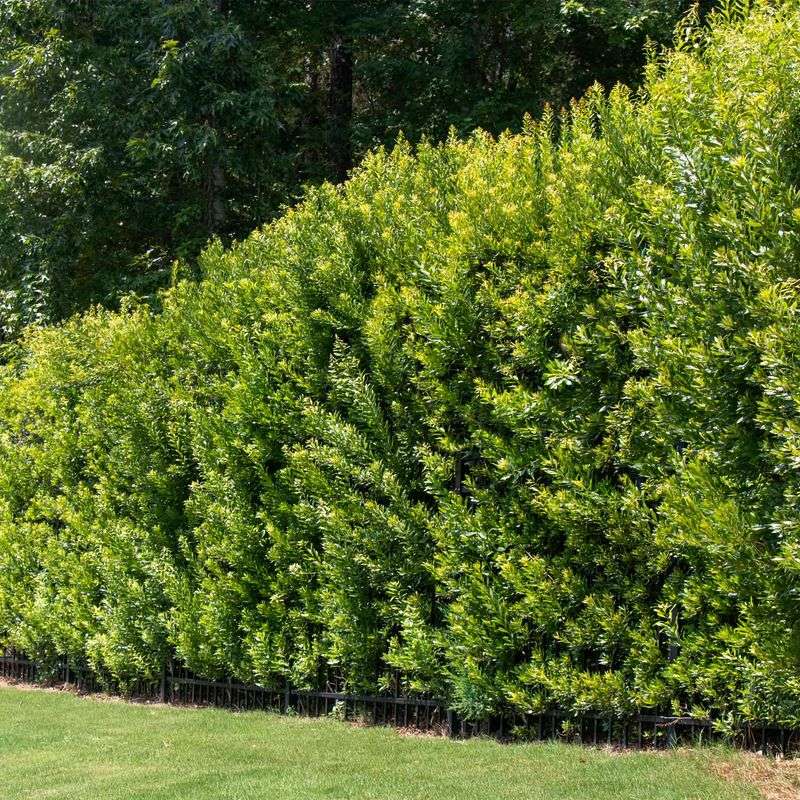
If speed is what you are after, Wax Myrtle might just become your new favorite plant. Known for its rapid growth rate and thick, aromatic foliage, this shrub fills in a privacy screen faster than almost anything else you can plant in a Pennsylvania backyard.
It has a relaxed, natural look that works beautifully for informal hedges and property borders.
Wax Myrtle thrives in heat and can handle wet or moist soil conditions that would stress other plants. In the warmer parts of Pennsylvania, it behaves as a semi-evergreen, holding onto most of its leaves through mild winters.
During hotter seasons, its waxy, fragrant leaves stay full and lush, giving you consistent coverage when you need it most. The pleasant scent the foliage releases when brushed is a nice bonus.
This shrub typically reaches eight to twelve feet tall when left to grow naturally, though it responds well to trimming if you prefer a more structured shape. It can also be grown as a multi-stem large shrub or trained into a small tree form, giving you flexibility in how you use it.
Planting several in a row creates a dense, fast-filling hedge that blocks sightlines within just a couple of growing seasons.
Wax Myrtle adapts to a wide range of soil types and tolerates both full sun and partial shade. For Pennsylvania homeowners who want privacy quickly without waiting years for results, this plant is a smart and practical choice.
It is low-maintenance once established and brings a lively, textured energy to any backyard landscape.
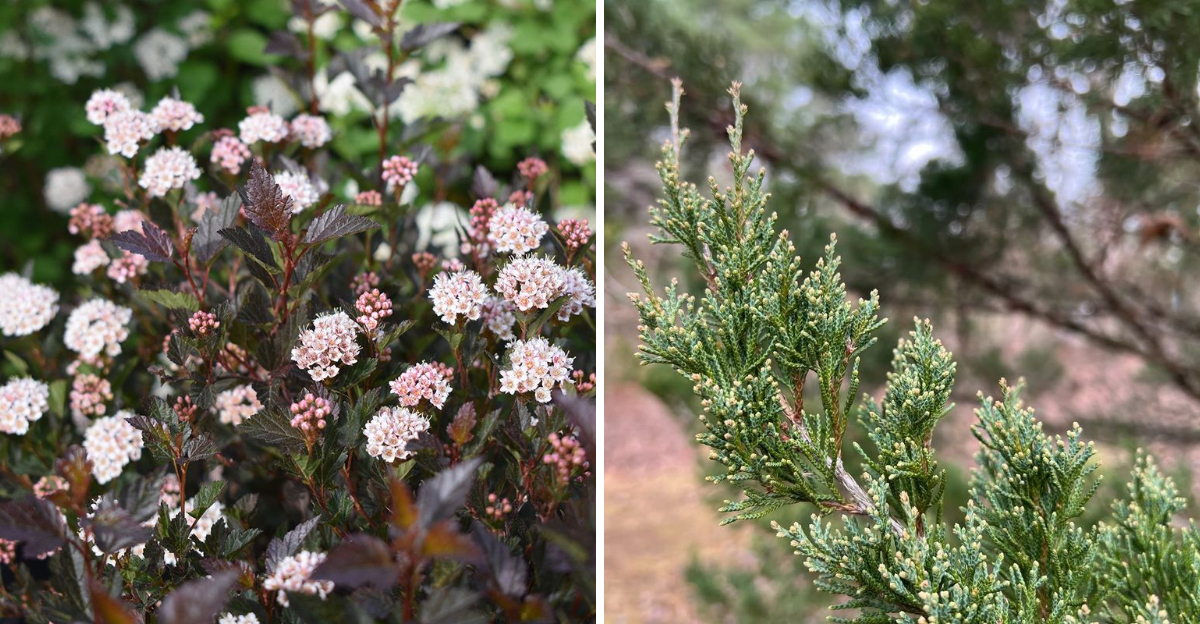
5. Ninebark (Physocarpus Opulifolius)
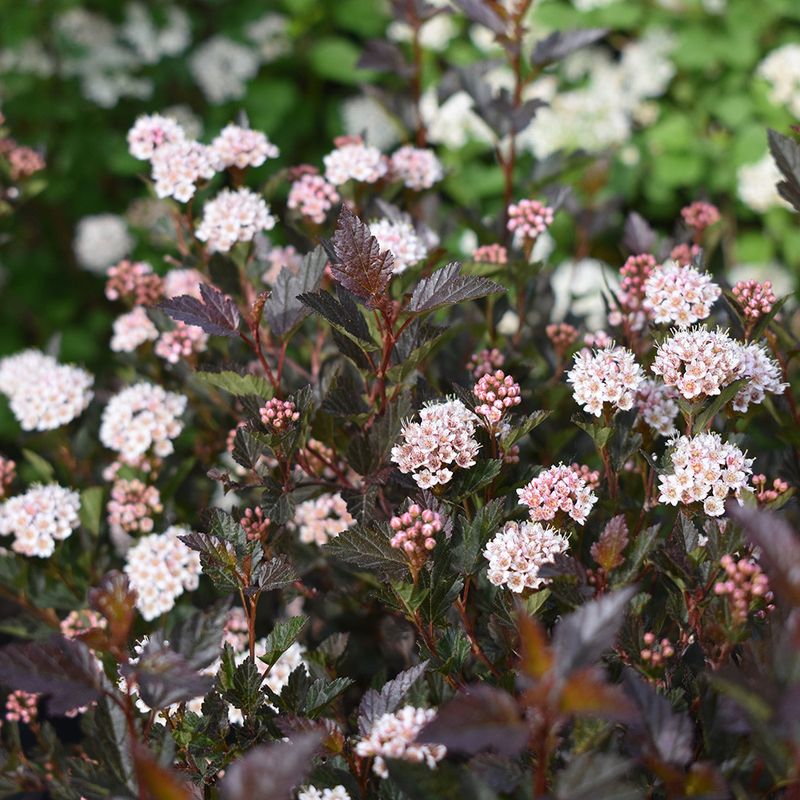
Ninebark is the kind of plant that surprises people. Most homeowners do not immediately think of it as a privacy plant, but once they see a mature row of these native shrubs in full leaf, they quickly change their minds.
With dense, arching branches and bold foliage that comes in shades of green, burgundy, and gold depending on the variety, Ninebark brings serious screening power along with real visual appeal.
Growing six to ten feet tall, Ninebark works especially well in layered plantings where you mix it with taller trees or other shrubs. It fills in the mid-height zone of a privacy screen beautifully, blocking views at eye level where it matters most.
Varieties like Diablo and Summer Wine are popular in Pennsylvania for their rich, dark foliage that holds its color through the heat of summer.
One of the standout qualities of this native shrub is its toughness. Ninebark tolerates heat, drought, clay soils, and even occasional flooding better than most ornamental shrubs.
It is truly a low-fuss plant that keeps performing year after year without demanding much attention. Pennsylvania’s variable weather does not rattle it one bit.
In spring, Ninebark produces clusters of small white or pink flowers that attract pollinators, adding another layer of interest to your yard. After the blooms fade, reddish seed pods add texture through summer and into fall.
Planting Ninebark alongside evergreen plants creates a privacy screen that offers year-round structure with added seasonal color and movement throughout the warmer months.
6. Arrowwood Viburnum (Viburnum Dentatum)
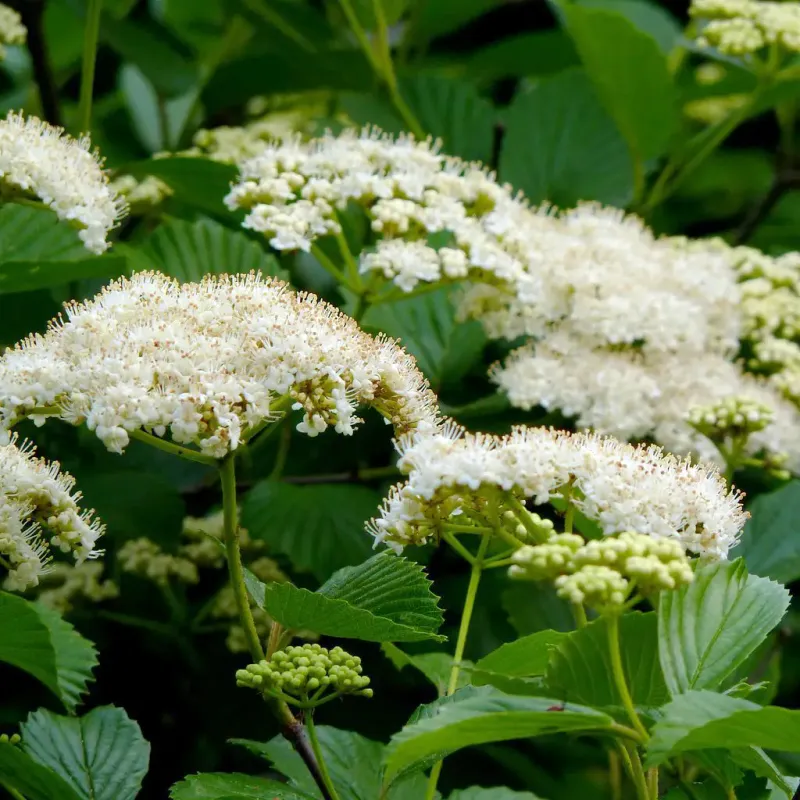
There is something genuinely satisfying about a plant that works hard for your yard while also supporting the local ecosystem. Arrowwood Viburnum does exactly that.
This tough native shrub grows into a thick, rounded form that creates an excellent natural privacy screen, and it does so while providing food and habitat for birds, bees, and butterflies across Pennsylvania.
Arrowwood Viburnum typically reaches six to ten feet tall and spreads just as wide, forming a dense mass of foliage that blocks sightlines effectively. It adapts well to both full sun and partial shade, which makes it versatile enough to work in many different yard conditions.
The glossy, toothed leaves stay full and lush through Pennsylvania’s hot summers, maintaining good coverage when you need it most.
Come spring, the shrub covers itself in flat-topped clusters of creamy white flowers that smell lovely and attract a wide range of pollinators. By late summer, those flowers give way to clusters of dark blue-black berries that birds absolutely love.
Watching wildlife visit your backyard privacy screen is one of the unexpected joys of planting native species like this one.
Arrowwood Viburnum is also impressively adaptable when it comes to soil. It handles clay, loam, and even occasionally wet spots without much complaint.
For Pennsylvania homeowners who want a privacy screen that feels more like a living, breathing part of the natural landscape, this shrub is a top-tier choice.
Plant several in a staggered row, and within a few seasons you will have a lush, wildlife-friendly screen that looks completely at home in any Pennsylvania backyard.
7. Switchgrass (Panicum Virgatum)
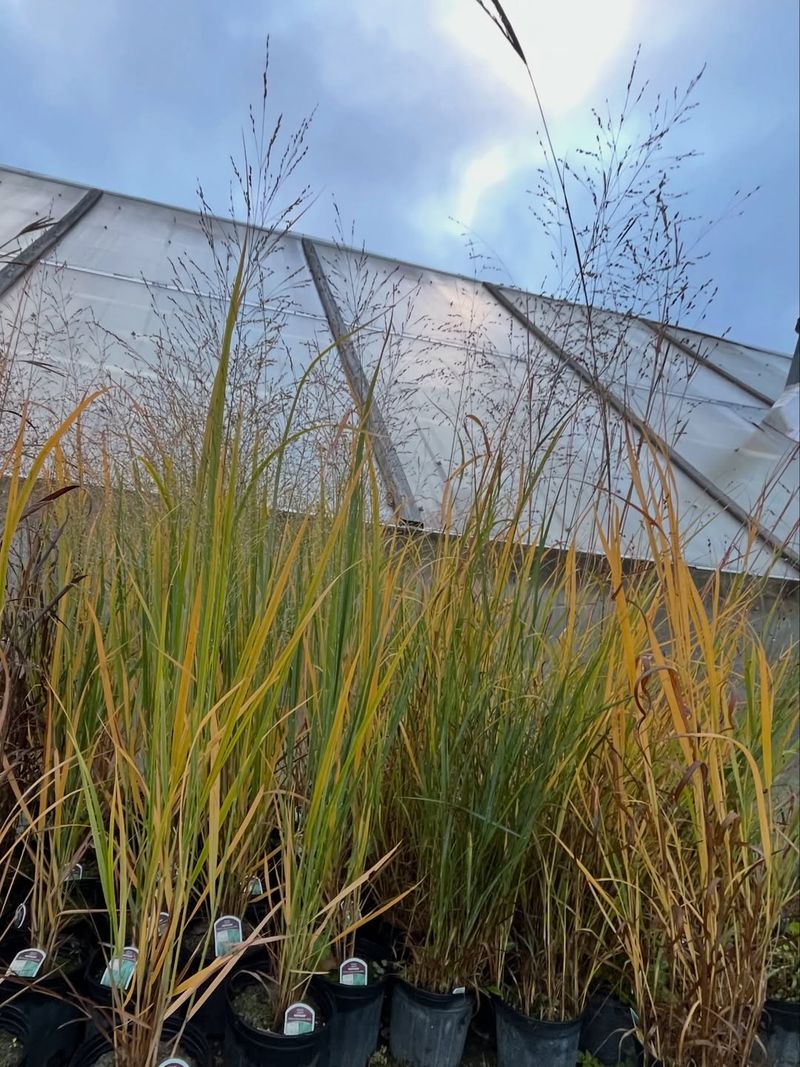
Not everyone thinks of grass when they picture a backyard privacy screen, but Switchgrass might just change that idea completely. This native ornamental grass grows four to six feet tall with a strongly upright form that creates a soft, flowing screen with real visual personality.
When a summer breeze moves through a row of Switchgrass, the effect is genuinely beautiful.
Switchgrass is a natural fit for Pennsylvania because it evolved right here in North America’s eastern grasslands. Heat and humidity do not slow it down at all.
Once established, it becomes quite drought tolerant too, making it a smart choice for homeowners who want attractive screening without a heavy watering schedule. It is one of the most self-sufficient plants you can add to a Pennsylvania yard.
The plant really shines through the seasons. In summer, tall, airy seed heads rise above the upright blades, catching light and adding texture to the landscape.
By fall, the foliage turns warm shades of gold, orange, and red before fading to a soft tan that holds through winter. Even in its dormant state, a row of Switchgrass adds structure and interest to the yard.
For best privacy results, plant Switchgrass in groups or rows about two to three feet apart. Varieties like Shenandoah and Heavy Metal are especially popular in Pennsylvania for their upright habit and strong fall color.
Cut them back to a few inches above the ground in late winter, and they will return with fresh, vigorous growth every spring. Switchgrass is a surprisingly powerful privacy solution that brings movement, texture, and native charm to any Pennsylvania backyard.