These Vegetables Thrive In Shade In Pennsylvania
Most people hear “vegetable garden” and picture a spot drenched in sun all day long. So when a Pennsylvania yard has too much tree cover, a fence casting long shadows, or a patio that blocks direct light, it is easy to assume growing food is off the table.
That is where a lot of gardeners sell their space short. While some vegetables absolutely crave full sun, others are perfectly happy with less light and can still give you a solid harvest without demanding the brightest part of the yard.
In fact, shade can come with a few perks. During Pennsylvania summers, a little protection from harsh afternoon sun can help certain crops stay tender, bolt less quickly, and keep producing longer than they might in hotter, fully exposed spots.
That can make a shaded garden feel less like a backup plan and more like a smart way to grow.
The key is knowing which vegetables actually perform well in those conditions. Once you plant the right ones, those dimmer corners can turn into some of the most useful parts of the garden.
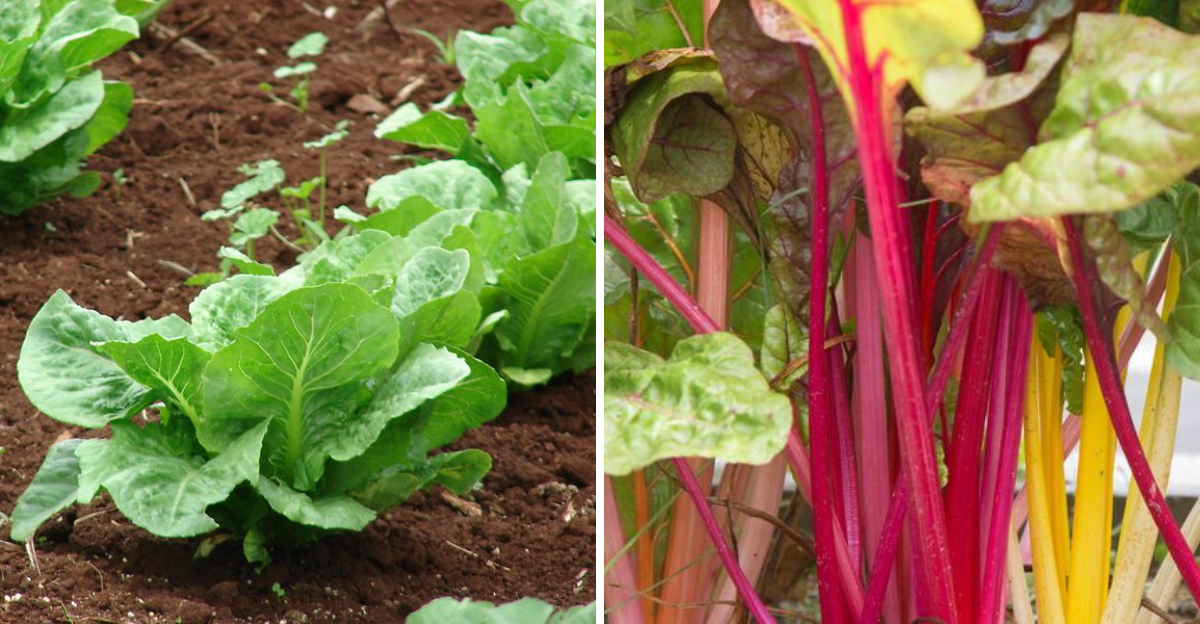
1. Lettuce (Lactuca Sativa)
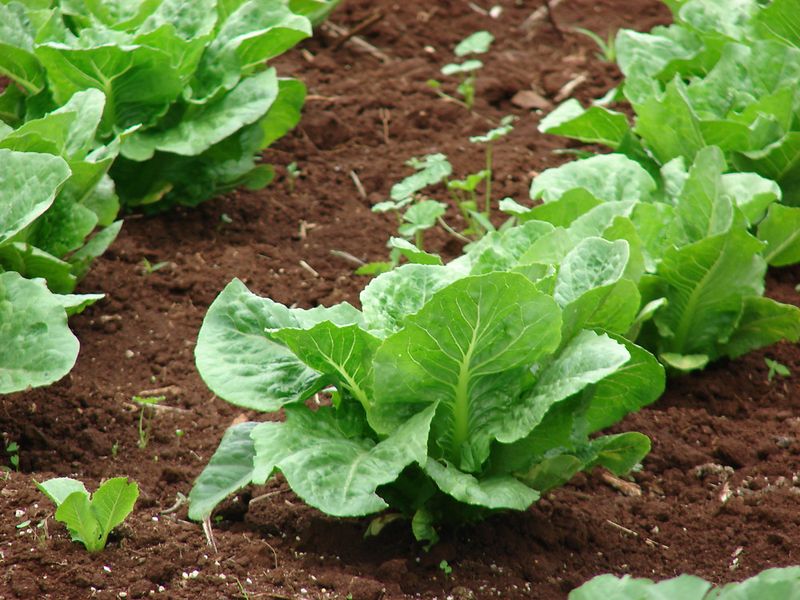
If there is one vegetable that was practically made for shady Pennsylvania gardens, it is lettuce. Most gardeners know that lettuce bolts fast in hot, sunny weather.
Bolting means the plant sends up a flower stalk and turns bitter. Shade slows that process down completely.
Growing lettuce under trees or along a fence where it gets only three to four hours of sunlight per day is totally workable. In fact, partial shade keeps the soil cooler and holds moisture longer, which lettuce absolutely loves.
Pennsylvania springs can be unpredictable, but shaded spots tend to stay more consistent in temperature.
Loose-leaf varieties like Black Seeded Simpson or Red Sails are great choices for low-light gardens.
They grow quickly and can be harvested leaf by leaf, so you get a longer picking season. Head lettuce works too, though it may take a little longer to form a tight head in lower light.
Plant lettuce seeds directly into the ground in early spring, around late March or April in most parts of Pennsylvania. You can also start a second round in late summer for a fall harvest.
The cooler fall temperatures in Pennsylvania pair perfectly with shaded growing conditions.
Water consistently and keep the soil loose and well-draining. Lettuce has shallow roots, so it does not need deep beds.
A raised bed or container near a shaded wall works just as well. Fresh homegrown lettuce from your own Pennsylvania garden is a simple, satisfying reward.
2. Spinach (Spinacia Oleracea)
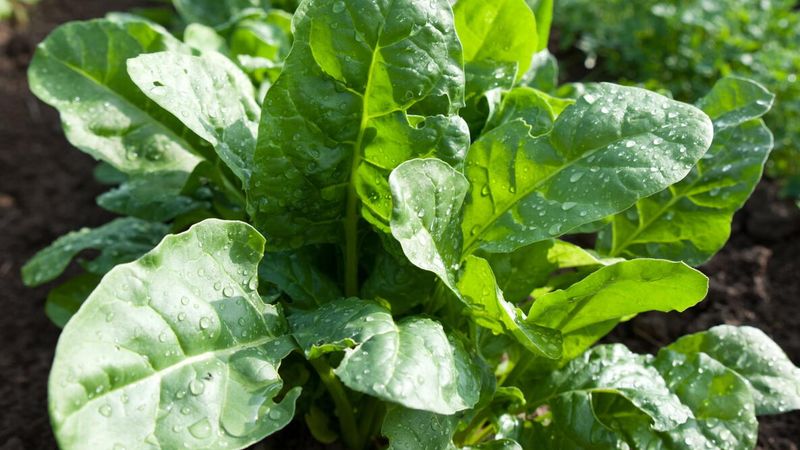
Spinach is one of the most rewarding cool-season crops you can grow in Pennsylvania, and it handles shade better than most people expect. It is packed with nutrients, easy to cook with, and surprisingly simple to grow even in spots that do not get much direct sunlight.
One of the biggest benefits of growing spinach in shade is slower bolting. When spinach gets too much heat and sun, it rushes into seed production and the leaves turn tough and bitter.
Your Pennsylvania Garden Changes Every Week. Your Plan Should Too.
Gardening in Pennsylvania changes quickly throughout the season. Every Friday you’ll receive a simple weekly plan showing exactly what to plant, prune, fertilize, harvest, and protect so you never miss the right timing.
A shaded garden bed in Pennsylvania, especially during late spring when temperatures start climbing, can extend your harvest by several weeks.
Spinach grows best with about three to four hours of sunlight per day. The leaves may be slightly smaller compared to full-sun plants, but they are often more tender and flavorful. That is a trade-off most home gardeners are happy to make.
For Pennsylvania gardeners, early April and late August are ideal planting times. Spinach thrives in the shoulder seasons when temperatures sit between 35 and 65 degrees Fahrenheit.
Shaded spots naturally stay cooler, making them perfect growing zones during those transitional months.
Choose varieties like Bloomsdale Long Standing or Tyee, both of which are known for bolt resistance. Keep the soil evenly moist and rich in compost for the best leaf production.
Harvest outer leaves regularly to encourage new growth. Fresh spinach from a shaded Pennsylvania garden bed is something worth bragging about at the dinner table.
3. Kale (Brassica Oleracea)
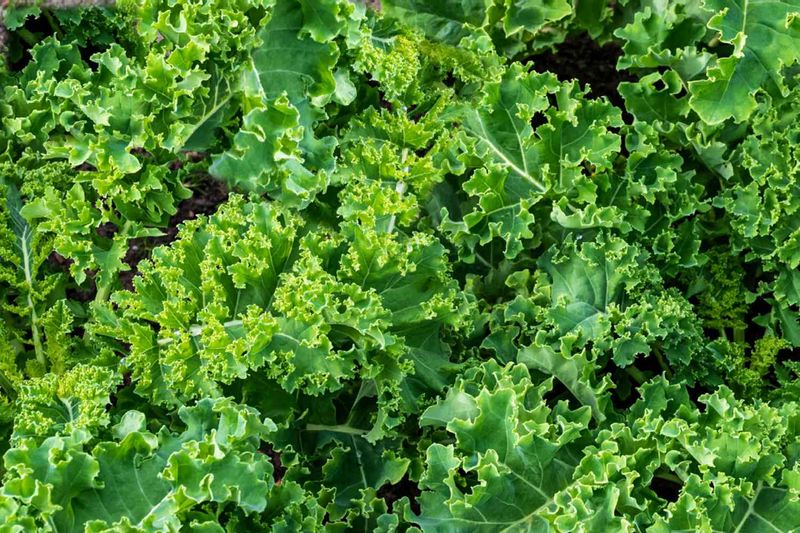
Kale has a reputation for being tough, and that reputation is well-earned. Few vegetables can match kale when it comes to tolerating cold, poor soil, and yes, shade.
Pennsylvania gardeners who struggle with limited sunlight will find kale to be one of their most dependable crops.
Growing kale in partial shade does slow its growth a little compared to full sun, but the payoff is still impressive. The leaves tend to be more tender and less bitter when they are not baking under intense sunlight all day.
Many experienced gardeners actually prefer shade-grown kale for this reason. Kale needs around three to five hours of sunlight per day to grow well. It will not produce as quickly as it would in full sun, but it will produce steadily throughout the season.
In Pennsylvania, kale can be harvested from late spring all the way through early winter, especially in the southern parts of the state.
Varieties like Lacinato, also called dinosaur kale, and Red Russian are excellent options for shadier spots. Both are hardy, productive, and handle Pennsylvania’s cold snaps without much trouble.
A light frost actually makes kale taste sweeter, so fall harvests in Pennsylvania are especially enjoyable.
Plant kale in well-amended soil with good drainage. Water regularly but avoid soggy conditions.
Harvest the lower, older leaves first and let the top keep growing. One kale plant can feed a family for months, making it a fantastic investment for any Pennsylvania shade garden.
4. Swiss Chard (Beta Vulgaris)
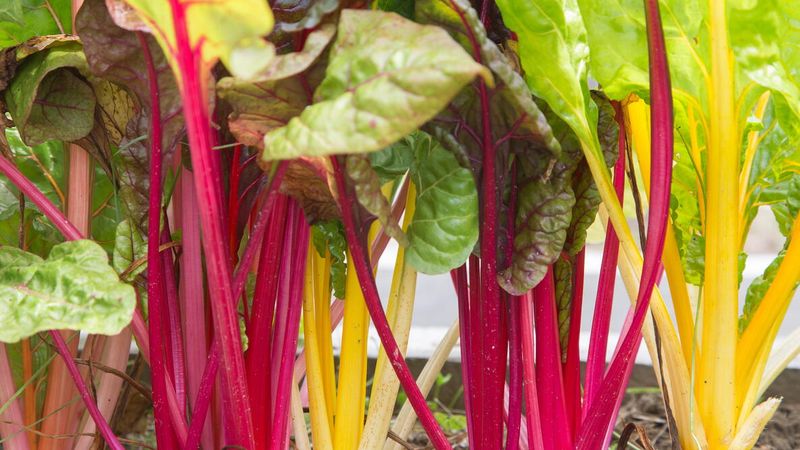
Walk past a Swiss chard plant and you will notice it immediately. The stems come in bold shades of red, yellow, orange, and white, making it one of the most visually striking vegetables you can grow.
But Swiss chard is not just a pretty face. It is a workhorse in shaded Pennsylvania gardens. Swiss chard tolerates partial shade very well, needing only about three to four hours of direct sunlight per day.
It is also more heat-tolerant than most leafy greens, which gives it a longer growing window in Pennsylvania compared to crops like spinach or lettuce. You can plant it in spring and keep harvesting well into fall.
One of the best things about Swiss chard is its cut-and-come-again growth habit. Harvest the outer stalks and leaves, and the plant keeps producing new growth from the center.
This makes it ideal for gardeners who want a steady supply of greens without replanting every few weeks.
In Pennsylvania, plant Swiss chard after the last frost, usually in late April or early May. It can also be started indoors a few weeks earlier.
Varieties like Rainbow Chard and Bright Lights are especially popular because of their colorful stems and reliable production in less-than-ideal light conditions.
Prepare the soil with compost before planting and water consistently. Swiss chard is not picky, but it does appreciate good moisture.
Both the leaves and stems are edible, making it incredibly versatile in the kitchen. For Pennsylvania gardeners working with shaded beds, Swiss chard is a top-tier choice every single season.
5. Radishes (Raphanus Sativus)
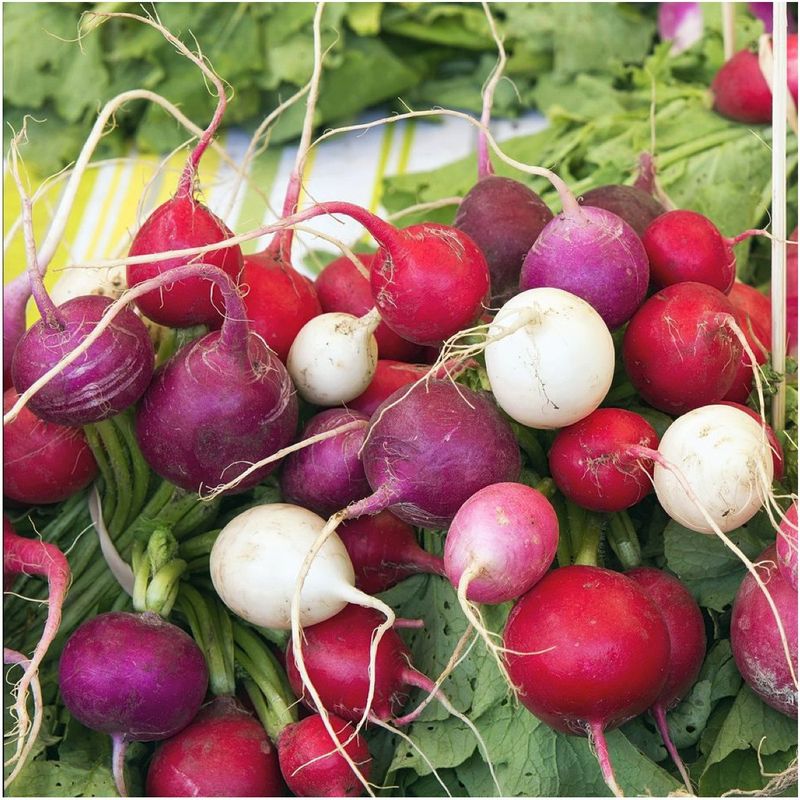
Radishes are the sprinters of the vegetable world. They grow fast, take up little space, and do not demand much from the gardener.
If you have a small shaded corner in your Pennsylvania yard that you do not know what to do with, radishes are your answer.
Most radish varieties are ready to harvest in just 20 to 30 days after planting. That quick turnaround means you can squeeze in multiple rounds of planting throughout Pennsylvania’s spring and fall seasons.
They do not need full sun to reach maturity, making them one of the easiest crops to fit into a shaded garden layout.
Radishes grow best with about three to four hours of sunlight daily. In very deep shade, the roots may stay small, but the plants will still produce.
For best results, aim for dappled or filtered light rather than total darkness. A spot under a deciduous tree that lets in some morning sun is nearly perfect.
Varieties like Cherry Belle and Easter Egg are reliable performers in Pennsylvania’s variable spring weather. They handle light frosts well and can be planted as soon as the ground is workable, often in late March.
A second planting in late August gives you a nice fall harvest too. Keep the soil loose and free of rocks so roots can expand without obstruction. Water evenly to prevent cracking.
Radishes are also excellent companion plants, helping to loosen soil for neighboring vegetables. Growing radishes in a shaded Pennsylvania garden is a low-effort, high-reward experience that beginners and experienced gardeners both enjoy.
6. Beets (Beta Vulgaris)
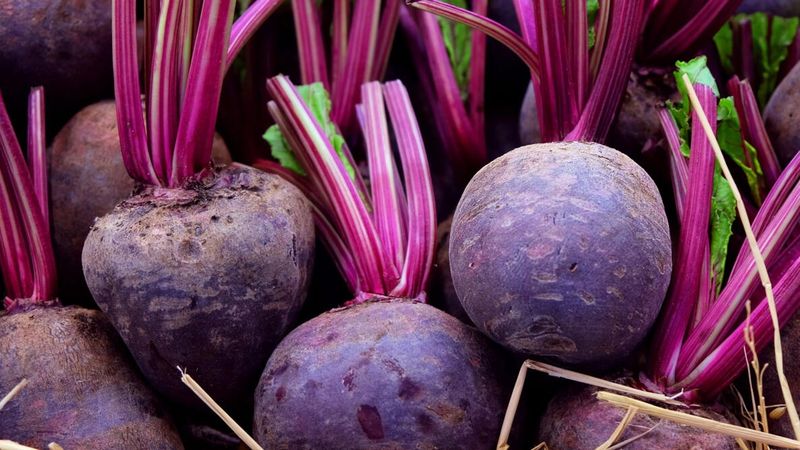
Beets might surprise you. Most root vegetables need plenty of sun to develop fully, but beets are a notable exception.
They are remarkably adaptable and can produce both tasty roots and nutritious greens even in partially shaded Pennsylvania garden beds.
In lower light conditions, beet roots may take a little longer to reach full size, but they still develop reliably. The greens, however, grow enthusiastically in shade and are just as nutritious and delicious as the roots.
Many Pennsylvania gardeners grow beets specifically for the greens during shadier parts of the season.
Beets need around three to four hours of sunlight per day to perform well. Cooler, shaded conditions also tend to produce sweeter roots because the sugars concentrate more slowly.
Pennsylvania’s cool spring and fall seasons are ideal for beet growing, and shaded beds extend that cool environment even further into the season.
Popular varieties like Detroit Dark Red, Chioggia, and Golden Beets all perform well in partial shade. Plant seeds directly into the garden in early April or again in late July for a fall crop.
Each beet seed is actually a cluster of seeds, so thin the seedlings to about three inches apart once they sprout.
Beets prefer loose, deep soil free of large stones. Add compost to improve soil texture and fertility.
Water regularly and mulch around the plants to retain moisture. Harvesting beets at two to three inches in diameter gives you the most tender roots.
For Pennsylvania gardeners with shaded spaces, beets offer a genuine two-for-one vegetable experience.
7. Green Onions (Allium Fistulosum)
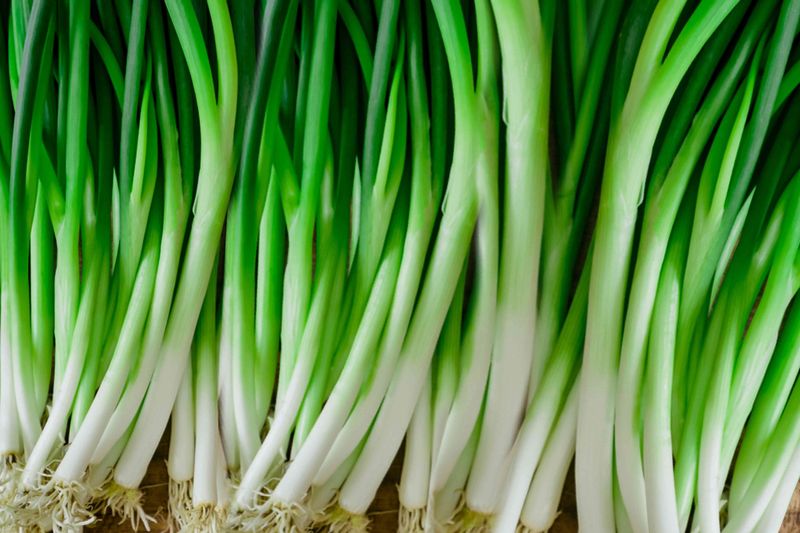
Green onions might be the most underappreciated vegetable in the shade garden. They are quiet, undemanding, and incredibly useful in the kitchen.
Toss them in salads, soups, scrambled eggs, or stir-fries, and they instantly make everything taste better. Best of all, they grow happily in partial shade.
Unlike bulb onions, green onions do not need intense sunlight to produce a good harvest. They grow steadily with just three to four hours of sun per day, making them a natural fit for shaded spots in Pennsylvania yards.
They also take up very little space, so they can be tucked into corners or grown in containers on a shaded porch or patio.
One of the most satisfying things about growing green onions is the continuous harvest. Cut the tops down to about an inch above the soil and they will regrow again and again.
A single planting can supply your kitchen for months without any extra effort. Pennsylvania gardeners with busy schedules will love how low-maintenance they are.
Plant green onion seeds or sets in early spring, around March or April in most parts of Pennsylvania. They can also be planted in late summer for a fall harvest.
Varieties like Evergreen Hardy White and Tokyo Long White are both reliable performers in partially shaded conditions. Keep the soil consistently moist but not waterlogged. Green onions do not like soggy feet.
Fertilize lightly with a balanced fertilizer once or twice during the season. With almost no fuss, green onions will keep your Pennsylvania shade garden productive and your meals flavorful from spring all the way through fall.