Florida Front Yard Plants That Look Intentional Even When You Don’t Touch Them
Some front yards in Florida always seem pulled together, even when nobody has been out there fussing over them all week. That is the magic of the right plant choices.
A few plants have a naturally tidy shape, a calm presence, or a way of filling space that makes the whole yard look planned instead of patchy. They do not flop all over the place, beg for constant trimming, or make the bed look messy the second growth takes off.
That kind of easy structure matters more than a lot of people realize. In Florida, heat, rain, and fast growth can turn a polished front yard into a wild scene before you know it.
So when a plant still looks neat without constant attention, it earns its spot. The best ones bring color, texture, or form in a way that feels clean and balanced, not forced.
That is why these front yard plants stand out. Even on your busiest weeks, they can make the whole space look like you meant every bit of it.
1. Muhly Grass Creates Soft Structure Without Any Fuss
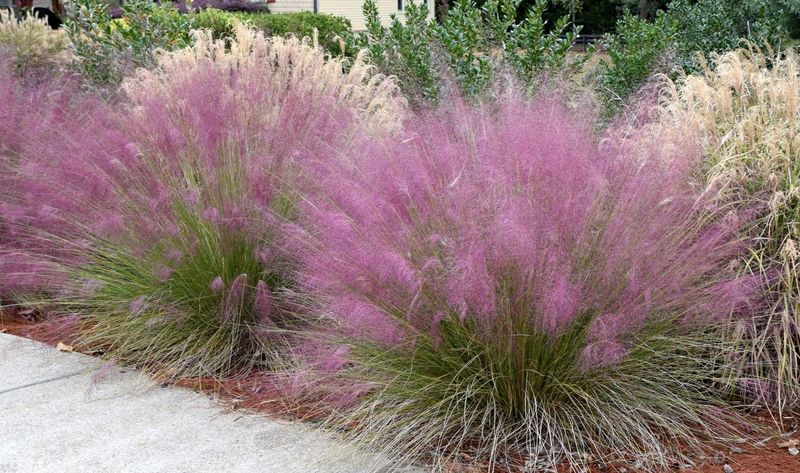
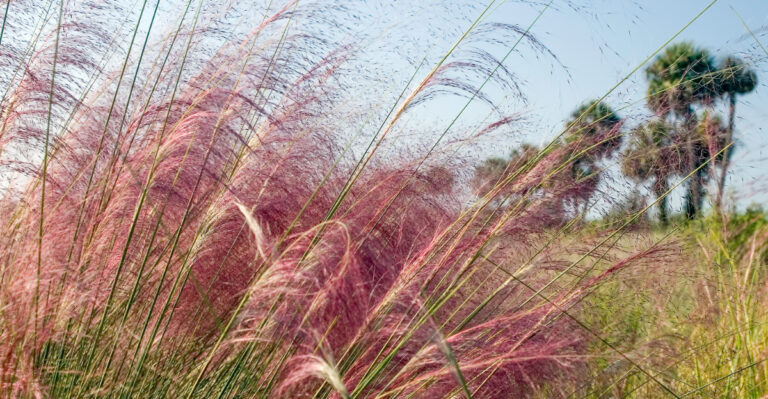
Few plants in Florida pull off effortless elegance quite like Muhly Grass. During most of the year, it sits quietly as a tidy clump of fine green blades, roughly two to three feet tall, requiring almost no attention at all.
Then fall arrives, and suddenly the whole plant erupts into a cloud of pinkish-purple plumes that look like something straight out of a garden magazine.
Muhly Grass thrives in full sun and handles drought well once it gets established, which usually takes one growing season. It prefers well-drained soil, making it a natural fit for Florida’s sandy conditions.
You do not need to shape it, stake it, or fuss over it to keep it looking clean.
The clumping habit is what makes it so landscape-friendly. It stays in its lane, growing as a rounded mound without spreading aggressively into nearby plants.
According to UF/IFAS, Muhly Grass is one of the most ornamentally valuable native grasses in the state. A few clumps grouped together near a walkway or mailbox can make a front yard look thoughtfully designed with almost zero ongoing effort.
2. Coontie Holds Its Shape Without Constant Trimming
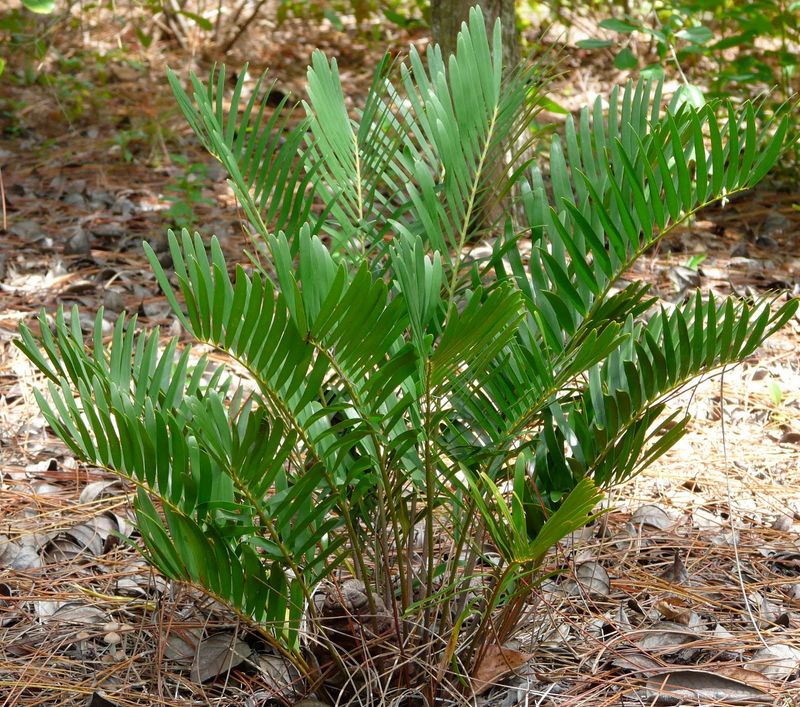
Coontie is one of those plants that looks like someone spent real money on professional landscaping, even though it basically takes care of itself.
It is a native cycad, not a true fern or palm, and it grows in a low, symmetrical rosette of dark glossy leaflets that stays tidy season after season.
The natural form is already so clean and structured that pruning is rarely needed.
Growth is slow, which is actually a good thing for a front yard. You plant it, it settles in, and it just stays put without outgrowing its space or crowding neighboring plants.
Mature plants typically reach one to three feet in height and spread, making them ideal for borders, foundation plantings, or mass plantings under trees.
Your Florida Garden Changes Every Week. Your Plan Should Too.
Gardening in Florida changes quickly throughout the season. Every Friday you’ll receive a simple weekly plan showing exactly what to plant, prune, fertilize, harvest, and protect so you never miss the right timing.
Coontie handles full sun to partial shade and is extremely drought-tolerant once established, according to UF/IFAS. It is also the only larval host plant for the Atala butterfly, a native species that was once nearly lost in Florida.
So while your yard looks sharp and intentional, it is also quietly supporting local wildlife. That combination of reliability, structure, and ecological value makes Coontie a standout choice for low-effort curb appeal.
3. Firebush Fills Space And Brings Color Naturally
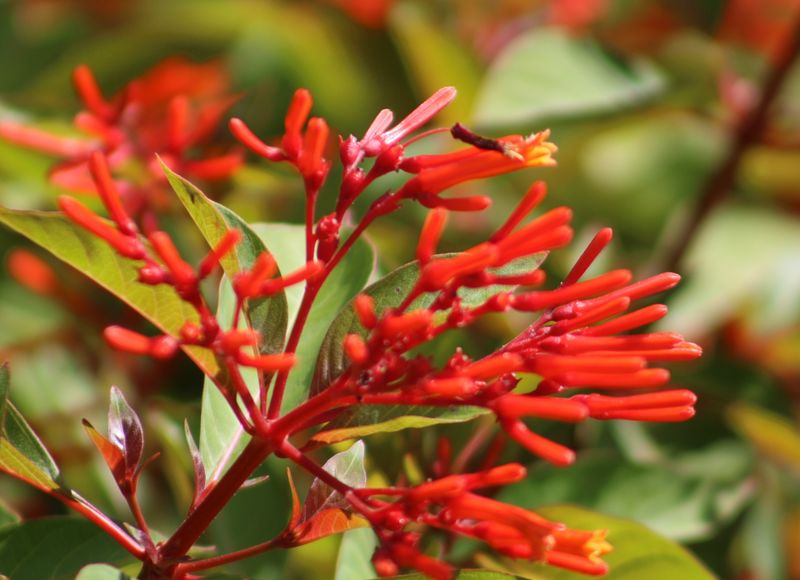
Walk past a yard with Firebush in full bloom and it is almost impossible not to stop and look. The clusters of tubular orange-red flowers practically glow in the Florida sun, and the plant earns every bit of that attention without asking for much back.
Firebush is a native Florida shrub that grows vigorously in warm conditions, filling in empty spaces with lush, layered foliage and nonstop seasonal color.
It can reach six to ten feet tall in frost-free areas of South Florida, though in Central and North Florida it may behave more like a perennial, going dormant in winter and returning strong in spring. Either way, it comes back looking full and healthy.
Full sun brings out the best flowering, but Firebush can handle partial shade too.
The wildlife value is impressive. Hummingbirds, butterflies, and native bees are drawn to the flowers, and birds eat the small dark berries that follow.
UF/IFAS recommends Firebush as a high-value native for Florida landscapes. Because the plant naturally grows into a bushy, rounded shape, it looks intentional and lush without requiring regular shaping.
Plant it as a backdrop, a corner anchor, or a colorful screen and let it do the rest.
4. Simpson’s Stopper Stays Neat With Minimal Effort
Not every front yard plant needs to shout for attention.
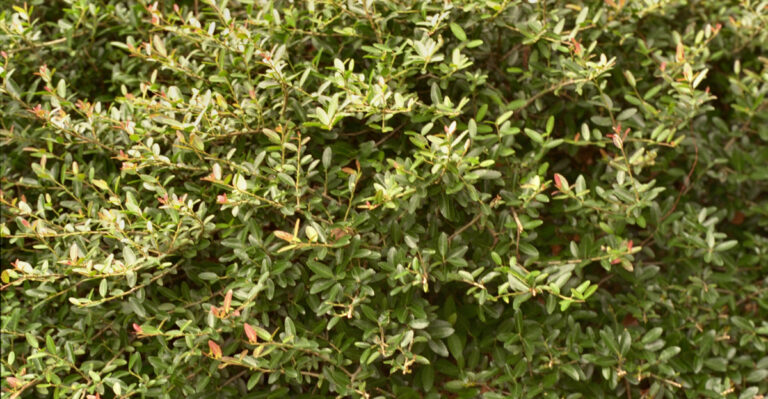
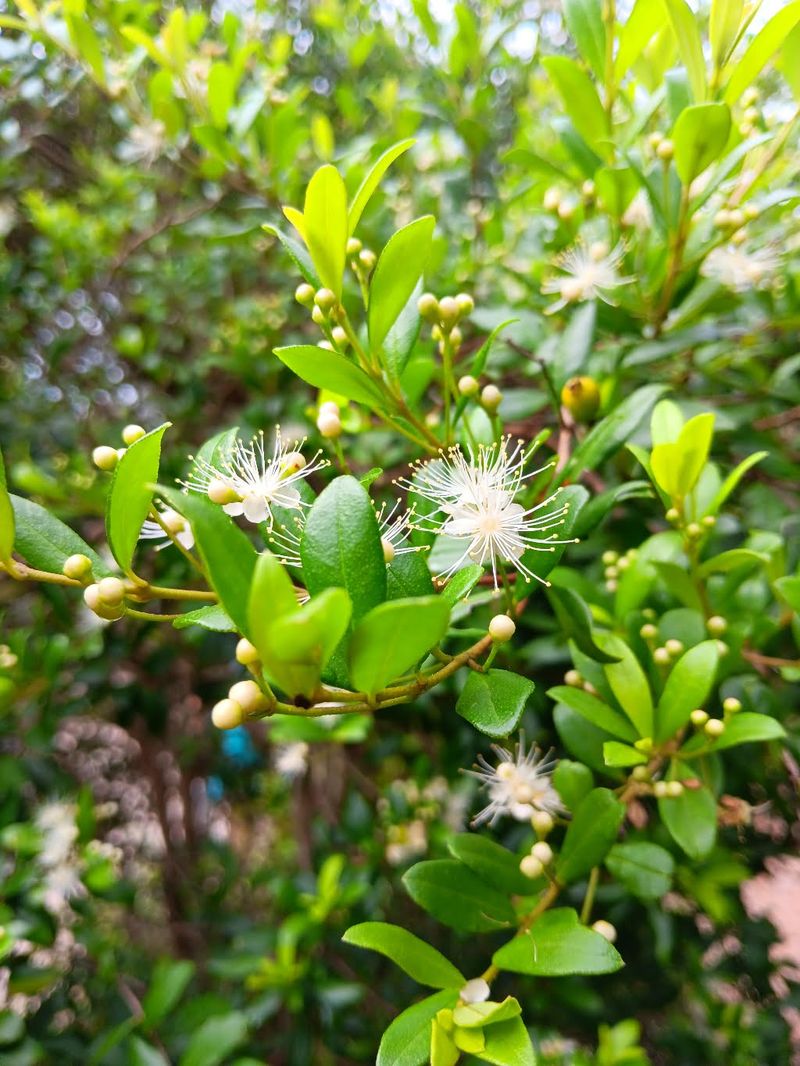
Simpson’s Stopper takes a quieter approach, growing into a dense, multi-stemmed shrub with attractive cinnamon-colored bark, small white flowers, and clusters of reddish-orange berries that add subtle seasonal interest.
The overall effect is tidy, structured, and genuinely attractive without requiring the homeowner to do much of anything.
This native Florida shrub typically grows eight to fifteen feet tall, though it responds well to light shaping if you want to keep it more compact. Many homeowners use it as a natural privacy screen or informal hedge along the front of a property.
The dense branching habit means it fills in evenly without leaving bare patches or awkward gaps.
Simpson’s Stopper handles full sun to partial shade and is quite drought-tolerant once established. It also tolerates salt spray, which makes it especially useful in coastal Florida front yards.
According to UF/IFAS, it is one of the better native options for low-maintenance hedging in the state. Birds love the berries, adding a layer of wildlife activity that makes the yard feel alive and cared for, even on the weeks when you never step outside to tend to it.
5. Sunshine Mimosa Spreads Low And Looks Designed
Groundcovers can be tricky to get right, but Sunshine Mimosa makes the whole thing look easy.
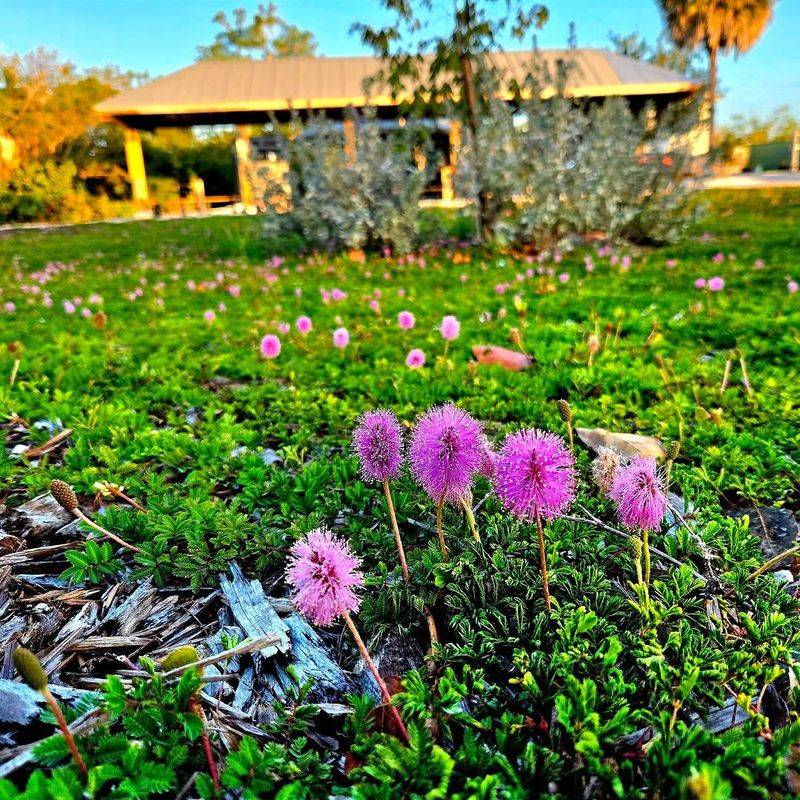
Also called sensitive plant or powderpuff mimosa, this native Florida groundcover spreads low across the ground, topping out at just six to eight inches tall while sending out stems that reach several feet in all directions.
The result is a soft, mat-like carpet that fills bare spots cleanly and naturally.
The small pink puffball flowers bloom spring through fall, adding gentle color at ground level without overwhelming the overall look of the yard.
Leaves fold slightly when touched or exposed to intense afternoon sun, which is a charming quirk that often surprises visitors.
It spreads by runners and can fill a large area over one to two seasons without any help from you.
Sunshine Mimosa thrives in full sun and sandy, well-drained soil, conditions that are common across most of Florida. UF/IFAS recommends it as a lawn alternative or turf replacement in sunny areas.
It handles drought well and requires almost no irrigation once it gets going. Because it hugs the ground so neatly, it gives the yard a designed, intentional feel, like someone carefully planned out a low-growing plant layer that just happens to look effortless.
6. Beach Sunflower Brightens Spaces Without Maintenance
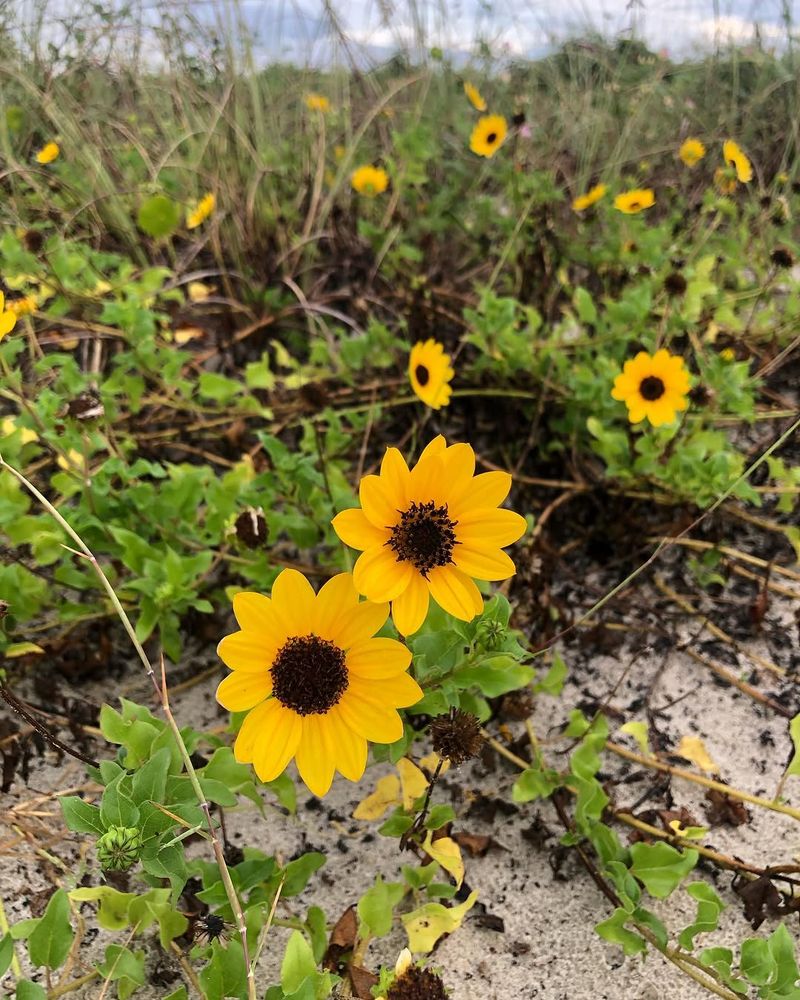
Bright yellow flowers popping up across a front yard without any planting effort sounds almost too good to be true, but that is exactly what Beach Sunflower delivers.
This native Florida groundcover spreads enthusiastically across sunny, sandy areas, producing cheerful daisy-like yellow blooms with dark centers for most of the year.
It is one of the most reliably colorful and low-effort plants you can add to a Florida front yard.
Beach Sunflower works especially well in coastal yards where salt spray, wind, and poor sandy soil challenge most other plants.
It spreads by runners and can cover a large area fairly quickly, creating a dense, weed-suppressing mat that looks intentional and well-planned.
Plants typically stay under two feet tall, so they never block windows or overwhelm smaller neighboring plants.
Full sun is where Beach Sunflower truly shines. It handles drought well once established and rarely needs supplemental watering during Florida’s dry season.
According to UF/IFAS, it is an excellent choice for erosion control on slopes and along driveways. Butterflies and native bees visit the flowers regularly, adding movement and life to the yard.
The combination of bold color, spreading habit, and near-zero upkeep makes it one of the most satisfying plants for a low-maintenance Florida front yard.
7. Blue Daze Adds Color That Feels Effortless
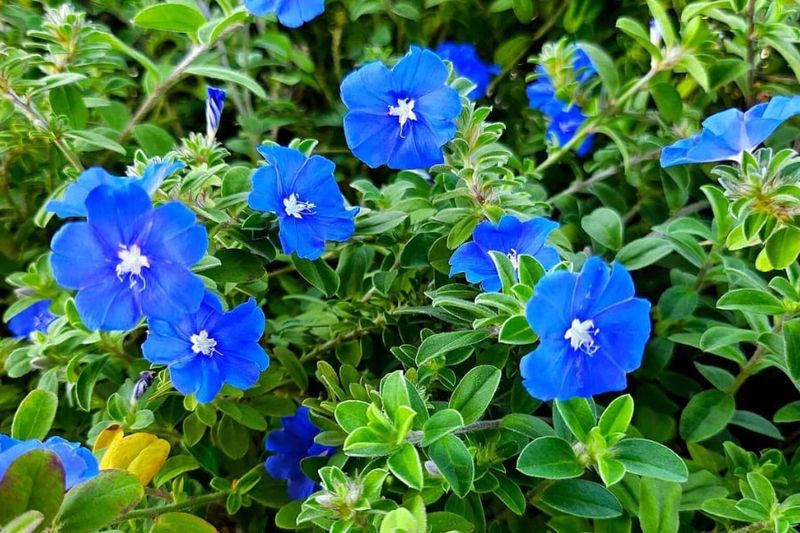
Sky-blue flowers are not exactly common in Florida landscapes, which is part of what makes Blue Daze so eye-catching.
This low-growing, trailing plant produces small funnel-shaped blooms in a soft, clear blue that opens each morning and closes in the afternoon heat.
Even on days when the flowers are closed, the silvery-green foliage keeps the plant looking attractive and intentional.
Blue Daze works beautifully as a border plant, a groundcover in sunny beds, or a trailing element spilling over a low garden wall or container edge.
It stays low, usually under twelve inches tall, and spreads outward in a relaxed, natural way that never looks messy or overgrown.
The trailing stems fill in around other plants without competing aggressively.
It thrives in full sun and well-drained soil, making it a good match for Florida’s sandy conditions. While it is not a true Florida native, it is widely recommended by UF/IFAS as a Florida-friendly plant that handles heat and drought well.
Watering needs drop significantly once the plant is established, and fertilizing is rarely necessary to keep it blooming.
For homeowners who want a front yard that looks carefully tended without the constant work, Blue Daze delivers reliable color with almost no strings attached.
8. Fakahatchee Grass Brings Height Without The Work
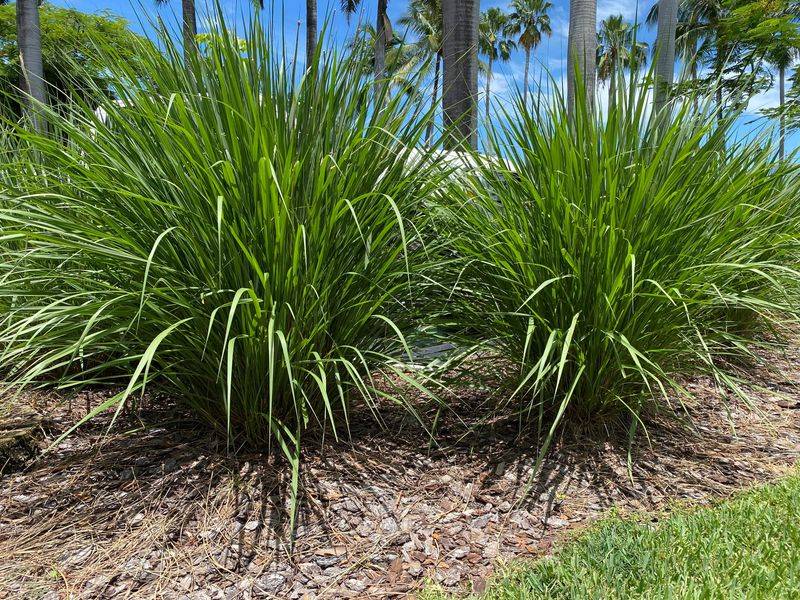
When a front yard needs vertical interest but the homeowner has no interest in high-maintenance plants, Fakahatchee Grass is the answer.
Native to Florida, this ornamental grass grows in graceful, arching clumps that can reach three to four feet tall and equally wide.
The long, slender blades curve outward in a fountain-like shape that adds genuine elegance to a landscape without any shaping or staking required.
Unlike many ornamental grasses, Fakahatchee Grass handles shade quite well, making it one of the few grass options that works under trees or along the north side of a house where sunlight is limited.
It also tolerates moist soil conditions, which suits low-lying areas of Florida yards that collect water after rain.
The plant stays green year-round in most of the state, giving the yard consistent texture through every season.
UF/IFAS recognizes Fakahatchee Grass as a reliable native choice for Florida landscapes, valued for its adaptability and low upkeep. It rarely needs pruning, though cutting it back in late winter can refresh the clump going into spring.
Plant it as a backdrop for shorter plants, as a standalone accent near an entry, or in groups along a fence line. The result always looks considered and intentional, even without regular attention.
9. Walter’s Viburnum Forms A Clean Natural Hedge
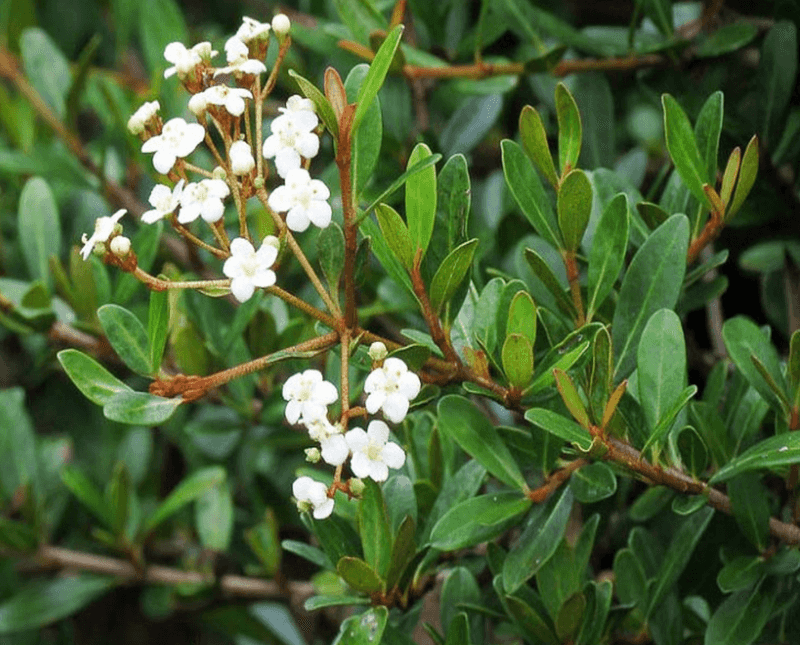
A well-defined property edge can make a front yard look instantly more polished, and Walter’s Viburnum is one of the best native shrubs for creating that effect without constant maintenance.
This Florida native grows into a dense, upright shrub reaching six to twelve feet tall, with small white flower clusters in winter and spring followed by dark berries that birds absolutely love.
The layered branching creates a naturally full, hedge-like appearance that looks trimmed even when it has not been touched in weeks.
Walter’s Viburnum adapts to a wide range of light conditions, from full sun to partial shade, and handles both moist and moderately dry soils.
That flexibility makes it useful across different parts of a front yard, whether along a sunny street edge or tucked under a large oak.
It is also quite tolerant of Florida’s heat and humidity, which means it rarely shows stress during the summer months.
According to UF/IFAS, Walter’s Viburnum is one of the most versatile native shrubs for Florida landscapes. It can be lightly shaped once or twice a year to maintain a more formal appearance, but it also holds a respectable form on its own.
For homeowners who want a natural privacy screen or a defined front border that looks planned and intentional, this shrub earns its spot.
10. Gaillardia Adds Color Without Demanding Attention
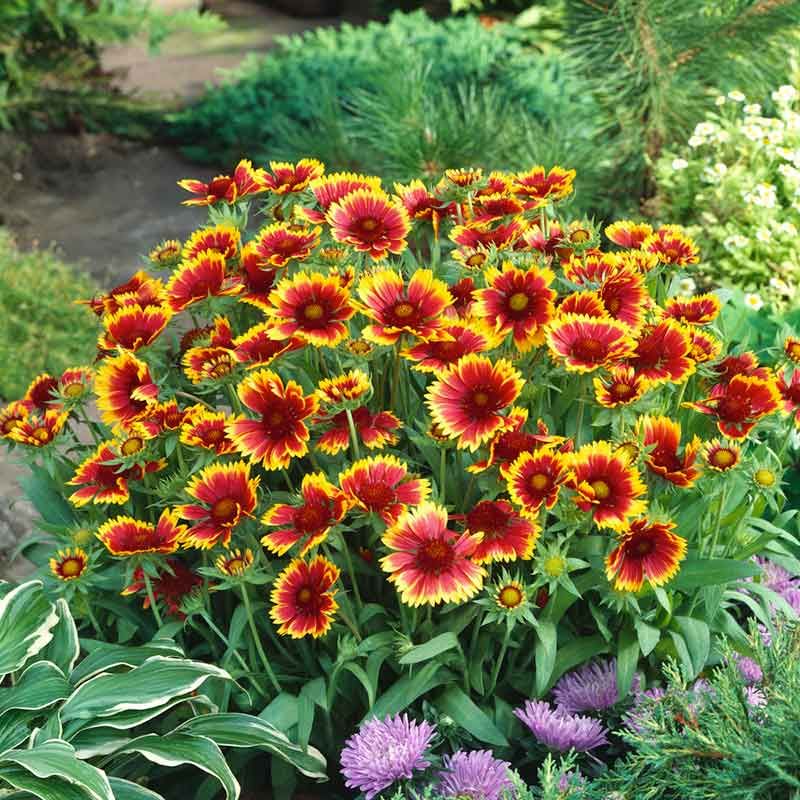
Bold, warm-toned flowers that bloom for months without much help from the gardener sound like a fantasy, but Gaillardia makes it reality.
Commonly called blanket flower, this native wildflower produces vivid red and yellow daisy-like blooms on slender stems that sway gently in the breeze.
The flowers show up reliably from spring through fall, and in South Florida, blooming can stretch even longer into the year.
Gaillardia thrives in full sun and sandy, well-drained soil, conditions that match much of Florida’s landscape perfectly. It is notably drought-tolerant, handling dry spells without wilting or dropping flowers.
The plant stays fairly compact, usually reaching one to two feet tall, which makes it easy to tuck into front yard beds without worrying about it taking over.
Deadheading spent flowers can extend the bloom season, but it is entirely optional. The plant will continue producing new flowers even if you leave the old ones in place.
UF/IFAS lists Gaillardia as a high-value plant for pollinators, with butterflies and native bees visiting the blooms regularly. Over time, established plants can self-seed lightly, gradually filling in nearby bare spots.
For a front yard that stays colorful and lively through most of the year with almost no intervention, Gaillardia is a genuinely reliable choice.
11. Coreopsis Keeps The Yard Looking Lively On Its Own
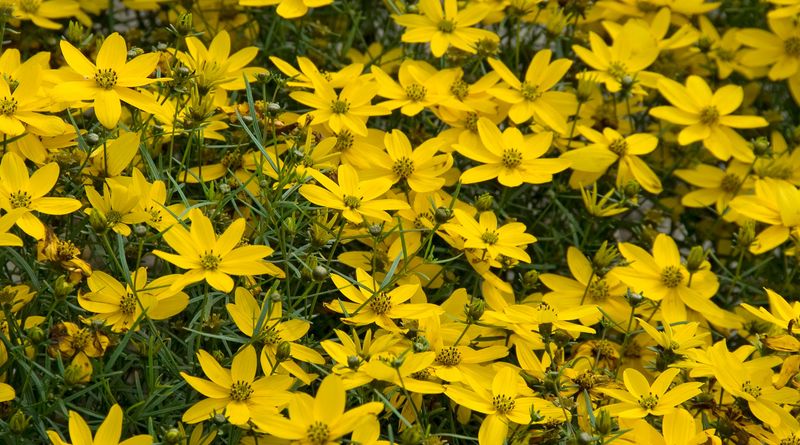
Florida actually named Coreopsis its official state wildflower, and once you see a patch of it in full bloom, it is easy to understand why.
The bright golden-yellow flowers cover the plant in waves from late winter through summer, creating a cheerful, sun-washed look that makes a front yard feel warm and welcoming.
The fine-textured foliage stays tidy between bloom cycles, keeping the plant looking neat even when flowers are not present.
Coreopsis is a true Florida native, adapted to the state’s sandy soils, intense sun, and dry stretches. Once established, it needs very little supplemental watering and handles drought with ease.
It typically grows one to two feet tall, making it a natural fit for the front of a garden bed or along a walkway where low, colorful plants work best.
One of its most appealing qualities is its ability to self-seed over time, gradually spreading to fill nearby open areas with new plants. That means the yard can actually improve and fill in on its own season after season.
UF/IFAS highlights several Coreopsis species as excellent native choices for Florida landscapes. Birds eat the seeds, butterflies visit the flowers, and the whole plant just keeps growing and blooming with minimal input from the homeowner.
12. Twinflower Fills Gaps With A Soft Native Look
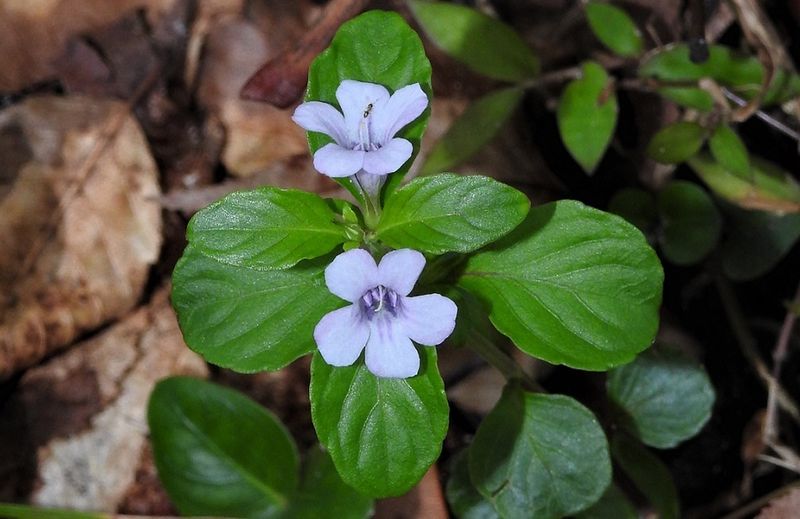
Bare patches of soil under trees or in shaded corners of a front yard can be surprisingly hard to fill. Twinflower, known botanically as Dyschoriste oblongifolia, handles that job quietly and beautifully.
This low-growing Florida native spreads as a soft mat across the ground, reaching only four to eight inches tall while producing small purple-blue tubular flowers that bloom from spring through fall.
The overall effect is gentle and natural, like something that has been growing there for years.
Shade tolerance is one of Twinflower’s strongest qualities. It grows well under the canopy of large oaks or palms where sunlight is filtered and inconsistent.
It also handles moderate drought once established, though it appreciates occasional moisture in very dry stretches. The spreading habit fills gaps cleanly without the aggressive takeover behavior of some groundcovers.
UF/IFAS recommends Twinflower as a native groundcover option for Florida landscapes, particularly in areas where turf grass struggles to grow.
Skipper butterflies and other small pollinators use the flowers as a nectar source, adding ecological value to what might otherwise be a difficult, underused corner of the yard.
Because the plant stays low, spreads evenly, and blooms without any prompting, it gives shaded front yard areas a finished, intentional appearance that requires almost no ongoing care to maintain.