7 Common Mulching Mistakes Arizona Gardeners Make That Trap Heat Around Roots
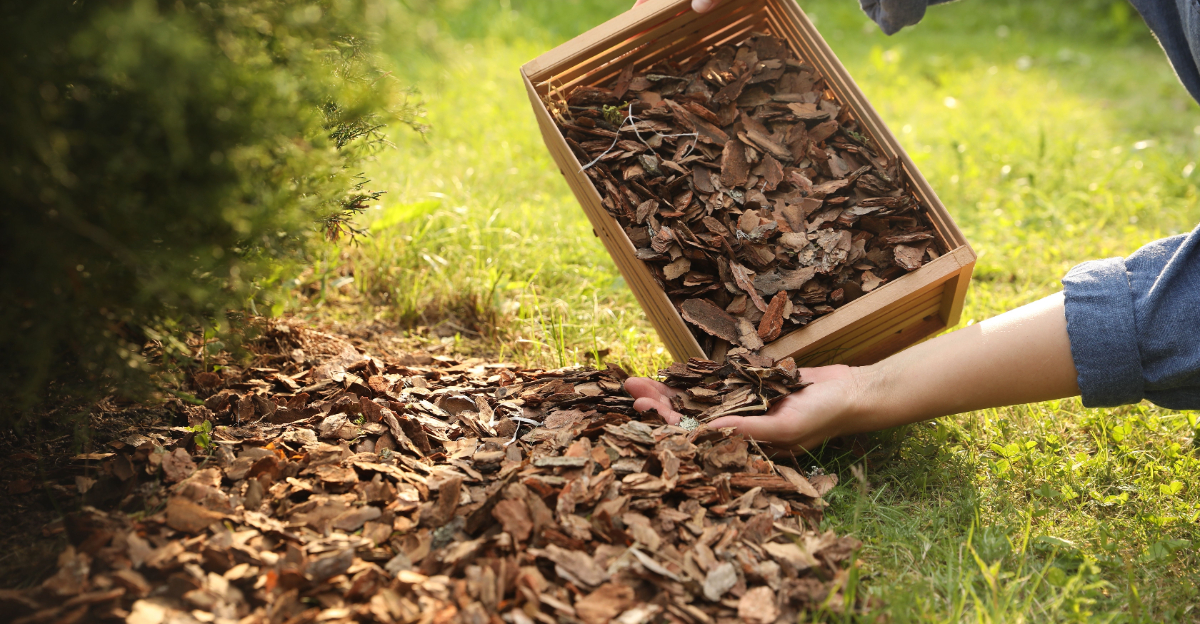
Mulch should help soil stay cooler and hold moisture, yet in Arizona it can sometimes do the opposite without much warning. Many yards rely on it to protect roots, but small missteps can turn it into a heat trap instead of a buffer.
Surface temperature rises fast under strong sun, and the wrong setup can push that heat straight toward the root zone.
Plants may start to look stressed even when watering seems right, which makes the problem harder to spot at first.
Knowing where mulch goes wrong can make a clear difference in how plants handle those intense conditions.
1. Using Gravel Instead Of Organic Mulch Around Roots
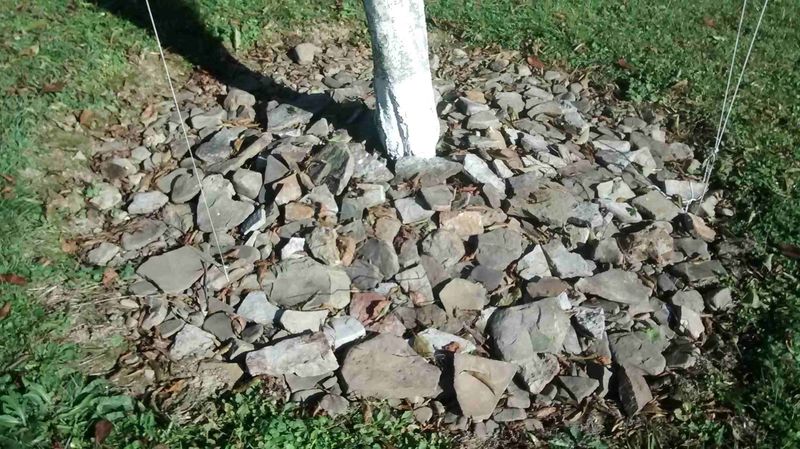
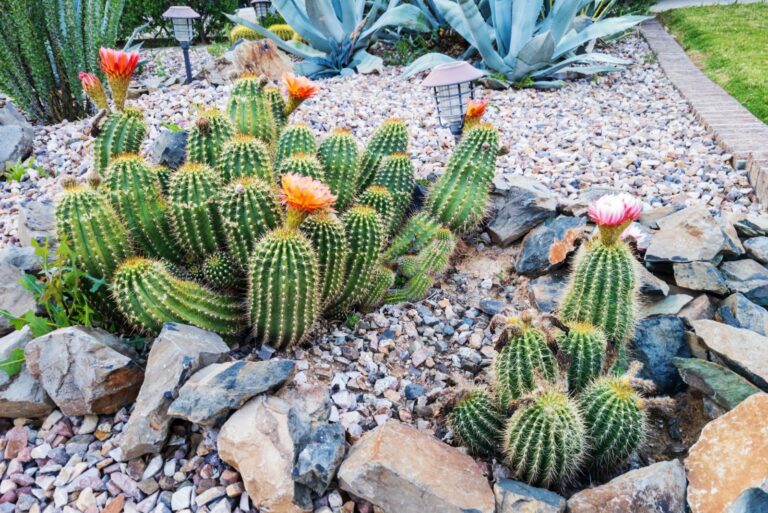
Gravel looks tidy, and a lot of Arizona homeowners reach for it first because it fits the desert aesthetic. But here’s the problem: gravel does almost nothing to protect roots from heat.
In fact, it can make things significantly worse during Arizona’s brutal summer months.
Organic mulch like wood chips or shredded bark actually insulates the soil beneath it. Gravel, on the other hand, absorbs heat from the sun all day long and then radiates that stored heat downward into the soil around your plant roots.
Soil temperatures under a layer of gravel can climb much higher than uncovered soil, especially on a 110-degree Phoenix afternoon.
Organic materials break down over time and add nutrients back into the soil. Gravel never does that.
Plants surrounded by gravel still need the same water and nutrient support, but the soil conditions become harder to manage. You end up watering more frequently while the roots still struggle with heat stress.
Switching to a 3-inch layer of shredded wood mulch or bark around your plants can noticeably lower soil temperatures compared to gravel. It also holds moisture longer, which means less frequent watering during Arizona’s dry spells.
Gravel has its place in decorative areas or pathways, but keeping it away from the root zones of trees, shrubs, and garden beds is a smart move. Your plants will respond better to organic mulch, especially during the peak heat season from May through September.
2. Piling Mulch Too Close To The Trunk
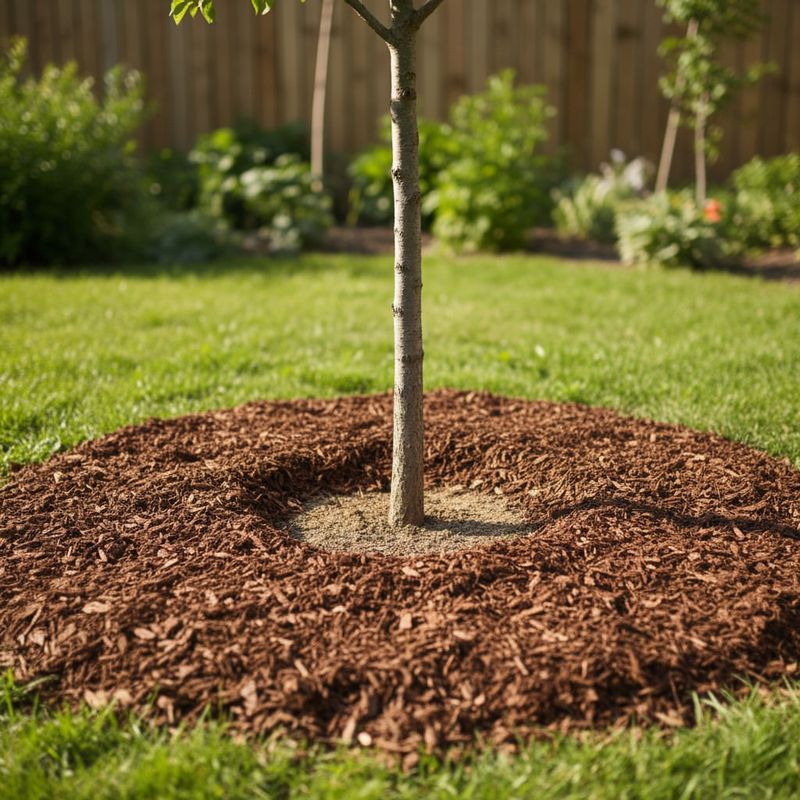
Piling mulch right up against a tree trunk or plant stem is one of the most common mistakes seen in Arizona yards. It looks intentional, like you’re really protecting the plant, but it actually creates a serious problem right at the base where the plant is most vulnerable.
When mulch stays pressed against bark for extended periods, it traps heat and moisture in a tight space. In Arizona’s summer, that combination encourages fungal growth and can soften the bark over time, weakening the plant’s structure from the ground up.
The trunk needs airflow to stay healthy, and packed mulch blocks that completely.
Roots also tend to grow upward toward the surface when mulch is piled too high against the base. These surface roots are far more exposed to Arizona’s intense heat and can dry out quickly.
That kind of root stress doesn’t show up overnight, but over a season or two, the effects become visible in the plant’s overall health and appearance.
Your Arizona Garden Changes Every Week. Your Plan Should Too.
Gardening in Arizona changes quickly throughout the season. Every Friday you’ll receive a simple weekly plan showing exactly what to plant, prune, fertilize, harvest, and protect so you never miss the right timing.
Keep mulch pulled back at least two to three inches from any trunk or stem. Spread it outward in a wide, flat ring instead of building it up into a mound.
A donut shape works well. The outer edge of the mulch ring should ideally extend to the drip line of the plant, which is roughly where the canopy ends.
Getting this spacing right costs you nothing extra but makes a real difference in how well your plants handle Arizona heat through the summer.
3. Applying Mulch Too Thin To Protect Soil
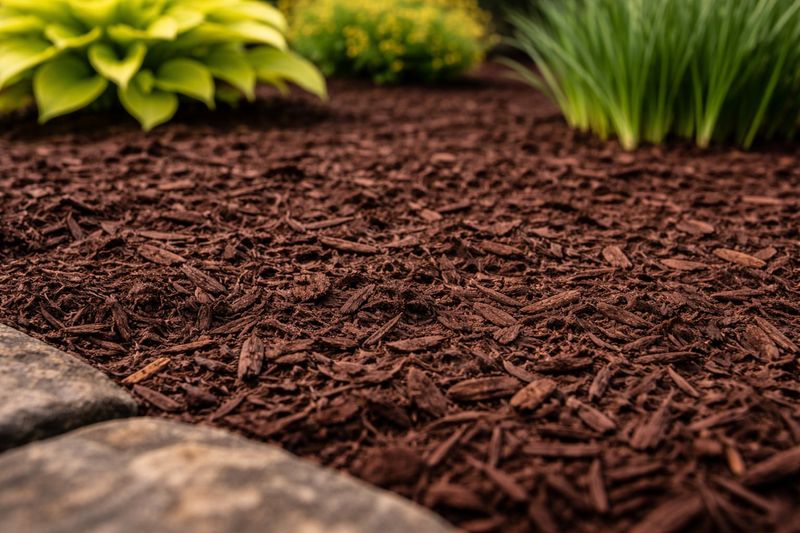
A thin sprinkle of mulch might look like you’ve done the job, but in Arizona, it barely makes a dent. When the layer is too shallow, the sun burns right through it and heats the soil underneath almost as fast as if there were no mulch at all.
Roots end up with very little protection during the hottest parts of the day.
Most gardening guidance points to a minimum of two inches of mulch, with three inches being a solid target for Arizona conditions. Below that, moisture evaporates quickly, soil temperatures spike, and the mulch layer itself can dry out and blow away in the wind.
Arizona gets some serious gusts, especially in spring, and thin mulch won’t stay put.
There’s also the weed factor. A thin layer doesn’t block enough light to slow weed germination effectively.
Weeds compete with your plants for water, and in a state where water is already a limited resource, that competition adds up. A proper mulch depth handles both heat and weed suppression at the same time.
When applying mulch, take a moment to actually measure the depth with your finger or a small ruler. It’s easy to underestimate how thin the layer is, especially after it settles.
Top off existing mulch at the start of the hot season each year, typically in late April or early May in most Arizona regions. Fresh mulch going into summer gives roots a real buffer against the months ahead, and that buffer is worth the extra bags of material.
4. Using Rock That Reflects And Radiates Heat
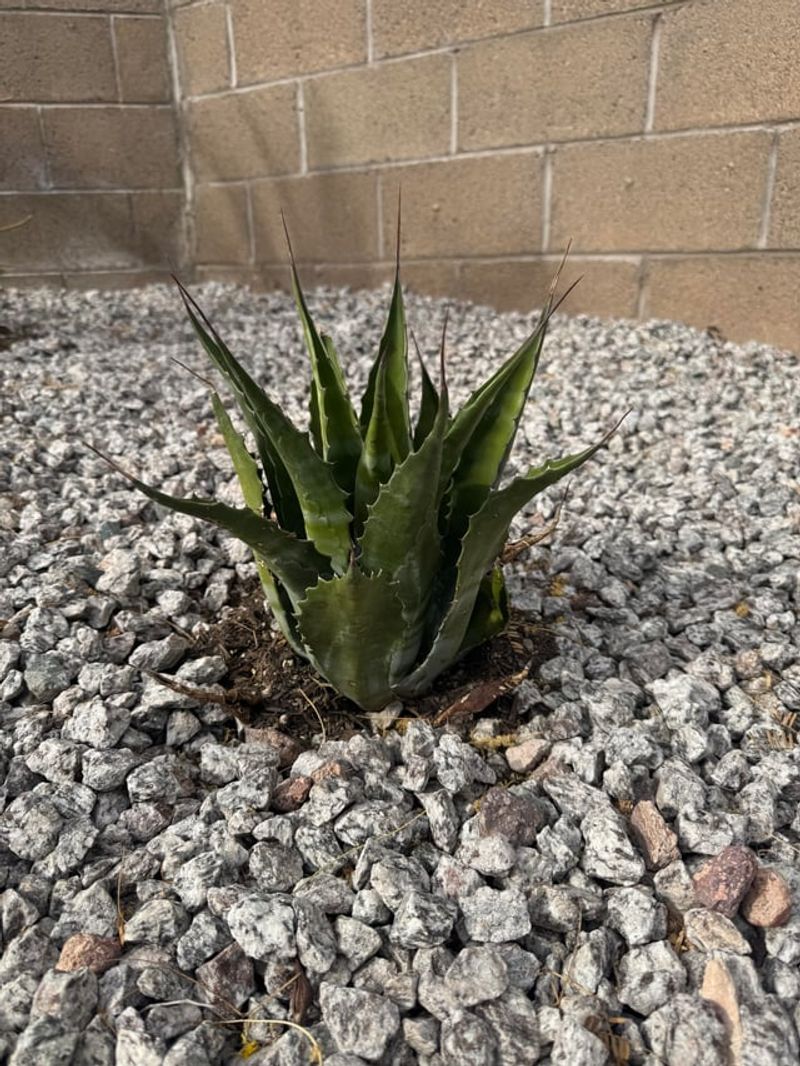
White or light-colored decorative rock might seem like a smart choice in the desert, but it creates a heat problem that catches a lot of Arizona gardeners off guard. Light-colored surfaces reflect sunlight rather than absorbing it, which sounds helpful at first.
The issue is that reflected heat bounces upward and sideways, hitting plant stems and leaves from angles they aren’t designed to handle.
Dark rocks absorb heat and hold it, radiating it back into the soil overnight when temperatures finally drop. Either way, rock-based ground cover around plant roots keeps the thermal environment far more extreme than organic mulch ever would.
Arizona’s summer sun is relentless from June through August, and that temperature gap matters a lot to root health. Roots absorbing and releasing water work best within a specific temperature range.
Push soil temps too high and root function slows down, which means even a well-watered plant can show signs of stress because the roots just aren’t working efficiently enough to keep up.
Replacing rock around sensitive plants with wood chip mulch is a straightforward fix. Keep the rock for pathways, decorative borders, or areas without plant root zones underneath.
If removing all the rock isn’t realistic, adding a layer of organic mulch on top of existing rock in planting beds can help create a buffer. It won’t be perfect, but it reduces the direct heat impact on the soil below.
5. Skipping Mulch In Full Sun Areas
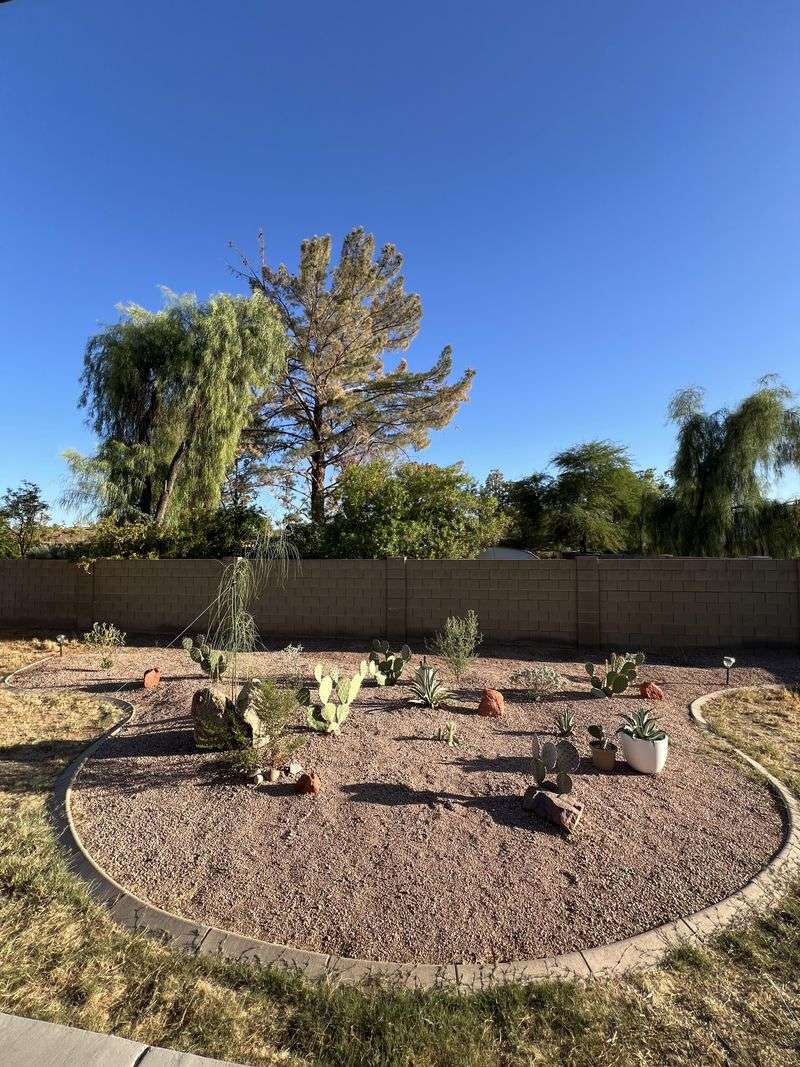
Bare soil in a full-sun Arizona garden bakes fast. Without any mulch cover, the top layer of soil can reach temperatures that would surprise most people, sometimes exceeding 140 degrees Fahrenheit on a midsummer afternoon in Phoenix or Tucson.
At that level, beneficial soil organisms struggle, moisture evaporates almost immediately after watering, and roots near the surface take the full brunt of that heat.
Skipping mulch in full sun areas is often a matter of habit or not realizing how much it actually helps. Some gardeners assume desert plants don’t need it, but even native and drought-adapted plants benefit from cooler soil temperatures around their roots.
A mulch layer in a full-sun bed can lower soil surface temperatures by 20 to 40 degrees compared to bare ground, depending on the material and depth used.
Full sun spots also lose moisture faster than shaded areas. Watering without mulch in these zones means a large portion of that water evaporates before it even reaches the root zone.
Mulch slows that evaporation significantly, making each watering session more effective and reducing how often you need to water throughout the season.
Prioritize mulching the full-sun beds first if you’re working through your Arizona garden in stages. Shaded areas have some natural protection, but exposed beds facing south or west with no overhead cover are where heat damage to roots is most likely to happen.
A 3-inch layer of wood chip mulch in those spots going into summer is one of the more impactful changes you can make to your overall garden health.
6. Letting Mulch Depth Deplete Over Time
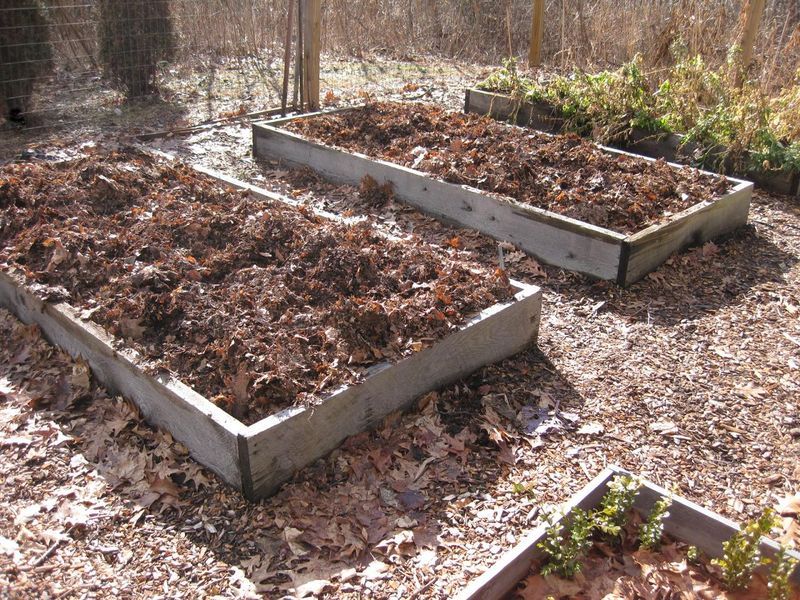
Mulch breaks down. That’s actually one of the things that makes organic mulch so valuable, since the decomposition adds organic matter to the soil.
But once the layer gets too thin, it stops doing its job of insulating roots from heat. A lot of Arizona gardeners put down fresh mulch once and forget about it for a season or two, not realizing how much the depth has dropped.
In Arizona’s dry, hot climate, mulch can break down and compact faster than in cooler or wetter regions. Wind erosion also plays a role, especially during the dry spring months before the monsoon season.
What started as a solid 3-inch layer in spring might be down to an inch or less by late summer, right when heat protection matters most.
Getting into the habit of checking mulch depth at least twice a year makes a real difference. A quick check in late April before the heat peaks and again in early fall gives you a clear picture of where your coverage has thinned out.
Topping off depleted areas doesn’t take long and the material cost is manageable when you’re only refreshing rather than starting from scratch.
Some Arizona gardeners find it helpful to mark a small stake at the edge of a bed to track depth visually over the season. It sounds overly simple, but it works.
Consistent mulch coverage through the summer months keeps root zone temperatures more stable, and stable soil temperatures reduce the overall stress load on your plants during Arizona’s most demanding months of the year.
7. Overwatering Mulched Soil That Stays Too Wet
Mulch does a great job holding moisture in the soil, and in Arizona that’s usually a welcome benefit. But there’s a flip side that catches some gardeners off guard: once mulch is in place, the soil beneath it stays wet much longer than exposed soil would.
If your watering schedule doesn’t adjust for that, the roots end up sitting in soggy conditions that create their own set of problems.
Roots need both water and oxygen. Waterlogged soil pushes oxygen out of the pore spaces in the soil, leaving roots in an environment where they can’t function properly.
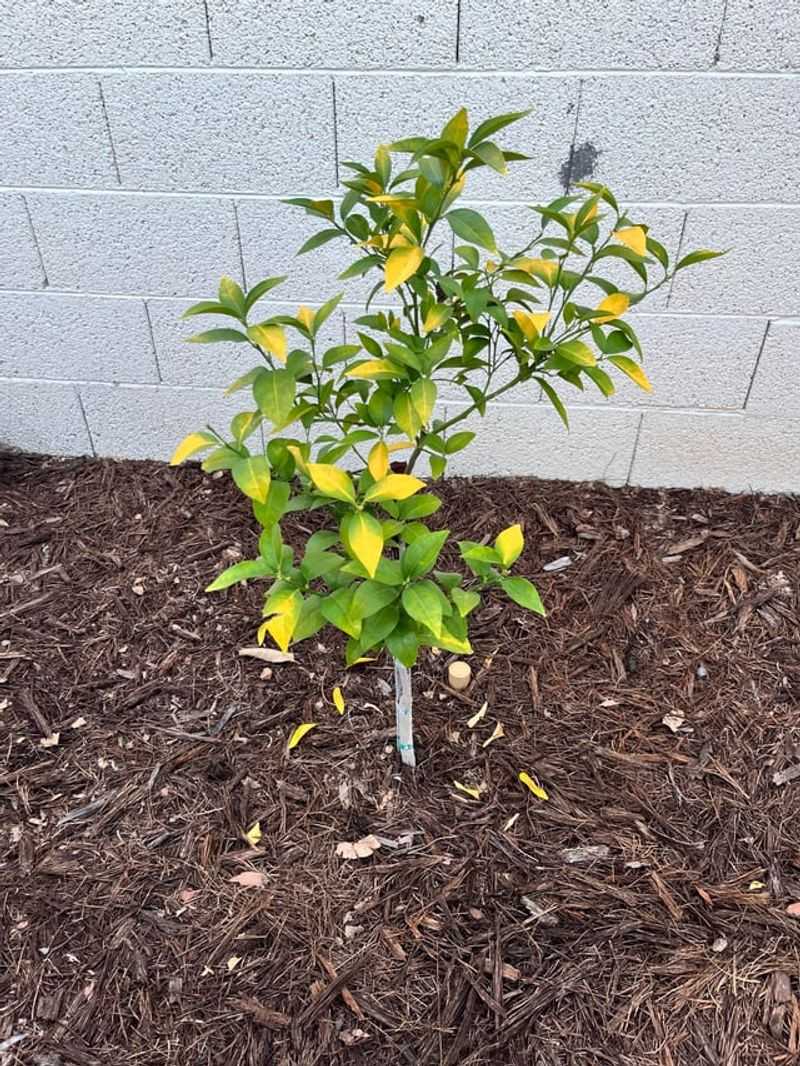
Over time, consistently wet soil around roots weakens the plant and can lead to root rot, which shows up as yellowing leaves, drooping stems, or stunted growth, all symptoms that can be mistaken for drought stress and accidentally made worse by more watering.
After putting down fresh mulch, pull back a small section every few days and check the actual soil moisture level with your finger before watering again.
The soil surface under mulch can feel bone dry to the touch on top while staying quite moist just an inch or two below.
Relying on surface appearance alone leads to overwatering more often than most people expect.
Adjusting your drip irrigation timer or hand-watering frequency after mulching is a straightforward step that a lot of Arizona gardeners overlook. Seasonal changes matter too.
During Arizona’s monsoon season from July through September, natural rainfall adds significant moisture, and mulched beds may need little to no supplemental watering during heavy rain periods.
Staying attentive to actual soil conditions rather than sticking to a fixed schedule keeps roots in much better shape year-round.