These Pennsylvania Weeds Look Exactly Like Garden Plants Until It’s Too Late
Some weeds are easy to spot. They pop up looking scraggly, out of place, and obviously unwelcome.
The trickier ones are the plants that blend right in. In Pennsylvania gardens, certain weeds can look so much like the plants you actually want that they get a free pass for far too long.
By the time people realize something is off, that innocent little sprout has already spread, crowded out nearby flowers, or stolen water and nutrients from the plants that were supposed to be there.
That is what makes these lookalike weeds so frustrating. They are not always ugly, and they do not always scream trouble right away.
Some mimic popular ornamentals, some resemble herbs or vegetable starts, and some even seem charming when they first show up. That confusion gives them time to settle in and become much harder to remove.
For Pennsylvania gardeners, catching the difference early can save a lot of hassle later. A plant that seems harmless in spring can turn into a fast-moving nuisance once the season gets going.
Knowing which impostors to watch for can protect your garden before they take over.
1. Garlic Mustard (Alliaria Petiolata)
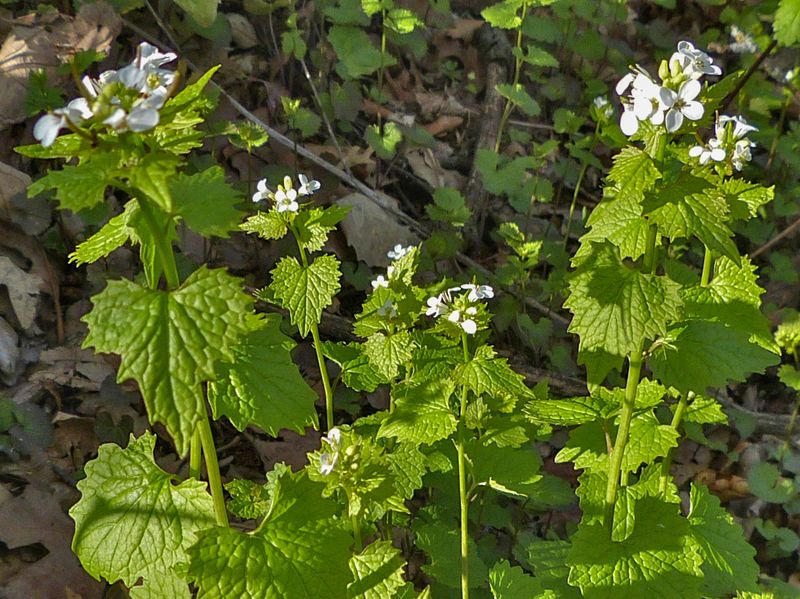
Walk through almost any shaded yard or woodland edge in Pennsylvania, and you might spot what looks like a harmless leafy green poking up from the soil. That could be garlic mustard, one of the sneakiest weeds in the state.
When it is young, it looks a lot like edible herbs or baby salad greens, with soft, rounded leaves and a fresh green color that seems totally innocent.
Garlic mustard fools gardeners because its early leaves are smooth, tender, and rounded, looking almost like something you would grow on purpose. It even has a mild garlic smell when the leaves are crushed, which makes people think it might actually be useful.
Some folks let it grow, thinking it is a wildflower or an herb they forgot they planted. The problem is that garlic mustard spreads fast and wide. A single plant can produce hundreds of seeds, and those seeds stay active in the soil for years.
In shaded areas across Pennsylvania, it pushes out native wildflowers and ground-level plants by releasing chemicals that stop other plants from growing nearby.
Catching it early is the best move. Pull plants out before they flower, which usually happens in late spring.
Make sure to get the whole root so it does not grow back. Bag the pulled plants and toss them in the trash instead of composting, since the seeds can still spread.
Staying on top of this one early makes a huge difference in keeping your Pennsylvania garden healthy.
2. Japanese Knotweed (Fallopia Japonica)
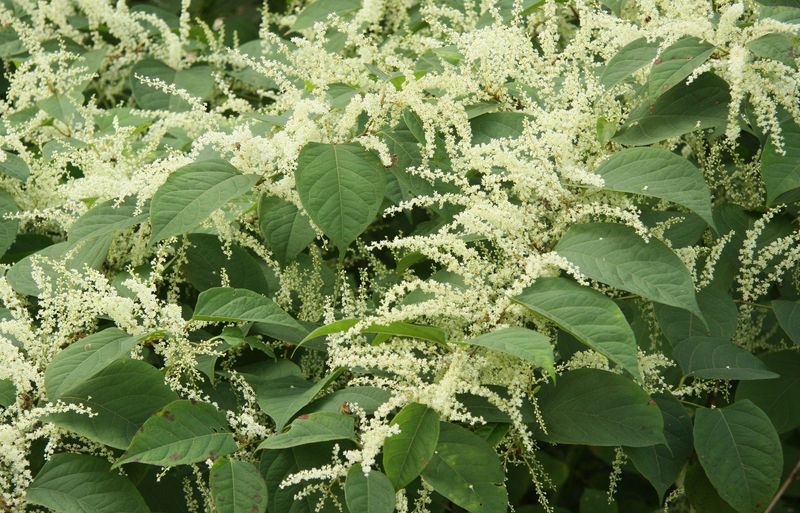
Picture a plant that looks bold, lush, and almost tropical, with thick hollow stems and giant leaves that make your yard look like a jungle. That is Japanese knotweed, and it is one of the most aggressive weeds Pennsylvania gardeners deal with.
At first glance, it can honestly look like a cool ornamental plant or even a type of bamboo that someone planted on purpose.
Your Pennsylvania Garden Changes Every Week. Your Plan Should Too.
Gardening in Pennsylvania changes quickly throughout the season. Every Friday you’ll receive a simple weekly plan showing exactly what to plant, prune, fertilize, harvest, and protect so you never miss the right timing.
The stems are thick, jointed, and greenish-red, kind of like bamboo, which is why so many people leave it alone at first. The leaves are large and heart-shaped, giving it a full, dramatic look that seems like it belongs in a fancy landscape design.
In early summer, it even produces clusters of tiny white flowers that add to its attractive appearance.
Underneath all that beauty, though, Japanese knotweed is causing serious damage. Its root system, called rhizomes, can grow incredibly deep and wide, pushing through concrete, foundations, and drainage systems.
Once it establishes itself in a Pennsylvania yard, removing it completely can take years of consistent effort.
The best approach is to act the moment you spot it. Small plants can be dug out, but you must remove as much of the root as possible.
Larger infestations often need repeated cutting throughout the growing season to weaken the plant over time.
Never compost knotweed cuttings, as even small root pieces can sprout new plants. Staying persistent is the only way to win this battle in Pennsylvania gardens.
3. Mile-A-Minute Vine (Persicaria Perfoliata)
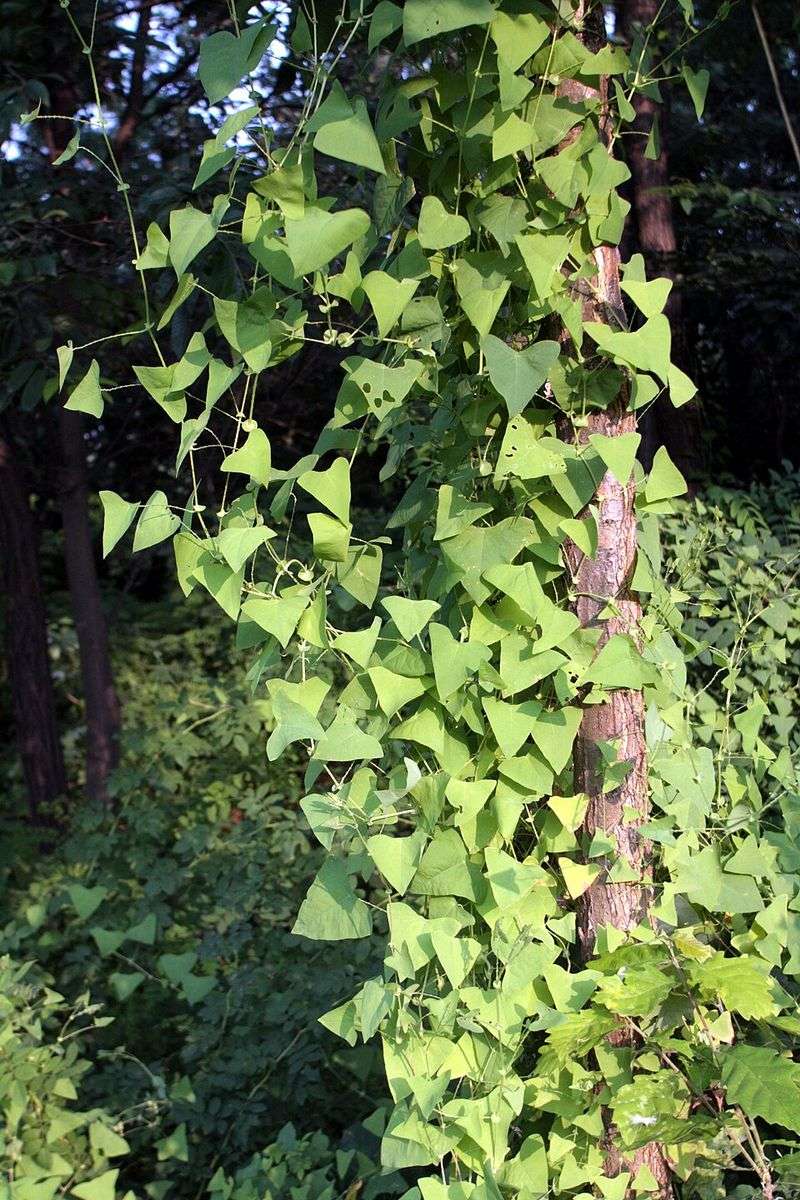
Here is a fun name for a not-so-fun plant. Mile-a-minute vine got its name because it genuinely seems to grow at an unbelievable speed.
In Pennsylvania, this vine has become a real problem in gardens, roadsides, and open areas. When it first shows up, the delicate, triangular leaves and thin vines can actually look kind of charming, almost like a decorative climber you might buy at a nursery.
Gardeners sometimes notice this vine creeping along a fence or trellis and think it looks like a sweet little groundcover or a climbing plant they can train.
The leaves are light green and shaped like arrowheads, and the stems are thin enough that the whole plant looks fragile and harmless. It is easy to assume it is just a young vine that will stay manageable.
But mile-a-minute vine can grow up to six inches in a single day under the right conditions. It uses tiny backward-facing barbs on its stems to latch onto anything nearby, including other plants, shrubs, and small trees.
As it climbs and spreads, it blocks sunlight from reaching the plants underneath, which causes them to weaken over time.
In Pennsylvania, this vine spreads mainly by birds eating its blue berries and dropping the seeds. Catching it early is critical.
Pull young plants by hand, wearing gloves to protect yourself from the barbs. Check your garden regularly through summer, since this vine can go from a small sprout to a full-on takeover in just a few weeks if left unchecked.
4. Tree-Of-Heaven (Ailanthus Altissima)
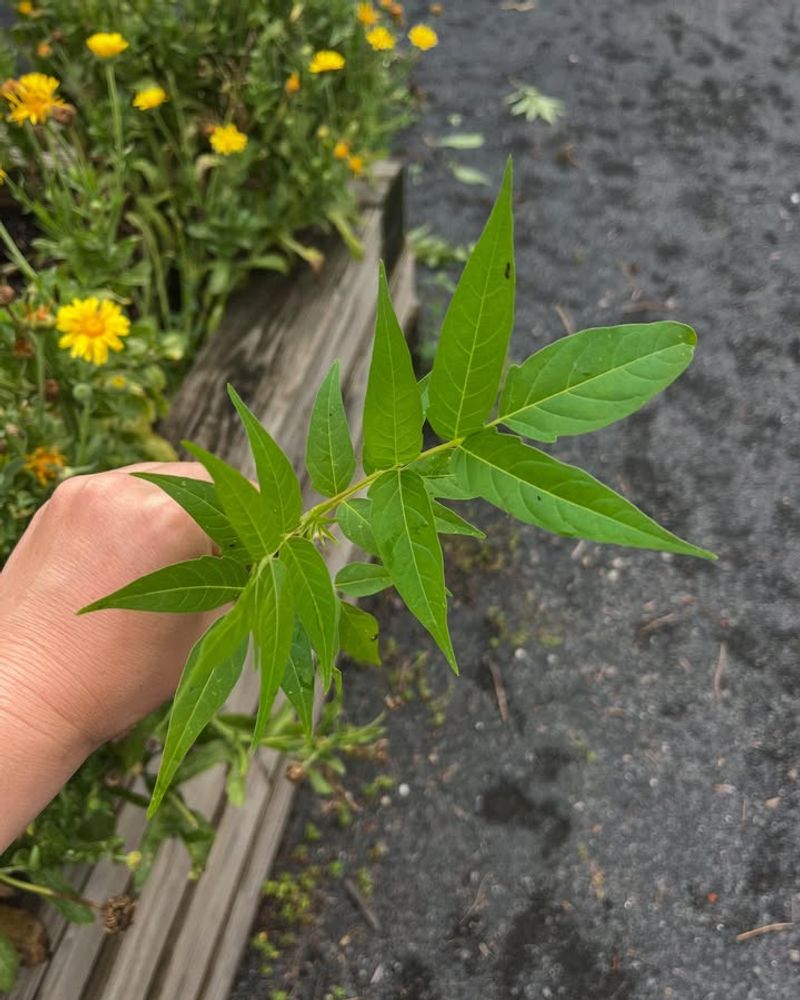
Spotted a fast-growing little tree popping up in your garden bed or along your fence line in Pennsylvania? Before you let it stay, take a closer look.
Tree-of-heaven, also called Ailanthus, is one of the most widespread invasive trees in the state, and it is very good at pretending to be something worth keeping.
Young trees have smooth, compound leaves that look a lot like sumac or even a young black walnut, making them easy to mistake for a native ornamental.
The leaves are long and feathery, with multiple leaflets arranged neatly along a central stem. The overall look is clean and attractive, which is why many gardeners leave these young trees alone, figuring they will grow into something nice.
Tree-of-heaven also grows incredibly fast, which can seem like a bonus when you want quick shade or a privacy screen.
The reality is far less pleasant. Tree-of-heaven releases chemicals into the soil that prevent other plants from growing nearby, a process called allelopathy.
It spreads both by seeds, which it produces in enormous quantities, and through root sprouts that can pop up several feet away from the parent plant. The roots can also damage sidewalks, foundations, and underground pipes over time.
One easy way to identify it is the smell. Crush a leaf and it gives off a strong, unpleasant odor that many people compare to peanut butter gone bad.
In Pennsylvania, removing young saplings by hand works well, but you need to get the full root to prevent regrowth. Check your yard regularly through spring and summer for new sprouts.
5. Ground Ivy (Glechoma Hederacea)
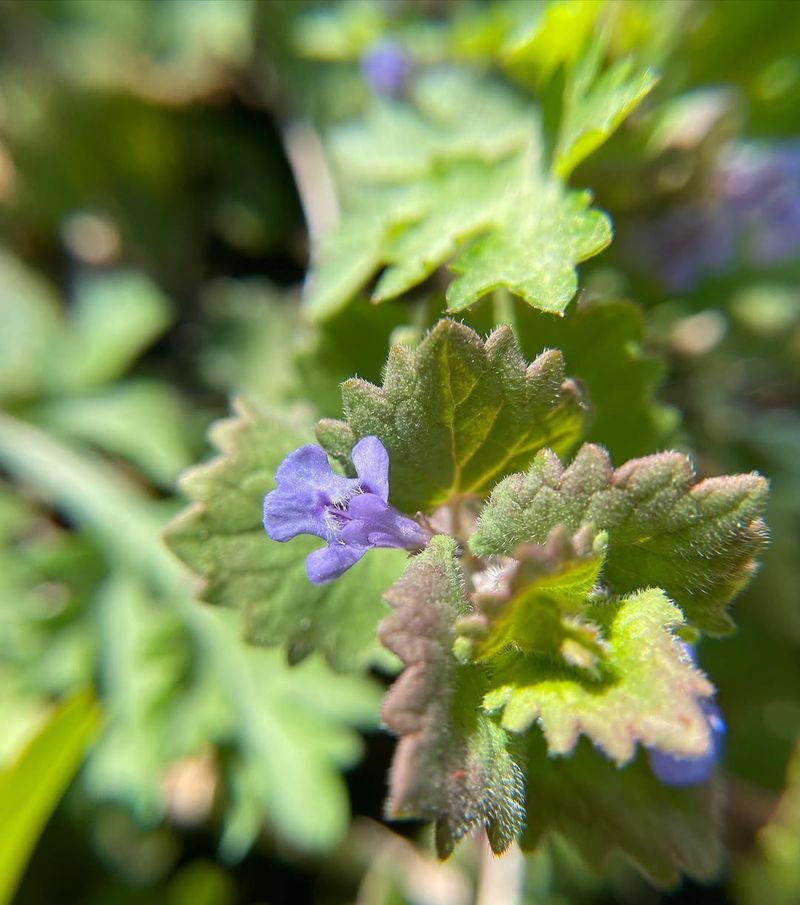
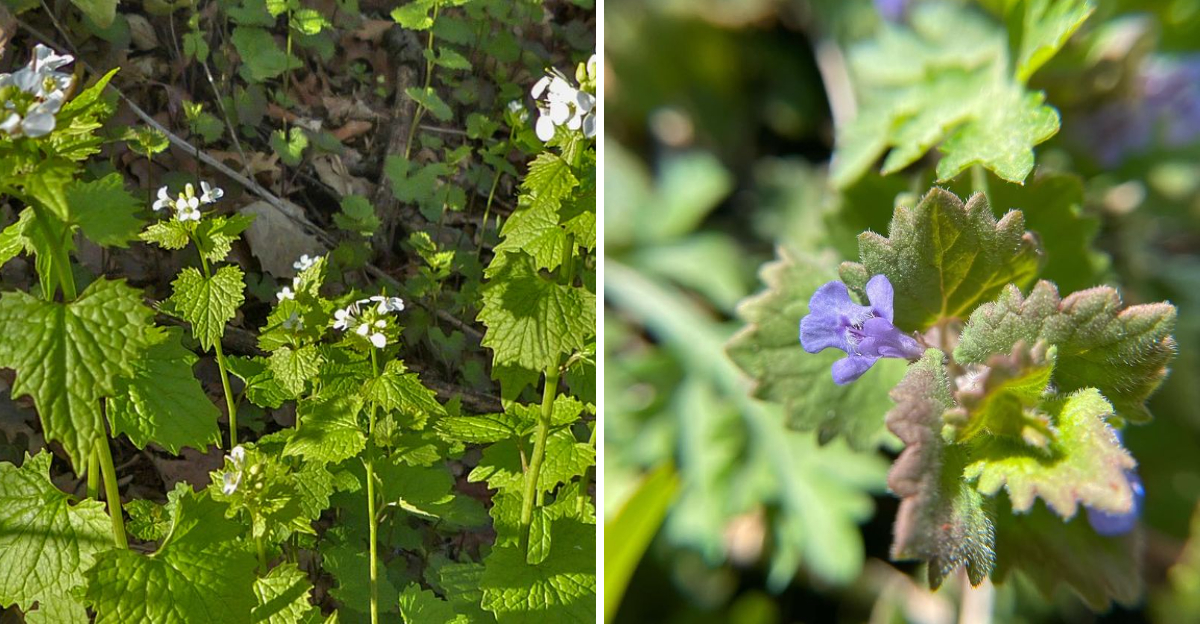
At first, ground ivy almost seems like a gift. It spreads quickly, stays low to the ground, has cute little rounded leaves with scalloped edges, and even produces small purple flowers in spring.
For anyone who has struggled to grow something in a shady, bare patch of yard, this plant can look like the perfect natural solution. Pennsylvania gardeners often let it spread for a season before realizing they have a serious problem on their hands.
Also called creeping Charlie, ground ivy is a perennial plant that belongs to the mint family. That family connection explains a lot about its behavior.
It spreads through long trailing stems that root wherever they touch the soil, forming dense, thick mats that crowd out grass and other low-growing plants. Those purple flowers in spring add to its appeal, making it look almost intentional.
The real issue is how hard it is to remove once it gets established. Ground ivy roots at multiple points along each stem, so pulling one piece often leaves behind dozens of rooted sections that keep growing.
It thrives in shaded, moist areas, which describes a lot of Pennsylvania backyards, especially under trees or near garden borders.
Getting ahead of ground ivy means acting before it flowers and sets seed. Hand-pulling works for small patches, but you need to be thorough and patient.
Improving drainage and increasing sunlight in affected areas can help slow its spread. Checking your lawn edges and garden beds every few weeks through spring makes it much easier to catch before it takes over completely.
6. Bishop’s Weed (Aegopodium Podagraria)
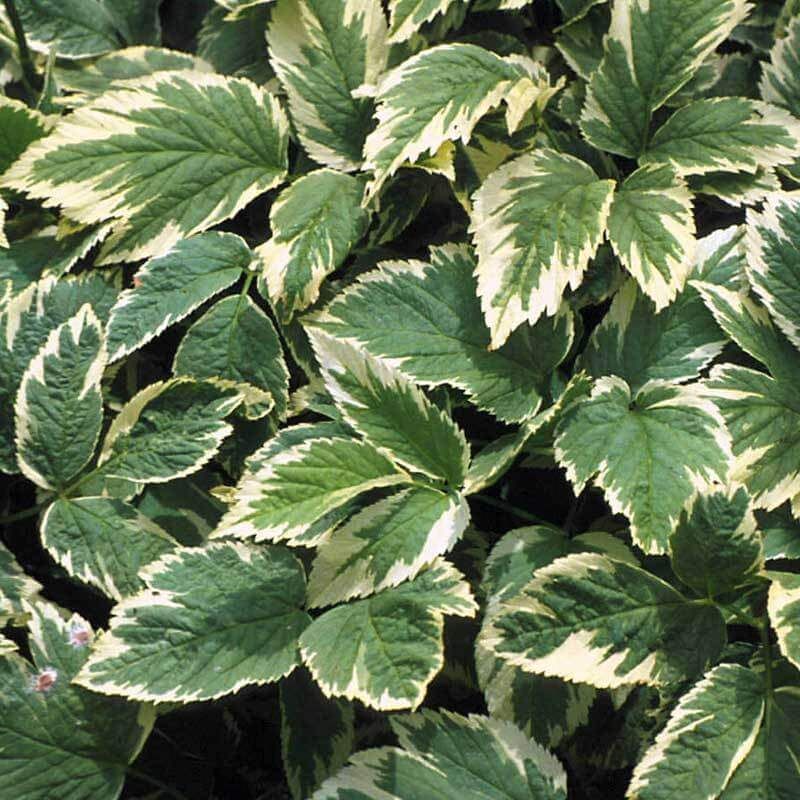
Not many weeds can claim they were actually sold in garden centers, but bishop’s weed has that distinction.
Also known as goutweed, this plant was once marketed as a low-maintenance groundcover, and its variegated form, with green leaves edged in creamy white, genuinely looks like something a professional landscaper would choose.
Pennsylvania gardeners who inherited older properties sometimes find it already growing in their beds, left behind by previous owners who thought it was a great idea.
The variegated version is especially convincing because the two-toned leaves look intentional and decorative. It stays relatively low, spreads evenly, and fills in gaps quickly, all things that sound great on paper.
In shaded spots where other plants struggle, bishop’s weed seems like a dream solution. The white-edged leaves even brighten up darker corners of a yard.
The problem becomes obvious once it starts spreading beyond its intended area. Bishop’s weed has an aggressive underground root system that is nearly impossible to fully remove once it gets going.
It sends out white, thread-like rhizomes in every direction, and even tiny pieces of root left in the soil will sprout new plants. It can crowd out perennials, shrubs, and native plants with ease.
If you find it in your Pennsylvania garden, remove it as soon as possible. Dig deeply and try to remove every bit of root you can find.
Covering the area with thick layers of mulch or landscape fabric can help suppress regrowth. Expect to revisit the area multiple times over the next growing season, as complete removal almost always takes more than one round of effort.
7. Lesser Celandine (Ficaria Verna)
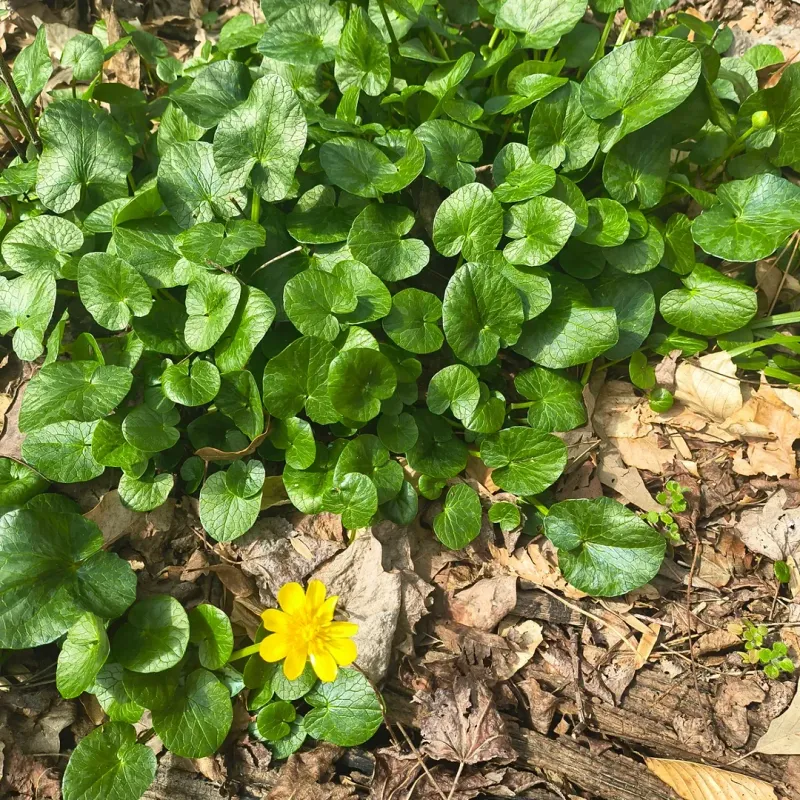
Every spring in Pennsylvania, lesser celandine puts on a show that is genuinely hard not to admire. Bright yellow, star-shaped flowers pop up across the ground in early March and April, often before almost anything else is blooming.
The glossy, dark green leaves are attractive and heart-shaped, and the whole plant looks like a cheerful little wildflower that belongs exactly where it is growing. Many gardeners see it and smile, not realizing they are looking at one of the most aggressive spring invaders in the state.
Lesser celandine is especially tricky because it takes advantage of the early season window when gardeners are not yet fully paying attention to what is happening in the yard. By the time most people are out in their gardens regularly, lesser celandine has already spread, flowered, and set seed.
It also reproduces through tiny bulb-like structures called bulbils, which fall off the plant and sprout into new plants nearby.
The real damage becomes clear in late spring. Lesser celandine forms such dense mats that native spring wildflowers, like trillium, spring beauty, and Virginia bluebells, cannot push through the soil.
In Pennsylvania, it has become a significant threat to stream banks, floodplains, and shaded woodland gardens where native plants once thrived.
Removing lesser celandine requires catching it before it finishes flowering. Hand-pulling works for small patches, but you need to remove the tiny bulbils too, which are easy to miss.
Avoid digging too aggressively, since that can spread the bulbils further into the soil. Checking shaded and moist areas of your Pennsylvania yard in late winter gives you the best chance of getting ahead of this one.