Why Jumping Worms Are Putting More Oregon Gardens At Risk
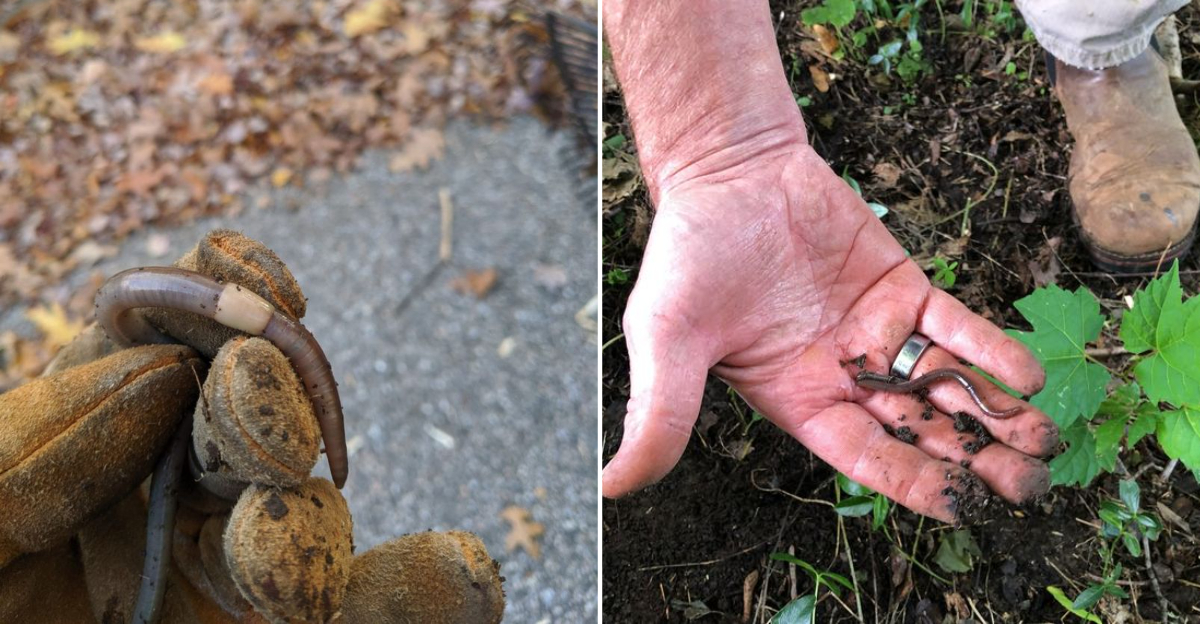
Jumping worms sound like something made up to scare gardeners, but the concern around them is very real.
These fast-moving invasive worms are getting more attention because they can change soil in ways that leave garden beds looking off, feeling dry, and behaving differently than expected.
For Oregon gardeners who work hard to build rich, healthy soil, that is not a small problem. It can throw off everything you thought you knew about how your yard should respond in spring and summer.
Part of what makes them so unsettling is how easy they are to miss at first. A plant looks stressed, mulch seems to disappear too quickly, or the soil starts looking more like loose coffee grounds than the crumbly texture gardeners hope for.
That is when alarm bells start ringing. Oregon gardens already deal with enough surprises without adding a soil disruptor that works out of sight. The more gardeners learn about jumping worms, the harder they are to ignore.
They Turn Soil Into Dry Grit
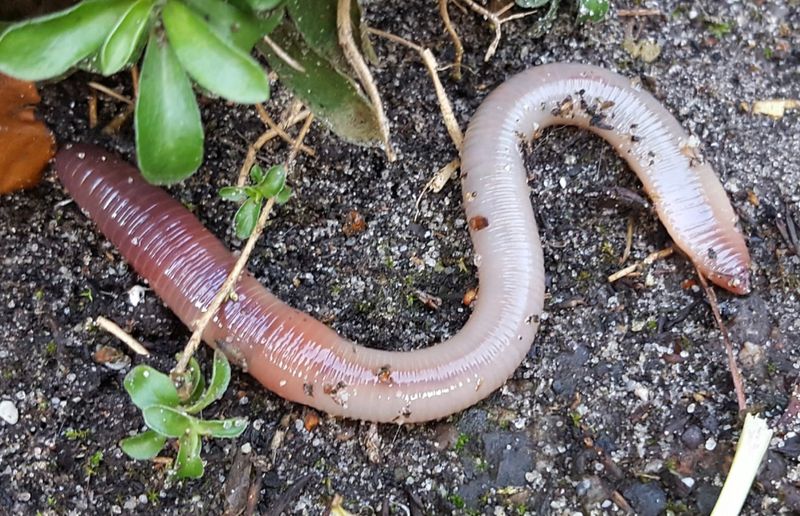
Pick up a handful of healthy garden soil and it should feel rich, dark, and a little moist. Now imagine that same soil looking like coffee grounds, dry and grainy with almost no structure left.
That is exactly what jumping worms leave behind in Oregon gardens.
Jumping worms, known scientifically as Amynthas species, stay near the surface of the soil instead of burrowing deep like common earthworms.
As they feed, they break down the top layer so aggressively that the texture completely falls apart.
What was once loose and workable becomes dry grit that crumbles between your fingers.
This change in texture makes it very hard for plant roots to grip the soil. Roots need structure to anchor themselves and pull in water and nutrients.
When the soil turns gritty and loose, roots struggle to hold on. Many Oregon gardeners first notice this problem when their plants start looking stressed without any obvious reason.
The soil itself is the clue. Once you see that coffee-ground texture, jumping worms are likely the cause, and acting quickly can help limit how much further damage spreads across your garden beds.
They Strip Away Organic Matter
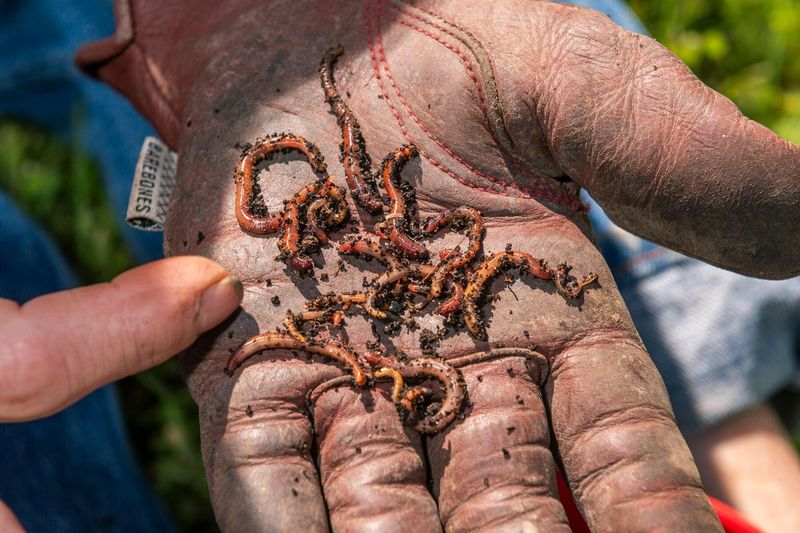
Organic matter is basically the food supply for your entire garden. It feeds helpful microbes, keeps nutrients cycling, and gives soil its spongy, productive quality.
Jumping worms treat that food supply like an all-you-can-eat buffet, and they eat fast.
Compared to common earthworms, jumping worms consume two to three times more leaf litter. They work through the top layer of mulch, decomposing leaves, and surface debris at a speed that most gardeners find shocking once they learn about it.
In Oregon, where many gardens rely on natural leaf fall and added compost to stay fertile, this kind of feeding can strip a bed bare in a single season.
Without organic matter, soil loses its ability to support plant life the way it should. Helpful bacteria and fungi that live in organic material start to disappear too.
Your Oregon Garden Changes Every Week. Your Plan Should Too.
Gardening in Oregon changes quickly throughout the season. Every Friday you’ll receive a simple weekly plan showing exactly what to plant, prune, fertilize, harvest, and protect so you never miss the right timing.
The whole underground ecosystem that quietly keeps your garden healthy begins to break down.
Gardeners in parts of Oregon along the I-5 corridor have already started reporting thinner, less productive soil in areas where jumping worms have moved in.
Protecting your organic layer starts with knowing what is consuming it in the first place.
They Leave Beds Less Able To Hold Water
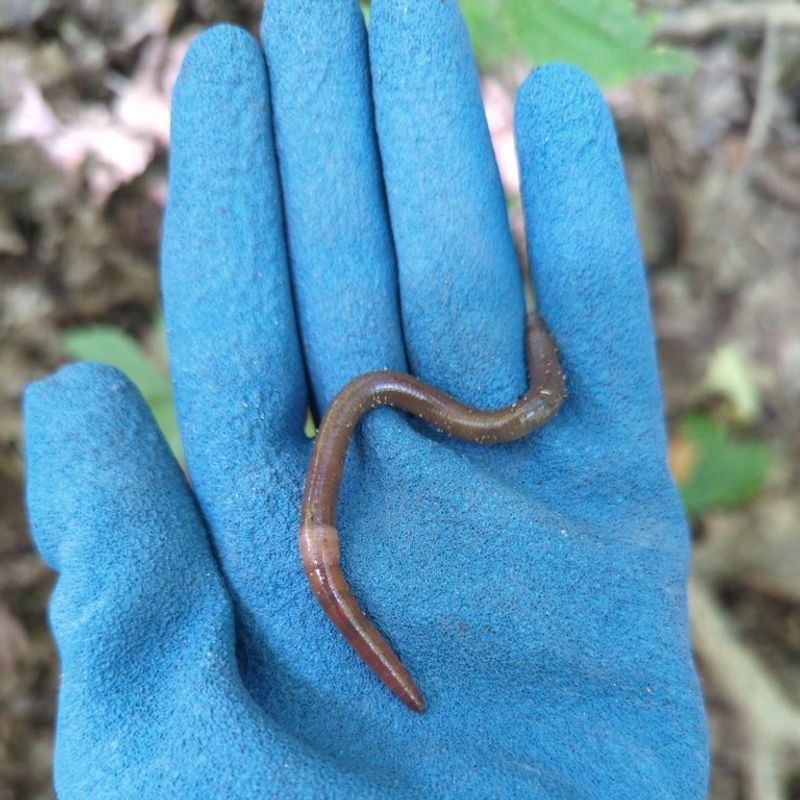
Water is everything to a garden, but it only works if the soil can actually hold onto it. Jumping worms change the structure of soil so dramatically that water stops soaking in and starts running right off.
For Oregon gardeners who rely on consistent moisture, especially during dry summer months, this is a serious problem.
Healthy soil holds water in small pockets between particles of organic matter and mineral content. When jumping worms eat through that organic layer and leave behind dry, granular grit, those water-holding pockets disappear.
Rain or irrigation water hits the surface and drains away before plant roots ever get a chance to absorb it. Plants end up thirsty even after watering.
This effect is especially noticeable in raised beds and garden borders where the soil layer is shallow to begin with. Oregon gardeners who water regularly but still see wilting plants should take a close look at their soil texture.
If it looks grainy and falls apart easily, moisture retention has likely been compromised. Adding fresh compost can help in the short term, but if jumping worms are still active, they will continue eating through any new organic material you add, making it hard to get ahead of the problem.
They Disrupt Healthy Soil Structure
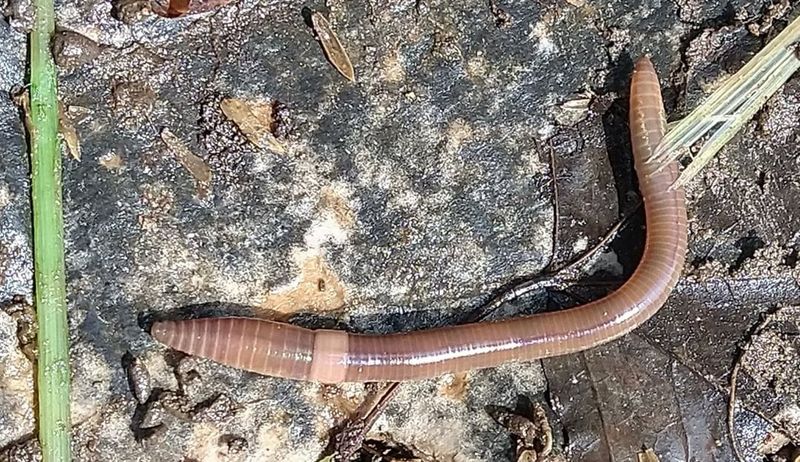
Soil structure might sound like a technical term, but it just means how well the particles in your soil stick together and form a stable base for plant roots.
Good structure creates small air pockets, holds moisture, and lets roots move freely. Jumping worms tear all of that apart.
Because these worms feed so aggressively near the surface, they break up the natural layers that healthy soil builds over time. Instead of a firm, spongy top layer that roots can grip, you end up with loose, unstable grit.
Air circulation changes, water movement changes, and the whole underground environment that plants depend on gets thrown off balance.
Oregon soils vary quite a bit depending on the region, but whether you are gardening near the Willamette Valley or further east toward Pendleton, soil structure matters for growing success.
When jumping worms move in, even soil that took years to build up can degrade within a single growing season.
Gardeners often notice that seeds germinate poorly or transplants fail to establish when this kind of disruption has occurred.
Restoring structure takes time and effort, which is why preventing jumping worms from spreading in the first place is so much easier than trying to fix the damage afterward.
They Can Weaken Plant Growth
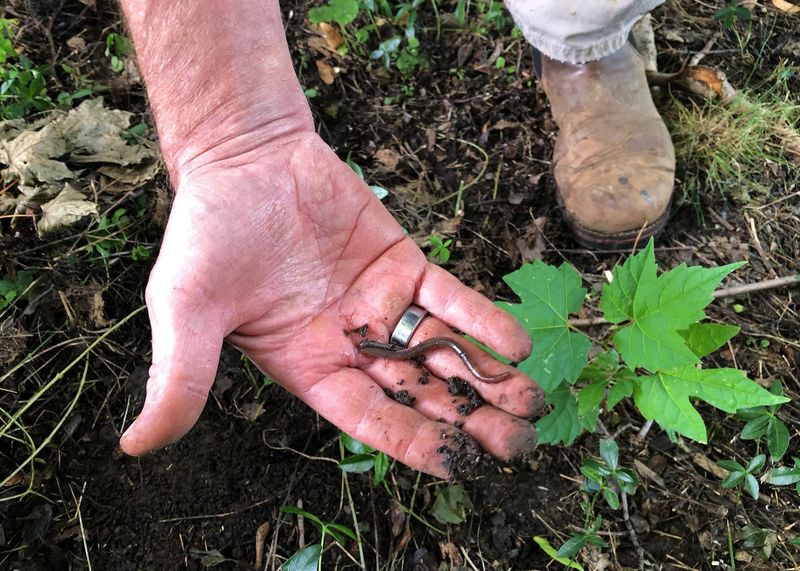
A garden that looks healthy on the surface can still be in trouble underground. When jumping worms have been active in an area, the soil changes in ways that make it genuinely hard for plants to grow well.
Roots struggle, nutrients become harder to access, and plants that should be thriving start to look stressed instead.
Plants need stable, nutrient-rich soil to anchor their roots and feed themselves. When the top layer gets converted into dry, loose grit by jumping worm activity, roots have less to grip and less to absorb.
Nutrient cycling slows down because the organic matter that feeds soil microbes is gone. Without those microbes working, nutrients that plants need stay locked up and unavailable.
Oregon gardeners growing vegetables, perennials, or native plants may notice slower growth, pale leaves, or plants that just never seem to establish properly. These signs can be easy to misread as a watering issue or a nutrient deficiency.
But if the soil texture looks off and the problem keeps coming back despite your best efforts, jumping worms could be the real reason.
Checking the soil in early spring, when worms are most active near the surface, gives you the best chance of catching the problem before it sets your whole growing season back.
They Spread Through Shared Soil And Compost
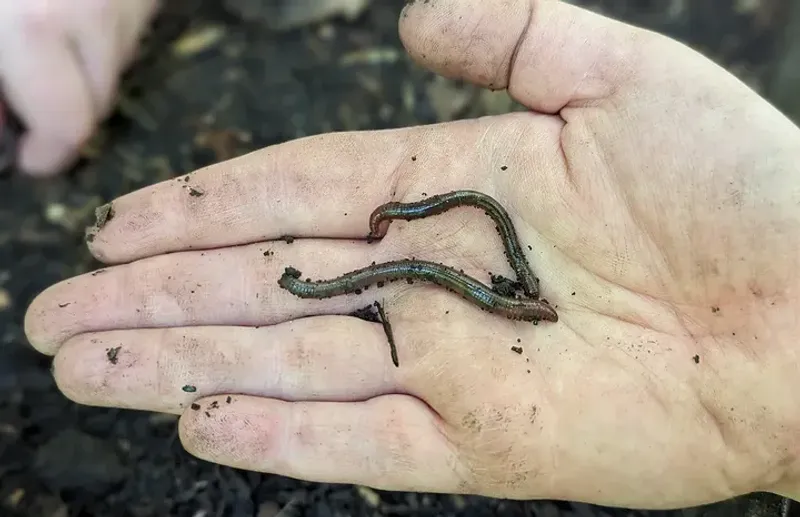
One of the most frustrating things about jumping worms is how quietly they travel. You might bring them into your garden without ever realizing it.
A bag of compost, a potted plant from a neighbor, or a scoop of mulch from a shared pile can all carry jumping worm cocoons without anyone knowing.
The cocoons are tiny, only about two to three millimeters across, and they blend right into soil and organic material. They are nearly impossible to spot with the naked eye.
This makes plant sales, garden swaps, and shared compost piles some of the most common ways jumping worms spread from one Oregon garden to another.
Protecting your garden means being careful about what you bring into it. Before adding new soil, compost, or plants, inspect them closely.
If possible, buy from sources that are aware of the jumping worm problem and take steps to prevent contamination. Oregon State University Extension has been working to raise awareness about this issue, especially around community plant events.
Asking questions about where materials came from is not being overly cautious. It is a practical way to keep your garden safe and avoid accidentally spreading the problem to your neighbors as well.
They Are Hard To Spot Early
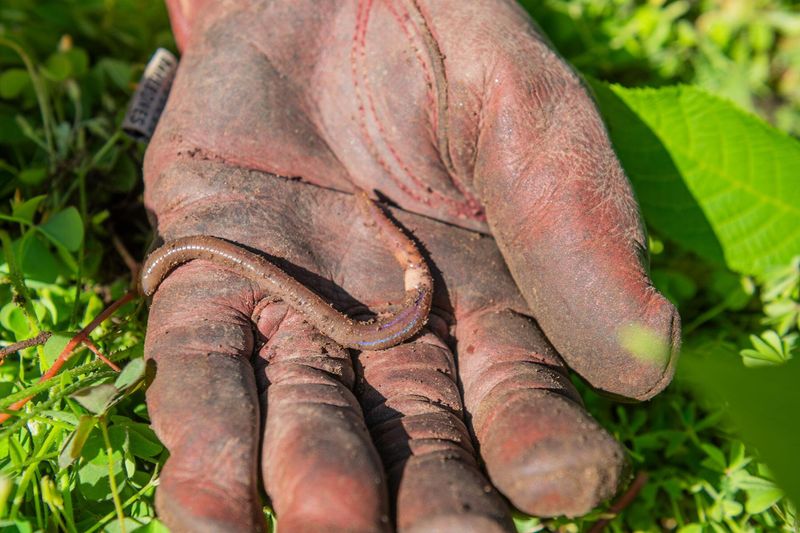
Jumping worms do not announce themselves. By the time most Oregon gardeners notice something is wrong, the damage is already well underway.
Early detection is genuinely difficult because the signs are subtle and easy to blame on other causes like drought, poor fertilizing, or pests.
The worms themselves are most visible in summer and early fall when they are fully grown. In spring, the population exists mostly as cocoons hidden in the soil.
Even adult jumping worms, while they do move in a distinctive thrashing, snake-like way when disturbed, often stay hidden under mulch or leaf litter during the day. Most gardeners simply never see them unless they go looking.
One practical way to check is to pour a mustard solution, made from one third cup of ground yellow mustard mixed with one gallon of water, onto a small patch of soil. If jumping worms are present, they will come to the surface within a few minutes.
Doing this test in early spring gives you the best chance of catching an infestation before it grows.
Oregon gardeners who stay observant and check their soil texture regularly are much better positioned to catch jumping worms early and take steps to slow their spread before serious harm is done.
They Are Showing Up In More Oregon Counties
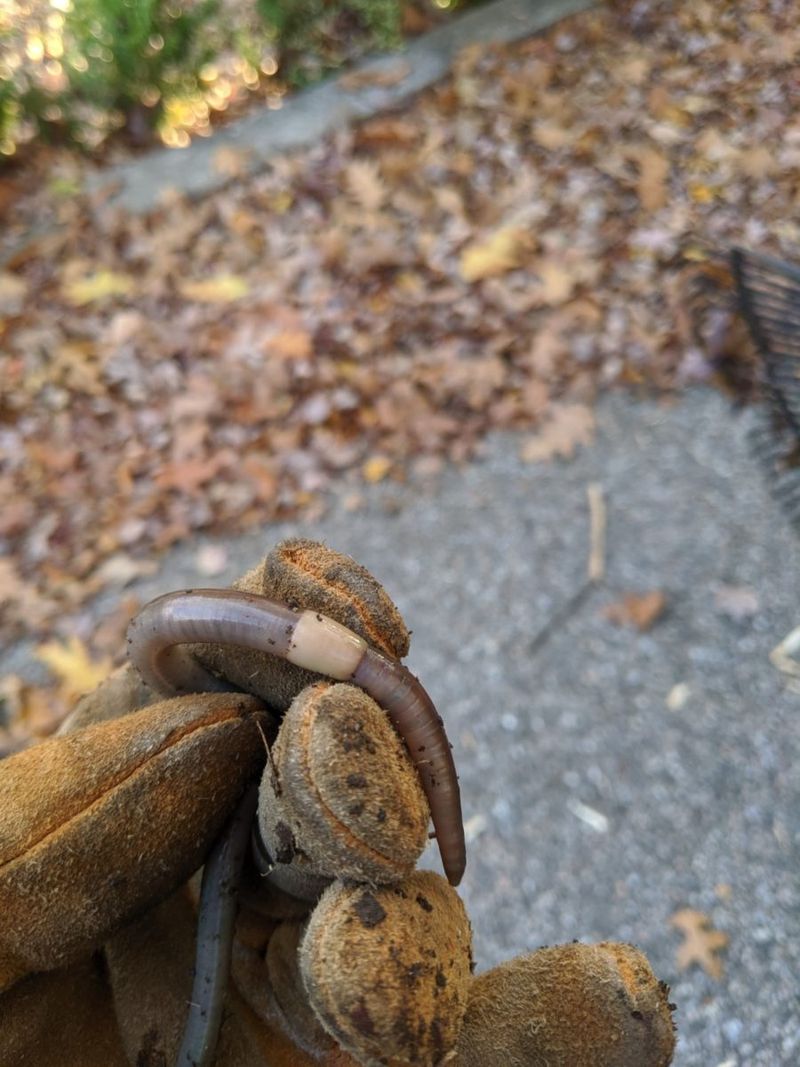
When jumping worms first showed up in Oregon, reports were mostly concentrated along the I-5 corridor. That stretch from Roseburg in the south up through the Willamette Valley seemed to be the main hotspot.
But the situation has been changing, and not in a good direction.
Oregon State University researchers and extension staff have been tracking reports from across the state, and jumping worms are now showing up in more counties than before.
Areas that once seemed too far from the original spread zone are starting to see confirmed sightings.
The more people move plants, soil, and compost around, the faster these worms travel to new locations.
Gardeners in counties that have not yet reported jumping worms should not assume they are safe. Prevention is still possible, but it requires awareness and action.
Reporting suspected sightings to Oregon State University Extension is one of the most helpful things a gardener can do right now. Every confirmed location helps researchers understand how fast the spread is happening and where resources should go.
Oregon has a lot of beautiful, productive gardens worth protecting, and staying informed about where jumping worms have been found is one of the simplest ways to stay one step ahead of this growing problem.