These Are The 9 Easy Flowers To Plant Around Trees In Florida
A lot of spots under Florida trees look like a lost cause by spring. Dry roots, patchy light, falling leaves, and bare soil can make that part of the yard feel like more trouble than it’s worth.
But that is also where smart plant choices can work their magic. The right flowers can brighten up that awkward space, soften the base of a tree, and make the whole yard look far more polished without turning care into a full-time job.
That is why this idea catches on so fast with Florida gardeners. You get color where grass often struggles, and you can dress up a shady corner without biting off more than you can chew.
A few good picks can turn a tired tree ring into something that feels lush, cheerful, and pulled together. Some flowers handle root competition better than you might think, and a few may end up becoming the secret sauce in your Florida landscape.
1. Twinflower Spreads Soft Color In Light Shade
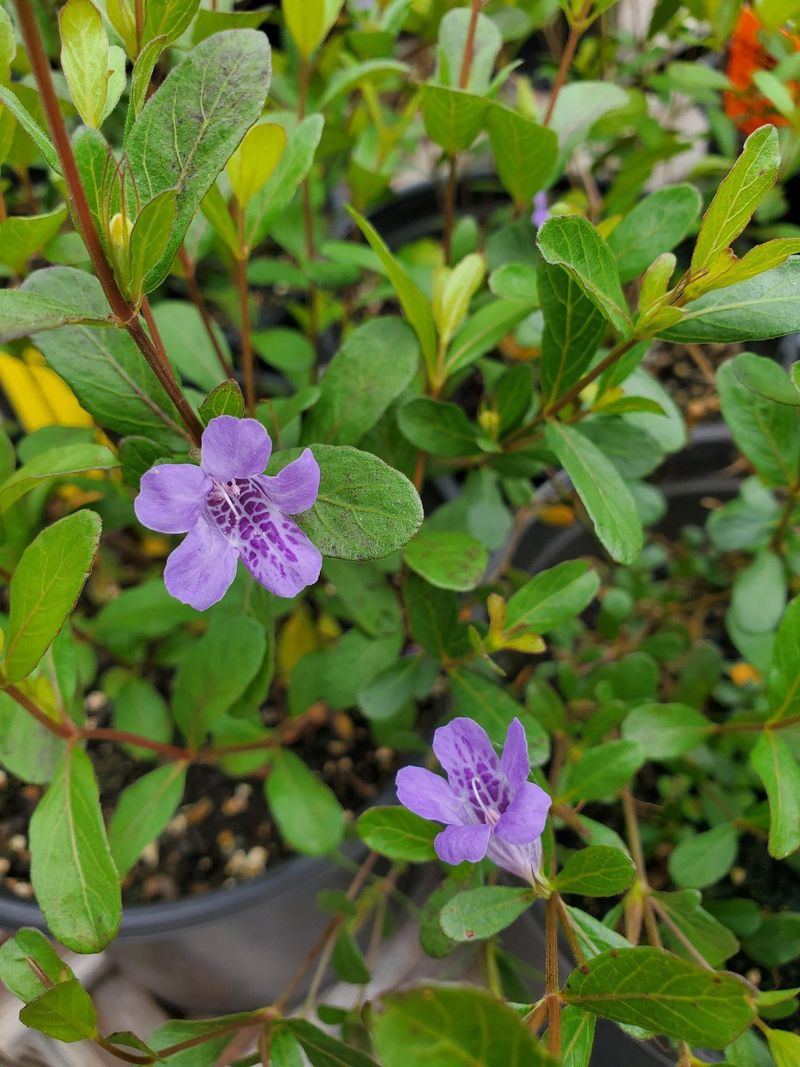
Soft lavender blooms and a creeping, mat-forming habit make Twinflower (Dyschoriste linearis) one of the more underrated native groundcovers for shaded spots in Florida landscapes.
According to UF/IFAS, this low-growing perennial spreads gradually to fill in bare areas without putting aggressive pressure on tree roots, which is exactly what you want beneath an established canopy.
Twinflower typically reaches only about six inches tall, so it stays tidy and never competes visually with the tree above it. It works well in light to partial shade, meaning spots that get filtered sunlight for a few hours each day are a good fit.
The small tubular flowers appear in clusters and tend to bloom from spring through fall in warmer Florida regions.
Because it spreads through both seeds and rhizomes, one small planting can gradually cover a surprisingly wide area over a couple of seasons. Spacing plants about twelve inches apart gives them room to fill in naturally.
Twinflower handles Florida’s sandy soils reasonably well and does not need heavy fertilizing to look good. For gardeners who want ground-level color that stays low and manageable, this native is a reliable and easy-to-live-with choice.
2. Florida Violet Fills Gaps With Low Effort Color
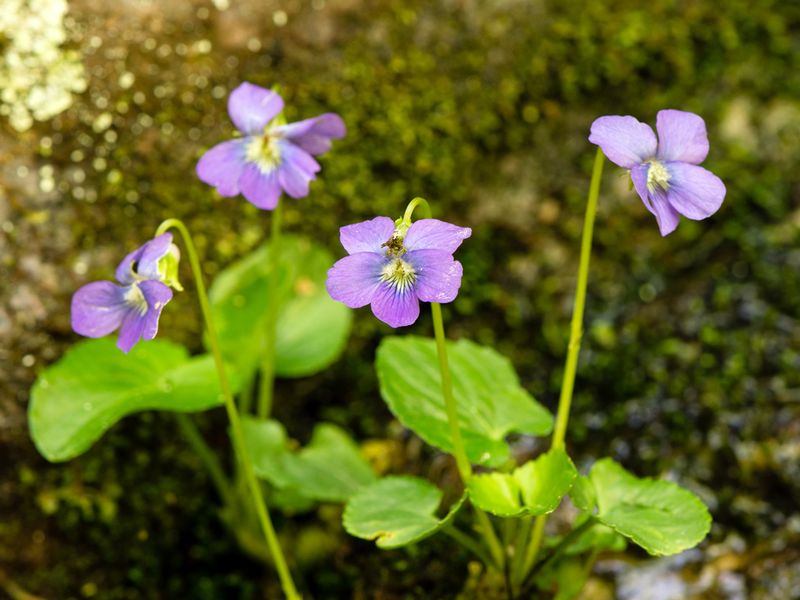
There is something quietly charming about Florida Violet (Viola sororia and related native species) popping up in the gaps between tree roots, adding splashes of purple and white without asking for much in return.
These native violets naturalize easily, meaning they spread on their own through seeds and fill in bare patches under trees over time, creating a relaxed, cottage-garden feel.
Florida Violets handle shade well, which makes them a natural fit for spots that sit under dense canopies. UF/IFAS notes that native violets are also host plants for several fritillary butterfly species, so planting them does double duty for your local wildlife.
The heart-shaped leaves stay attractive even when the plants are not in bloom, giving you green ground coverage through much of the year.
These violets tend to go semi-dormant in the hottest, driest parts of summer but bounce back reliably with cooler temperatures and rain. They are not fussy about soil type and can handle the slightly compacted conditions that often develop around tree bases.
Your Florida Garden Changes Every Week. Your Plan Should Too.
Gardening in Florida changes quickly throughout the season. Every Friday you’ll receive a simple weekly plan showing exactly what to plant, prune, fertilize, harvest, and protect so you never miss the right timing.
Spacing them about eight to twelve inches apart gives each plant enough room to establish before they start self-seeding and filling in the surrounding area naturally.
3. Spiderwort Handles Shade And Heat Without Fuss
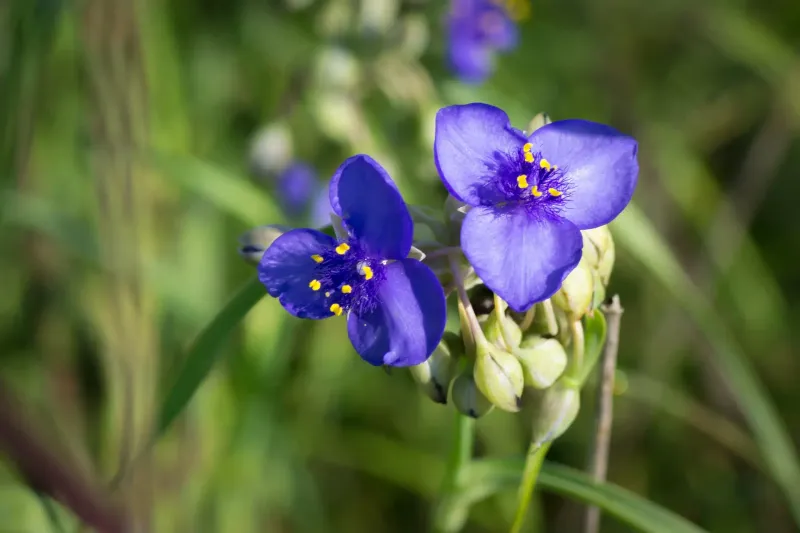
Few Florida natives can match Spiderwort (Tradescantia ohiensis) when it comes to sheer toughness combined with genuine good looks.
The three-petaled flowers in shades of violet, blue, and occasionally pink open in the morning and close by midday, which sounds like a drawback until you realize the plant produces new blooms almost daily throughout its long blooming season from spring into early summer.
Spiderwort adapts well to partial shade, making it a solid choice for planting around trees where full sun is not available. It tolerates Florida’s heat and humidity without much complaint, and once established it handles dry spells reasonably well.
The long, arching strap-like leaves add a grass-like texture to the planting bed, which contrasts nicely with broader-leaved plants nearby.
According to UF/IFAS, Spiderwort attracts native bees that are specifically adapted to collect its pollen, which gives it added ecological value beyond just looking pretty. Plants grow to about two feet tall and can be spaced roughly eighteen inches apart.
After the main bloom period fades, cutting the plants back by about half encourages fresh new growth and can trigger a second flush of flowers as temperatures cool down in fall.
4. Wild Petunia Brings Reliable Blooms To Tough Spots
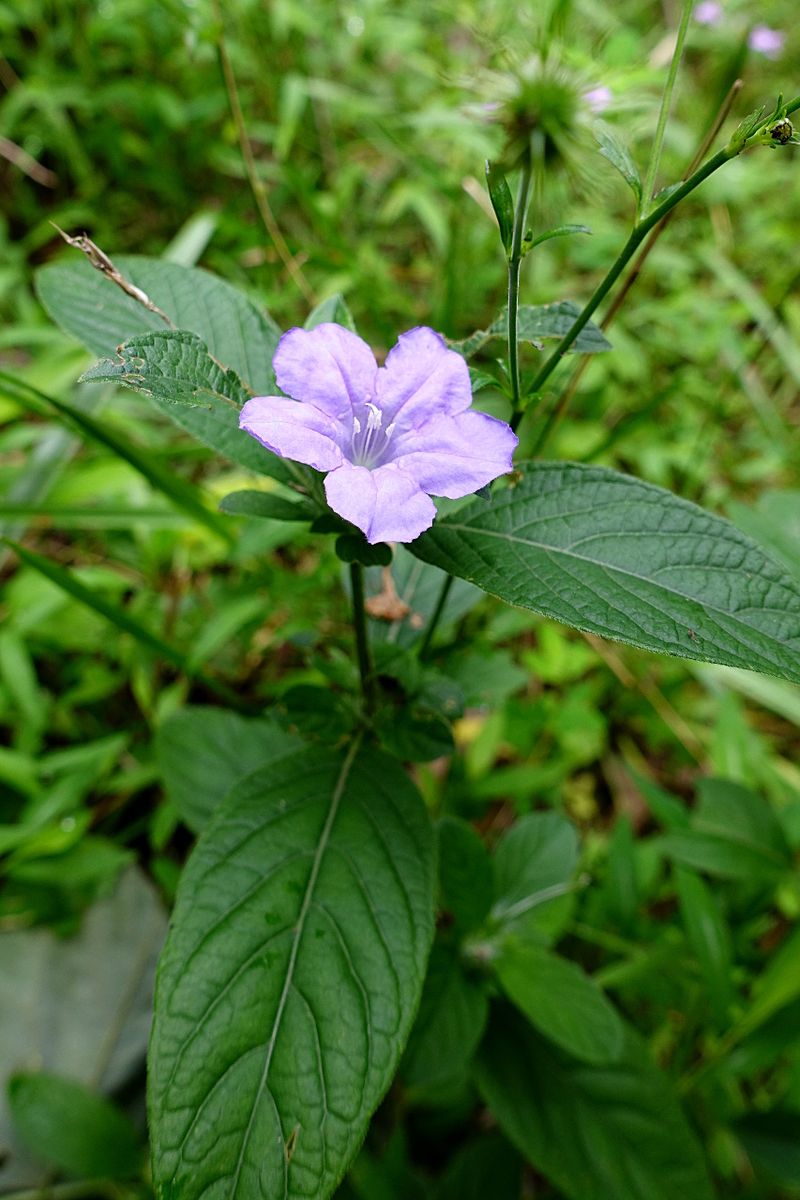
Spots under trees where other flowers seem to struggle are exactly where Wild Petunia (Ruellia caroliniensis) tends to prove its worth.
This Florida native handles partial shade with ease and keeps producing its soft lavender, trumpet-shaped blooms even when conditions are less than ideal.
The flowers are small but plentiful, and they tend to appear from late spring through fall, giving you months of reliable color.
Wild Petunia grows to about one to two feet tall and spreads through both seeds and root offshoots, so a few starter plants can gradually fill a wide area under a tree without any extra effort from you.
It handles sandy, low-nutrient soils well, which is a big advantage in many Florida yards where the soil under trees tends to be dry and nutrient-poor.
UF/IFAS highlights Wild Petunia as a host plant for the Common Buckeye butterfly, adding wildlife value to its already practical landscape role. It does not need regular fertilizing and rarely requires supplemental watering once established.
The main thing to watch is that it can spread fairly enthusiastically, so if you want to keep it contained to a specific area, a simple edge or border can help manage its footprint without much ongoing effort.
5. Lyreleaf Sage Adds Texture Under Tree Canopies
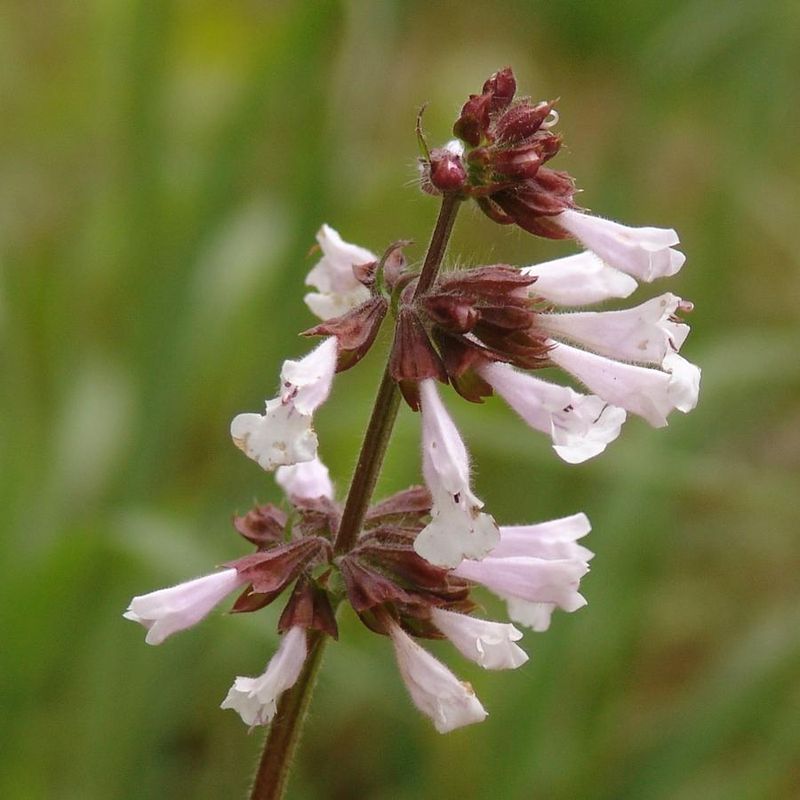
Not every plant under a tree needs to lead with flashy flowers. Lyreleaf Sage (Salvia lyrata) earns its spot through a combination of interesting foliage and delicate seasonal blooms that together create a layered, natural look beneath tree canopies.
The deeply lobed, dark green leaves sometimes develop reddish-purple tones in cooler months, adding color interest even when the plant is not in flower.
In spring, Lyreleaf Sage sends up tall, slender flower spikes covered in small pale purple to lavender blooms that attract native bees and other pollinators.
The plant typically reaches about one to two feet in height during bloom and then settles back into its low rosette form.
This seasonal rhythm makes it a good companion for other plants that peak at different times of year.
UF/IFAS describes Lyreleaf Sage as adaptable to a range of light conditions, from full sun to moderate shade, which makes it flexible enough to use in spots with varying canopy density. It self-seeds readily, so one planting can establish a small colony over time.
Soil drainage matters more than soil richness for this plant, and it tends to perform better in well-drained, sandy spots than in heavy, wet soils common to some Florida landscapes.
6. Tropical Sage Draws Pollinators Into Shady Corners
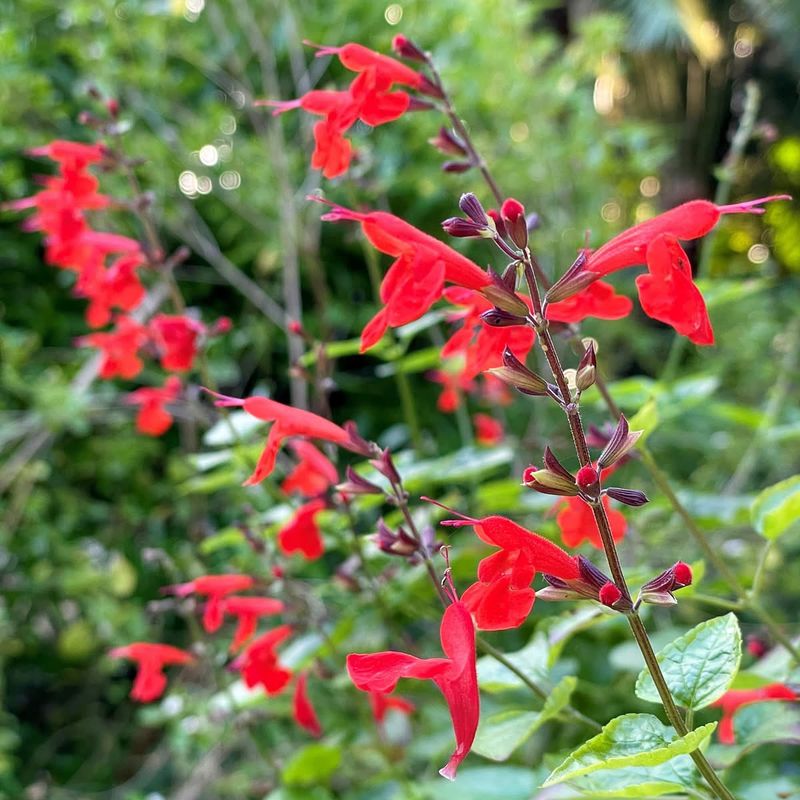
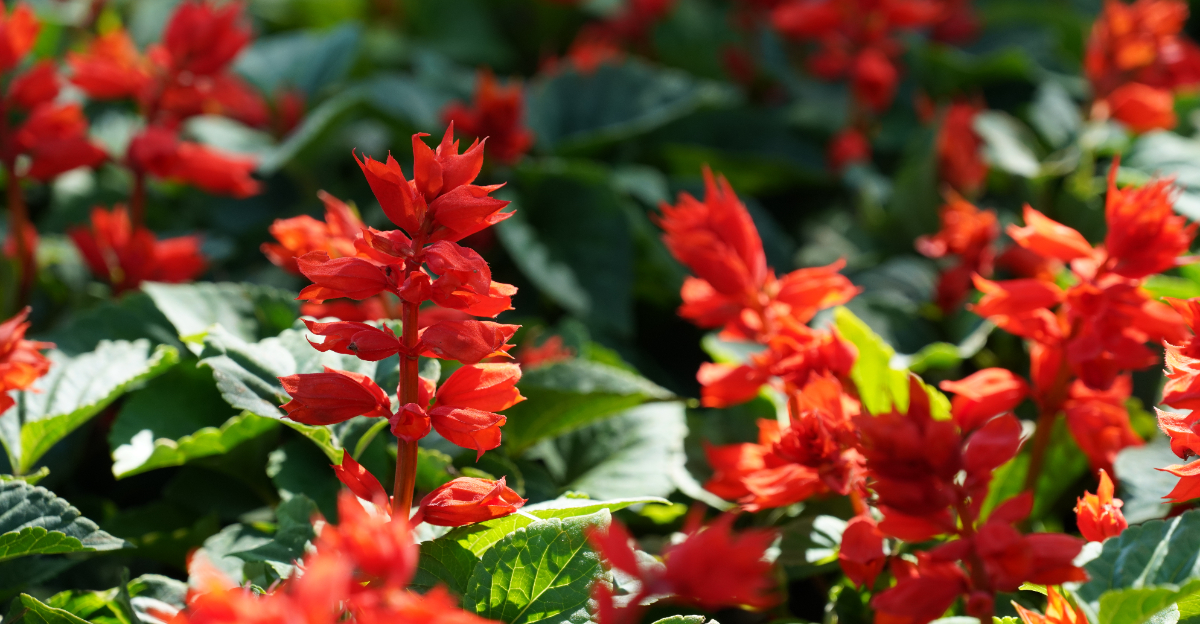
Bright red flower spikes rising up through dappled shade have a way of stopping people in their tracks, and that is exactly the kind of visual impact Tropical Sage (Salvia coccinea) delivers around trees.
This Florida native thrives in light to partial shade and keeps producing its vivid, tubular blooms from late spring well into fall, giving pollinators a consistent nectar source throughout the warm months.
Hummingbirds are especially drawn to Tropical Sage, and butterflies are frequent visitors too. Planting it in shaded corners near trees creates a pollinator-friendly microhabitat that can attract a surprising amount of wildlife activity.
The upright growth habit, reaching roughly two to three feet tall, means it adds vertical interest without overwhelming the space around tree trunks.
According to UF/IFAS, Tropical Sage self-seeds readily and can naturalize in a planting area over time, which means less replanting work for you each season. It handles Florida’s heat and humidity well and does not need rich soil to perform.
For best results in shaded spots, aim for areas that receive at least two to three hours of filtered or indirect light daily. Occasional deadheading of spent flower stalks can help extend the blooming period and keep the planting looking tidy.
7. Swamp Milkweed Supports Wildlife In Damp Shade
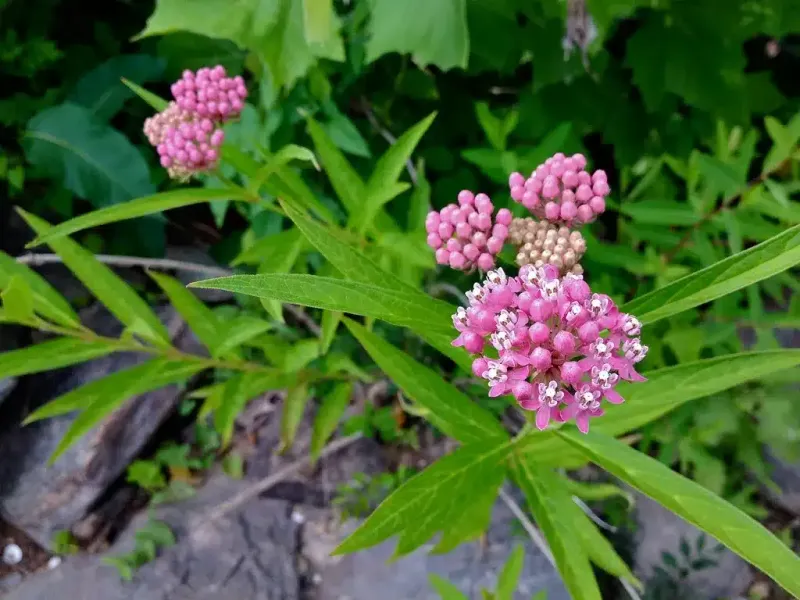
Around trees where the soil stays consistently moist, whether from a nearby water feature, a low spot in the yard, or a naturally damp microclimate, Swamp Milkweed (Asclepias incarnata) finds its ideal home.
Unlike many milkweed species that prefer dry, open conditions, this native is specifically adapted to wet to moist soils, making it one of the few milkweed options that works in shadier, damper tree surroundings.
The clusters of soft pink to mauve flowers appear in summer and are magnets for monarch butterflies, which rely on milkweed as a host plant for their caterpillars. Native bees and other pollinators also visit the blooms regularly.
Swamp Milkweed grows upright to about three to four feet tall, so it works best around larger trees where there is enough vertical space to let it stretch without looking crowded.
UF/IFAS recommends Swamp Milkweed for rain gardens and wet landscape areas, and its performance near moisture-retaining tree roots aligns well with those recommendations.
It does best in spots with partial shade rather than deep shade, so look for areas under trees with a fairly open canopy.
Once established, it spreads slowly through root offshoots and comes back reliably each year as a perennial in most of Florida.
8. Cardinal Flower Adds Bold Color In Filtered Light
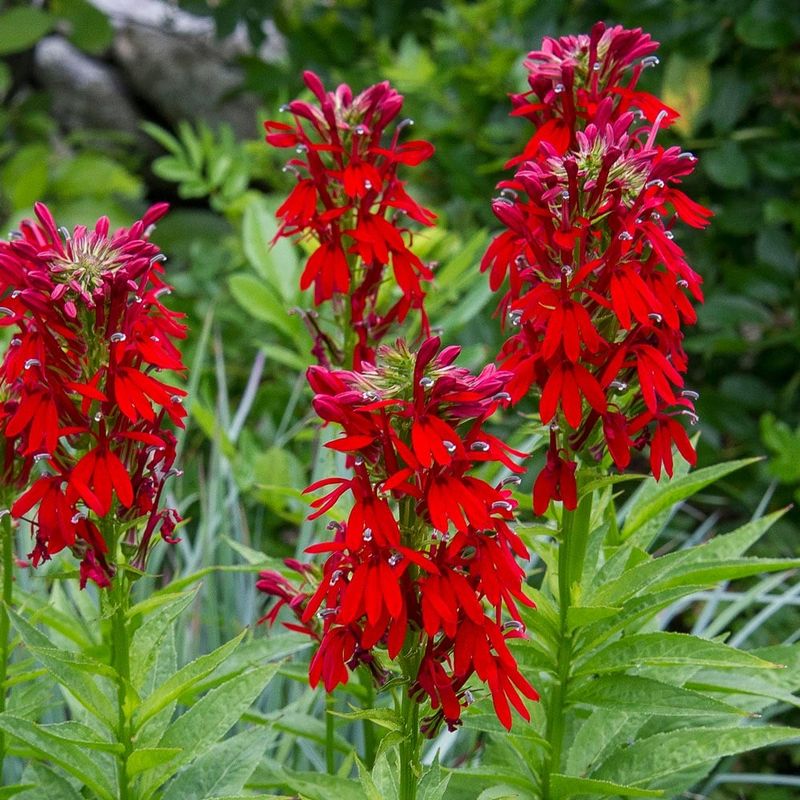
Vivid scarlet red flowers rising on tall spikes make Cardinal Flower (Lobelia cardinalis) one of the most visually striking natives you can tuck into a shaded spot around a tree.
The color is genuinely intense, and in filtered light beneath a canopy it almost seems to glow, creating a focal point that draws the eye immediately.
Hummingbirds are famously attracted to the blooms, and their visits add another layer of life and movement to the planting.
Cardinal Flower prefers moist to consistently damp soil, so it works best around trees growing near water features, drainage areas, or in naturally low spots that hold moisture after rain.
It tolerates partial to moderate shade well, which aligns nicely with the conditions found under many Florida trees.
The plant typically blooms from summer into fall, filling a seasonal gap when many other shade plants have finished their main show.
UF/IFAS notes that Cardinal Flower is a short-lived perennial that self-seeds to maintain its presence in the garden. Planting it in groups of three or more creates a stronger visual impact and provides a more reliable nectar source for visiting hummingbirds.
Heights typically range from two to four feet, so placing it toward the back or middle of a mixed planting bed under a tree keeps the composition balanced and layered.
9. Pineland Snowberry Creates A Clean Native Ground Layer
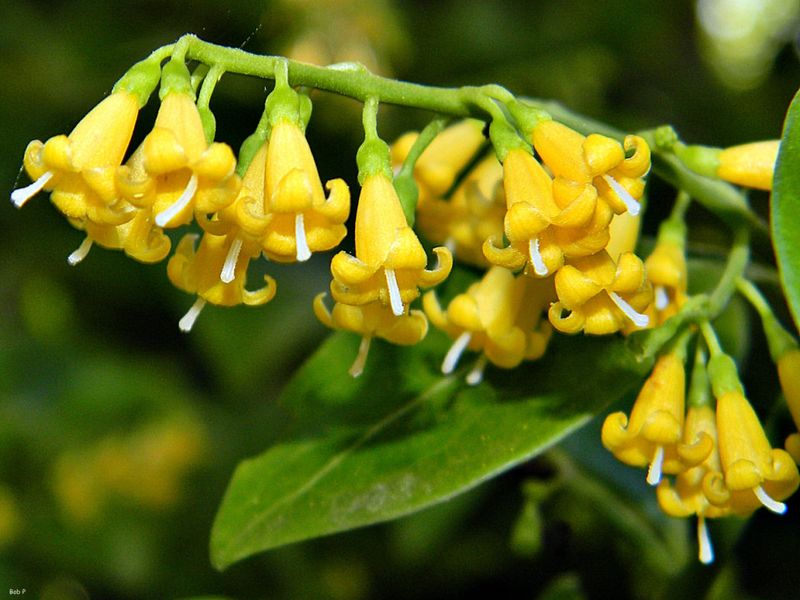
Ground-level tidiness is not always easy to achieve under trees, but Pineland Snowberry (Chiococca alba) manages it with a relaxed reliability that makes it a smart choice for homeowners who want a clean, low-maintenance look.
This native low-growing shrub forms a dense layer of glossy dark green foliage that covers the soil around tree bases, reducing weed pressure and helping to stabilize the ground over root systems.
The small white to yellowish flowers are modest in size but fragrant, and they give way to clusters of bright white berries that persist on the plant and attract birds.
While it is not a showstopper in terms of bloom size, the combination of attractive foliage, seasonal berries, and consistent growth habit makes it genuinely useful in a landscape context.
It performs well in partial shade to full sun, which gives it flexibility across different tree types and canopy densities.
According to Florida native plant resources, Pineland Snowberry handles sandy, well-drained soils typical of many Florida yards and does not need supplemental fertilizing once established.
It grows slowly to a manageable height of about two to three feet in landscape conditions.
Spacing plants roughly two feet apart allows them to knit together into a cohesive ground layer without overcrowding, creating a neat and naturalistic carpet beneath your trees.