What To Do With Your Bird Of Paradise In Georgia Before Summer Hits
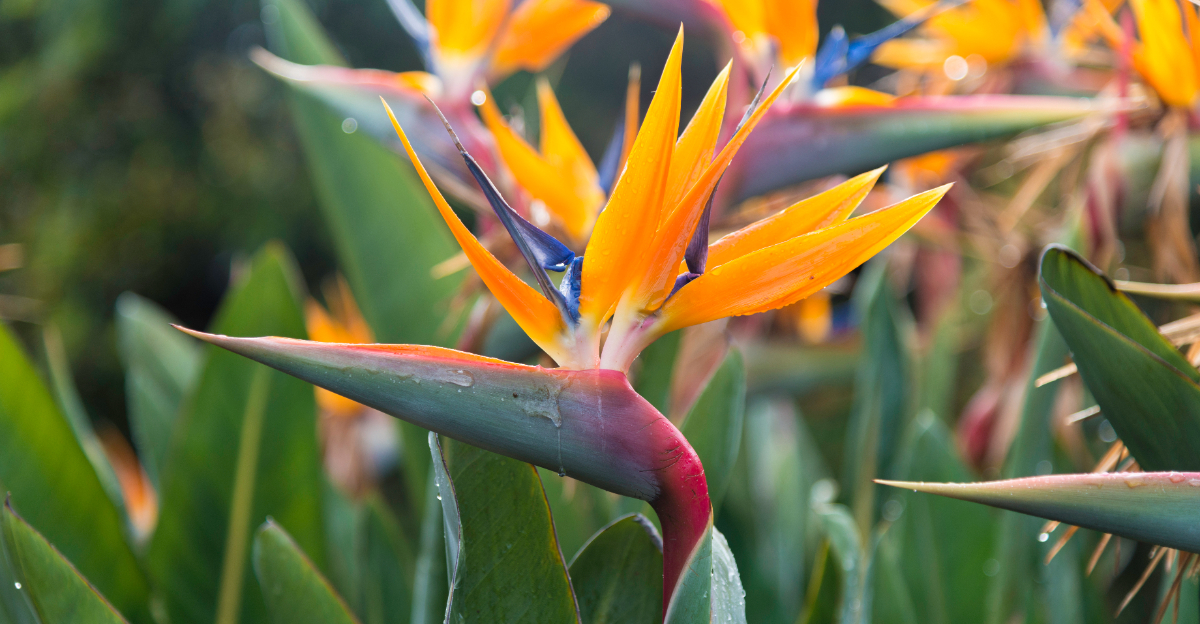
Georgia does not stay mild for long in late spring, and a Bird of Paradise often feels that shift sooner than expected.
It may still look steady right now, but subtle changes in light, soil, and moisture can start to build pressure before anything obvious shows on the leaves.
This stage matters more than it seems. What gets handled now shapes how the plant responds once conditions turn more intense.
Small details tend to decide whether it keeps that strong, upright look or starts to lose its edge.
There is a short window to get ahead of it without overdoing anything. A few well-timed adjustments can quietly set the plant up for what comes next.
1. Cut Back Damaged Leaves Before New Growth Starts
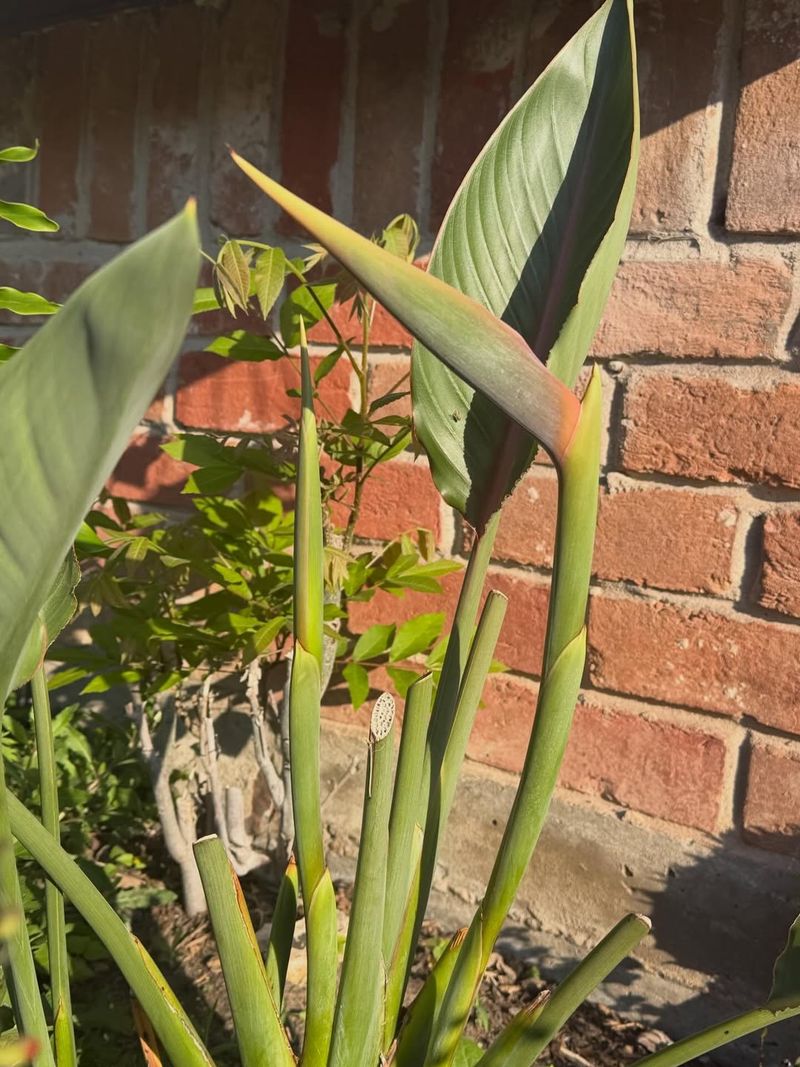
Brown, tattered leaves on a Bird of Paradise are not just an eyesore. They can actually pull energy away from the parts of the plant that are trying to grow.
Before Georgia’s spring warmth kicks things into gear, grab a clean pair of pruning shears and take a good look at what needs to go.
Focus on leaves that are fully brown, split beyond the midrib, or showing signs of rot near the base. You do not need to remove every leaf with a small tear.
Birds of Paradise get split leaves naturally over time, especially when grown outdoors where wind and rain are part of life. Only cut what is clearly not coming back.
When you make your cut, go all the way to the base of the stem rather than cutting mid-leaf. Leaving a stub behind can invite fungal issues, especially as Georgia’s humidity starts creeping up in May and June.
Wipe your blade with rubbing alcohol between cuts if you notice any discoloration or mushy tissue.
Cleaning up the plant now also gives you a clearer picture of its overall structure. You can spot crowded growth, check for early pest activity hiding under old foliage, and see where new shoots are forming.
2. Feed With A Balanced Fertilizer To Support Summer Growth
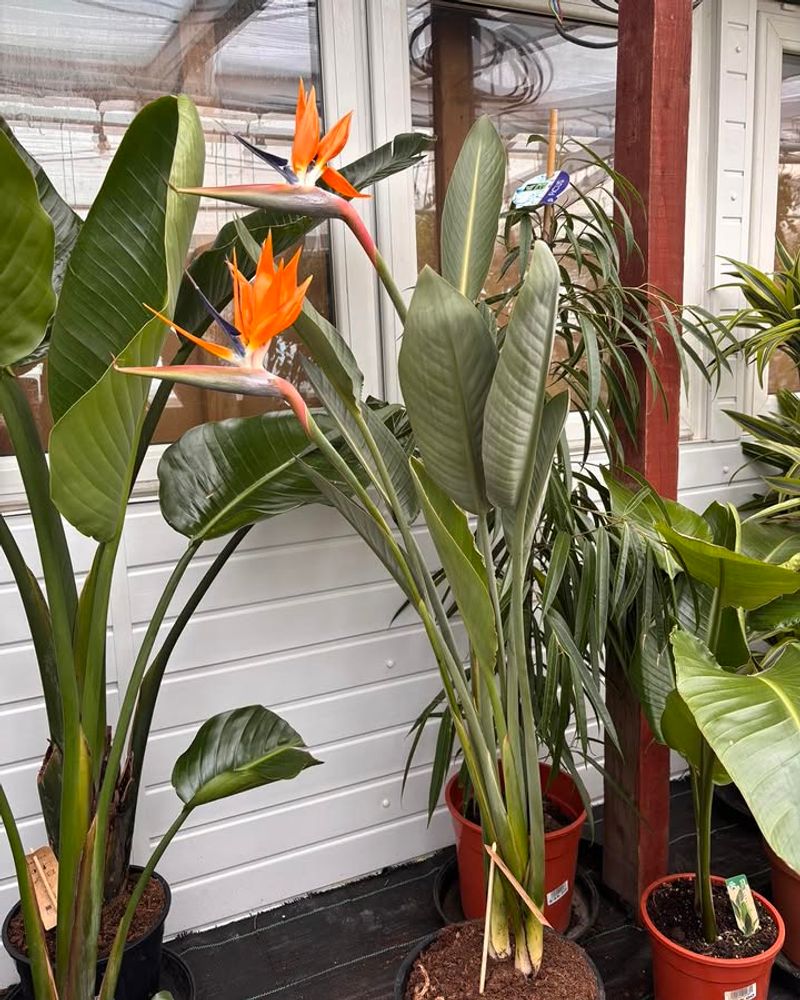
Spring feeding is one of the most practical things you can do for a Bird of Paradise in Georgia before summer arrives. As soil temperatures warm up and the plant shifts out of its slower winter phase, it becomes much more receptive to nutrients.
Waiting too long means you miss that early window when the roots are actively absorbing.
A balanced fertilizer works well here. Something in a 10-10-10 or 20-20-20 ratio gives the plant a relatively even supply of nitrogen, phosphorus, and potassium.
Nitrogen supports leafy growth, phosphorus helps with root development and flowering, and potassium contributes to overall plant resilience. Liquid formulas tend to work faster, while slow-release granules provide a steadier supply over weeks.
Start feeding once a month in early spring, then move to every two weeks once temperatures are consistently above 65 degrees Fahrenheit. Georgia’s growing season is long, so consistent feeding through spring and into early summer tends to produce noticeable results over time.
Your Georgia Garden Changes Every Week. Your Plan Should Too.
Gardening in Georgia changes quickly throughout the season. Every Friday you’ll receive a simple weekly plan showing exactly what to plant, prune, fertilize, harvest, and protect so you never miss the right timing.
Avoid overdoing it though. Too much fertilizer can cause leaf tip burn, especially in the heat.
Always water your plant before applying fertilizer. Feeding into dry soil can stress the roots.
If your Bird of Paradise is in a container, make sure the pot has good drainage so salts from fertilizer do not build up over time.
3. Adjust Watering As Temperatures Begin To Rise
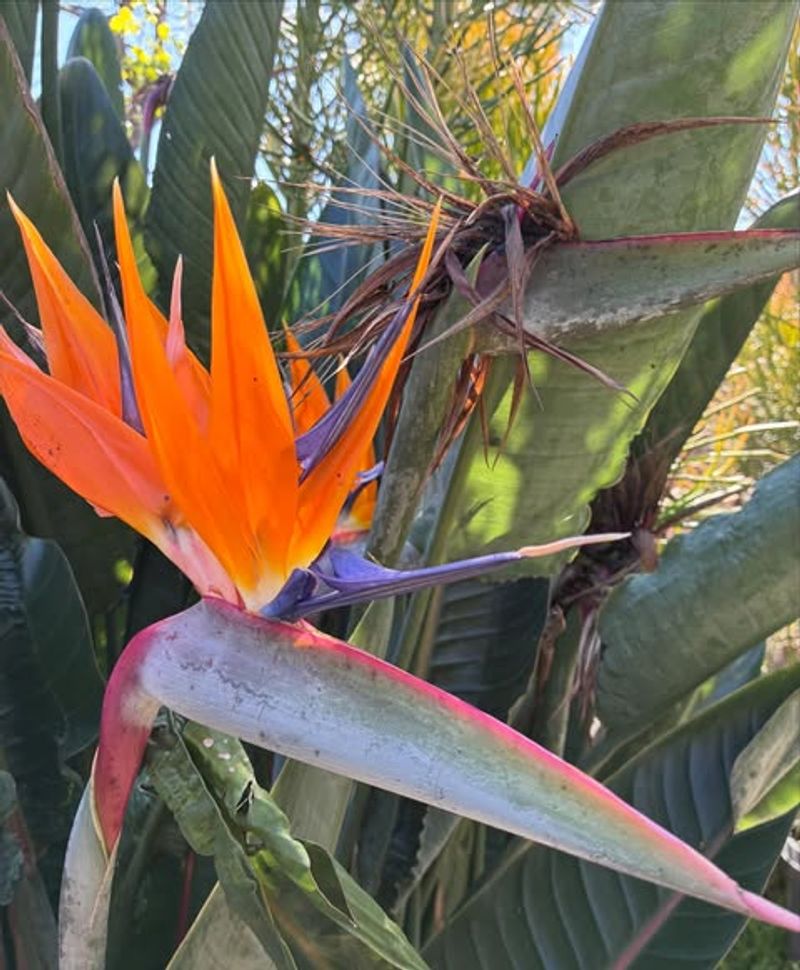
Watering a Bird of Paradise is less about a fixed schedule and more about reading the soil. What worked in January will not work in April, and it definitely will not work in July.
As Georgia temperatures start climbing in spring, the plant’s water needs shift noticeably, and adjusting early prevents both underwatering and root rot.
Check the top inch or two of soil before watering. If it still feels damp, give it another day or two.
If it feels dry and the pot feels light when you lift it, go ahead and water thoroughly until it drains from the bottom. During spring in Georgia, you might find yourself watering every five to seven days depending on pot size, sun exposure, and how warm things have gotten.
Outdoor plants in the ground tend to handle Georgia’s variable spring rain reasonably well, but container plants dry out faster and need closer attention. Terracotta pots especially lose moisture quickly in warm weather.
If your plant is on a patio or deck, afternoon sun can heat the pot significantly and speed up evaporation.
As summer gets closer and temperatures push into the upper 80s and 90s, you may need to water two to three times per week for potted plants. Deep, thorough watering is better than frequent shallow watering.
Consistent moisture without waterlogging is what keeps the roots healthy through Georgia’s humid, hot summers. A layer of mulch around outdoor plants can help retain soil moisture as the heat builds up.
4. Refresh Soil Or Top Dress To Improve Drainage
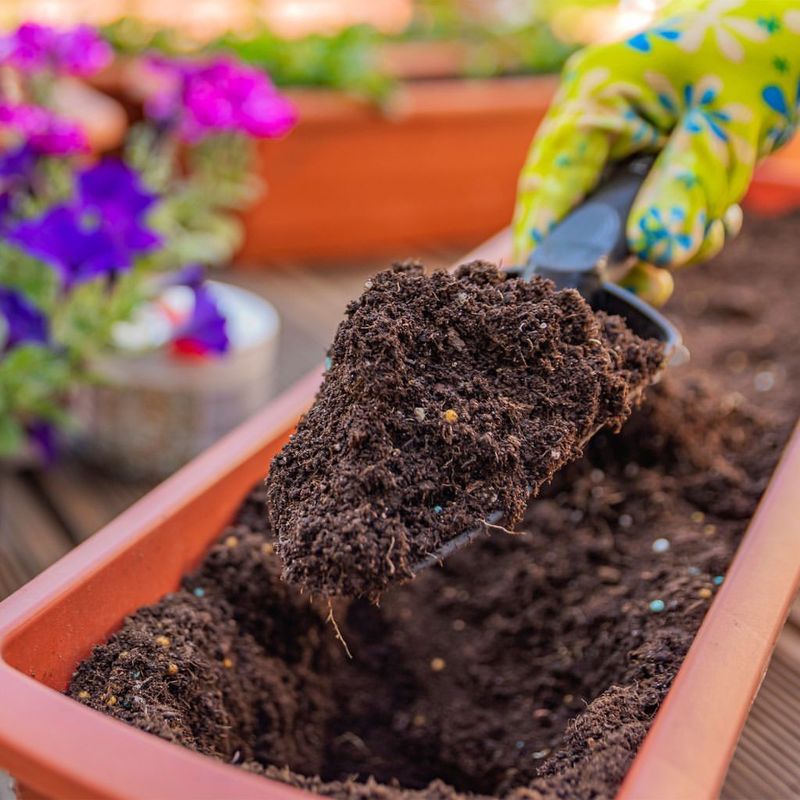
Soil that has been sitting in a pot for a year or two starts to break down and compact. It drains slower, holds less oxygen around the roots, and does not absorb water as evenly.
Before Georgia summer hits with its heavy afternoon downpours and high humidity, refreshing the soil situation in your Bird of Paradise container can make a real difference.
If you are not ready to fully repot yet, top dressing is a simpler option. Scrape away the top inch or two of old soil and replace it with fresh, well-draining mix.
A blend that includes perlite or coarse sand alongside standard potting mix works well for Bird of Paradise. Good drainage is essential because these plants do not tolerate soggy roots, especially in Georgia’s warm, humid conditions where soil stays wet longer than you might expect.
For in-ground plants, check whether the planting area has any low spots where water tends to pool after rain. Georgia gets significant rainfall in spring, and standing water around the base of your plant for extended periods is not ideal.
Adding a layer of compost to the top of the soil can improve both drainage and nutrient availability without much effort.
Fresh soil also tends to have a more balanced pH, which supports nutrient uptake.
5. Check For Pests Before Humidity Increases
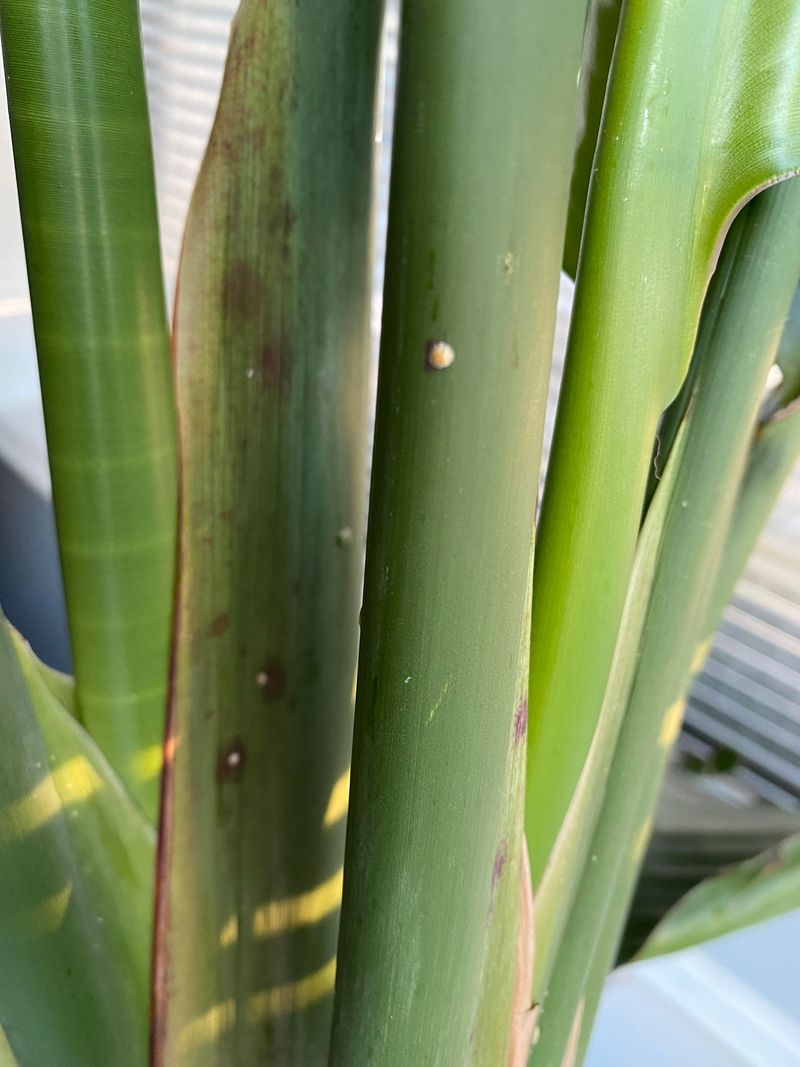
Pest populations can build up quietly over winter and then explode once Georgia’s humidity kicks in.
Scale insects, spider mites, and mealybugs are the most common problems on Bird of Paradise, and catching them early is far easier than dealing with a full infestation once temperatures are consistently high.
Flip the leaves over and look carefully along the midrib and at the base of the leaf stems. Mealybugs appear as small white cottony clusters.
Scale shows up as brown or tan bumps that do not wipe off easily. Spider mites are tiny and hard to see individually, but they leave behind fine webbing and cause a stippled, dusty look on leaf surfaces.
A strong spray of water can knock off early infestations before they get established. For more stubborn pests, insecticidal soap or neem oil applied in the morning works reasonably well.
Avoid spraying in full midday sun since that can cause leaf burn, especially as temperatures rise through spring in Georgia.
Consistency matters more than a single treatment. Check the plant every week or two through spring, not just once.
Pests tend to return after initial treatment if some eggs or nymphs are left behind. Keeping the leaves clean and free of dust also makes it harder for spider mites to take hold, since they prefer dry, dusty conditions.
Good airflow around the plant, whether indoors or outside, also reduces the likelihood of pest problems developing into something serious before summer fully arrives.
6. Move Or Shield Plants From Harsh Afternoon Sun
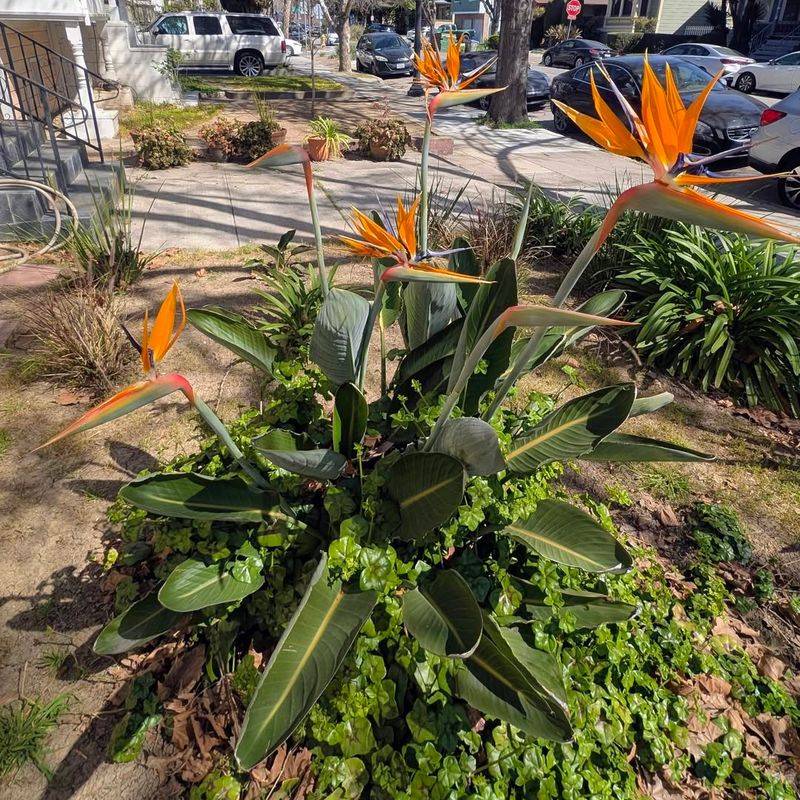
Full sun works well for Bird of Paradise through most of the year in Georgia, but the afternoon sun in summer is a different story. Temperatures regularly hit the upper 80s and 90s, and direct afternoon sun on container plants can scorch leaves and stress roots.
Getting your plant positioned correctly before summer arrives is worth the effort.
Morning sun is generally gentler and more beneficial. A spot that gets direct light from sunrise until around noon, then filtered or indirect light in the afternoon, tends to suit Bird of Paradise well in Georgia’s climate.
East-facing spots often work better in summer than south or west-facing locations where afternoon heat builds up against walls and fences.
If your plant is in the ground and cannot be moved, consider adding a shade cloth during the hottest months. A 30 to 40 percent shade cloth can reduce heat stress without cutting off too much light.
It is not a permanent solution, but it can get your plant through July and August in better shape.
Potted Bird of Paradise plants have more flexibility. Moving a container from a west-facing patio to an east-facing spot before peak summer can prevent the kind of leaf scorch that shows up as brown, papery patches on the upper leaf surface.
7. Repot If Roots Are Crowded Before Active Growth Begins
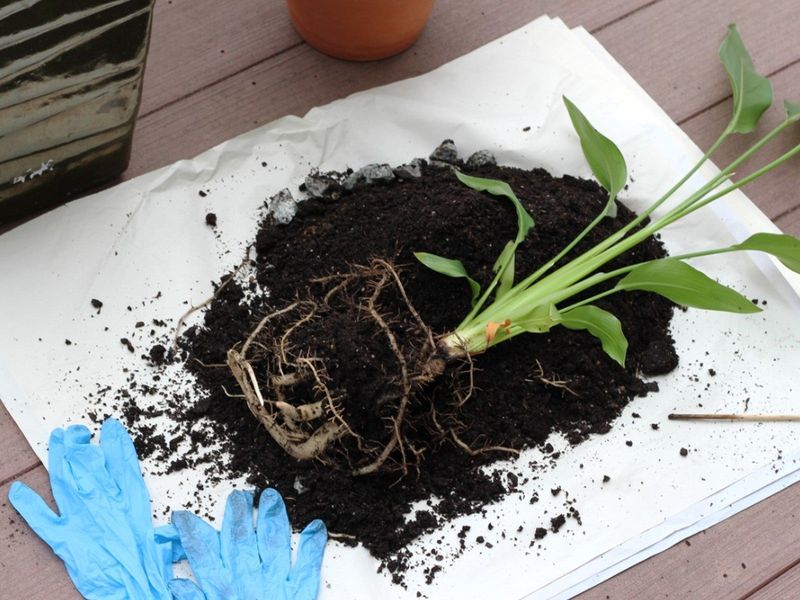
Roots pushing out of drainage holes or circling visibly at the soil surface are a clear sign your Bird of Paradise has outgrown its current container.
Repotting right before active growth begins in spring gives the plant time to settle into its new space before the demands of summer kick in.
Waiting until midsummer adds stress on top of stress.
Choose a pot that is only one to two inches larger in diameter than the current one. Going too big too fast can lead to soil staying wet too long between waterings, which becomes a real problem in Georgia’s humid summers.
A terracotta or breathable container helps regulate moisture better than solid plastic in warm weather.
Use a well-draining mix when repotting. A combination of quality potting soil, perlite, and a small amount of coarse sand gives the roots both support and drainage.
Gently loosen any tightly wound roots before placing the plant in the new container. You do not need to be aggressive, just enough to encourage roots to spread outward rather than continuing to circle.
Water thoroughly after repotting and place the plant in indirect light for a week or so while it adjusts. Avoid fertilizing immediately after repotting since fresh soil usually contains some nutrients and the roots need time to recover from the move.