8 Arizona Plants That Create Natural Wind Barriers In Open Yards
Open yards in Arizona rarely get a break from wind, and that constant push can wear down soil and plants faster than expected.
Bare areas dry out quicker, lighter plants struggle to hold their shape, and the whole space can feel exposed no matter how much effort goes into it.
A well placed line of the right plants can shift that completely. As they fill in, they soften the force of wind, give nearby plants some protection, and help the yard feel more settled without closing it off.
Over time, that natural barrier does more than block gusts. It creates a calmer, more stable space that holds up better through dry stretches and changing conditions.
1. Texas Sage Forms A Dense And Wind-Tolerant Screen
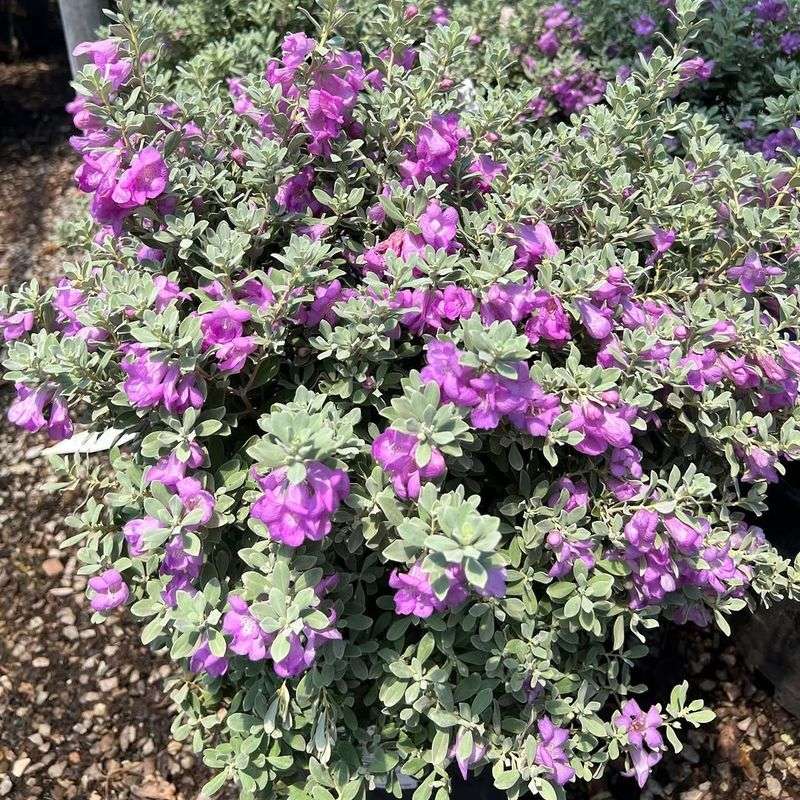
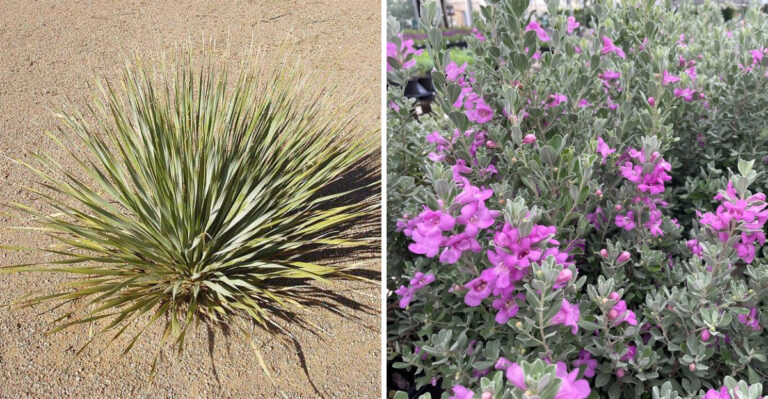
Walk past a Texas Sage after a rainstorm in Arizona and you’ll catch that sharp, earthy smell before you even see the purple flowers.
It’s one of those plants that feels completely at home in the desert Southwest, and its dense, rounded shape does serious work as a wind screen.
Planted close together — roughly three to four feet apart — Texas Sage forms a tight hedge that slows wind considerably across open areas.
Individual shrubs grow three to six feet tall and nearly as wide, so a row of five or six plants covers a decent stretch of yard pretty quickly.
Silvery-gray foliage reflects heat and holds up well during intense summer sun, which is saying something in Tucson or Phoenix where afternoon temperatures regularly push past 105 degrees.
The leaves are small and waxy, which helps the plant hold moisture and resist the kind of drying wind that can stress less-adapted shrubs.
One thing worth knowing: Texas Sage is not a fast grower by most standards. Expect steady but gradual progress rather than quick coverage.
Planting larger nursery specimens gives you a head start if you need a functional windbreak sooner rather than later. In Arizona’s desert zones, it’s a reliable long-term choice for low-water, wind-tolerant screening.
After rainfall, Texas Sage releases a distinct earthy scent that signals how well adapted it is to desert conditions, and its dense, rounded growth habit makes it highly effective at slowing wind.
2. Hop Bush Creates A Flexible Barrier In Open Areas
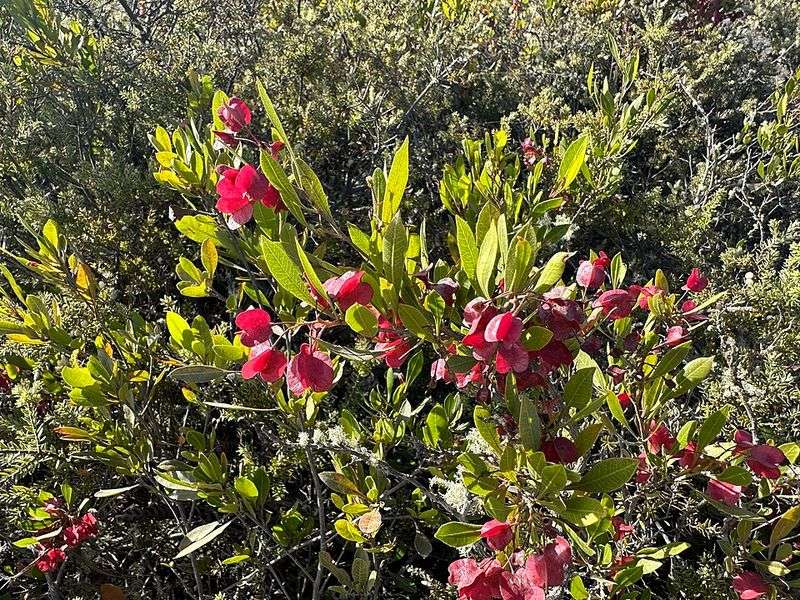
Hop Bush doesn’t get nearly enough credit in Arizona landscapes, and that’s a shame because it’s one of the most wind-adaptable shrubs you can plant in the desert Southwest.
It has a naturally upright, multi-stemmed form that creates a thick visual and physical barrier without a lot of fuss.
Heights typically range from six to twelve feet depending on water availability and soil conditions. In open yard situations where wind is a consistent problem, planting Hop Bush in a staggered double row creates depth that a single-line hedge just can’t match.
That layering effect is what actually breaks up wind speed rather than simply redirecting it.
The papery seed pods that appear in spring and summer are one of the plant’s most distinctive features — pale green to pinkish, almost translucent in certain light. They add visual interest without doing anything to reduce the plant’s toughness or wind tolerance.
Your Arizona Garden Changes Every Week. Your Plan Should Too.
Gardening in Arizona changes quickly throughout the season. Every Friday you’ll receive a simple weekly plan showing exactly what to plant, prune, fertilize, harvest, and protect so you never miss the right timing.
Hop Bush handles reflected heat off walls, pavement, and fencing better than many other screening shrubs.
In the Phoenix area and lower Sonoran Desert zones of Arizona, that heat tolerance matters a lot because conditions near walls and fences can get significantly hotter than open ground.
Consistent but infrequent deep watering during the hottest months helps it stay dense rather than sparse and open at the base.
In windy areas, its flexible stems bend with strong gusts instead of snapping, which helps it hold its shape and stay effective as a long-term wind barrier.
3. Desert Willow Handles Wind Without Snapping
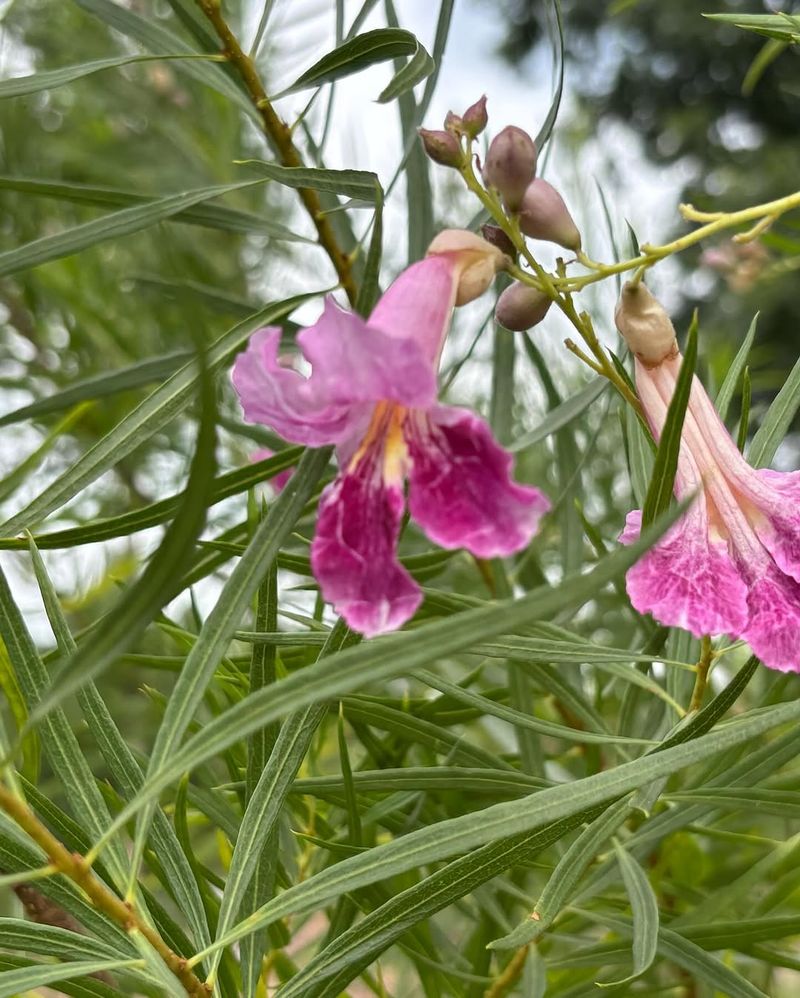
Bend without breaking — that’s basically the Desert Willow’s approach to wind. Unlike rigid trees that can crack under pressure, this tree has flexible branches that move with gusts instead of resisting them.
That flexibility is actually what makes it so reliable in open Arizona landscapes.
Desert Willow grows fast enough that you’ll notice real size within a couple of growing seasons, though how fast depends on your soil and how much water it gets.
It can reach 15 to 25 feet tall, giving you a solid canopy that slows wind before it reaches your yard, patio, or garden beds.
Planted in a row or cluster along your windward fence line, several Desert Willows together form a layered screen that breaks up airflow without completely blocking it.
That partial filtering can actually be more effective than a solid wall in some situations, since hard barriers sometimes create turbulence on the other side.
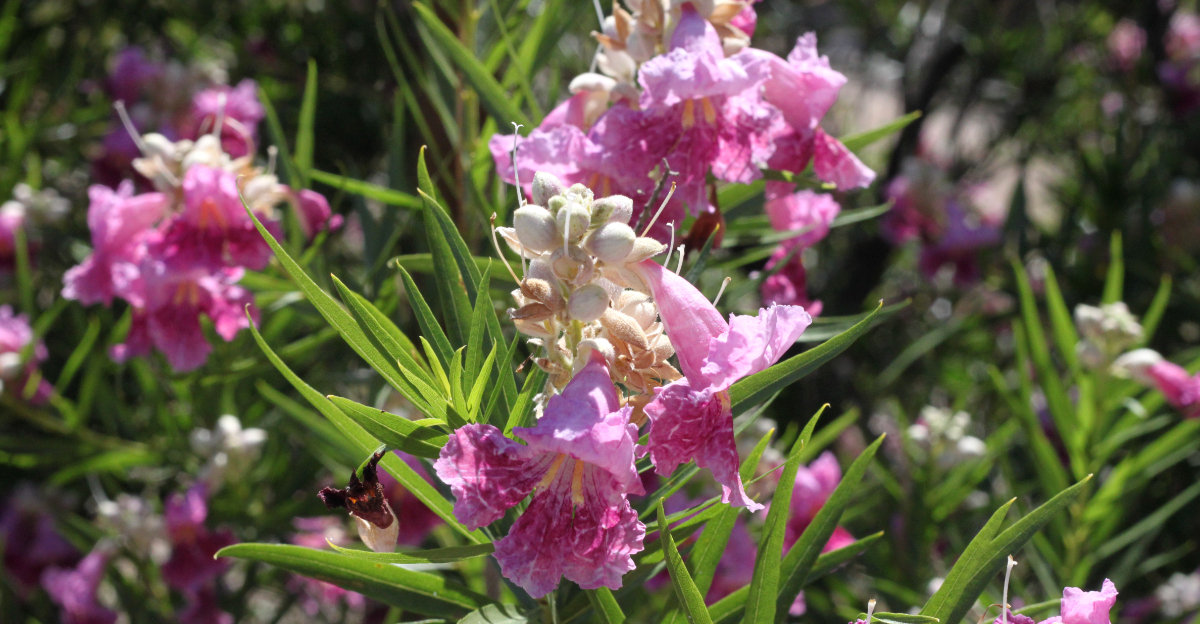
Bonus: those pink, trumpet-shaped flowers are genuinely pretty, showing up in late spring and sometimes again after summer rains. You’re getting both function and color out of one plant.
In Arizona’s low and mid-elevation zones, it performs especially well in full sun with occasional deep watering during dry stretches.
It also handles poor, sandy, or rocky soils without much trouble, which makes it a dependable choice in areas where other trees struggle to establish.
4. Arizona Cypress Blocks Wind With Thick Evergreen Growth
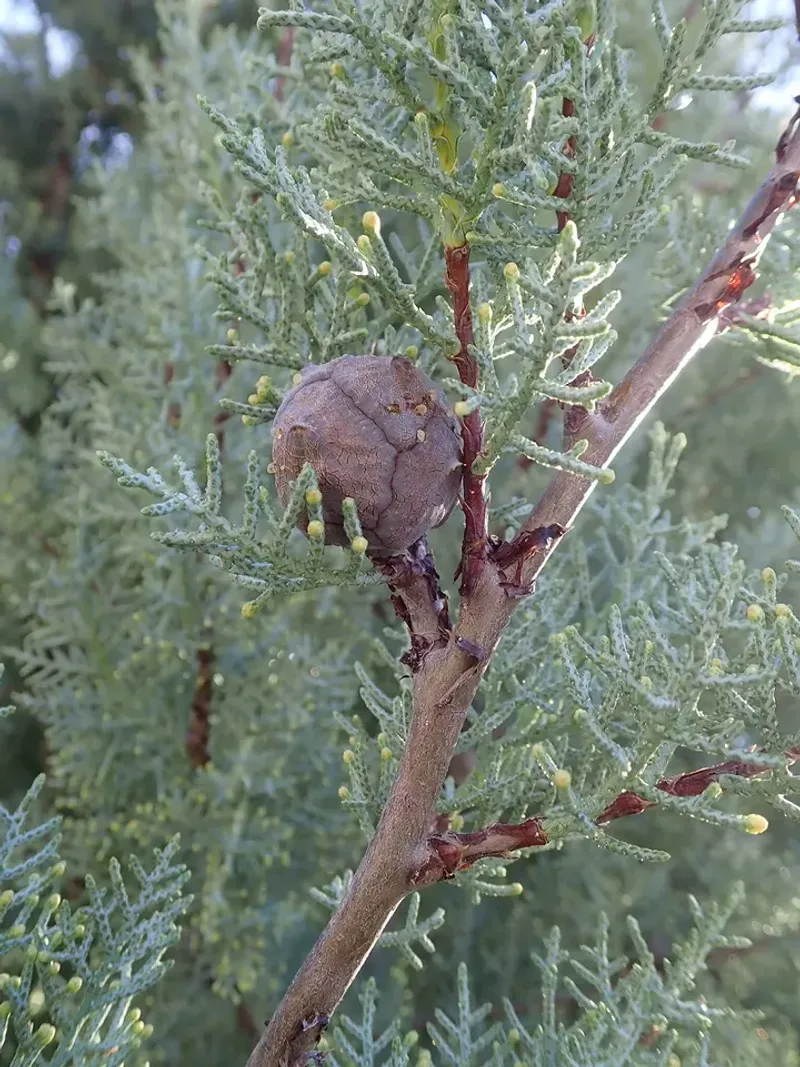
If you want a windbreak that keeps its leaves year-round and grows into a genuine wall of green, Arizona Cypress is one of the best options available for higher-elevation parts of the state.
It’s a true evergreen conifer, and its dense, overlapping foliage makes it one of the most effective wind blockers you can plant.
Mature trees can reach 40 feet or more, though most yard plantings stay in the 20 to 30-foot range depending on water and soil. Spacing trees 8 to 12 feet apart creates a solid row that starts filling in within three to four years under decent conditions.
The blue-green to silvery foliage is distinctive and looks sharp against Arizona’s tan-and-rust landscape.
Arizona Cypress is best suited to elevations above 3,500 feet — think Prescott, Flagstaff, and the White Mountains region — where summers are cooler and winters can bring snow.
Down in the low desert, it struggles with heat and humidity stress, so location really matters for this one.
Established trees are notably drought-tolerant once their root systems spread out, but younger plantings benefit from regular water during the first two summers. Planting in fall gives roots time to settle before the heat of summer arrives.
As a wind barrier, it’s hard to beat the combination of height, density, and year-round coverage that Arizona Cypress provides.
5. Jojoba Grows Dense And Holds Up In Harsh Wind
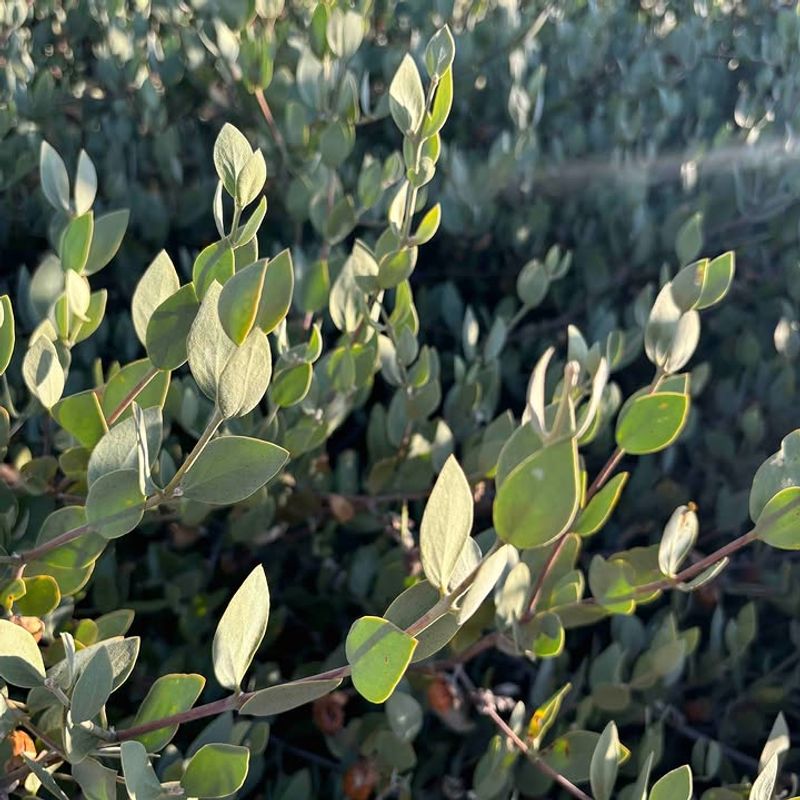
Jojoba is the kind of plant that looks unimpressive at first glance and then slowly earns your respect over time. It’s stiff, leathery, and compact — qualities that translate directly into wind resistance in open Arizona yards where gusts come in fast and hard.
Shrubs typically grow four to six feet tall with a similar spread, though some specimens push taller in favorable spots. The leaves are thick and waxy, sitting nearly perpendicular to the stem in a way that helps the plant shed wind rather than catch it.
That leaf orientation is a real physical adaptation, not just a visual quirk.
Planted in a row along a windward property edge, Jojoba forms a solid, low-to-mid-height screen that works especially well when combined with taller plants behind it.
A layered windbreak — shorter shrubs up front, taller trees or large shrubs behind — is generally more effective than a single row of uniform height, and Jojoba fits naturally into that front-row role.
It’s native to the Sonoran Desert, which means it’s fully adapted to Arizona’s summer heat, rocky soils, and dry winters. Deep, infrequent watering helps it develop a strong root system that keeps it anchored during high-wind events.
Jojoba is also long-lived, so a planting you put in today can still be doing its job decades from now.
6. Mesquite Develops A Strong Structure Against Wind
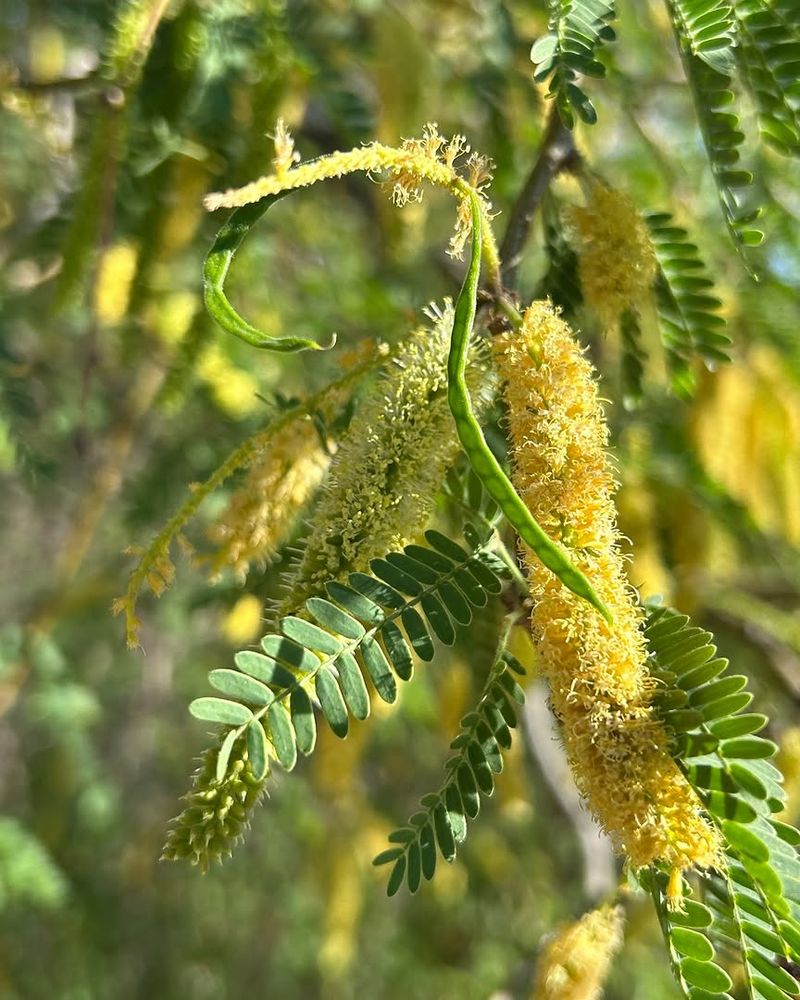
Few trees in Arizona develop a root system as aggressive and anchor-strong as Mesquite. That deep taproot — which can push down 30 feet or more in the right soil — is exactly what keeps this tree standing when serious wind rolls through open desert country.
Velvet Mesquite, the native Arizona species, grows into a broad, spreading canopy that can reach 20 to 30 feet tall and just as wide. That wide canopy does real work as a wind barrier, breaking up airflow across a large horizontal area rather than just a narrow vertical strip.
A single mature tree can protect a surprisingly large portion of an open yard.
Young Mesquite trees grow quickly when they have access to water, but they also survive on very little once established. During the first year or two, some supplemental watering during dry spells helps them push roots deep and build structure.
After that, most trees manage well on seasonal rainfall alone in low-desert Arizona.
Worth noting: Mesquite drops leaf litter and seed pods seasonally, so it requires some cleanup. Thorns are also present on most native varieties, which is something to think about if you have kids or pets using the yard.
Despite those minor considerations, the structural wind protection a mature Mesquite provides is hard to replicate with smaller shrubs alone.
7. Quailbush Thrives In Open Sites And Slows Wind
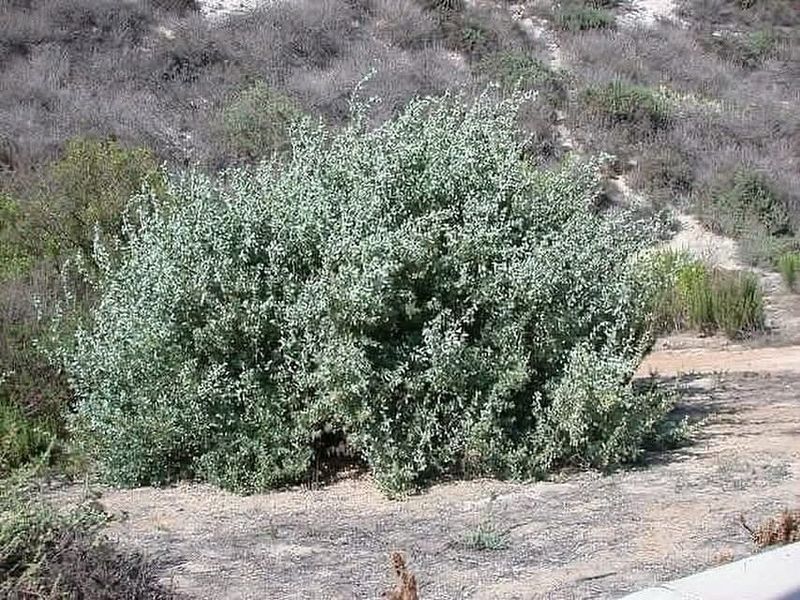
Out on flat, exposed ground where most shrubs struggle to look decent, Quailbush actually thrives. It’s a plant built for harsh open sites — alkaline soil, reflected heat, dry air, and yes, consistent wind.
That toughness is exactly what makes it useful as a low windbreak in open Arizona yards.
Quailbush grows three to seven feet tall with a spreading, dense branch structure that traps and slows wind at ground level.
That low-level wind reduction matters more than people realize — it’s what keeps soil from eroding, protects smaller plants nearby, and makes outdoor spaces more comfortable on gusty days.
Silvery-white foliage reflects sunlight and gives the plant a soft, almost frosted appearance. It’s not the most dramatic-looking shrub, but in a practical windbreak planting, it earns its space.
Planted in groups or rows, several Quailbush shrubs together create meaningful coverage across a wide area without requiring much from you in return.
Arizona’s desert valleys and open plains are natural habitat for this plant, which means it doesn’t need special soil amendments, fertilizer, or regular irrigation once it gets going. Planting in fall or early spring gives it the best start.
Quailbush also supports native wildlife, particularly quail and other desert birds that use it for cover — a nice side benefit on top of the wind protection it provides.
8. Arizona Rosewood Forms A Durable And Dense Wind Barrier
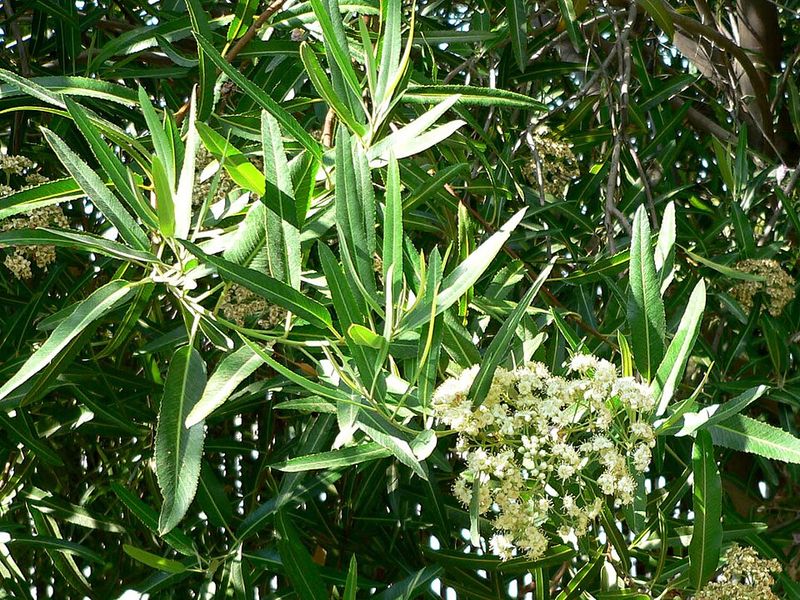
Arizona Rosewood is one of those plants that experienced desert gardeners keep returning to because it simply performs. Dense branching, small tough leaves, and a naturally upright growth habit — everything about it points toward wind barrier duty in open Arizona yards.
Expect mature plants to reach eight to twelve feet tall with a solid, shrubby form that doesn’t open up or get leggy over time.
That consistent density from base to top is what sets it apart from shrubs that look great at eye level but leave a gap near the ground where wind slides right through.
Arizona Rosewood is native to rocky slopes and canyon edges in southern Arizona and northern Mexico, which tells you something about its tolerance for tough conditions. Thin, rocky soil?
Not a problem. Intense reflected heat?
It manages. Long dry spells between rains?
It handles those too, though young plants appreciate some water during their first summer or two.
Small white flowers appear in spring and have a faint, pleasant scent — subtle enough that you might only notice it up close.
That’s a small bonus on top of the main reason you’d plant it: reliable, durable wind screening that holds up year after year without a lot of intervention.
For open yards in southern Arizona particularly, it’s a strong, underused option worth serious consideration.