Things You Should Never Add To Florida Sandy Soil No Matter What You Read Online
Florida sandy soil can make gardeners feel like they are always one step behind. Water slips through fast, nutrients do not stick around for long, and every online tip seems to promise a miracle fix.
That is how a lot of Florida homeowners end up wasting money, following bad advice, and tossing the wrong things into the soil with high hopes. Some of those popular suggestions sound harmless.
Some even sound smart. But in Florida, not everything that helps soil in theory makes sense in real life.
That is where things get tricky. A shortcut that looks clever on social media can turn into a mess once heat, rain, humidity, and fast-draining sand enter the picture.
Plenty of gardeners learn this the hard way after trying to improve their soil and ending up with worse texture, poorer drainage, or plants that still struggle.
Before you dump one more trending fix into the ground, it is worth knowing which additions can do more harm than good in Florida soil.
1. Fresh Manure Brings Trouble Fast In Florida Sand
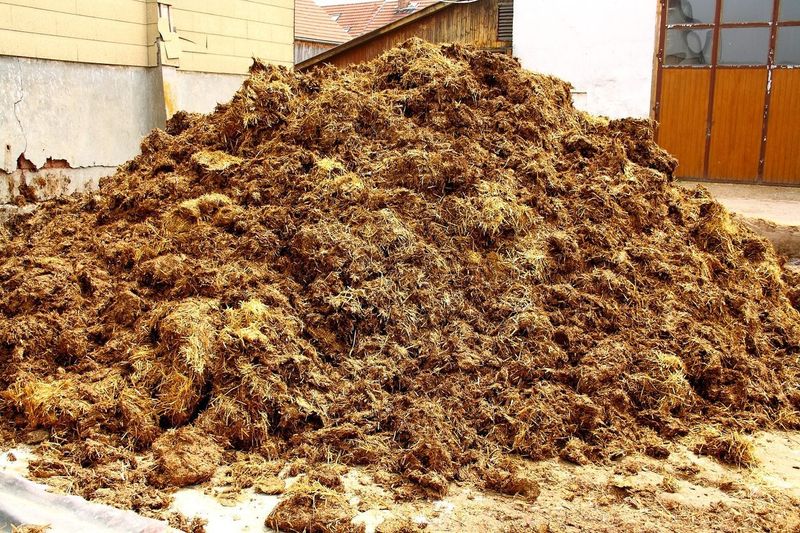
Gardeners sometimes reach for fresh manure thinking it is a quick and natural way to boost their sandy Florida soil. The idea makes sense on the surface because manure is full of nutrients, but the reality in Florida’s conditions is a lot messier than that.
Fresh manure contains high nitrogen levels that can scorch plant roots, especially in sandy soil where there is little organic buffer to absorb the intensity.
Florida heat speeds up decomposition in unpredictable ways, which means those nutrient levels can spike suddenly and cause more harm than help.
Pathogens like E. coli and Salmonella can survive in fresh manure, and sandy soil offers very little natural filtration to stop them from moving toward groundwater or edible crops.
UF/IFAS recommends using well-composted manure only, ideally aged for several months before any garden application.
Composted manure behaves in a far more stable and predictable way. The composting process breaks down pathogens and reduces the nitrogen intensity, making nutrients available slowly over time rather than all at once.
If you want manure in your garden, patience is the key ingredient.
2. More Sand Does Nothing To Fix Sandy Soil
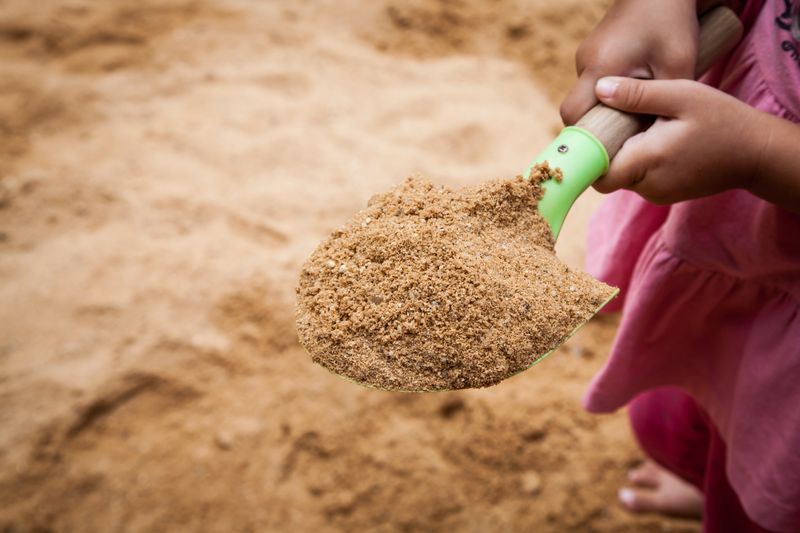
It sounds logical at first: if sandy soil drains too fast, maybe adding more sand will somehow help it hold together better.
Unfortunately, that reasoning does not hold up in practice, and many Florida gardeners have learned this the hard way after hauling heavy bags home from the garden center.
Sandy soil is already made up of large, loosely packed particles that water moves through very quickly.
Adding more sand simply increases that same particle structure without doing anything to improve nutrient retention, water-holding capacity, or microbial activity in the soil.
According to UF/IFAS research, the only way to meaningfully improve sandy soil structure is by adding organic matter like finished compost. Organic matter creates a sponge-like effect that slows drainage and gives roots something to grip and feed from.
Your Florida Garden Changes Every Week. Your Plan Should Too.
Gardening in Florida changes quickly throughout the season. Every Friday you’ll receive a simple weekly plan showing exactly what to plant, prune, fertilize, harvest, and protect so you never miss the right timing.
Pouring extra sand into a sandy bed is essentially the gardening equivalent of trying to fix a leaky bucket by adding more holes. The soil ends up looking the same but performing no better.
Compost, mulch, and cover crops are the tools that actually shift how Florida sandy soil behaves over a growing season.
3. Uncomposted Scraps Create More Problems Than Progress
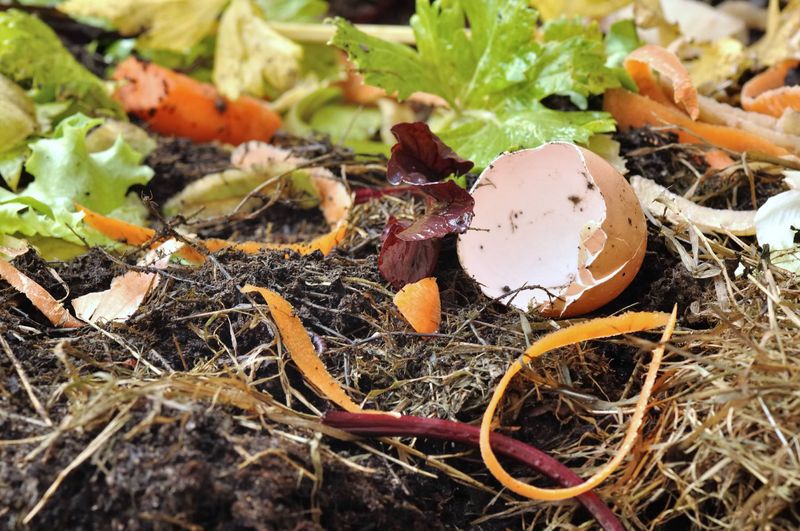
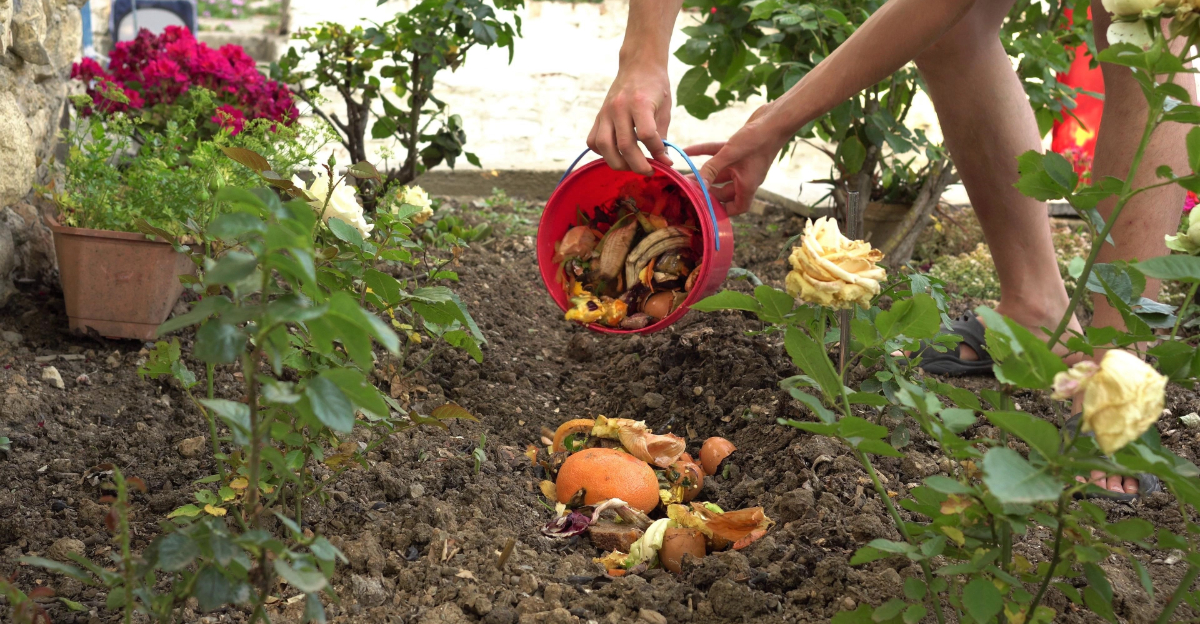
Tossing raw kitchen scraps directly onto or into your garden bed might feel like responsible recycling, but in Florida sandy soil, it creates a surprisingly long list of problems.
The warm, humid climate does encourage decomposition, but not always in the controlled, beneficial way gardeners hope for.
Uncomposted scraps attract pests quickly. Raccoons, rats, and insects are drawn to fresh food waste, and once they find your garden, they tend to stick around.
Florida’s year-round warmth means pest activity never really slows down the way it does in cooler states.
Raw organic material also creates a nitrogen tug-of-war in the soil. Soil microbes work hard to break down those scraps, and in doing so, they temporarily pull nitrogen away from your plants.
Seedlings and young transplants are especially vulnerable to this nutrient competition during active decomposition.
Composting scraps fully before adding them to your garden eliminates most of these issues. A properly finished compost pile smells earthy rather than rotten, and the material is dark, crumbly, and ready to feed your soil without drama.
Florida gardeners benefit most from hot composting methods that speed up the process safely.
4. High-Salt Fertilizers Make Sandy Soil Even Harsher
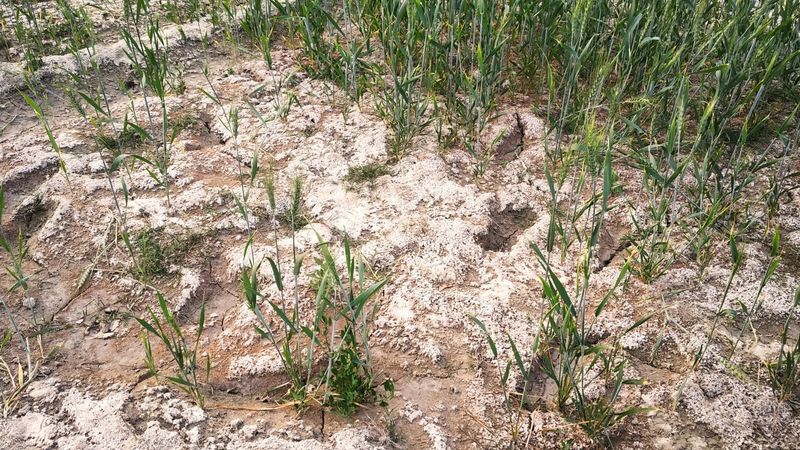
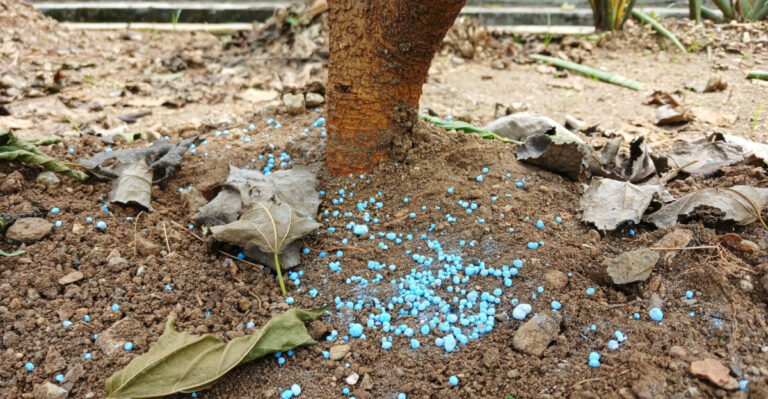
Walk through any garden center and you will find plenty of fertilizers that promise fast results and big yields. Some of those products rely on high-salt formulas that move through sandy soil in ways that can stress plants rather than support them.
Sandy soil does not hold onto much of anything for long, and salt-based fertilizers are no exception. When it rains or irrigation runs, those salts can leach down quickly, sometimes past the root zone entirely before plants get a chance to absorb the nutrients.
What stays behind can build up near the soil surface and create a harsh environment for tender roots.
Salt accumulation raises the osmotic pressure around roots, which makes it harder for plants to pull in water even when moisture is present. In Florida’s heat, this effect is amplified because plants are already working hard to stay hydrated.
Symptoms often look like drought stress even when the soil is damp.
Slow-release fertilizers and organic options tend to perform far better in sandy Florida conditions. They release nutrients gradually and do not create the same salt buildup risks.
UF/IFAS extension resources specifically recommend slow-release nitrogen sources for sandy soils to reduce leaching and protect plant roots.
5. Lime Without A Soil Test Can Throw Everything Off
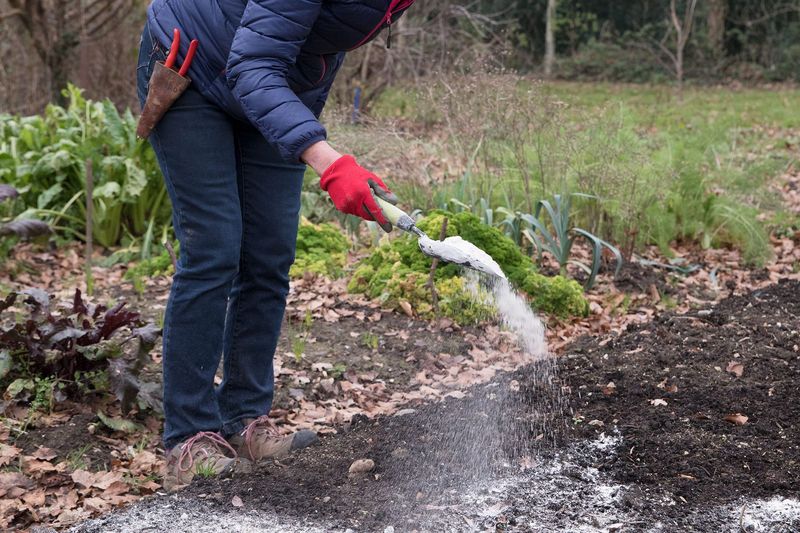
Lime has a solid reputation as a soil improver, and in many gardening situations, it genuinely helps.
The problem in Florida is that sandy soils vary widely in their natural pH levels depending on location, and adding lime without testing first is a bit like adjusting a recipe without tasting it.
Florida soils in some regions are already naturally alkaline, particularly near coastal areas or in parts of South Florida with limestone bedrock close to the surface.
Applying lime to soil that is already at or above the ideal pH range can push it too high, making nutrients like iron, manganese, and zinc much harder for plants to absorb.
Nutrient lockout is a real and frustrating consequence of over-liming. Plants may show yellowing leaves and stunted growth even when fertilizer has been applied, because the chemistry of the soil is preventing uptake.
Fixing an over-limed sandy soil takes time and effort that could have been avoided with a simple test.
UF/IFAS strongly encourages Florida gardeners to test their soil before applying any pH-adjusting amendment. Soil test kits are affordable and widely available through local extension offices.
Knowing your baseline gives you real information to work with instead of guesswork.
6. Heavy Wood Ash Applications Push Soil Out Of Balance
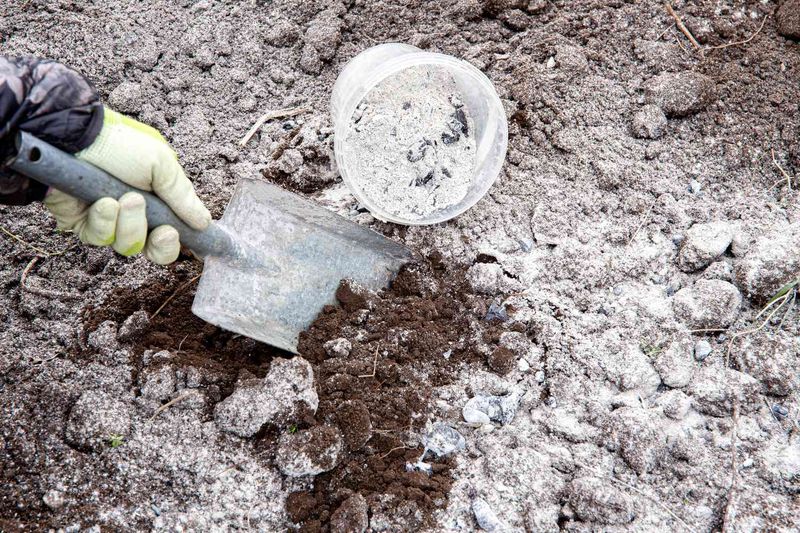
Wood ash from a fireplace or fire pit feels like a natural and free soil amendment, and in small amounts it can offer some benefits.
The trouble starts when gardeners apply it generously, assuming more is better, especially in Florida sandy soil where balance is already hard to maintain.
Wood ash is alkaline and raises soil pH relatively quickly. A light dusting occasionally may be harmless or even helpful if your soil tests acidic.
Heavy or repeated applications, though, can drive pH up to levels where many plants struggle to access the nutrients sitting right there in the soil.
Florida sandy soil is already prone to nutrient leaching, so any disruption to pH balance has an outsized effect. Phosphorus becomes less available in high-pH soil, and many micronutrients that plants rely on for healthy growth become locked up as well.
Blueberries, azaleas, and other acid-loving plants common in Florida landscapes are particularly sensitive to these shifts.
Potassium in wood ash can also accumulate and create imbalances with calcium and magnesium over time. If you want to use wood ash in your garden, a soil test beforehand tells you whether your pH actually has room to move upward.
Small and occasional is the smarter approach here.
7. Peat Moss Alone Will Not Fix The Real Problem
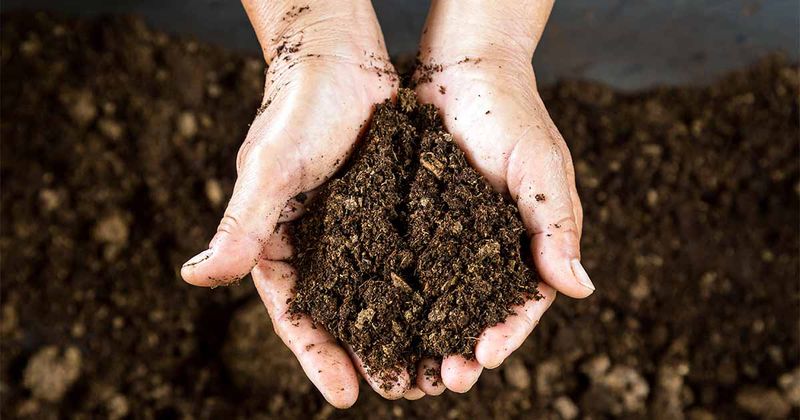
Peat moss has been a go-to soil amendment for decades, and many gardening guides still recommend it without much hesitation.
For Florida sandy soil, though, relying on peat moss as a standalone fix is a bit like putting a bandage on a problem that needs a much deeper solution.
Peat moss does improve moisture retention temporarily, which sounds helpful for sandy soil that drains too fast. The catch is that peat moss dries out quickly in Florida’s heat and becomes hydrophobic, meaning it actually repels water once it gets too dry.
That is the opposite of what struggling sandy soil needs during a dry spell.
Peat also breaks down over time without adding significant nutrients back to the soil. Unlike compost, it does not feed soil microbes or build long-term organic matter in a meaningful way.
Sandy soil needs biological activity to improve, and peat moss does very little to encourage that ecosystem.
Environmental concerns are also worth considering. Most peat moss comes from slowly renewable bogs, making it a resource with sustainability questions attached.
Compost, aged leaf mulch, or locally sourced organic matter typically outperforms peat moss in Florida conditions and supports soil health more completely over a full growing season.
8. Raw Sawdust Steals Nitrogen When Plants Need It Most
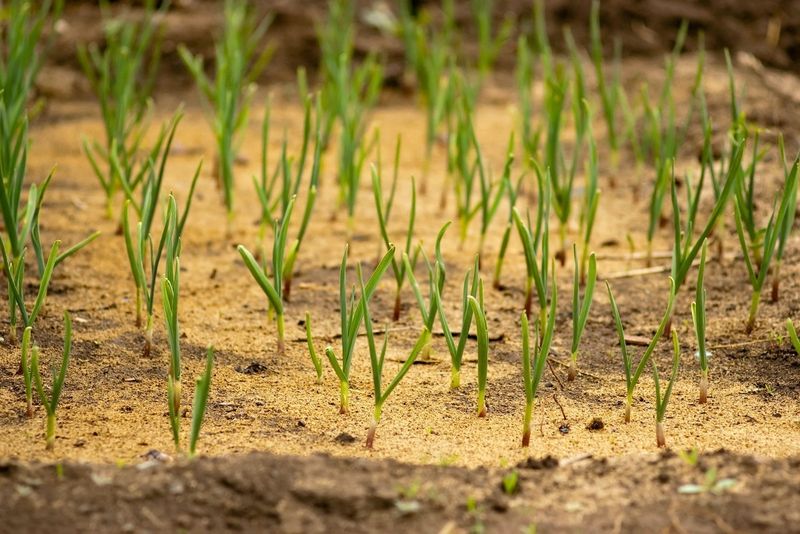
Sawdust looks like a reasonable mulch or soil amendment at first glance. It is carbon-rich, widely available, and breaks down over time.
In Florida sandy soil, however, adding raw sawdust directly to your garden beds sets off a chain reaction that most plants are not equipped to handle.
Soil microbes are responsible for breaking down raw sawdust, and they need nitrogen to do that work.
Because sawdust has an extremely high carbon-to-nitrogen ratio, those microbes pull nitrogen directly from the surrounding soil to fuel the decomposition process.
Plants growing nearby suddenly find themselves competing for the same nitrogen that microbes are consuming.
The result is a condition called nitrogen tie-up or nitrogen immobilization. Plants may show yellowing leaves, slow growth, and reduced vigor even when the soil looks fine.
In Florida’s warm climate where plants are actively growing for much of the year, this nitrogen deficit can set back a garden significantly.
If sawdust is available and you want to use it, composting it first is the responsible move.
Mixing it with a nitrogen-rich material like grass clippings or finished compost and letting it break down for several months before applying it to beds removes the nitrogen tie-up risk almost entirely.
Patience here pays off noticeably.
9. Mystery Soil Blends Can Wreck Soil Quality Fast
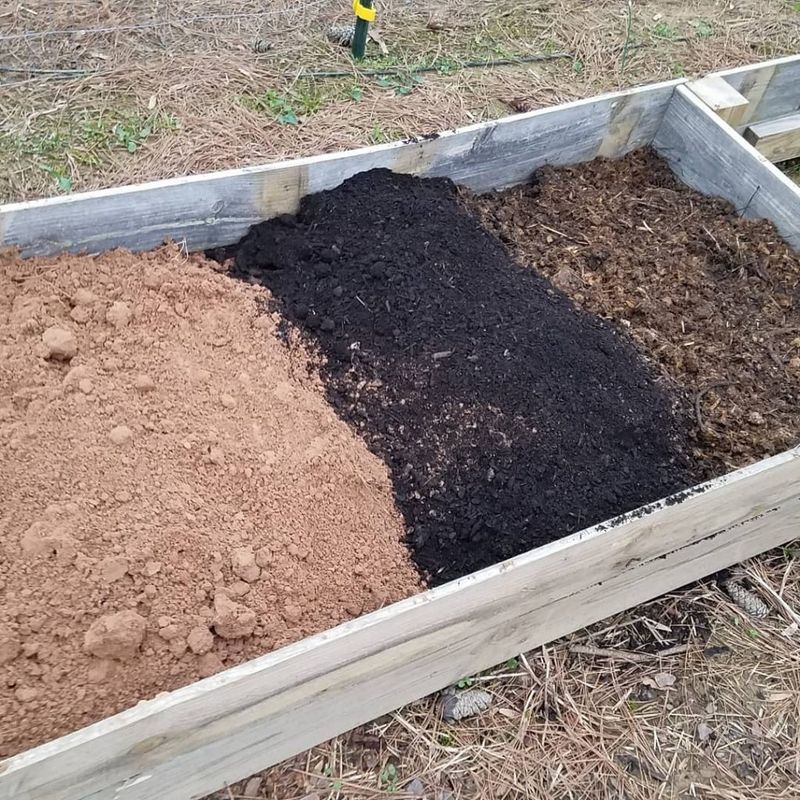
Cheap bulk soil or mystery fill dirt is tempting when you need to fill a raised bed or top off a garden area without spending a lot. In Florida, though, buying soil without knowing exactly what is in it can introduce problems that take seasons to undo.
Some fill materials sold cheaply or given away free contain construction debris, weed seeds, contaminated material, or soil from unknown sources with unpredictable pH levels. Florida’s sandy native soil is at least a known quantity.
Mixing in an unknown blend can disrupt the microbial community, change drainage patterns, and introduce persistent weeds that spread aggressively in warm conditions.
Heavy clay-based soils sometimes get mixed into cheap blends, and adding clay to sandy soil can create layering problems.
Water pools above the clay layer instead of draining evenly, which encourages root rot and creates anaerobic pockets where beneficial soil organisms cannot survive well.
Buying from reputable suppliers who can provide ingredient information is worth the extra cost. Look for blends that list compost, aged bark, or other organic materials with transparent sourcing.
UF/IFAS extension offices can sometimes help evaluate soil quality if you are unsure what you have brought into your garden space.
10. Excess Synthetic Fertilizer Washes Through Too Quickly
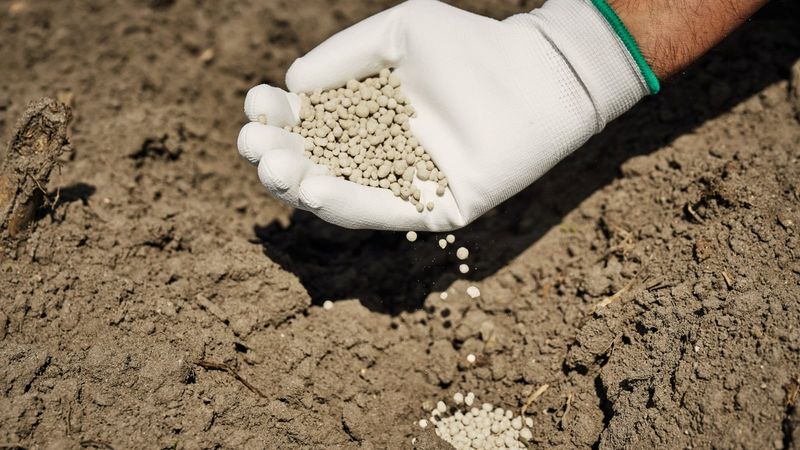
Sandy soil and synthetic fertilizer have a complicated relationship. Fertilizer labels often suggest application rates designed for average soils with reasonable nutrient-holding capacity.
Florida sandy soil, with its rapid drainage and low cation exchange capacity, behaves very differently from that average.
When synthetic fertilizer is applied in excess, much of it leaches through the sandy profile before roots can absorb it.
Nitrogen and potassium are especially mobile in sandy conditions, moving downward with irrigation or rainfall and ending up in groundwater rather than in your plants.
Florida has some of the most sensitive groundwater systems in the country, making this runoff a concern beyond just your garden.
Phosphorus is another issue. Florida already has naturally high phosphorus levels in many areas, and adding more through excess fertilizer can contribute to water quality problems in nearby lakes, rivers, and springs.
The state has specific fertilizer ordinances in many counties for exactly this reason.
Splitting fertilizer applications into smaller, more frequent doses works much better in sandy soil. Slow-release formulas are another strong option because they meter out nutrients gradually regardless of rainfall.
Following UF/IFAS fertilizer guidelines for your specific crop or landscape type gives you a realistic starting point that matches Florida’s unique soil conditions.