How To Grow Three Times More Sweet Potatoes At Home In Michigan
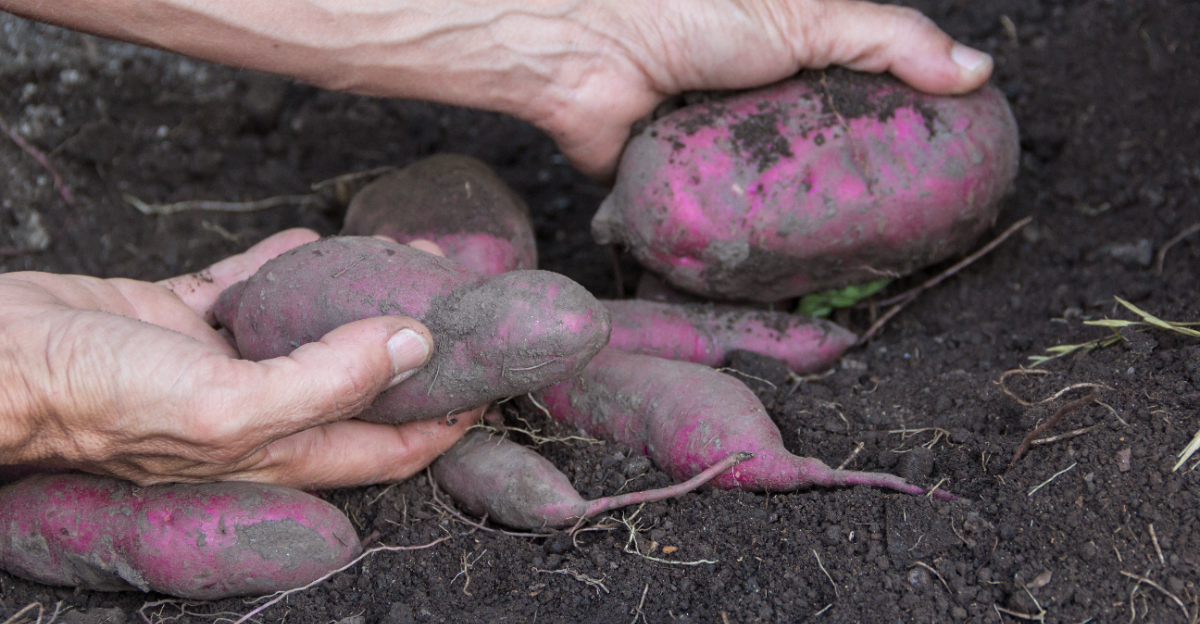
Growing sweet potatoes in Michigan might not seem easy at first, but with the right approach, you can get surprisingly strong results. Since Michigan has a shorter growing season, the key is making the most of every warm day.
Many gardeners plant them the usual way and end up with smaller harvests, not realizing a few simple changes can boost production in a big way.
From how you prepare the soil to how you space and care for the plants, each step plays a role in how much you harvest at the end of the season.
Sweet potatoes love warmth, loose soil, and room to spread, and when those needs are met, they can really take off. With a little planning and the right setup, it is possible to grow far more than you might expect, even in Michigan conditions.
1. Start With Slips, Not Seeds
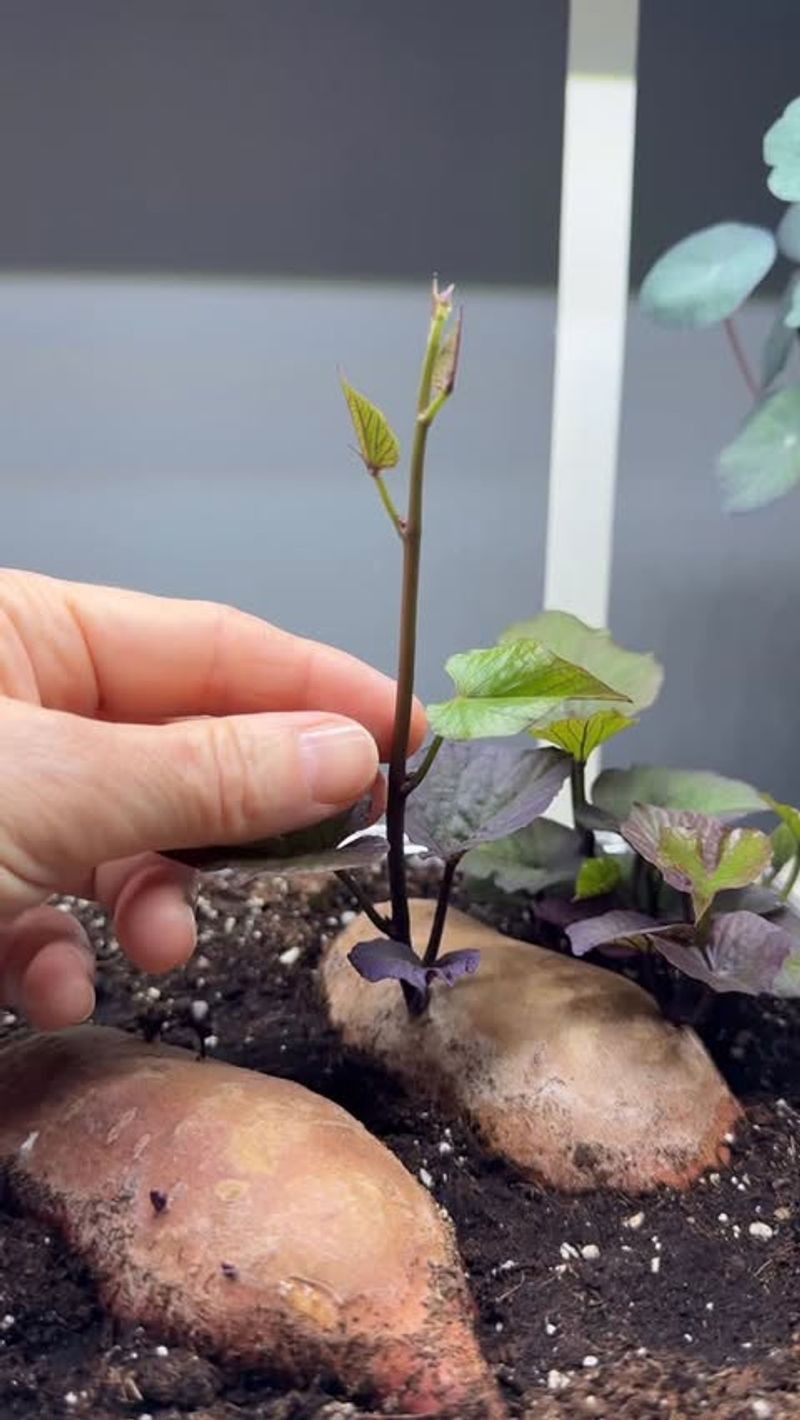
Most people do not realize that sweet potatoes are not grown from seeds at all. They grow from slips, which are rooted sprouts that come right off a mature sweet potato.
Starting with healthy, strong slips is one of the most important steps you can take to boost your harvest in Michigan.
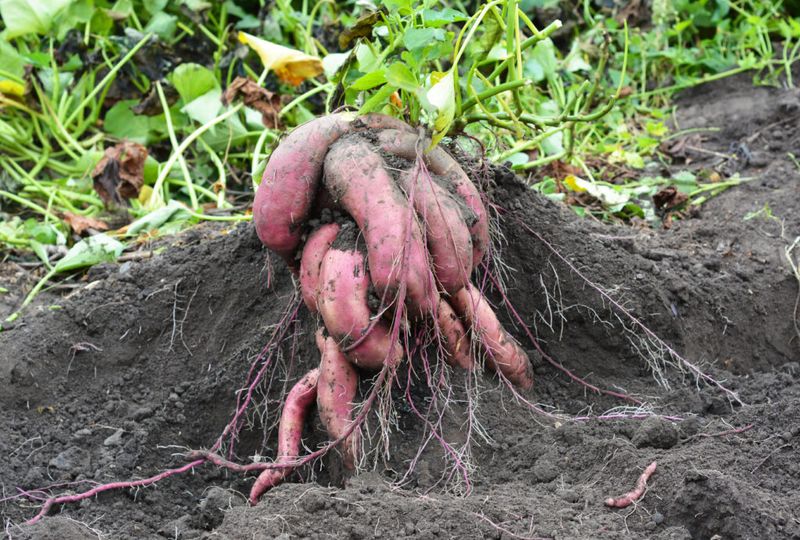
You can grow your own slips by placing a sweet potato halfway in a jar of water near a sunny window about 8 to 12 weeks before your last frost date. Michigan gardeners should start this process around late February or early March.
Once the slips are about 6 to 8 inches long and have their own roots, they are ready to be planted outdoors.
Buying slips from a trusted garden supplier is another solid option, especially if you want early-maturing varieties like Georgia Jet or Beauregard.
These varieties are specifically recommended for Michigan because they mature in about 90 days, fitting nicely into the state’s shorter season.
Healthy slips with firm stems and bright green leaves will always outperform weak, leggy ones. Giving your garden the strongest possible start from day one sets you up for a truly impressive harvest come fall.
2. Wait Until The Soil Is Truly Warm
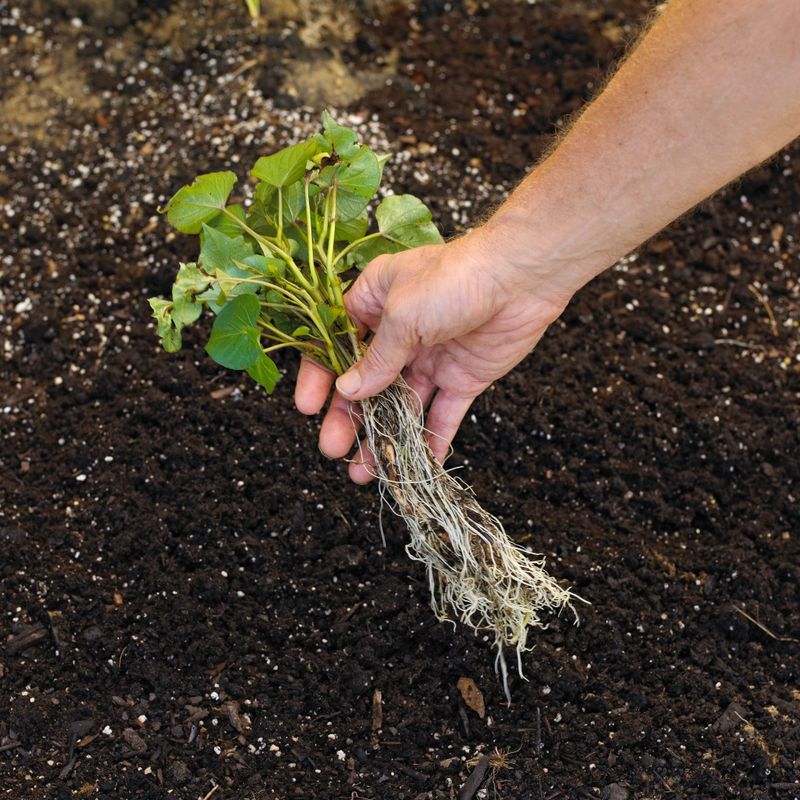
Patience is a real superpower when it comes to growing sweet potatoes in Michigan. Planting too early, when the soil is still cold, is one of the biggest mistakes home gardeners make.
Cold soil slows root development, stunts growth, and seriously cuts into your final yield.
Sweet potatoes need soil temperatures of at least 65 degrees Fahrenheit before you even think about putting slips in the ground. In Michigan, that sweet spot usually arrives somewhere between late May and early June, depending on where you live in the state.
Northern Michigan gardeners may need to wait a bit longer than those in the southern part of the Lower Peninsula.
A simple soil thermometer, available at any garden center, takes the guesswork completely out of this step. Push it about 4 inches into the ground and check the reading in the morning when temperatures are lowest.
If the number is consistently at or above 65 degrees for several days in a row, you are good to go. Rushing this step never pays off.
Your Michigan Garden Changes Every Week. Your Plan Should Too.
Gardening in Michigan changes quickly throughout the season. Every Friday you’ll receive a simple weekly plan showing exactly what to plant, prune, fertilize, harvest, and protect so you never miss the right timing.
Slips planted in warm soil establish quickly, spread their vines fast, and produce far more tubers than those planted in cold, damp ground. Waiting that extra week or two makes a noticeable difference in your harvest.
3. Build Raised Beds Or Mounded Rows
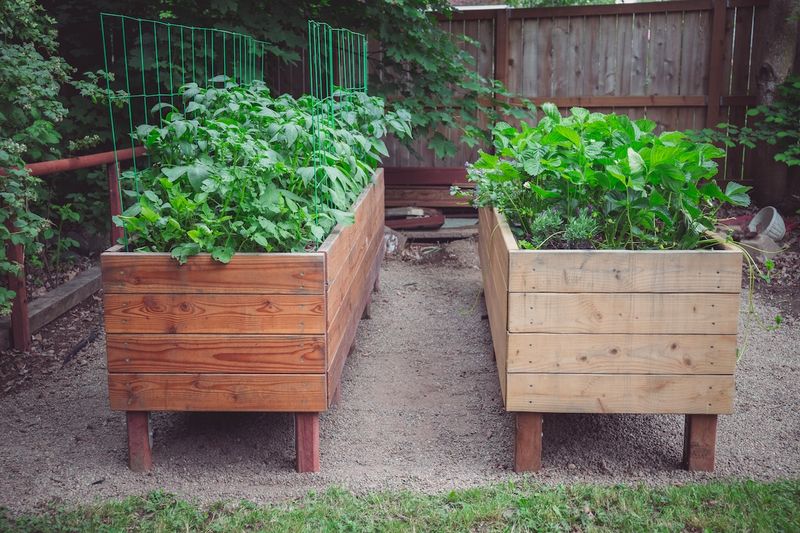
Sweet potatoes are underground tubers, which means they need room to grow outward and downward without hitting compacted soil. Loose, airy soil is absolutely essential for producing large, well-shaped tubers.
In Michigan, where native soil can be heavy clay in many regions, raised beds or mounded rows are a game-changer.
Raised beds warm up faster in spring, which gives Michigan gardeners a real advantage during the shorter growing season.
Building your beds about 8 to 12 inches high and filling them with a mix of topsoil, compost, and a little sand creates the ideal environment for sweet potato roots to spread freely.
Mounded rows work similarly by lifting the planting area above the surrounding ground level.
A sandy loam soil with a pH between 5.5 and 6.5 is the sweet spot for sweet potatoes. You can test your soil with an inexpensive kit from a local garden store and adjust as needed with lime or sulfur.
Adding compost not only improves drainage but also feeds your plants with slow-release nutrients throughout the season.
Many Michigan gardeners who switched to raised beds reported noticeably larger tubers and much higher overall yields compared to planting directly in the ground. The extra setup is absolutely worth it when harvest time rolls around.
4. Give Your Plants Full Sun All Day
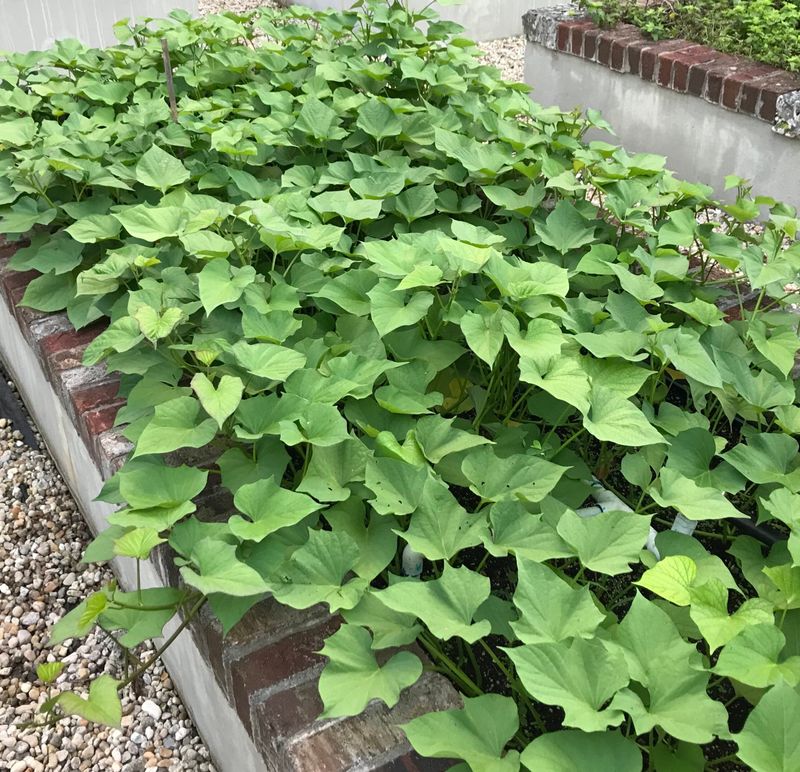
Sweet potatoes are true sun lovers, and they will reward you generously when they get enough light. These plants need at least 8 hours of direct sunlight every single day to produce a big, impressive harvest.
In Michigan, where summer days are long and beautiful, choosing the right garden spot makes all the difference.
Walk around your yard at different times of day and note which areas stay sunny the longest. Avoid spots that get shaded by trees, fences, or your house during peak afternoon hours.
Even a couple of hours of shade each day can noticeably reduce how many tubers your plants produce by the end of the season.
Sunlight powers photosynthesis, which is basically how plants make their food. The more energy a sweet potato plant can produce from sunlight, the more of that energy goes into growing large, sweet tubers underground.
Michigan summers are shorter than in southern states, so making the most of every sunny day is especially important here.
Positioning your sweet potato bed in the sunniest part of your yard is one of the easiest and most effective things you can do to significantly boost your total harvest. It costs nothing and pays off enormously when you are digging up tubers in October.
5. Space Your Plants Generously
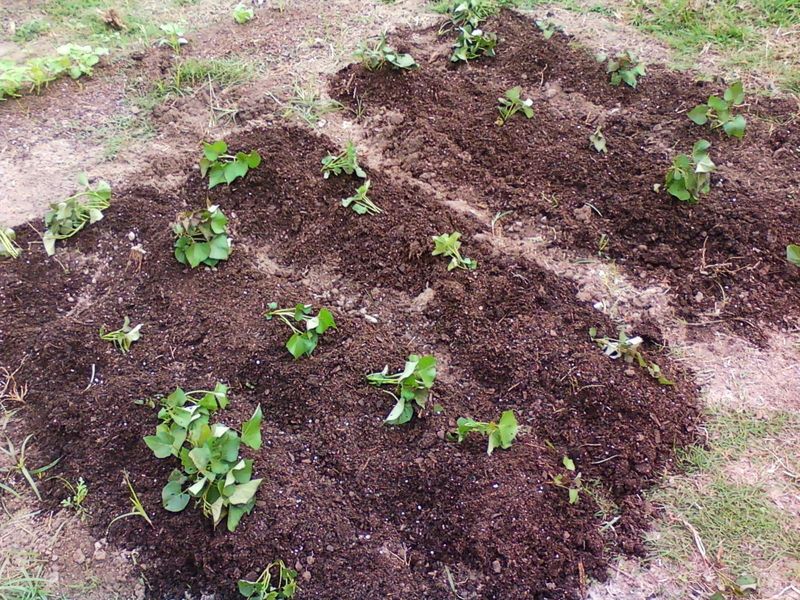
Here is something that surprises a lot of first-time sweet potato growers: these plants need a lot more space than most vegetables. Crowding your slips together might seem like a way to grow more in a small area, but it actually does the opposite.
When plants compete for space, nutrients, and water, every single tuber ends up smaller. The recommended spacing for sweet potato slips is 12 to 18 inches apart within the row, with rows spaced about 3 to 4 feet apart from each other.
That spacing gives the vines room to spread out along the ground without tangling, and it allows the underground tubers to expand without running into their neighbors.
In Michigan, where every growing day counts, you want each plant working at full efficiency.
Generous spacing also improves air circulation around the leaves, which helps reduce the risk of fungal issues that can show up during Michigan’s humid summer months. It also makes watering and checking on your plants much easier throughout the season.
Fewer plants with proper spacing will almost always outperform a crowded bed with twice as many slips crammed together. Quality beats quantity every time when it comes to sweet potatoes.
Give each slip the room it needs and you will be amazed at how large and plentiful those tubers become by harvest time.
6. Water Consistently Early, Then Pull Back
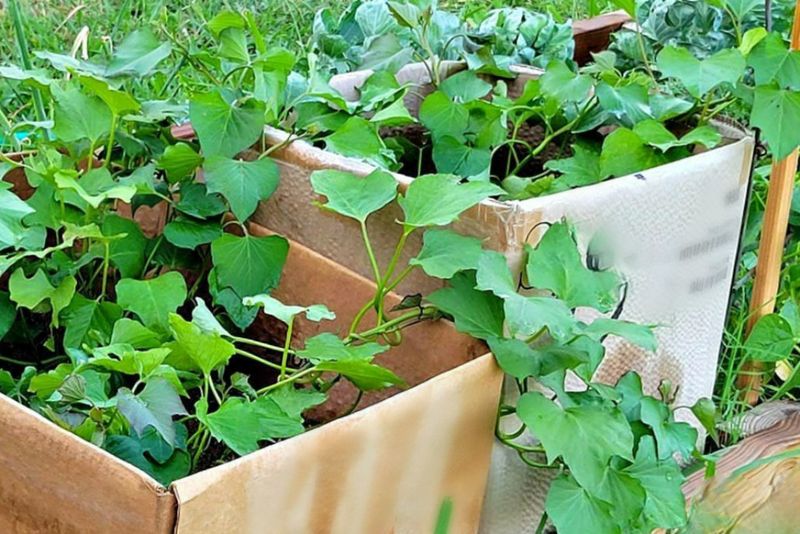
Watering sweet potatoes correctly is a bit of an art, and getting it right can seriously boost your yield. Right after planting your slips, consistent moisture is critical.
The first two weeks are when those young plants are working hard to establish their root systems, and dry soil during this period can set them back significantly.
Once your plants are established and the vines start spreading, you can ease up on the watering schedule. Aim for about 1 inch of water per week during the middle of the growing season.
Overwatering at this stage actually encourages the plant to keep growing leaves and vines instead of focusing its energy on developing large tubers underground.
As harvest time approaches in late summer and early fall, reduce watering even further. Slightly drier soil in the final few weeks signals the plant to finish maturing the tubers and concentrate their sugars.
In Michigan, late August through September is when this tapering strategy really pays off. Drip irrigation or a soaker hose works beautifully for sweet potatoes because it delivers water directly to the root zone without wetting the leaves.
Wet foliage in Michigan’s sometimes humid summers can invite disease. Smart watering habits from start to finish are one of the most overlooked ways to dramatically improve the size and sweetness of your harvest.
7. Skip The High-Nitrogen Fertilizer
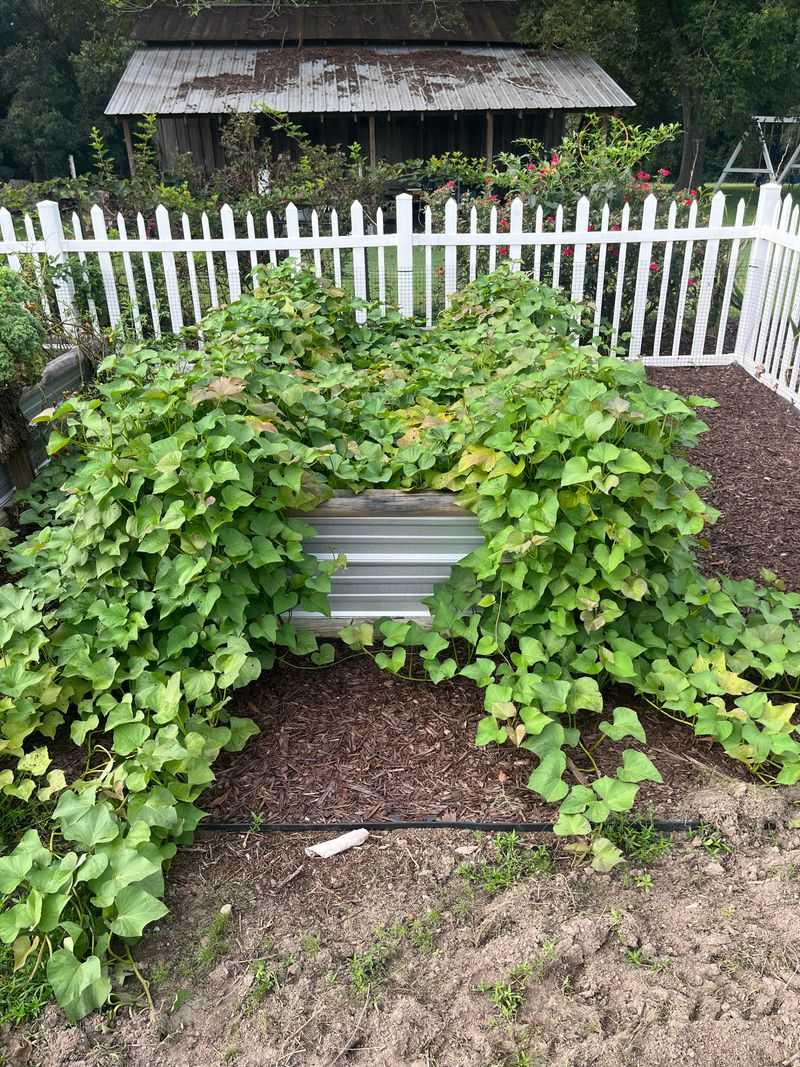
Fertilizer choices matter enormously when growing sweet potatoes, and this is where many enthusiastic gardeners accidentally sabotage their own harvest.
Nitrogen is great for leafy greens and crops where you eat the above-ground parts, but sweet potatoes are different.
Too much nitrogen pushes the plant to grow big, gorgeous vines and leaves while producing very few and very small tubers underground.
A balanced fertilizer with a low nitrogen content, such as a 5-10-10 blend, is what Michigan sweet potato growers should reach for. Apply it at the time of planting and again when you notice the vines beginning to spread actively across the soil.
The higher phosphorus and potassium numbers in that blend support strong root development and encourage the plant to put its energy where you want it most.
Compost-enriched soil often provides enough nutrients on its own, so do not over-fertilize out of habit. A soil test from your local Michigan State University Extension office can tell you exactly what your garden needs before you add anything at all.
Sweet potatoes are actually not heavy feeders compared to many other vegetables, which is part of what makes them so rewarding to grow.
Feed them smart, not heavy, and the results underground will genuinely impress you when you finally lift those tubers out of the soil in early October.
8. Warm The Soil With Black Plastic Or Mulch
Michigan’s climate is one of the biggest challenges sweet potato growers face in the state, and soil temperature is at the heart of that challenge.
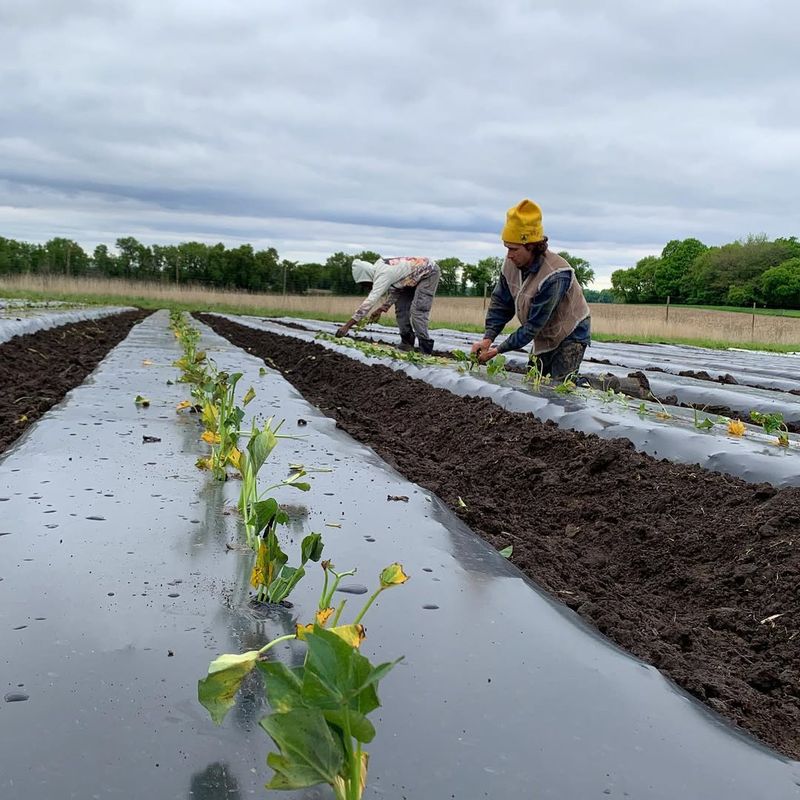
Sweet potatoes thrive in warm soil, and the faster you can get the ground up to temperature, the longer your effective growing season becomes. Black plastic mulch is one of the smartest tools a Michigan gardener can use.
Black plastic absorbs heat from the sun and transfers it directly into the soil below, raising ground temperatures by as much as 5 to 10 degrees Fahrenheit.
That extra warmth can mean several additional weeks of productive growing time, which is huge in a state where the window between last frost and first frost is already tight.
Simply lay the plastic over your prepared bed a week or two before planting to pre-warm the soil, then cut small holes where you will insert your slips. Organic mulch like straw or wood chips is another popular option among Michigan gardeners.
While it does not warm the soil quite as aggressively as black plastic, it does an excellent job of retaining moisture, suppressing weeds, and keeping soil temperatures stable throughout the season.
Many growers use black plastic early in the season and then switch to organic mulch later on. Either way, mulching is a simple, low-cost technique that consistently leads to bigger, more abundant sweet potato harvests across Michigan gardens every year.
9. Extend Your Season With Row Covers
Getting a head start on the season is one of the most powerful strategies a Michigan sweet potato grower can use. Row covers are lightweight, breathable fabric sheets that trap heat and protect young plants from cool nights and unexpected temperature dips.
In Michigan, spring and early fall can bring surprising cold snaps, and row covers act as a reliable buffer against that unpredictability.
Place row covers over your newly planted slips right after transplanting them outdoors. The covers allow sunlight and rain to pass through while holding in warmth underneath, creating a mini greenhouse effect that encourages faster early growth.
Studies show that plants grown under row covers establish more quickly and produce more robust root systems than uncovered plants in similar conditions.
Remove the covers once temperatures are consistently warm and the plants are actively spreading their vines, usually by mid-June in most parts of Michigan.
You can also bring the row covers back out in early fall if temperatures start dropping before your tubers are fully mature.
That extra protection in September can buy you one or two more critical weeks of growing time. For Michigan gardeners, those extra weeks can be the difference between a modest harvest and a truly impressive one.
Row covers are inexpensive, reusable, and one of the highest-return investments you can make for your sweet potato bed.
10. Harvest Before The First Frost Hits
After all that careful planning and tending through Michigan’s summer, harvest time is the most exciting part of the whole process.
Sweet potatoes need to come out of the ground before the first heavy frost, which in Michigan typically arrives somewhere between late September and mid-October depending on your region.
Frost can damage tubers still in the ground, affecting both their quality and how long they will keep in storage.
Watch the weather forecast closely as fall approaches and plan your harvest date accordingly. A light frost will not immediately ruin your crop, but it is a clear signal that it is time to act.
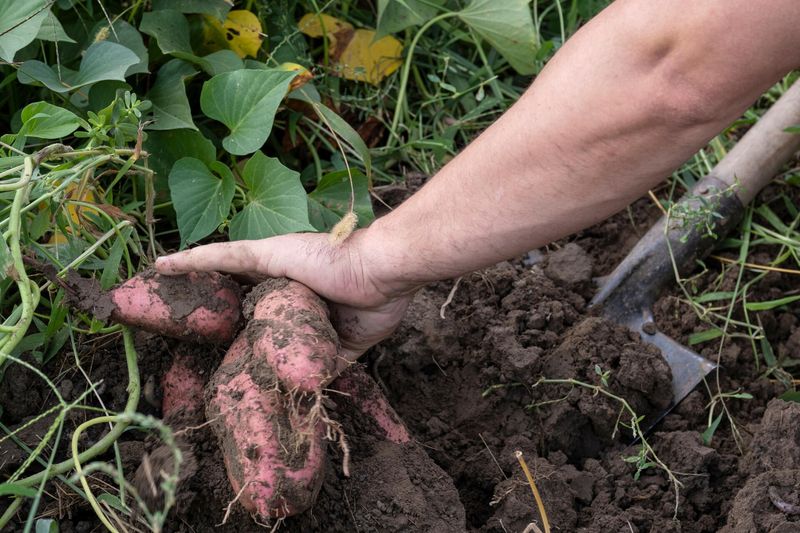
Use a garden fork to gently loosen the soil around each plant rather than pulling the vines, which can break the tubers. Work carefully because sweet potatoes bruise easily when freshly dug.
After harvesting, cure your sweet potatoes in a warm, humid space at around 80 to 85 degrees Fahrenheit for about 10 to 14 days. Curing heals any small cuts or scrapes on the skin and dramatically improves flavor and shelf life.
Michigan gardeners who skip the curing step often find their sweet potatoes do not taste nearly as sweet or store as long. Properly cured sweet potatoes can last several months in a cool, dark location, giving you a delicious homegrown supply well into winter.