This Hydrangea Type Needs To Be Cut Back In Spring In Michigan
Not all hydrangeas should be treated the same in Michigan, and knowing which type to cut back in spring can make a big difference in how they perform.
Some varieties bloom on new growth, which means pruning at the right time can actually encourage stronger stems and more flowers.
Others form buds much earlier, and cutting them at the wrong moment can reduce blooms for the entire season. This is where many gardeners get frustrated, especially when a healthy plant produces fewer flowers than expected.
Michigan’s climate makes timing even more important, since late frosts and temperature swings can affect growth patterns. Understanding which hydrangea types benefit from spring pruning helps you avoid common mistakes and get better results.
With the right approach, your plants can grow fuller, stay balanced, and produce a more impressive display when summer arrives.
1. Smooth Hydrangea Is The Star Of Spring Pruning In Michigan
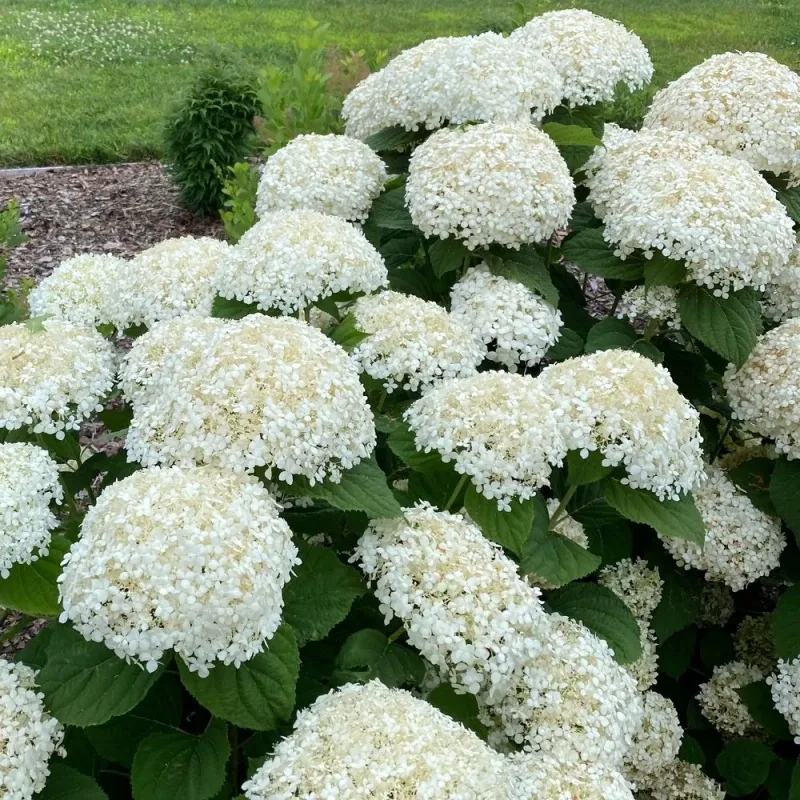
Most gardeners in Michigan have heard conflicting advice about pruning hydrangeas, and honestly, it can get confusing fast. The one type that truly needs to be cut back in spring is the Smooth Hydrangea, known botanically as Hydrangea arborescens.
This native North American shrub has earned a loyal following across Michigan for good reason.
Smooth Hydrangea blooms on new wood, meaning it produces its flower buds on fresh growth that sprouts in the current season. Because of this, pruning it in spring does not remove any buds that are waiting to open.
Instead, cutting it back actually sets the plant up for a stronger, more impressive show come summer.
Michigan’s cold winters can leave smooth hydrangea stems looking rough and weathered by the time April rolls around. Pruning away that old wood gives the plant a clean start and pushes it to direct all its energy into new, vigorous shoots.
Gardeners across the state who follow this routine consistently report fuller plants and bigger blooms year after year. This shrub is tough, reliable, and genuinely rewarding when you treat it right each spring.
2. Blooming On New Wood Changes Everything About Pruning
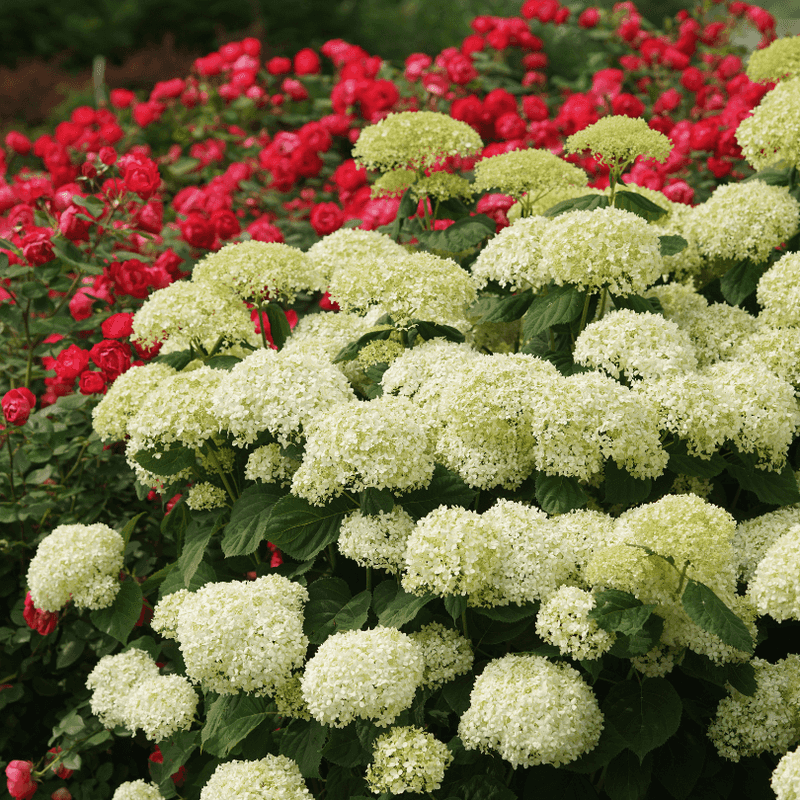
Here is the key fact that separates smooth hydrangea from most other flowering shrubs in Michigan: it blooms entirely on new wood. New wood simply means the fresh stems that grow during the current spring and summer season.
This single characteristic is what makes spring pruning not just safe, but actually beneficial.
When a plant blooms on old wood, cutting it back in spring removes the buds that were already set last fall. That is why bigleaf hydrangeas, for example, often disappoint gardeners who trim them at the wrong time.
Smooth hydrangea sidesteps that problem completely because its buds form fresh every single year.
Think of it this way: every spring, smooth hydrangea essentially starts from scratch, pushing out brand new stems that will carry this season’s flowers. Pruning in early spring in Michigan removes weak, old stems and encourages the plant to grow strong new ones right away.
The result is a shrub that produces sturdier flower stalks capable of holding up those famously large white blooms without flopping over.
Your Michigan Garden Changes Every Week. Your Plan Should Too.
Gardening in Michigan changes quickly throughout the season. Every Friday you’ll receive a simple weekly plan showing exactly what to plant, prune, fertilize, harvest, and protect so you never miss the right timing.
Michigan gardeners who understand this blooming pattern feel far more confident picking up their pruning shears each April, knowing they are helping rather than hurting their plants.
3. Cutting Hard Actually Produces Bigger, Bolder Blooms
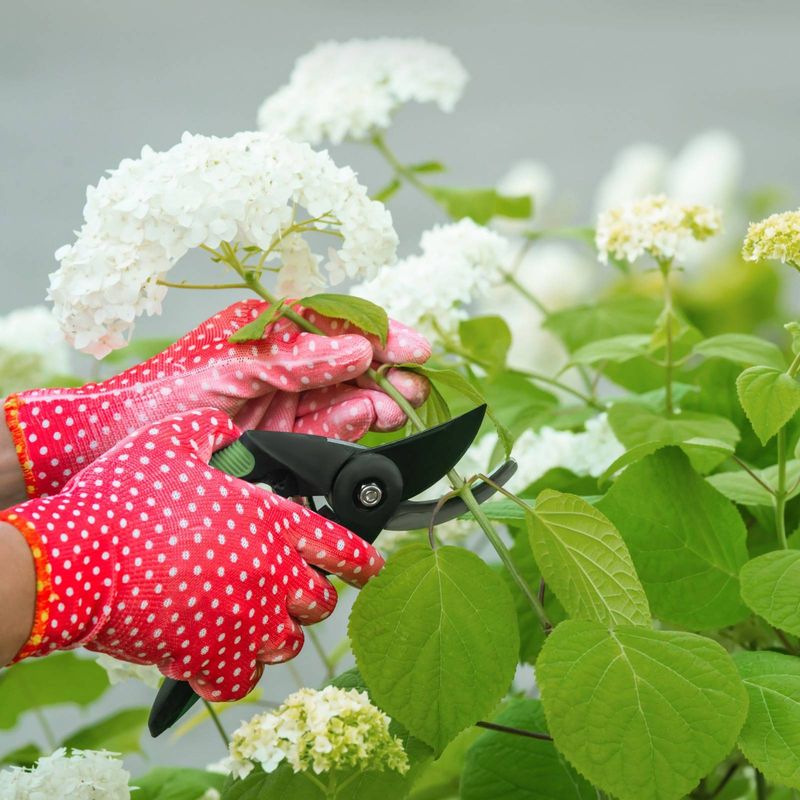
It might feel a little nerve-wracking to cut a shrub back to just a few inches above the ground, but with smooth hydrangea, that bold move pays off beautifully.
Many experienced Michigan gardeners prune their smooth hydrangeas down to about six to twelve inches above the soil line every spring. The results speak for themselves come July and August.
When you cut the plant back hard, it responds by sending up a flush of vigorous new stems. Those stems are thicker and stronger than the older ones they replace, which means they can support larger flower heads without bending or toppling over.
The blooms on a well-pruned smooth hydrangea can reach an impressive size, sometimes growing as large as a dinner plate.
Lighter pruning, on the other hand, tends to produce more stems but with smaller, weaker flower heads that flop around in summer rain. For Michigan gardeners who want that dramatic, showstopping look in their yard, a hard prune every spring is the clear winner.
It feels counterintuitive at first, but once you see the results, you will never hesitate again. The plant comes back stronger, fuller, and more floriferous than it would have been without that springtime trim.
4. April To Early May Is The Sweet Spot In Michigan
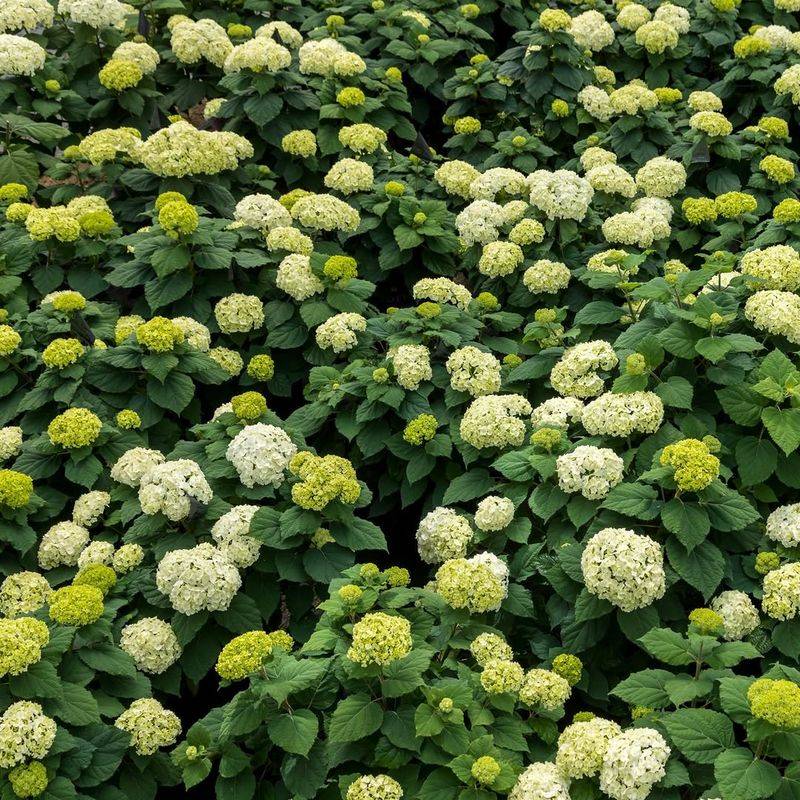
Timing really matters when it comes to pruning smooth hydrangea in Michigan, and getting it right is simpler than most people think. The best window for pruning falls between early April and the first couple weeks of May, depending on where you are in the state.
Southern Michigan tends to warm up a bit earlier than the northern Lower Peninsula or the Upper Peninsula.
The goal is to prune after the worst of winter has passed but before the plant pushes out a lot of new growth. Waiting until you see tiny green buds swelling on the stems is actually a great visual cue that the time is right.
At that point, the risk of a truly damaging hard freeze has usually dropped significantly across most of Michigan.
Pruning too early, when the ground is still frozen solid and temperatures regularly drop well below freezing, can expose fresh cut stems to unnecessary stress.
Waiting too long, on the other hand, means you end up cutting off new growth that the plant already invested energy into producing.
That early-to-mid spring window is genuinely the sweet spot for Michigan conditions. Mark your calendar, watch the weather, and aim for that April to early May timeframe for the best results every single year.
5. Michigan Winters Are No Match For This Resilient Shrub
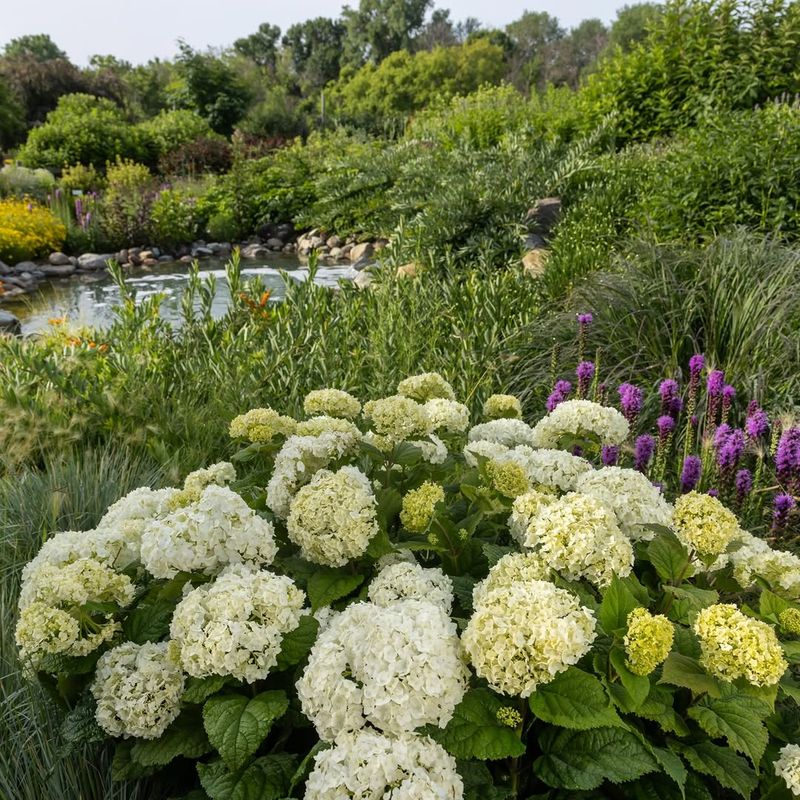
Michigan winters can be genuinely brutal, with heavy snow, ice storms, and temperatures that plunge well below zero in many parts of the state. Yet smooth hydrangea handles all of that remarkably well, bouncing back each spring with impressive energy.
It is one of the most cold-hardy flowering shrubs you can grow anywhere in Michigan. Even when stems look completely brown and lifeless after a long winter, the root system of a smooth hydrangea stays healthy underground.
Once spring arrives and soil temperatures begin to rise, the plant wastes no time sending up fresh new shoots.
This recovery happens so reliably that Michigan gardeners rarely worry about losing a smooth hydrangea to cold weather alone.
Hardy to USDA Zone 3, smooth hydrangea can handle temperatures as low as minus forty degrees Fahrenheit, which is far colder than anything Michigan typically throws at it.
This incredible cold tolerance is one of the main reasons it became such a popular landscape shrub throughout the state.
While other flowering shrubs might struggle after a particularly harsh winter, smooth hydrangea just shrugs it off and gets growing again.
For Michigan gardeners who want a reliable, low-stress flowering shrub, this plant is genuinely one of the best choices available anywhere in the region.
6. Annabelle And Incrediball Are Michigan Garden Favorites
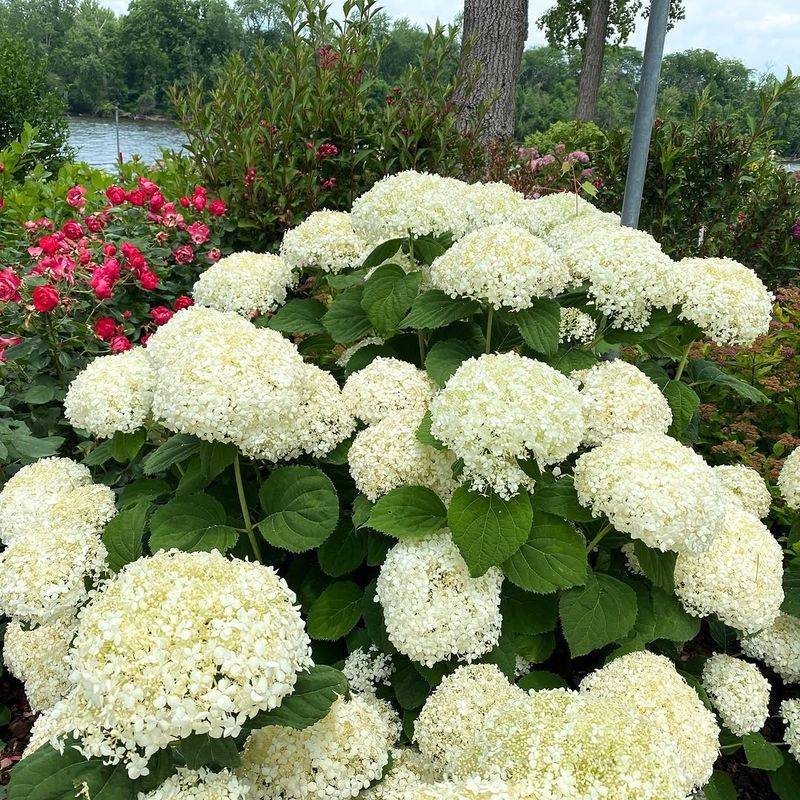
When people talk about smooth hydrangea in Michigan, two variety names come up again and again: Annabelle and Incrediball. Both are Hydrangea arborescens cultivars, which means they follow the exact same pruning rules as the straight species.
Prune them hard in spring, and they reward you with spectacular summer blooms. Annabelle has been a beloved garden classic for decades, producing enormous, rounded white flower heads that can measure up to twelve inches across.
It is a familiar sight in Michigan yards, cottage gardens, and along home foundations throughout the state. Gardeners have trusted it for generations because it simply performs year after year without a lot of fuss.
Incrediball is a newer variety bred to improve on Annabelle’s one weakness: floppy stems. The stems on Incrediball are noticeably stronger, which means those massive blooms stay upright even after a heavy summer rain.
Both varieties thrive across Michigan’s varied climate zones and respond beautifully to a firm spring pruning.
Whether you prefer the classic charm of Annabelle or the sturdier performance of Incrediball, you are working with the same basic plant and the same simple care routine.
Spring pruning is the single most important thing you can do to keep either of these Michigan garden favorites looking their absolute best all season long.
7. Spring Pruning Rules Do Not Apply To Every Hydrangea
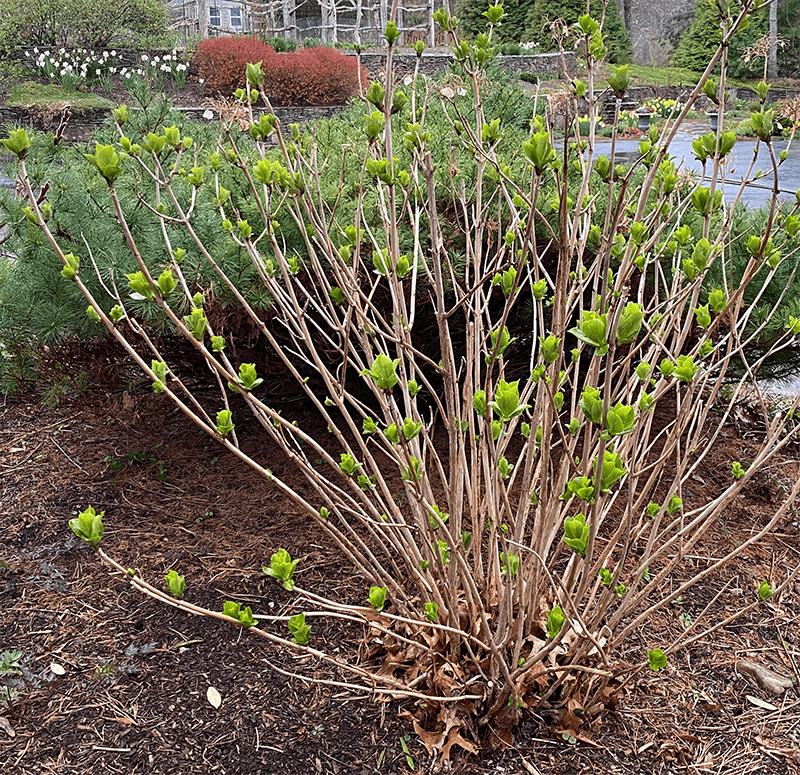
One of the most common and costly mistakes Michigan gardeners make is applying smooth hydrangea pruning rules to every hydrangea in their yard.
Not all hydrangeas bloom on new wood, and pruning the wrong type in spring can mean waiting an entire year for flowers that never show up. Knowing the difference genuinely matters.
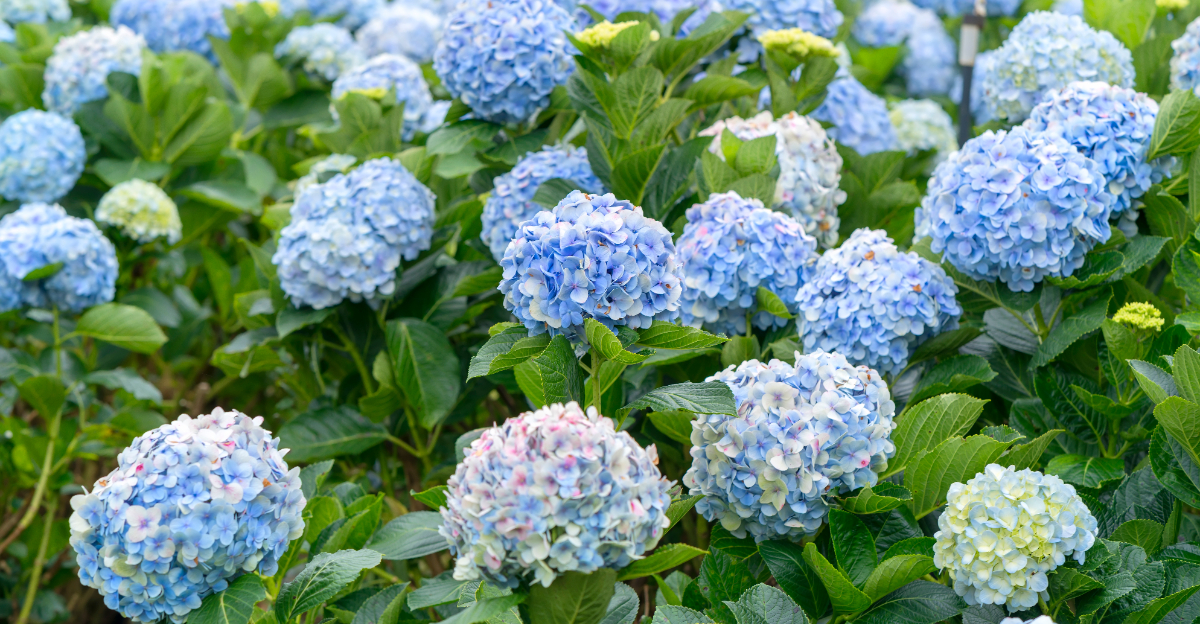
Bigleaf hydrangea, Hydrangea macrophylla, is probably the most mishandled shrub in Michigan gardens. It blooms on old wood, meaning the flower buds were set on last year’s stems before winter even arrived.
Cutting those stems back in spring removes every single bud, leaving you with a healthy-looking plant that produces absolutely no flowers all summer.
Oakleaf hydrangea, Hydrangea quercifolia, is another old wood bloomer that needs to be treated very differently from smooth hydrangea. These plants should be pruned right after they finish flowering in summer, not in spring.
Mountain hydrangea and climbing hydrangea also fall into the old wood category. The simple rule to remember is this: if you are not sure what type you have, hold off on pruning until you see where the flowers appear.
For Michigan gardeners with mixed hydrangea collections, taking a few minutes to identify each plant before picking up the shears can save an entire season of blooms.
8. Panicle Hydrangea Also Gets A Spring Trim In Michigan
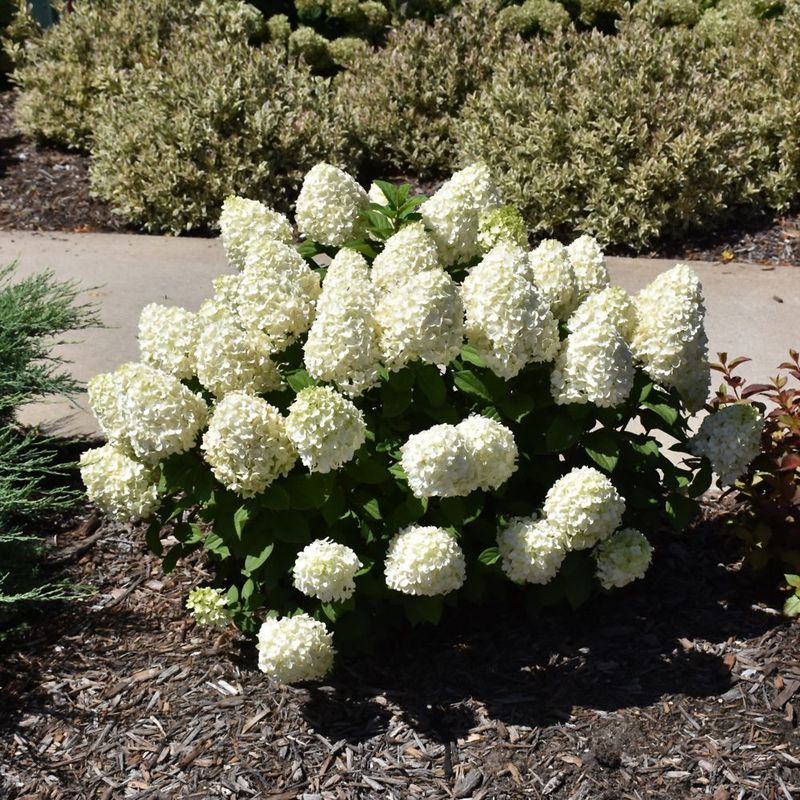
Smooth hydrangea is not the only type that gets pruned in spring in Michigan. Panicle hydrangea, known botanically as Hydrangea paniculata, also blooms on new wood and handles spring pruning very well.
Popular varieties like Limelight, Quick Fire, and Bobo are all panicle hydrangeas, and they are extremely common throughout Michigan landscapes.
The main difference between pruning panicle hydrangea and smooth hydrangea is the intensity of the cut. Smooth hydrangea benefits from a hard prune down to six to twelve inches above the ground.
Panicle hydrangea, on the other hand, typically needs a lighter touch, with gardeners usually cutting stems back by about one-third to one-half of their total height.
Panicle hydrangea also tends to grow into a larger, more tree-like form over time, and many Michigan gardeners train it into a small multi-stemmed tree shape rather than keeping it as a low shrub.
That growth habit means it does not need to be cut all the way back to the ground each year the way smooth hydrangea does.
Both types are excellent choices for Michigan gardens, and both reward spring pruning with healthy growth and abundant blooms.
Understanding these small but important differences helps Michigan gardeners get the very best performance from every hydrangea in their yard each season.