Why Ladybugs Are So Good For Michigan Gardens
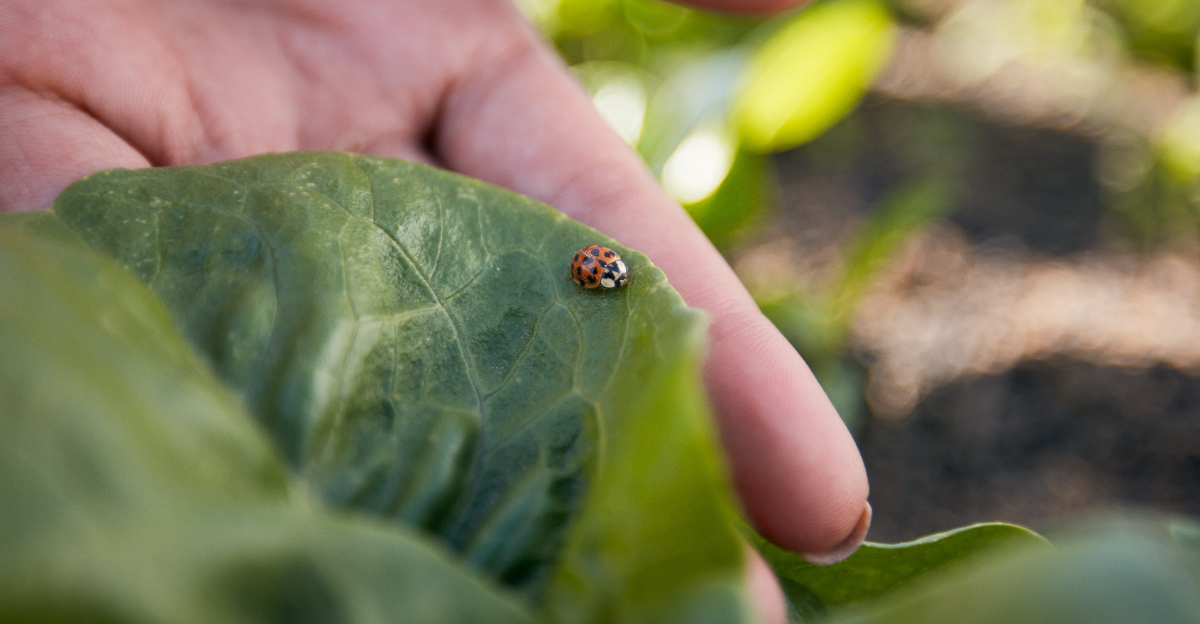
Ladybugs may be small, but they can make a big difference in Michigan gardens. As soon as temperatures warm in spring, these helpful insects become active and start searching for food.
What makes them so valuable is their appetite for common garden pests that can damage plants quickly. Instead of reaching for sprays, many gardeners rely on ladybugs as a natural way to keep problems under control.
They fit perfectly into Michigan’s growing season, helping protect vegetables, flowers, and shrubs as they begin to thrive. Watching them move across leaves is a good sign your garden is working with nature instead of against it.
Over time, their presence can lead to healthier plants and fewer issues to manage. If you want a simple, natural boost for your garden, ladybugs are one of the best helpers you can have.
1. They Eat Large Numbers Of Aphids
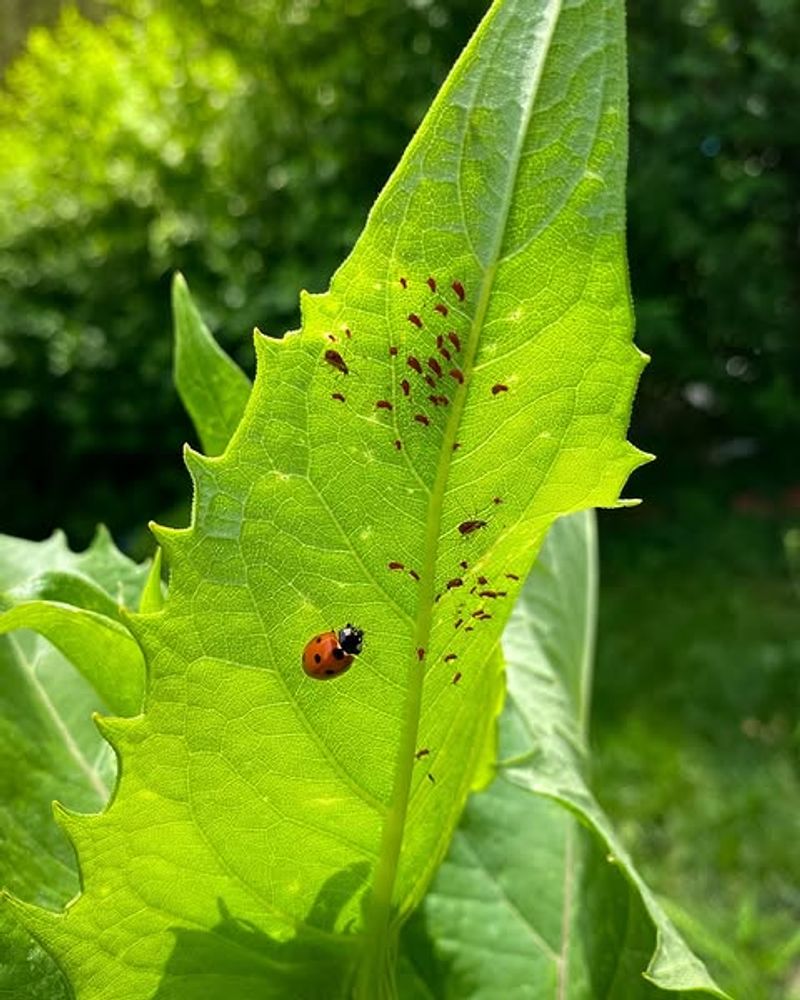
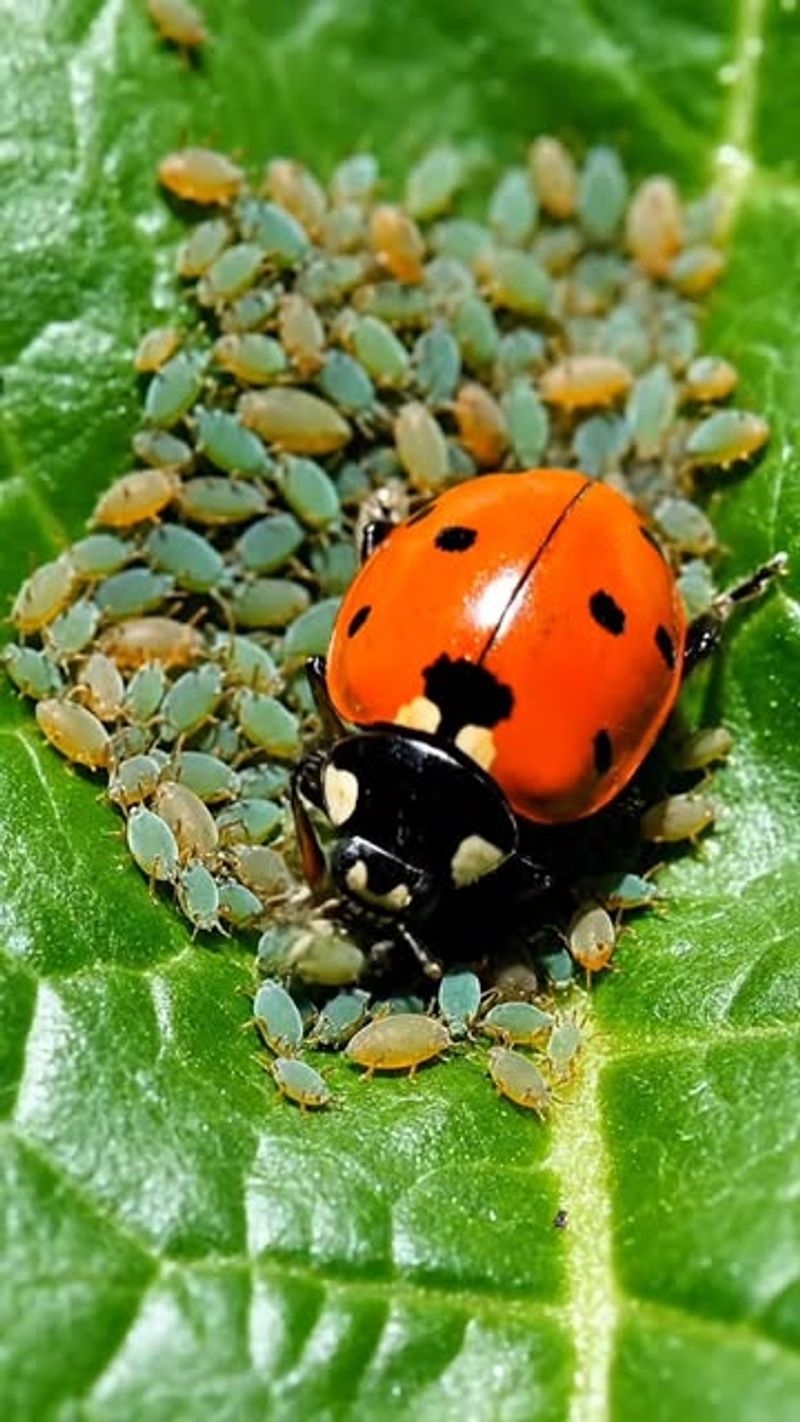
One ladybug might look small, but do not let that fool you. A single adult ladybug from the Coccinellidae family can eat up to 50 aphids in just one day, which adds up fast when you have a whole group of them working through your garden beds.
Aphids are one of the most frustrating pests Michigan gardeners deal with every single season, clustering on stems and leaves and sucking out plant sap until the plant weakens.
Ladybugs treat aphids like an all-you-can-eat buffet. They move from plant to plant with surprising speed, targeting the exact spots where aphid colonies tend to gather.
Over the course of a growing season, one ladybug can consume thousands of these tiny pests, making a noticeable difference in how healthy your plants look and grow.
Michigan gardeners who attract and keep ladybugs nearby often report far fewer aphid problems than those who rely on sprays or other methods. Planting flowers like dill, fennel, and marigolds near your vegetable beds gives ladybugs a reason to stick around.
Watching nature handle pest control on its own is both satisfying and surprisingly effective.
2. Larvae Are Even More Effective Predators
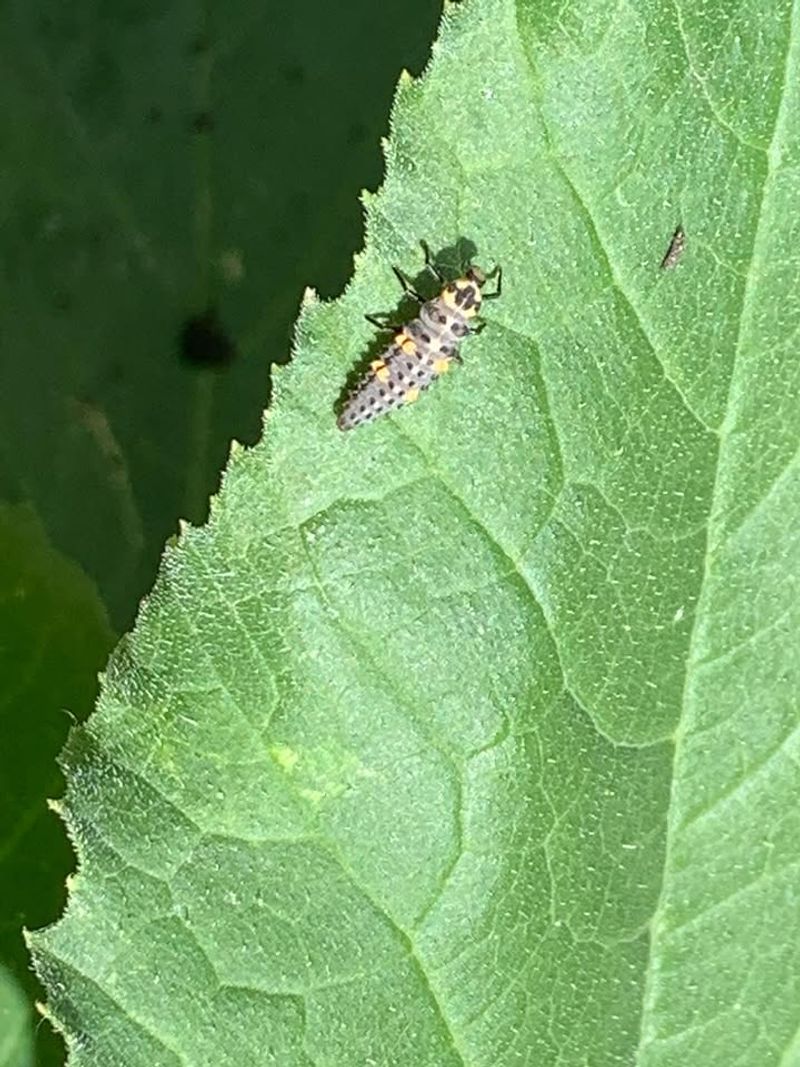
Most people never even notice ladybug larvae, and that is a shame because these little creatures are absolute pest-eating machines. Ladybug larvae look nothing like the spotted adults most people recognize.
They have elongated, dark, almost alligator-shaped bodies covered in tiny bumps, and they move slowly but steadily across plants in search of food.
What makes larvae so impressive is their appetite. A single larva can consume even more pests than a fully grown adult ladybug, making them incredibly valuable during the weeks they spend growing before they pupate.
In Michigan gardens, where aphid and mite populations can spike quickly during warm summer months, having larvae active on your plants can stop an infestation before it ever gets out of hand.
Gardeners who spot these strange-looking creatures on their plants sometimes mistake them for pests and accidentally remove them. Knowing what ladybug larvae look like can save you from making that mistake.
If you see dark, spiky little crawlers near clusters of aphids, leave them alone and let them work. They are doing exactly what your Michigan garden needs, and removing them would cost you one of your best natural allies of the entire growing season.
Your Michigan Garden Changes Every Week. Your Plan Should Too.
Gardening in Michigan changes quickly throughout the season. Every Friday you’ll receive a simple weekly plan showing exactly what to plant, prune, fertilize, harvest, and protect so you never miss the right timing.
3. They Help Control Multiple Garden Pests
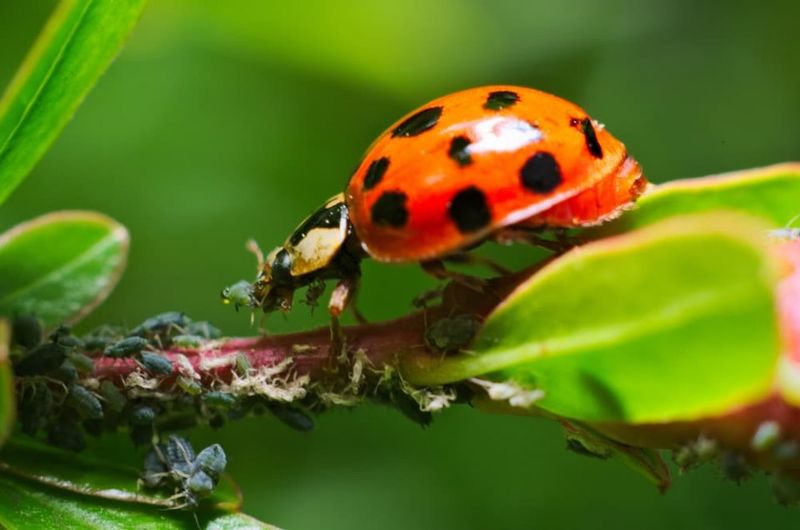
Aphids get most of the attention, but ladybugs are far more versatile than people realize. Beyond aphids, these spotted beetles also feed on spider mites, whiteflies, mealybugs, and small insect eggs that hide on the undersides of leaves.
For Michigan gardeners dealing with a range of pest problems throughout the season, that kind of broad appetite is incredibly useful.
Spider mites alone can cause serious damage to garden plants during dry, hot Michigan summers. They reproduce fast and spread quickly from plant to plant, leaving behind a dusty, webbed mess on leaves.
Ladybugs help slow that spread by actively hunting mites wherever they find them, which makes them a reliable first line of defense in any garden.
Whiteflies are another pest that Michigan gardeners frequently battle, especially in vegetable plots and greenhouse setups. These tiny flying insects weaken plants and spread disease, but ladybugs consume their eggs and nymphs before populations grow too large.
Having a diverse pest control team that works around the clock without needing to be directed is one of the biggest advantages of welcoming ladybugs into your outdoor space. Nature built a very effective system, and ladybugs sit right at the center of it.
4. They Reduce The Need For Pesticides
Chemical pesticides might seem like a quick fix, but they come with a long list of downsides. They can harm pollinators like bees and butterflies, disrupt soil health, and leave residue on fruits and vegetables that you eventually eat.
When ladybugs are present and active in your Michigan garden, the need for those chemical sprays drops significantly, which is a big win for your plants, your family, and the local environment.
Gardeners who shift toward natural pest management often notice that their gardens feel more alive overall. Beneficial insects return, soil organisms thrive, and plants tend to grow with more vigor when they are not being treated with harsh chemicals on a regular basis.
Ladybugs make that shift easier because they handle so much of the pest pressure on their own.
Across Michigan, more gardeners are moving toward organic and eco-friendly growing practices, and ladybugs fit perfectly into that lifestyle.
By attracting these beetles with the right plants and avoiding broad-spectrum pesticides that would harm them, you create a self-sustaining cycle of natural protection.
Your garden becomes healthier, your harvest becomes cleaner, and you spend less money on products you no longer need. That is a pretty great deal for something with six legs and a spotted back.
5. They Are Native And Well Adapted To Michigan
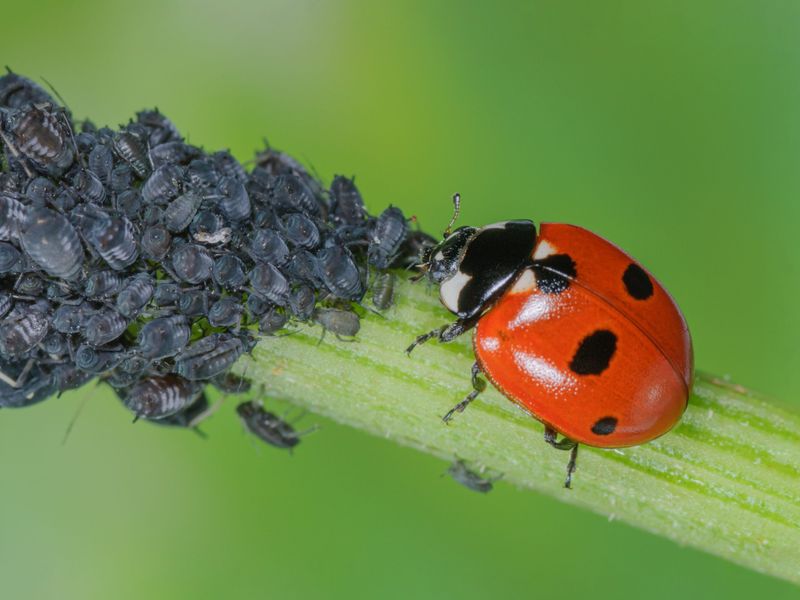
Michigan has a rich variety of native ladybug species that have been part of local ecosystems for a very long time. Species like the two-spotted ladybug and the nine-spotted ladybug are naturally suited to Michigan’s climate, plant life, and seasonal patterns.
Because they evolved alongside the native plants and pests of this region, they are especially effective at doing their job here compared to insects introduced from elsewhere.
Native ladybugs understand Michigan winters too. They find sheltered spots in leaf litter, under bark, or in garden debris to wait out the cold months, then re-emerge in spring right when pest populations start building up again.
That natural timing means they are ready and active exactly when your garden needs them most, without any extra effort on your part.
Supporting native ladybug populations is also an important part of preserving Michigan’s broader biodiversity. Several native species have declined in recent decades, partly due to habitat loss and the spread of non-native ladybug varieties.
Planting native wildflowers, reducing pesticide use, and leaving some natural ground cover through autumn all help native ladybugs survive and thrive.
When you garden with natives in mind, you are doing something bigger than just growing plants. You are helping restore a small piece of Michigan’s natural balance.
6. They Reproduce Quickly When Conditions Are Right

One of the smartest things about ladybugs is how well they time their reproduction. When food is plentiful, female ladybugs lay clusters of small, bright yellow eggs right next to aphid colonies on plant leaves.
That positioning is not accidental. It means that when the eggs hatch, the larvae have an immediate food source waiting for them, which helps the next generation get strong fast.
A single female ladybug can lay anywhere from a few hundred to over a thousand eggs during her lifetime. In a Michigan garden where pest pressure is high, that reproductive speed becomes a major advantage.
The ladybug population can grow quickly in response to an infestation, which naturally balances pest numbers without any outside help from the gardener.
Spotting those tiny yellow egg clusters on your plant leaves is actually an exciting sign. It means ladybugs have claimed your garden as a good habitat and are actively working to expand their presence.
Resist the urge to wipe them away, even if they look unfamiliar at first. Those eggs will hatch into hungry larvae within a week or two, and each one will get right to work protecting your Michigan garden.
Patience here pays off in a big way by the end of the growing season.
7. They Help Protect Vegetable Gardens Specifically
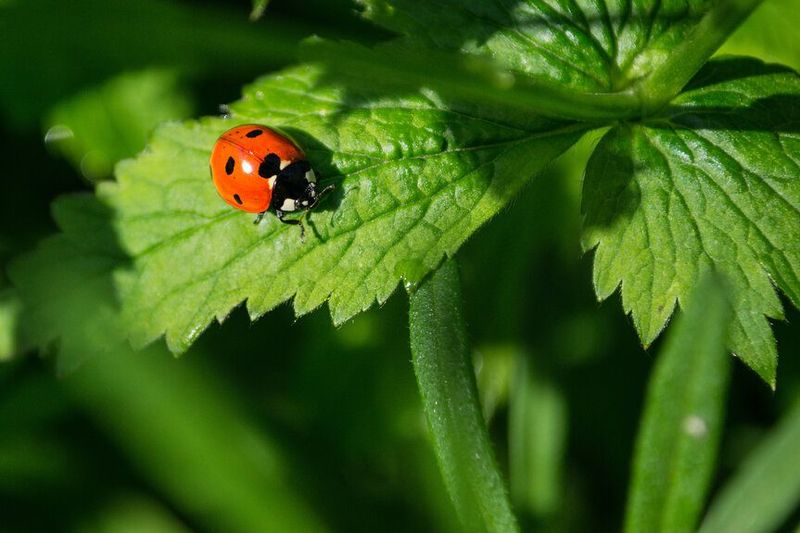
Vegetable gardens are some of the most pest-prone spaces in any Michigan yard, and aphids absolutely love crops like tomatoes, beans, peppers, and squash.
These plants attract pests quickly, especially during the warm and humid stretches of a Michigan summer. Ladybugs zero in on exactly those plants, patrolling leaves and stems where pest colonies like to settle and grow.
For home gardeners trying to grow clean, healthy produce, having ladybugs in the vegetable patch is like having a free, full-time pest management crew.
They work through the night and into the early morning hours, covering ground that gardeners simply cannot monitor on their own.
The result is healthier plants, better fruit set, and a harvest that looks and tastes the way it should.
You can actively encourage ladybugs to hang out near your vegetable beds by planting companion flowers like alyssum, yarrow, or dill nearby.
These plants attract ladybugs with nectar and pollen when pest populations are low, keeping them close and ready for when pest numbers spike.
Michigan vegetable gardeners who use this companion planting strategy often see a big improvement in crop health without spending anything extra on pest control products. A little planning in spring can protect your entire harvest through the fall.
8. They Work All Season Long In Michigan
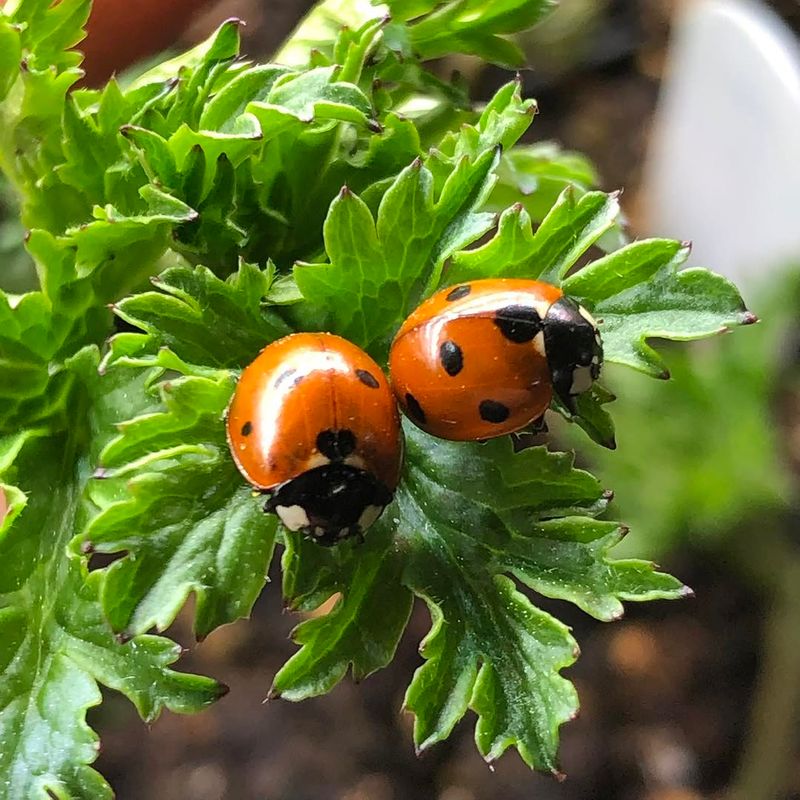
Unlike some beneficial insects that only show up during certain weeks of the year, ladybugs stay active from early spring all the way through late fall in Michigan.
As soon as temperatures begin to warm up in April and May, ladybugs emerge from their overwintering spots and start searching for food.
That early-season activity is especially helpful because pest populations tend to explode fast once warm weather arrives.
Through the height of summer, when gardens are at their most lush and pest pressure is at its peak, ladybugs are right there working through every plant bed.
They adapt their activity to temperature and food availability, moving to new areas of the garden as pest populations shift.
That kind of flexible, responsive behavior makes them one of the most reliable natural allies a Michigan gardener can have.
As autumn approaches and temperatures drop, ladybugs begin preparing for winter by eating more to build up energy reserves. Even during that wind-down phase, they are still consuming pests and helping keep your garden in good shape heading into the off-season.
Knowing that you have consistent, season-long protection from a creature that asks for nothing in return is one of the most reassuring feelings in gardening. Michigan’s growing season is short, and every week of pest-free growth counts.
9. They Are Completely Harmless To Plants And People
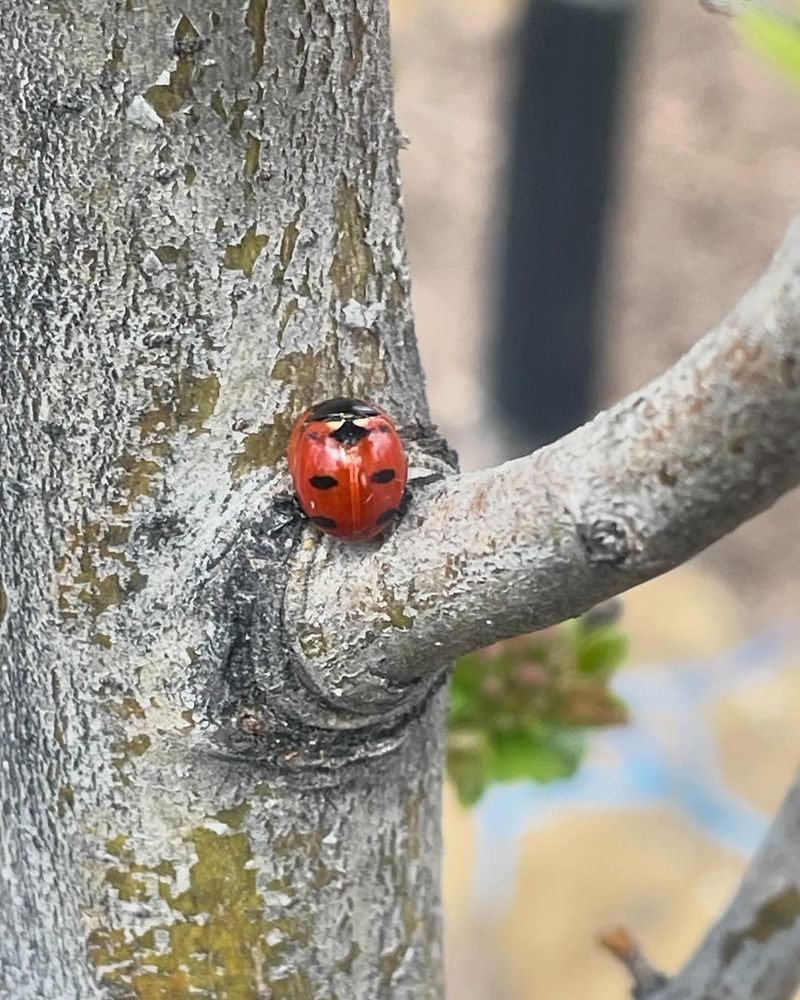
Some garden insects sting, bite, or leave behind damage that makes you wish they had never showed up. Ladybugs are the complete opposite.
They are harmless to humans, gentle enough to crawl across a child’s hand without causing any concern, and they never chew, scratch, or harm the plants they walk across.
For families with young kids who love spending time in the garden, ladybugs are the perfect insect to get excited about.
Plants benefit from ladybug visits in every way. While aphids and mites weaken stems and leaves by feeding on plant sap, ladybugs cause zero damage as they patrol.
They simply walk, eat pests, and move on, leaving the plant healthier than they found it. That combination of zero plant harm and maximum pest removal is rare in the insect world and makes ladybugs genuinely special.
Michigan gardeners who want to encourage more wildlife interaction in their outdoor spaces often find that ladybugs are a wonderful starting point.
Children naturally love them, adults find them charming, and they contribute real ecological value without any downsides.
A garden that welcomes ladybugs is a garden that feels alive in the best possible way. Encouraging kids to observe and appreciate these little beetles can spark a lifelong love of nature and gardening that grows right alongside the plants.
10. They Support A Balanced Garden Ecosystem
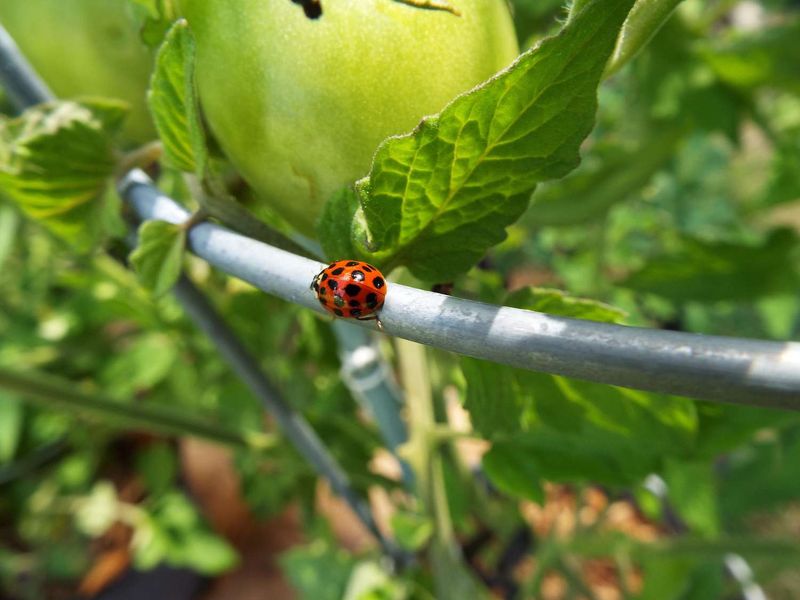
A garden that truly thrives is not just about the plants you grow. It is about the entire web of living things working together to keep everything in balance.
Ladybugs play a key role in that web by keeping pest populations in check, which allows other beneficial insects like bees, butterflies, and parasitic wasps to do their own important work without being overwhelmed by pest pressure.
In Michigan gardens, that kind of balance makes a visible difference. When pest insects are allowed to build up unchecked, they stress plants and create conditions that make the whole garden more vulnerable to disease and decline.
Ladybugs act as a natural reset button, stepping in before populations get out of control and restoring a healthier ratio of pest to beneficial insects. That stability ripples through the entire garden in positive ways that are easy to see over time.
Michigan gardeners who prioritize biodiversity by planting a variety of native flowers, reducing chemical use, and welcoming beneficial insects often describe their gardens as feeling more vibrant and alive each year. Ladybugs are a big part of that story.
They signal that your garden has reached a level of ecological health where nature can largely manage itself.
Building that kind of environment takes some patience, but the reward is a garden that grows stronger, more resilient, and more beautiful with every passing season.