North Carolina Bluebirds Are Back And Here’s How To Help Them Nest This April
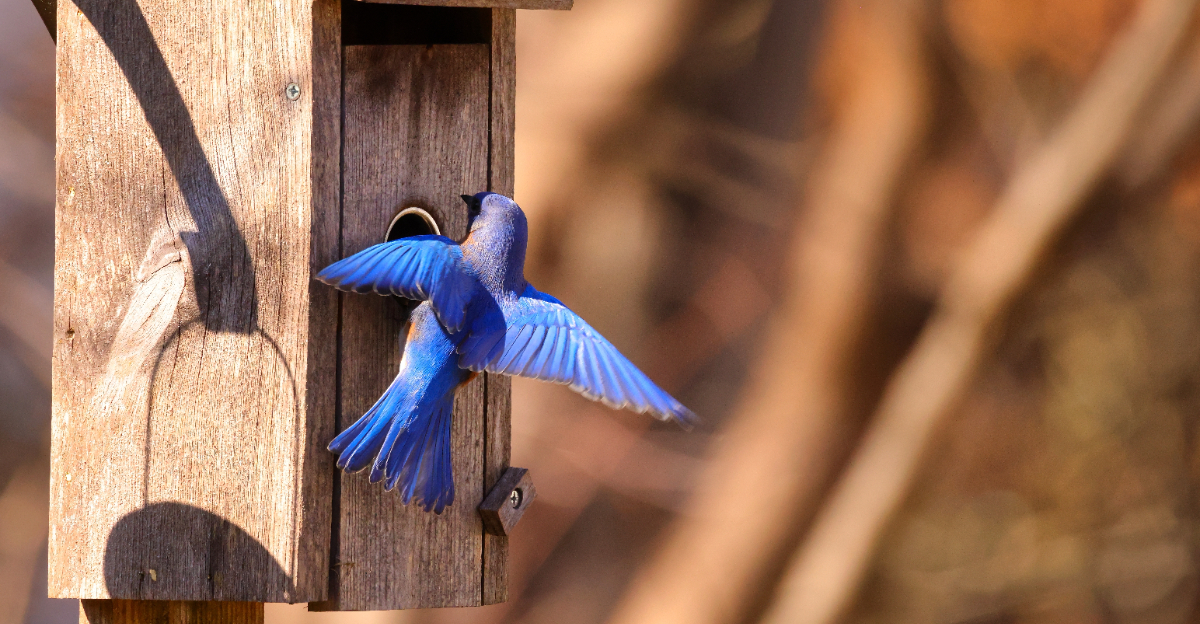
April brings a welcome sight across North Carolina as bluebirds return and begin searching for places to nest.
Their bright color and gentle presence add something special to backyards, but they also need the right conditions to settle in.
As the weather warms, these birds look for safe spaces to raise their young, often choosing quiet areas with open views and nearby food sources.
Small changes in your yard can make a big difference in whether they stay or move on. Providing the right setup now can help support nesting success through the season.
Many homeowners enjoy seeing bluebirds visit, but few realize how easy it can be to encourage them to stay.
With a little effort, your yard can become a place they return to each spring, bringing movement, color, and life to your outdoor space.
1. Put Up Nest Boxes Early
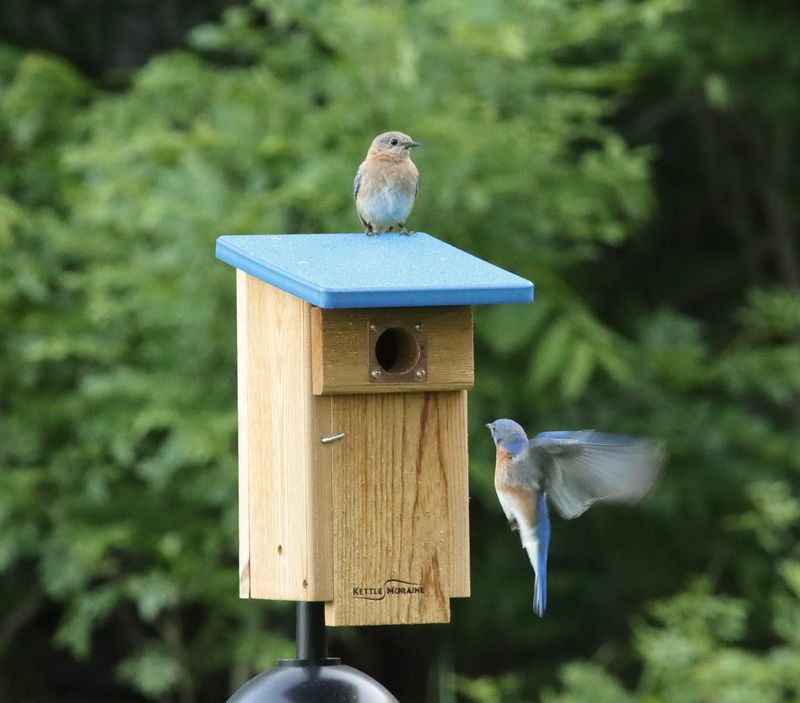
Timing matters more than most people realize when it comes to helping bluebirds settle in for spring.
Eastern Bluebirds in North Carolina often begin scouting for nesting spots as early as late February, and by April they are actively claiming territories and looking for safe, cozy spaces to start a family.
If your nest box is not already up, now is the moment to act fast. Getting your box in place early gives a nesting pair enough time to check it out, feel comfortable, and commit to the location.
Bluebirds are creatures of habit and prefer familiar surroundings, so a box that has been sitting quietly in your yard for a few weeks feels much more inviting than a brand-new one that just appeared overnight.
Patience and preparation are your best tools here. Cedar or pine wood boxes work great because they are naturally weather-resistant and do not heat up as quickly as synthetic materials.
Make sure the box is fully assembled and secure before you mount it. North Carolina yards with open lawn space and nearby perching spots are ideal.
Once that box goes up, you may be surprised how quickly a curious bluebird comes to investigate and decide it is exactly the home they were searching for this April.
2. Use The Correct Nest Box Design
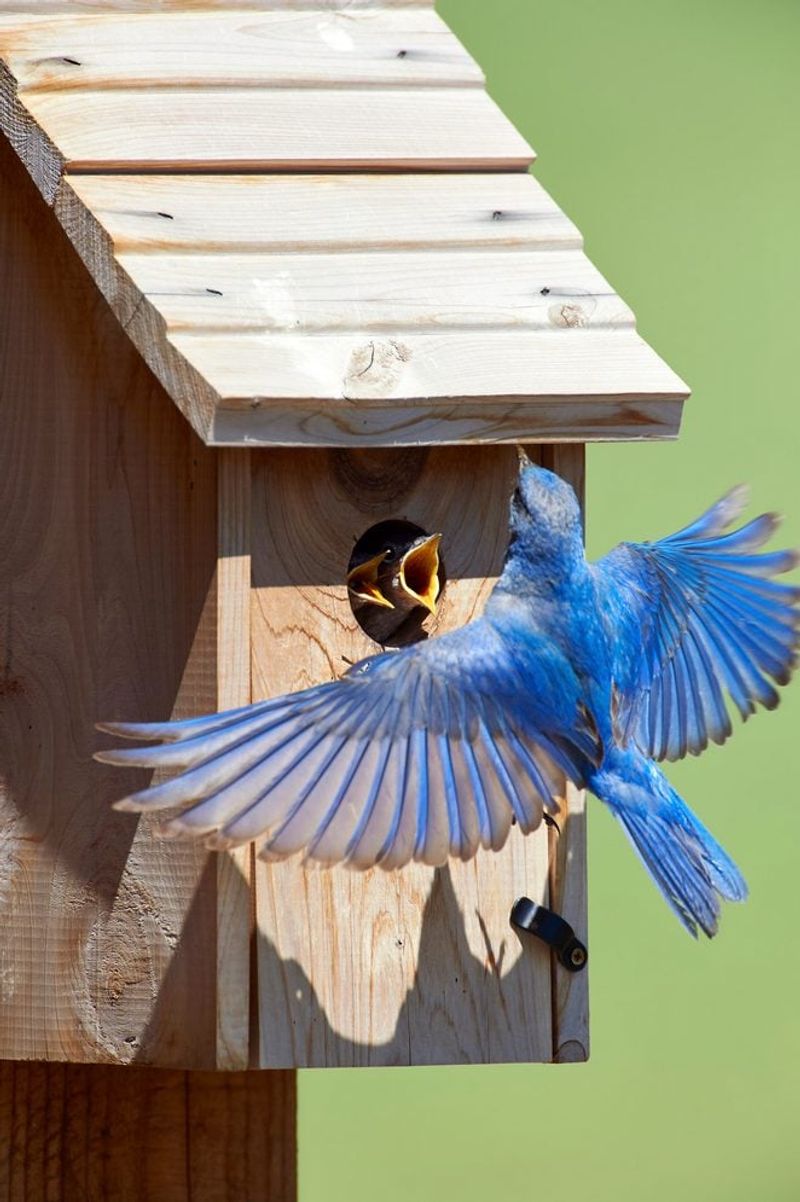
Not every birdhouse works for bluebirds, and choosing the wrong design can actually invite unwanted guests instead. The entrance hole size is one of the most critical details to get right.
A hole measuring exactly 1.5 inches in diameter is ideal for Eastern Bluebirds and small enough to keep larger, more aggressive species like European Starlings from squeezing inside.
House Sparrows are another concern in North Carolina neighborhoods, as they compete aggressively for nest boxes and can disrupt a bluebird pair that has already started nesting.
A properly designed box with a shallow interior depth, ventilation holes near the top, and drainage holes in the floor helps create a healthier environment for eggs and chicks.
These small design details genuinely matter throughout the nesting season. The North Carolina Bluebird Society recommends using unpainted, untreated wood for the exterior to keep things natural and safe for the birds.
Your North Carolina Garden Changes Every Week. Your Plan Should Too.
Gardening in North Carolina changes quickly throughout the season. Every Friday you’ll receive a simple weekly plan showing exactly what to plant, prune, fertilize, harvest, and protect so you never miss the right timing.
Avoid plastic boxes or those with perches on the front, because perches actually give predators and competitor birds an easier grip. A smooth, clean wooden box with the right measurements is always the better choice.
Spending a little extra time choosing or building the right nest box design upfront can mean the difference between a successful nesting season and a frustrating one for both you and the birds.
3. Place Boxes In Open Areas
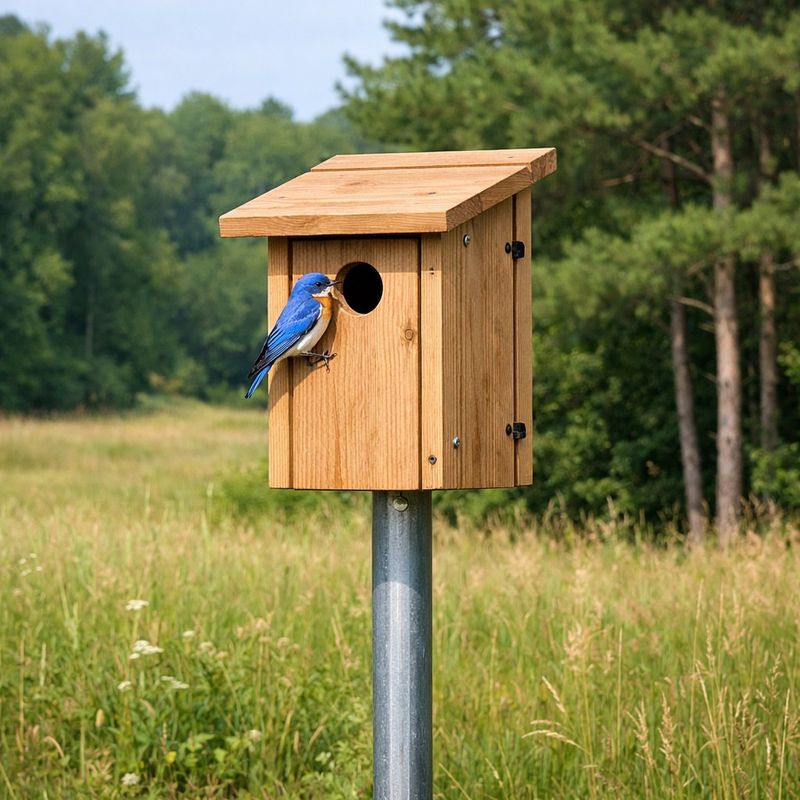
Where you place your nest box can be just as important as the box itself. Eastern Bluebirds are not forest birds by nature.
They thrive in open spaces with short grass, scattered trees, and plenty of room to hunt insects on the ground.
A nest box tucked into a dense tree line or hidden in heavy shrubs is unlikely to attract a nesting pair.
Across North Carolina, the best spots for bluebird boxes include mowed lawns, open fields, orchards, golf course edges, and rural pastures.
These environments give bluebirds clear sightlines so they can spot insects from a perch and swoop down quickly to catch them.
Open spaces also reduce the risk of ambush by lurking predators hiding in dense vegetation nearby.
Aim to place your box facing away from the direction of the most intense afternoon sun, which helps keep the interior from overheating on warm April days.
A south or east-facing entrance is generally considered the sweet spot in North Carolina’s climate.
Avoid placing boxes near busy roads or areas with heavy foot traffic, since disturbances can cause a nesting pair to abandon even a perfectly placed box.
The goal is to create a calm, welcoming environment where bluebirds feel safe enough to raise an entire family from egg to fledgling right in your own backyard.
4. Mount Boxes At The Right Height
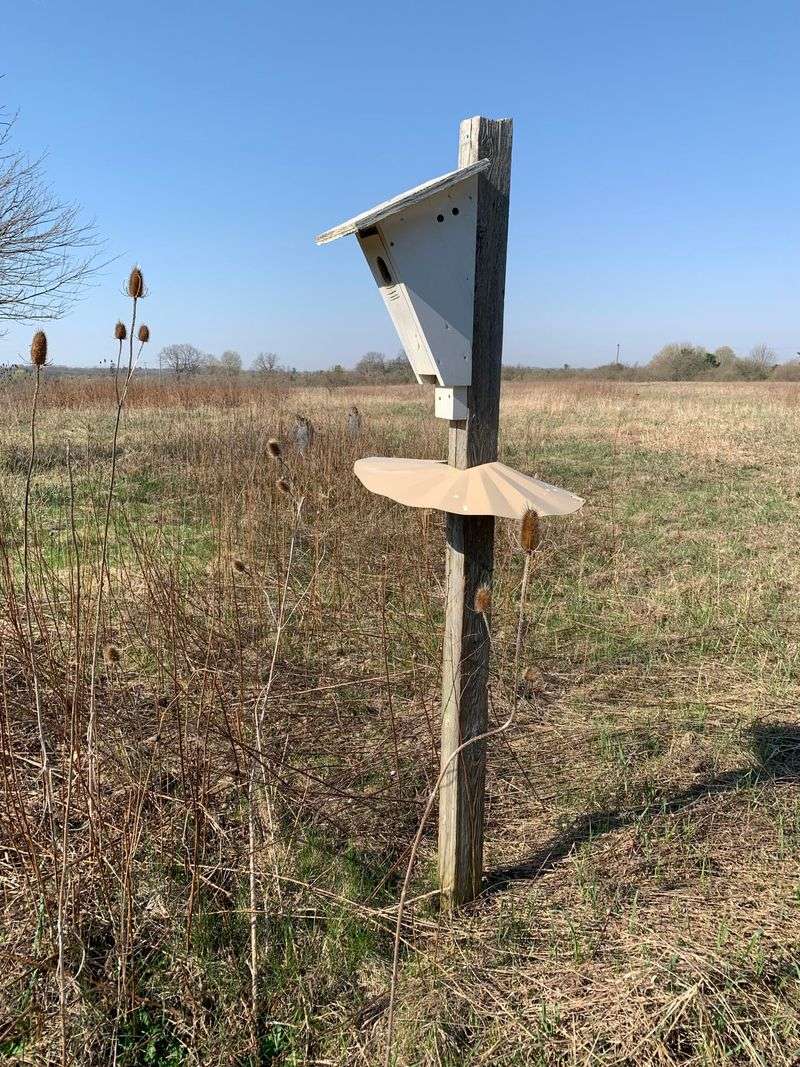
Height might seem like a minor detail, but it plays a surprisingly big role in whether bluebirds choose your box over another.
Research and field experience both point to a sweet spot of about four to six feet above the ground as the ideal mounting height for Eastern Bluebird nest boxes.
This range makes it easy for the birds to access the box while also keeping it manageable for you to monitor and clean throughout the season.
Mounting your box on a smooth metal pole rather than a wooden fence post gives you a big advantage when it comes to predator control.
Raccoons, snakes, and other climbers find smooth metal poles far more difficult to navigate than rough wood.
In North Carolina, where both black rat snakes and raccoons are common backyard visitors, this simple choice can protect an entire nest from being raided before the chicks even have a chance to grow.
Use a level when mounting your box to make sure it sits straight and secure. A slightly forward tilt of a few degrees helps rainwater drain away from the entrance hole, keeping the interior dry during April showers.
Check that the box does not wobble or swing in the wind, as instability can stress nesting birds and cause them to abandon the site.
A solid, correctly mounted box at the right height sends a clear signal to bluebirds that this is a safe and reliable place to raise their family.
5. Add Predator Guards To Your Setup
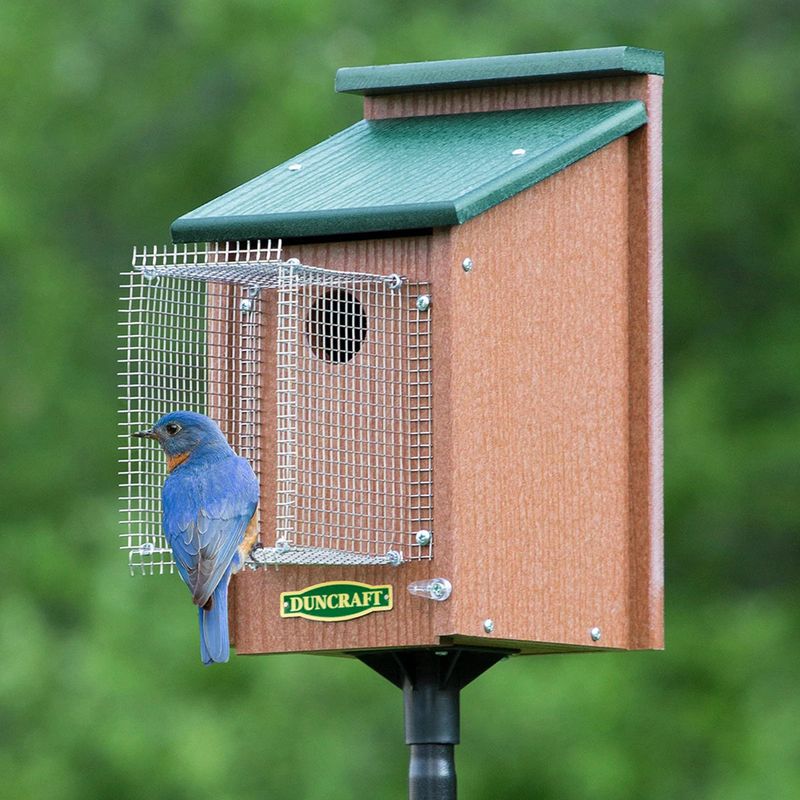
Even the most perfectly placed nest box can become a target for hungry predators if it is not properly protected.
Raccoons are clever, persistent, and surprisingly agile climbers that can reach a nest box mounted on a plain wooden post with very little effort.
Snakes are another real threat in North Carolina, especially during the warmer April nights when they become more active and start searching for easy meals.
Installing a predator baffle on your mounting pole is one of the single most effective things you can do to improve nesting success.
A cone-shaped or cylindrical metal baffle placed about three feet above the ground creates a physical barrier that most predators simply cannot get past.
Once a baffle is in place, you will likely notice bluebirds spending more time near the box, behaving more relaxed and confident around their chosen nesting site.
Cats are another concern in suburban North Carolina neighborhoods. Free-roaming cats can ambush adult bluebirds near the box entrance, which is especially dangerous when parents are making frequent feeding trips during chick-rearing.
Keeping pet cats indoors during nesting season is a simple and meaningful way to protect local wildlife.
Combining a good predator guard with responsible pet ownership gives your backyard bluebirds the strongest possible chance of raising a healthy brood from April all the way through the summer nesting months ahead.
6. Clean Boxes Between Each Nesting
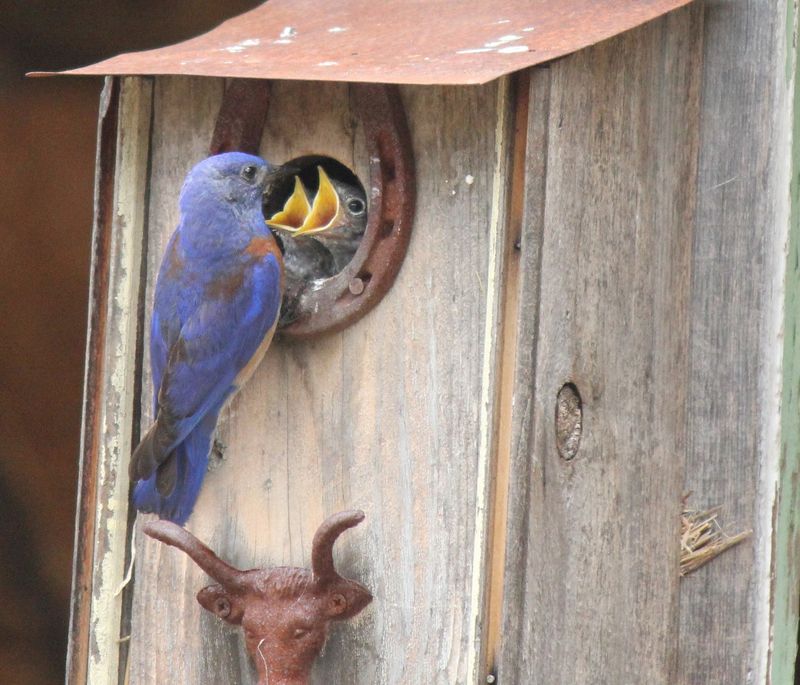
One of the most rewarding things about hosting bluebirds is that a single pair can raise two or even three broods in one season, especially in North Carolina where the warm weather stretches well into late summer.
But for that to happen, old nesting material needs to come out after each brood leaves the box.
Leaving old nests in place creates a breeding ground for mites, blowfly larvae, and other parasites that can harm the next clutch of eggs and chicks. Cleaning out a nest box is a quick and simple job that takes only a few minutes.
Wait until you are confident the fledglings have fully left the box, usually about 17 to 21 days after hatching for Eastern Bluebirds.
Then open the box, remove all old nesting material, and give the interior a gentle wipe-down with a dry cloth or a mild solution of one part bleach to nine parts water, making sure it dries completely before closing it back up.
Fresh, clean boxes are far more attractive to returning bluebird pairs looking to start their next brood. Some pairs will begin building a new nest within just days of the box being cleaned out.
Keeping a simple log of nesting activity in your North Carolina yard is a fun way to track how many broods you support each season and watch your local bluebird population grow stronger year after year.
7. Provide Nearby Perches For Hunting
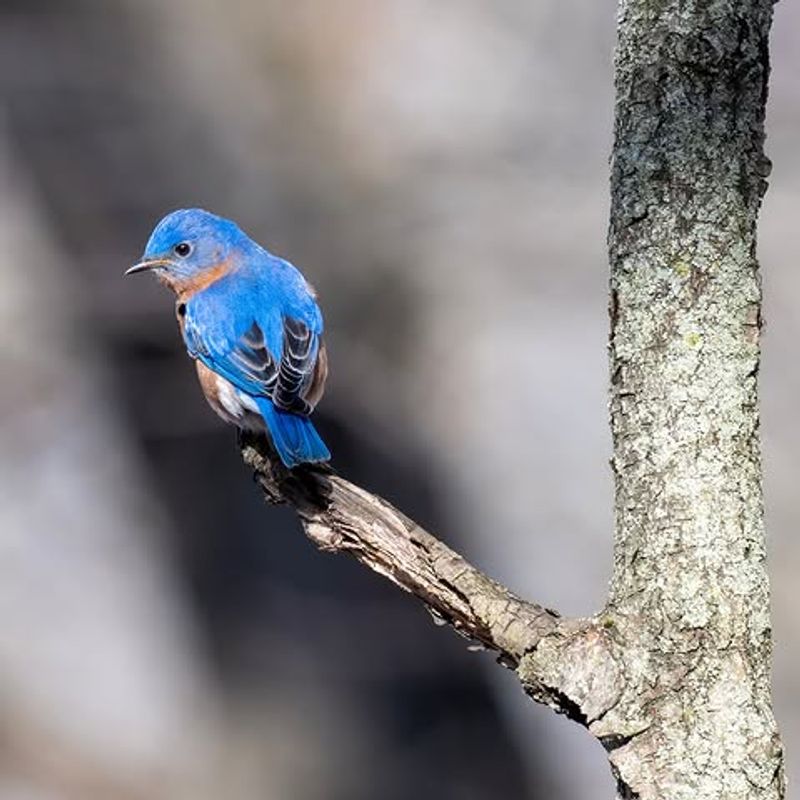
Bluebirds are sit-and-wait hunters, which means they need a good vantage point to spot insects moving in the grass below.
Without nearby perches, even the most perfectly placed nest box in North Carolina becomes a lot less attractive to a hunting pair.
Adding simple perching options close to your box can make a noticeable difference in how often bluebirds visit and how successfully they feed their young.
Fence lines, wooden posts, low shrub branches, and even garden stakes all work well as hunting perches.
The key is to have something at a low to medium height within about 25 to 50 feet of the nest box, giving the bluebird a clear view of the surrounding ground.
From that elevated spot, they can spot a beetle, caterpillar, or grasshopper from impressive distances and drop down to snatch it in seconds.
Interestingly, bluebirds rarely eat seeds, so a traditional bird feeder is not what they are looking for.
What they truly need is open, short-grass terrain with plenty of insect activity and a reliable perch to hunt from.
If your North Carolina yard has taller grass or heavy ground cover, consider mowing a section short near the nest box to create better foraging conditions.
Small adjustments like these, combined with the right perching spots, can turn an average yard into a genuinely bluebird-friendly habitat that a nesting pair returns to season after season.
8. Avoid Pesticides Near Nesting Areas
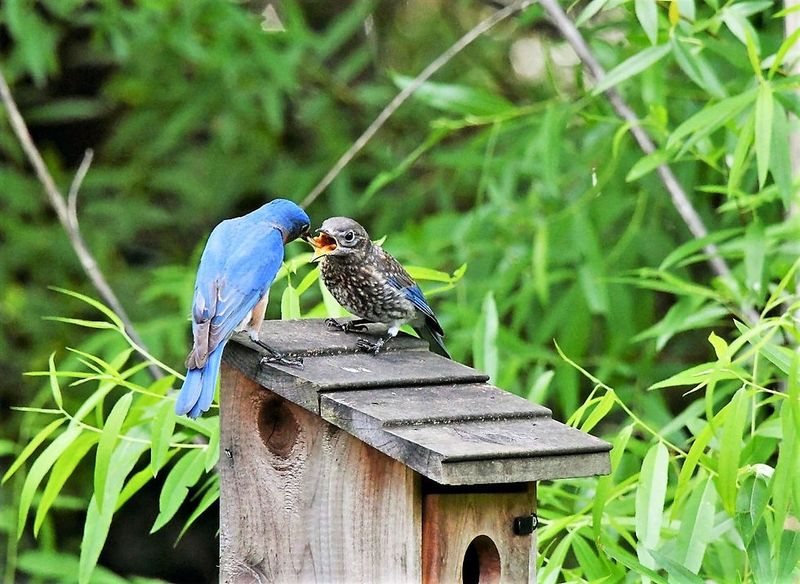
Insects are the backbone of a bluebird’s diet, especially during nesting season when parent birds make dozens of feeding trips each day to keep their growing chicks full and healthy.
Pesticides, even those marketed as safe or targeted, can drastically reduce the insect population in your yard, leaving bluebird parents struggling to find enough food.
In North Carolina, where April brings a natural surge in insect activity, protecting that food source is essential.
Many common lawn and garden pesticides linger in the soil and on plant surfaces long after application.
When bluebirds eat insects that have been exposed to these chemicals, the toxins can build up in their bodies over time.
Reducing or completely stopping pesticide use in the area around your nest box is one of the most powerful and lasting things you can do to support nesting bluebirds throughout the season. Going pesticide-free does not mean your garden has to struggle.
Planting native North Carolina plants like coneflowers, black-eyed Susans, and native grasses naturally attracts beneficial insects while supporting pollinators and other wildlife at the same time.
Healthy soil full of earthworms, beetles, and caterpillars gives bluebird families everything they need to thrive.
Choosing natural alternatives to chemical pest control creates a ripple effect of benefits across your entire yard, making it a richer, more vibrant habitat for bluebirds and dozens of other species that call North Carolina home.
9. Offer Mealworms As A Helpful Food Boost
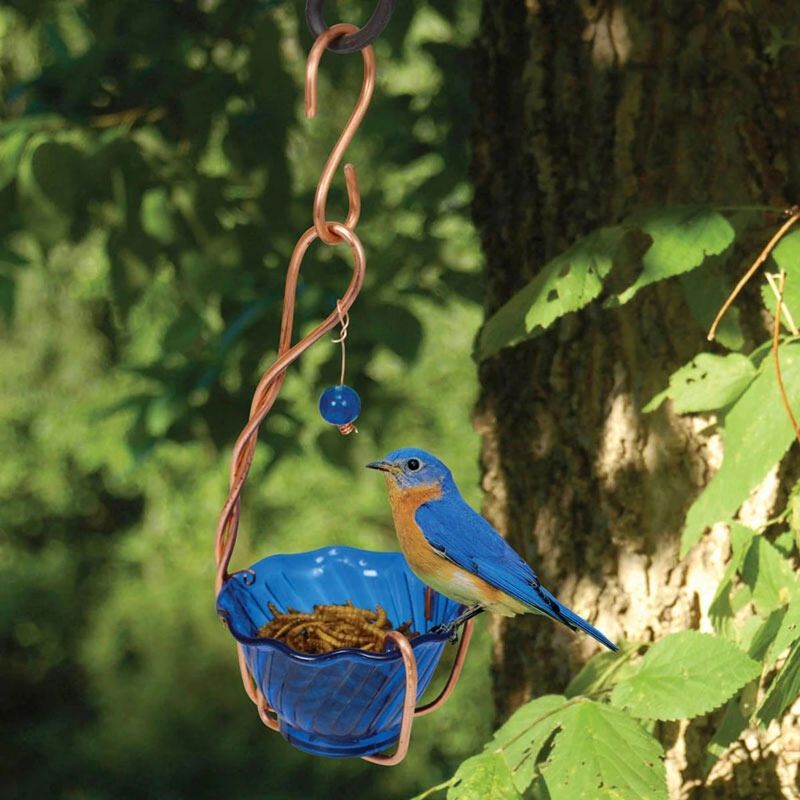
April in North Carolina can be unpredictable. One day it feels like full summer, and the next a late cold snap rolls through and sends insects into hiding.
During those cooler stretches, nesting bluebirds can find it hard to gather enough food for their chicks, and that is exactly where a small mealworm feeder can make a meaningful difference.
Mealworms are the closest thing to a bluebird’s natural diet that you can offer in a feeder setting.
Live mealworms are the preferred option because bluebirds are attracted to movement and will quickly learn to associate your feeder with a reliable food source.
Dried mealworms also work, though they tend to take a little longer for bluebirds to discover and accept.
Place the feeder close to the nest box but in an open spot where the birds can see it clearly from their favorite perches nearby.
Start by offering just a small handful of mealworms each morning and see how quickly your resident pair catches on.
Once they realize the feeder is a consistent food source, they will visit it regularly, especially during feeding frenzies when chicks are in the nest demanding constant meals.
Bluebird pairs in North Carolina have been known to visit mealworm feeders dozens of times per day during peak chick-rearing periods.
It is a simple, affordable way to give your local bluebirds a genuine helping hand when natural food sources run a little thin.
10. Space Your Nest Boxes At Least 100 Yards Apart
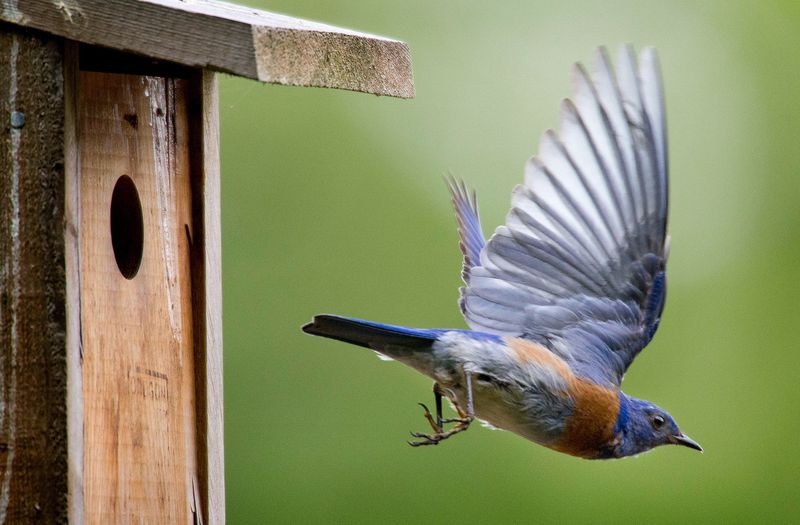
Bluebirds have a territorial streak that surprises many first-time nest box hosts. A nesting male will actively defend a large area around his chosen box and will not tolerate another bluebird pair setting up too close by.
If two boxes are placed too near each other, the resulting conflict can stress both pairs enough that neither successfully raises a brood.
Proper spacing is one of the most overlooked details in bluebird conservation across North Carolina.
The general recommendation from organizations like the North Carolina Bluebird Society is to space nest boxes at least 100 yards apart, which is roughly the length of a football field.
On larger properties, this spacing allows multiple pairs to coexist peacefully without constant territorial disputes eating up their energy.
Each pair gets its own patch of open ground to hunt, its own perching spots, and its own clear flight path to and from the nest box.
If your yard is too small to support more than one box at the proper spacing, focus on making that single box as attractive and well-protected as possible. Quality always beats quantity when it comes to bluebird hosting.
Connecting with neighbors in your North Carolina community about setting up additional boxes on their properties can effectively create a bluebird trail across a wider area, multiplying the conservation impact far beyond what any single yard could achieve on its own. Working together is always the most rewarding approach.