These Are The 7 Florida Plants You Should Divide In April
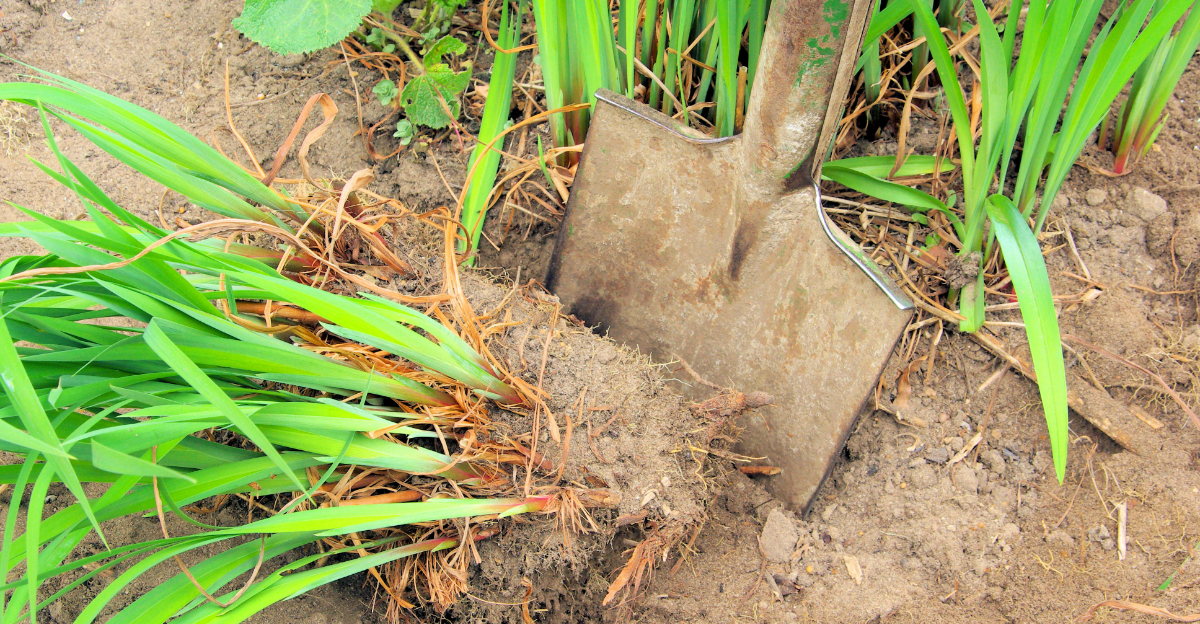
April in Florida is prime time to give your garden a fresh start, and one simple move can make a bigger impact than most people expect. Some plants reach a point where they crowd themselves out, slow down, and lose that full, vibrant look.
That is your cue to step in. A quick split at the right moment can spark new growth, boost blooms, and turn one plant into several strong ones without spending a dime.
Miss that window, though, and you leave easy gains on the table. With temperatures warming and growth kicking into gear, April sets the stage for a smooth reset that pays off all season.
A few smart cuts now can lead to fuller beds, healthier plants, and a yard that looks like it never skipped a beat.
1. Refresh Overgrown Clumps With Daylilies
Few plants are as forgiving as daylilies, yet even the toughest performers eventually hit a wall. After three to four years in the ground, daylily clumps can become so packed together that blooming slows down noticeably.
You might look out at a clump that used to be covered in flowers and wonder why it only produced a handful last season. That crowding is usually the answer.
April is a practical time to divide daylilies in Florida because the weather is warm enough to encourage fast root recovery but not yet punishing enough to stress freshly divided plants.
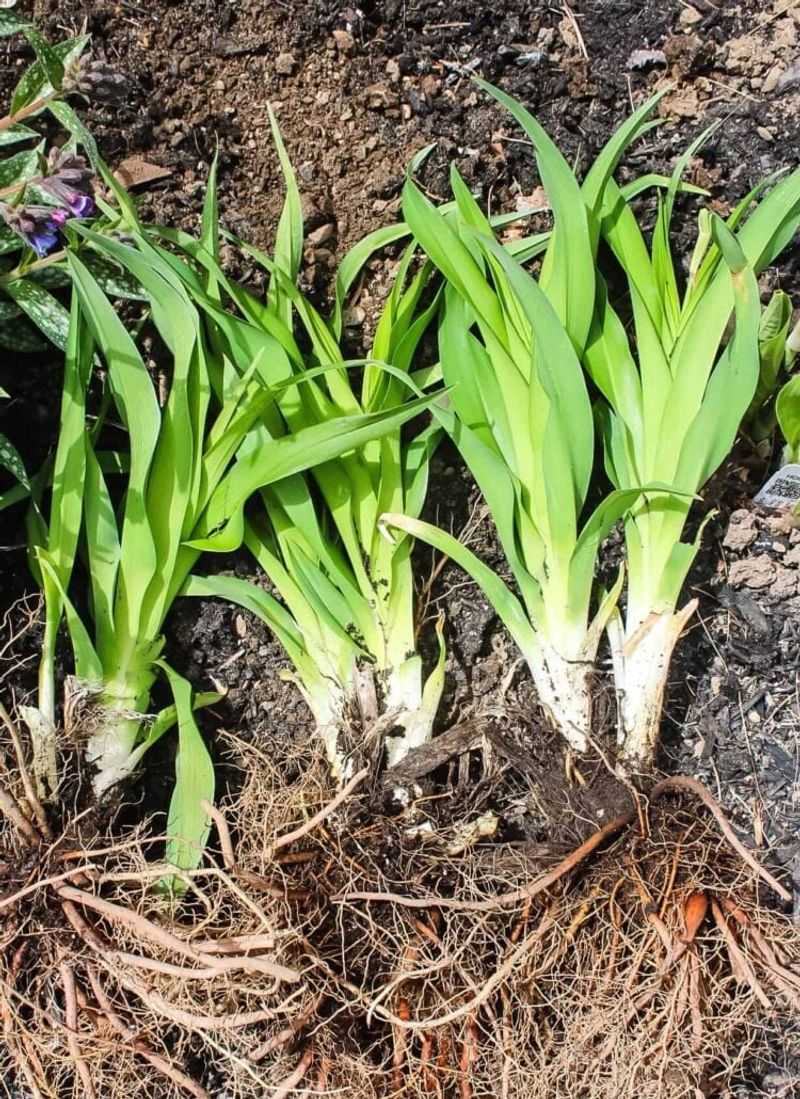
Dig the entire clump out with a garden fork, shake off the loose soil, and pull the fans apart by hand or cut them with a sharp spade.
Each division should have a healthy set of roots and at least a few leaves attached. Replant the divisions at the same depth they were originally growing and water them in well.
Daylilies are widely grown across Florida and perform well throughout much of the state, though gardeners in South Florida may find that certain varieties bloom more reliably than others.
University of Florida IFAS notes that daylilies are adaptable and relatively low-maintenance once established in the landscape.
They tolerate heat, brief dry spells, and a range of soil types, which makes them a practical choice for Florida yards.
One important caution for pet owners: daylilies are toxic to dogs and cats, and they are especially dangerous for cats. Even small amounts can cause serious health problems for cats in particular.
If you have cats that roam your yard or garden, consider placing daylilies in a fenced area or choosing a different plant for high-traffic pet zones.
2. Replant Cannas For Bigger Summer Color
Cannas bring a bold, tropical energy to Florida landscapes that very few other plants can match. Their wide leaves, towering stems, and vivid flowers in shades of red, orange, yellow, and pink make them hard to overlook.
But when a canna clump has been sitting in the same spot for a few years without being touched, the show starts to fade. Crowded rhizomes compete for nutrients and the blooms get smaller and less frequent.
Your Florida Garden Changes Every Week. Your Plan Should Too.
Gardening in Florida changes quickly throughout the season. Every Friday you’ll receive a simple weekly plan showing exactly what to plant, prune, fertilize, harvest, and protect so you never miss the right timing.
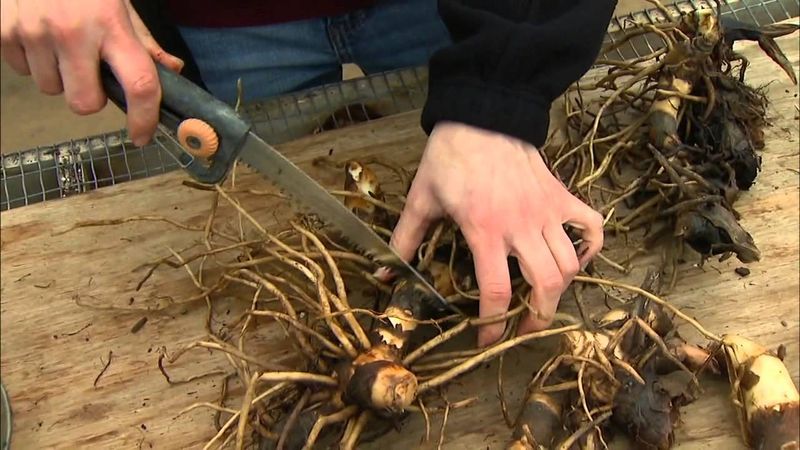
April is a good time to lift and divide cannas across much of Florida before summer heat and humidity fully arrive. Dig up the rhizome clump carefully, shake off the soil, and look for natural divisions where individual rhizomes connect.
Each piece you replant should have at least one healthy growing point or eye. Give the cut surfaces a little time to dry before replanting, which helps reduce the chance of rot in Florida’s moist soil.
In South Florida, cannas may already be showing strong growth by early April, so division should happen promptly and replanting should follow quickly to avoid stressing active roots.
In North Florida, April conditions are generally milder, giving divided rhizomes a little more cushion to settle in before summer arrives.
UF IFAS lists cannas as a reliable Florida landscape plant suited to a wide range of conditions.
Cannas are not native to Florida, but they are widely used in residential and commercial landscapes throughout the state. They are not considered a problematic invasive species in Florida landscapes.
Space the divisions about eighteen to twenty-four inches apart so each plant has room to grow into its full, impressive form by midsummer.
3. Divide Society Garlic For A Fuller Border
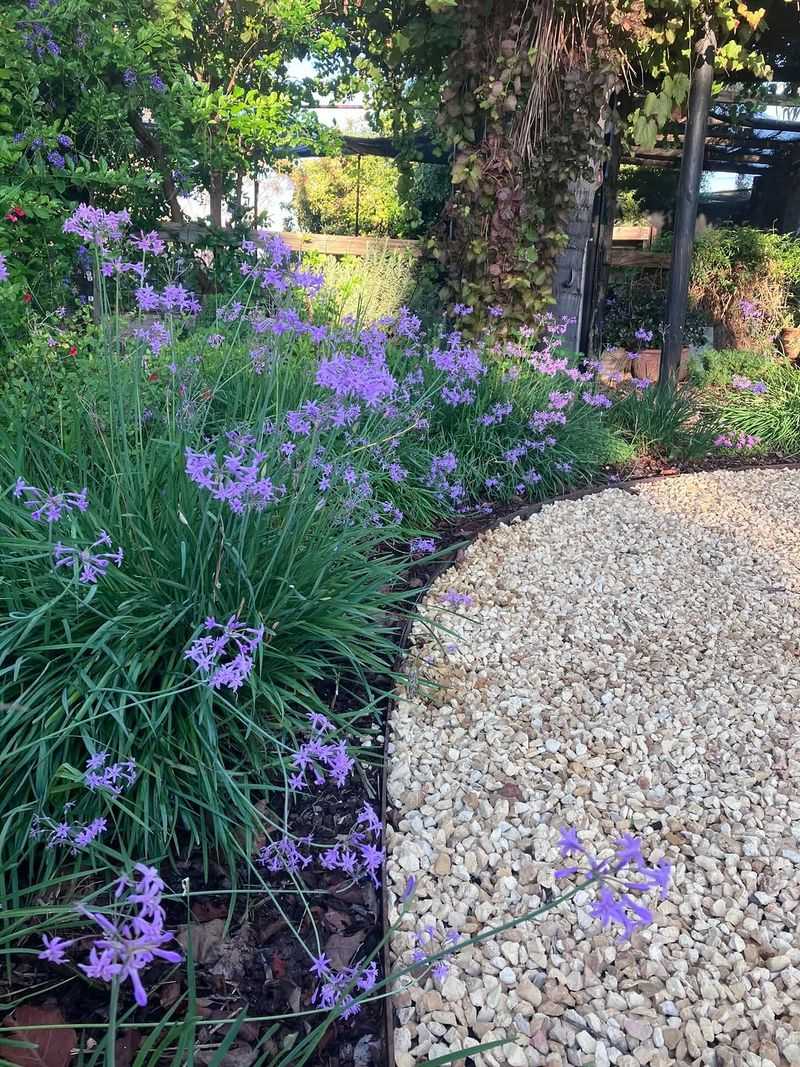
Society garlic has been a quiet workhorse in Florida gardens for years. Its slender, grass-like leaves and clusters of soft lavender-purple flowers add a delicate touch to borders, walkways, and low-maintenance beds.
Crush a leaf between your fingers and you get that unmistakable garlic scent, though the flowers themselves smell pleasant and mild. Over time, established clumps spread outward and the center can start to look tired and thin.
Dividing society garlic in April gives you a chance to tidy up overgrown clumps and create new plants to fill out the rest of your border.
The process is straightforward: dig up the clump, pull apart the individual fans of leaves and roots, and replant them with a few inches of space between each division.
Society garlic bounces back quickly and should be blooming again within a few weeks of replanting if it receives regular water during the establishment period.
This plant thrives in full sun and tolerates drought once it is established, which suits Florida’s often dry spring conditions well. It also performs well in coastal landscapes and handles sandy soil without much complaint.
UF IFAS Extension recommends society garlic as a low-maintenance Florida landscape plant, particularly useful for borders and mass plantings.
Society garlic is not native to Florida. It originates from South Africa and is widely used in Florida landscapes.
It is not generally listed as an invasive concern in Florida by the major horticultural sources reviewed, but gardeners who prefer exclusively native plantings may want to explore native alternatives.
For most Florida homeowners, though, it is a practical and attractive border plant that rewards simple care with reliable seasonal color.
4. Spread Out African Iris For More Blooms
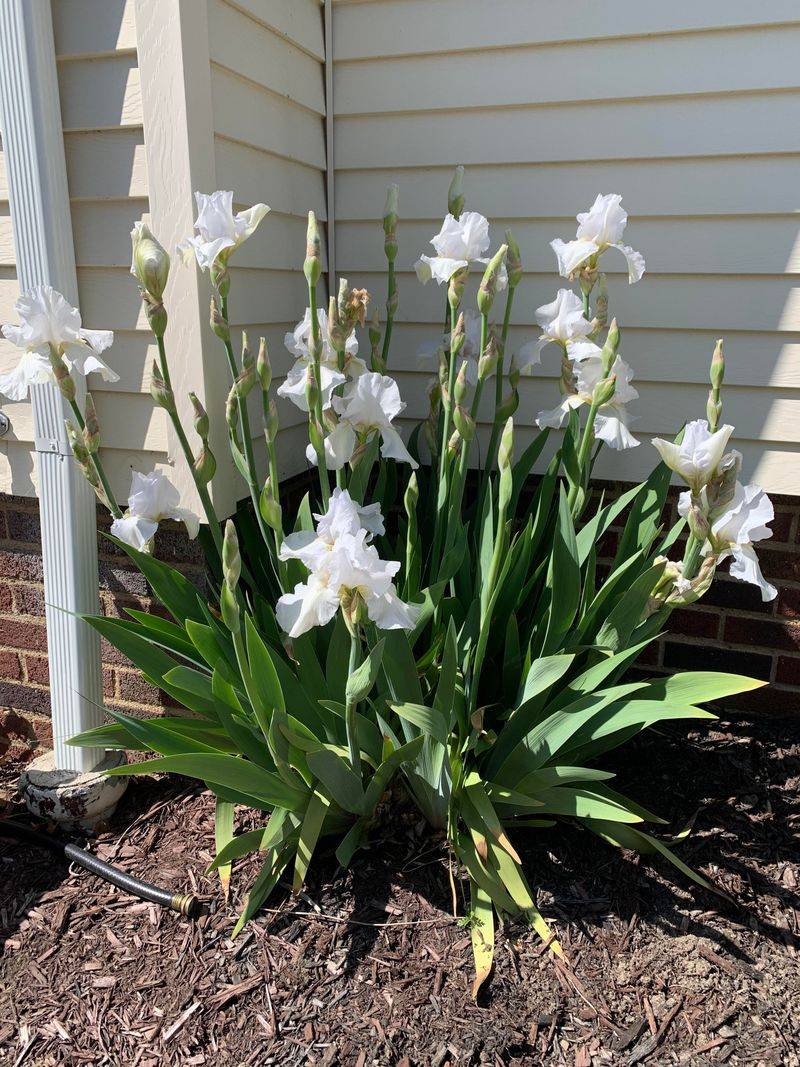
African iris has a reputation for being nearly impossible to neglect. Once it gets going in a Florida landscape, it forms dense, upright fans of tough, sword-shaped leaves that stay green year-round.
The flowers are small but charming, white with blue and yellow markings, appearing in flushes throughout the warmer months. The problem is that after several years, those fans pack together so tightly that blooming slows and the outer edges of the clump start to look ragged.
April is a reasonable time to divide African iris in Florida, especially in Central and South Florida where the plant is already in active growth.
Dig up the entire clump, use a sharp spade or serrated knife to separate the fans into smaller groups, and make sure each division has a solid root system attached.
Replant the divisions at the same depth and water them consistently for the first few weeks while they settle in.
African iris prefers full sun to light shade and does best in well-drained soil. It handles Florida’s sandy soils reasonably well and shows good drought tolerance once established.
That said, it does appreciate consistent moisture during the growing season, and divisions will establish faster if the soil is kept evenly moist through the first month after planting.
African iris is not native to Florida. It originates from South Africa and is widely grown as an ornamental landscape plant across the state.
It is not currently listed as an invasive species in Florida by the major sources reviewed.
Gardeners should note that African iris plant parts can cause mild stomach upset if ingested, so it is worth keeping that in mind in yards where curious pets or small children play.
5. Revive Crinum Lilies With A Fresh Start
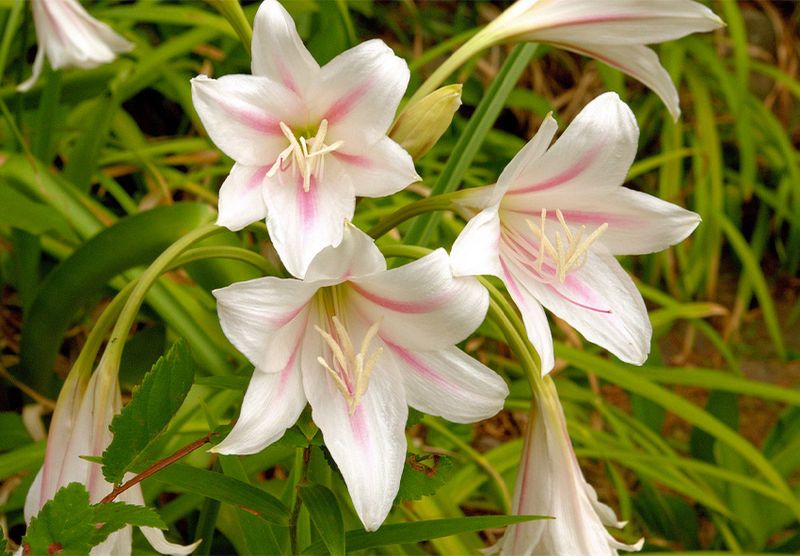
Crinum lilies have been growing in Florida gardens for so long that some people assume they must be native. The truth is more layered than that.
A handful of crinum species are indeed native to Florida, but the majority of crinum lilies found in home landscapes are non-native species or hybrid cultivars introduced from tropical regions around the world.
Regardless of origin, they are beloved for their bold, fragrant, trumpet-shaped flowers and their ability to survive serious neglect.
When crinum clumps become crowded, flowering typically drops off and the foliage can look tired and congested. Dividing them gives each bulb more room to direct energy into blooms rather than competing for space and nutrients.
The bulbs are large and heavy, so this is not a quick task. Use a sturdy garden fork to loosen the soil around the entire clump before trying to lift it, and expect to put in some effort separating the tightly packed offsets.
April can work as a division window for crinums in Florida, but timing deserves some thought.
In South Florida, crinum lilies may already be in active growth or even approaching bloom by early April, and dividing at that point can disrupt the current flowering cycle.
In Central and North Florida, early to mid-April tends to offer a better window before the heat intensifies. If your clump is already budding, waiting until after it finishes blooming is a sensible approach.
Crinum lilies contain alkaloids throughout the plant, including in the bulbs, and are considered toxic to dogs and cats according to the ASPCA.
Pet owners should handle these plants with care and keep divided bulbs out of reach of animals during and after the division process.
Wear gloves when handling the sap, as it can irritate skin in some people.
6. Split Agapanthus For Stronger Growth
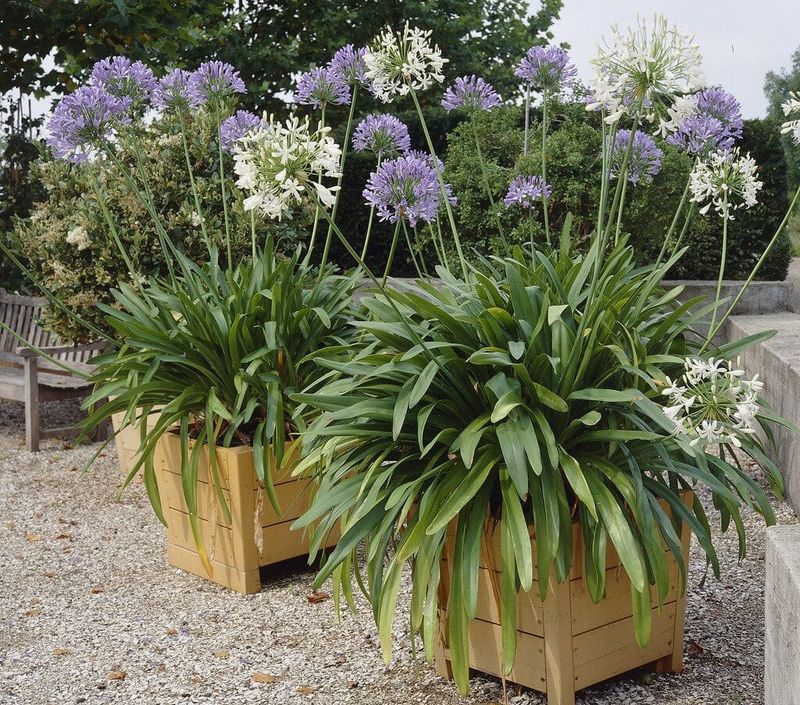
There is something almost architectural about agapanthus. Those tall, round flower heads in deep blue, soft lavender, or white sit above neat clumps of strap-like leaves and give any garden bed a clean, structured look.
Agapanthus blooms most heavily when it is slightly root-bound, which means timing division correctly matters more here than with some other plants. Splitting it too often or too aggressively can set back flowering for a full season.
A clump that has stopped blooming well, pushed itself out of the ground, or split into a hollow ring shape with a bare center is telling you it is ready to be divided. April is a workable time to do this in Florida, especially in the warmer parts of the state.
Dig up the clump with a garden fork, use a sharp spade to cut through the root mass, and replant the divisions with the crown just at or slightly above the soil surface. Burying them too deep is one of the most common reasons agapanthus fails to bloom after division.
Agapanthus is best suited to the warmer parts of Florida, particularly USDA hardiness zones 9 through 11.
Gardeners in North Florida, especially those in Zone 8, should be more cautious about this plant’s cold hardiness and may want to stick with the more cold-tolerant deciduous varieties rather than the evergreen types.
Agapanthus is not native to Florida. It originates from South Africa.
It is not widely flagged as an invasive species concern in Florida landscapes.
The plant is considered toxic to dogs and cats, causing symptoms such as vomiting and stomach upset if ingested, so it is worth keeping pets away from freshly divided clumps and any plant material left on the ground during the process.
7. Divide Muhly Grass Before New Growth Takes Off
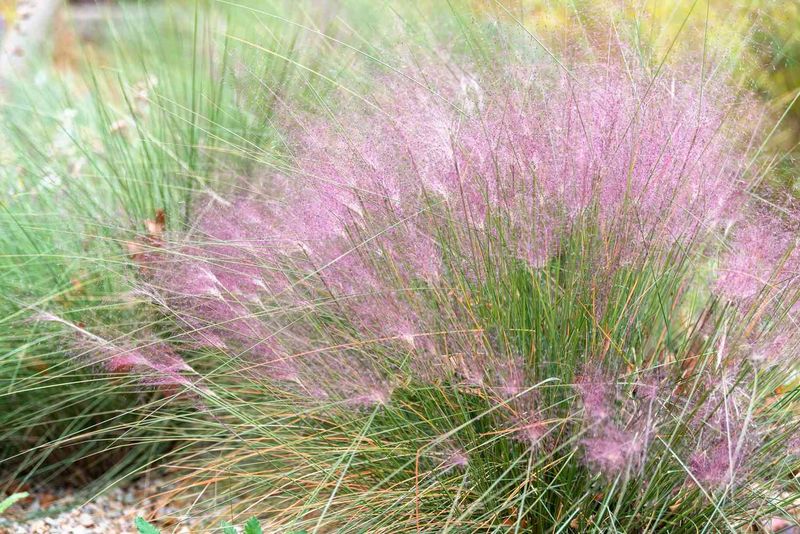
Of all the plants on this list, muhly grass might be the most straightforward recommendation for Florida gardeners.
It is a true Florida native, recognized and recommended by the University of Florida IFAS and widely used in both residential and public landscapes across the state.
Its wispy pink plumes in fall are one of the most recognizable and celebrated sights in Florida’s native plant world, and its low-maintenance nature makes it a natural fit for gardeners who want beauty without constant upkeep.
April is a smart time to divide muhly grass because the plant is shifting into active growth mode but has not yet pushed out significant new foliage.
Dividing before that surge of growth means the plant can channel its energy into establishing a strong new root system rather than trying to support both new top growth and recovery at the same time.
Use a sharp spade to cut straight through the clump, or dig the whole thing up and pull it apart into sections. Each division should have a healthy root ball and a good handful of foliage.
Muhly grass grows well throughout Florida in full sun and is highly adaptable to sandy, well-drained soils. It handles drought, salt spray, and heat with ease, which makes it one of the most versatile native grasses available to Florida homeowners.
It rarely causes problems in the landscape and does not spread aggressively beyond its clump.
Because muhly grass is a Florida native, it also supports local wildlife, offering cover and nesting material for small birds and insects. Replant divisions about two to three feet apart to give each one room to develop into a full, rounded clump by the time fall bloom season arrives.
Water new divisions consistently for the first few weeks after planting.