North Carolina Camellias That Keep Performing Even After Spring Ends
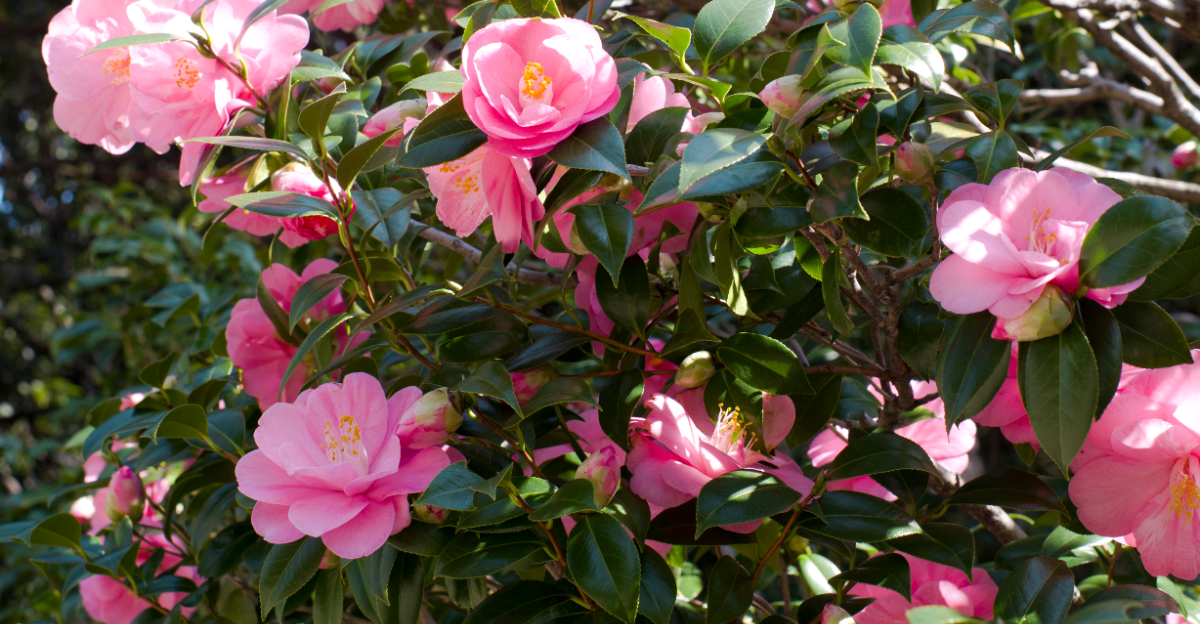
Camellias are often known for their beautiful spring blooms, but some varieties offer much more than a short burst of color. In North Carolina, where seasons shift quickly, many gardeners look for camellias that keep adding value even after flowering ends.
These plants can continue to stand out with glossy evergreen leaves, strong structure, and a healthy presence that anchors the landscape through warmer months. Some also have growth habits that keep them looking full and balanced without much effort.
Choosing the right camellias means your garden does not lose interest once the blooms fade. Instead, it stays rich and attractive as the season moves forward.
If you want plants that deliver more than just a few weeks of flowers, these camellias are worth a closer look for long lasting beauty in your yard.
1. Japanese Camellia (Camellia japonica)
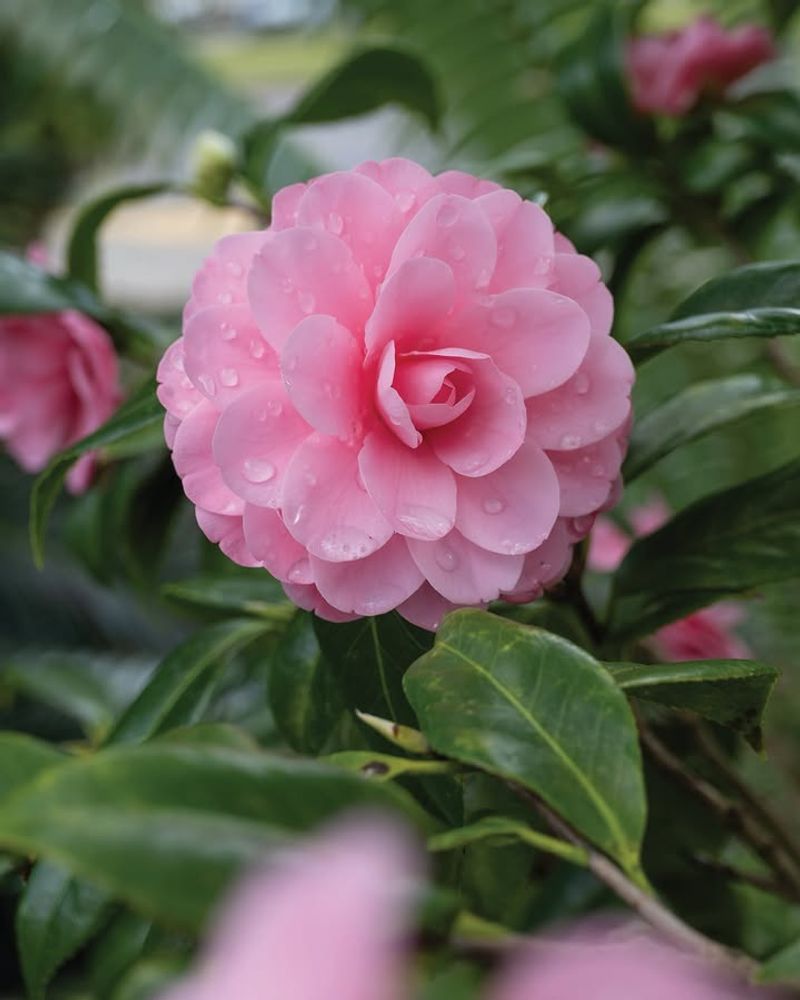
Few shrubs carry as much Southern charm as the Japanese Camellia, and in North Carolina, it is practically a garden legend. This classic beauty has been gracing lawns and landscapes across the state for generations, and for good reason.
Its large, layered blooms in shades of pink, red, and white are hard to beat when spring starts warming up the soil.
What makes Camellia japonica so special for North Carolina gardeners is its ability to stretch its bloom season well into April, depending on the cultivar you choose. Some selections keep flowering even as other shrubs are already finishing up.
That extended performance makes it one of the most reliable choices for anyone who wants lasting color in a spring garden.
Planting this camellia in partial shade is the smartest move you can make. Afternoon sun in North Carolina can be intense, especially by late spring, and too much direct light will fade those gorgeous petals fast.
A spot with morning sun and afternoon shade near a fence or tree line works perfectly. Keep the soil moist but well-drained, and mulch generously around the base to hold moisture and protect the roots.
With just a little care, Japanese Camellia will reward you with weeks of stunning blooms year after year, making it a true anchor plant in any North Carolina landscape.
2. Sasanqua Camellia (Camellia sasanqua)
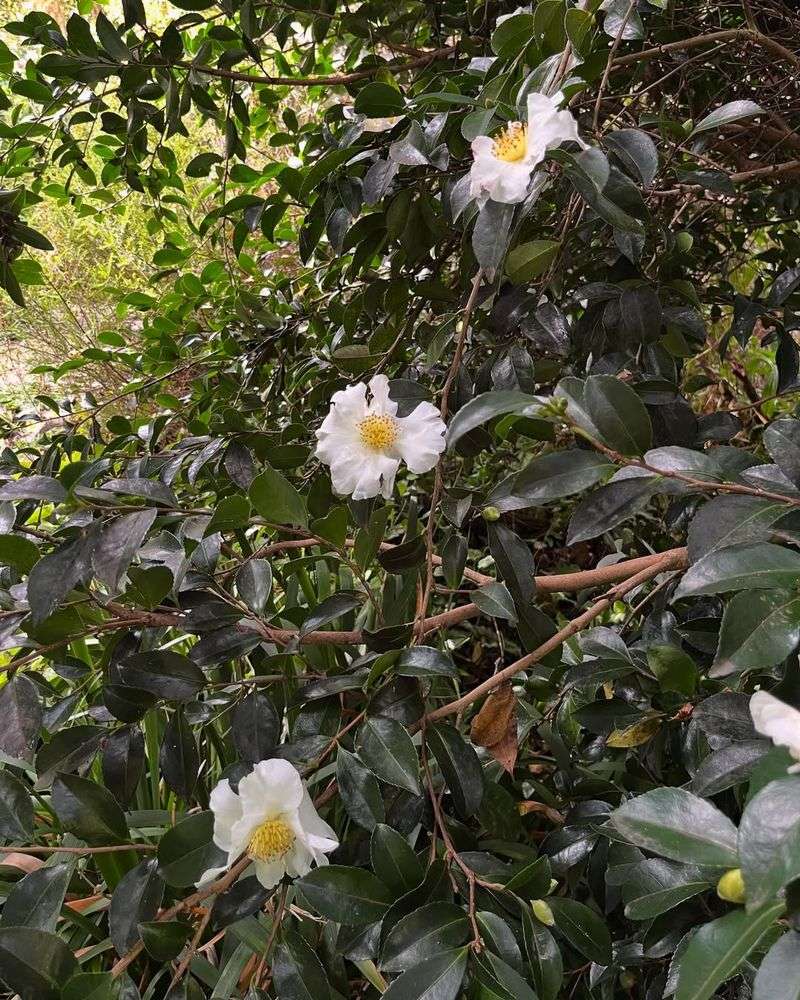
Sasanqua Camellia has a clever trick up its sleeve that makes it one of the most valuable plants in a North Carolina garden. While most people know it as a fall bloomer, smart gardeners use it as part of a bigger strategy.
By pairing Sasanqua with spring-blooming varieties, you can create a camellia display that runs from October all the way through late April.
That kind of extended season is almost unheard of with a single shrub family, and it is one of the reasons camellias are so beloved across the state.
Sasanqua varieties tend to be more sun-tolerant than their japonica cousins, which means you have more flexibility when choosing a planting spot.
They also tend to grow a bit faster, making them excellent choices for hedges, screens, or foundation plantings.
In North Carolina landscapes, Sasanqua Camellia thrives in well-drained, slightly acidic soil, which is exactly what most of the state naturally offers.
Your North Carolina Garden Changes Every Week. Your Plan Should Too.
Gardening in North Carolina changes quickly throughout the season. Every Friday you’ll receive a simple weekly plan showing exactly what to plant, prune, fertilize, harvest, and protect so you never miss the right timing.
Varieties like ‘Setsugekka’ and ‘Yuletide’ are popular choices among local gardeners for their reliable bloom and tidy growth habits.
Adding a Sasanqua to your yard means you are essentially bookending your camellia season with color. It kicks things off in the fall, and when paired with late-blooming spring varieties, your garden never really has a dull moment from one season to the next.
3. Hybrid Camellias (Camellia x williamsii)
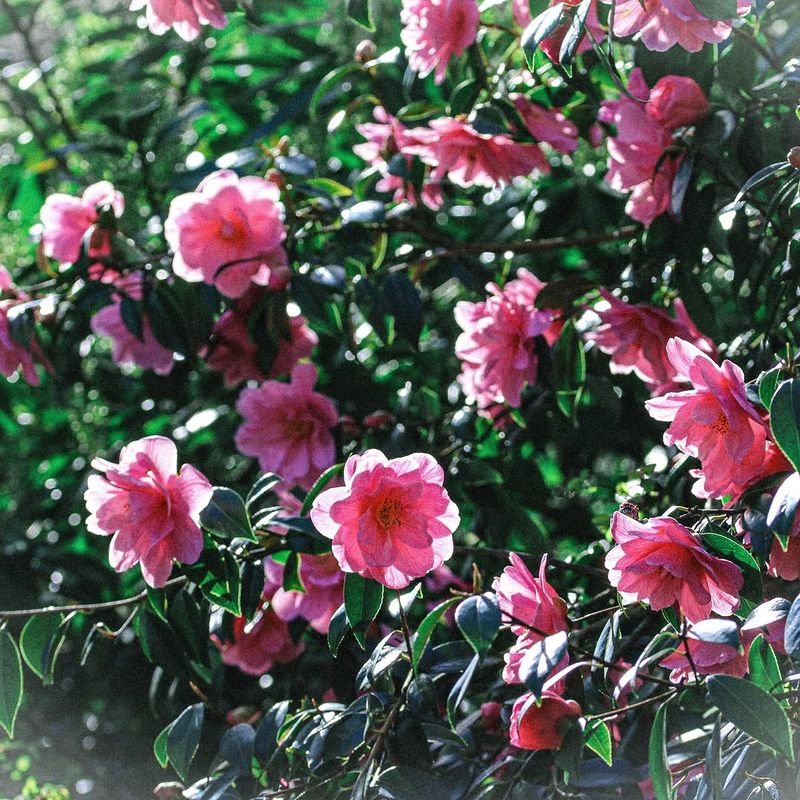
Camellia x williamsii hybrids are the overachievers of the camellia world, and North Carolina gardeners who have tried them rarely go back.
These crosses between Camellia japonica and Camellia saluenensis combine the best traits of both parents, producing shrubs that are more cold-tolerant, more free-flowering, and often more vigorous than either parent alone.
One of the biggest advantages these hybrids bring to a North Carolina garden is their extended bloom window. While many camellias finish up by late February or early March, williamsii hybrids can keep pushing fresh flowers well into mid to late spring.
Varieties like ‘Donation’ and ‘J.C. Williams’ are especially well regarded for their long-lasting displays and ability to handle temperature swings without dropping buds.
Cold hardiness is a major selling point across much of North Carolina, where late frost events can surprise gardeners even in April.
These hybrids handle those temperature dips much better than standard japonicas, which means fewer lost blooms and less disappointment after a chilly night.
They also tend to drop spent flowers cleanly rather than leaving brown petals clinging to the plant, which keeps the shrub looking tidy all season long.
Plant them in partial shade with rich, acidic, well-drained soil, and they will reward you with one of the most impressive spring flowering performances any shrub can offer in this region.
4. April Blush (Camellia japonica Hybrid)
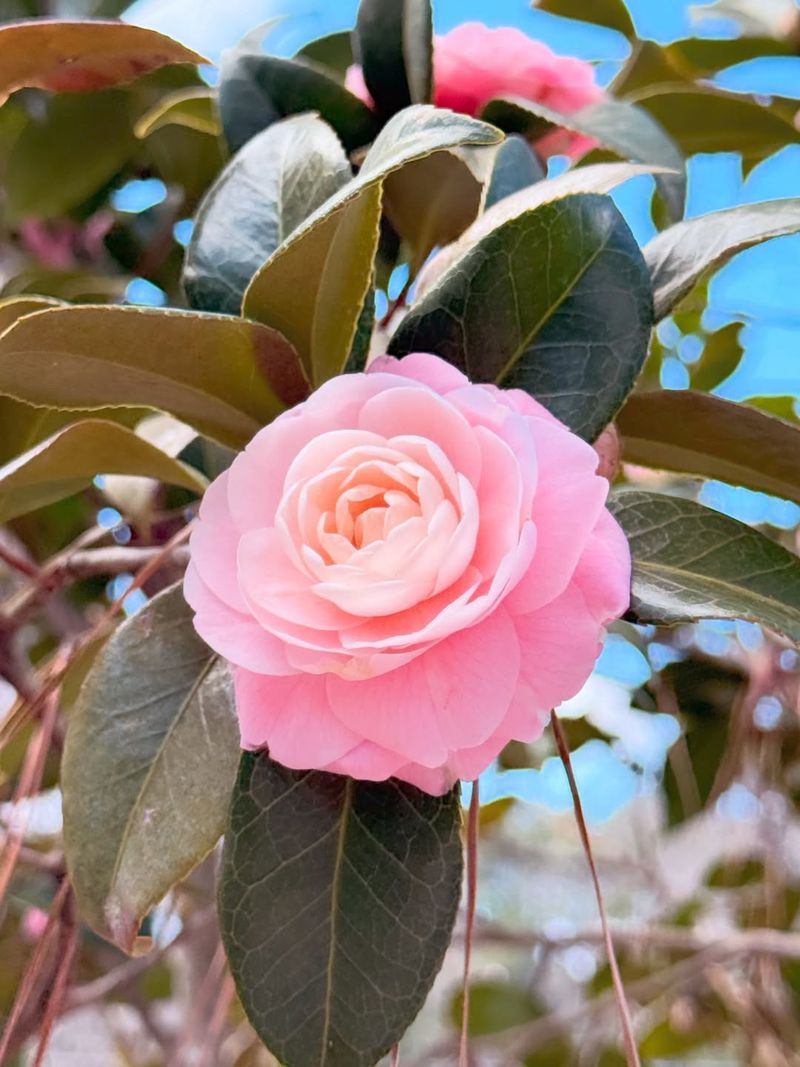
There is something almost irresistible about the name April Blush, and the flower absolutely lives up to it.
Part of the celebrated April Series, this camellia was specifically bred with cold tolerance and late blooming in mind, making it a perfect fit for North Carolina gardens that experience unpredictable late-season frosts.
The blooms are soft pink and formally doubled, with layer after layer of petals arranged in a neat, symmetrical pattern that looks almost too perfect to be real. What sets April Blush apart from earlier-blooming japonicas is its timing.
It reliably holds off until mid to late spring before opening, which means it sidesteps many of the late freezes that can damage buds on earlier varieties. For North Carolina gardeners in the Piedmont and Triad regions, that timing advantage is a genuine game-changer.
Planting April Blush in a sheltered spot with morning sun and afternoon shade gives it the best possible conditions to thrive. The soil should be rich, slightly acidic, and well-drained, which matches what most of North Carolina naturally provides.
Mulching around the base with pine straw or shredded bark helps keep moisture in and roots cool as temperatures rise.
This variety grows into a compact, tidy shrub that works well near entryways, along walkways, or tucked into a mixed border where its late-season color can really steal the show from surrounding plants.
5. April Dawn (Camellia japonica Hybrid)
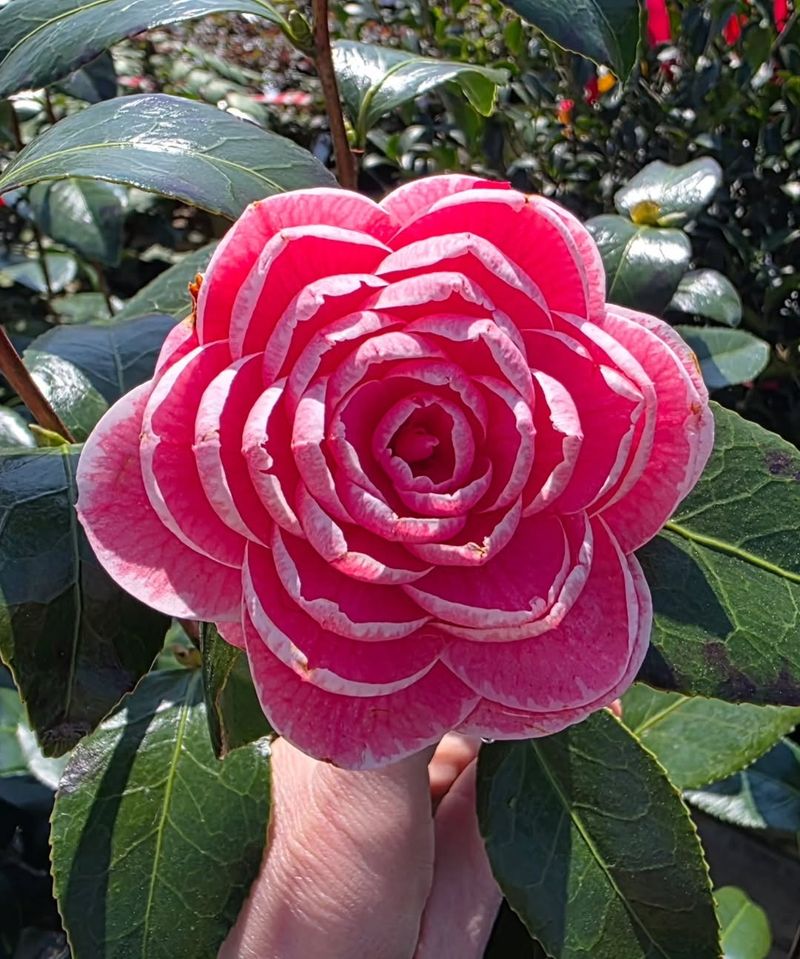
Striped camellias are always conversation starters, and April Dawn is one of the most eye-catching of the bunch.
This formal double camellia features white petals streaked and splashed with deep pink to candy-red stripes, creating a look that feels bold and delicate at the same time.
No two flowers look exactly alike, which gives each bloom a handmade quality that gardeners absolutely love.
In North Carolina gardens, April Dawn blooms later than most traditional camellia varieties, often pushing its flowers into April and sometimes even into early May under favorable conditions.
That later timing is a big part of what makes it so valuable for gardeners who want to stretch their camellia season as long as realistically possible.
The April Series was developed with exactly that goal in mind, and April Dawn delivers on that promise consistently.
Growing April Dawn well in North Carolina comes down to a few basics. Rich, well-drained, acidic soil is essential, and the plant appreciates a location that gets bright indirect light or morning sun without the harsh exposure of full afternoon rays.
Regular watering during dry spells in late spring helps the plant maintain its blooms for as long as possible. This variety also responds well to light pruning right after flowering, which keeps its shape tidy and encourages a strong flush of new growth heading into summer.
It is a standout plant in any North Carolina landscape.
6. April Kiss (Camellia japonica Hybrid)
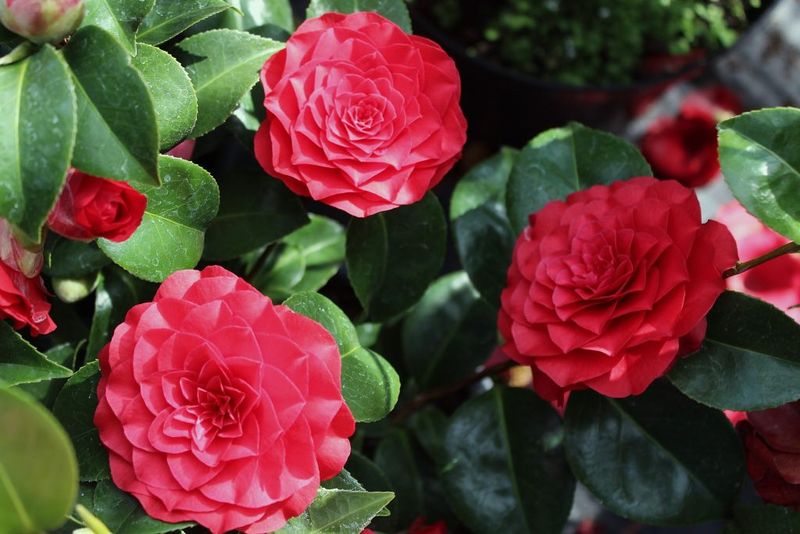
Red camellias always command attention, and April Kiss brings that bold color right when you need it most.
As another standout member of the April Series, this camellia was bred to bloom later in the season, helping bridge the gap between early spring varieties and the warmer days of late spring in North Carolina.
Its vivid red flowers pop against the deep green glossy foliage in a way that makes the whole plant look like it is putting on a performance.
What gardeners across North Carolina appreciate most about April Kiss is its reliability. Late-season bloomers can sometimes be finicky about timing, but this variety tends to open its flowers consistently year after year, regardless of minor weather variations.
The cold tolerance bred into the April Series means that even a surprise frost in early April is unlikely to wipe out the entire flower display, which is a real comfort for gardeners in the central and western parts of the state.
April Kiss grows best in partial shade with protection from harsh afternoon sun, which is standard advice for most japonica camellias in North Carolina. Well-drained, slightly acidic soil enriched with organic matter gives this shrub everything it needs to thrive.
Watering regularly during the blooming period helps extend the flower display even further.
This variety works beautifully as a focal point in a shaded border or planted near a patio where you can enjoy those striking red blooms up close during those final glorious weeks of spring.
7. Debutante (Camellia japonica)
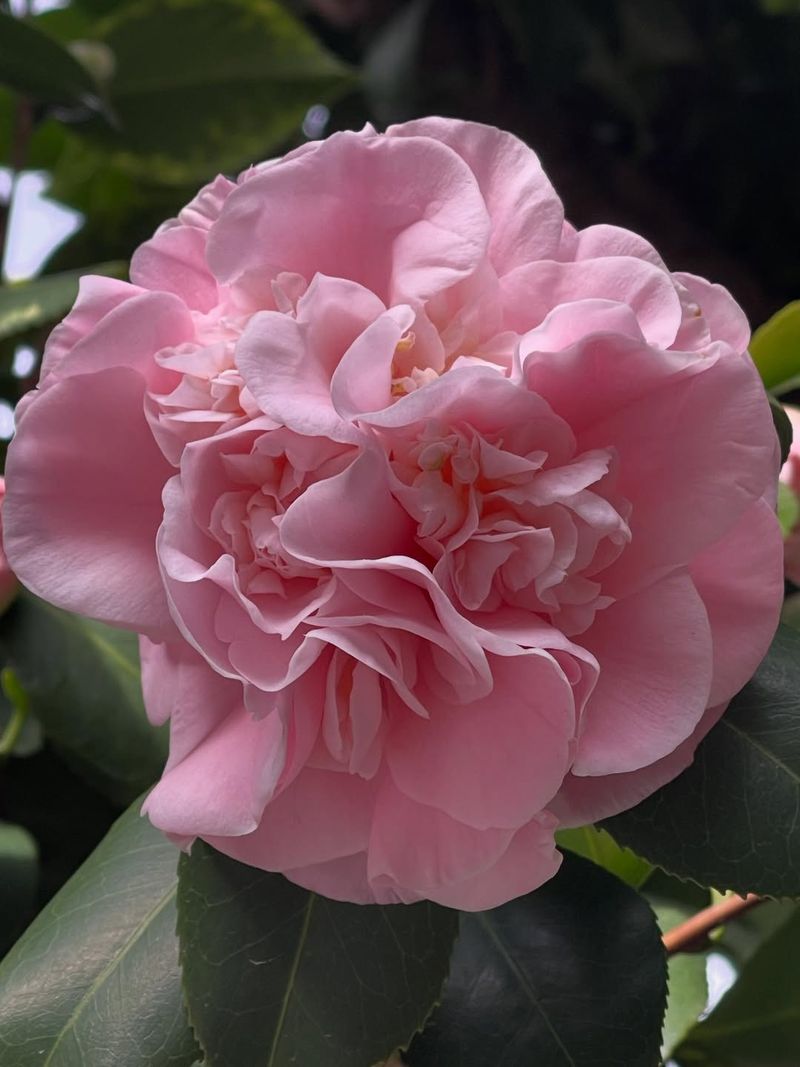
Soft, full, and undeniably romantic, Debutante is the kind of camellia that makes people stop walking and just stare.
Its peony-style blooms are packed with layers of light pink petals that have a fluffy, informal charm quite different from the stiff formality of some other japonica cultivars.
In North Carolina gardens, it blooms through mid to late spring, often holding on well into April when conditions are favorable.
Debutante has been a widely planted favorite across the South for decades, and its staying power says everything about its performance.
It grows into a strong, upright shrub that fits well into foundation plantings, mixed borders, or as a standalone specimen in a lawn or garden bed.
The consistent bloom time and reliable cold tolerance make it a smart pick for North Carolina gardeners who want something dependable without sacrificing beauty.
One thing that sets Debutante apart is how well it handles the variable weather that North Carolina springs are known for. Warm spells followed by late chills are common across the state, and Debutante navigates those swings better than many other cultivars.
Planting it in a spot with morning sun and afternoon shade gives the blooms the best chance of lasting as long as possible.
Pair it with some late-blooming perennials nearby so the garden keeps its energy going strong even after the camellia season winds down toward early summer.
8. Pink Perfection (Camellia japonica)
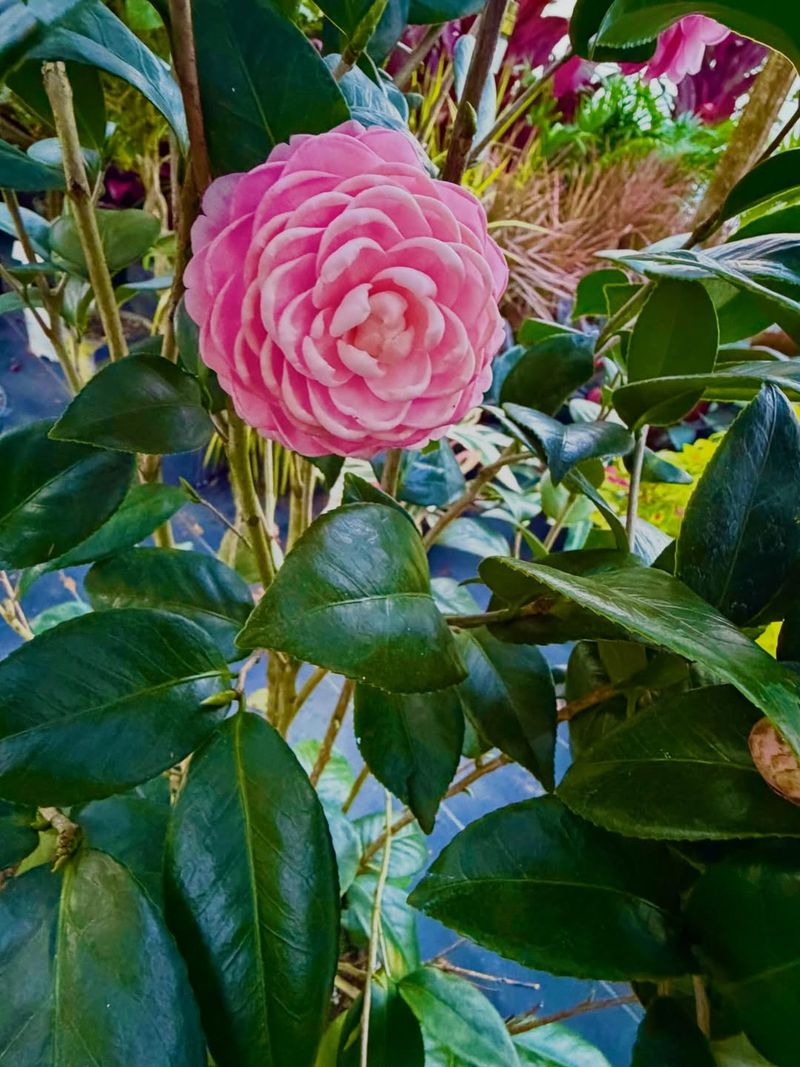
The name says it all, honestly. Pink Perfection is one of those camellias that gardeners in North Carolina return to again and again because it simply never disappoints.
The flowers are formal doubles with every petal arranged in a precise, symmetrical spiral that looks almost architectural. That clean, structured look gives shaded garden beds a polished, elegant feel that few other shrubs can match.
Bloom time for Pink Perfection falls in the mid to late spring range, which is exactly what makes it so useful for extending the camellia season in North Carolina. While earlier varieties are already fading by late March, Pink Perfection is just hitting its stride.
The flowers hold up remarkably well even as temperatures begin to climb, giving gardeners in the Piedmont and coastal plain regions a long window of enjoyment before summer fully takes over.
Growing Pink Perfection successfully in North Carolina is straightforward once you get the basics right. Partial shade is ideal, especially protection from intense afternoon sun that can bleach or burn those perfectly formed petals.
The soil should be well-drained and slightly acidic, which is a condition that most North Carolina yards already meet naturally. Adding a generous layer of pine straw mulch around the base helps retain moisture and keeps the root zone cool.
With minimal fuss, Pink Perfection rewards you with weeks of stunning blooms that make every corner of the garden look like something out of a Southern living magazine spread.
9. Professor Sargent (Camellia japonica)
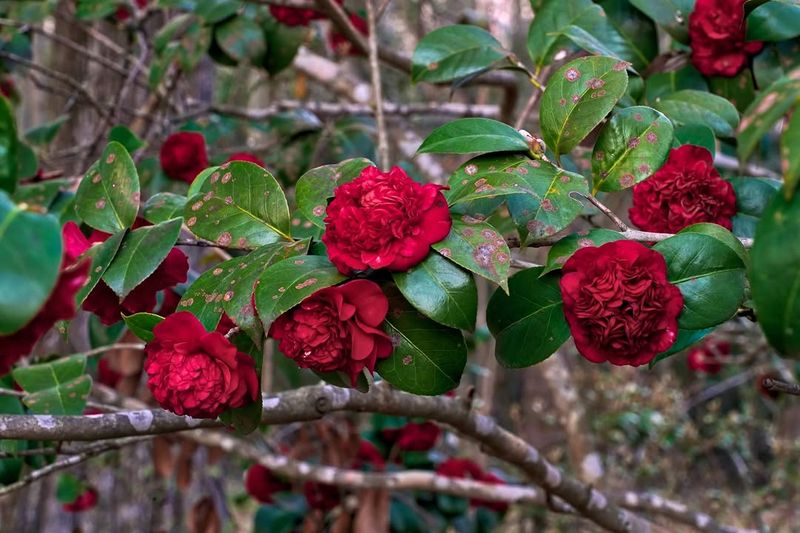
Bold, dramatic, and unapologetically vivid, Professor Sargent is the kind of camellia that commands respect in a North Carolina garden. The flowers are a deep, rich red with a formal double form that feels almost regal against the dense, dark green evergreen foliage.
This cultivar has been a trusted name in Southern horticulture for well over a century, which is a testament to just how consistently it delivers season after season.
What makes Professor Sargent particularly valuable for extending the camellia season is its later bloom time.
While many red japonicas open in late winter, this one holds off until mid-spring, giving North Carolina gardens a burst of intense color right when other early bloomers are wrapping up.
That timing makes it an excellent companion plant for earlier varieties, creating a relay-style bloom sequence that keeps the garden looking full and exciting from late winter all the way through April.
In North Carolina, Professor Sargent does best in partial to full shade, making it one of the better options for those tricky dark corners of the yard where other flowering shrubs struggle.
Rich, slightly acidic soil with good drainage is the key to keeping this plant healthy and productive.
It grows into a dense, full shrub over time, making it useful as a privacy screen or backdrop in a mixed planting. Give it room to spread, keep it well-watered during dry spells, and it will keep delivering those show-stopping red blooms for many springs to come.