The 7 Best Flowers To Help Oregon Butterflies Lay Eggs Safely
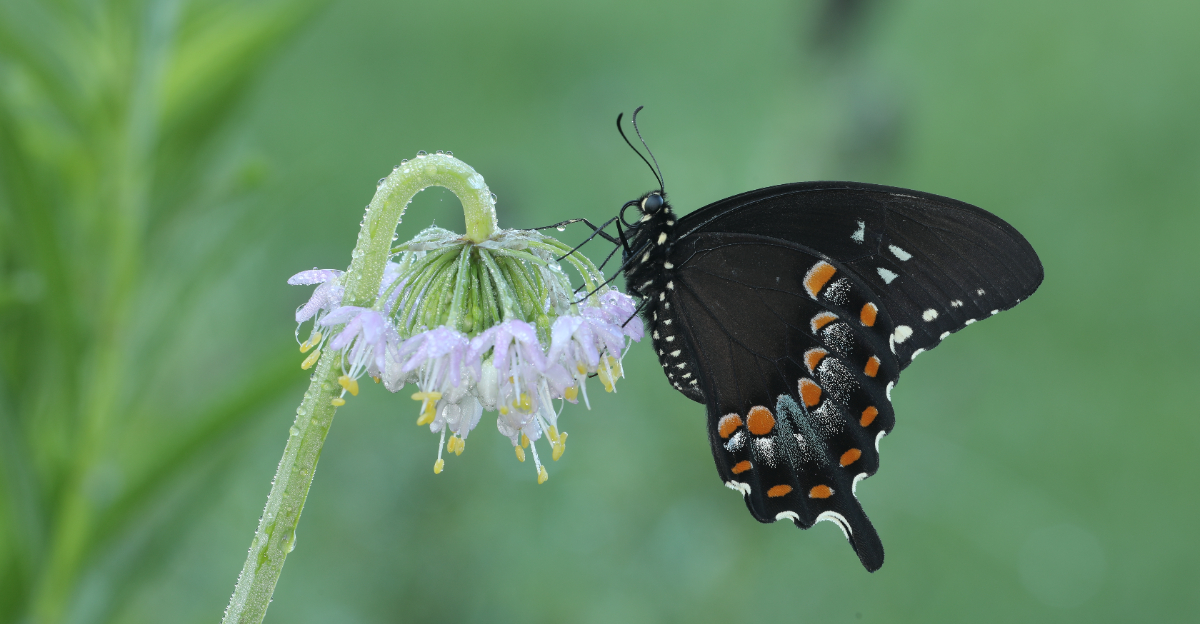
If you want more butterflies fluttering around your yard, you have to think beyond pretty blooms.
Adult butterflies might stop by for nectar, but if you really want them to stick around, they need a safe place to lay their eggs. And yes, they are a little picky about it.
In Oregon, certain flowers do double duty. They not only look beautiful, they also act as host plants where butterflies can lay eggs and tiny caterpillars can actually survive.
Without the right plants, butterflies will simply visit and move on, like guests who never quite get comfortable. The fun part? Once you add the right mix, your garden turns into a full-on butterfly nursery.
Eggs, caterpillars, chrysalises, the whole magical transformation. It is like having front-row seats to one of nature’s coolest shows, no ticket required.
1. Milkweed
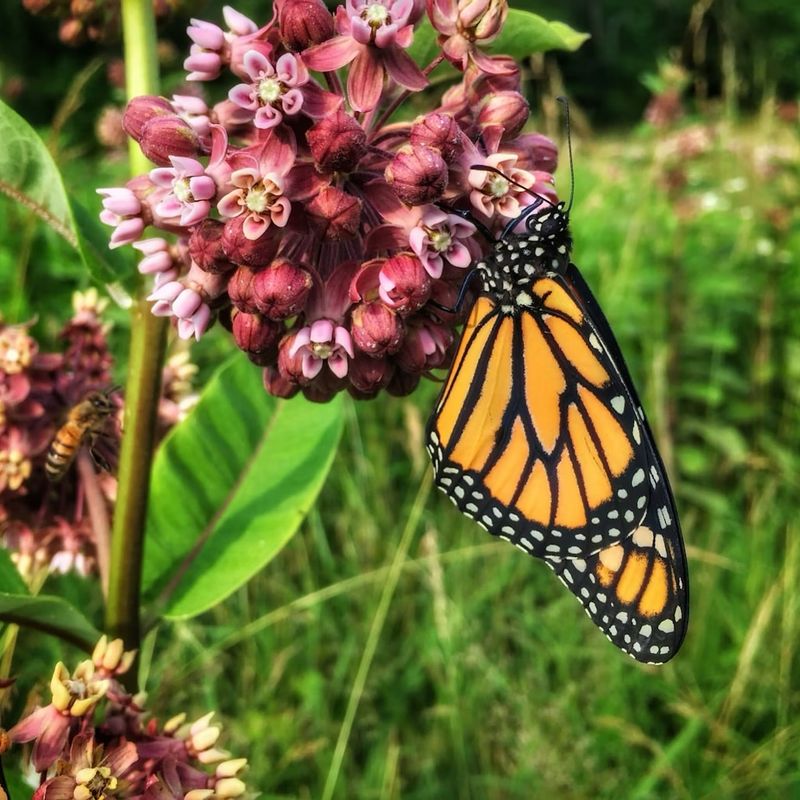
Few plants in Oregon carry as much importance for butterflies as milkweed. Monarch butterflies absolutely depend on it.
Without milkweed, Monarchs cannot lay their eggs, and their caterpillars have nothing to eat. Planting milkweed in your garden is one of the most impactful things you can do for butterfly conservation in Oregon.
Showy milkweed (Asclepias speciosa) and narrowleaf milkweed (Asclepias fascicularis) are two native species that grow well across Oregon. Showy milkweed loves sunny, dry spots and handles drought well once it gets established.
Narrowleaf milkweed thrives along roadsides and open meadows, making it a tough and reliable choice for Oregon gardeners.
Both types produce clusters of small, sweet-smelling flowers that attract not just Monarchs, but many other pollinators too. The leaves are where female Monarchs lay their tiny, cream-colored eggs.
When the eggs hatch, the caterpillars feed on the leaves and grow strong. Plant milkweed in a sunny area with well-draining soil, and give it room to spread.
Once established, it comes back every year, making it a long-term gift to Oregon’s butterfly population.
2. Kincaid’s Lupine
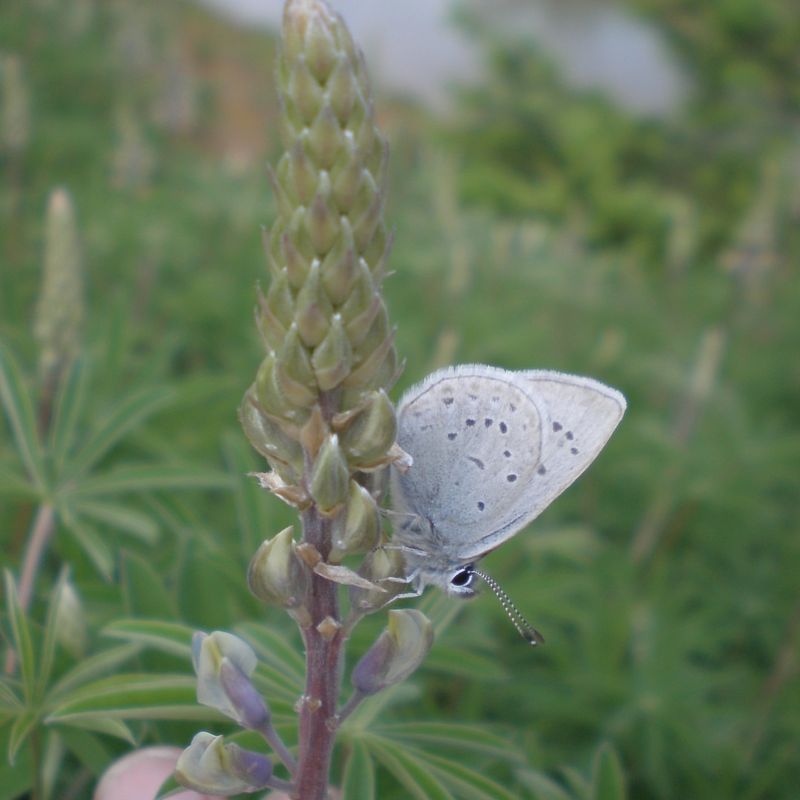
Named after a Pacific Northwest naturalist, Kincaid’s lupine is a rare and special plant found mainly in Oregon’s Willamette Valley. It is a critical host plant for the Fender’s Blue butterfly, one of the most endangered butterflies in the entire United States.
Female Fender’s Blues lay their eggs directly on this plant, making it irreplaceable for the species’ survival.
Lupinus oreganus grows in open prairies and grasslands, preferring well-drained soil and full sun. It produces tall, beautiful spikes of purple-blue flowers that bloom in spring and early summer.
Because this plant is native to Oregon and somewhat rare, growing it in your garden actively supports local conservation efforts.
Kincaid’s lupine can be tricky to establish, but with patience and the right conditions, it rewards you with stunning blooms and a steady stream of butterfly visitors. Look for seeds or starter plants from Oregon native plant nurseries.
Avoid fertilizing it heavily, since lupines fix their own nitrogen from the air. Once it settles in, it spreads slowly and creates a small colony that butterflies will return to season after season.
Your Oregon Garden Changes Every Week. Your Plan Should Too.
Gardening in Oregon changes quickly throughout the season. Every Friday you’ll receive a simple weekly plan showing exactly what to plant, prune, fertilize, harvest, and protect so you never miss the right timing.
3. Early Blue Violet / Hooked-Spur Violet
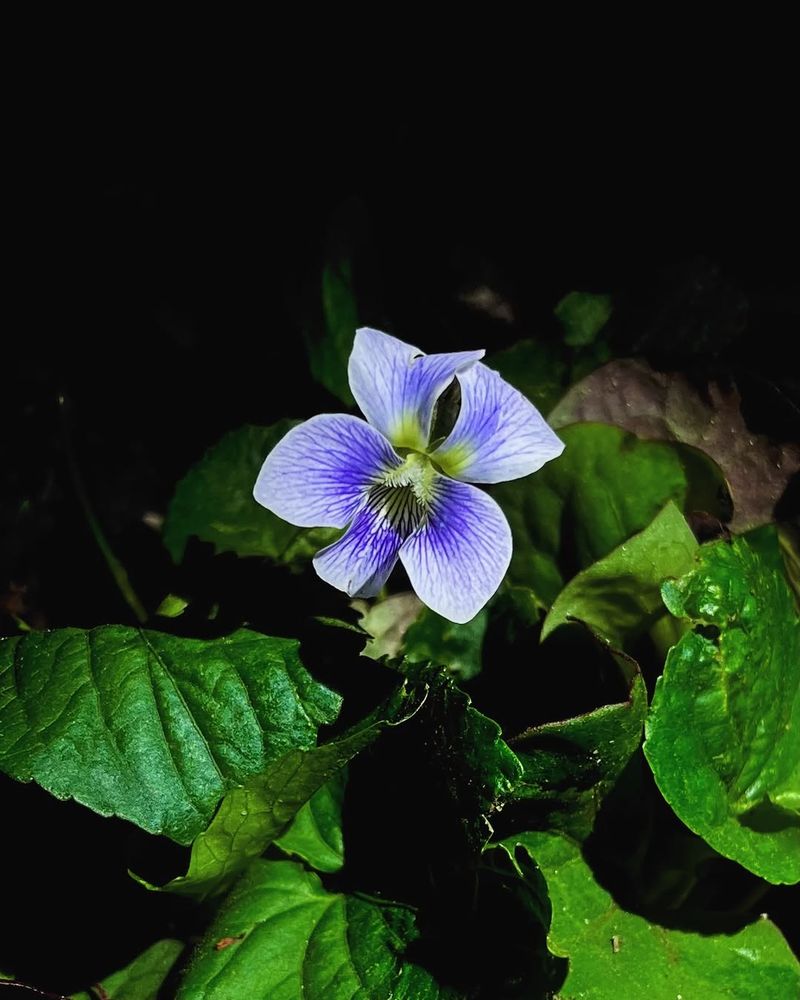
Small but mighty, early blue violet is a powerhouse host plant for several of Oregon’s fritillary butterfly species. Fritillaries, including the Pacific fritillary and the Callippe fritillary, rely on violets to lay their eggs.
The caterpillars feed on violet leaves after hatching, so having this plant in your garden gives these butterflies a complete nursery environment.
Viola adunca, also called hooked-spur violet, is native to Oregon and grows naturally along forest edges, stream banks, and moist meadows. It blooms early in the season, often from March through June, providing one of the first nectar sources for emerging butterflies.
The small purple flowers are charming and look lovely tucked along garden borders or under trees.
Early blue violet prefers moist, slightly shaded spots but can adapt to sunnier areas if watered regularly. It spreads gently by seed and forms soft, low-growing mats of green leaves.
Since it blooms so early in Oregon’s season, it helps butterflies that emerge before most other flowers open. Planting a patch of early blue violet near taller plants creates a layered garden habitat that benefits many butterfly species throughout spring and summer.
4. Barestem Biscuitroot
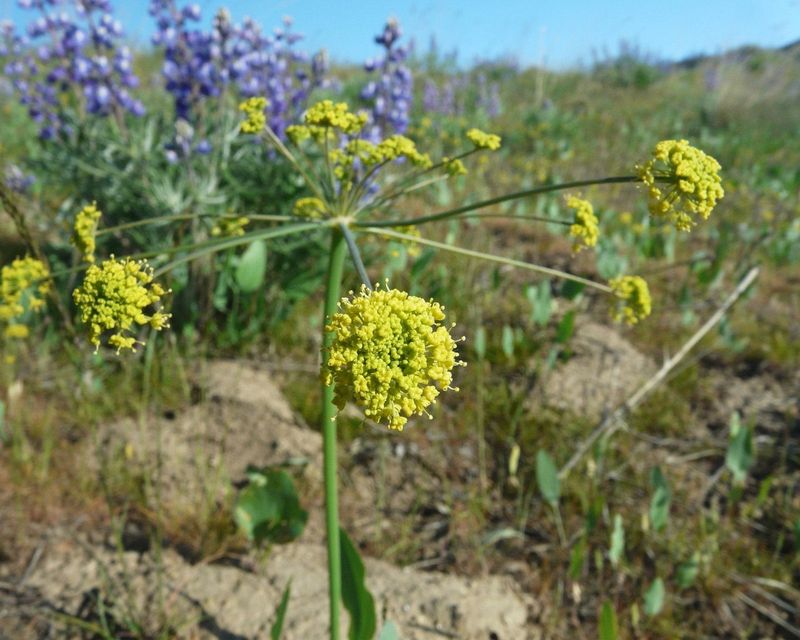
Oregon’s native swallowtail butterflies have a secret favorite, and it is barestem biscuitroot. Anise swallowtails and other members of the swallowtail family use Lomatium nudicaule as a host plant, laying their eggs on its stems and leaves.
Watching a large, colorful swallowtail flutter around this modest plant is one of the real joys of an Oregon butterfly garden.
Barestem biscuitroot grows naturally on dry, rocky slopes, open woodlands, and sagebrush habitats across Oregon. It produces clusters of tiny yellow flowers on bare, leafless stems in early spring, which is how it got its name.
The plant goes dormant in summer heat, so it pairs well with other plants that fill in later in the season.
Because it is drought-tolerant and adapted to Oregon’s dry summers, barestem biscuitroot is low-maintenance once established. Plant it in well-drained or rocky soil with full sun exposure.
It grows from a deep taproot, so avoid transplanting it once it is settled. Native plant sales and specialty nurseries in Oregon often carry seeds or young plants.
Adding this species to your garden helps support swallowtail populations that depend on native Lomatium plants to complete their life cycle.
5. Butterfly Biscuitroot
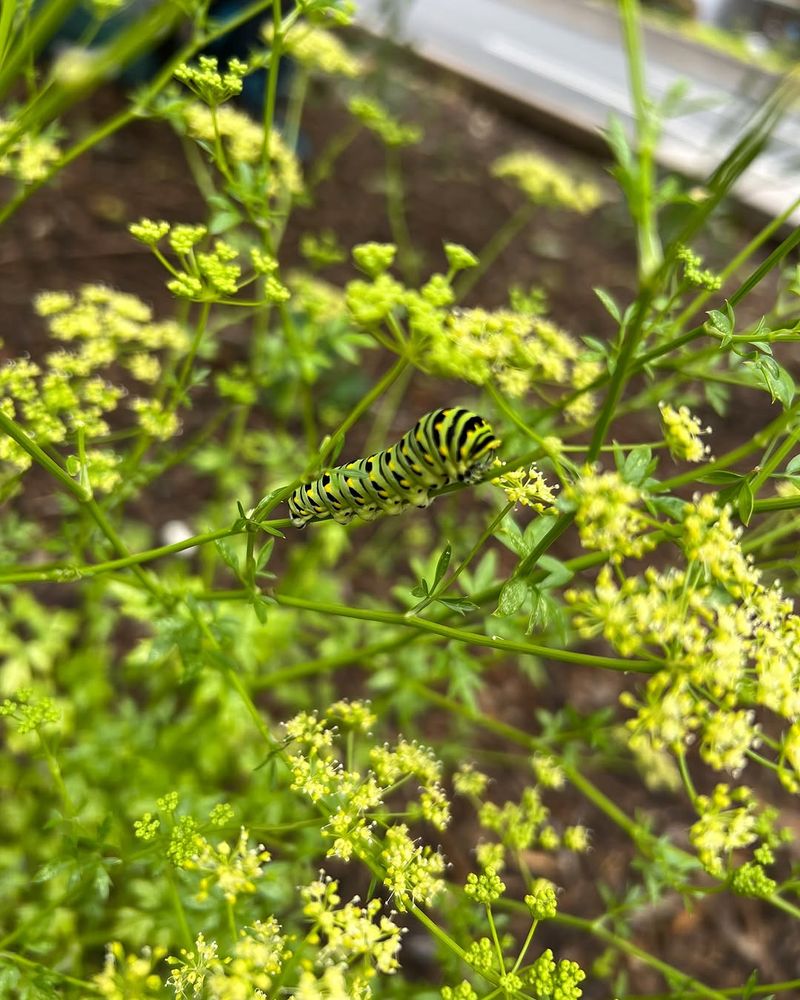
The name says it all. Butterfly biscuitroot, Lomatium papilioniferum, was practically made for Oregon’s swallowtail butterflies.
This rare native plant is found in specific rocky and gravelly habitats in southern and central Oregon. It is one of the known host plants for the Oregon swallowtail, a butterfly that is found almost exclusively within the Pacific Northwest region.
Like its close relative barestem biscuitroot, this Lomatium species produces clusters of small flowers on slender stems. It blooms in spring and prefers dry, open environments with rocky or sandy soil.
Because it is less commonly available than other native plants, finding seeds or starts may require some searching at specialty Oregon native plant nurseries or conservation plant sales.
Growing butterfly biscuitroot in your Oregon garden is a meaningful conservation act. Since this plant occupies a narrow native range, cultivating it helps preserve genetic diversity and provides egg-laying habitat for rare swallowtail species.
Pair it with other early-blooming native plants to create a spring butterfly haven. Keep the soil dry and avoid overwatering, since this plant thrives in conditions that mimic its natural rocky Oregon hillside home.
It is a conversation starter and a conservation hero all at once.
6. Pacific Rhododendron
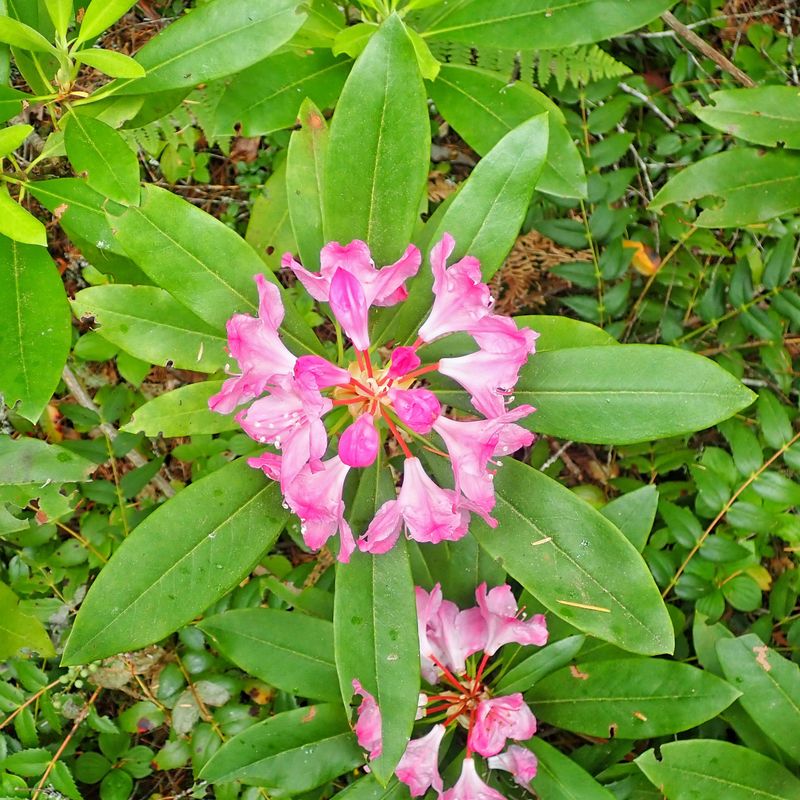
Pacific rhododendron, Rhododendron macrophyllum, serves as a host plant for certain moth and butterfly species that thrive in the coastal forests of Oregon. Its large, glossy leaves provide shelter and egg-laying surfaces, while its showy pink flowers attract pollinators from spring through early summer.
Found naturally along the Oregon coast and in the Coast Range forests, this evergreen shrub can grow quite large over time. It loves acidic soil, partial shade, and consistent moisture, which makes it well-suited to Oregon’s rainy western regions.
In a garden setting, it provides year-round structure and beauty while also functioning as habitat for wildlife.
Planting a Pacific rhododendron near other native shrubs and flowers creates a layered habitat that many butterfly species find appealing. The dense foliage offers protection from wind and predators, which is important for egg safety.
Since it is an evergreen, it also provides cover during Oregon’s cooler months when other plants have died back. Choose a planting spot with dappled shade and rich, well-draining acidic soil.
Water it regularly during its first couple of years, and it will reward you with decades of blooms and butterfly activity.
7. Nodding Onion
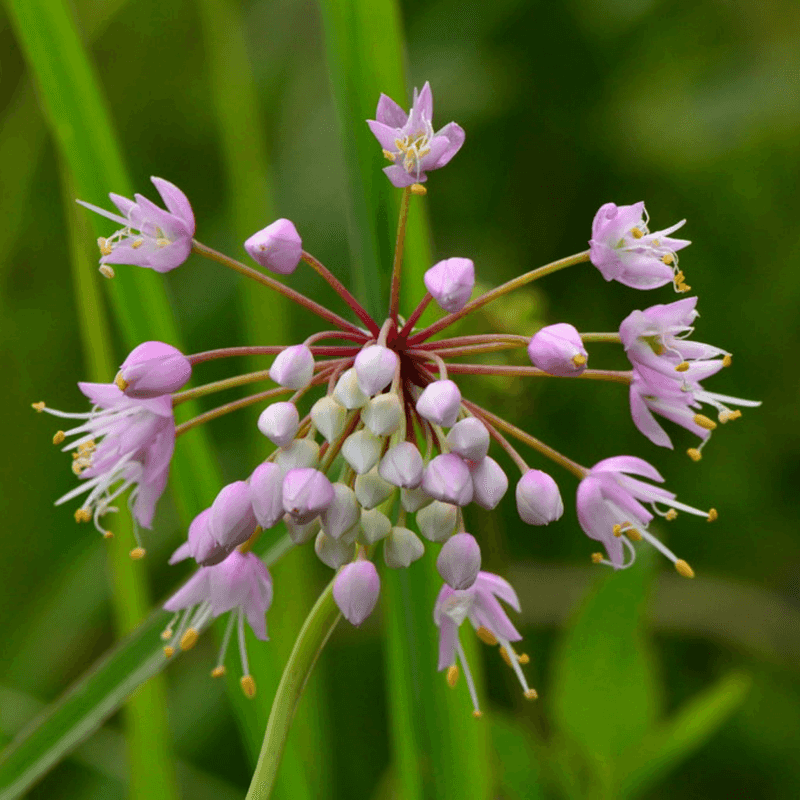
There is something wonderfully quirky about nodding onion. Its flower clusters droop downward like they are bowing to you, which is exactly how it got its charming name.
Beyond its personality, Allium cernuum is a valuable native plant for Oregon butterflies, particularly skippers and certain blues that use alliums as host plants and nectar sources.
Nodding onion grows naturally in meadows, open forests, and rocky slopes across Oregon. It blooms from mid to late summer, filling a critical gap when many spring-blooming plants have already faded.
The soft pink to white flowers attract a wide range of pollinators, and butterflies frequently visit them for nectar while also using the plant for egg-laying.
Growing nodding onion in your Oregon garden is straightforward. It prefers well-drained soil and full to partial sun.
It spreads slowly by seed and by offsets, gradually forming cheerful clumps that get more attractive each year. Because it blooms later in the season, it extends your garden’s butterfly season well into summer and even early fall.
Plant it alongside other native Oregon wildflowers for a natural-looking meadow garden that supports butterflies at every stage of their amazing life cycle.