Desert Native Plants Arizona Homeowners Are Choosing Instead Of Oleander
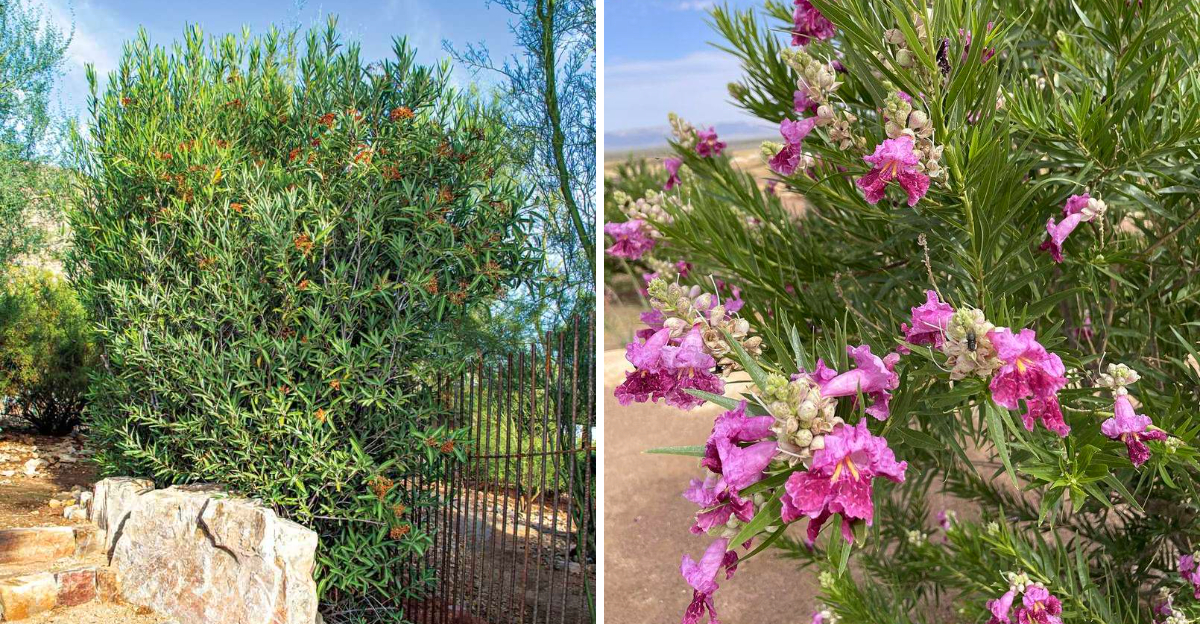
Arizona homeowners have leaned on oleander for privacy for ages, but having a plant that poses a risk to your pets and kids is a major downside.
While it grows fast, the safety concerns are finally pushing it out of fashion.
Besides, our desert heat is no joke. Between the relentless sun and the heat bouncing off your driveway like a pizza oven, your yard needs survivors that actually want to be here.
The great news is that native plants are stepping up to fill the gap. They offer incredible privacy and stunning desert beauty without the dangerous side effects.
Many of these options also align with water-wise landscaping goals that are becoming more common across Arizona neighborhoods.
If you want a yard that requires less water and zero worry about the dog taking a nibble, going native is a total no-brainer.
These local heroes thrive in the dirt we have and look way more at home in a rugged landscape anyway.
1. Arizona Rosewood Creates Dense Evergreen Privacy
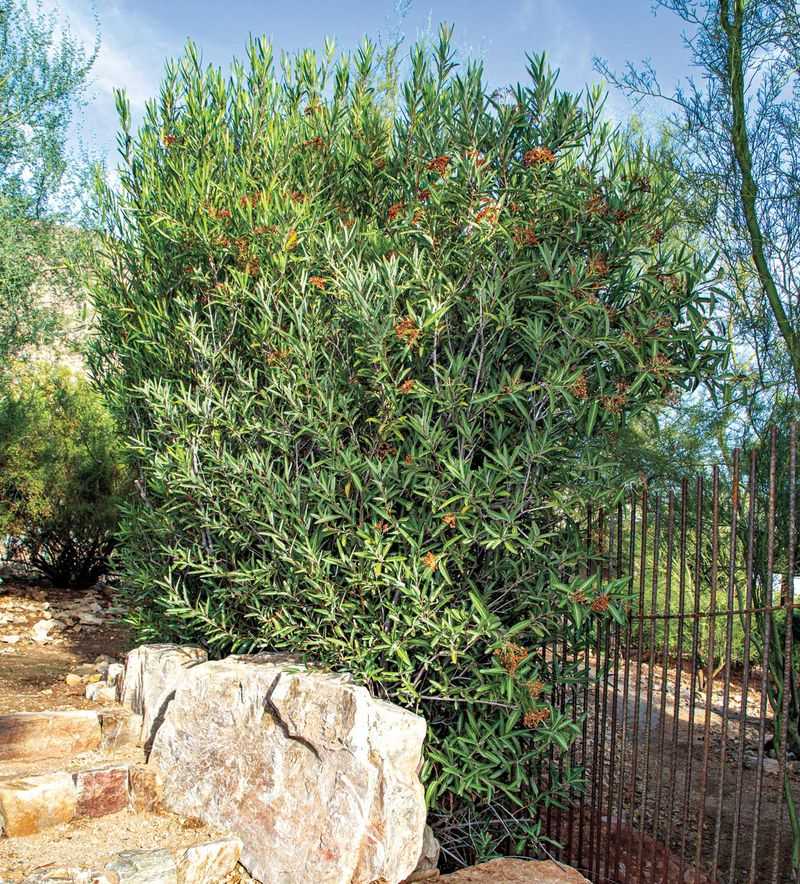
Tucked along property lines and fence rows across Arizona, Arizona Rosewood has earned a loyal following among Arizona homeowners who want a reliable, year-round screen without relying on non-native plants.
Known botanically as Vauquelinia californica, this evergreen shrub can reach up to 20 feet tall when given room to grow, making it a strong candidate for replacing oleander along borders and walls.
The leaves are dark green, leathery, and narrow, giving the plant a polished look through every season. In spring, clusters of small white flowers appear and draw in native bees and butterflies, adding a lively energy to the yard.
That combination of structure and seasonal interest makes it especially appealing for Arizona front yards where curb appeal matters year-round.
It can also be pruned into a more formal shape or left with a softer, natural outline, depending on the look a homeowner wants.
In many Arizona landscapes, that flexibility makes it easier to use near entryways, side yards, and long fence lines.
Arizona Rosewood handles full sun and reflected heat well, which is a big advantage in neighborhoods where pavement and block walls push temperatures even higher during summer.
It grows in rocky or well-draining soils and needs very little supplemental water once it settles in.
Spacing plants about six to eight feet apart allows them to fill in over time and form a solid, natural-looking screen.
For homeowners in Arizona looking for a dense, low-fuss alternative to oleander, this native shrub checks nearly every box without the toxicity concerns.
2. Hopbush Brings Fast Growth And Desert Adaptability
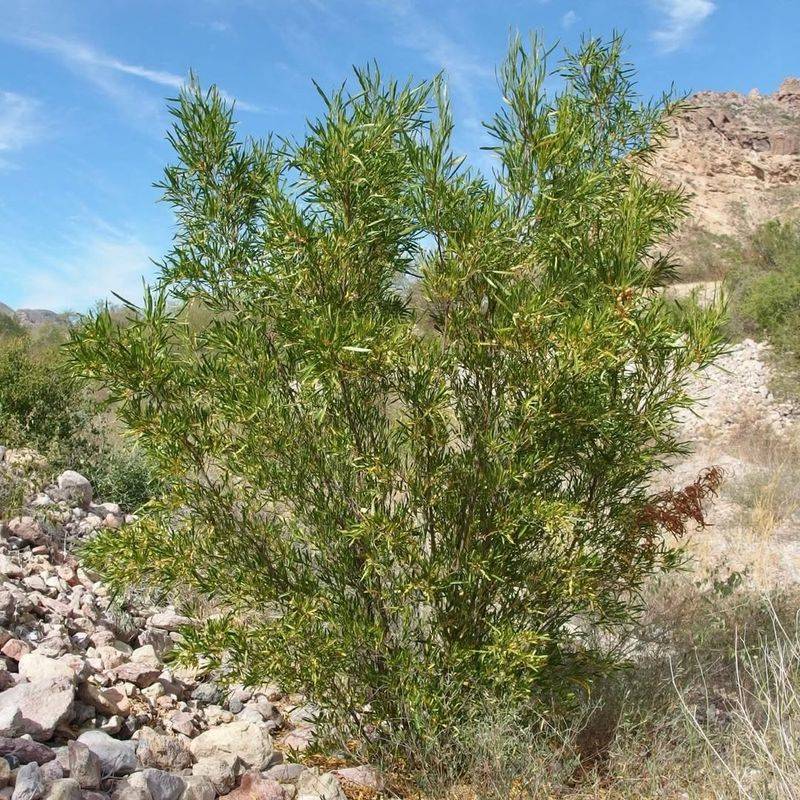
Speed matters when you are replanting a yard and need coverage fast. Hopbush, or Dodonaea viscosa, is one of the quickest-growing native options available to Arizona homeowners, and it does not sacrifice toughness for that speed.
It can reach eight to ten feet tall and nearly as wide, making it a practical choice for privacy screens, roadside plantings, and open desert-style borders.
One of the most visually interesting things about Hopbush is how its foliage shifts with the seasons. In cooler months, the leaves can take on reddish or bronze tones, while warmer weather brings out a brighter green.
Your Arizona Garden Changes Every Week. Your Plan Should Too.
Gardening in Arizona changes quickly throughout the season. Every Friday you’ll receive a simple weekly plan showing exactly what to plant, prune, fertilize, harvest, and protect so you never miss the right timing.
That seasonal color change gives Arizona yards a dynamic look that stays interesting without requiring extra care or seasonal replanting. In breezy areas, the slender leaves and flexible stems move easily, adding a soft, natural motion to the landscape.
This can help break up the stillness of gravel-heavy yards and long stretches of fencing.
Hopbush thrives in full sun and handles rocky, alkaline soils with ease, which describes a large portion of residential lots across Arizona. It is notably drought-tolerant once established and rarely needs heavy pruning to maintain its shape.
Planting it four to six feet apart along a fence line or property edge allows the shrubs to knit together into a dense wall of foliage over time.
Homeowners who want something that fills in quickly and holds up through Arizona summers without much fuss tend to find Hopbush a very satisfying replacement for oleander.
3. Jojoba Supports Wildlife And Thrives In Low Water
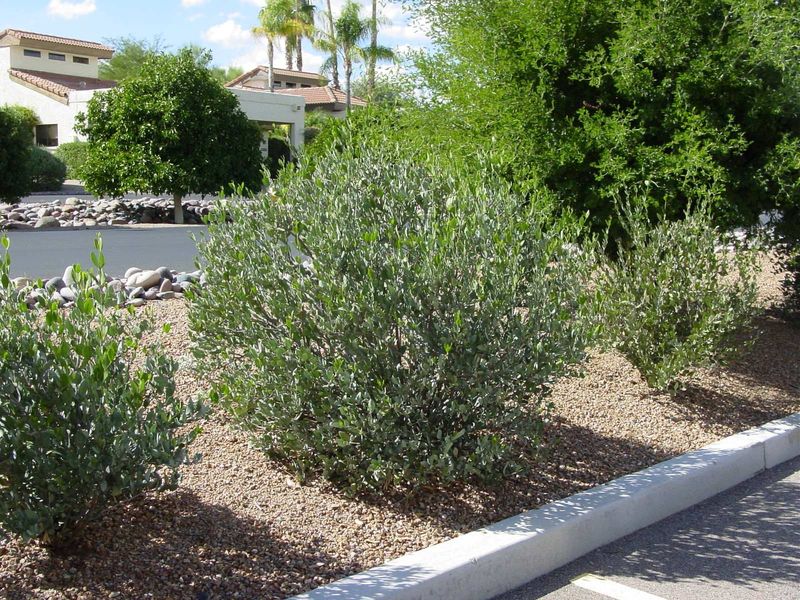
Out in the open desert stretches of Arizona, jojoba has been part of the natural landscape for centuries, and its staying power says a lot about how well it handles extreme conditions.
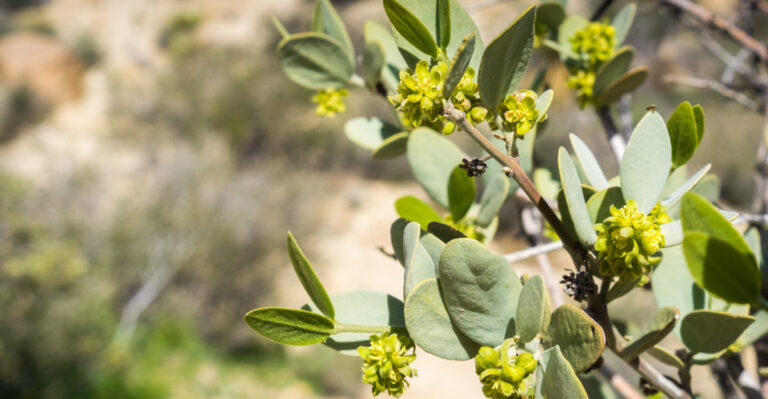
Simmondsia chinensis grows as a dense, rounded evergreen shrub ranging from three to fifteen feet tall depending on soil, spacing, and rainfall patterns.
That size range makes it flexible enough for both compact front yard plantings and larger property screens.
The leaves are thick, waxy, and a distinctive olive-green color that holds up even during the most punishing stretches of Arizona summer. That waxy coating is not just for looks, it actually helps the plant slow water loss during periods of intense heat and dry air.
Jojoba is one of the most genuinely drought-adapted plants available to Arizona homeowners, needing little to no supplemental irrigation once it is fully established in the ground.
In gravel-based landscapes, its steady color and naturally rounded shape can help soften hard edges without looking out of place.
It also blends nicely with boulders, native grasses, and other low-water Arizona plantings.
Wildlife also benefit from jojoba in meaningful ways. The seeds are eaten by deer, javelinas, and several bird species, making it a quiet contributor to the local ecosystem in residential areas that back up to natural desert.
Male and female plants are separate, so planting a mix encourages seed production.
For homeowners replacing oleander and wanting something that supports Arizona wildlife while staying naturally tidy and low-maintenance, jojoba brings real ecological value to a desert yard.
4. Desert Hackberry Forms Tough Natural Screening
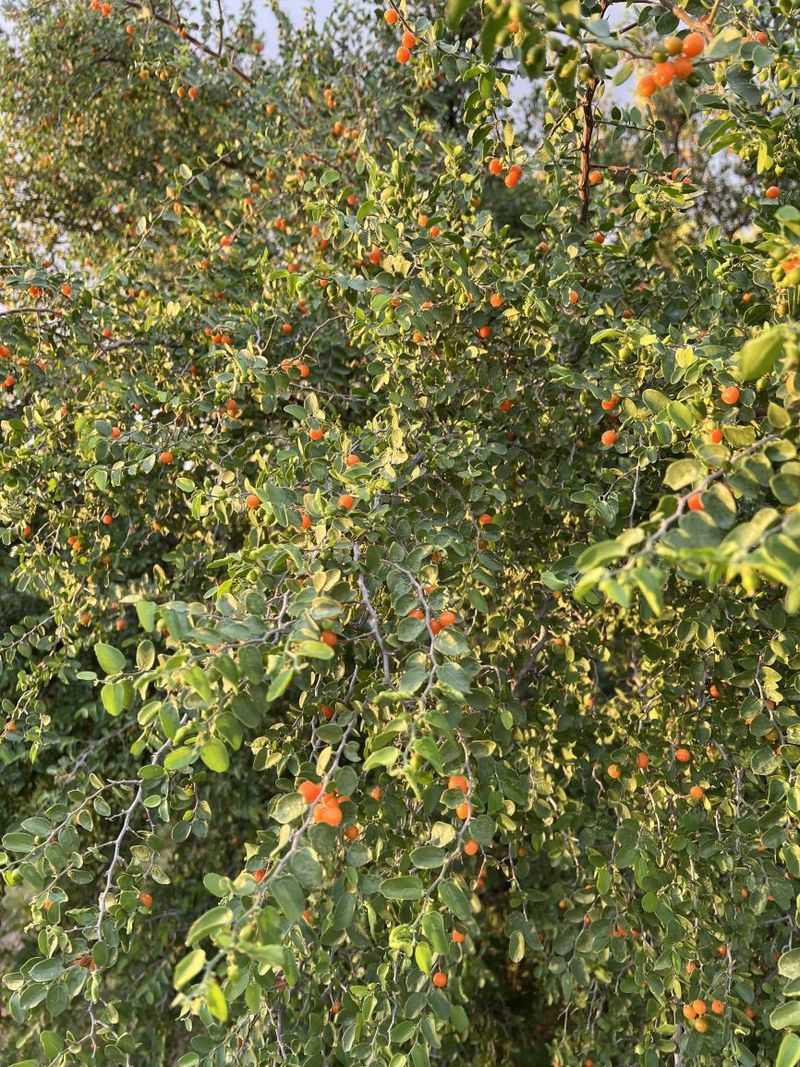
Rugged, reliable, and deeply rooted in Arizona’s native plant community, Desert Hackberry brings a kind of no-nonsense toughness that few shrubs can match in residential desert settings.
Celtis pallida grows as a dense, thorny shrub that can reach six to ten feet tall, forming a natural barrier that most people and animals will think twice before pushing through.
That physical density makes it genuinely useful as a security screen along property lines.
The small leaves are a soft gray-green and stay on the plant through much of the year in warmer parts of Arizona, giving it a semi-evergreen quality that keeps the screen from looking bare.
Small orange-red berries appear in late summer and fall, and they are a favorite food source for mockingbirds, thrashers, and other native bird species that are common in Arizona neighborhoods and surrounding desert areas.
Its branching habit can look a bit wild in the best possible way, which helps it fit naturally into desert-style landscapes.
In Arizona yards that lean more native and informal, that untamed look can add character rather than feeling messy.
Desert Hackberry handles full sun, reflected heat, and poor rocky soils without complaint, and its water needs drop significantly once it settles into the ground after the first season or two.
Spacing plants five to eight feet apart along a wall or fence allows them to grow into a layered, naturalistic screen that looks at home in an Arizona desert yard.
For homeowners who want something with real wildlife value, physical substance, and minimal upkeep, Desert Hackberry deserves a closer look as a native alternative to oleander.
5. Desert Willow Adds Seasonal Blooms In Dry Landscapes
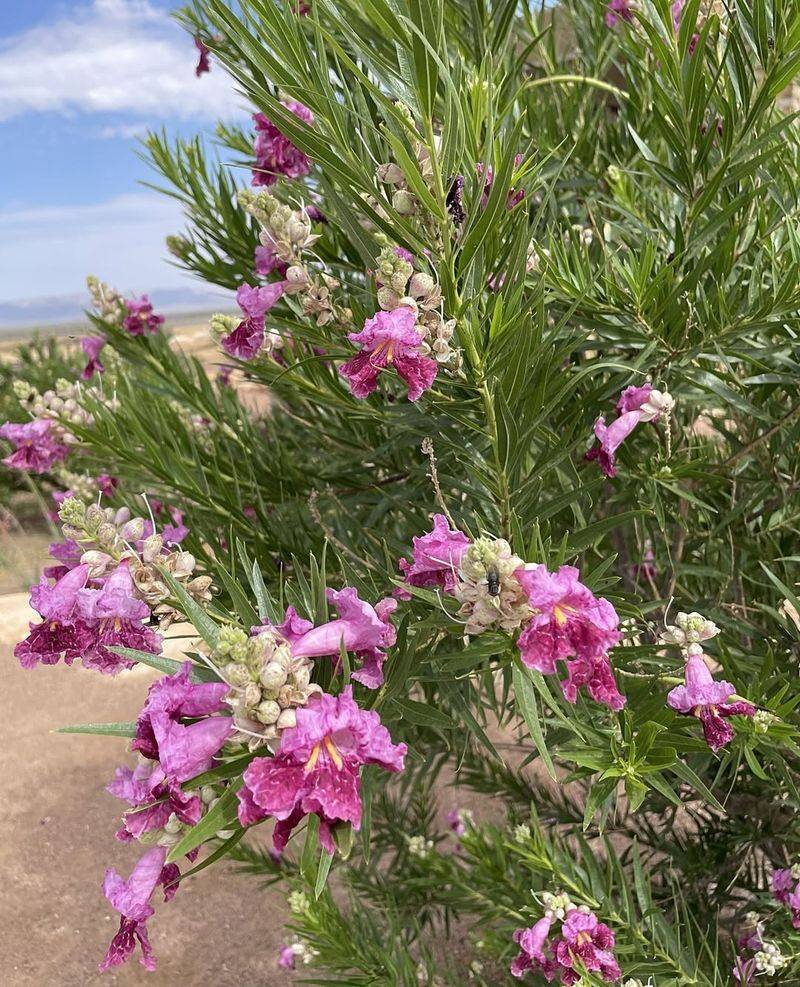
Few native plants in Arizona put on a flower show quite like Desert Willow does from late spring through early fall.
Chilopsis linearis is not a true willow, but its long, narrow leaves give it a graceful, flowing appearance that softens the look of any yard it grows in.
It can reach ten to fifteen feet tall and works well as a large specimen shrub or a small accent tree near patios, walkways, and open garden areas.
The blooms are the real draw, cascading clusters of trumpet-shaped flowers in shades of pink, lavender, white, and deep burgundy that appear in waves through the warm months.
Hummingbirds are frequent visitors when Desert Willow is in flower, which adds a lively, animated quality to Arizona yards during the long summer season.
That extended bloom period makes it stand out from many other native options that flower briefly and then fade into the background.
Its open, airy branching habit also gives the plant a lighter look than dense screening shrubs, which can be especially appealing in desert-style landscapes.
In Arizona yards that need color without a heavy visual feel, that softer form can be a real advantage.
Desert Willow is well-suited to full sun and handles the dry, rocky soils common across much of Arizona with minimal complaint.
It is deciduous, meaning it drops its leaves in winter, but that seasonal change gives the yard a natural rhythm that many homeowners appreciate.
Watering deeply but infrequently during the first couple of growing seasons helps it build a strong root system.
As an oleander replacement, Desert Willow trades toxicity concerns for genuine seasonal beauty and wildlife appeal, bringing months of colorful blooms and regular visits from hummingbirds into Arizona yards.