These Are 10 Perennials Oregon Gardeners Are Planting Instead Of Roses
Roses may get all the glory, but plenty of Oregon gardeners are ready to break up with the drama.
Between the pruning, the fussiness, and the constant battle against pests and disease, roses can start to feel less like a garden classic and more like a very needy houseguest.
That is why more gardeners are filling their beds with hardy, gorgeous perennials that bring color year after year without acting like divas.
These plants can handle Oregon’s mix of rain, sun, and surprise mood swings a whole lot better, and many of them ask for far less attention once they get settled in. Love that for us.
Some offer big, showy blooms. Others win points with texture, pollinator appeal, or long-lasting color.
All of them give you that lush, beautiful look without making you work overtime for it. Honestly, your garden deserves a little less stress and a lot more wow.
1. Lavender
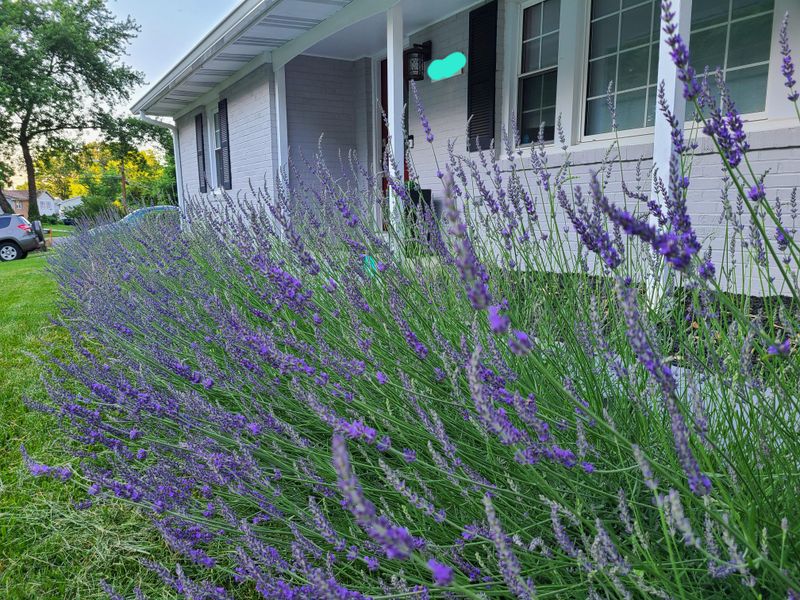
Few plants can match the calming beauty and sweet scent of lavender. Oregon gardeners have been falling in love with it for good reason.
It thrives in full sun and well-drained soil, which makes it a great fit for the drier eastern parts of Oregon and the sunny spots of the Willamette Valley.
Once established, lavender needs very little water. That’s a huge bonus during Oregon’s dry summer months.
It’s one of those plants that actually prefers to be left alone rather than fussed over. No need for heavy fertilizing or constant pruning.
Lavender blooms from late spring into summer, producing tall spikes of purple, pink, or white flowers. Bees and butterflies absolutely love it.
The flowers can also be cut and dried for sachets, wreaths, and homemade gifts.
There are many varieties to choose from, including English lavender, which handles Oregon’s rainy winters better than most. ‘Hidcote’ and ‘Munstead’ are two favorites among local gardeners. Both stay compact and tidy without much effort.
Lavender is also deer-resistant, which is a big plus for Oregon gardeners who deal with browsing deer. It’s a true winner in any Pacific Northwest garden.
2. Salvia
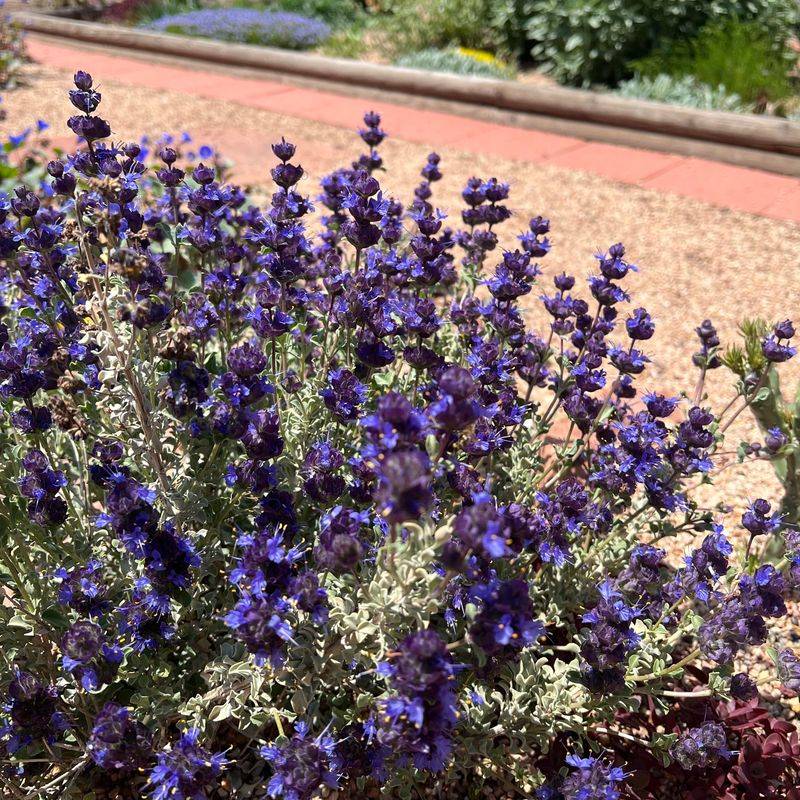
Salvia is one of the hardest-working plants you can put in an Oregon garden. It produces bold spikes of blue, purple, red, or pink flowers that last for weeks.
Pollinators like bees, hummingbirds, and butterflies can’t get enough of it.
There are hundreds of salvia varieties, so Oregon gardeners have plenty of options. Salvia nemorosa, sometimes called woodland sage, is especially popular here.
It handles both the wet springs and the dry summers that Oregon is known for. That kind of flexibility is hard to find in a rose.
Most salvias prefer full sun and well-drained soil. They’re also wonderfully drought-tolerant once they’ve had a season to settle in.
Cut them back after the first flush of blooms and they’ll reward you with a second round of flowers later in the season.
Salvia is also a deer-resistant plant, which Oregon gardeners in rural areas really appreciate. It doesn’t need much fertilizer and rarely deals with serious pests or diseases.
Your Oregon Garden Changes Every Week. Your Plan Should Too.
Gardening in Oregon changes quickly throughout the season. Every Friday you’ll receive a simple weekly plan showing exactly what to plant, prune, fertilize, harvest, and protect so you never miss the right timing.
Compared to the constant care roses demand, salvia feels like a breath of fresh air. Varieties like ‘May Night’ and ‘Caradonna’ are beautiful, reliable choices for Oregon landscapes of all sizes.
3. Penstemon
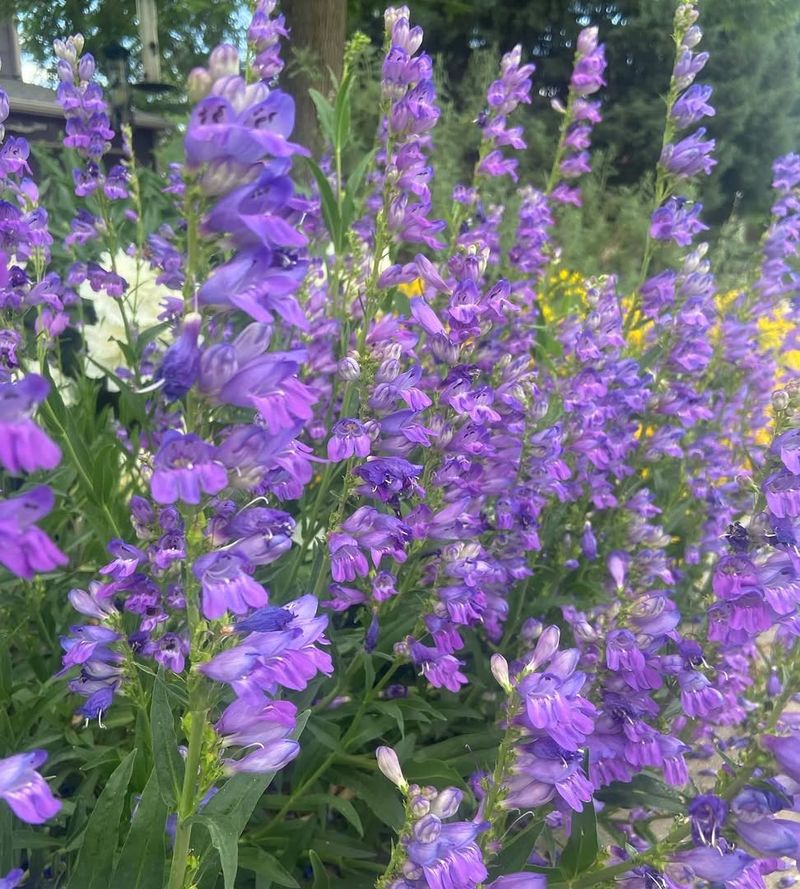
Penstemon is practically made for Oregon. Many species are native to the Pacific Northwest, which means they’ve adapted perfectly to the state’s climate and soil conditions.
They produce tall, elegant spikes of tubular flowers in shades of red, pink, purple, blue, and white.
Hummingbirds are absolutely wild about penstemon. Plant a few clumps near a window and you’ll have a front-row seat to some incredible wildlife action all summer long.
Bees and butterflies are frequent visitors too, making it a pollinator powerhouse.
Penstemon thrives in full sun and well-drained soil. It handles dry summers with ease, especially once it’s been in the ground for a full season.
Overwatering is actually one of the few things that can trouble it, so less is more when it comes to irrigation.
Some great varieties for Oregon gardens include Penstemon barbatus, Penstemon digitalis, and the native Penstemon rupicola, which looks stunning in rock gardens. Most are low-maintenance and don’t need much fertilizing.
They also self-seed lightly, so you may find new plants popping up nearby each year. For gardeners who want a native, wildlife-friendly alternative to roses, penstemon is an outstanding choice that delivers season after season.
4. Yarrow
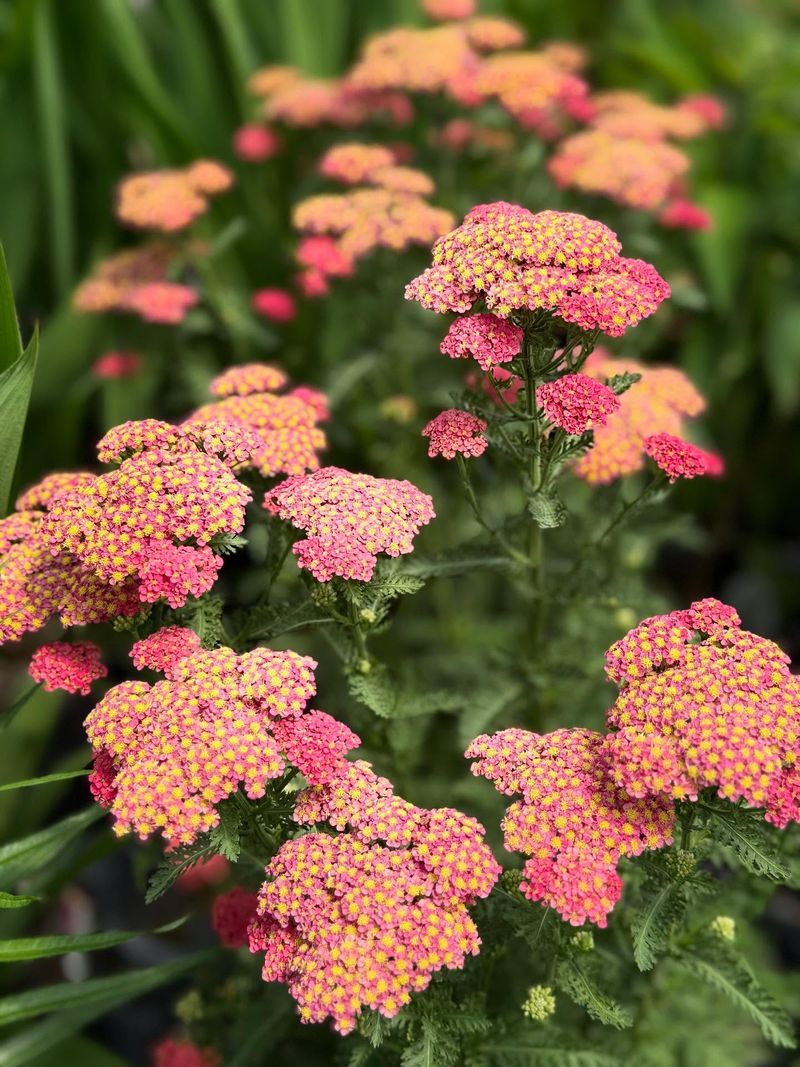
Yarrow has been growing wild along Oregon roadsides and meadows for centuries. That wild toughness translates beautifully into the garden.
It’s a plant that truly thrives on neglect, making it a dream for busy Oregon gardeners who don’t have hours to spend on upkeep.
The flat-topped flower clusters come in cheerful shades of yellow, white, pink, and red. They bloom from late spring well into summer and make excellent cut flowers.
Dried yarrow also holds its color well, so it’s a popular choice for floral arrangements and crafts.
Yarrow loves full sun and isn’t picky about soil quality. Poor, rocky, or sandy soil?
No problem. It actually prefers soil that isn’t too rich.
Overly fertile soil can cause it to flop over, so skip the heavy fertilizing and let it do its thing.
Once established, yarrow is extremely drought-tolerant. That makes it a smart pick for Oregon’s dry summer season, especially in areas east of the Cascades.
It also spreads gradually over time, filling in gaps in the garden beautifully. Pollinators love the wide, flat blooms.
Deer tend to avoid it, too. Popular varieties like ‘Moonshine’ and ‘Paprika’ bring bold, long-lasting color to any Oregon landscape without the fuss.
5. Coneflower (Echinacea)
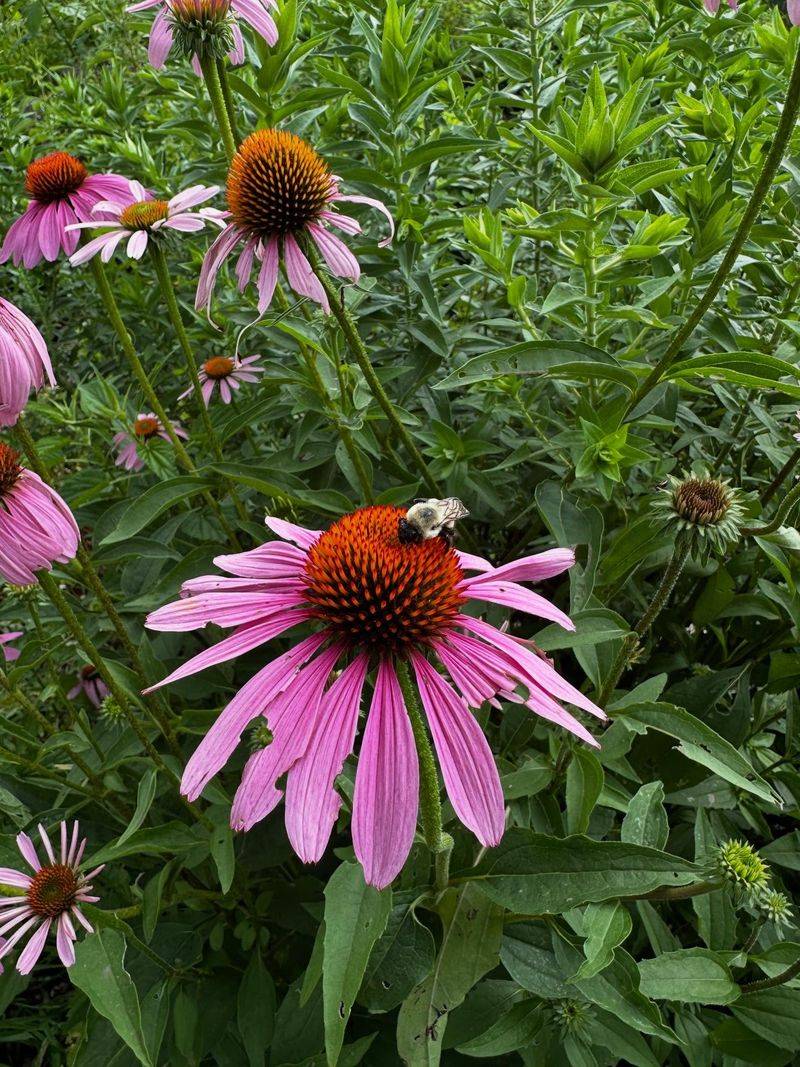
Walk through almost any Oregon garden center in spring and you’ll spot coneflowers front and center. They’re one of the most beloved perennials in the state, and for good reason.
Their bold, daisy-like blooms with raised, spiky centers come in purple, pink, white, orange, and yellow.
Coneflowers are incredibly tough. They handle Oregon’s wet winters and dry summers without complaint.
Once they’re settled in, they need very little watering. They’re also not fussy about soil, as long as it drains well.
Full sun brings out the best blooms, but they can manage with a bit of afternoon shade too.
Pollinators go absolutely crazy for coneflowers. Bees work the blooms all summer long, and goldfinches love to snack on the seed heads in fall and winter.
Leaving the seed heads standing through the colder months adds texture to the garden and feeds the birds.
Echinacea also has a long history as an herbal remedy, which makes it an interesting conversation starter when guests visit your garden. Modern breeding has produced an exciting range of colors and forms. ‘Magnus,’ ‘White Swan,’ and ‘PowWow Wild Berry’ are all popular picks for Oregon gardens.
They’re long-lived, low-maintenance, and absolutely stunning from midsummer into fall.
6. Catmint (Nepeta)
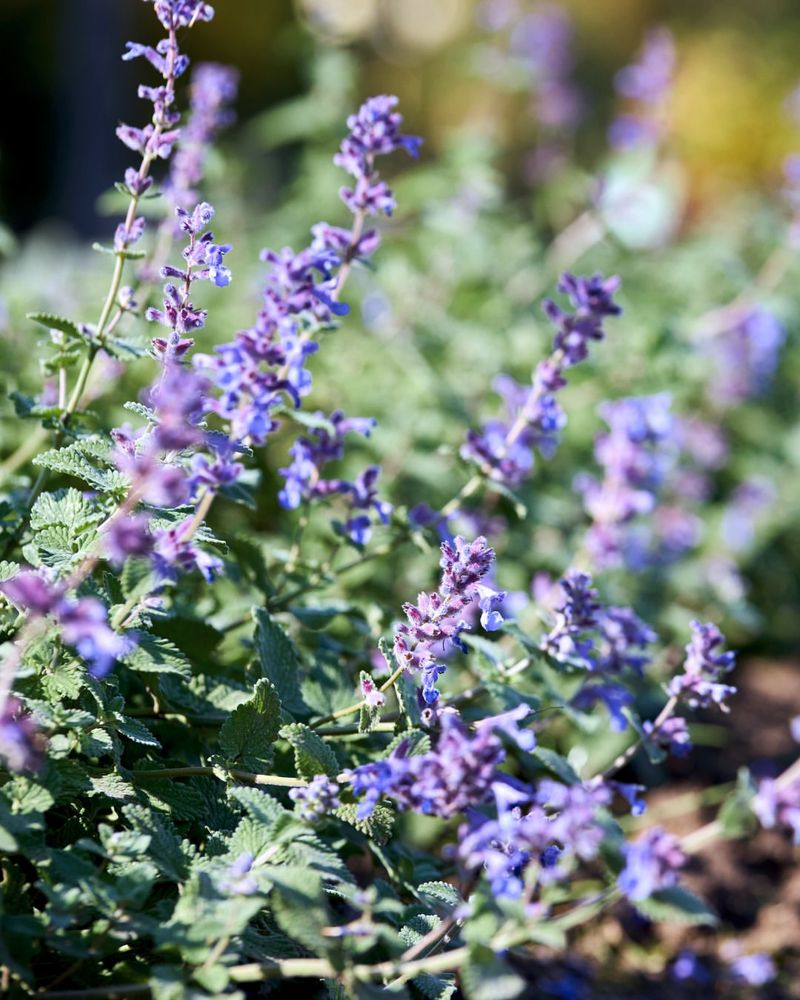
If you’ve ever seen a long, cascading mound of soft lavender-blue flowers tumbling over a garden path, there’s a good chance you were looking at catmint. It’s one of the most charming and effortless perennials Oregon gardeners can grow.
The aromatic gray-green foliage smells wonderful and stays attractive even when the plant isn’t in bloom.
Catmint blooms heavily from late spring through early summer. Cut it back by about half after the first flush of flowers and it will bloom again later in the season.
That kind of repeat performance makes it a real standout in Oregon gardens where extended color is a priority.
It loves full sun and well-drained soil. Once established, catmint handles Oregon’s dry summers like a champ.
It’s also highly deer-resistant and rarely bothered by pests or disease. Bees absolutely adore the small tubular flowers, making catmint a great choice for pollinator-friendly gardens.
The variety ‘Walker’s Low’ is especially popular across Oregon. Despite its name, it grows about two to three feet tall and wide, making it a bold presence in the border. ‘Six Hills Giant’ is another favorite for larger spaces.
Catmint pairs beautifully with roses if you still have a few, but it stands on its own as a garden showstopper without any help.
7. Coreopsis / Tickseed
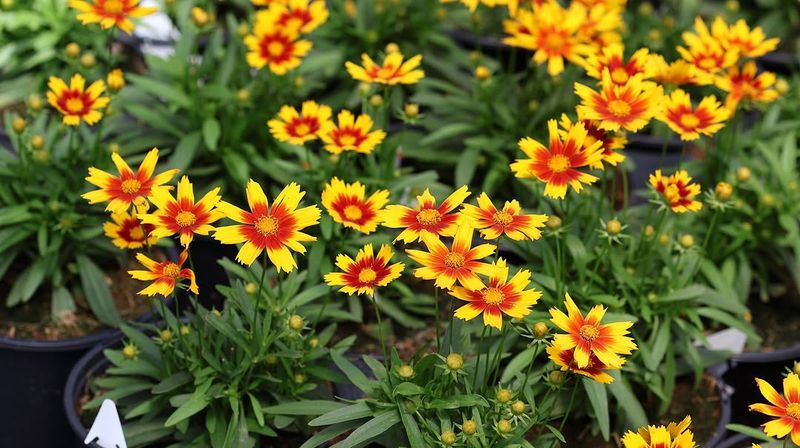
Sunshine in plant form. That’s the best way to describe coreopsis, also called tickseed.
The cheerful, bright yellow or golden flowers bloom in waves from early summer through fall, bringing nonstop color to Oregon gardens without demanding much attention in return.
Coreopsis thrives in full sun and well-drained soil. It handles heat and drought surprisingly well once established, which is great news for Oregon gardeners dealing with dry spells east of the Cascades or during summer heat waves in the valley.
It’s not a fan of soggy, waterlogged soil, so good drainage is key.
The flowers attract bees, butterflies, and other beneficial insects. Deadheading spent blooms regularly encourages even more flowers to form.
If you let some seed heads mature at the end of the season, birds will thank you for the snack.
Thread-leaf coreopsis, like the variety ‘Zagreb,’ is especially well-suited to Oregon conditions. It forms neat, compact mounds of feathery foliage topped with bright yellow flowers. ‘Moonbeam’ is another beloved variety with softer, pale yellow blooms that pair nicely with purple and blue perennials.
Coreopsis is also a great choice for containers and cutting gardens. It’s a happy, low-fuss plant that earns its place in any Oregon landscape with zero drama.
8. Hardy Geranium / Cranesbill
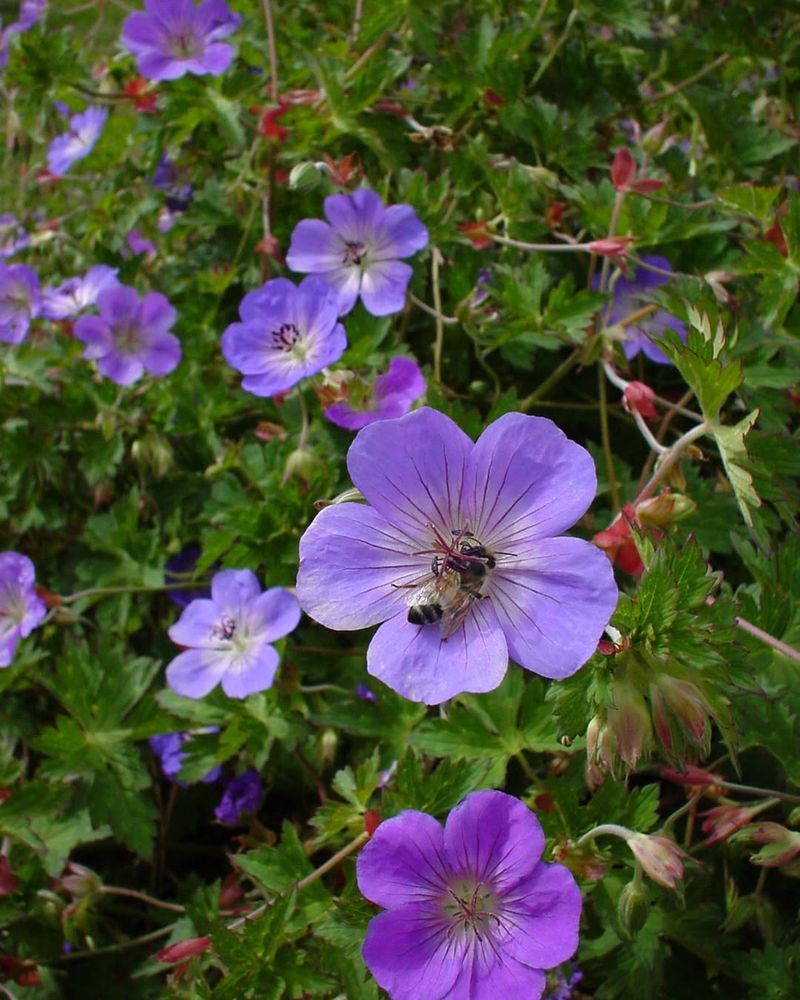
Not to be confused with the bright red annual geraniums you see in window boxes, hardy geraniums are a completely different kind of plant. They’re tough, spreading perennials that come back reliably every year with almost no effort.
Oregon gardeners love them for their versatility and long-lasting good looks.
Hardy geraniums produce a carpet of deeply lobed, attractive foliage that covers the ground beautifully. The flowers come in shades of violet, pink, blue, magenta, and white.
Most varieties bloom in late spring and early summer, with some offering a repeat show in fall if you cut them back after the first bloom.
One of the best things about hardy geraniums is their adaptability. They grow well in both sun and partial shade, which is a huge advantage in Oregon gardens where trees and structures create a mix of light conditions.
They’re also tolerant of Oregon’s rainy winters and don’t mind a bit of clay soil.
Popular varieties like ‘Rozanne’ bloom almost nonstop from late spring through fall, which is remarkable for a perennial. ‘Johnson’s Blue’ is another Oregon favorite with rich violet-blue flowers. Hardy geraniums work beautifully as ground covers, edging plants, or fillers between taller perennials.
They’re reliable, beautiful, and wonderfully low-maintenance.
9. Coral Bells (Heuchera)
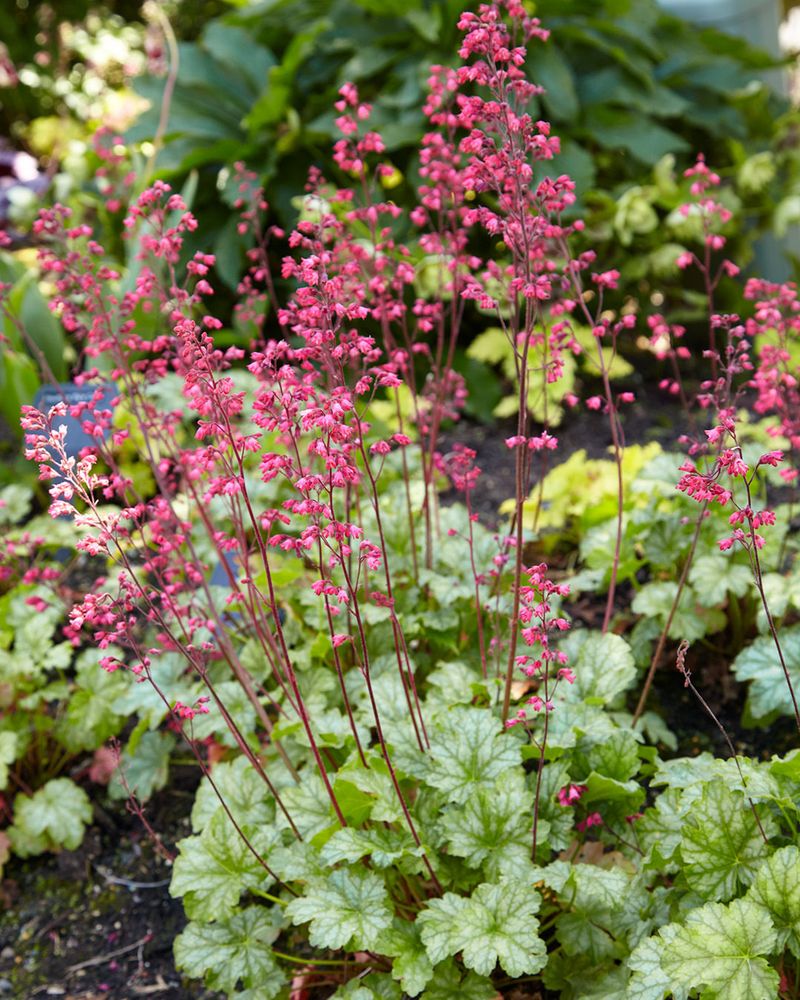
Coral bells might just be the most colorful foliage plant available to Oregon gardeners. The leaves come in an almost unbelievable range of colors, including deep burgundy, bright lime green, caramel orange, silver, and chocolate brown.
Even without flowers, heuchera is a showstopper in the garden.
The delicate, airy flower stalks rise above the foliage in late spring and early summer, bearing tiny bell-shaped blooms in red, pink, or white. Hummingbirds are particularly fond of the flowers.
The combination of bold leaves and dainty blooms makes coral bells a truly unique addition to any Oregon garden.
Heuchera performs beautifully in partial shade, which makes it perfect for the shadier corners of Oregon gardens where other plants struggle. It also grows well in full sun in cooler coastal areas of Oregon.
It prefers well-drained soil with consistent moisture, especially during dry summer months.
Breeders have introduced an incredible number of new varieties in recent years. ‘Palace Purple,’ ‘Caramel,’ and ‘Obsidian’ are all popular picks at Oregon nurseries. Coral bells work wonderfully as edging plants, container specimens, or ground covers under trees.
They’re long-lived, reliable, and endlessly interesting to look at throughout every season of the year.
10. Hellebores
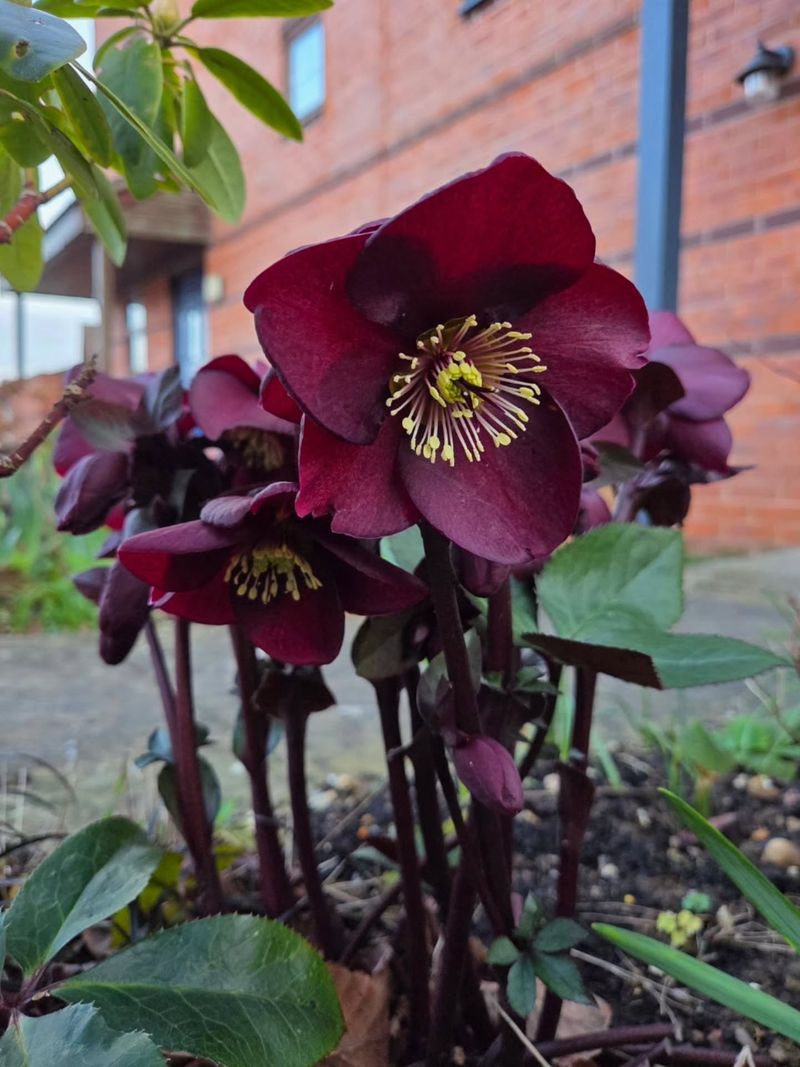
When most of the garden is bare and gray, hellebores are quietly putting on a show. These remarkable perennials bloom from late winter into early spring, often pushing up flowers when snow is still on the ground.
For Oregon gardeners who crave color during the long, wet winter months, hellebores are practically magical.
The nodding, cup-shaped flowers come in a gorgeous range of colors, including deep plum, burgundy, blush pink, creamy white, and near-black. Many varieties are spotted or have picotee edges, adding even more visual interest.
The evergreen foliage stays attractive all year long, which is a big bonus in Oregon’s mild but dreary winters.
Hellebores thrive in partial to full shade, making them one of the best options for the shady spots under Oregon’s big conifers and deciduous trees. They prefer rich, well-drained soil with consistent moisture.
Once established, they’re remarkably tough and long-lived, often thriving in the same spot for decades.
They’re also deer-resistant and largely pest-free, which makes them a practical as well as beautiful choice. ‘Ivory Prince,’ ‘Pink Frost,’ and the Helleborus orientalis hybrids are all widely available at Oregon nurseries. Hellebores self-seed gently over time, slowly building into impressive clumps that get better with every passing year.