9 Oregon Perennials That Bloom Every Year And Last For Decades
Some plants are just built different. You tuck them into the ground once, give them a little love at the start, and then they come back year after year like they own the place.
Honestly, that kind of confidence is admirable. For Oregon gardeners, long-lived perennials are the ultimate garden win.
They bring reliable color, handle the state’s mix of rain, sun, and seasonal mood swings, and keep showing up long after fussier plants have called it quits.
No constant replanting, no annual garden identity crisis, just dependable beauty that gets better with time.
The real magic is that many of these bloomers can stick around for decades. Decades! That means more flowers, more pollinators, and more value out of every little patch of soil.
If you are dreaming of a garden that looks gorgeous without demanding a full-time commitment, these hardworking perennials are ready to prove they are in it for the long haul.
1. Peony
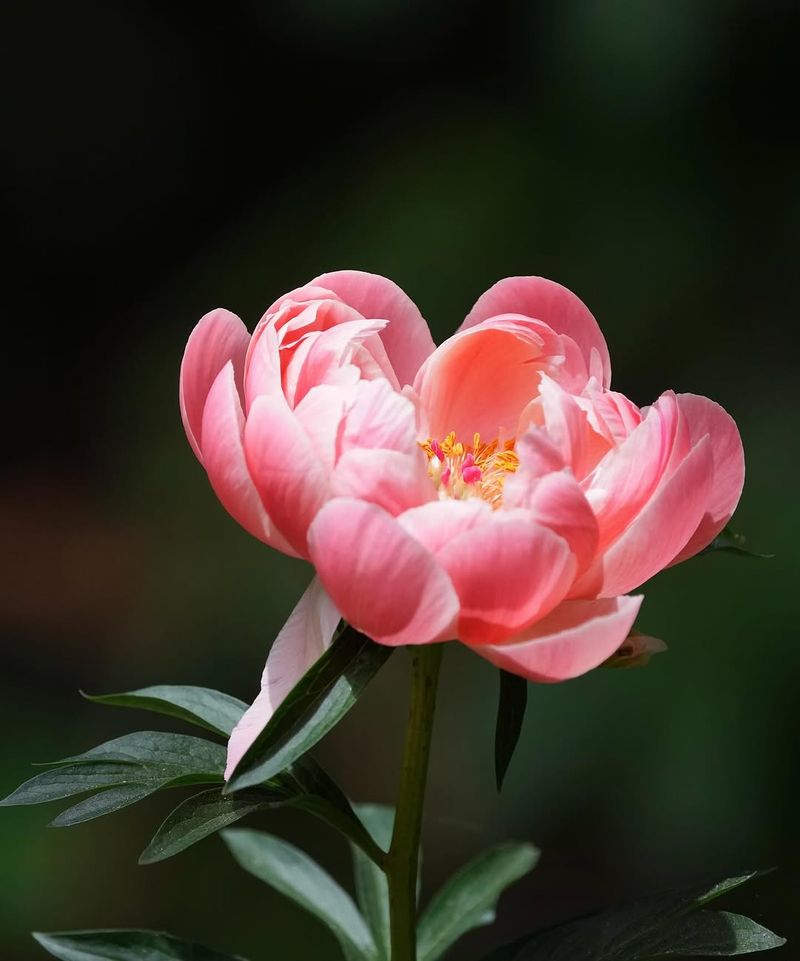
Few flowers can match the showstopping beauty of a peony in full bloom. With big, fluffy flowers and a sweet fragrance that fills the air, peonies are the kind of plant that makes neighbors stop and stare.
Oregon’s mild, wet winters and warm summers create ideal growing conditions for these stunning perennials.
Peonies love full sun and well-drained soil. Plant them in a spot that gets at least six hours of sunlight each day.
They are slow to get started, but once established, a single peony plant can live for more than 50 years without needing to be moved. That is truly a lifetime of blooms.
One fun fact: peonies were prized in ancient China as symbols of royalty and honor. Today, Oregon gardeners treasure them just as much.
Avoid planting them too deep, as shallow planting is the key to getting those gorgeous blooms every spring. Give them space, some compost in fall, and a little patience, and they will reward you with jaw-dropping flowers year after year.
2. Shasta Daisy
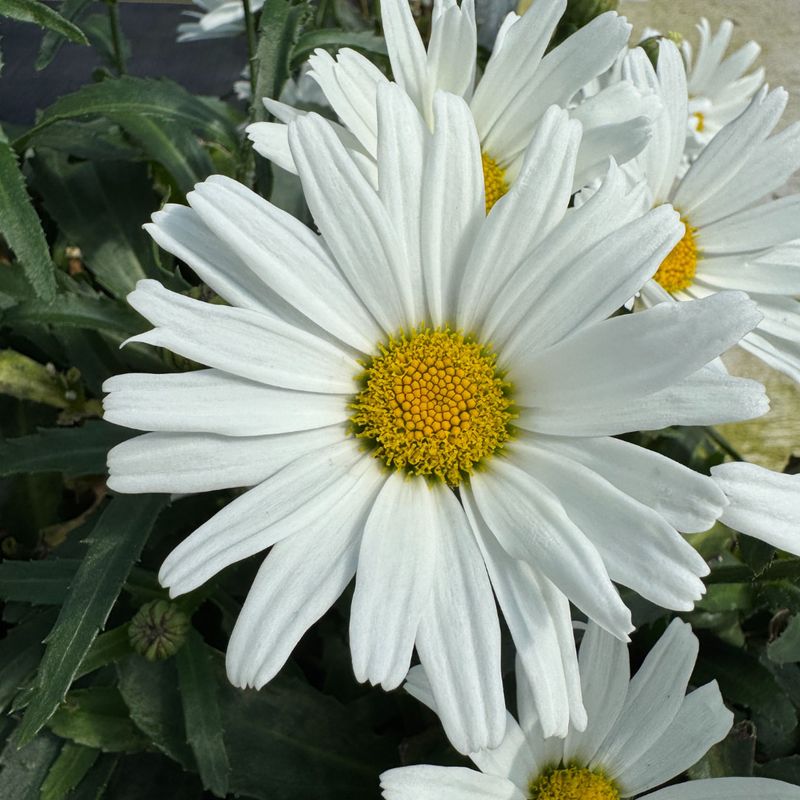
Cheerful, bright, and almost impossible to ignore, Shasta daisies bring a classic cottage-garden charm to any Oregon yard. Their bold white petals and sunny yellow centers look like something straight out of a painting.
Best of all, these tough little flowers come back reliably every single year without much fuss from the gardener.
Shasta daisies thrive in full sun and prefer soil that drains well. They bloom from early summer all the way through fall, giving you months of fresh color.
Deadheading, which means removing spent flowers, encourages even more blooms to appear throughout the season. It only takes a few minutes and makes a big difference.
Oregon’s climate, especially in the western valleys, suits Shasta daisies perfectly. They handle both the rainy springs and warm summers without complaint.
Dividing the clumps every two to three years keeps the plants healthy and vigorous. You can also share the extras with friends or neighbors.
These daisies attract butterflies and beneficial insects too, making them a great choice for any pollinator-friendly garden in Oregon.
Your Oregon Garden Changes Every Week. Your Plan Should Too.
Gardening in Oregon changes quickly throughout the season. Every Friday you’ll receive a simple weekly plan showing exactly what to plant, prune, fertilize, harvest, and protect so you never miss the right timing.
3. Chrysanthemum
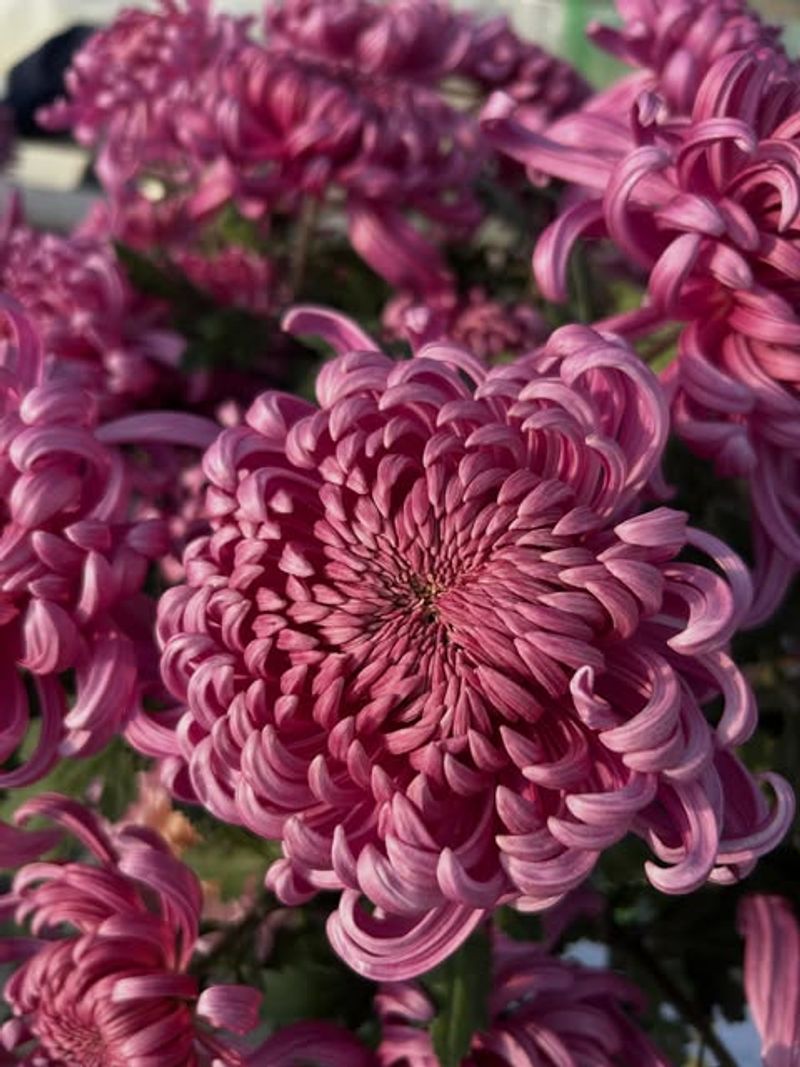
When summer starts to fade and most flowers are wrapping up, chrysanthemums are just getting started. Known as mums, these bold perennials explode with color in late summer and fall, bringing life to Oregon gardens when everything else is winding down.
They come in nearly every color imaginable, from deep burgundy to bright gold.
Hardy garden mums, as opposed to florist mums, are the ones that truly survive Oregon winters and return each year. Plant them in full sun with well-drained soil for the best results.
Pinching back the stems in early summer encourages bushier growth and more flowers come fall. It sounds simple, and it really is that easy.
Chrysanthemums have a rich history that stretches back over 2,500 years to ancient China, where they were considered a symbol of longevity. That legacy fits perfectly for a plant that keeps showing up year after year in your garden.
In Oregon, gardeners often pair mums with ornamental grasses and rudbeckia for a stunning fall display. Once established, these reliable bloomers need very little attention to put on a spectacular show every autumn season.
4. Hellebore
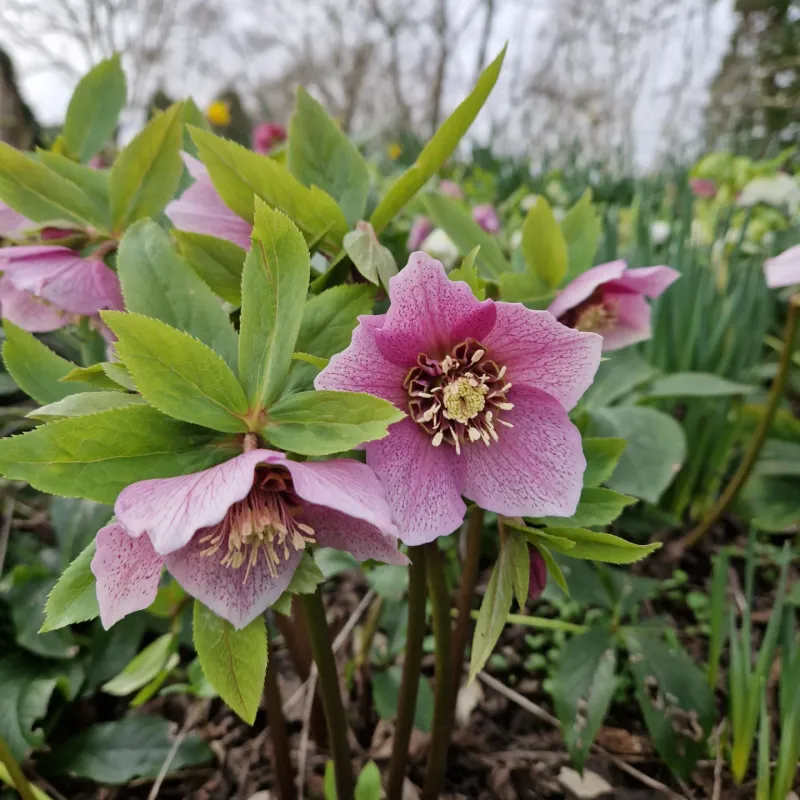
Imagine stepping outside on a cold February morning in Oregon and finding flowers already in bloom. That is exactly what hellebores do.
Also called Lenten roses, these extraordinary perennials bloom in late winter and early spring when almost nothing else dares to flower. They are a true gift to gardeners who crave color during the gray Oregon winters.
Hellebores prefer partial to full shade, making them perfect for spots under trees or along the north side of a house. They love rich, well-drained soil with plenty of organic matter mixed in.
Once planted, they settle in and can live for up to 40 years with very little intervention. That kind of staying power is rare in any garden plant.
Each year, hellebore clumps grow a little larger and produce even more blooms. The flowers come in shades of white, pink, purple, deep red, and nearly black, giving gardeners plenty of variety to choose from.
They also self-seed gently, so you may find charming little seedlings popping up nearby over time. For Oregon gardeners with shady spots that seem impossible to fill, hellebores are the answer you have been looking for all along.
5. Rudbeckia (Black-Eyed Susan)
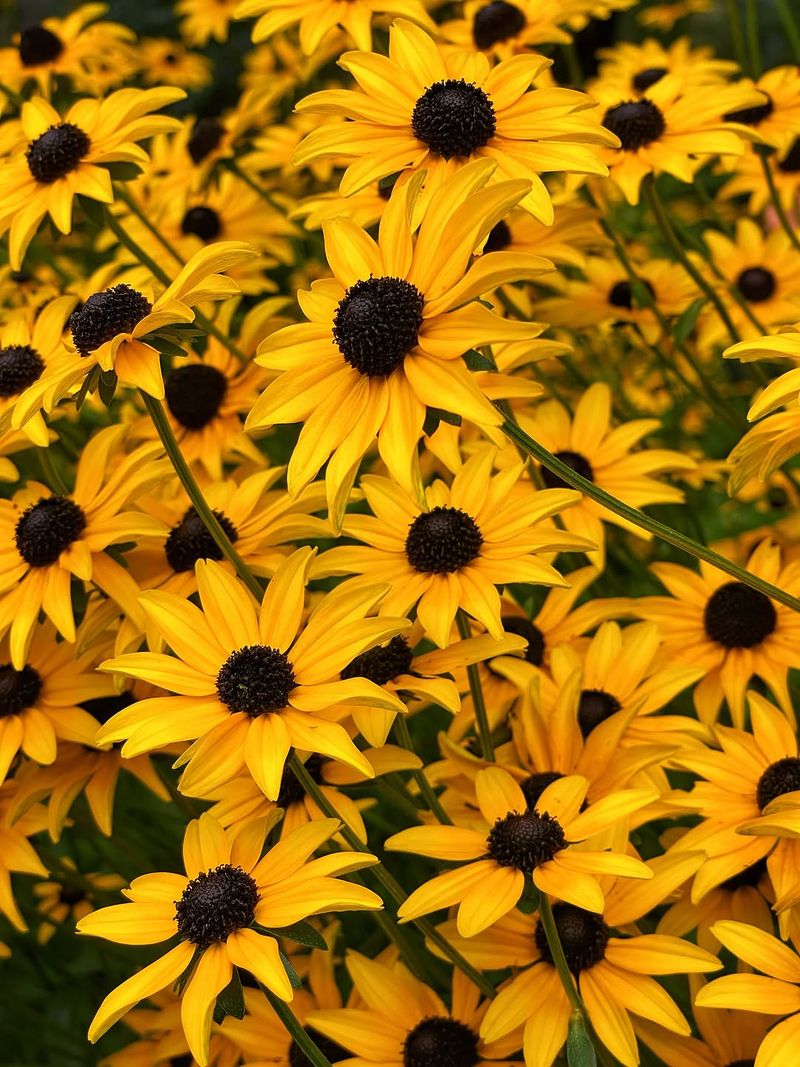
Nothing says summer in Oregon quite like a patch of black-eyed Susans waving in the breeze. Rudbeckia, the plant’s official name, produces cheerful golden-yellow flowers with dark, velvety centers that bloom from midsummer all the way into fall.
They are one of the most reliable perennials you can plant anywhere in the state.
These tough plants thrive in full sun and handle dry spells surprisingly well once they are established. They are not picky about soil either, doing well in average garden conditions without needing a lot of extra fertilizer or attention.
That low-maintenance quality makes them especially popular among busy Oregon gardeners who want beauty without the extra work.
Black-eyed Susans are also incredible pollinator magnets. Bees, butterflies, and even goldfinches flock to them throughout the season.
Leaving the seed heads standing through winter provides food for birds and adds textural interest to the garden during the colder months. Rudbeckia spreads gradually over time, filling in gaps and creating bold drifts of color.
Dividing the clumps every few years keeps them looking their best and gives you more plants to spread around your Oregon garden.
6. Yarrow
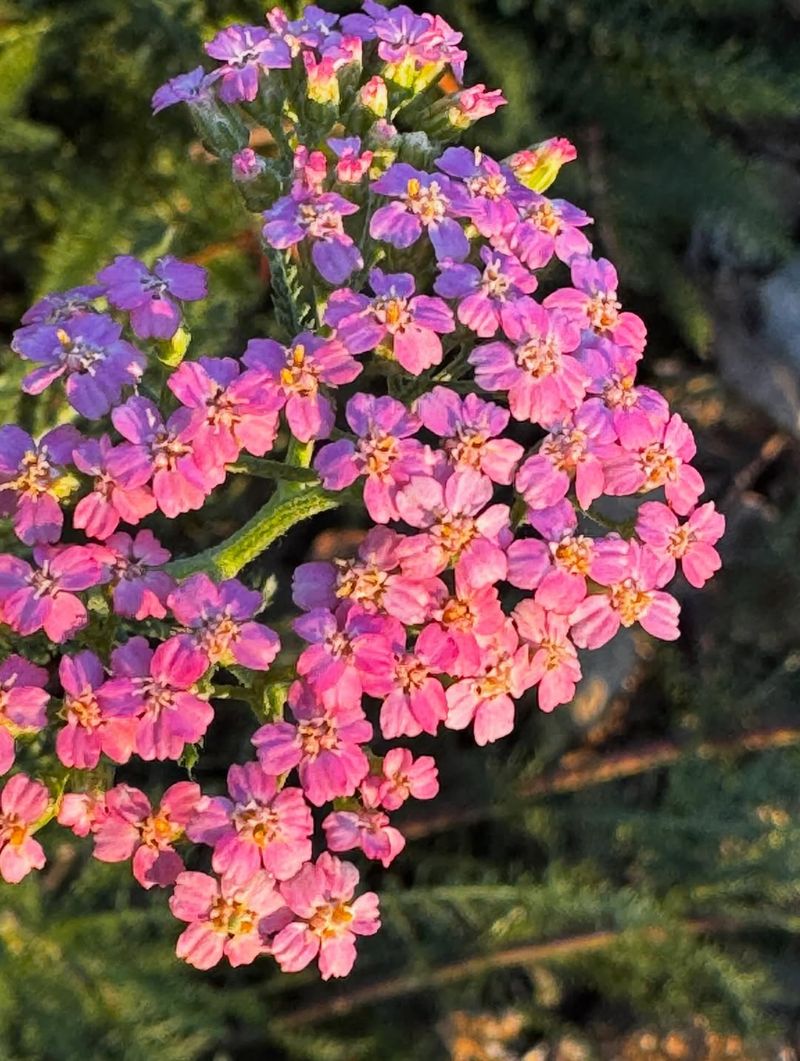
Yarrow is the kind of plant that earns its spot in the garden through sheer toughness and beauty. Its flat-topped flower clusters, which come in shades of yellow, pink, red, and white, sit above feathery, fern-like foliage that smells faintly herbal when brushed.
Oregon gardeners, especially those on the drier eastern side of the state, absolutely love this plant.
Full sun and well-drained soil are all yarrow really needs to thrive. It handles drought well, poor soil conditions, and even some neglect without skipping a beat.
Established yarrow plants spread slowly into attractive clumps that fill in borders and garden edges beautifully. Dividing them every few years keeps them from spreading too aggressively while also giving you new plants for free.
Yarrow has been used medicinally for thousands of years and even shows up in ancient Greek mythology. Achilles supposedly used it to treat wounded soldiers during the Trojan War, which is why the plant’s scientific name is Achillea.
Beyond its history, yarrow is a fantastic cut flower that also dries beautifully for arrangements. For any Oregon garden that needs a tough, long-blooming, pollinator-friendly perennial, yarrow checks every single box effortlessly.
7. Penstemon
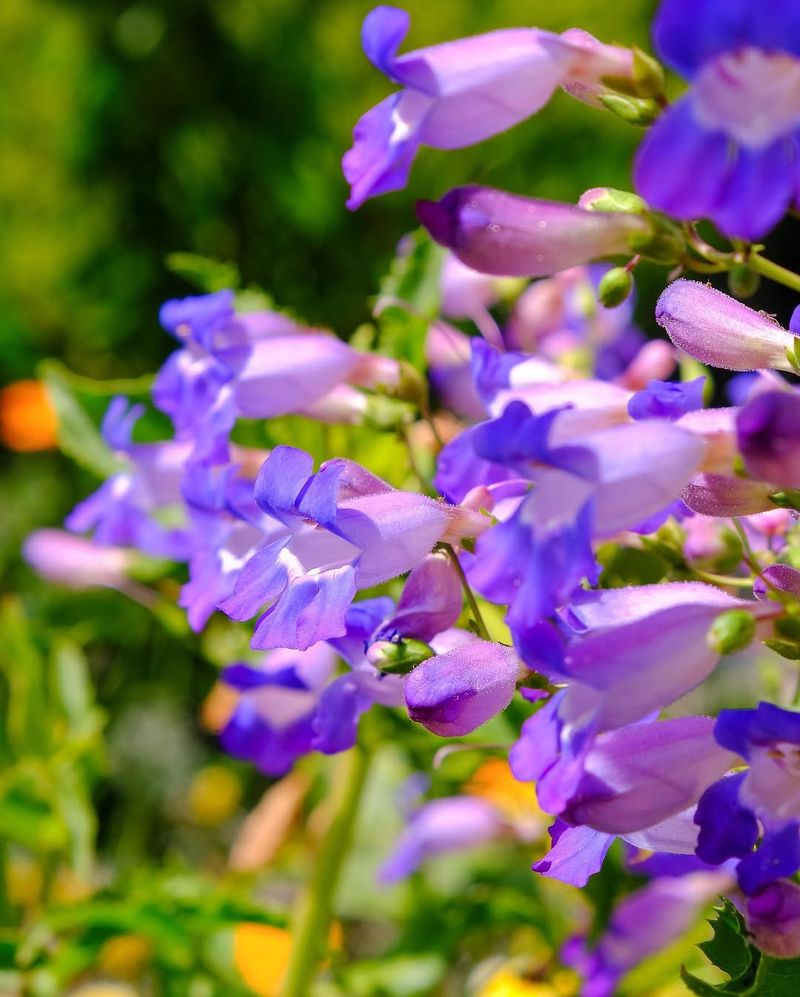
Oregon has a special connection to penstemon. Several species of this striking tubular-flowered perennial are actually native to the Pacific Northwest, making it one of the most naturally suited plants for Oregon gardens.
The tall flower spikes come in shades of purple, pink, red, and white, and hummingbirds absolutely cannot resist them.
Penstemon thrives in full sun with excellent drainage. It actually prefers lean soil over rich, fertile ground.
Too much fertilizer or moisture can cause problems, so resist the urge to pamper it. Once established, penstemon is remarkably drought-tolerant, which makes it ideal for Oregon’s dry summer months, especially for gardeners east of the Cascades.
There are hundreds of penstemon species worldwide, but choosing varieties native to Oregon gives you the best chance of long-term success. Plants like Penstemon davidsonii and Penstemon rupicola are excellent choices for rocky slopes and alpine-style gardens.
Deadheading spent flowers encourages a second flush of blooms later in the season. Few perennials offer such a dramatic vertical element while also supporting local wildlife.
For an Oregon garden that feels connected to the natural landscape around it, penstemon is an essential and rewarding choice every gardener should try.
8. Lavender
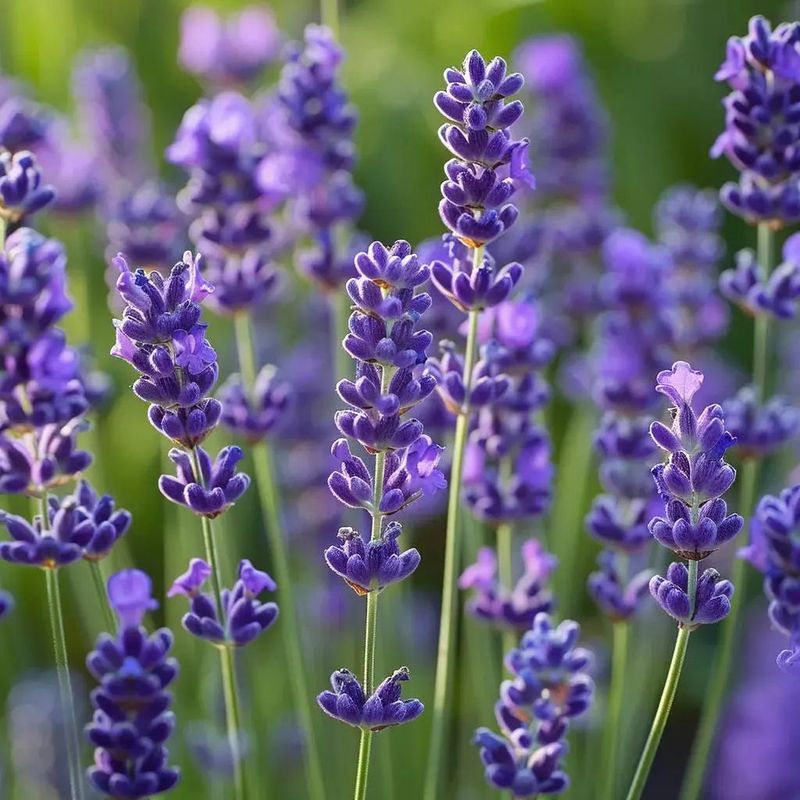
Lavender and Oregon are a match made in garden heaven. The Willamette Valley is actually home to several lavender farms that attract visitors from all over the Pacific Northwest every summer.
That popularity is no accident. Oregon’s warm, dry summers and mild winters create nearly perfect conditions for lavender to thrive and bloom abundantly year after year.
Plant lavender in the sunniest spot in your yard with very well-drained soil. Sandy or gravelly soil is even better than rich garden soil for this Mediterranean native.
Lavender hates having wet roots, so raised beds or slopes work especially well in wetter parts of western Oregon. Pruning lightly after each bloom cycle keeps the plants from becoming woody and extends their productive life significantly.
Beyond its gorgeous purple flower spikes and intoxicating fragrance, lavender is incredibly useful. It repels mosquitoes, attracts bees and butterflies, and can be harvested for sachets, cooking, and homemade products.
English lavender varieties like Hidcote and Munstead tend to be the most cold-hardy and reliable for Oregon conditions. A well-cared-for lavender plant can live and bloom for 15 to 20 years, filling your garden with beauty and fragrance season after season without much effort at all.
9. Hardy Geranium (Cranesbill)
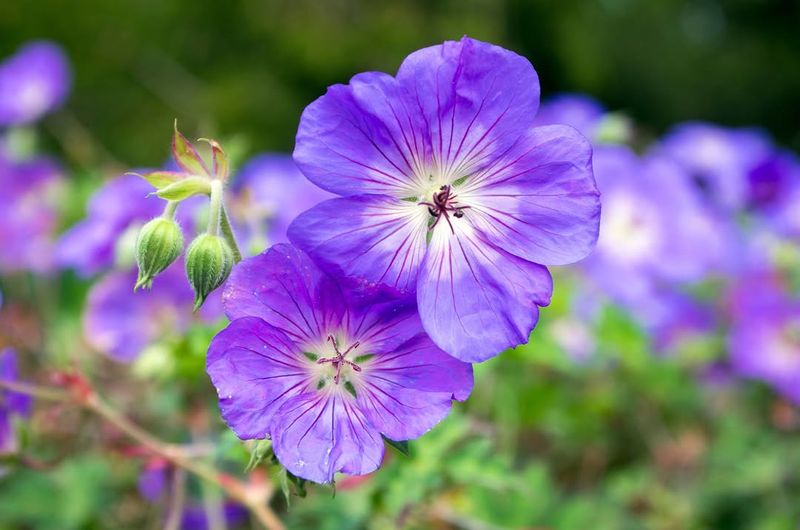
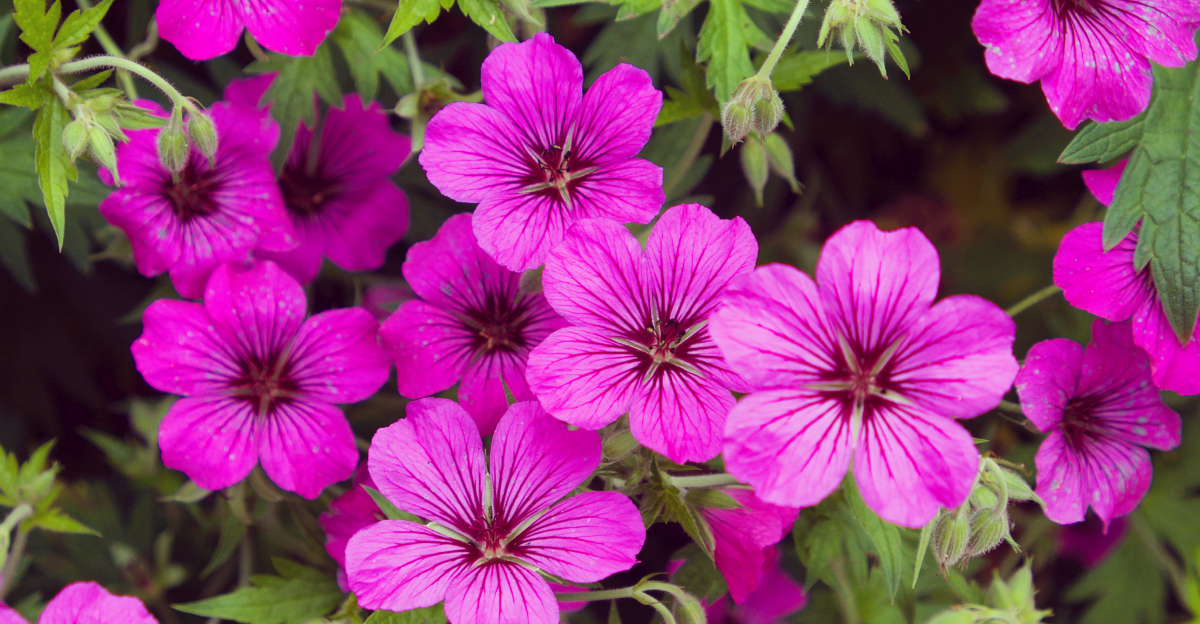
Do not confuse the hardy geranium with the bright red potted geraniums you see on summer porches. Cranesbill, as it is commonly called, is a completely different plant and one of the most versatile perennials available to Oregon gardeners.
It forms low, spreading mounds covered in delicate flowers that bloom from late spring through summer, sometimes even longer.
Hardy geraniums tolerate a wide range of conditions. They grow happily in full sun or partial shade and adapt to many soil types across Oregon’s varied regions.
Some varieties, like Geranium sanguineum, even rebloom after a summer haircut. Cutting the whole plant back by half after the first flush of flowers often triggers a fresh round of blooms within just a few weeks.
These plants are also extremely long-lived, with well-established clumps persisting in the same spot for decades. Their spreading habit makes them excellent ground cover plants that suppress weeds while looking beautiful.
The foliage often turns lovely shades of orange and red in autumn, adding seasonal interest even after the flowers fade.
For Oregon gardeners looking for a dependable, adaptable, and long-lasting perennial that requires almost no fuss, the hardy geranium is a truly outstanding and enduring garden companion.