7 Georgia Plants That Naturally Keep Mosquitoes Away From Your Yard
Mosquitoes have a way of showing up right when time outside starts to feel good again in a Georgia yard. Evenings stretch longer, the air feels warm, and then that familiar buzzing cuts the moment short.
It doesn’t take long before stepping outside starts to feel like a tradeoff.
Some days feel manageable, while others turn frustrating fast, even though nothing in the yard seems to have changed. That shift becomes hard to ignore, especially when the same spots keep drawing them back.
Many gardeners end up in the same place, trying sprays or quick fixes that never seem to hold up. There is a quieter change that actually makes a difference, and it often comes down to what is growing nearby and how it shapes the space.
1. Citronella Grass Releases Oils That Mosquitoes Avoid
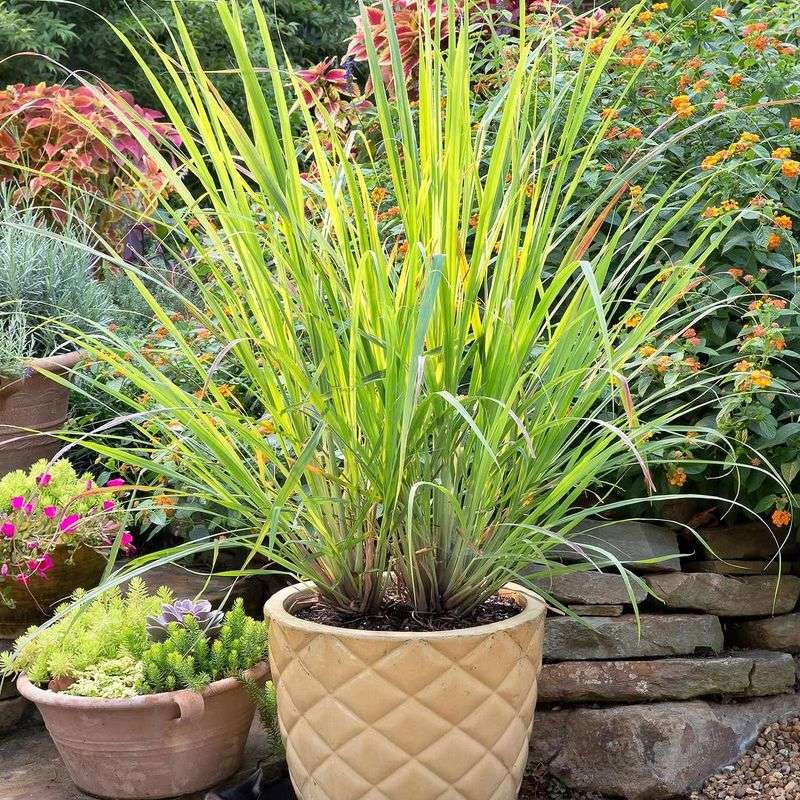
Citronella grass is probably the most recognized mosquito-deterring plant out there, and for good reason. When you brush against the blades or crush a few leaves between your fingers, the plant releases a strong citrus-like oil that mosquitoes tend to steer clear of.
It does not flood your whole yard with a force field, but near a patio chair or a garden path, it can make a noticeable difference.
In Georgia, citronella grass handles the heat well. It is a warm-season grass that thrives in full sun and can grow quite tall through the summer months.
Planting it in large containers near doorways or seating areas lets you move it around as needed, which is a practical advantage in yards with shifting shade patterns.
Worth noting: the scent is strongest when the plant is physically disturbed. Just having it sit nearby provides some benefit, but brushing past it or gently rubbing the leaves is when the oil really gets going.
Some gardeners plant it along garden walkways specifically for that reason.
Citronella grass is different from the citronella-scented geranium you might see at garden centers. The grass variety, known as Cymbopogon nardus, contains higher concentrations of citronellal oil and is what commercial repellents are typically derived from.
In Georgia’s warm months, it grows fast and fills in quickly. Just keep in mind it is frost-sensitive, so you may need to bring potted plants inside or treat them as annuals depending on where you are in the state.
Good drainage matters more than frequent watering, since the roots can struggle in constantly wet soil, especially during humid stretches.
2. Lavender Produces A Strong Scent That Disrupts Mosquito Activity
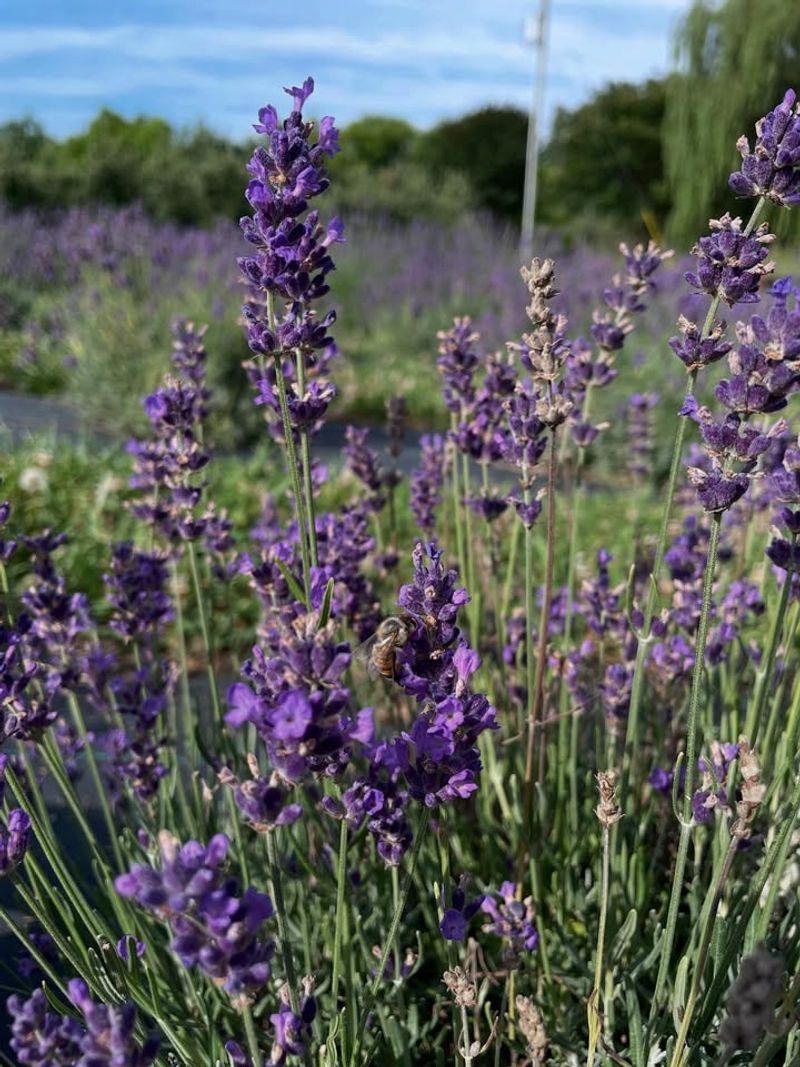
Lavender has a scent most people genuinely enjoy, which makes it one of the more pleasant options for a mosquito-deterring garden. Mosquitoes, on the other hand, are not fans.
The linalool compound in lavender is what bothers them, and it is present in both the flowers and the leaves throughout the growing season.
Growing lavender in Georgia takes a bit of planning. It prefers well-drained soil and full sun, and it struggles in areas with poor drainage or heavy clay.
If your yard has dense Georgia red clay, amending the soil or using raised beds can make a real difference in how well the plant establishes.
Your Georgia Garden Changes Every Week. Your Plan Should Too.
Gardening in Georgia changes quickly throughout the season. Every Friday you’ll receive a simple weekly plan showing exactly what to plant, prune, fertilize, harvest, and protect so you never miss the right timing.
Spanish lavender tends to handle Georgia’s humidity better than English varieties, so it is worth checking which type you are buying at the nursery.
Planting lavender along borders, near outdoor seating, or in clusters around a patio gives you both a visual element and a functional one. Cutting a few stems and placing them near a door or window adds a bit of extra deterrence without any extra effort.
One thing to keep in mind: lavender is not going to clear out a yard full of standing water and expect the mosquitoes to disappear. It works best as part of a broader approach.
But as a low-input plant that smells good, attracts pollinators, and gives mosquitoes a reason to move along, it earns its spot in a Georgia garden without much argument. Trim it back after blooming to keep it healthy through the season.
3. Basil Emits Natural Compounds That Help Reduce Mosquito Landing
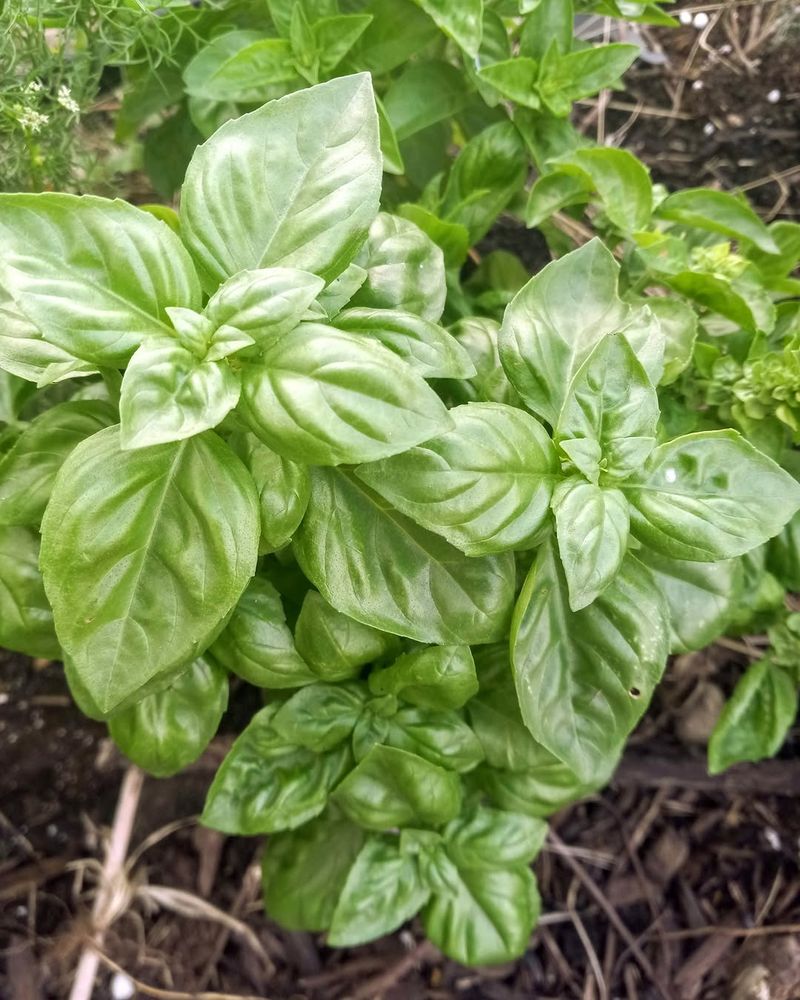
Basil is one of those plants that pulls double duty in a Georgia garden. You get fresh herbs for cooking, and you get a plant that mosquitoes genuinely seem to avoid.
The volatile compounds basil releases, including estragole and eugenol, are what make it unappealing to mosquitoes. Unlike some other plants on this list, basil does not need to be crushed or rubbed to release its scent.
It emits those compounds naturally throughout the day.
Planting basil near an outdoor dining area or a back porch makes good practical sense. It grows well in Georgia’s warm summers, especially with consistent watering and at least six hours of sun.
Keep in mind that basil does not love extreme heat combined with drought stress, so during Georgia’s hottest weeks, giving it a good drink every day or two keeps it productive and fragrant.
Cinnamon basil is worth mentioning specifically. It carries a spicier, more intense scent than sweet basil and has been noted as particularly off-putting to mosquitoes.
If you have access to it at a local nursery, it is a solid choice for outdoor containers near seating areas.
Basil is an annual in Georgia, so it will not come back on its own after a hard frost. Replanting each spring is part of the deal.
Starting new plants from seed or picking up transplants in April or May gives you a full season of growth. Pinching off flower heads as they appear keeps the plant bushy and extends its productive life through late summer and into fall.
4. Mint Spreads Quickly And Creates A Scent Mosquitoes Dislike
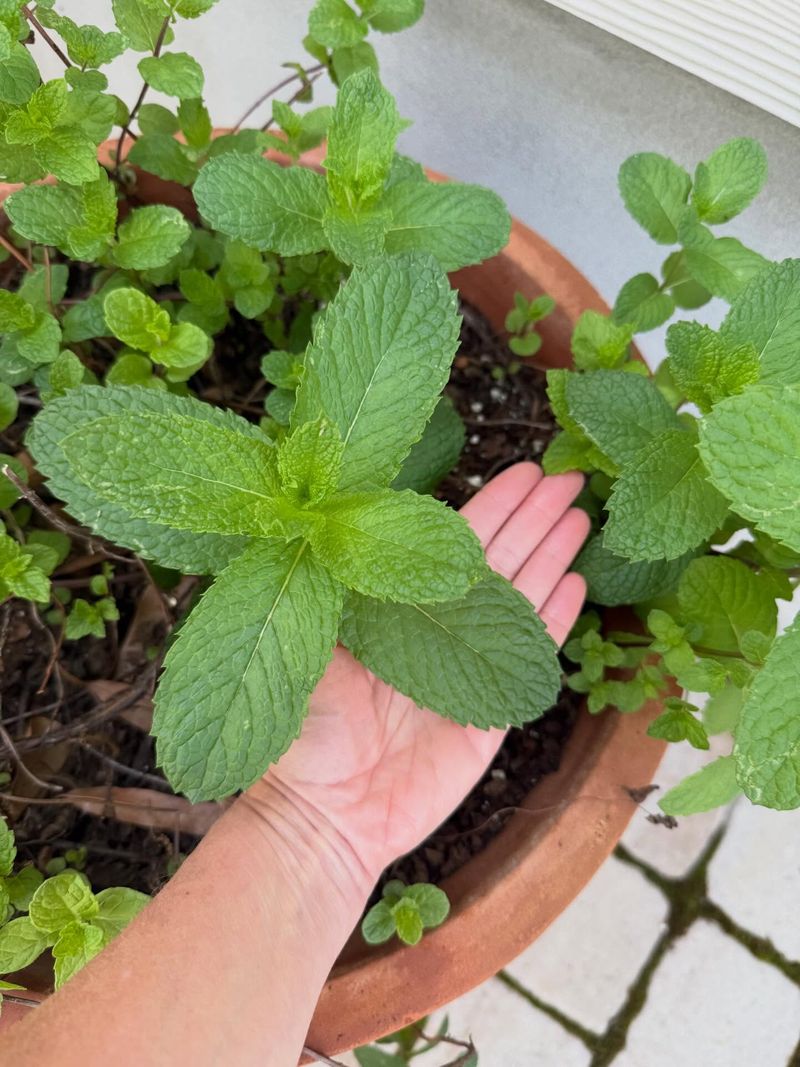
Mint is aggressive. That is not a complaint, just something every Georgia gardener should know before putting it in the ground.
Left unchecked, it will spread across a garden bed faster than you might expect, crowding out neighboring plants through underground runners. Planting it in containers is the standard workaround, and it works well.
Drop a pot near the back steps or beside a patio chair and you get the scent benefit without the takeover problem.
Mosquitoes dislike the strong menthol scent mint carries, and it is one of the more potent-smelling plants you can grow. Spearmint, peppermint, and even pennyroyal mint all carry that characteristic sharpness.
Pennyroyal, in particular, has a long history of being used as a pest deterrent, though it should be kept away from pets since it can be harmful to them in larger amounts.
Georgia summers suit mint well. It likes moisture and partial shade, which actually makes it useful in spots where other plants struggle.
Under a tree with dappled light and decent soil moisture, mint can thrive where lavender or basil might stress out. Regular harvesting keeps it from getting leggy and encourages fresh growth with a stronger scent.
Rubbing a few leaves between your fingers and then applying them to your skin is an old-school trick some gardeners swear by for short outdoor stretches. It is not a substitute for proper repellent on longer outings, but as a quick option while you are already in the garden, it is worth knowing about.
Mint earns its place in any Georgia yard trying to cut down on mosquito pressure.
5. Marigolds Contain Pyrethrum That Helps Deter Insects Naturally
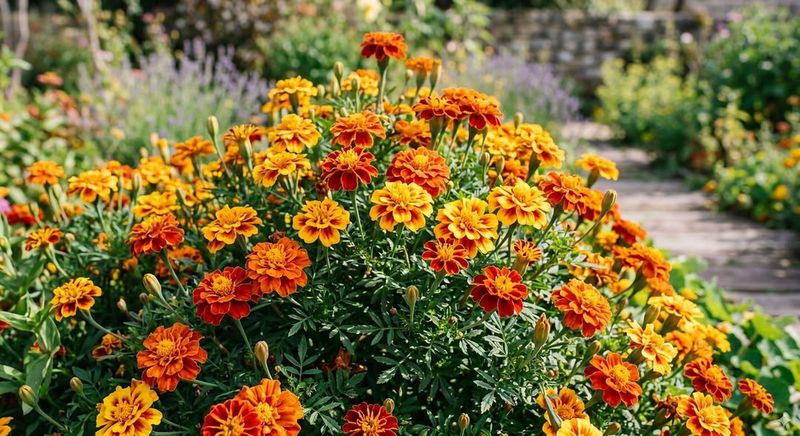
Marigolds are one of the hardest-working plants in a Georgia garden. Beyond the cheerful orange and yellow blooms, they contain pyrethrum, a natural compound used as the basis for many commercial insect repellents.
Mosquitoes are not fond of it, and neither are aphids, whiteflies, or a range of other garden pests that would rather find somewhere else to land.
Planting marigolds along the edges of a garden bed or around a patio perimeter creates a border that does more than just look good. French marigolds tend to be the most effective variety for pest deterrence because they produce higher concentrations of pyrethrum than African or signet types.
They are also compact, which makes them easy to tuck into gaps between other plants or line up along a walkway.
Georgia’s climate suits marigolds well from late spring through fall. They handle heat and humidity without much fuss and bloom continuously if you deadhead spent flowers regularly.
Letting old blooms sit on the plant can slow down flower production, so a quick pinch every week or so keeps them going strong through the season.
One honest note: marigolds work best as part of a combined approach rather than a standalone fix. A single pot near the door is better than nothing, but a consistent border planting around a seating area gives you a more meaningful deterrent.
They also attract bees and butterflies, which is a genuine bonus for anyone trying to support pollinators in their Georgia yard while also keeping mosquito pressure in check.
6. Lemon Balm Gives Off A Citrus Scent Mosquitoes Avoid
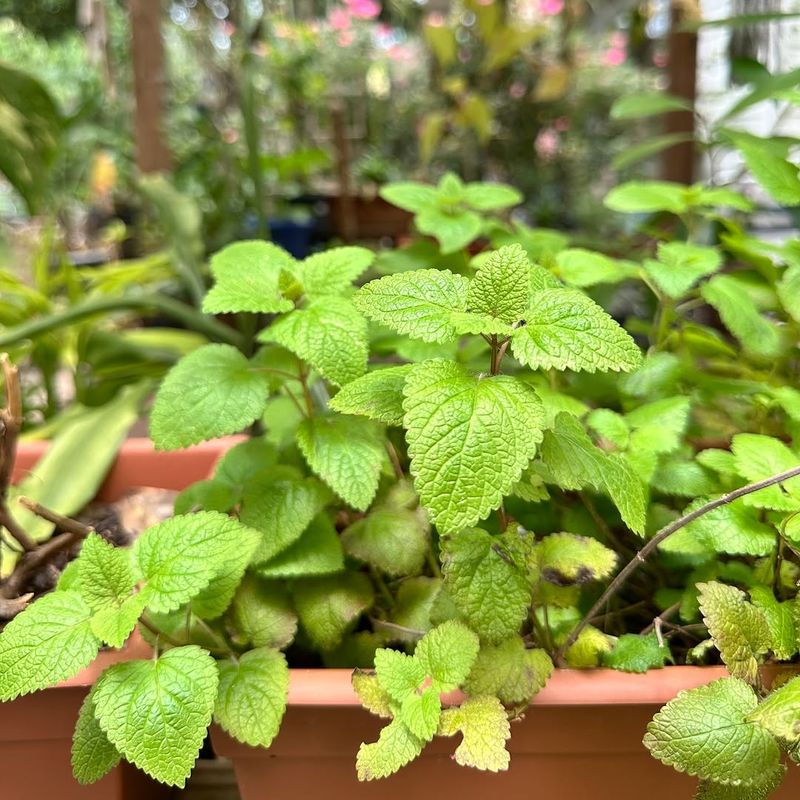
Lemon balm smells like a lemon drop candy when you crush a leaf, and that bright citrus scent is exactly what makes mosquitoes less interested in hanging around it.
Related to mint, it carries a similar attitude toward spreading, so container planting is usually the smarter call unless you have a dedicated bed where you do not mind it filling in aggressively over time.
What makes lemon balm interesting is how approachable it is to grow in Georgia. It tolerates partial shade better than most mosquito-deterring plants, which opens up spots in the yard that do not get full sun all day.
Under a porch overhang, along a shaded fence line, or near a covered patio, lemon balm can still grow well and stay fragrant through the warm months.
Crushing or rubbing the leaves releases the scent most strongly. Some people rub the leaves directly on exposed skin before sitting outside, which gives a mild and temporary deterrent effect.
It is not a replacement for repellent on a long evening outdoors, but for a quick sit on the porch, it is a reasonable option straight from the garden.
Lemon balm also has a long history as an herbal tea plant, so any extra growth you harvest to keep it in check can go straight into a mug with hot water. In Georgia, it grows through spring, summer, and into fall, slowing down once temperatures drop.
It may return in spring depending on how cold your winter gets, making it a semi-reliable perennial in the warmer parts of the state.
7. Rosemary Releases Oils That Help Repel Mosquitoes When Disturbed
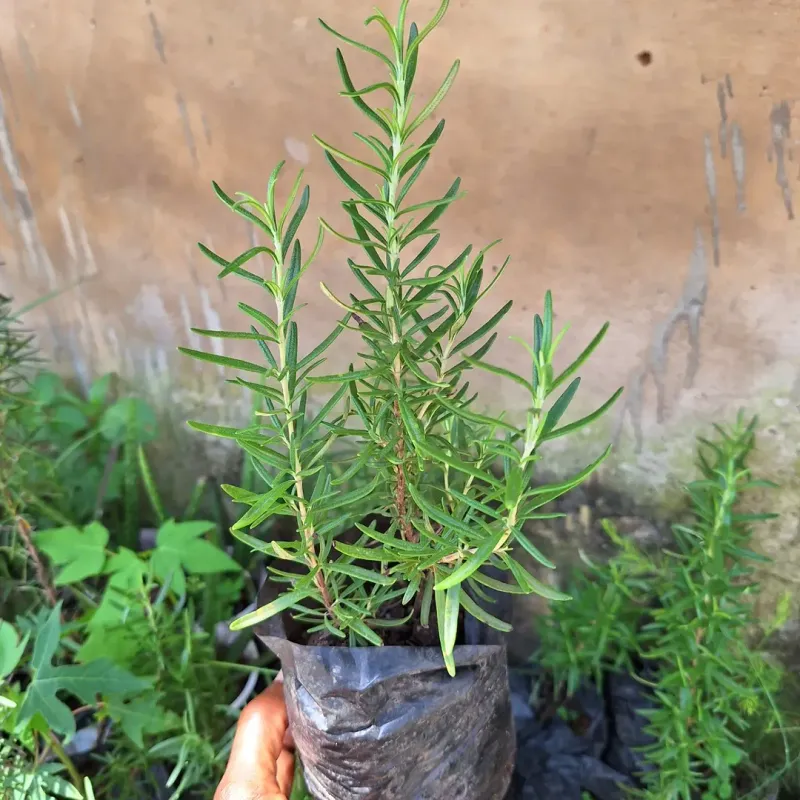
Rosemary is a tough, woody herb that holds up well in Georgia’s heat, and it brings more to the yard than just flavor for roasted vegetables. When the branches are brushed, cut, or even lightly touched by wind, rosemary releases its aromatic oils into the surrounding air.
Those oils, particularly camphor and 1,8-cineole, are compounds that mosquitoes tend to avoid.
Placing rosemary near a frequently used path or beside a patio gate means it gets disturbed naturally as people move past it, which helps release the scent without any extra effort on your part.
Some Georgia gardeners also toss a few sprigs onto a grill or a small fire pit, which sends the smoke and oils into the air around a seating area.
It is a simple trick that adds a pleasant scent while making the space a bit less appealing to mosquitoes.
Rosemary does well in full sun and is more drought-tolerant than most herbs once it has had time to settle into the soil. Well-drained soil is important.
Soggy roots are one of the few things that will genuinely stress this plant out, so raised beds or sandy amended soil works better than heavy clay without any modification.
In much of Georgia, rosemary can survive mild winters and come back in spring, functioning more like a perennial shrub than an annual. Upright varieties can grow quite large over several seasons, while trailing types work well spilling over container edges or low walls.
Either way, it is a reliable, practical plant that earns its space in a Georgia yard.