8 Best Compact Heat-Tolerant Plants For Small Texas Balconies
small Texas balcony can turn into a surprisingly lively little garden, and that is part of the fun. Of course, Texas likes to make gardeners work for it.
One sunny afternoon can leave pots hot enough to make you side-eye the railing and say, “Really?” Add dry wind, reflected heat, and fast-drying soil, and a tiny balcony starts acting like a much tougher growing space than it looks.
That is exactly why plant choice matters so much!
The strongest balcony setups usually come together when you skip the fussy plants and lean into compact picks that actually enjoy the heat. You still get bright color, bold texture, and plenty of personality, just without the constant drama.
And on a small balcony, less drama is a beautiful thing. With the right plants, even a tight Texas space can feel lush, cheerful, and full of life through the hottest stretch of the season.
That is a pretty great payoff for a few pots.
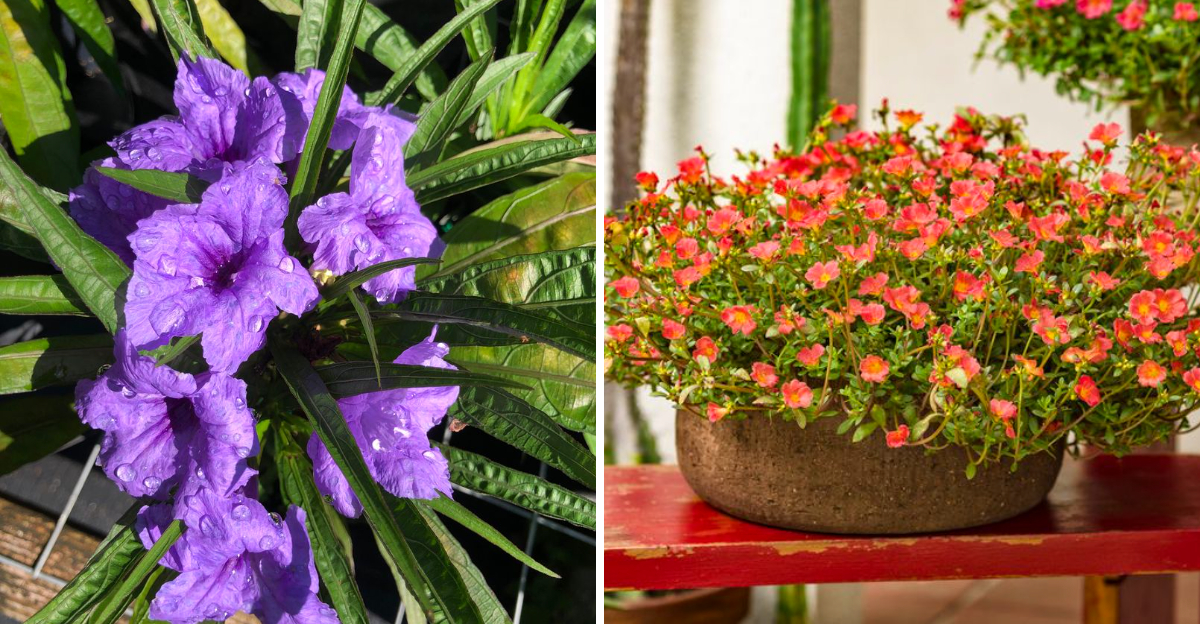
1. Dwarf Mexican Petunia Keeps Color Coming Through Texas Heat
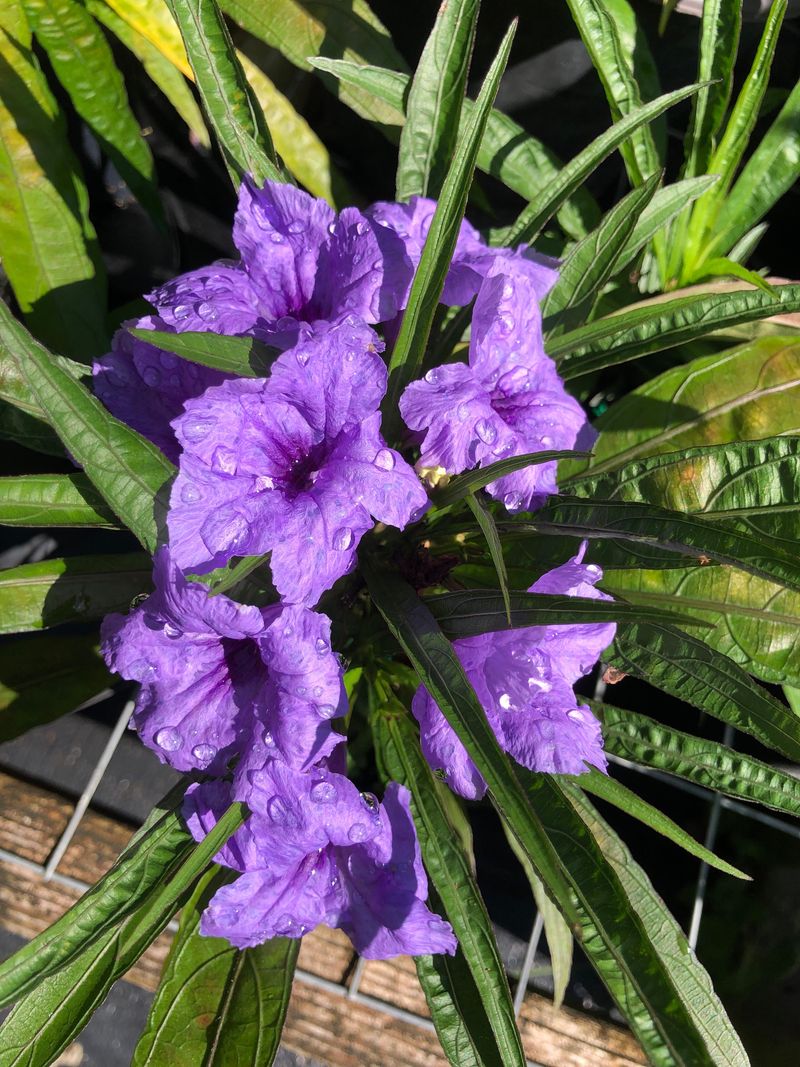
Few flowering plants put on a show quite like the dwarf Mexican petunia during a blazing Texas summer.
Unlike its taller relatives that can spread and sprawl in garden beds, the compact form stays low and tidy in containers, making it a smart pick for balconies where space is limited.
The flowers are a rich purple-violet and open fresh each morning, giving pots a reliable burst of color even when temperatures push well past 90 degrees.
One thing that makes this plant stand out for Texas balcony use is its ability to keep flowering through heat that would slow down many other bloomers.
It handles full sun exposure without fading or wilting, and it does not demand constant attention to stay looking good.
Container soil can dry out fast on a hot balcony, so watering consistently during the driest stretches of summer helps this plant perform at its best.
The foliage is dark green and narrow, which gives containers a layered, full look even between bloom flushes. The dwarf variety is well suited to smaller pots and railing planters because it does not outgrow its space quickly.
For Texas gardeners who want a low-fuss plant with steady warm-season color, this compact petunia is one of the most dependable choices available for a sunny balcony setting.
2. New Gold Lantana Brings Bright Blooms To Sunny Balconies
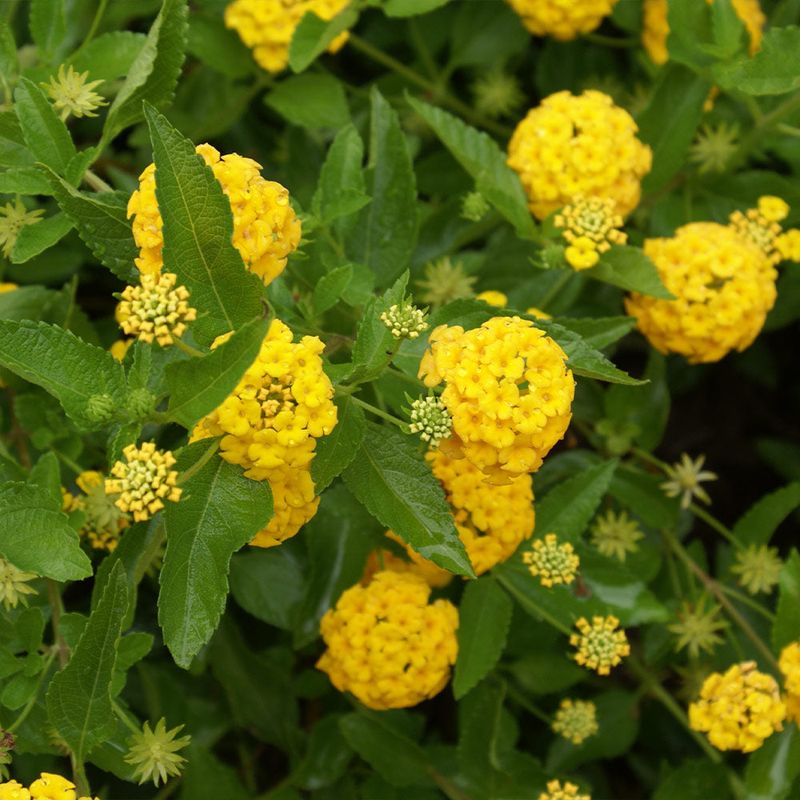
Golden yellow blooms covering a compact mound of dark green foliage make New Gold lantana one of the most eye-catching plants you can grow on a Texas balcony.
The flowers appear in tight clusters and keep coming from spring all the way through fall without much encouragement, which is exactly what you want from a plant sitting in a sun-drenched container.
Heat does not slow it down at all, and it actually tends to look better as temperatures rise.
New Gold is a sterile variety, meaning it does not set seed and puts its energy into continuous flowering instead. That trait is especially useful for balcony containers because you get more blooms and less deadheading work.
Your Texas Garden Changes Every Week. Your Plan Should Too.
Gardening in Texas changes quickly throughout the season. Every Friday you’ll receive a simple weekly plan showing exactly what to plant, prune, fertilize, harvest, and protect so you never miss the right timing.
The plant stays relatively low and spreading, so it fills out wide pots and window boxes beautifully without growing tall enough to block views or crowd neighboring plants.
One thing to keep in mind is that lantana foliage has a strong scent that some people find unpleasant up close. On an open balcony with good airflow, this is rarely an issue.
Water needs are moderate once the plant settles in, but containers on a hot Texas balcony can dry out quickly, so checking moisture levels every day or two during peak summer heat is a reasonable habit to build. New Gold is a Texas favorite for good reason.
3. Angelonia Adds Upright Color In Small Spaces
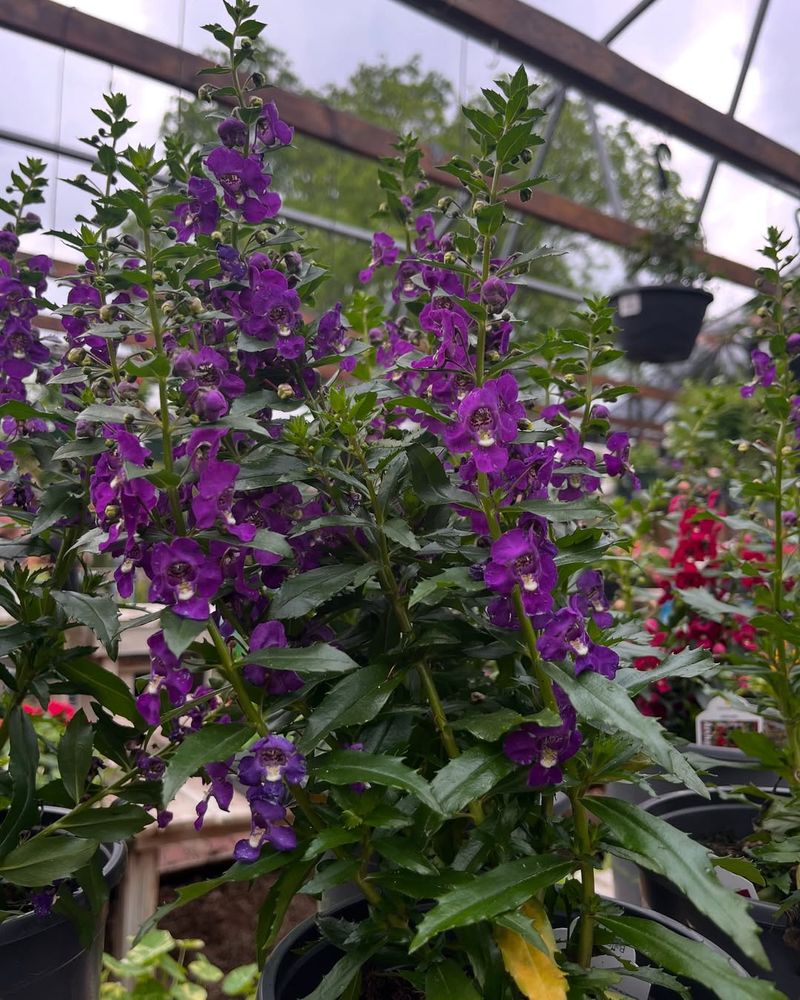
When you need a plant that grows upward rather than outward, angelonia is one of the best options for a compact Texas balcony.
The flower spikes rise cleanly from the base and carry small blooms in shades of purple, pink, lavender, and white, giving containers a vertical element that adds interest without taking up extra floor space.
Heat brings out the best in this plant, and it keeps producing new spikes even during the hottest weeks of a Texas summer.
Sometimes called summer snapdragon, angelonia has a light, pleasant fragrance that makes it enjoyable to have near a sitting area or doorway. The blooms are small but numerous, and the plant rarely needs deadheading to stay tidy.
Once established in a container, it handles dry spells reasonably well, though consistent moisture helps it bloom more freely throughout the season.
For small Texas balconies, the upright growth habit is a real advantage because it lets you combine angelonia with trailing or mounding plants in the same pot without things getting crowded at the base.
It works well in both full sun and locations that receive afternoon shade, which gives you some flexibility depending on which direction your balcony faces.
The compact varieties available today stay under 18 inches tall, making them easy to manage in standard container sizes without staking or extra support.
4. Compact Pentas Fill Pots With Long-Lasting Flowers
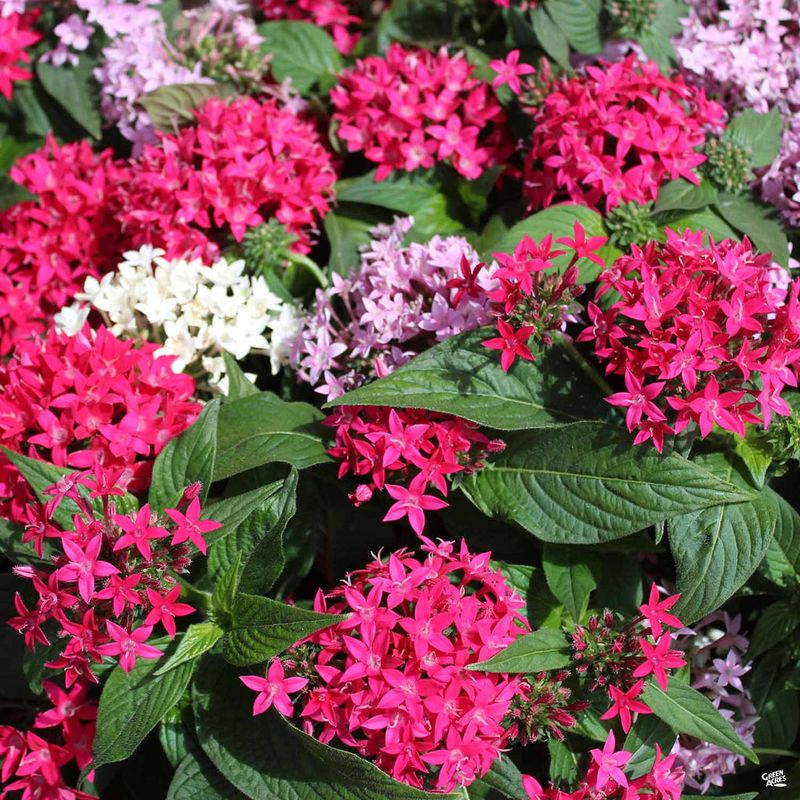
Star-shaped flower clusters in red, pink, coral, white, and lavender make pentas one of the most colorful plants you can add to a Texas balcony container.
The blooms are not just pretty to look at, they also attract hummingbirds and butterflies, which adds another layer of life to a small outdoor space.
Full sun suits pentas well, and the plant keeps flowering through summer heat that causes many other annuals to slow down or drop their blooms entirely.
The compact varieties available today grow to about 10 to 14 inches tall, which makes them easy to fit into standard pots, railing planters, and mixed container arrangements.
They look especially good when combined with plants that have contrasting foliage, since the bold flower clusters stand out against darker or more textured leaves.
On a Texas balcony where space is tight, pentas earn their spot by providing consistent color without sprawling or needing frequent trimming.
Container-grown pentas do appreciate regular watering because their roots can dry out quickly in small pots sitting under direct Texas sun. Adding a layer of mulch over the soil surface helps slow moisture loss between waterings.
The plants are not heavy feeders, but a balanced slow-release fertilizer worked into the potting mix at planting time gives them a solid foundation for the long warm season ahead.
They perform reliably from late spring through the first cool nights of fall.
5. ‘Allyson’ Mexican Heather Softens Balconies With Fine Texture
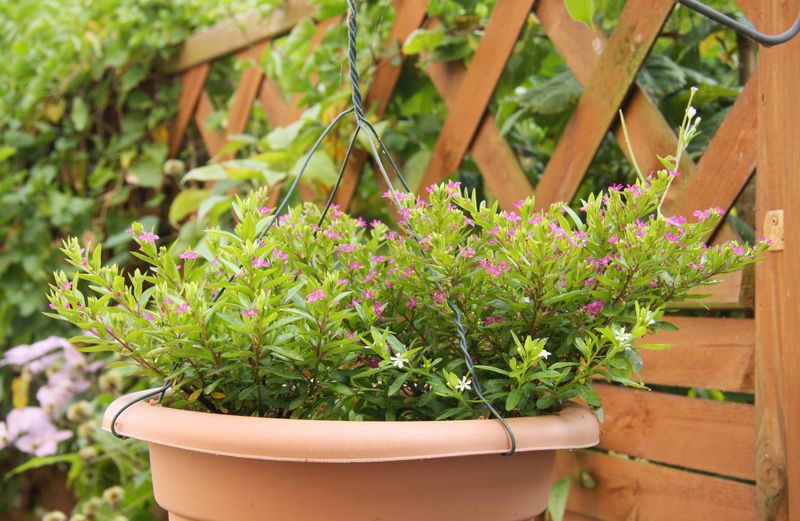
There is something genuinely graceful about the way Mexican heather fills a container with its fine, feathery foliage and tiny lavender-purple flowers.
The ‘allyson’ variety stays compact and mounded, reaching roughly 18 inches tall and wide, which makes it a comfortable fit for the kind of small pots and planters that work best on a Texas balcony.
The texture is soft and delicate-looking, but the plant itself is surprisingly tough in the face of heat and humidity.
What gardeners often appreciate most about this plant is how long it stays in bloom. The small flowers appear in spring and continue through fall, providing months of gentle color without demanding constant care.
It handles full sun well in most Texas climates, though a spot with a bit of afternoon shade can help it look its freshest during the most intense heat of midsummer.
Mexican heather works well as a filler plant in mixed containers, softening the edges of arrangements that include bolder flowering plants or striking foliage. The fine texture creates a contrast that makes neighboring plants look even more vibrant.
For a small balcony, this quality is especially valuable because it lets you build a layered, interesting look within a limited number of pots.
Container soil should drain well, and the plant benefits from regular watering during hot Texas weather since shallow containers can lose moisture quickly in the afternoon sun.
6. Little Ruby Alternanthera Brings Bold Foliage To Containers
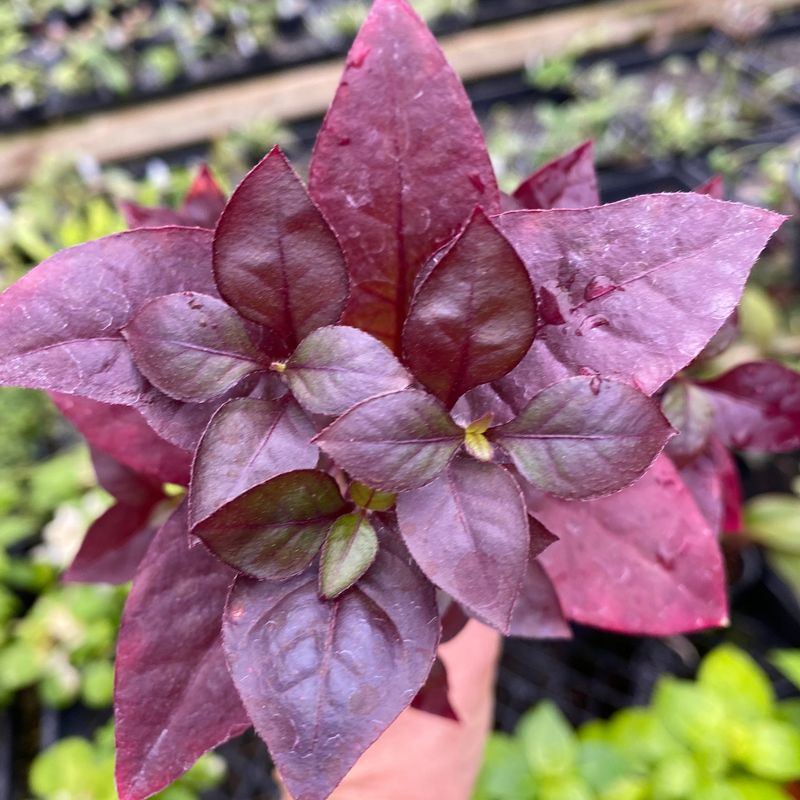
Bold, deep burgundy foliage that practically glows in the sun makes Little Ruby alternanthera one of the most striking plants you can grow in a Texas balcony container.
Most heat-tolerant balcony plants earn their place through flowers, but this one makes a strong statement through leaf color alone.
The rich red-purple tones intensify in full sun, which means the hotter and brighter your balcony gets, the better this plant tends to look.
Little Ruby is a compact selection that stays low and mounding, typically reaching 12 to 16 inches tall. That restrained growth habit makes it easy to use in smaller containers without worrying about it taking over the pot.
It pairs exceptionally well with plants that carry bright yellow, orange, or white flowers because the dark foliage creates a dramatic contrast that draws the eye and makes the whole arrangement feel intentional and polished.
Heat tolerance is genuinely impressive in this plant. It thrives through long Texas summers without losing its color or needing extra pampering.
Water needs are moderate, but like most container plants on a sunny Texas balcony, it appreciates consistent moisture during the hottest stretches of the season.
The foliage stays attractive from the time you plant it in spring until temperatures cool significantly in fall, giving you months of reliable visual interest without relying on a bloom cycle to keep things looking good.
7. Purslane Spills Over Pots With Heat-Loving Color
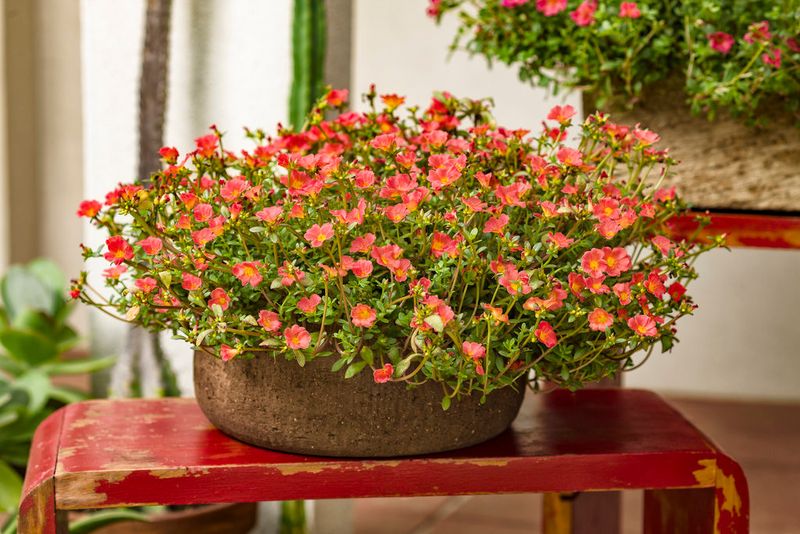
On the hottest days of a Texas summer, when other flowering plants are struggling to keep their blooms open, purslane tends to look absolutely stunning.
The flowers come in vivid shades of pink, orange, red, yellow, and white, and the thick, succulent-like leaves store moisture in a way that helps the plant handle heat and short dry spells without losing its appeal.
For a small balcony with limited pot space, this trailing habit is a genuine asset.
Unlike some trailing plants that need to be trimmed back regularly to stay neat, purslane has a naturally tidy way of spilling over pot edges and railing planters.
It fills in gaps quickly and creates that full, lush look that makes a small balcony feel like a real garden rather than just a few pots sitting in the sun.
The plant thrives in full sun and well-draining container mix, and it does not need particularly rich soil to bloom freely.
One thing worth noting is that purslane flowers tend to close on cloudy days and in low light, but in the bright Texas sun they stay wide open and colorful for long stretches of the day.
Regular watering keeps the plants looking lush, though they can handle occasional missed waterings better than many flowering annuals.
For balcony gardeners who want maximum color with minimum fuss, purslane is one of the most rewarding plants available for hot Texas conditions.
8. Purple Flash Ornamental Pepper Adds Rich Color And Contrast
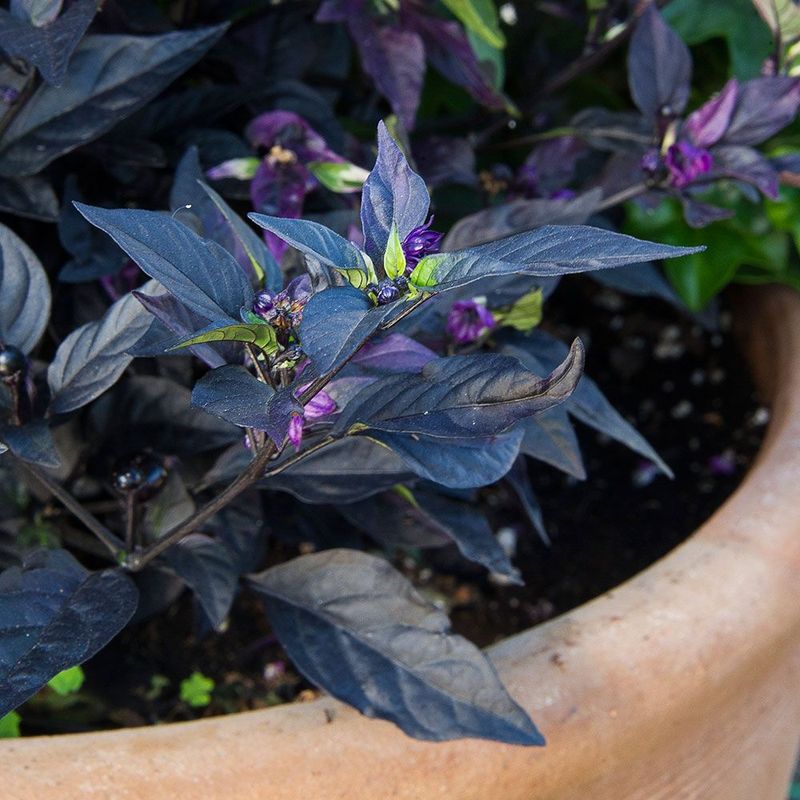
Rich, nearly black foliage splashed with purple and green, dotted with tiny peppers that shift from deep purple to red as they ripen, Purple Flash ornamental pepper is one of the most visually interesting container plants you can grow on a Texas balcony.
The combination of dramatic leaf color and multi-stage fruit color means the plant looks different every few weeks, which keeps a small balcony arrangement feeling fresh and dynamic throughout the warm season.
Hot Texas summers suit this plant well because it is a member of the pepper family and genuinely thrives under intense sun and warm temperatures.
The compact growth habit keeps it manageable in standard container sizes, typically reaching 12 to 18 inches in height and width.
It works beautifully as a centerpiece plant in a mixed pot, with its dark foliage creating a striking backdrop for brighter flowering companions like pentas or lantana.
Container soil should stay consistently moist but drain well, since waterlogged roots can cause problems in any potted plant.
On a sunny Texas balcony, pots can warm up quickly and lose moisture fast, so checking soil moisture every day or two during peak summer heat is a reasonable approach.
The peppers are extremely hot and not meant for eating, but they add a lively ornamental quality that makes this plant genuinely fun to grow in a small space where every container needs to earn its place.