These Native Groundcovers Are Replacing English Ivy In Georgia Gardens
English ivy has been a familiar sight in Georgia yards for years, covering slopes and filling bare areas with thick green growth. It looks dependable at first, especially in spots where other plants struggle to take hold.
Over time, though, that same growth can start to feel overwhelming.
Patches spread farther than expected, climb into nearby shrubs, and begin to crowd out anything planted nearby. What once looked like an easy solution slowly turns into something harder to manage.
A lot of gardeners reach this point and start looking for a better option that still covers the ground but does not take over the entire space.
Native groundcovers are stepping in for that reason, offering a more balanced way to fill those areas while working with the local environment instead of against it
1. Green And Gold Forms A Dense Low Carpet
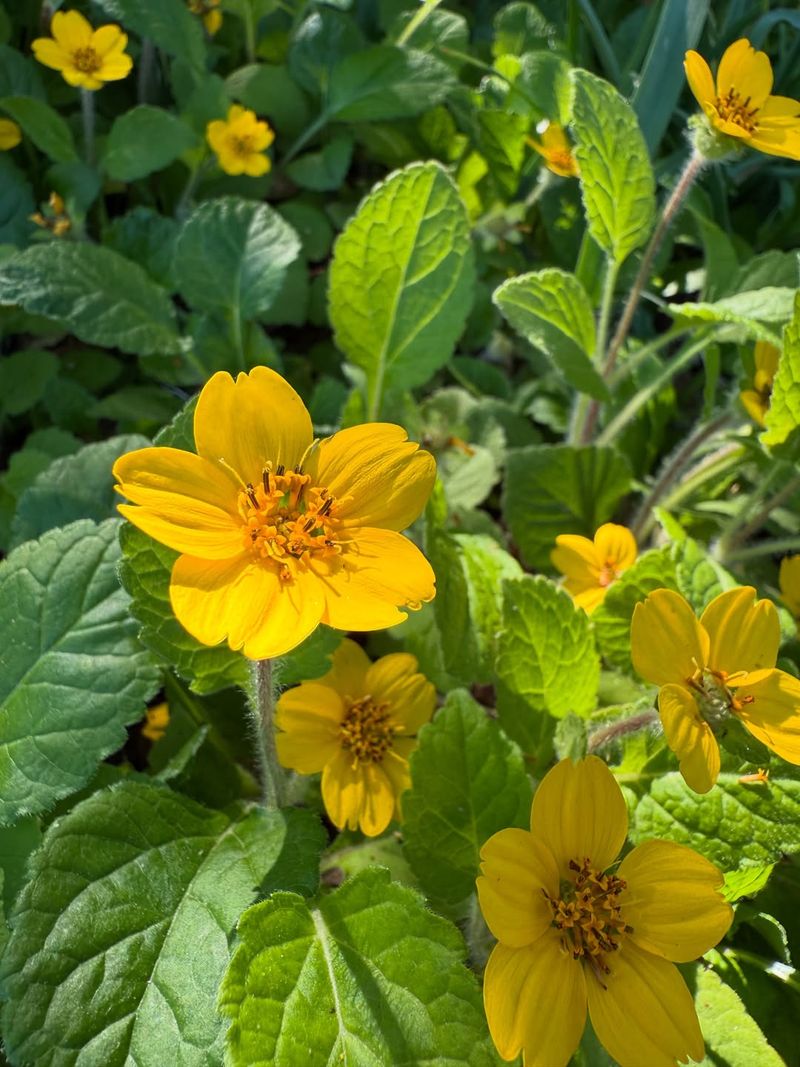
Yellow flowers popping out of a low green mat might sound too good to be true, but Green and Gold pulls it off without much fuss. Chrysogonum virginianum is a semi-evergreen native that stays relatively low to the ground and spreads steadily through runners.
In Georgia gardens, it tends to bloom most heavily in spring, with scattered flowers showing up again through fall depending on conditions.
It handles partial shade well, which makes it useful under trees where grass refuses to grow. Planting it alongside a few stepping stones gives it room to fill in the gaps naturally.
Sandy or loamy soil works better than heavy clay, though amending clay beds with compost before planting can help it establish more reliably.
Deer browsing can be an issue in some parts of Georgia, so it is worth keeping an eye on new plantings. Spacing plants about 12 to 18 inches apart gives them room to spread without crowding each other out early on.
Watering during dry stretches in the first season helps roots settle in before summer heat arrives. After that, it generally handles Georgia summers without needing much extra water.
Compared to English ivy, Green and Gold stays much shorter and does not climb trees or structures, which keeps it contained and manageable year after year.
It also supports local pollinators, with the flowers attracting small native bees early in the season when not much else is blooming.
2. Creeping Phlox Spreads Quickly In Sunny Areas
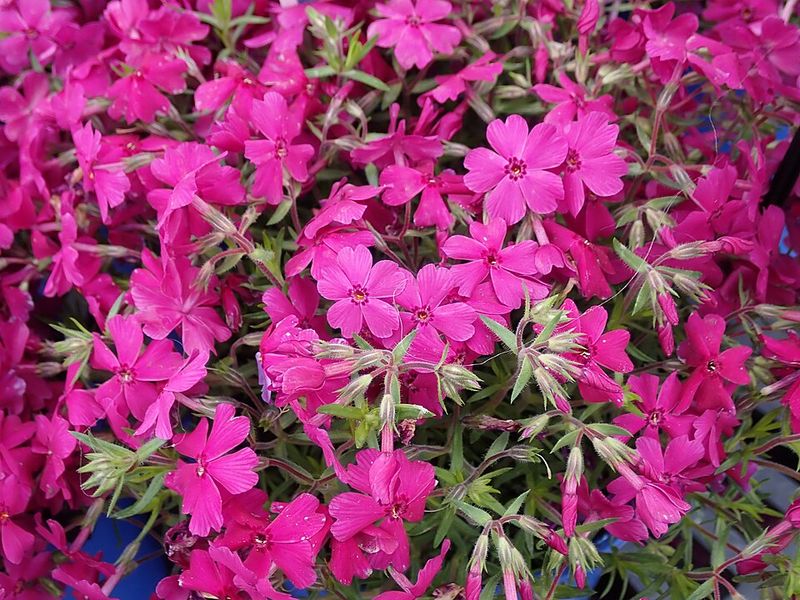
Few things in a Georgia spring garden stop people in their tracks like a hillside covered in blooming creeping phlox.
Phlox subulata puts on a serious color show in March and April, covering itself in pink, purple, white, or lavender blooms so thickly you can barely see the foliage underneath.
After the flowers fade, the needle-like evergreen leaves stay put and keep the ground covered through the rest of the year.
Slopes, raised beds, and rock gardens are where this plant really earns its spot. It does not tolerate soggy soil, so good drainage matters more than almost anything else.
In Georgia’s red clay areas, planting on a slope or mixing in coarse sand and compost before planting can make a noticeable difference in how well it performs.
Your Georgia Garden Changes Every Week. Your Plan Should Too.
Gardening in Georgia changes quickly throughout the season. Every Friday you’ll receive a simple weekly plan showing exactly what to plant, prune, fertilize, harvest, and protect so you never miss the right timing.
Full sun brings out the best bloom coverage, though partial sun still works reasonably well. Trimming it back lightly after the spring bloom keeps the plant tidy and can encourage a second flush of flowers in some years.
New plants spread at a moderate pace, so patience is needed in the first season or two. Spacing transplants about 18 inches apart is a reasonable starting point.
Unlike English ivy, creeping phlox stays flat and does not send runners climbing up walls, fences, or tree trunks anywhere in the yard.
3. Woodland Phlox Covers Ground In Light Shade
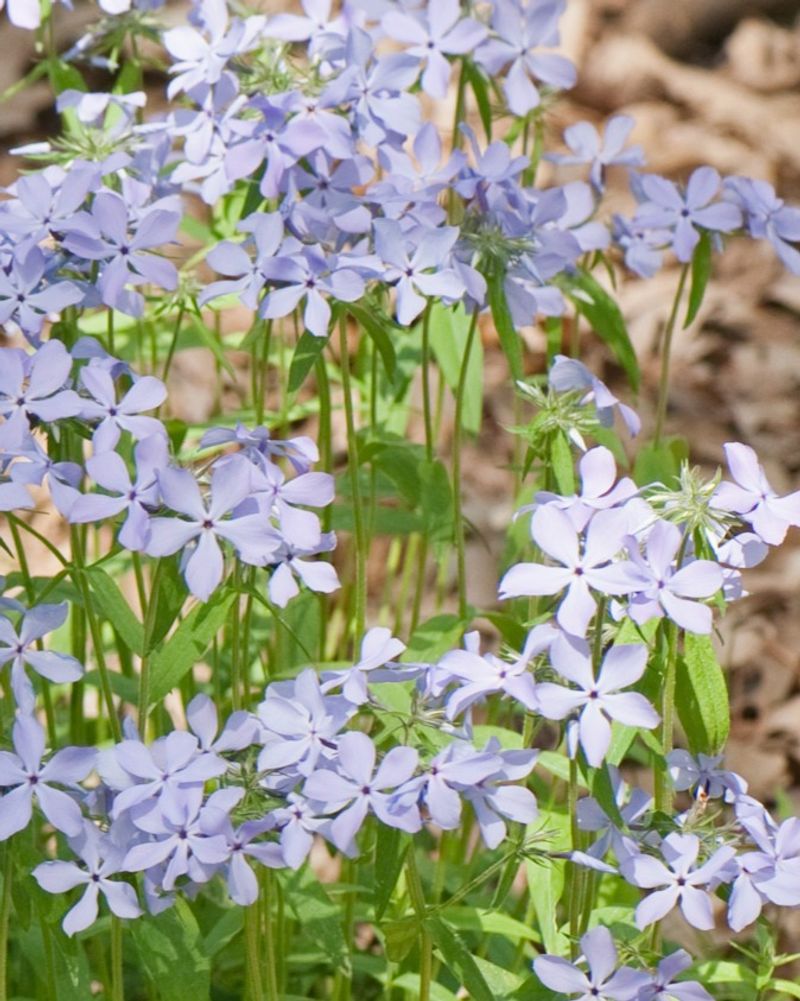
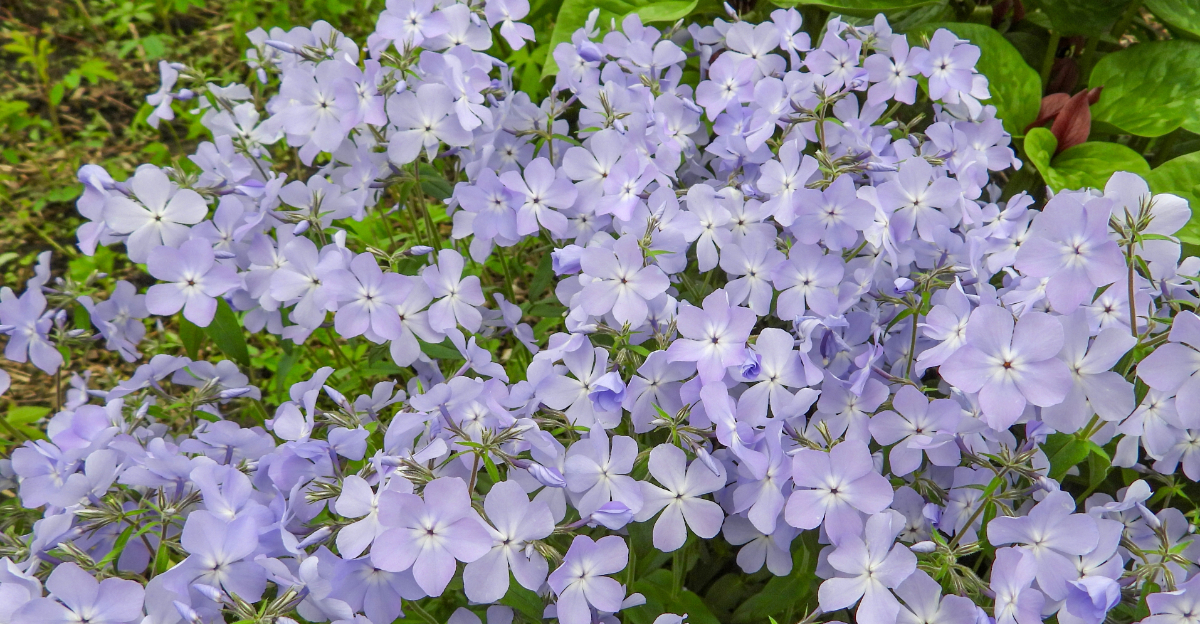
Walk through almost any Georgia woodland in April and you are likely to spot woodland phlox growing in loose drifts along the forest floor.
Phlox divaricata is a different plant from creeping phlox, with a taller, looser habit and soft lavender-blue flowers that have a light, sweet fragrance.
It tends to reach about 10 to 15 inches tall and spreads gradually through underground stems and self-seeding.
Light to moderate shade suits it best, especially the kind of dappled shade found under deciduous trees. Morning sun with afternoon shade is a combination that works well in many Georgia yards.
Heavy clay soil can be challenging, but raised planting areas with added organic matter give it a better shot at settling in comfortably.
Moisture consistency matters during the growing season. Woodland phlox does not handle prolonged drought as well as some other natives, so checking soil moisture during dry spells in summer is a good habit.
After the spring bloom, the foliage can look a little ragged, and cutting it back by about a third helps it recover and stay tidy. Pairing it with ferns or wild ginger fills in any gaps and creates a layered, natural look.
It does not spread aggressively, which makes it far easier to manage than English ivy ever was in any Georgia yard.
4. Wild Ginger Spreads Slowly In Deep Shade
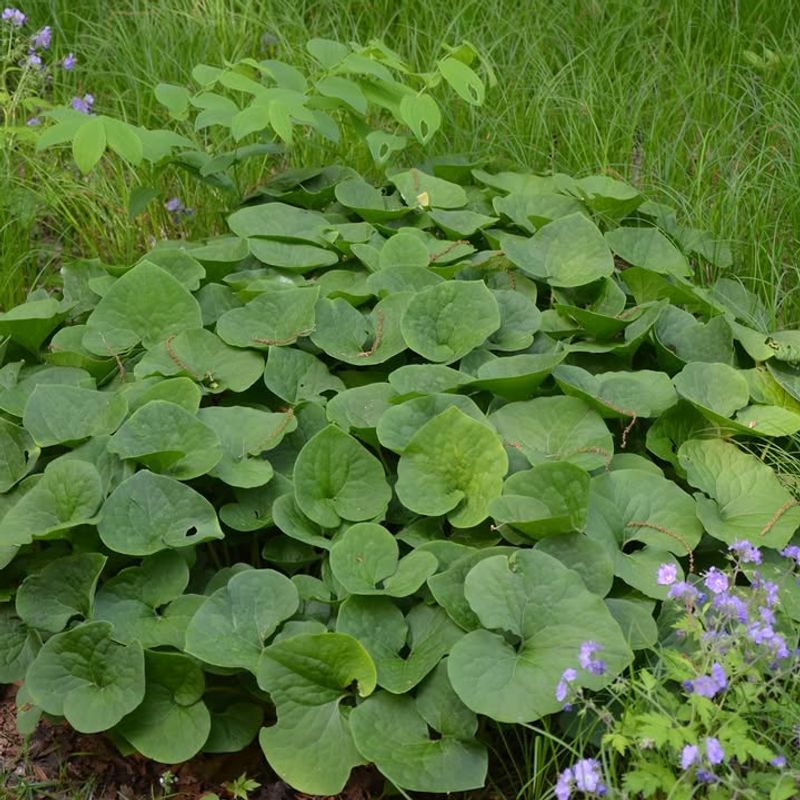
Deep shade is genuinely difficult to plant under, and most groundcovers will tell you that pretty quickly by struggling or refusing to spread. Wild ginger is one of the few plants that actually seems comfortable in those dark spots under dense tree canopies.
Asarum canadense produces large, heart-shaped leaves that overlap and form a thick mat close to the ground, blocking weeds surprisingly well once it fills in.
Spreading happens slowly, usually just a few inches per year through underground rhizomes. Patience is required with this one.
Planting multiple starts close together, around 6 to 8 inches apart, speeds up coverage and reduces the time before it starts working as a real weed suppressant.
Moist, rich soil with plenty of organic matter is what wild ginger prefers. In Georgia, that often means amending the planting area with leaf compost or aged wood chips before getting started.
Keeping the bed mulched helps retain moisture through hot summers. The flowers are tiny, reddish-brown, and hidden under the foliage near the soil, so most people never notice them.
That is fine because the foliage is the real attraction here. Deer tend to leave it alone in most areas, which is a practical bonus in suburban Georgia neighborhoods where deer pressure can be a constant frustration for anyone trying to establish new plantings.
5. Golden Ragwort Fills Space Fast In Moist Soil
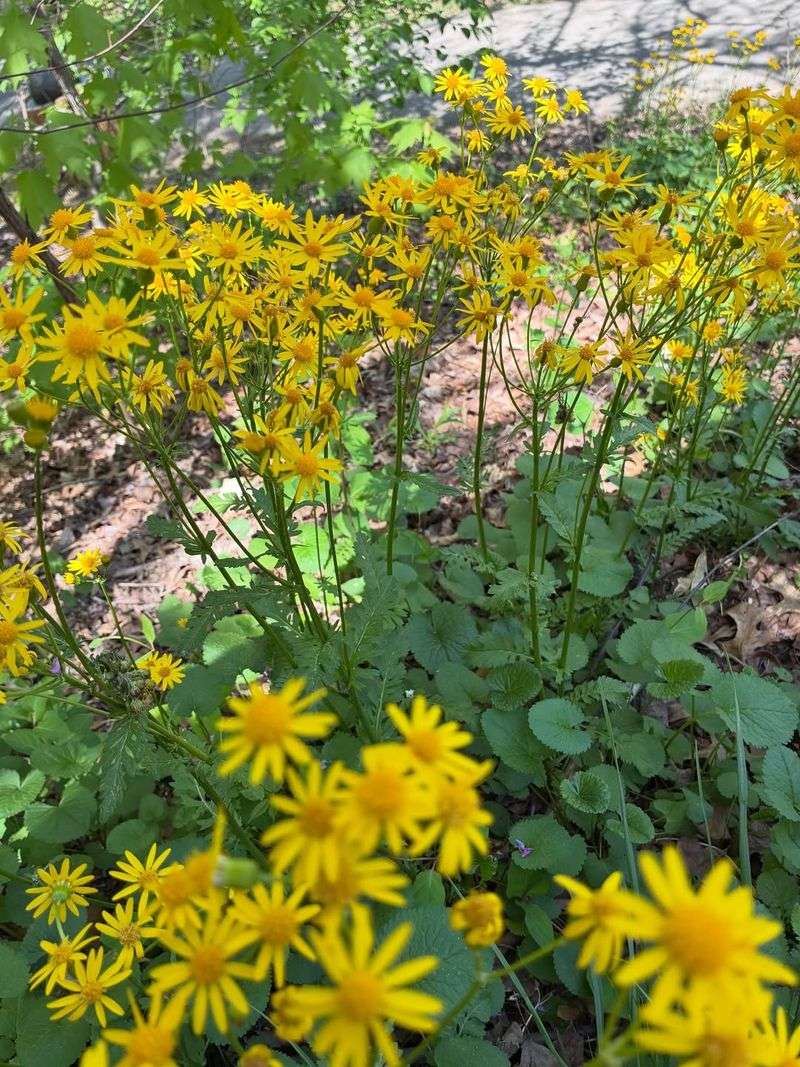
Golden ragwort gets overlooked because of its common name, but spend five minutes watching bees and butterflies work through a patch of it in bloom and the name stops mattering.
Packera aurea sends up clusters of bright yellow flowers in spring on stems that reach about 18 to 24 inches, then settles back into a low rosette of dark green leaves for the rest of the year.
It is one of the faster-spreading native groundcovers available to Georgia gardeners.
Wet or consistently moist soil is where it performs best. Rain gardens, low spots in the yard, and areas near downspouts or drainage channels are all reasonable places to try it.
It can handle seasonal flooding better than most other groundcover options, which makes it genuinely useful in spots that are hard to plant.
Partial shade to full sun both work, though afternoon shade during Georgia’s hottest months seems to keep the foliage looking better through summer. Self-seeding is part of how it spreads, so expect new plants to pop up nearby over time.
Removing unwanted seedlings while they are small is straightforward. Pollinators visit the spring flowers heavily, which adds real ecological value beyond just covering ground.
Compared to English ivy’s aggressive spread, golden ragwort fills space faster in wet areas while staying far less problematic to manage over the long term in Georgia landscapes.
6. Partridgeberry Forms A Low Evergreen Mat
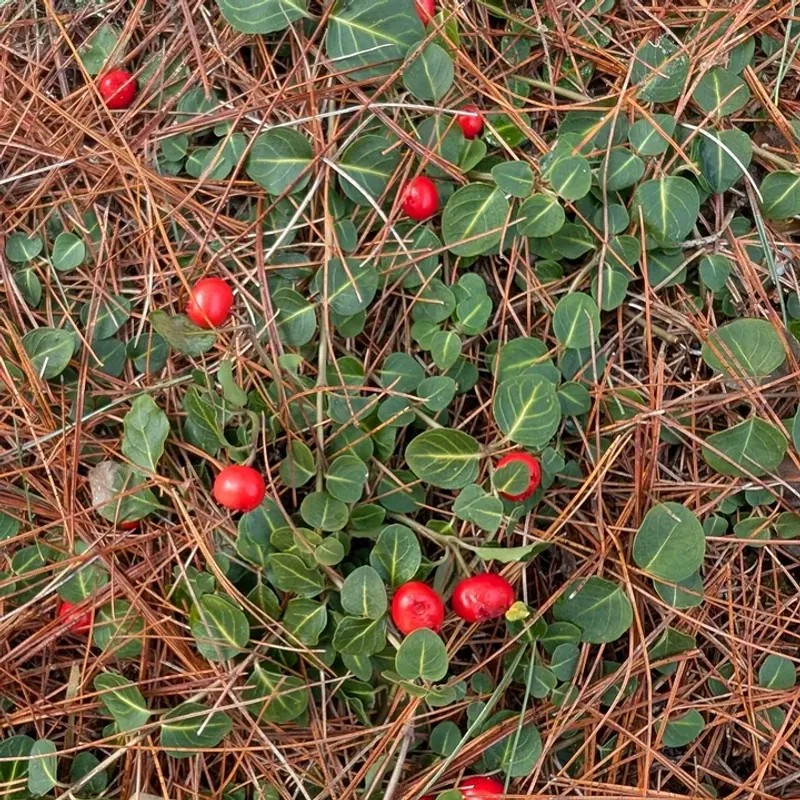
Partridgeberry is one of those plants that looks almost too delicate to survive, yet it quietly persists year after year in some of Georgia’s shadiest woodland spots.
Mitchella repens stays very low, rarely reaching more than a couple of inches tall, and spreads through trailing stems that root at the nodes as they creep along the ground.
Tiny white flowers appear in late spring, followed by bright red berries that stay on the plant through winter.
Deep to moderate shade is where it belongs. Full sun will stress it quickly, especially during Georgia summers.
It prefers acidic, well-drained soil with plenty of organic matter, which makes it a natural fit under pine trees or in wooded garden areas where leaf litter builds up naturally over time.
Spreading is gradual, so covering a large area takes several seasons. Using it as a filler around larger shade plants like ferns or trillium creates a layered look that feels genuinely natural rather than planted.
Birds eat the berries, which adds some wildlife value beyond just ground coverage. Watering during extended dry periods in the first year or two helps it establish without setbacks.
Foot traffic will damage the stems, so placing it away from high-traffic areas is important. In Georgia gardens trying to move away from English ivy, partridgeberry works well in the spots that are simply too shaded for almost anything else to survive.
7. Wild Stonecrop Creeps Along The Ground Easily
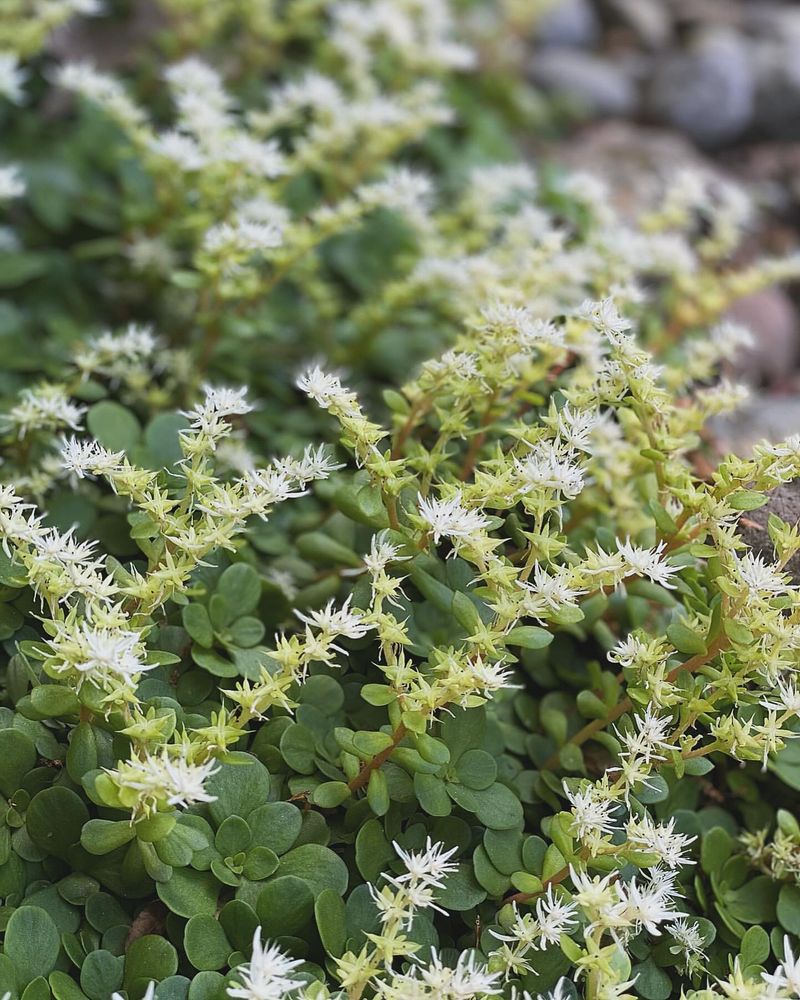
Rocky slopes, dry edges, and spots where the soil is thin and unforgiving are usually where wild stonecrop ends up doing its best work.
Sedum ternatum is a native succulent that creeps low across the ground, rooting as it goes, and produces small clusters of white star-shaped flowers in spring.
Unlike many sedums sold at garden centers, this one actually belongs in Georgia and fits naturally into local ecosystems.
Partial shade to full sun both work, though consistent afternoon shade helps in Georgia’s hotter regions, particularly in areas south of Atlanta where summer temperatures stay brutal for weeks at a time.
Soil drainage is the biggest factor in whether it thrives or struggles.
Standing water will cause problems, but dry, rocky, or sandy soil suits it well.
Spreading happens steadily through stem rooting, and it eventually knits together into a fairly solid mat. Planting starts about 10 to 12 inches apart gives each plant room to spread without competing too heavily early on.
Supplemental watering is rarely needed after the first season in most Georgia locations. Pollinators, especially native bees, visit the spring flowers regularly.
Deer tend to avoid it, which is a real practical advantage in many suburban and semi-rural Georgia yards.
For dry, difficult spots where English ivy used to run unchecked, wild stonecrop is a realistic, low-effort replacement that stays manageable without constant attention.
8. Native Violet Spreads In Sun Or Shade
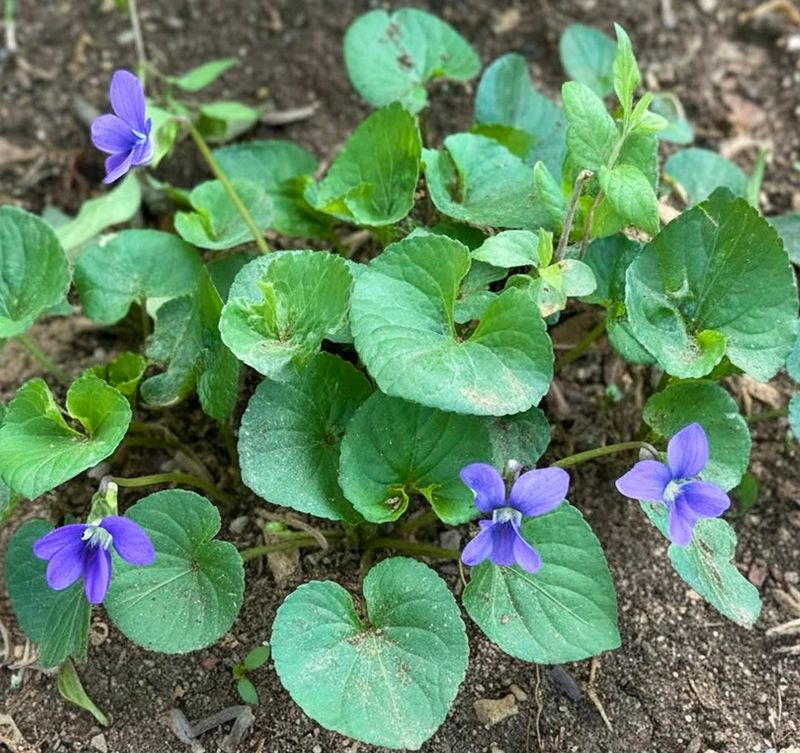
Native violets are probably already growing somewhere in your Georgia yard, and most people pull them out without realizing what they have.
Viola sororia and related native species spread through both seeds and underground rhizomes, filling in gaps in lawns, garden beds, and edges with heart-shaped leaves and purple, white, or bicolor flowers in early spring.
They are one of the only larval host plants for several native fritillary butterfly species.
Sun or shade, dry or moderate moisture, clay or sandy soil — native violets adjust to a wide range of conditions across Georgia. That flexibility is part of why they spread so readily without much help.
Planting them intentionally in areas where you want coverage means working with their natural tendencies rather than fighting them.
Self-seeding is vigorous, and in open areas they can spread more than expected in a few seasons. Keeping them out of formal beds or areas where you want precise control is a reasonable approach.
In wilder, informal parts of the yard, letting them naturalize creates a habitat-friendly groundcover that requires almost no maintenance after the first season. Pollinators use the flowers, and birds sometimes eat the seeds.
Compared to English ivy, native violets stay lower, support local wildlife more directly, and do not threaten trees or structures. For Georgia gardeners ready to stop fighting their yard and start working with it, native violets are an honest, practical starting point.