How To Prune Tomatoes In Spring In Georgia For Maximum Production
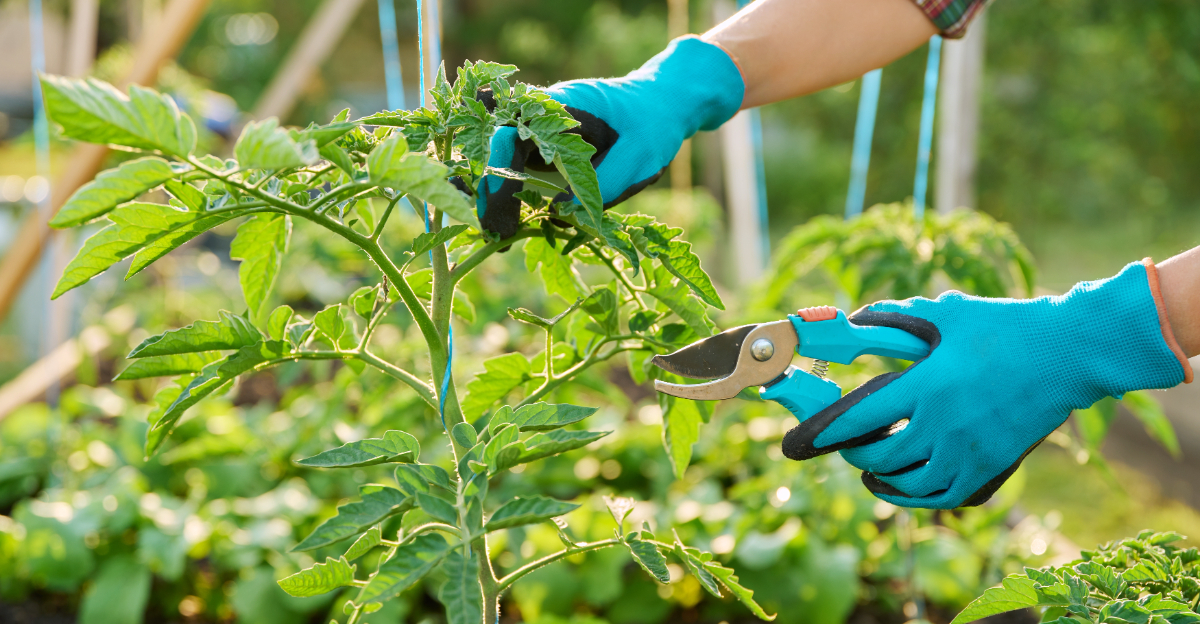
Tomato plants can look strong and full early in a Georgia spring, with thick stems and fresh leaves pushing out in every direction, giving the sense that everything is on track for a heavy harvest.
As the weeks pass, that same growth begins to crowd itself, with stems tangling together, light struggling to reach the center, and fruit developing unevenly despite the plant getting larger.
That shift often goes unnoticed at first because the plant still appears healthy from the outside. Cutting into a thriving plant does not feel like the right move, so it usually gets left untouched longer than it should.
The way those branches are handled during this stage quietly influences how much fruit the plant sets and how well it carries through the rest of the season.
1. Remove Suckers To Direct Energy Into Fruit Production
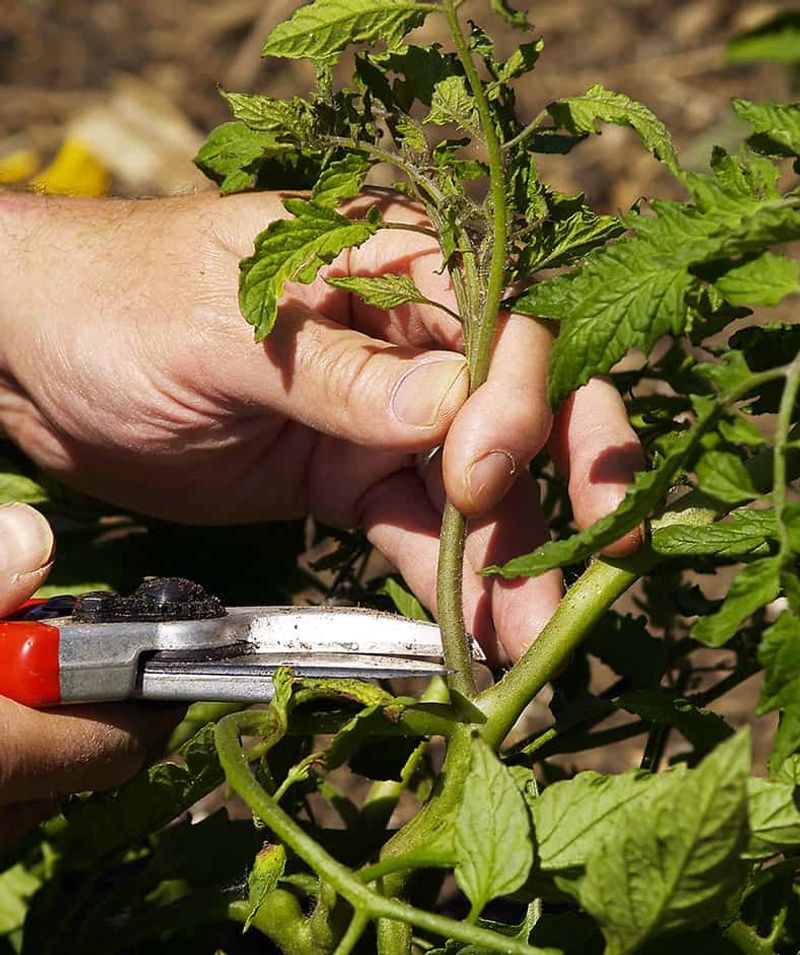
Suckers are sneaky little shoots that pop up in the crotch between the main stem and a branch, and most gardeners do not even notice them until they are already six inches long. Left alone, they become full stems that compete with the rest of the plant for nutrients and water.
Removing them early redirects that energy straight into the fruit clusters that are already forming.
Pinch small suckers off with your fingers when they are under two inches long. At that size, no tools are needed, and the wound heals fast.
Larger suckers should be cut cleanly with sharp pruners rather than torn off, since tearing can damage surrounding tissue and leave the plant vulnerable.
In Georgia, spring heat arrives quickly, and tomato plants respond by putting on a lot of new growth in a short window. Staying on top of sucker removal every five to seven days during April and May keeps plants from turning into tangled messes.
Missing a few weeks can mean a plant doubles in size but produces far fewer tomatoes than expected.
Focus on the suckers below the first flower cluster as a priority. Those low-growing suckers rarely contribute to fruit production and tend to collect soil splash, which increases disease pressure.
Removing them keeps the base of the plant cleaner and the overall structure more manageable throughout the Georgia growing season.
2. Prune Only Indeterminate Varieties That Keep Growing
Not every tomato plant needs aggressive pruning, and cutting the wrong type can actually cost you yield. Indeterminate varieties are the ones that keep growing taller and producing fruit all season, and those are the plants that respond best to regular pruning.
Common indeterminate types grown across Georgia include Better Boy, Cherokee Purple, and Early Girl.
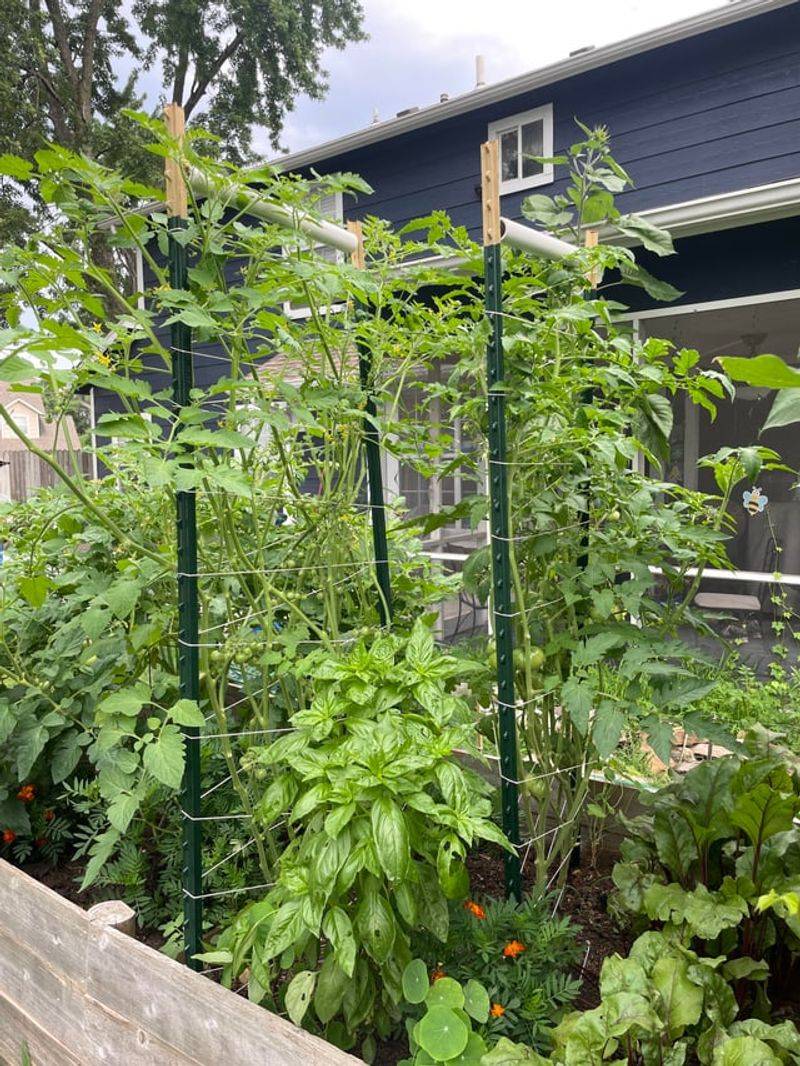
Indeterminate plants grow on a single main leader or two leaders if you prefer a slightly fuller plant. Training them to one or two stems keeps the structure tight, improves light penetration, and makes fruit easier to spot and harvest.
Without pruning, these plants sprawl into a tangled canopy that traps humidity and slows ripening.
Pruning also helps these tall varieties stay manageable on stakes or cages.
Your Georgia Garden Changes Every Week. Your Plan Should Too.
Gardening in Georgia changes quickly throughout the season. Every Friday you’ll receive a simple weekly plan showing exactly what to plant, prune, fertilize, harvest, and protect so you never miss the right timing.
Georgia gardeners dealing with afternoon thunderstorms in late spring will appreciate a plant that is compact enough to tie securely rather than one flopping under its own weight after a hard rain.
Start training indeterminate plants early in the season, around the time they reach twelve to eighteen inches tall. Waiting too long means removing larger, more established growth, which puts more stress on the plant.
Consistent, light pruning throughout spring keeps indeterminate tomatoes productive and structured without requiring dramatic cuts that shock the plant or slow its momentum right when fruiting should be building.
3. Avoid Heavy Pruning On Determinate Plants
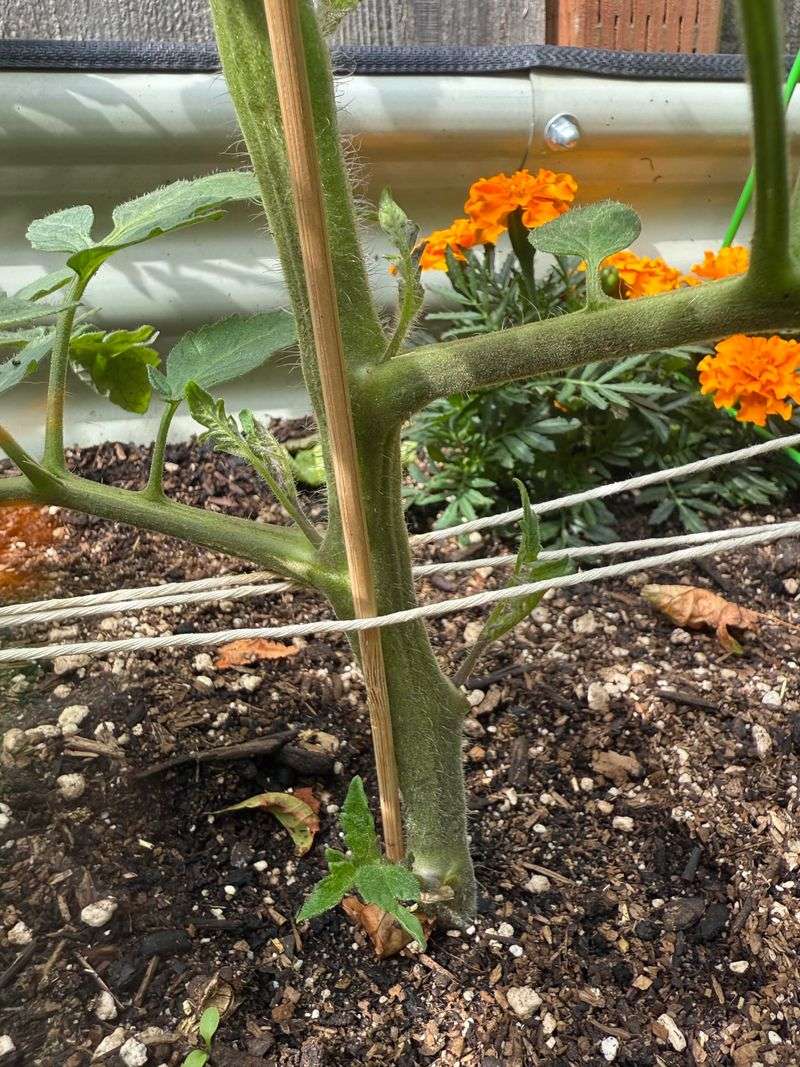
Determinate tomatoes play by completely different rules, and treating them like indeterminate varieties is one of the most common pruning mistakes Georgia gardeners make.
Varieties like Roma, Celebrity, and Rutgers grow to a set height, flower all at once, and produce their fruit in a concentrated window.
Heavy pruning disrupts that natural cycle and can noticeably reduce your total yield.
Light sucker removal below the first flower cluster is generally acceptable on determinate plants. Beyond that, leave the structure alone.
Every stem and leaf on a determinate plant contributes to powering that single big flush of fruit, so removing too much canopy weakens the plant at the exact moment it needs all its resources.
Georgia gardeners sometimes get aggressive with determinate plants thinking they are helping, especially when the plants look bushy in early spring. A fuller canopy on a determinate variety is not a problem.
It is actually what allows the plant to generate enough energy to ripen a heavy crop all at once, which is exactly what these varieties are bred to do.
If you are unsure whether your tomato is determinate or indeterminate, check the seed packet or plant tag before you start cutting. Spending two minutes confirming the variety can save you from accidentally reducing your harvest by a significant margin.
Knowing your plants before reaching for the pruners is one of the simplest habits that separates experienced Georgia growers from beginners.
4. Cut Lower Leaves To Improve Airflow And Reduce Disease
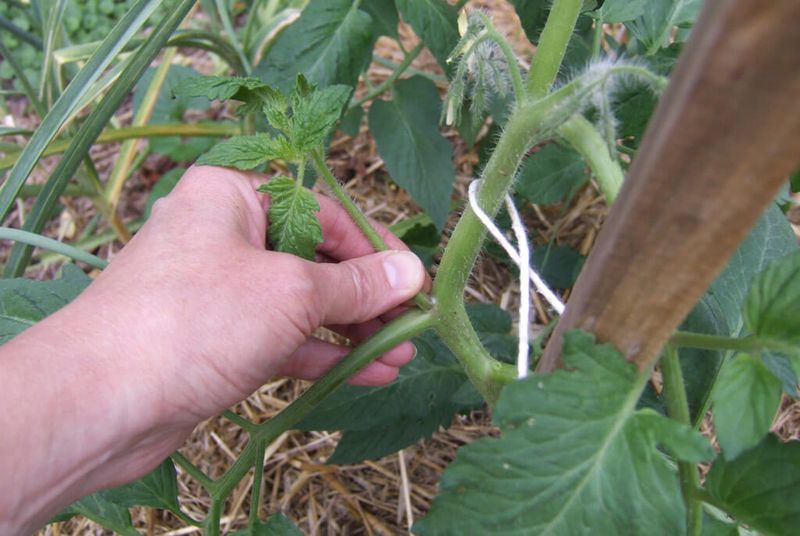
Lower leaves that hang close to the soil are a real liability in Georgia’s spring garden.
When rain or irrigation splashes soil upward onto those leaves, it carries fungal spores and bacteria that can trigger early blight, Septoria leaf spot, and other common diseases that spread fast in warm, humid conditions.
Removing the bottom six to twelve inches of foliage from your tomato plants creates a clear buffer zone between the soil and the plant canopy.
Air can move more freely around the base, surfaces dry out faster after rain, and the conditions that pathogens love become much less favorable.
It is a straightforward step that pays off across the full season.
Start trimming lower leaves once plants are established and growing steadily, usually a few weeks after transplanting. Do not strip too many leaves at once.
Take the lowest two or three sets first, then revisit the plant every week or two as it grows taller and more leaves drop into that vulnerable zone near the ground.
Georgia’s spring weather can shift quickly from dry and sunny to several days of heavy rain, which is exactly the kind of cycle that accelerates fungal problems.
Keeping the base of your plants open and clean before that wet stretch arrives is far more effective than trying to manage a disease outbreak after it already has a foothold in your garden.
Prevention here is genuinely easier than treatment.
5. Use Clean Tools To Prevent Spreading Infection
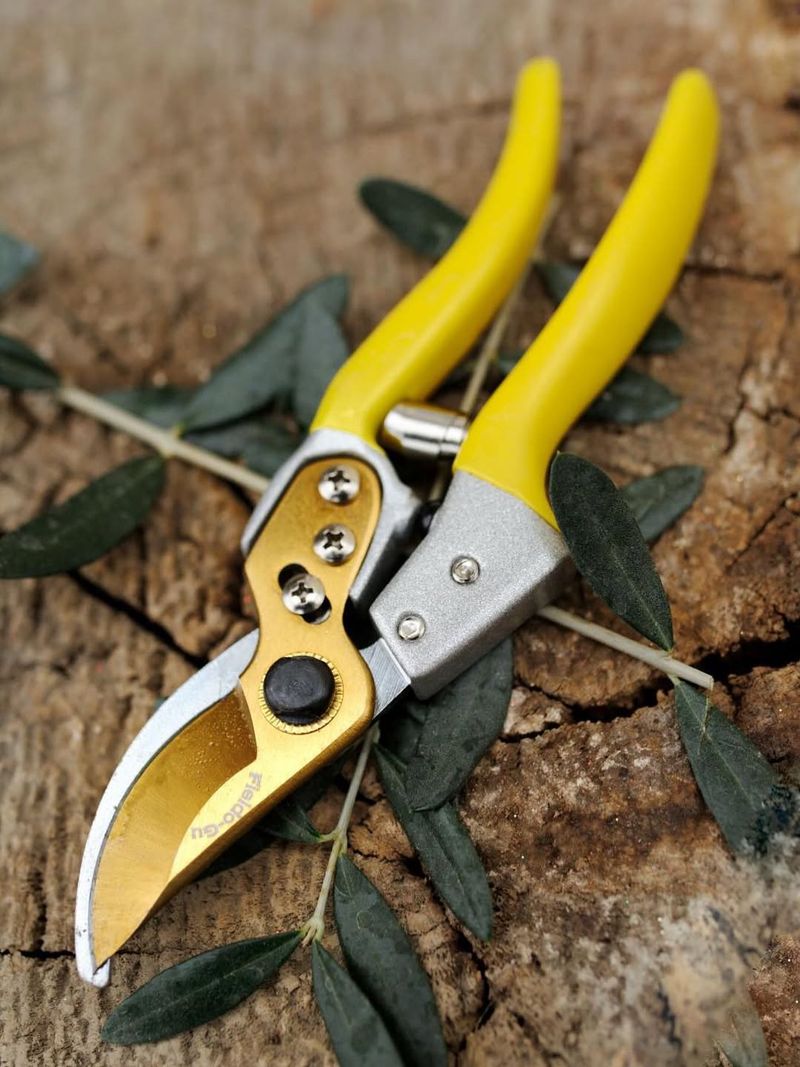
Dirty pruners are one of the fastest ways to spread disease from one tomato plant to the next without ever realizing it. Bacteria and fungal spores cling to blade surfaces after each cut, and the next plant you touch gets exposed immediately.
In a Georgia spring garden where humidity already supports pathogen growth, contaminated tools can turn a small problem into a widespread one within days.
Wiping blades with rubbing alcohol or a ten-percent bleach solution between plants takes about thirty seconds and makes a meaningful difference. Keep a small container of solution nearby while you work so the habit does not slow you down.
Some gardeners keep two pairs of pruners and alternate between them, dipping one while using the other.
Sharp tools matter just as much as clean ones. Dull blades crush and tear plant tissue instead of cutting cleanly, and ragged cuts take longer to heal while staying open to infection.
A clean, sharp cut seals over much faster and causes less overall stress to the plant.
Before the spring pruning season gets started, sharpen your pruners and inspect the springs and pivot point for rust or damage. A quick sharpening with a whetstone or a replacement blade costs very little and protects months of gardening effort.
Georgia growers who invest a few minutes in tool maintenance at the start of the season tend to spend far less time dealing with disease problems when summer heat fully arrives and plants are in peak production.
6. Prune In Dry Conditions To Lower Disease Risk
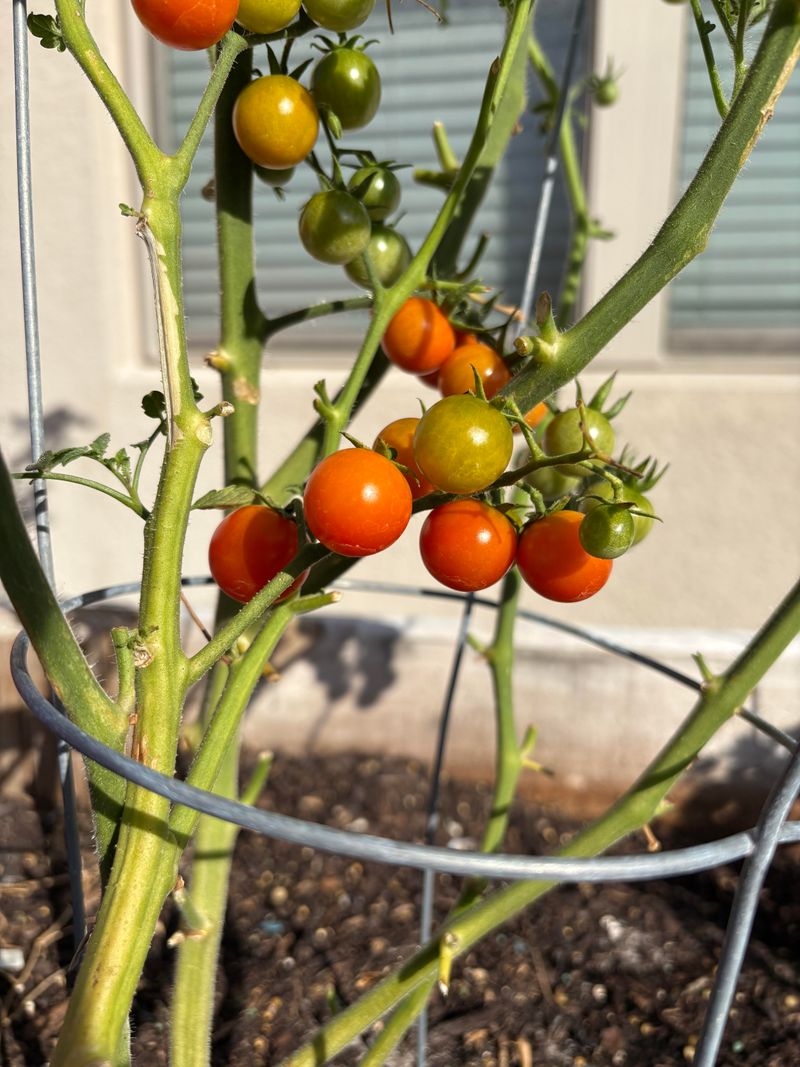
Timing your pruning sessions around the weather is something experienced Georgia gardeners pay close attention to. Cutting into a plant when leaves are wet or when rain is expected within a few hours leaves fresh wounds exposed at the worst possible moment.
Moisture on the surface combined with open cuts creates an easy entry point for fungal spores that are already present in the garden air.
Aim to prune on dry mornings after the dew has burned off but before the heat of the afternoon peaks. Mid-morning on a sunny, low-humidity day gives cuts the best chance to begin callusing over before any evening moisture rolls in.
Georgia springs can be unpredictable, so checking a two-day forecast before planning a pruning session is genuinely worth the thirty seconds it takes.
Avoid pruning the day before or after a heavy rain event. Wet soil, dripping foliage, and overcast skies all push conditions in the wrong direction.
Fungal pathogens like early blight and Septoria thrive in exactly those environments, and fresh cuts during wet weather give them a direct path into the plant’s vascular system.
Building a loose pruning schedule around Georgia’s spring weather patterns rather than a fixed calendar day keeps your plants healthier over time.
Some weeks you might prune twice if conditions cooperate, and other weeks you might skip entirely because rain is persistent.
Flexibility based on real conditions, not a rigid routine, is what tends to produce the best long-term results in the Georgia spring garden.