The Hydrangea Problem Georgia Gardeners Notice Too Late
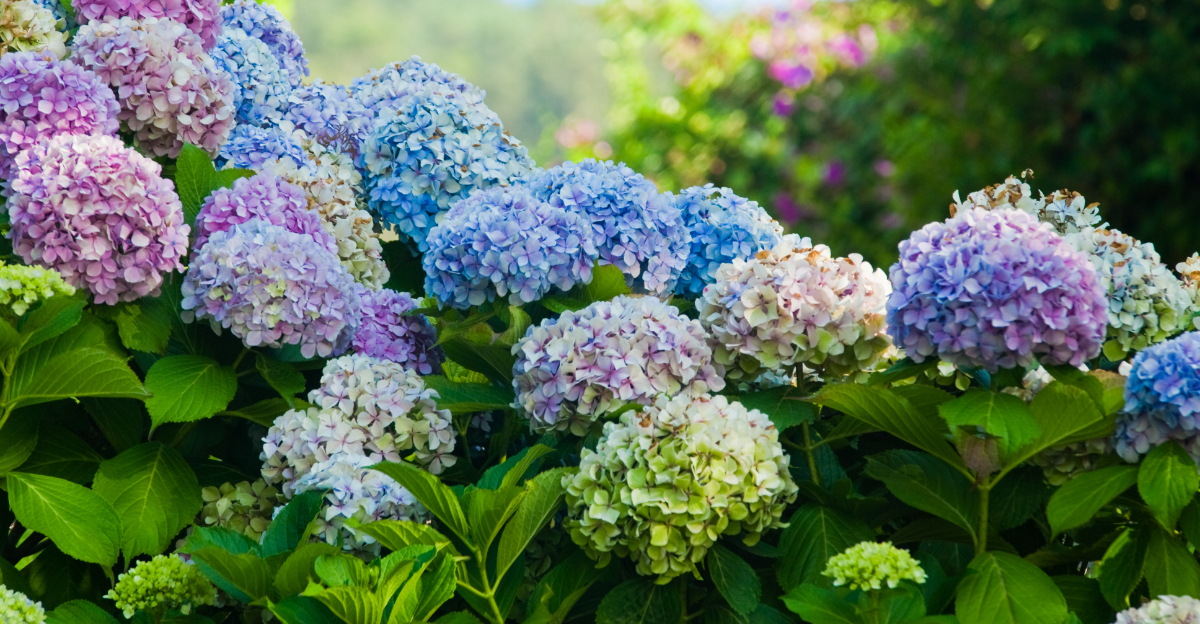
Hydrangeas can look like they are set up for a perfect season. Leaves fill in fast, growth stays steady, and everything feels on track from the start.
Then later on, something shifts, and the results fall short of what seemed almost guaranteed.
The change does not hit all at once. It builds quietly over time, and by the time it shows up, the plant already reflects it.
Blooms may come out weaker, colors can look off, or the plant just does not carry the same impact it hinted at early on.
Across Georgia, the same small early season choices keep showing up behind this, and most of them are easy to miss until it is too late.
1. Late Pruning Removes The Buds Before Bloom Season Starts
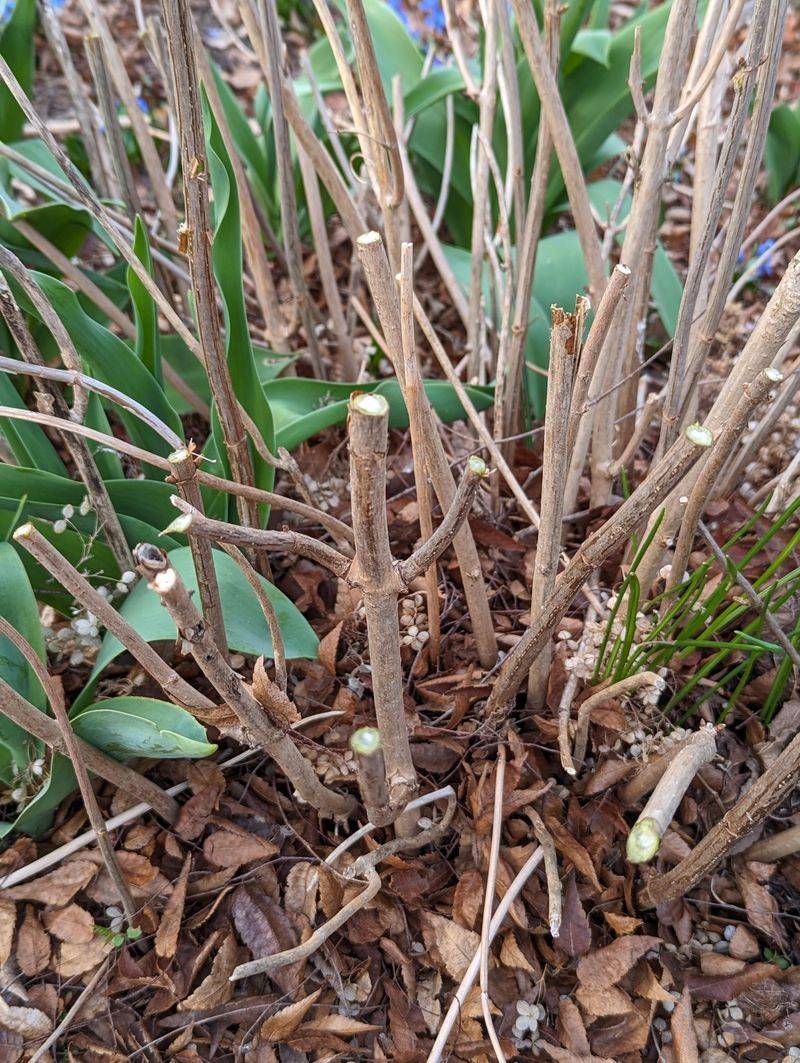
Grab the pruners at the wrong time of year, and you will not see a single flower. Pruning sounds harmless, but for hydrangeas, timing is almost everything.
Many Georgia gardeners trim their shrubs in fall or early spring because that is when most yard cleanup happens, not realizing those cuts are removing the buds that were already forming.
Buds on old-wood hydrangeas, like bigleaf varieties, develop on last year’s stems during late summer and fall. By the time February or March rolls around and you reach for those pruners, those buds are already sitting right there on the branches, small and easy to miss.
One hard pruning session wipes them all out.
It is not that the plant suffers in a dramatic way. It just spends the entire spring and summer pushing out healthy green leaves without producing a single bloom cluster.
Gardeners often blame the soil, the weather, or even the plant itself when the real cause was a well-intentioned trim at the worst possible moment.
Skipping the fall and winter pruning sessions entirely is usually the safest move if you are not sure what type of hydrangea you have.
2. Prune Only Right After Flowers Fade To Protect Next Year’s Buds
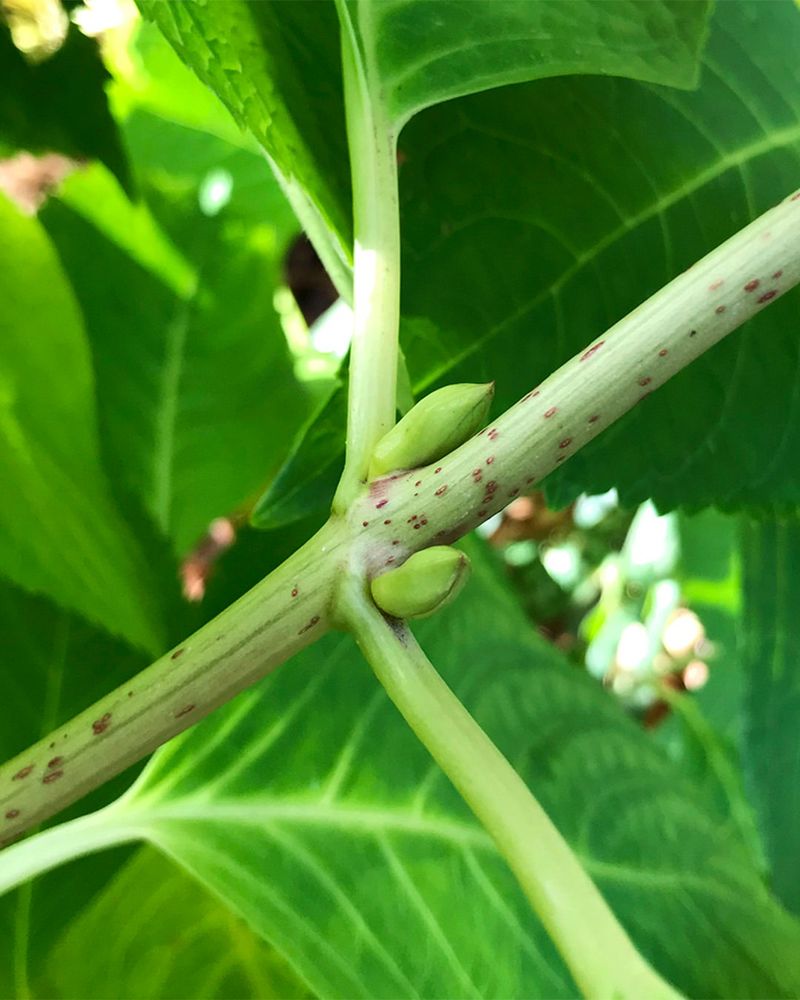
Right after the flowers fade is your window, and it closes faster than most people expect. For old-wood bloomers like bigleaf and oakleaf hydrangeas, the ideal time to prune is within a few weeks of the blooms finishing up, typically mid to late summer in Georgia.
Waiting even a few more weeks pushes you into the period when next year’s buds begin forming.
Pruning at this point does two useful things. It cleans up the tired-looking spent blooms, and it allows the plant to redirect energy toward setting healthy buds for the following season.
You are not just cutting for appearance, you are timing your cut to work with the plant’s natural cycle rather than interrupting it.
A light shaping cut is usually enough. Avoid cutting too deep into old wood unless a stem is clearly damaged.
Gardeners in Atlanta, Savannah, and other parts of Georgia often have slightly different timing based on local microclimates. A gardener in the northern mountains might have flowers fading a week or two earlier than someone gardening near the coast.
Your Georgia Garden Changes Every Week. Your Plan Should Too.
Gardening in Georgia changes quickly throughout the season. Every Friday you’ll receive a simple weekly plan showing exactly what to plant, prune, fertilize, harvest, and protect so you never miss the right timing.
3. Know If Your Type Blooms On Old Wood Or New Growth
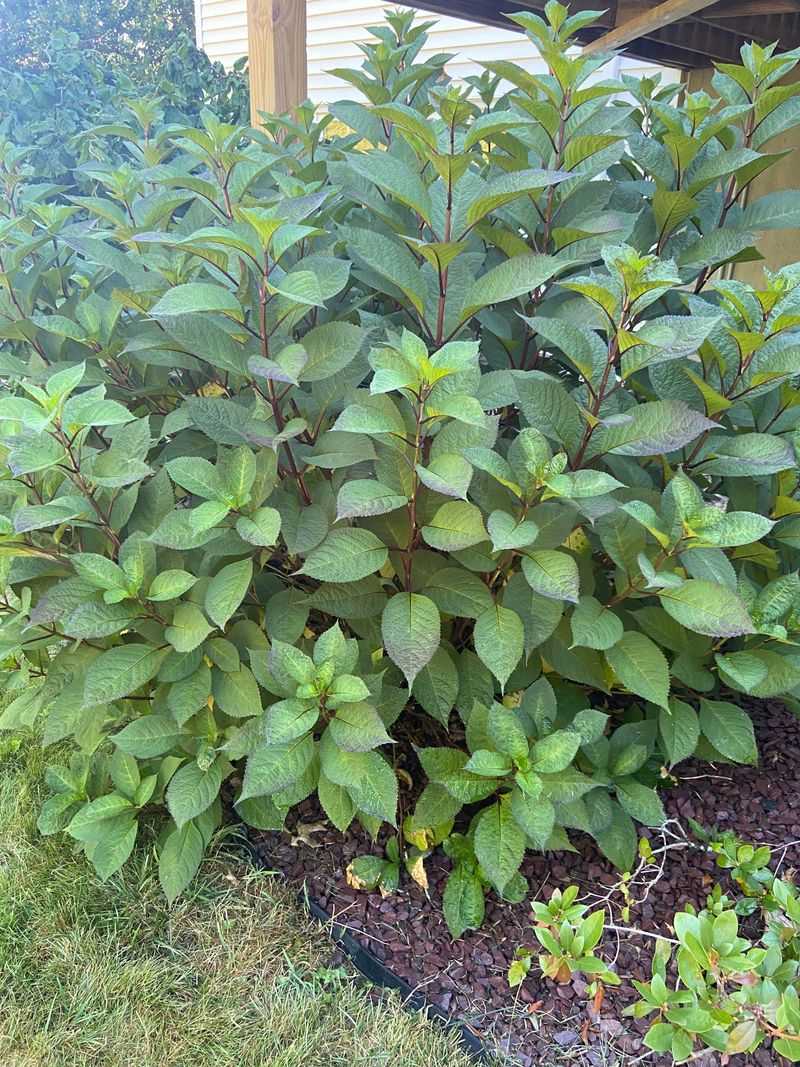
Not all hydrangeas work the same way, and mixing them up is one of the most common reasons Georgia gardeners end up without flowers year after year. Bigleaf and oakleaf hydrangeas bloom on old wood, meaning the buds formed on last year’s stems.
Panicle and smooth hydrangeas bloom on new wood, meaning fresh growth from the current season produces the flowers.
That difference completely changes how you should care for each type. An old-wood bloomer that gets cut back hard in early spring will not bloom that year, period.
A new-wood bloomer that gets cut back in late winter will actually come back stronger and bloom reliably, because the fresh growth that follows carries the flowers.
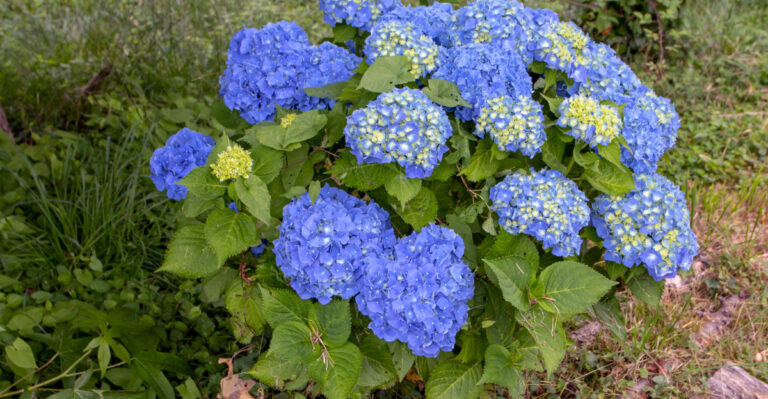
Oakleaf hydrangeas are particularly common across Georgia because they handle the summer heat fairly well and put on a long bloom show. Bigleaf varieties with their big mophead or lacecap flowers are also widely planted, especially in older neighborhoods.
Both of these are old-wood bloomers and need to be treated accordingly.
If you bought a hydrangea without a label, or if the tag got lost, there is a simple way to figure it out. Watch where the first buds appear in spring.
If they are forming on last year’s brown woody stems before any new green growth appears, you have an old-wood bloomer.
4. Avoid Cutting Back In Fall Or Early Spring
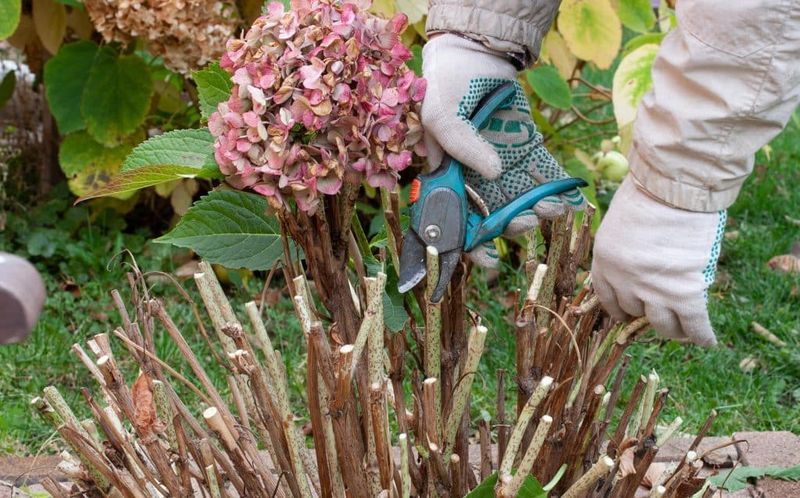
Fall cleanup feels productive, and early spring is when most gardeners get the itch to tidy everything up. Both of those urges, reasonable as they are, can seriously set back your hydrangea blooms if you act on them at the wrong plant.
Cutting back an old-wood hydrangea in October or in March is essentially cutting off the flowers you were hoping to see in June.
Georgia’s winters are relatively mild compared to northern states, but late cold snaps in February and March do happen. Some gardeners cut back hydrangeas in fall thinking they are protecting the plant from winter cold.
In most parts of Georgia, that is not necessary, and it often does more harm than good by removing buds that were already set.
Leaving the old stems standing through winter actually provides some natural protection to those buds. The dried flower heads and woody stems act as a mild buffer against temperature dips.
Cutting everything to the ground removes that buffer and leaves the new growth exposed to late cold weather in spring.
If you want to do something useful in fall, focus on adding a few inches of mulch around the base of the plant rather than cutting the stems. Mulch helps regulate soil temperature and holds moisture during dry stretches.
5. Feed Lightly To Support Healthy Bud Development
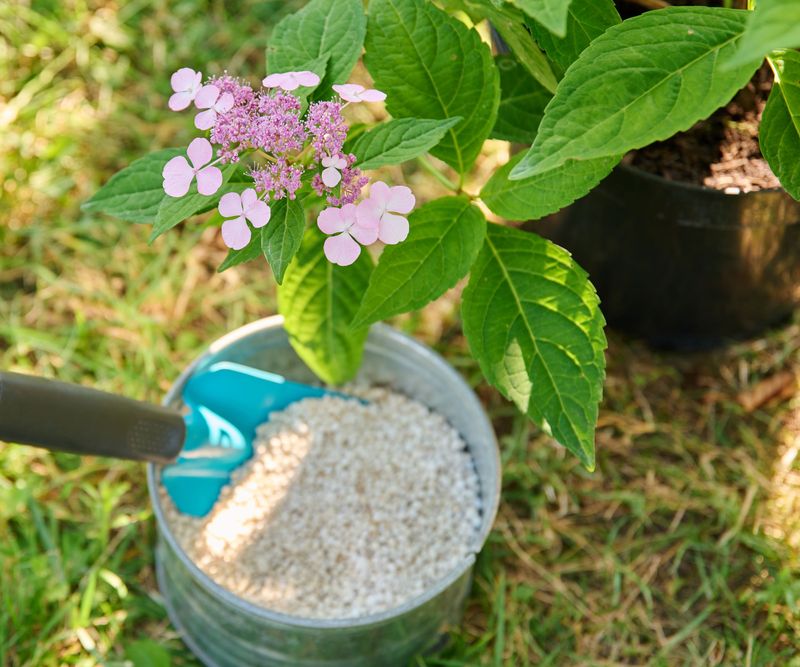
Fertilizer feels like a generous thing to do for your plants, but hydrangeas do not always respond the way you might expect.
Pushing too much nitrogen into the soil encourages the plant to produce a lot of leafy green growth, and all that energy goes into foliage rather than flowers.
It is a common trap, especially for gardeners who are used to feeding their vegetable garden heavily.
A balanced, slow-release fertilizer applied once in early spring as new growth is starting is usually enough for most hydrangeas in Georgia.
You are not trying to push the plant hard, just giving it a steady, modest supply of nutrients to support healthy bud development over the season. More is not better here.
Avoid feeding in late summer or fall. Late fertilizing can push tender new growth that has no time to harden before cooler temperatures arrive.
That soft new growth is also where next year’s buds would form, so disrupting that process at the wrong time can delay or reduce blooming the following year.
Soil quality matters more than fertilizer frequency in many Georgia yards. Heavy clay soil that drains poorly, or sandy soil that dries out too fast, will limit what the plant can do regardless of how much you feed it.
6. Water Consistently To Prevent Stress During Bud Formation
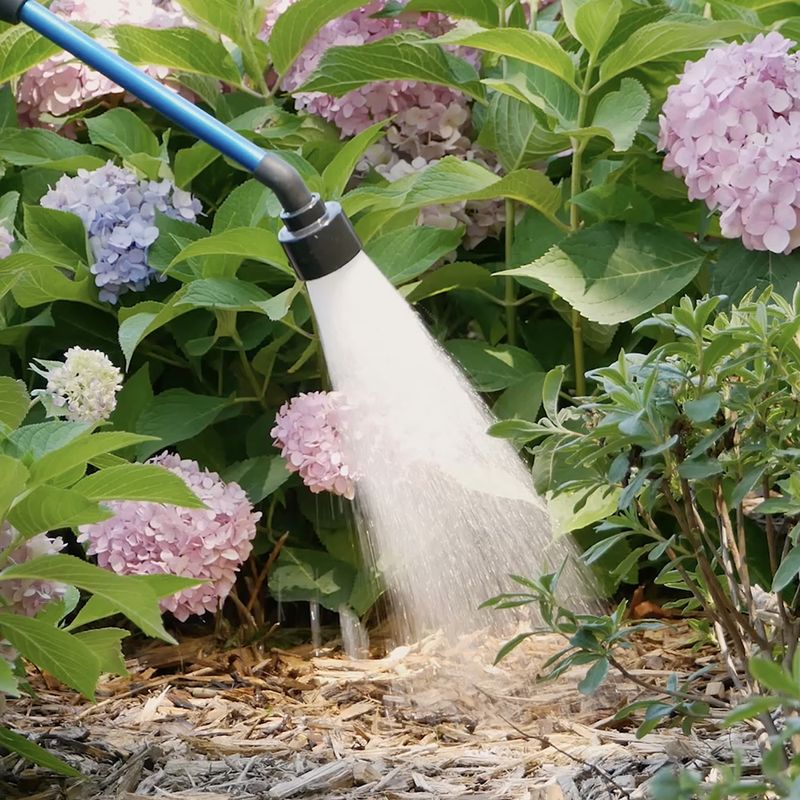
Georgia summers are no joke, and hydrangeas feel every bit of that heat. Bud formation happens in late summer, right when temperatures are still high and rainfall can get unpredictable.
A plant under water stress during that window may produce fewer buds or drop the ones it has already started forming. Consistent moisture during this stretch makes a real difference.
Aim for roughly an inch of water per week, whether that comes from rain or from you. Deep, less frequent watering is more effective than light daily sprinkles.
Watering deeply encourages roots to grow down rather than staying shallow, which helps the plant handle dry stretches on its own between waterings.
Wilting in the afternoon heat does not always mean the plant is critically dry. Hydrangeas often droop during the hottest part of a Georgia afternoon, then perk back up by evening.
If the leaves are still wilted in the morning before the heat builds, that is a clearer sign the plant actually needs water.
Mulch is one of the simplest tools for holding soil moisture through Georgia’s hot spells. A two to three inch layer of wood chips or pine bark around the base of the plant slows evaporation significantly, reducing how often you need to water.
Keep mulch a few inches back from the main stem to allow airflow. Combining consistent watering with good mulching gives hydrangeas a much better shot at forming strong buds even during dry late-summer stretches.
7. Choose Varieties That Rebloom If Mistakes Happen
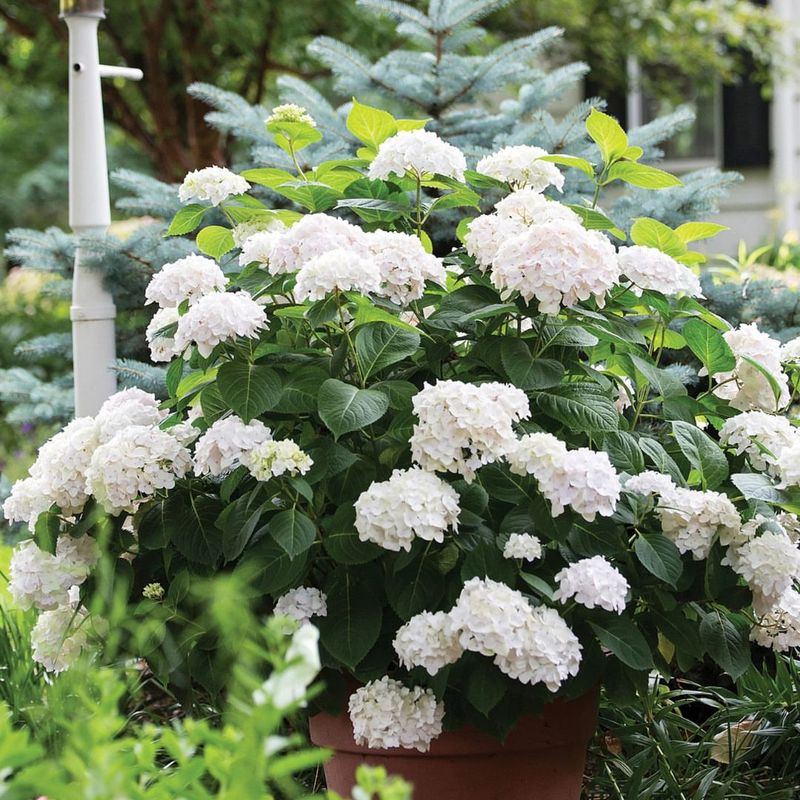
Even experienced gardeners prune at the wrong time occasionally, or forget to water during a dry stretch in August. Reblooming hydrangea varieties exist specifically to give you a second chance when that happens.
These plants bloom on both old wood and new wood, so even if the old-wood buds get removed or damaged, the plant can still push out flowers on new growth later in the season.
Endless Summer is probably the most recognized reblooming series, and it performs reasonably well across much of Georgia. Bloomstruck and Let’s Dance are other options worth looking at.
These varieties are not foolproof, and results vary depending on soil, sun exposure, and care, but they offer more flexibility than a traditional old-wood-only hydrangea.
Reblooming varieties tend to be a good starting point for anyone who is newer to growing hydrangeas or who has had repeated disappointments with older varieties.
Planting one alongside a traditional bigleaf or oakleaf gives you a comparison point and takes some pressure off the learning curve.
Panicle hydrangeas are another strong option for Georgia gardeners who want reliable blooms without worrying too much about pruning timing.
They bloom on new wood every year, tolerate Georgia’s heat reasonably well, and come in a range of sizes from compact shrubs to larger specimens.