The Biggest Mistake Arizona Gardeners Make When Planting In Summer Heat
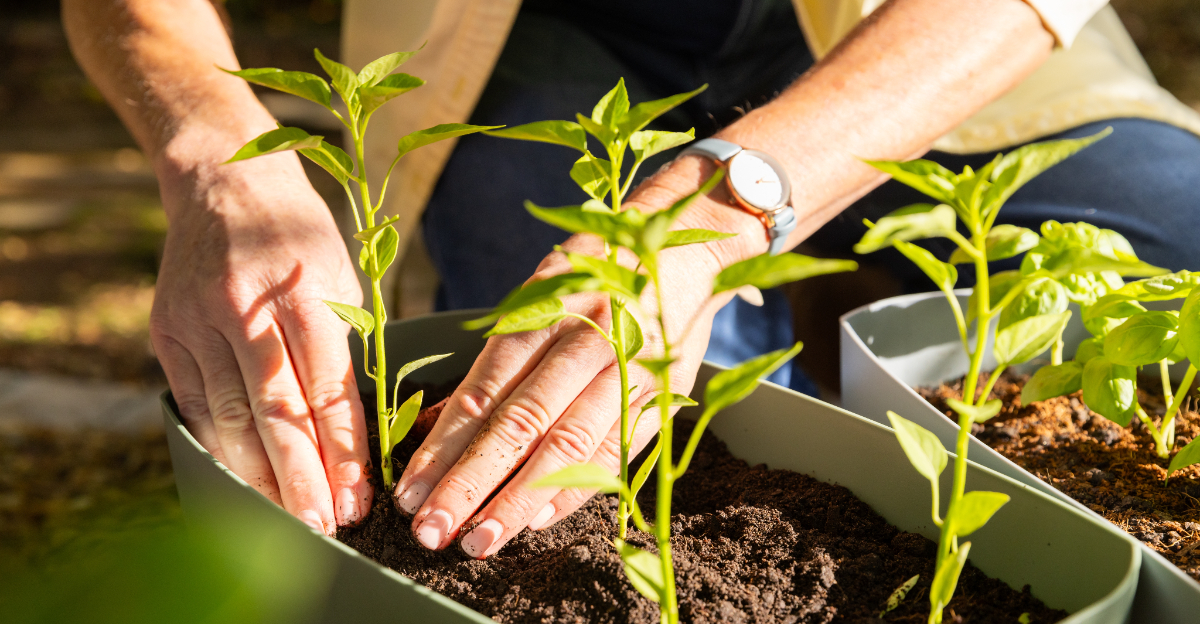
Arizona yards can look fine one day, then suddenly plants struggle without warning once real heat settles in. New plantings seem promising at first, then leaves curl, color fades, and nothing picks up the way it should.
More water gets added, yet the stress keeps showing.
Many gardeners blame the temperature alone, but something else usually triggers this pattern. Choices made during planting start working against the plant as conditions shift week by week.
What felt like a safe move earlier turns into a problem once the sun stays intense longer each day.
Catching that early changes everything and keeps plants from falling behind.
1. Planting Directly Into Full Sun During Extreme Heat
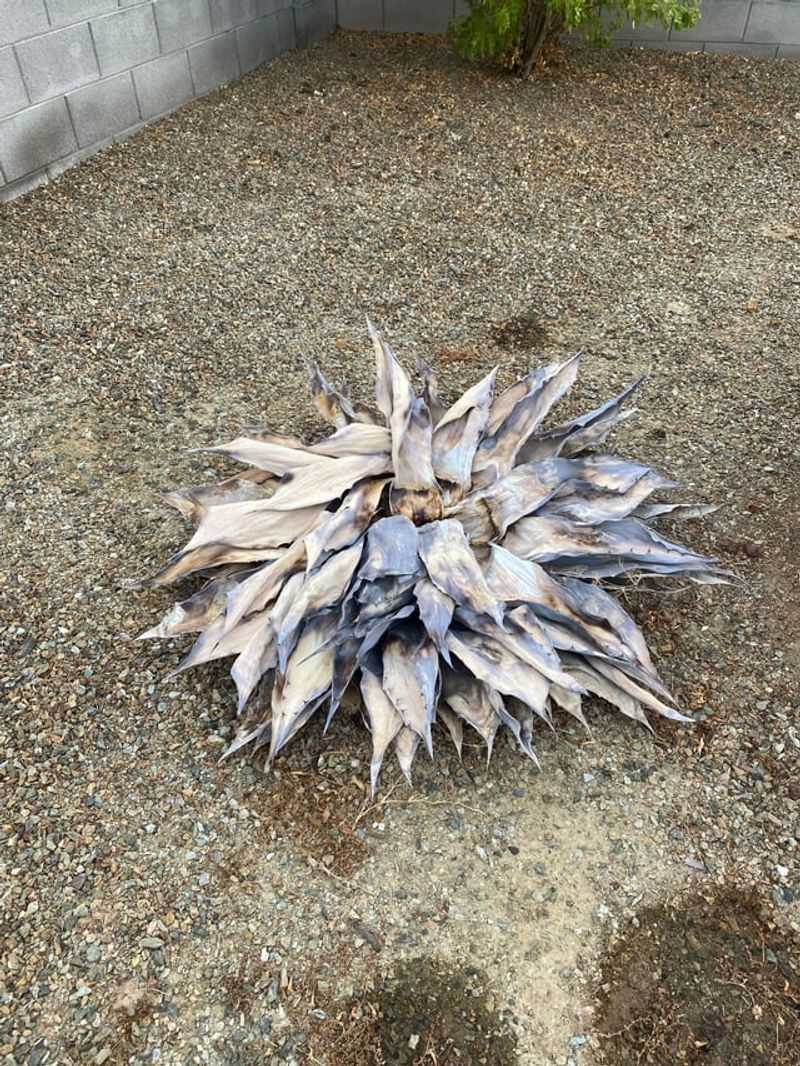
Dropping a fresh transplant into full Arizona sun on a 108°F afternoon is one of the fastest ways to send a new plant into serious stress. The soil surface in direct sun can reach temperatures well above 150°F, and a young root system simply has no defense against that kind of heat.
Most new plants arrive from nurseries where they were grown under shade cloth or in controlled greenhouse conditions. Moving them straight into unfiltered desert sun is a shock their roots are not ready to handle.
You will often see leaf curl, wilting, and browning within the first 24 hours.
Experienced Arizona gardeners know that full sun planting in July or August needs to be timed or shaded. Even heat-tolerant plants like lantana or desert marigold benefit from a few days of partial shade right after transplanting.
Planting in full, direct sun without any transition period puts unnecessary strain on root development. Roots need to anchor and spread before a plant can handle the full force of a southern Arizona summer.
Skipping that adjustment window is where most summer planting failures actually begin, not from watering mistakes or wrong plant choices.
2. Shift Planting To Early Morning Or Late Evening Hours
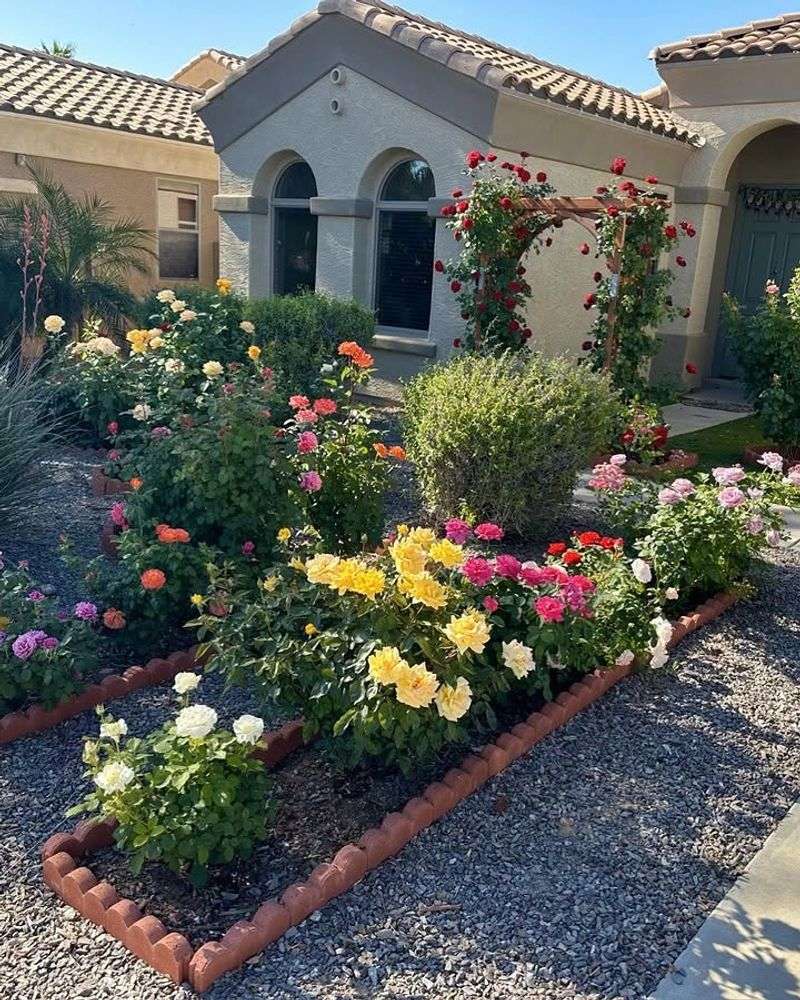
Ground temperature at 6 a.m. in Arizona is a completely different world compared to noon. Soil that hit 140°F the previous afternoon can drop to a manageable 85-90°F by early morning, and that gap matters enormously for newly planted roots trying to establish themselves.
Shifting your planting window to the first hour after sunrise gives transplants the best possible start. The air is cooler, the sun angle is low, and the soil has had all night to release stored heat.
Plants set in the ground during this window have several hours to begin settling before temperatures start climbing again.
Late evening planting works on the same principle. Once the sun drops behind the horizon in Arizona, temperatures fall quickly in most areas, especially at higher elevations around Prescott or Flagstaff.
Planting at dusk gives roots an entire night to start adjusting before facing daytime heat.
Afternoon planting, especially between noon and 4 p.m., puts transplants through maximum stress right from the start. Soil is at its hottest, sun intensity peaks, and moisture evaporates almost immediately.
Shifting your schedule by just a few hours can make a real, measurable difference in how well new plants take hold during Arizona summers.
Your Arizona Garden Changes Every Week. Your Plan Should Too.
Gardening in Arizona changes quickly throughout the season. Every Friday you’ll receive a simple weekly plan showing exactly what to plant, prune, fertilize, harvest, and protect so you never miss the right timing.
3. Use Temporary Shade To Protect New Plants From Intense Sun
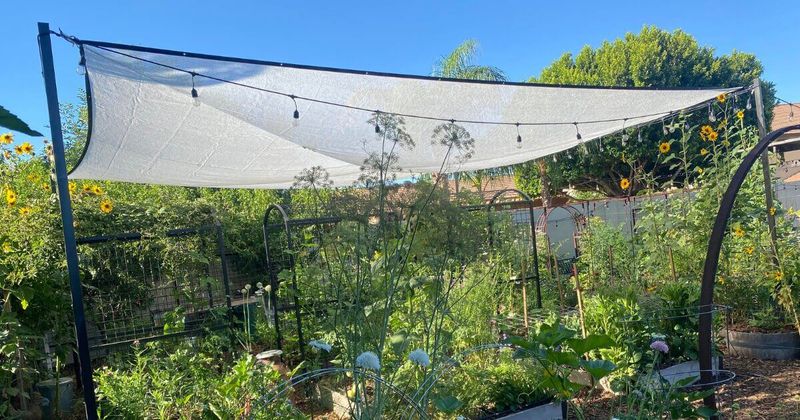
Shade cloth is probably the most underused tool in the Arizona summer garden. A simple 30-40% shade cloth draped over new transplants for the first week or two can reduce soil surface temperature by 20 to 30 degrees, which changes the survival odds for young plants considerably.
You do not need a permanent structure to make this work. A few bamboo stakes and a piece of shade cloth from any local hardware store can be set up in minutes.
Even an old bedsheet propped up with garden stakes will cut direct sun intensity enough to give transplants a fighting chance during the hottest part of the day.
The goal is not to block all sunlight, just to take the edge off during peak hours between roughly 10 a.m. and 3 p.m.
Plants still need light to photosynthesize and grow, but that brutal midday intensity in Arizona is more than most new root systems can manage without some buffer.
After about two weeks in most cases, new plants have pushed enough new roots into the soil that they can begin handling more direct exposure.
You can remove the shade cloth gradually, starting with morning and evening hours, then pulling it entirely once the plant shows consistent new growth.
4. Deep Water Before And After Planting To Reduce Shock
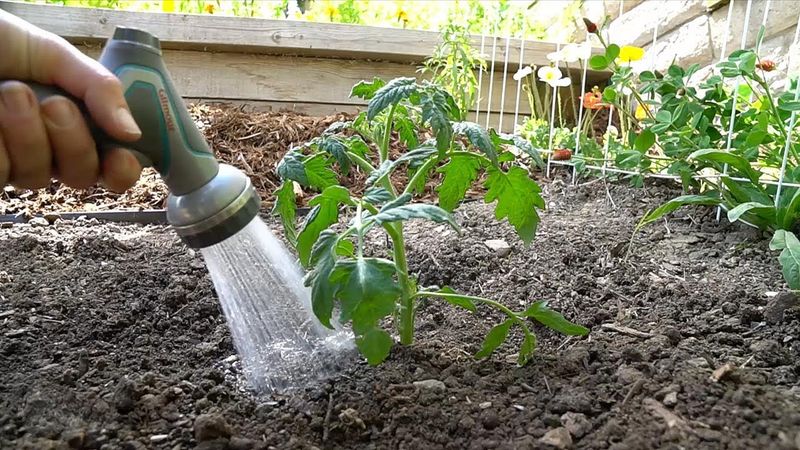
Dry soil pulls moisture out of roots almost immediately after transplanting.
In Arizona’s summer heat, that process happens faster than almost anywhere else in the country, and it catches a lot of gardeners off guard because the plant can look fine for a day or two before the stress becomes visible.
Watering the planting hole deeply before you put the plant in gives roots something to reach toward right away. Dry soil creates air pockets that cut off root-to-soil contact, slowing establishment significantly.
Soaking the hole first collapses those gaps and gives the root ball a moist environment to expand into from day one.
After planting, a slow, deep watering directly at the base of the plant matters more than a quick sprinkle over the top. Shallow watering encourages roots to stay near the surface where soil temperatures are most extreme.
Deep watering, done slowly, pulls roots downward toward cooler, more stable soil layers.
During the first two weeks after planting in Arizona’s summer heat, checking soil moisture about two inches below the surface every day is a reasonable habit. If it feels dry at that depth, water again.
New transplants in extreme heat cannot rely on stored moisture the way established plants can.
5. Add Mulch To Keep Roots Cooler And Hold Moisture
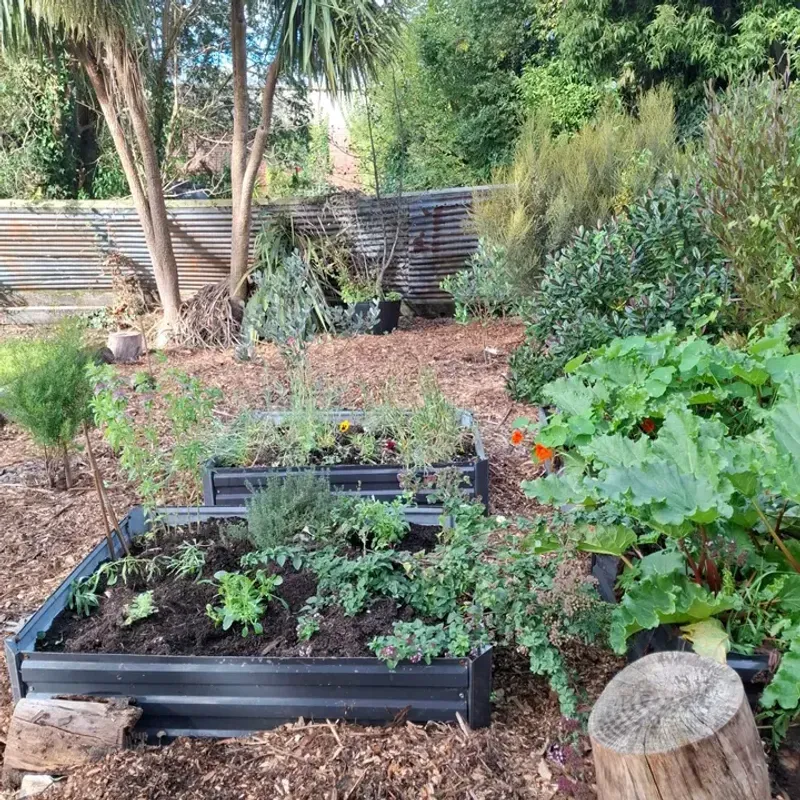
Bare soil in an Arizona summer garden is a problem that compounds itself. Without any surface cover, the sun heats the top layer of soil to temperatures that actively slow root growth and drive moisture out faster than most irrigation schedules can replace it.
Mulch solves several problems at once. A three-to-four inch layer of organic mulch like wood chips or shredded bark can keep soil temperatures meaningfully lower than bare ground, especially during peak afternoon hours.
That temperature buffer gives newly planted roots a more stable environment to expand into during the critical first few weeks.
Moisture retention is the other major benefit. Mulched soil holds water longer between irrigation cycles, which means roots stay consistently moist rather than swinging between wet and bone dry.
That consistency matters a lot for new transplants that have not yet developed the deeper root systems needed to access stored soil moisture.
Keep mulch pulled back a few inches from the plant stem to avoid creating conditions that can encourage rot or pest activity. The goal is to cover the surrounding soil, not pile material against the base of the plant itself.
6. Choose Heat-Tolerant Plants Instead Of Cool-Season Varieties
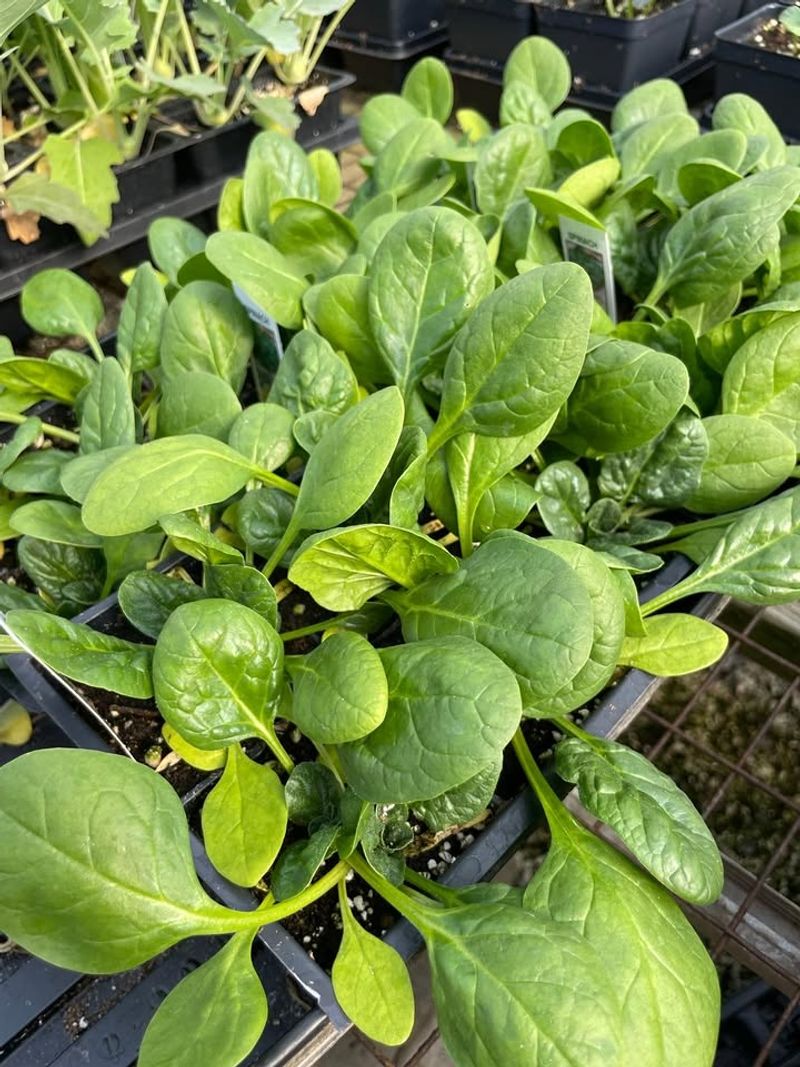
Planting cool-season vegetables like broccoli, lettuce, or spinach in July in Arizona is not a timing issue, it is a plant selection issue.
Those crops are biologically programmed to struggle and bolt when daytime temperatures push past 85-90°F, and Arizona summers spend months well above that threshold.
Heat-tolerant plants are not just a safer choice in Arizona summers, they are the practical choice. Varieties like Armenian cucumber, black-eyed Susan vine, cowpeas, and sweet potato thrive when temperatures are high.
Native and desert-adapted ornamentals like desert willow, brittlebush, and penstemon are built for exactly the conditions Arizona summers deliver.
Selecting the right plant for the season is something experienced Arizona gardeners prioritize before anything else. No amount of extra watering or shade cloth will make a cool-season crop perform well in triple-digit heat.
The energy spent fighting that mismatch is better directed toward plants that are actually suited to summer conditions in the low desert.
Checking seed packets and plant tags for heat tolerance ratings before purchasing is a quick habit that saves a lot of frustration.
Many local nurseries in the Phoenix and Tucson areas stock summer-appropriate varieties and can point you toward plants with a realistic chance of thriving rather than just surviving.
7. Space Plants Properly To Improve Airflow And Reduce Stress
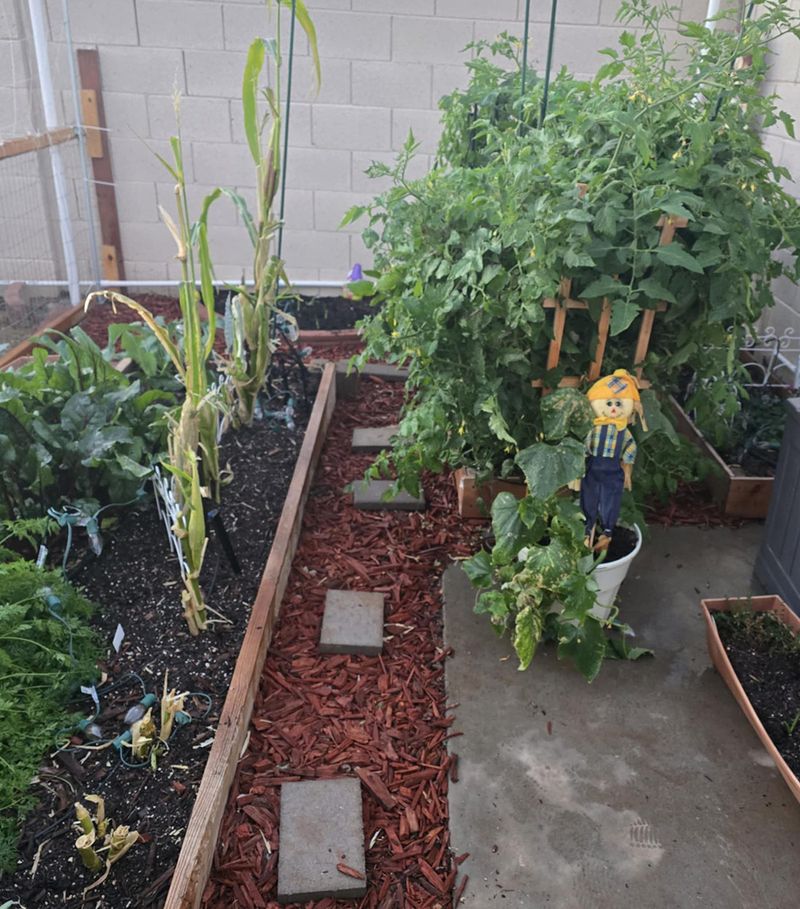
Crowding plants together might seem like a way to create shade and conserve moisture, but in Arizona’s summer heat it usually creates a different set of problems.
When plants are too close together, air circulation drops and humidity builds up around the foliage, which can encourage fungal issues and make heat stress worse rather than better.
Proper spacing also means each plant gets a fair share of available soil moisture without competing with neighbors. In summer heat, root competition for water can slow establishment noticeably.
Giving each plant room to spread its root system without interference improves its ability to pull in the water it needs during those critical early weeks.
Airflow matters more than most Arizona gardeners realize. Moving air helps regulate leaf temperature through a process called transpiration, where moisture evaporates from leaf surfaces and cools the plant slightly.
Blocked airflow shuts down that natural cooling mechanism and leaves plants more vulnerable to heat stress during the hottest parts of the day.
Spacing recommendations on plant tags are based on mature size, but in Arizona’s summer conditions it is worth giving plants even a little extra room beyond those guidelines.