These Lawn Fertilizers Face Restrictions In Parts Of Florida
Nothing takes the wind out of your sails faster than buying a lawn product, heading home ready to clean up the yard, and finding out it may not even be allowed in your area.
That is the reality for some Florida homeowners.
Lawn rules in this state are not always cut and dried, and in some places certain lawn fertilizers face seasonal bans or other limits. It is not just red tape for the sake of it either.
A lot of it ties back to bigger concerns that hit close to home. That is why knowing the rules before you treat your lawn can save you a world of trouble.
1. Nitrogen And Phosphorus Fertilizer Goes Off Limits In Jupiter Each Summer
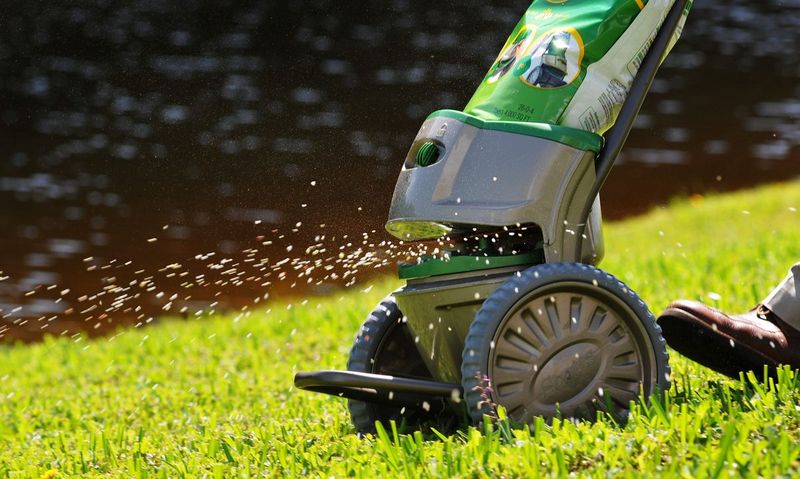
Every June 1, something changes for lawn-care routines in the Town of Jupiter. A local ordinance kicks in that prohibits residents and commercial applicators from applying fertilizer containing nitrogen or phosphorus to lawns and landscapes.
That restriction stays in place all the way through September 30, covering the full stretch of Florida’s rainy season.
Jupiter’s rainy-season fertilizer ban is a local rule, not a statewide Florida law.
Homeowners in Jupiter cannot apply nitrogen-based or phosphorus-based fertilizers to their private lawns during this four-month window.
The rule was put in place under the town’s own fertilizer ordinance, which covers both residential and commercial fertilizer use within town limits.
The reasoning behind the timing is straightforward from a regulatory standpoint. Heavy summer rains increase the risk that nutrients from fertilizer applications will wash off lawns before the grass can absorb them.
Jupiter’s ordinance addresses this by restricting the specific fertilizer types most associated with that kind of runoff during the wet months.
If you live in Jupiter, the safest move is to finish any nitrogen or phosphorus fertilizer applications before June 1 each year. After September 30, regular schedules can resume.
The Town of Jupiter’s official website at jupiter.fl.us includes detailed information about the ordinance, including which products are covered and what the rules say about slow-release formulas.
Checking the official town page directly is the most reliable way to confirm current requirements, since local ordinances can be updated.
This restriction is specific to Jupiter and does not automatically apply to neighboring Palm Beach County communities.
2. Miami Dade Cracks Down On Rainy Season Lawn Fertilizer
Miami-Dade County runs on its own schedule when it comes to fertilizer restrictions, and it is a longer one than many homeowners expect.
The county’s fertilizer ordinance establishes a restricted period that runs from May 15 through October 31, which is notably different from the June 1 to September 30 window used by some other Florida municipalities.
That extra time on both ends matters for anyone planning a fall lawn treatment.
Under the Miami-Dade ordinance, applying fertilizer containing nitrogen or phosphorus to lawns and landscapes is prohibited during this restricted period. The rule applies to residential properties as well as commercial applicators working within the county.
Miami-Dade’s ordinance is a county-level rule, not a statewide Florida requirement, so it applies specifically to properties within unincorporated Miami-Dade and municipalities that have adopted the county standards.
Your Florida Garden Changes Every Week. Your Plan Should Too.
Gardening in Florida changes quickly throughout the season. Every Friday you’ll receive a simple weekly plan showing exactly what to plant, prune, fertilize, harvest, and protect so you never miss the right timing.
The county’s official fertilizer guidance page at miamidade.gov/fertilizer outlines the specific products affected and the scope of the ordinance.
Homeowners should review that page directly rather than relying on general summaries, because the county’s language is more detailed than a simple seasonal ban.
There are provisions related to fertilizer formulations and application conditions that go beyond just the calendar window.
For residents planning lawn care in Miami-Dade, the practical takeaway is to wrap up nitrogen and phosphorus fertilizer applications before May 15 and hold off on resuming until after October 31.
That is a five-and-a-half-month pause, which is longer than many people realize.
Checking with a licensed fertilizer applicator or the county extension office is a smart move before applying any product during the restricted months.
3. Fort Lauderdale Blocks Some Lawn Fertilizer During Rainy Season

Fort Lauderdale has its own local rules about lawn fertilizer, and they follow a familiar seasonal pattern. The city prohibits the application of fertilizer containing nitrogen and phosphorus during the rainy season, which runs from June 1 through September 30.
This is a city-level ordinance, not a Florida state law, and it applies within Fort Lauderdale’s city limits.
The Fort Lauderdale restriction covers both residential and commercial fertilizer applications. During the June through September window, using nitrogen-containing or phosphorus-containing fertilizer on lawns and landscapes in the city is not allowed.
The city’s official page on fertilizer best practices, available through fortlauderdale.gov, provides guidance on what is restricted and how homeowners and lawn care professionals can stay compliant during the blackout period.
One thing worth knowing is that Fort Lauderdale’s fertilizer page frames the restrictions as part of broader best management practices, not just a single hard cutoff rule.
The city encourages year-round responsible fertilizer use, including maintaining proper buffer zones near water features and avoiding applications before rain events.
The rainy-season prohibition on nitrogen and phosphorus is the most direct restriction, but the city’s guidance goes further in encouraging careful application habits during the rest of the year as well.
For homeowners in Fort Lauderdale, timing is everything. Getting fertilizer applications done before June 1 is the cleanest approach.
After September 30, normal schedules can return. Lawn care companies operating in Fort Lauderdale are also subject to these rules, so if you hire a service, confirm they are following the current city ordinance.
Always verify requirements on the official city page since local rules can change.
4. St. Petersburg Starts A Summer Fertilizer Blackout Every June
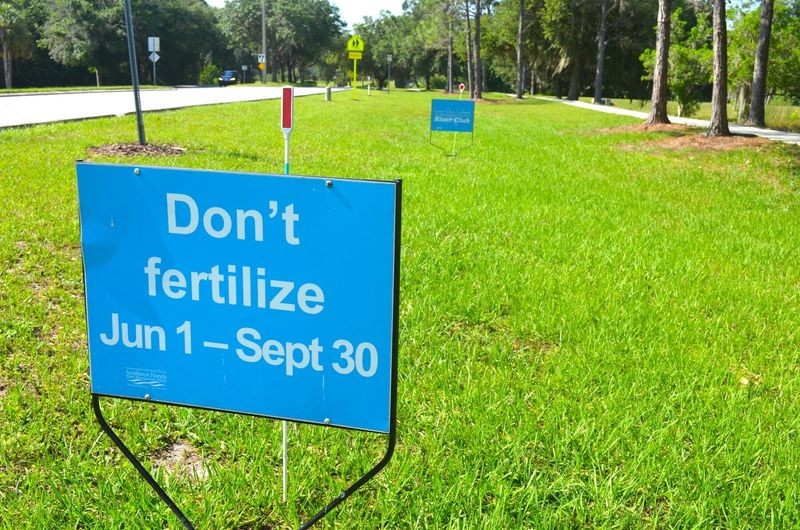
St. Petersburg residents face an annual fertilizer blackout that follows Pinellas County’s fertilizer ordinance framework.
The blackout period runs from June 1 through September 30, covering the rainy season months when heavy rainfall increases the chance that fertilizer nutrients will leave the lawn before the grass can use them.
St. Petersburg’s own city communications have promoted this restriction as part of a broader Pinellas County ordinance effort, so the rule reflects a county-level framework rather than a standalone city ordinance.
During the blackout period, applying fertilizer containing nitrogen or phosphorus to lawns and landscapes is prohibited. This applies to homeowners and commercial lawn care applicators working within the city and the broader county ordinance area.
St. Petersburg’s official city page has previously highlighted the June 1 start date and the importance of completing fertilizer applications before summer rains begin.
The city has framed the blackout as an annual event that residents should plan around, with reminders typically going out in late May.
Slow-release fertilizer formulations are sometimes discussed in county guidance as a consideration outside the blackout window, but during the June through September period, the restriction on nitrogen and phosphorus-containing products is the governing rule regardless of formulation.
Homeowners in St. Petersburg should check the current Pinellas County fertilizer ordinance and the city’s official communications to confirm the most up-to-date scope of the restriction.
Because the rule is tied to county-level ordinance language, changes at the county level can affect what applies within city limits.
The city’s news page and the county extension office are both reliable places to verify current requirements before applying any fertilizer products in summer months.
5. Naples Puts Phosphorus Fertilizer Off Limits Without A Soil Test
Naples takes a particularly specific approach to phosphorus fertilizer, and it is one that surprises many homeowners. Under the city’s rules, phosphorus fertilizer applications are generally prohibited unless a soil test confirms a phosphorus deficiency in the lawn.
Even then, city approval is required before applying a phosphorus-containing product. This is not just a seasonal restriction but a year-round limitation on a specific nutrient type.
The City of Naples also enforces a seasonal restriction on both nitrogen and phosphorus fertilizers that follows the June 1 through September 30 rainy-season window. During those months, applying fertilizers containing these nutrients is prohibited.
Additionally, the city’s guidance includes weather-triggered restrictions, meaning fertilizer applications are not permitted when rain is expected within a certain timeframe, even outside the official blackout period.
Naples’ official natural resources page at naplesgov.com outlines the fertilizer rules in detail, including the soil test requirement for phosphorus, the seasonal blackout dates, and the weather-related application restrictions.
The city’s rules apply to landscape maintenance within Naples city limits and are part of a broader effort to manage nutrient levels through local ordinance rather than relying solely on state law.
For homeowners in Naples, the phosphorus rule is the most distinctive element. Getting a soil test done before applying any phosphorus product is not optional under the city’s ordinance.
If the test shows a deficiency, city approval is still needed before treatment. Lawn care companies operating in Naples should be familiar with these requirements.
Checking the official Naples government page directly is the best way to confirm current rules, since local ordinances can be updated at any time.
6. Miami Beach Restricts Glyphosate Use On City-Owned Property
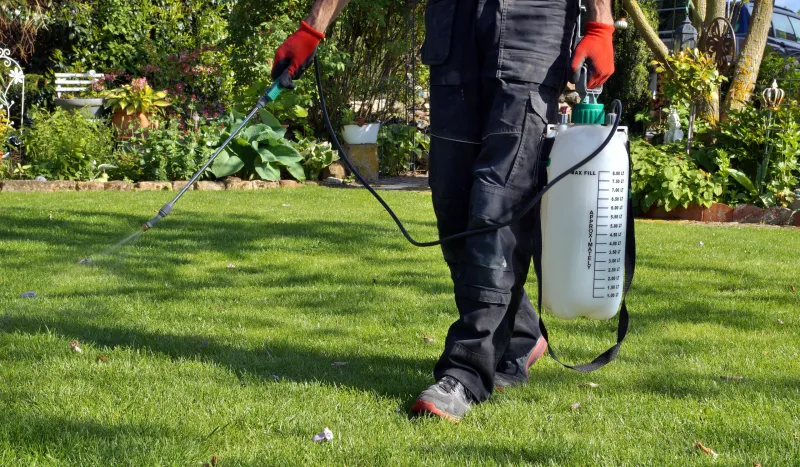
Unlike the fertilizer restrictions above, this rule applies only to city-owned property maintained by city employees and contractors, not to private homeowners’ lawns.
Miami Beach made a notable move when it restricted the use of herbicides containing glyphosate on city-owned properties. This rule applies to city employees and contractors who maintain public land, parks, and other city-managed spaces within Miami Beach.
The restriction is specifically about glyphosate-based herbicide products used on property owned by the City of Miami Beach, not a blanket rule that covers every private homeowner’s yard in the city.
That distinction matters a lot. A private Miami Beach homeowner using a glyphosate-based weed spray on their own lawn is not automatically covered by the city’s glyphosate restriction.
The rule targets municipal operations, meaning the city and its contractors are the ones bound by it when working on city-owned land.
This kind of public-property-only restriction is different from a private-use ban, and conflating the two would give residents an inaccurate picture of what the ordinance actually requires.
Glyphosate is the active ingredient in many widely sold herbicide products, including some of the most common weed control sprays found at hardware stores across Florida.
The fact that Miami Beach has moved to restrict its use on city property reflects a growing trend among some municipalities to shift toward alternative weed management approaches for public spaces.
Other Florida cities have explored similar policies for parks and city-maintained green areas.
If you are a Miami Beach homeowner curious about private-property herbicide rules, the most accurate step is to review the city’s official ordinance language directly.
Do not assume that a public-property restriction extends to your yard without official confirmation.
Local rules can evolve, so checking the City of Miami Beach’s official government resources is always the right starting point.