These 11 California Plants Help Beneficial Insects Control Garden Pests
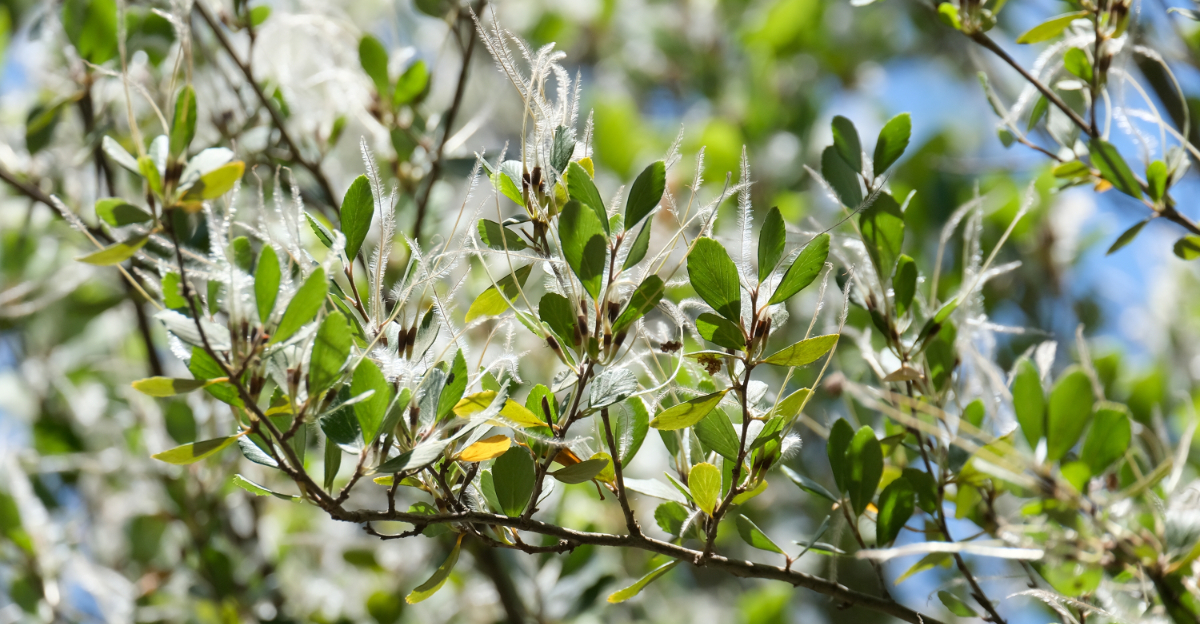
Beneficial insects can wipe out common garden pests, and the right California plants bring them in fast.
That means fewer aphids, fewer whiteflies, and a lot less time standing in the yard wondering who is attacking your tomatoes this time.
Certain plants do more than sit there looking pretty. They attract ladybugs, lacewings, hoverflies, and other helpful insects that feed on the pests most gardeners hate dealing with.
In California, where long growing seasons can also mean nonstop bug drama, that kind of natural backup is a big win.
The best part is that these plants help your garden work smarter. Instead of relying on constant sprays or panic moves, you can build a space that naturally draws in the good bugs and makes life harder for the bad ones.
More balance, less damage, and a garden that feels like it has its own tiny security team on patrol.
1. Bladderpod
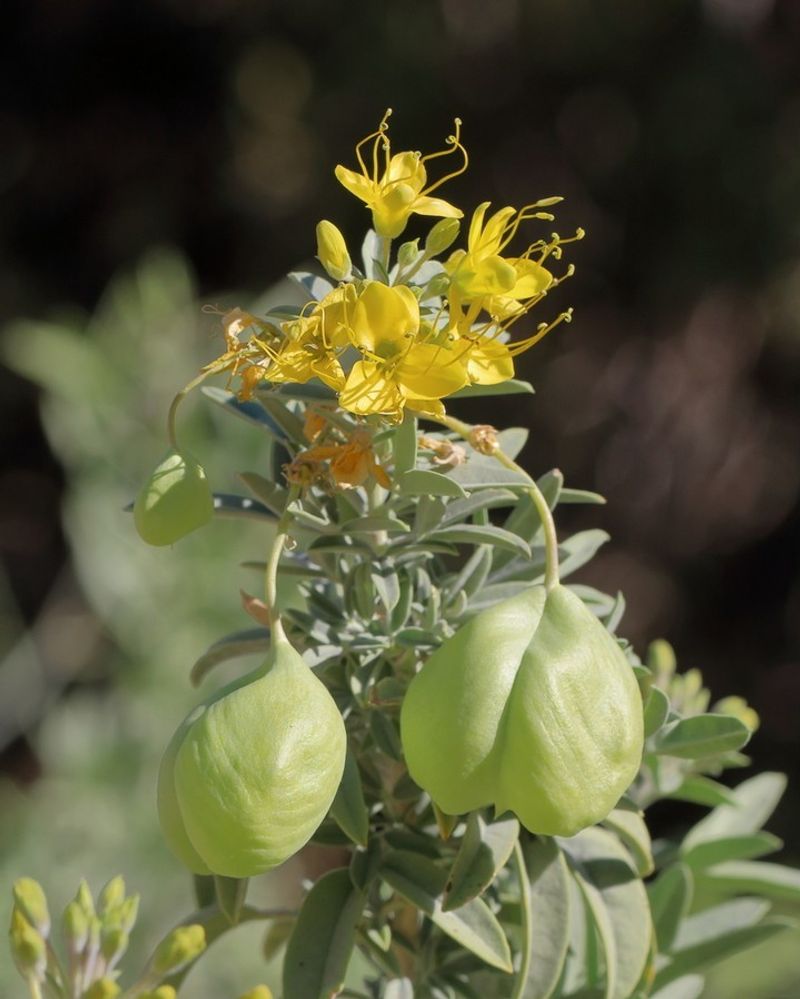
Few plants pack as much punch in a dry California garden as bladderpod. This tough, drought-tolerant shrub produces cheerful yellow flowers that beneficial insects simply cannot resist.
Ladybugs, parasitic wasps, and hoverflies are frequent visitors, drawn in by the steady supply of nectar and pollen.
Bladderpod, known scientifically as Peritoma arborea, thrives in Southern California’s warm, sunny conditions. It handles poor soil well and needs very little water once established.
That makes it a smart, low-maintenance choice for gardeners who want results without a lot of fuss.
The real magic happens when those beneficial insects arrive and start hunting for pests hiding on nearby plants. Aphids and whiteflies do not stand a chance when hoverfly larvae and ladybugs move in.
Planting bladderpod near your vegetable beds or flower borders creates a protective buffer zone. It looks beautiful, supports local wildlife, and helps keep your garden naturally balanced all year long.
2. California Buckwheat
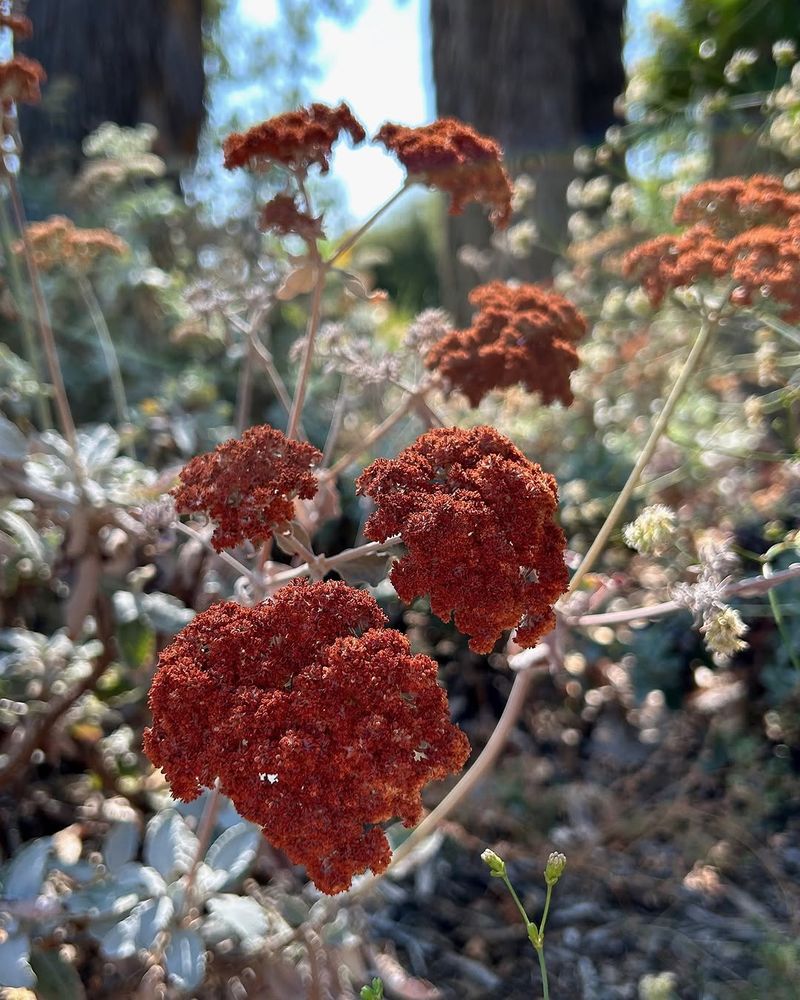
California buckwheat is one of the hardest-working plants you can add to a California garden. Its clusters of creamy white flowers slowly turn a warm rust color as the season progresses, giving the plant visual interest for months.
More importantly, those blooms are a magnet for beneficial insects from spring through fall.
Scientifically called Eriogonum fasciculatum, this evergreen shrub supports an impressive range of helpful bugs. Parasitic wasps, predatory beetles, and native bees all visit regularly.
Once those insects settle in, they get to work managing aphids, caterpillars, and other unwanted garden guests nearby.
California buckwheat grows well across much of California, from coastal gardens to hot inland valleys. It handles drought conditions like a champ and actually prefers well-drained, rocky, or sandy soil.
Overwatering is one of the few things that can cause problems, so keep irrigation minimal after the plant gets established. Place it along garden borders or near vegetable beds to maximize its pest-control benefits.
It is one of those plants that truly earns its space in any California landscape.
3. California Coffeeberry
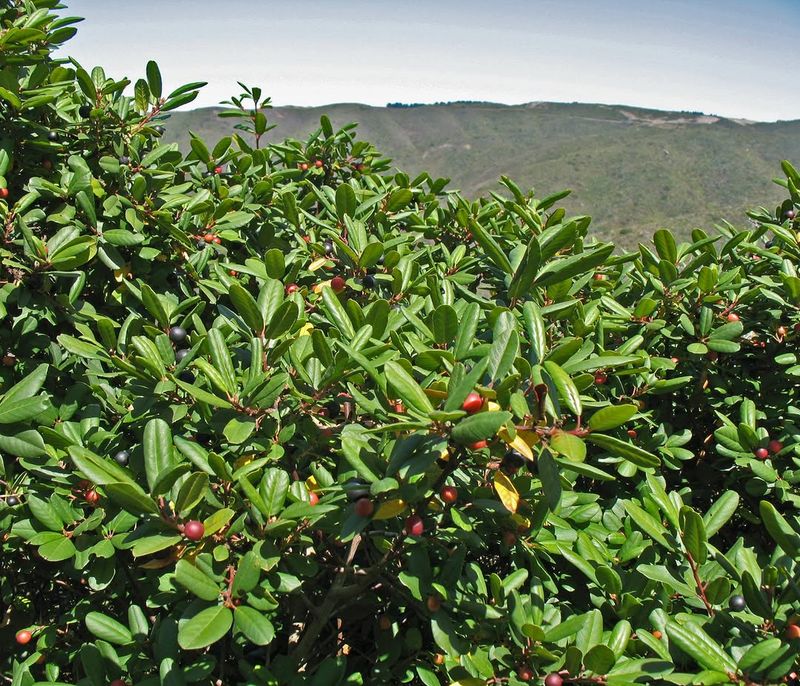
Not every beneficial plant needs showy flowers to do its job well. California coffeeberry, or Frangula californica, is a sturdy native shrub that may look understated at first glance, but it quietly supports a whole community of helpful insects.
Your California Garden Changes Every Week. Your Plan Should Too.
Gardening in California changes quickly throughout the season. Every Friday you’ll receive a simple weekly plan showing exactly what to plant, prune, fertilize, harvest, and protect so you never miss the right timing.
Its small, greenish-white flowers are modest but incredibly attractive to parasitic wasps and native bees.
Those tiny wasps are some of the most effective pest managers in any California garden. They lay their eggs inside aphids, caterpillars, and other soft-bodied pests, which controls pest populations naturally without any chemical help.
California coffeeberry gives these wasps a reliable food source and a comfortable place to hang around.
Beyond its pest-control benefits, coffeeberry produces clusters of berries that shift from green to red to deep purple or black as they ripen. Birds love them, adding another layer of wildlife activity to your garden.
The shrub grows well in partial shade, making it useful for spots where other plants struggle. It works beautifully as a hedge, a backdrop shrub, or a foundation planting in California gardens of all sizes and styles.
4. California Lilac
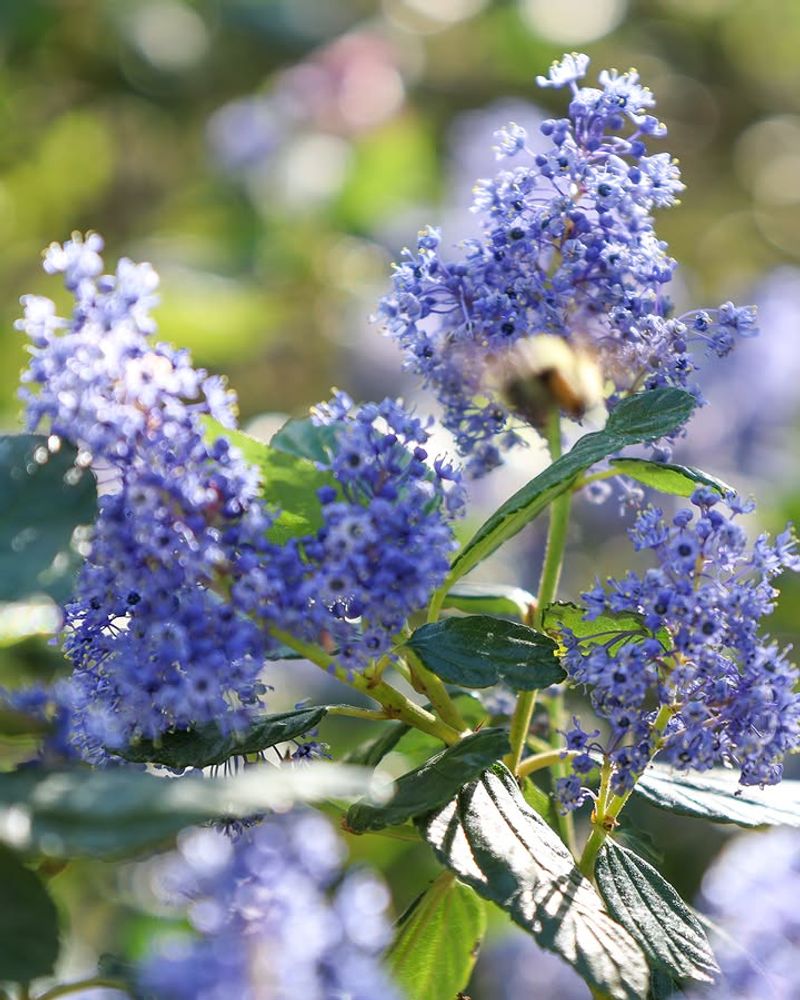
Walk past a California lilac in full bloom and you will immediately notice the buzz of activity. Ceanothus, as it is formally known, explodes with dense clusters of blue, purple, or white flowers in late winter and spring.
That early bloom time is especially valuable because it gives beneficial insects a food source when very little else is flowering in California gardens.
Parasitic wasps, hoverflies, and native bees flock to ceanothus blooms in impressive numbers. These insects are not just pretty visitors.
They actively hunt down aphids, scale insects, and caterpillars that would otherwise damage your vegetables and ornamental plants nearby. Having ceanothus nearby essentially stations a pest patrol crew right in your garden.
California lilac is also remarkably tough. Once established, it handles drought well and thrives in full sun with well-drained soil.
There are dozens of varieties available, ranging from low-growing ground covers to tall, arching shrubs up to ten feet high. This flexibility makes it easy to fit into almost any California garden design.
Whether you use it as a focal point, a hedge, or a hillside cover, ceanothus consistently delivers both beauty and serious pest-management support.
5. Coyote Brush
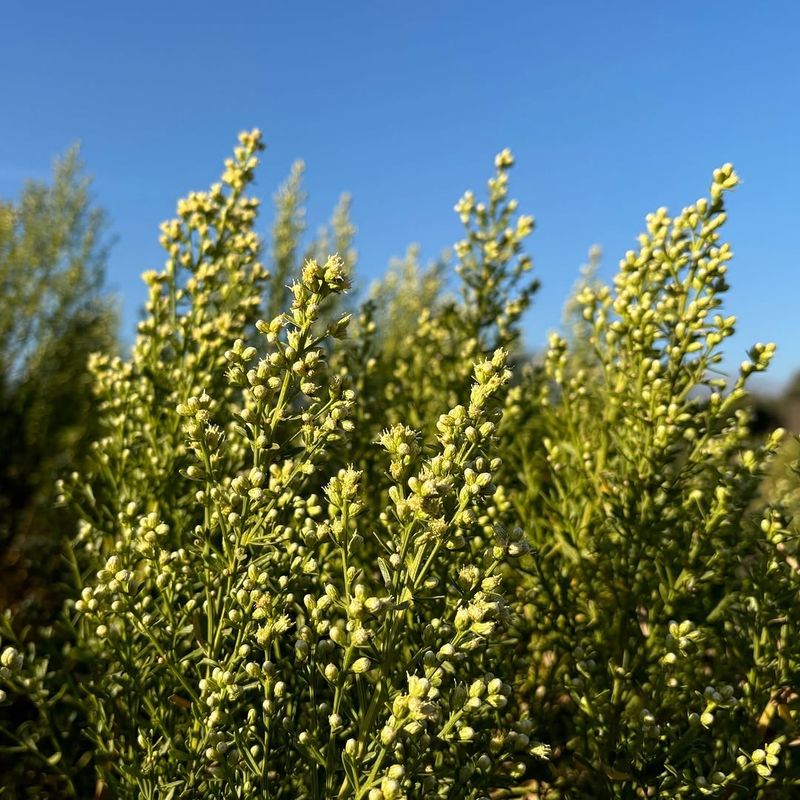
Coyote brush might not be the flashiest plant in the California native garden lineup, but it is absolutely one of the most valuable. This tough, adaptable shrub blooms in fall, which is a season when very few other plants offer nectar and pollen.
That timing makes it a critical lifeline for beneficial insects heading into the cooler months.
Baccharis pilularis, its scientific name, supports an astonishing variety of insect life. Researchers have documented hundreds of insect species visiting coyote brush, including many predatory and parasitic species that help manage common garden pests.
Planting it in your California garden essentially opens a late-season buffet for your best insect allies.
Beyond the insect benefits, coyote brush is incredibly easy to grow. It tolerates poor soil, coastal winds, drought, and neglect with equal ease.
Low-growing varieties work well as ground covers on slopes or in large garden beds. Taller forms can serve as informal hedges or wildlife corridors.
If you have been looking for a plant that requires almost zero maintenance while delivering maximum ecological benefit, coyote brush should move straight to the top of your California garden planting list.
6. Currants
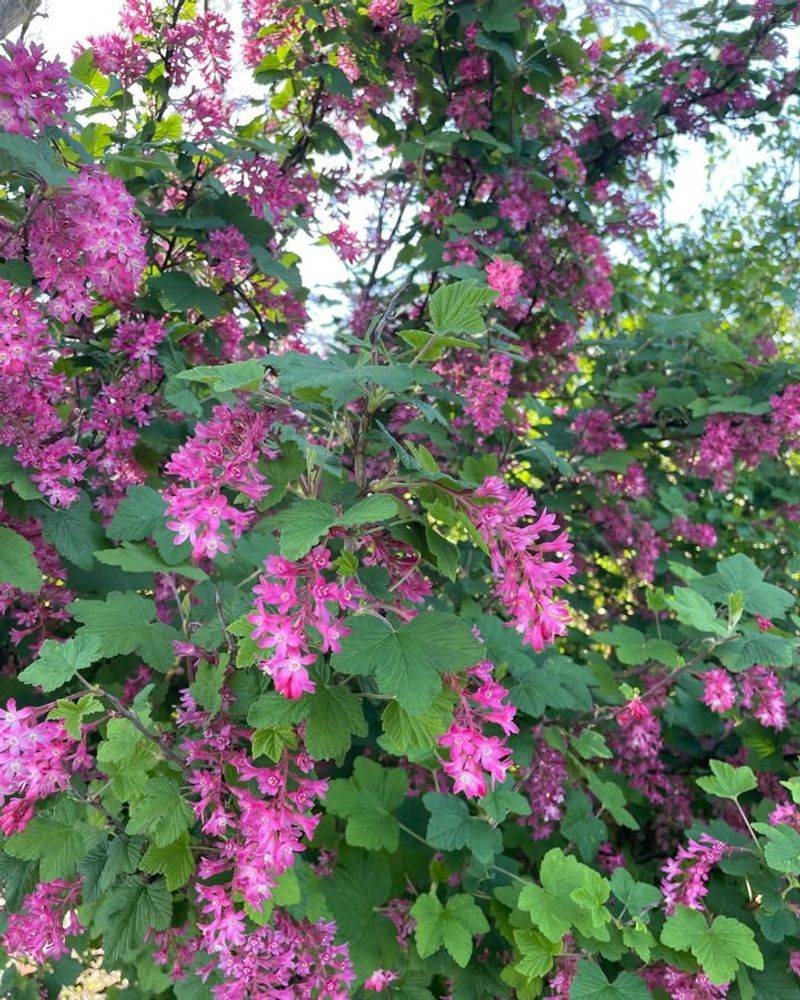
There is something wonderfully productive about growing currants in a California garden. Native currant species like Ribes sanguineum and Ribes malvaceum bloom in late winter and early spring, often when gardens are still fairly quiet.
Those early flowers are a welcome sight for beneficial insects waking up after cooler months.
Hoverflies are especially fond of currant flowers, and their larvae are fierce predators of aphids. Parasitic wasps also visit regularly, fueling up on nectar before heading off to hunt pests on nearby plants.
Planting currants near your vegetable garden or fruit trees creates a helpful insect hub right where you need it most.
Native currants are well adapted to California’s climate and do not demand much from the gardener. They prefer some afternoon shade in hotter inland areas but handle full sun nicely along the coast.
Once established, they are reasonably drought tolerant and reward minimal care with reliable annual blooms. As a bonus, many species produce small edible berries that birds and wildlife enjoy.
Currants offer beauty, food, and natural pest management all wrapped up in one compact, easy-growing California native shrub that earns its place in the garden every single year.
7. Elderberry
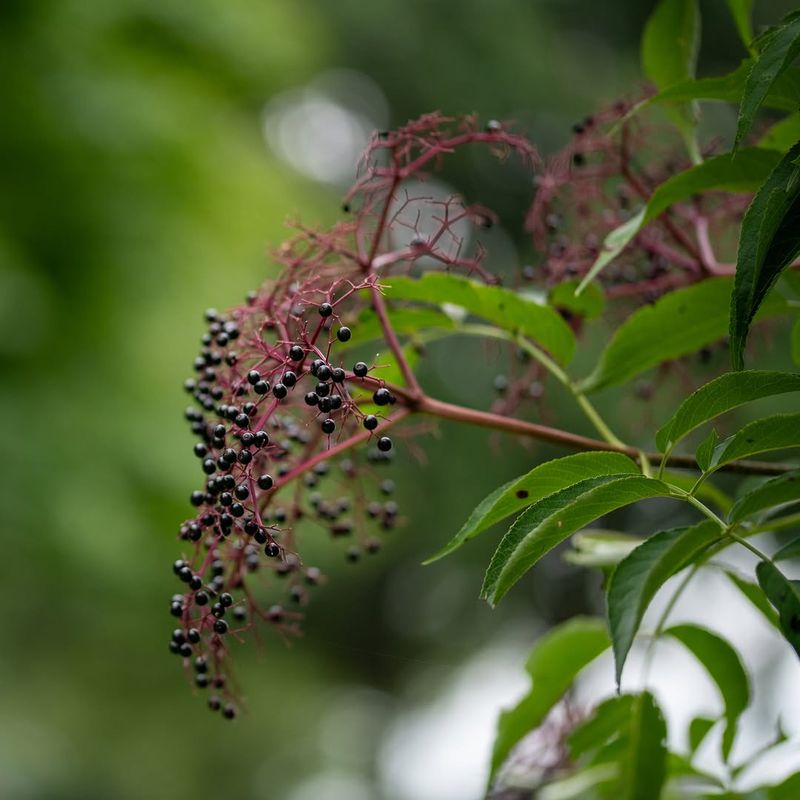
Elderberry has a long and impressive history in California landscapes. Native elder, Sambucus nigra ssp. caerulea, grows naturally along streams and in woodland edges throughout the state.
In a garden setting, it brings that same rich ecological energy, supporting an incredible variety of beneficial insects with its massive flower clusters.
The flat-topped flower heads, called corymbs, are like landing pads for beneficial insects. Lacewings, parasitic wasps, hoverflies, and native bees all visit in large numbers.
Lacewing larvae in particular are voracious hunters of aphids, mites, and other soft-bodied pests, making them extremely valuable allies in any California garden.
Elderberry grows fast and can reach tree-like proportions, so give it space. It does best in areas with some moisture, making it a great choice near garden beds that receive regular watering.
The dark purple berries that follow the flowers are beloved by birds, adding yet another layer of wildlife activity to your yard. For gardeners in California who want a bold, beautiful plant that also functions as a thriving insect habitat and natural pest-control station, elderberry is a genuinely outstanding choice that delivers results season after season.
8. Manzanita
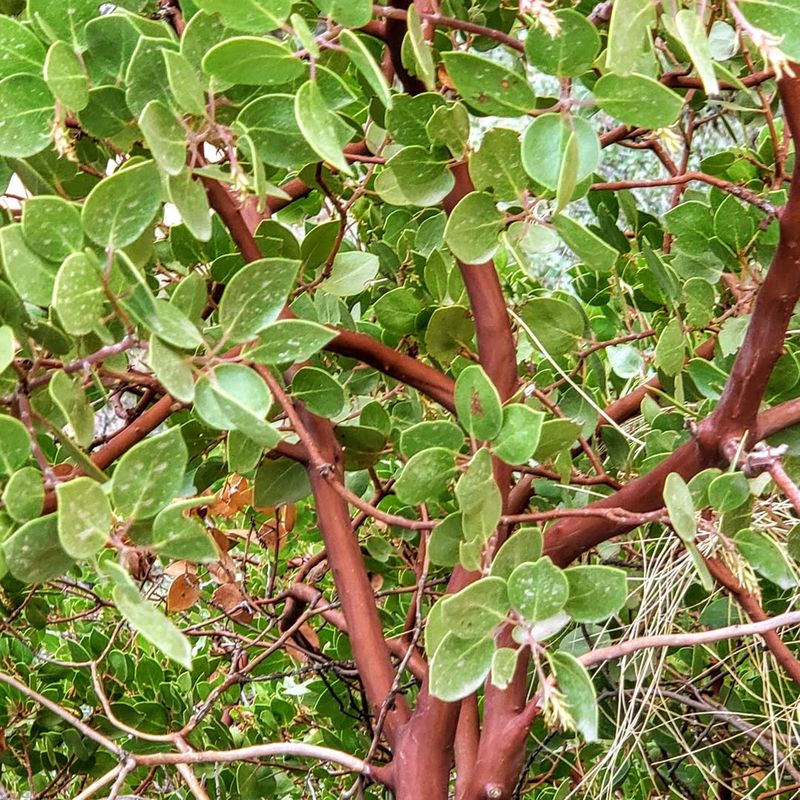
Manzanita is one of California’s most iconic native plants, and for good reason. With its smooth, mahogany-red bark, graceful branching structure, and delicate pink or white urn-shaped flowers, it is genuinely beautiful in any garden setting.
But beyond good looks, manzanita is a powerful supporter of beneficial insect populations throughout California.
The flowers bloom in late winter and early spring, providing critical early-season nectar when beneficial insects are just becoming active again. Native bees and parasitic wasps are especially attracted to manzanita blooms.
Those parasitic wasps then move on to attack aphids, scale insects, and caterpillar eggs hiding on your other garden plants.
There are dozens of Arctostaphylos species native to California, ranging from low-growing ground covers to large, multi-trunked shrubs. This incredible variety means there is a manzanita that fits almost any garden size or style.
Most manzanitas prefer well-drained soil and full sun, and they are extremely drought tolerant once established. Avoid overwatering, as root rot is a real concern.
Plant manzanita near your ornamental beds or vegetable garden edges, and let it quietly build up a community of beneficial insects that keep pest pressure low throughout the growing season.
9. Mountain Mahogany
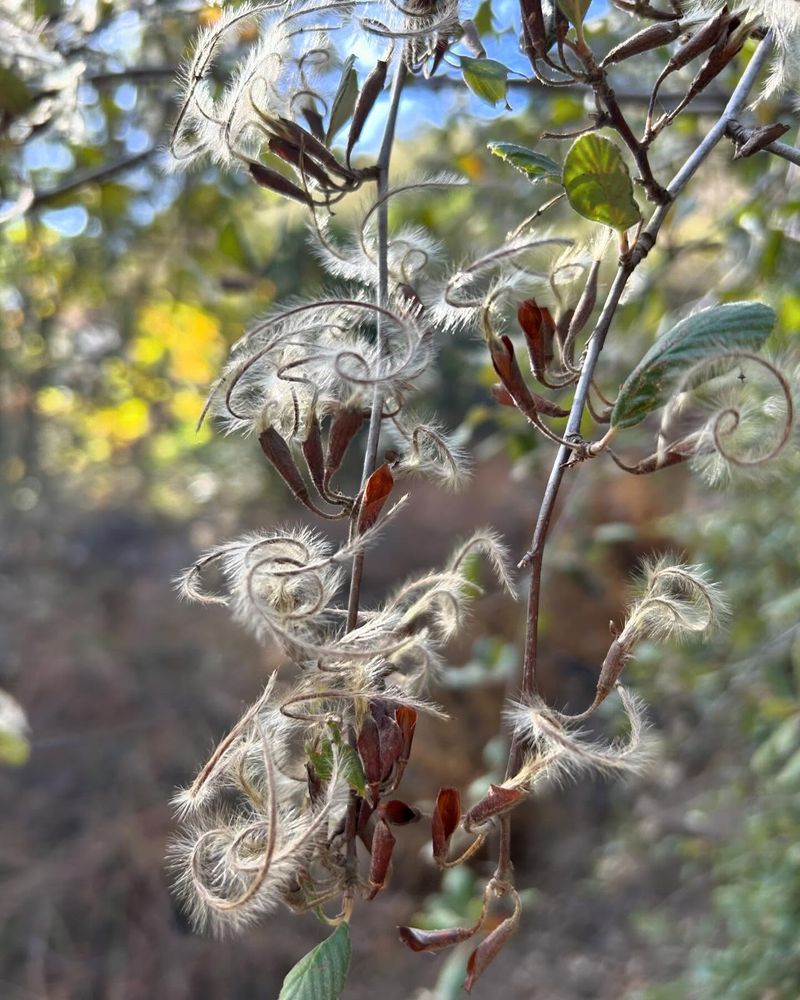
Mountain mahogany might not be the first plant that comes to mind for pest management, but gardeners who have grown it know its quiet value. Cercocarpus betuloides is a tough, drought-tolerant California native that thrives in dry, rocky conditions where many other plants struggle.
Its small, creamy flowers may be subtle, but they attract a steady stream of beneficial insects throughout the blooming season.
Parasitic wasps and predatory beetles are among the most common beneficial visitors to mountain mahogany. These insects use the plant as a base of operations, fueling up on nectar before patrolling nearby garden beds for pests.
Having mountain mahogany in or near your California garden adds another layer of natural pest defense to your overall planting strategy.
One of mountain mahogany’s most distinctive features is its feathery, spiraling seed plumes that develop after flowering. They catch the light beautifully and give the plant a whimsical, textured appearance in the landscape.
The shrub works well on dry slopes, in mixed native plantings, or as part of a wildlife-friendly hedgerow. It is deer resistant, low maintenance, and long-lived, making it a reliable and rewarding addition to California gardens that prioritize both ecological function and natural beauty.
10. Purple Needlegrass
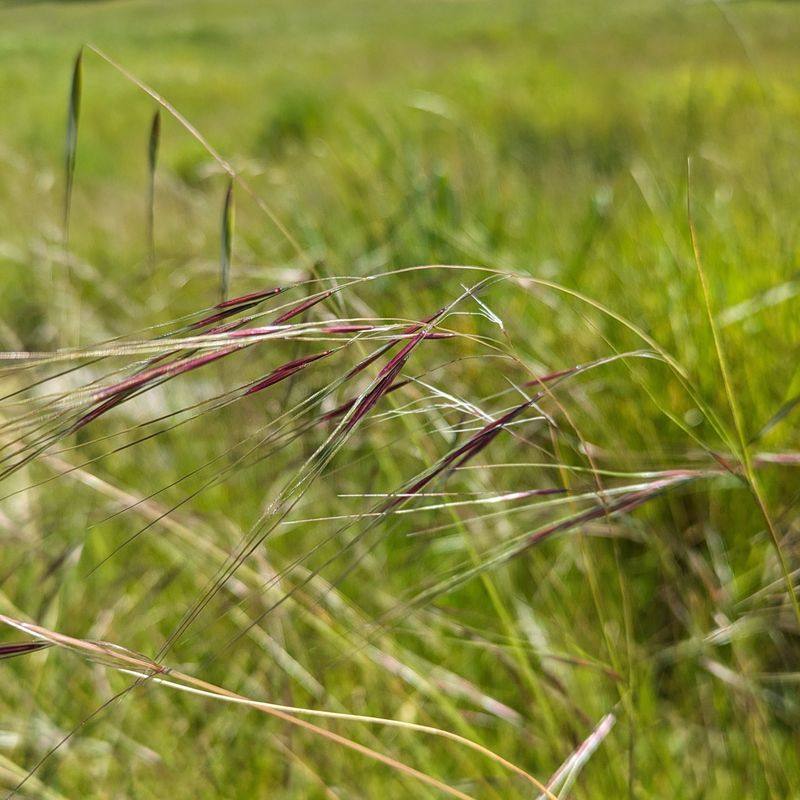
Grasses often get overlooked when people think about attracting beneficial insects, but purple needlegrass is a genuine exception. As California’s official state grass, Stipa pulchra has deep roots in the state’s natural history.
It forms graceful clumps with slender, arching leaves and airy purple-tinted seed heads that add real elegance to any California garden.
Ground beetles and predatory beetles love to shelter and hunt among the dense clumps of needlegrass. These beetles are relentless hunters of soil-dwelling pests like cutworms, slugs, and beetle larvae that can cause serious damage to garden plants.
Providing grassy habitat essentially gives these helpful insects a permanent home base in your yard.
Purple needlegrass is also wonderfully low maintenance. It thrives in full sun with minimal water, making it well suited to California’s dry summers.
Use it in meadow-style plantings, along pathways, or as a filler between larger native shrubs. It pairs beautifully with California poppies, buckwheat, and sage in a naturalistic planting scheme.
Beyond its pest-management benefits, needlegrass supports native sparrows and other seed-eating birds, adding even more wildlife value. It is a simple, elegant plant that quietly does a lot of good work in the California garden ecosystem.
11. Purple Sage
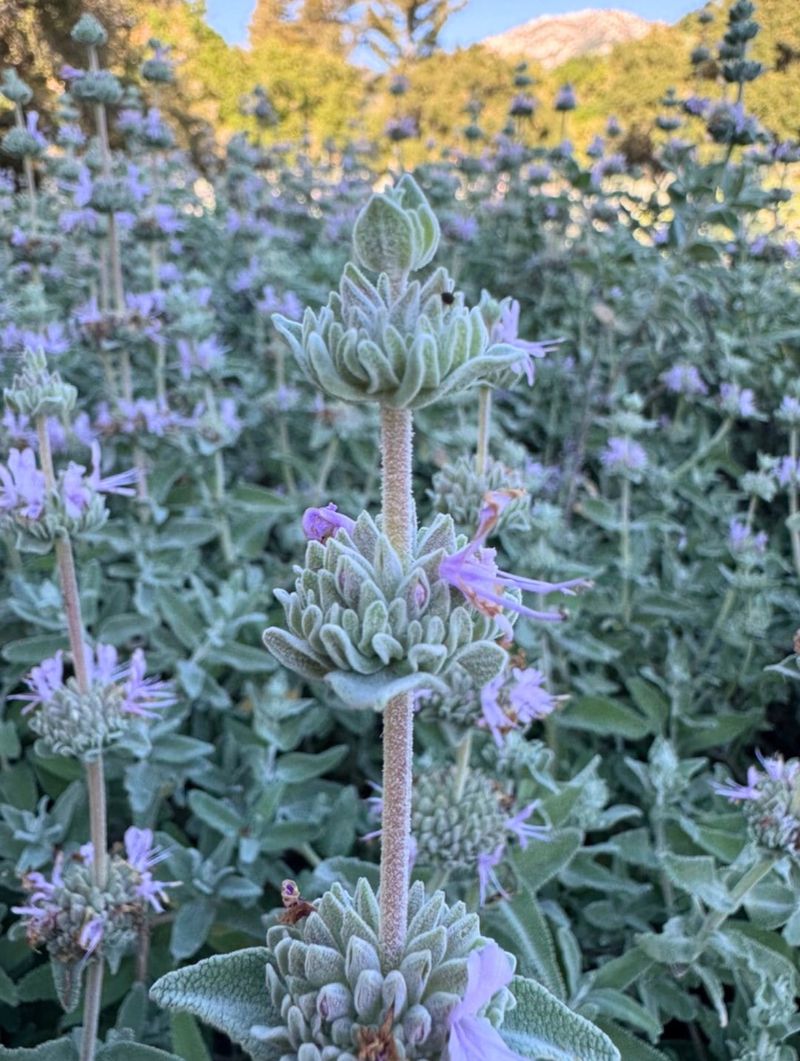
There is a reason purple sage shows up in so many California gardens. Salvia leucophylla is beautiful, fragrant, and incredibly useful.
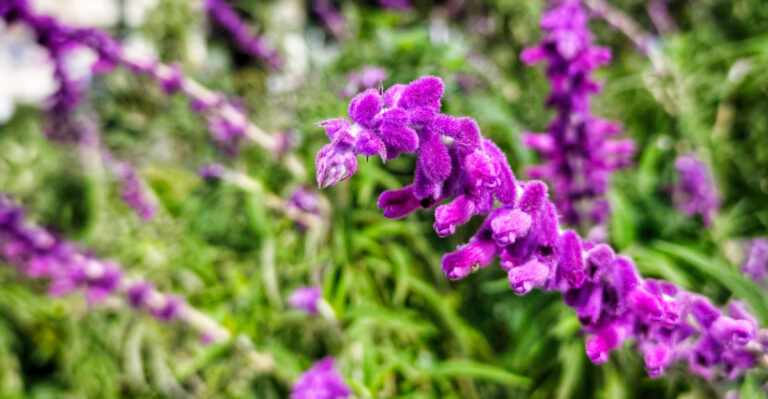
Its tall spikes of lavender-purple flowers rise above silvery aromatic foliage and create a stunning display that runs from late spring into early summer. Beneficial insects absolutely love it.
Parasitic wasps, native bees, and hoverflies visit purple sage blooms in impressive numbers. Hoverfly adults feed on nectar and pollen, while their larvae hunt aphids hiding on nearby plants.
Parasitic wasps use the nectar as fuel while searching your garden for caterpillars and aphid colonies to parasitize. Together, they form a natural pest-fighting team centered around this beautiful California native.
Purple sage handles California’s dry summers with ease. It prefers full sun and well-drained soil, and it actually performs better with less water once established.
Avoid planting it in areas with heavy clay or poor drainage. The aromatic oils in its leaves also have a mild deterrent effect on some plant-eating insects, adding an extra layer of garden protection.
Whether used as a standalone accent plant, a low hedge, or part of a mixed native border, purple sage consistently rewards California gardeners with fragrance, beauty, and outstanding ecological value throughout the growing season.