The Beneficial Insects Texas Gardeners Should Never Accidentally Remove
Not every bug in the garden is bad news. In fact, some of the smallest creatures in a Texas yard are doing some of the biggest favors without most people even noticing.
They pollinate flowers, hunt destructive pests, break down organic matter, and help keep the whole garden in better balance. The problem is that many beneficial insects do not always look impressive at first glance.
Some look strange, some look annoying, and some get brushed away simply because they are in the wrong place at the wrong time.
That is where gardeners can accidentally make life harder for themselves. Removing helpful insects along with the harmful ones can throw off the natural rhythm of the yard and open the door to more pest trouble later.
In a Texas garden, where heat and long growing seasons can make insect activity feel nonstop, that balance matters even more.
Knowing which insects are worth protecting can save time, reduce frustration, and even cut back on how much intervention your garden needs. Once you know who the real helpers are, it gets a lot easier to see your yard in a different way.
1. Lady Beetles (Ladybugs)
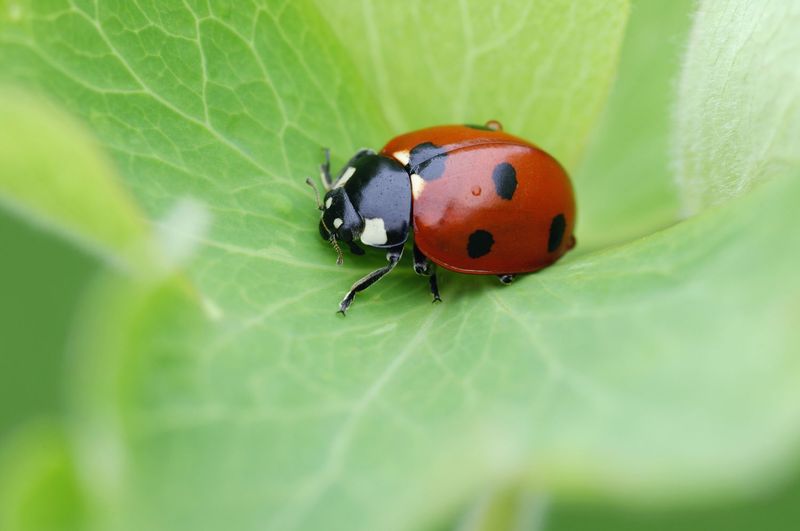
Spotting a ladybug on your tomato plants might feel like good luck, and honestly, it is. Lady beetles, commonly called ladybugs, are one of the most powerful natural pest fighters you can have in a Texas garden.
A single adult ladybug can consume more than 5,000 aphids during its lifetime. That is a lot of free pest control without any chemicals involved.
Both the adults and their larvae are beneficial, which surprises many gardeners. The larvae look nothing like the familiar red-and-black adults.
They are dark, spiky, and almost alien-looking, which causes many people to accidentally remove them thinking they are harmful pests. If you see something strange and dark crawling near aphid clusters on your plants, pause before acting.
In Texas, aphid populations can explode quickly during the warmer months. Lady beetles help keep those numbers under control naturally.
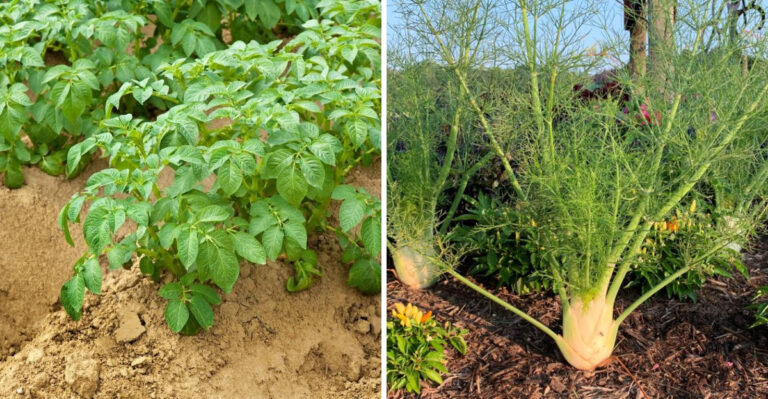
Attracting them to your garden is easier than you think. Planting dill, fennel, and marigolds gives lady beetles a reason to stick around.
Avoiding broad-spectrum pesticides is also essential because those products wipe out helpful insects along with harmful ones. Lady beetles are a gardener’s best ally, so learning to recognize both adults and larvae is a smart first step toward a healthier Texas garden.
2. Green Lacewings
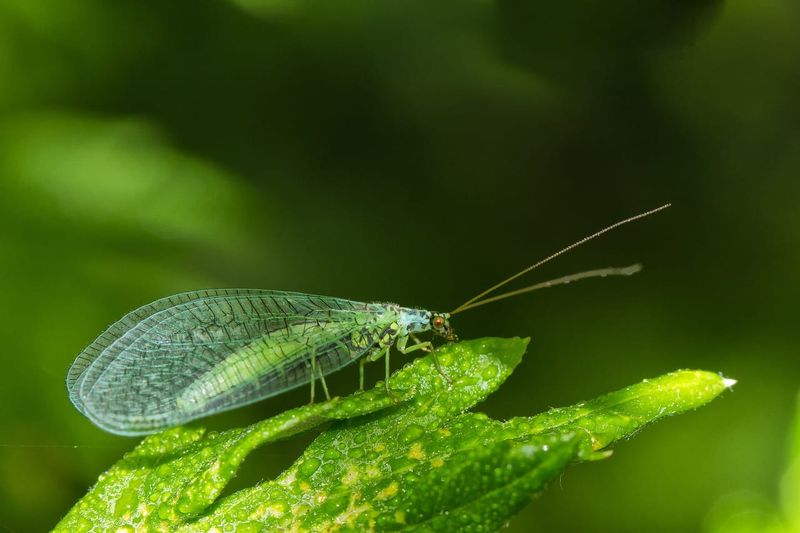
If you have ever noticed a small, pale green insect with shimmering, see-through wings floating around your garden at dusk, you have likely met a green lacewing. These delicate-looking insects are far tougher than they appear.
Their larvae, nicknamed “aphid lions,” are some of the most aggressive and effective pest hunters found in Texas gardens.
Aphid lions earned their bold nickname for a reason. They attack and consume aphids, thrips, whiteflies, small caterpillars, and even spider mite eggs.
One lacewing larva can devour hundreds of pests before it ever reaches adulthood. Many Texas gardeners who notice these larvae mistake them for something harmful because of their pincer-like mouthparts and fast, jerky movements. Leaving them alone is always the better choice.
Your Texas Garden Changes Every Week. Your Plan Should Too.
Gardening in Texas changes quickly throughout the season. Every Friday you’ll receive a simple weekly plan showing exactly what to plant, prune, fertilize, harvest, and protect so you never miss the right timing.
Adult green lacewings shift gears completely. Instead of hunting pests, they feed on nectar and pollen, making them helpful pollinators for flowering plants.
You will often spot adults near garden lights at night since they are drawn to artificial light sources. To encourage green lacewings to settle in your Texas garden, plant flowering herbs like dill, coriander, and yarrow.
These plants provide food and shelter for adults while creating a welcoming environment for egg-laying. Green lacewings are common throughout Texas, especially during spring and fall, making them a reliable and natural part of any healthy garden ecosystem worth protecting.
3. Praying Mantises
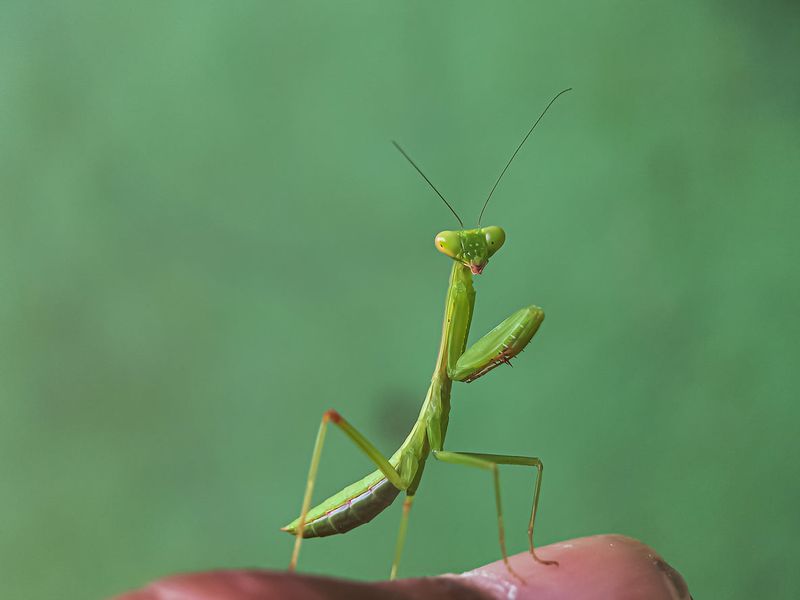
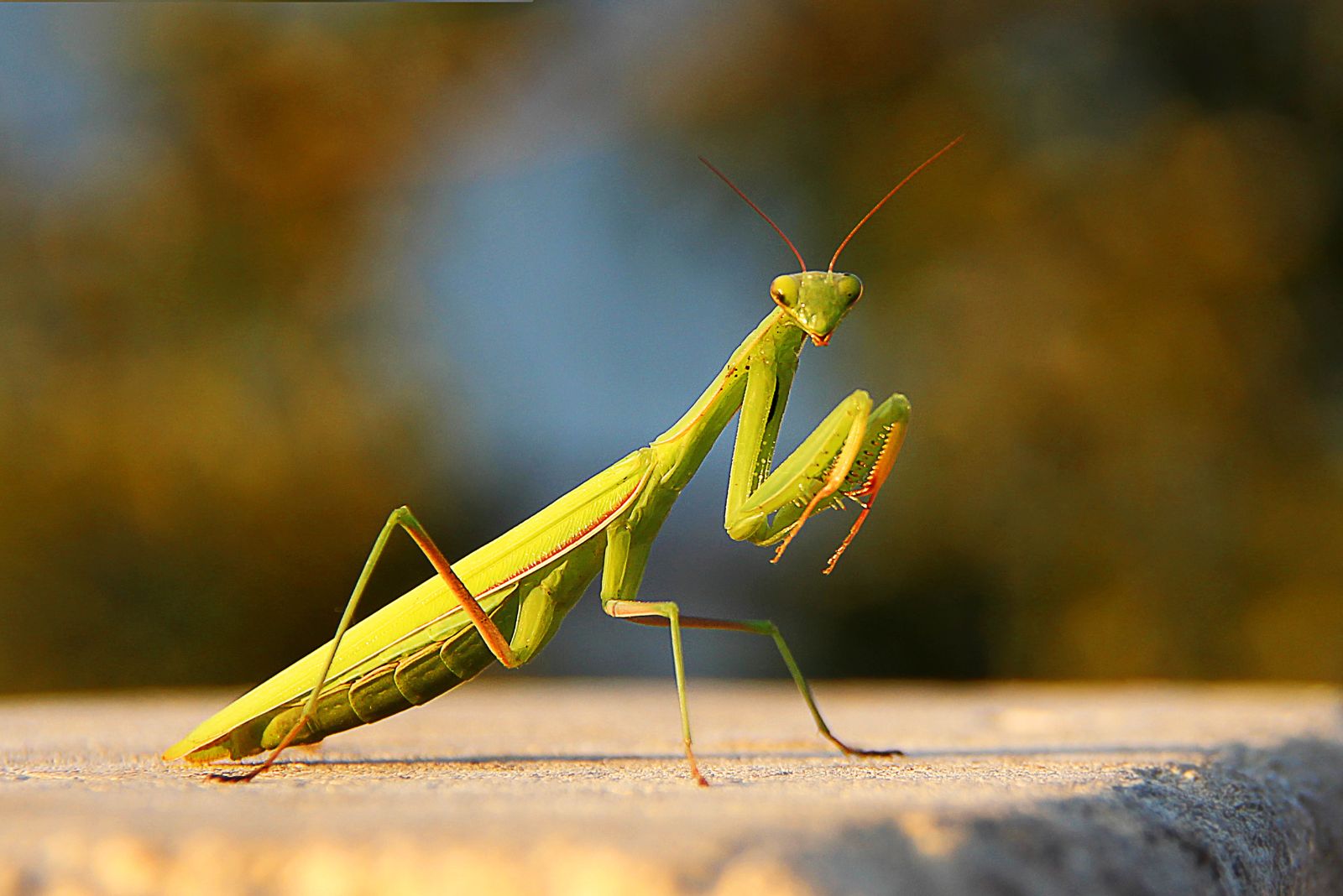
Few insects turn heads in the garden quite like a praying mantis. With their upright posture, swiveling heads, and folded front legs, they look almost like tiny warriors standing guard.
And in many ways, that is exactly what they are. Praying mantises are skilled hunters that help Texas gardeners manage a wide range of insect pests without any chemical intervention needed.
Mantises are generalist predators, meaning they eat whatever they can catch. Their menu includes grasshoppers, beetles, moths, flies, and caterpillars.
They rely on camouflage and lightning-fast reflexes to ambush prey. Because they eat both harmful and sometimes beneficial insects, they are best appreciated as part of a balanced garden ecosystem rather than a targeted pest solution.
Encouraging them is still worthwhile because they contribute to overall insect population control.
In Texas, praying mantises are often spotted in larger gardens with dense plantings, tall grasses, and shrubs where they can hide and hunt effectively. Their egg cases, called oothecae, look like small, papery foam masses attached to plant stems and twigs.
If you find one, leave it alone. Each egg case can produce dozens of young mantises in spring.
Gardeners who disturb or remove these egg cases accidentally lose a whole season of natural pest control. Praying mantises are fascinating, effective, and completely harmless to humans, making them a welcome sight in any Texas garden worth nurturing.
4. Parasitic Wasps
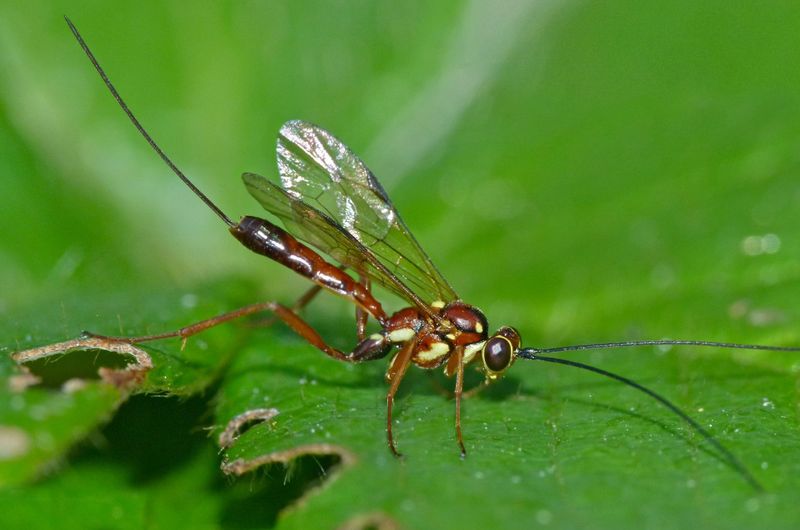
Most people tense up when they hear the word wasp, but parasitic wasps are a completely different story. These tiny insects are often so small you might not even notice them hovering around your plants.
Yet they are quietly doing some of the most important pest control work happening in Texas gardens every single day. They are harmless to humans and pose no threat to you, your kids, or your pets.
Parasitic wasps work by laying their eggs inside or on the bodies of harmful pest insects. Common targets include aphids, caterpillars, whiteflies, and beetle larvae.
Once the eggs hatch, the young wasps feed on the host pest from the inside, effectively stopping the pest from causing further damage to your plants.
It sounds intense, but from a gardening perspective, it is one of nature’s most efficient pest management systems working entirely for free.
Several species of parasitic wasps are native to Texas and are active throughout the growing season. You might notice their presence indirectly by spotting mummified aphids on plant leaves, which are aphids that have already been parasitized.
Attracting parasitic wasps to your Texas garden is straightforward. Plant small-flowered herbs and wildflowers like sweet alyssum, fennel, and cilantro that have gone to seed.
These plants provide nectar that adult parasitic wasps need for energy. Avoiding harsh pesticides is equally important because these helpful insects are sensitive to chemical sprays that disrupt their life cycle and reduce their populations significantly.
5. Ground Beetles
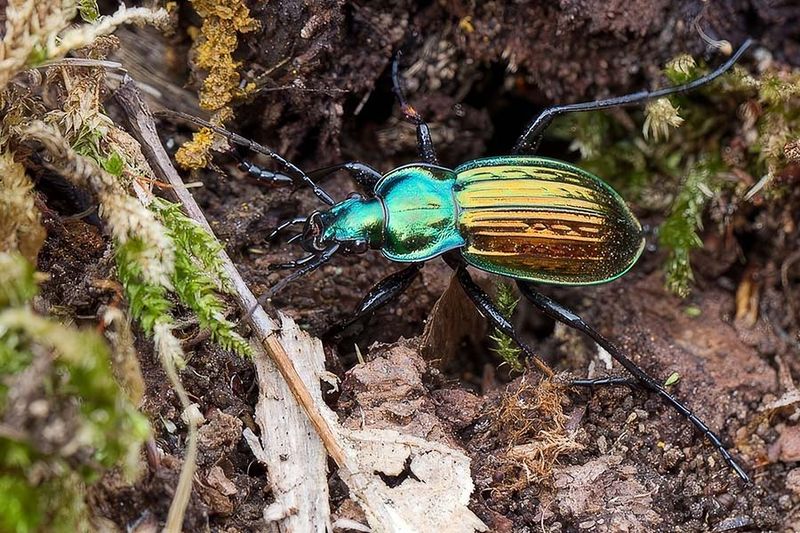
Ground beetles are the night shift workers of the Texas garden world. While most gardeners are asleep, these shiny, dark-colored beetles are out patrolling the soil, hunting down pests that could seriously damage your plants.
They are not flashy or well-known, but their contribution to a healthy garden is enormous and often goes completely unnoticed.
These beetles feed on slugs, cutworms, caterpillars, and the larvae of other harmful insects that live in or near the soil. Because many of these pests attack plant roots and stems at ground level, ground beetles are perfectly positioned to intercept them before real damage occurs.
They are fast, aggressive hunters that use their powerful mandibles to grab and consume prey with impressive efficiency.
In Texas, ground beetles thrive in gardens with plenty of mulch, leaf litter, and loose soil. These conditions give them shelter during the day and hunting grounds at night.
If you regularly till your garden or remove mulch layers, you may be disturbing the habitat that ground beetles depend on. Reducing soil disturbance and keeping a thick layer of organic mulch around your plants encourages ground beetles to take up permanent residence.
You can also add flat stones or pieces of bark near garden beds as daytime hiding spots. Ground beetles rarely venture onto plants, so most gardeners never even see them.
But trust that they are there, working hard every night to protect your Texas garden from below.
6. Hoverflies (Syrphid Flies)
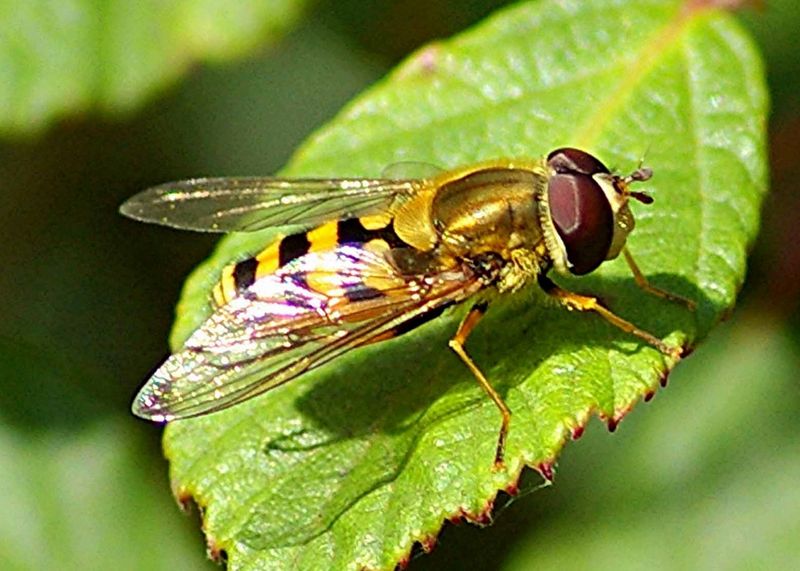
At first glance, a hoverfly looks like a small bee or wasp. That yellow-and-black striped body is actually a clever disguise that helps hoverflies avoid being eaten by predators.
But unlike bees or wasps, hoverflies cannot sting you. They are completely harmless to people, and they are incredibly useful to have around any Texas garden, especially one with flowering plants.
The dual role hoverflies play is what makes them so valuable. As adults, they are outstanding pollinators.
They hover from flower to flower feeding on nectar and pollen, transferring pollen as they go. Some studies suggest hoverflies are second only to bees in their importance as pollinators.
In Texas, where many vegetable gardens and flower beds rely heavily on pollination, having hoverflies around is a real advantage worth protecting.
The larvae of hoverflies are equally impressive, though far less visible. Many hoverfly larvae are predatory and feed on aphids, thrips, and other soft-bodied pests living on plant stems and leaves.
A single larva can consume dozens of aphids each day. You are most likely to spot hoverfly larvae in areas with heavy aphid infestations, which is exactly where you want them.
To attract hoverflies to your Texas garden, grow a variety of flowering plants with open, easy-to-access blooms. Marigolds, zinnias, and sunflowers are excellent choices.
Avoiding pesticide use near flowering plants keeps hoverfly populations strong and your garden naturally balanced throughout the growing season.
7. Assassin Bugs
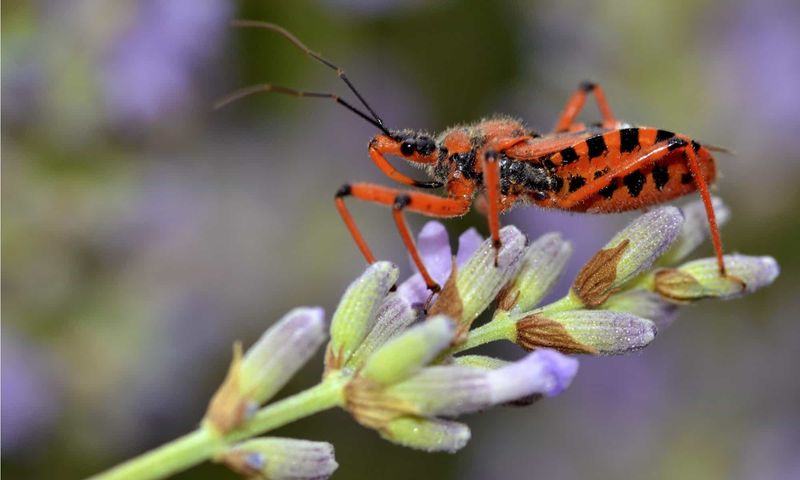
The name alone is enough to make most people cautious, and with assassin bugs, a little caution is actually wise. These insects are aggressive, effective predators that hunt down and feed on a wide variety of harmful garden pests.
For Texas gardeners dealing with caterpillar damage, beetle infestations, or fly problems, assassin bugs are natural allies worth learning to recognize and respect.
Assassin bugs use a sharp, curved beak to pierce their prey and inject a paralyzing saliva that breaks down the insect’s insides. They then feed on the liquefied contents.
It is a fierce hunting strategy, but it is also highly effective against a long list of garden pests including caterpillars, beetles, aphids, and flies. Because they target so many different pest species, assassin bugs help maintain a broad level of natural pest control across your entire Texas garden.
One thing every Texas gardener should know is that assassin bugs can bite humans if handled or accidentally threatened. The bite is painful but not medically dangerous for most healthy people.
The best approach is to admire them from a distance and never pick them up with bare hands. Assassin bugs are most active during warmer months and are commonly found hiding among dense garden foliage where prey is plentiful.
Leaving garden debris and low-growing plants in place gives them shelter and hunting territory. Recognizing and protecting assassin bugs is one of the smartest moves any Texas gardener can make for long-term, chemical-free pest management.