How To Prune Lantana In California For More Flowers All Season
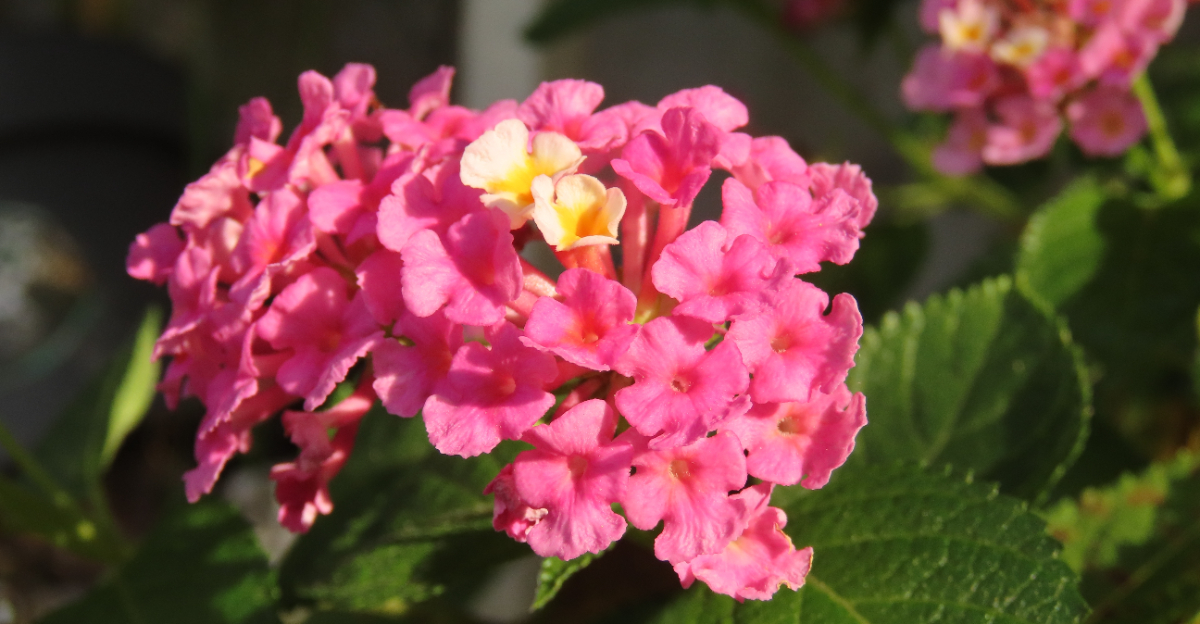
Leggy lantana means fewer flowers, but the right pruning fixes that fast. In California, a few smart cuts can keep lantana fuller, tidier, and blooming hard all season instead of turning into a messy sprawl by midsummer.
The trick is knowing when to cut and how much to take off from lantana without slowing the plant down.
Lantana loves warmth, sun, and a good trim at the right moment, which makes it a strong fit for California gardens where long growing seasons can turn one plant into a nonstop color machine.
Not bad for something that can look a little wild when ignored. Done right, pruning does more than clean it up. It pushes fresh growth, encourages more flower clusters, and helps the plant keep its shape without flopping all over the place.
More blooms, less chaos, and a lantana that actually looks like it has its life together. That is the goal.
1. Prune Lantana Back In Spring
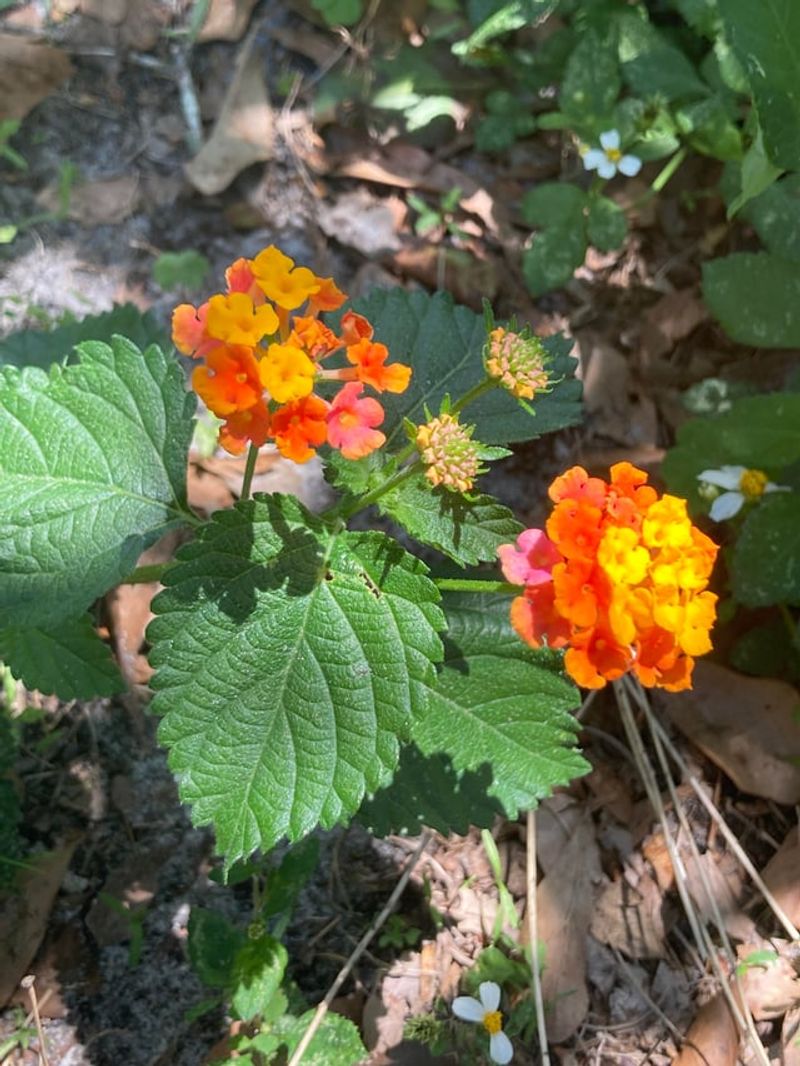
Spring is the most important time to grab your pruning shears and get to work on your lantana. Right before new growth starts pushing out, usually around late February to early March in California, you want to cut the plant back hard.
Trim it down to about 6 to 12 inches from the ground.
This might feel drastic, but it is actually one of the best things you can do. Removing all that old, woody growth from last season gives the plant a fresh start.
It clears out dead or damaged stems and tells the plant to send up strong, new shoots.
In California’s mild climate, lantana often survives winters without fully going dormant. That means a lot of old woody stems can pile up over time.
Cutting them back in spring prevents the plant from wasting energy on unproductive wood. Within just a few weeks of a good spring pruning, you will notice fresh green growth and, soon after, clusters of bright blooms filling in beautifully.
2. Cut Spent Flowers Often
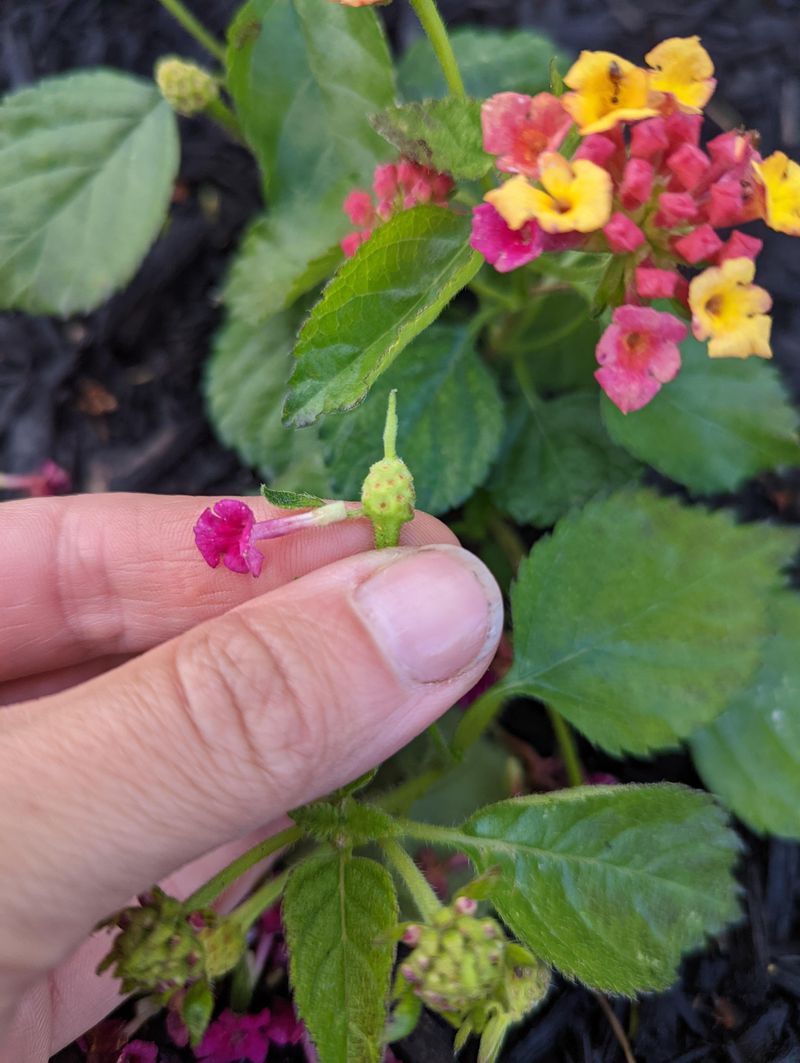
Deadheading, or removing spent flowers, is one of the simplest habits you can build as a California lantana grower. When lantana blooms fade, the plant starts putting energy into forming seeds instead of making new flowers.
Cutting those faded blooms off regularly keeps the plant focused on what you actually want: more color.
You do not need any fancy tools for this. A pair of small garden scissors or even your fingers work just fine.
Pinch or snip off the flower clusters that have faded or turned into small dark berries. Try to do this every week or two during the growing season.
The difference this makes is noticeable pretty quickly. Plants that get regular deadheading tend to bloom more densely and for a longer stretch of the season.
In California, where the growing season can stretch well into fall, this habit pays off big time. Think of it as a quick five-minute garden chore that keeps your lantana looking its absolute best all the way through the warmer months.
Your California Garden Changes Every Week. Your Plan Should Too.
Gardening in California changes quickly throughout the season. Every Friday you’ll receive a simple weekly plan showing exactly what to plant, prune, fertilize, harvest, and protect so you never miss the right timing.
3. Don’t Shear The Whole Plant Constantly
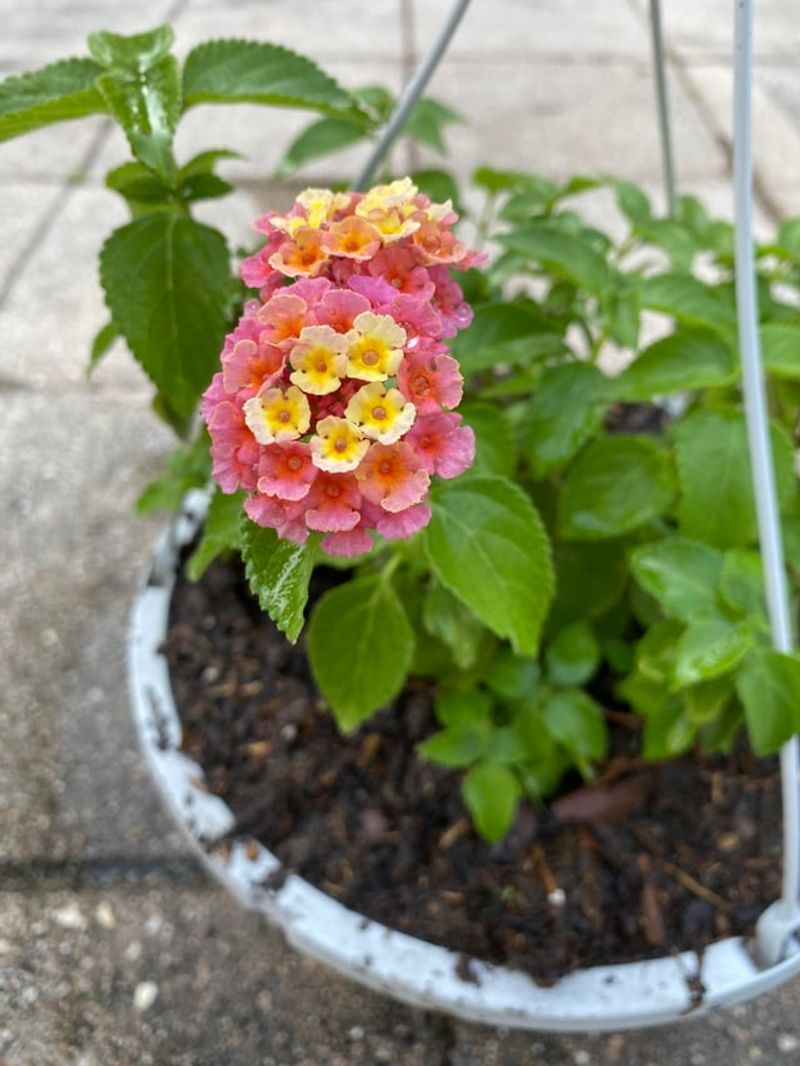
One common mistake gardeners make with lantana is treating it like a hedge and shearing the whole plant into a flat shape over and over again. While it might look tidy right after, constant shearing actually removes all the flower buds and sets the plant back every single time.
Shearing cuts off the growing tips where blooms form, which means fewer flowers and a lot more wait time between bloom cycles. Instead of shearing, try a more selective approach.
Target specific stems that are too long or crossing awkwardly, and cut those back individually.
Selective hand-pruning encourages a more natural, bushy shape and keeps more of those flower-producing tips intact. In California’s long, warm growing season, this matters a lot because you want blooms happening continuously, not in starts and stops.
Save the big shearing cuts for early spring when the plant needs a full reset anyway. The rest of the season, keep your pruning light, targeted, and thoughtful rather than going at the whole plant with hedge trimmers.
4. Trim Long Stems To Trigger Branching
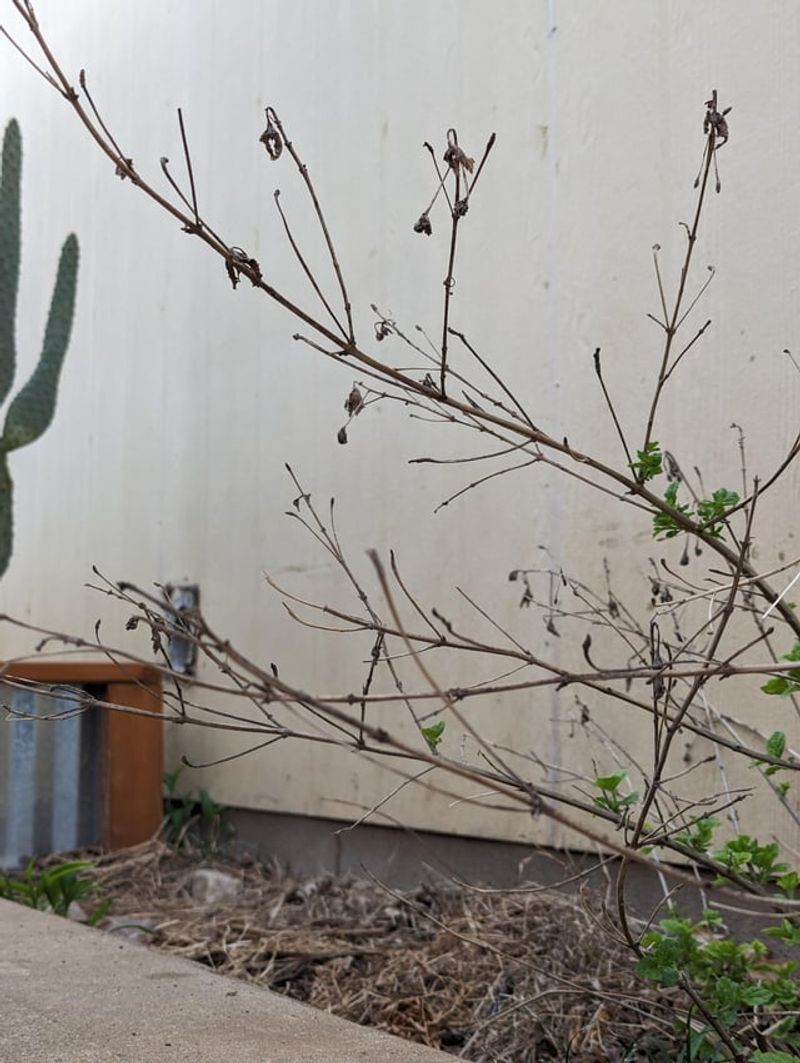
Long, stretched-out stems are a sign that your lantana is reaching for more light or simply growing fast in California’s warm weather. The smart move is to trim those long stems back by about 1 to 3 inches at the tips.
It sounds small, but the effect is surprisingly big.
When you cut a stem tip, the plant responds by sending out two or more new side shoots from just below the cut. More shoots mean more branch tips, and more branch tips mean more places for flowers to form.
It is basically a natural multiplication trick built right into the plant.
Do this throughout the growing season, not just once. Every time you notice stems getting long and floppy, go ahead and snip the tips.
Over time, your lantana will build up a fuller, more compact shape packed with blooming points. California gardeners who do this regularly often end up with plants that look twice as lush as ones that are left to grow unchecked.
It is one of the easiest ways to get dramatically more flowers with very little effort.
5. Cut Back Only About One-Third At A Time
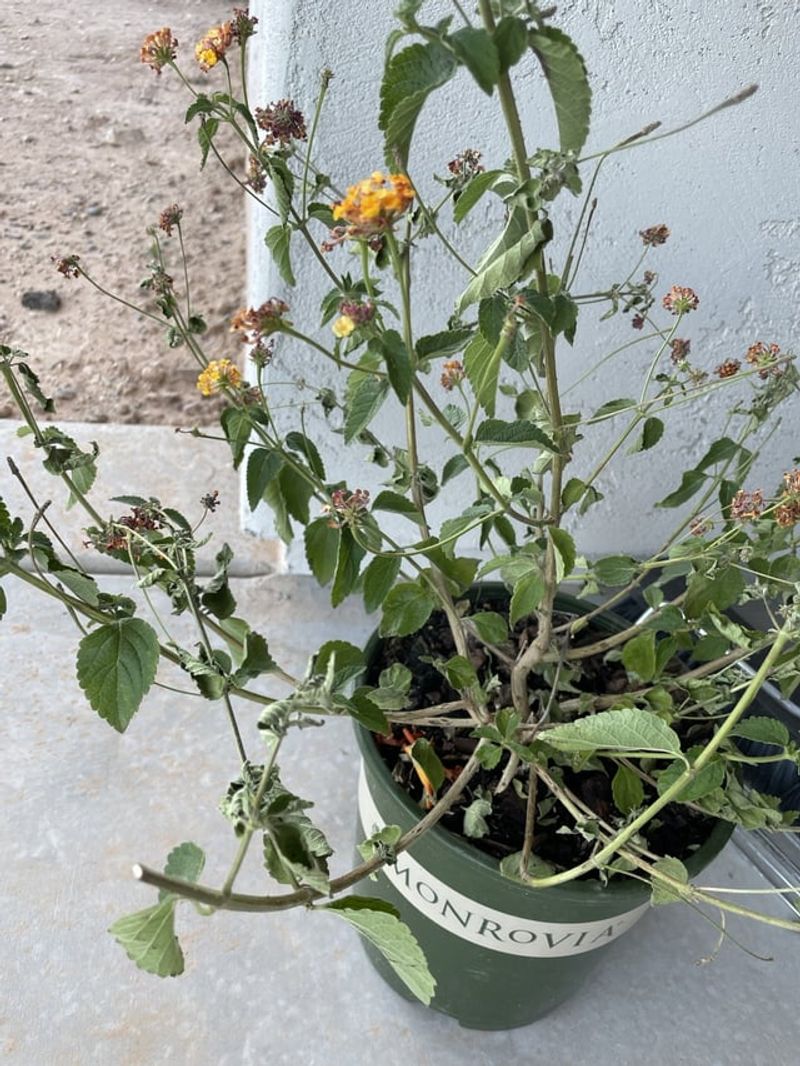
Even though lantana is tough, cutting too much off at once outside of the spring reset can stress the plant and slow down blooming. A good rule to follow during the growing season is to never remove more than one-third of the plant at any single pruning session.
Removing too much foliage at once reduces the plant’s ability to photosynthesize, which means less energy for root development and flower production. By sticking to the one-third rule, you keep enough leafy growth on the plant to support healthy recovery and continuous blooming.
This approach works especially well during California’s long summers when lantana is actively growing and flowering. You can still shape the plant, control its size, and remove problem stems without shocking it into a slowdown.
Think of it like a haircut rather than a full shave. A little off at a time keeps things looking great and growing strong.
Space out your heavier pruning sessions by at least a few weeks so the plant has time to bounce back before you trim again.
6. Remove Berries Before They Mature
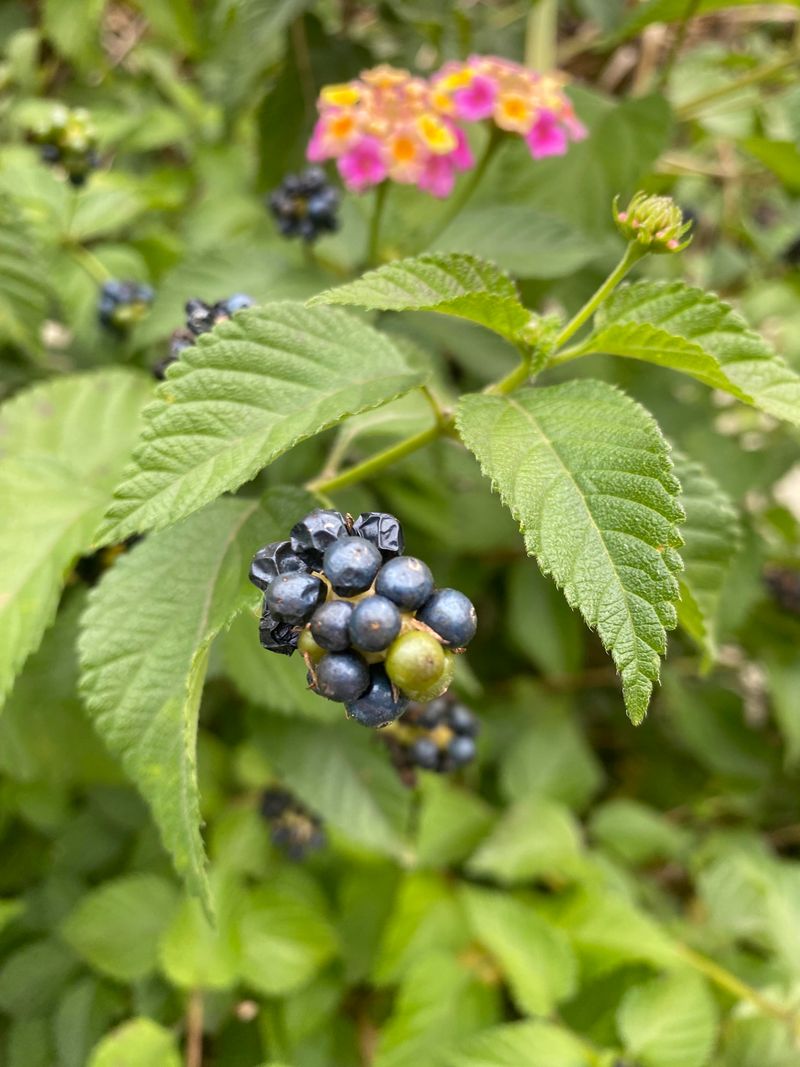
After lantana flowers fade, small green berries form in their place. If you let those berries mature and ripen, the plant shifts a huge amount of its energy into seed production rather than making new flowers.
Removing berries before they fully ripen is a smart way to keep the bloom cycle going strong.
Unripe lantana berries are also worth removing for another reason: they are toxic to people and pets. In California, where kids and animals often spend time in the yard, getting those berries off the plant quickly is just good practice.
Use gloves when handling them to be safe.
Check your lantana every week or two and snip off any berry clusters you find forming. You do not need to be perfect about it, but staying on top of this task makes a real difference over the course of the season.
Plants that have their berries removed consistently tend to bloom more heavily and for longer stretches. Pair this habit with regular deadheading and you have a powerful combination that keeps California lantana looking its most colorful all season long.
7. Water After Pruning To Push New Bloom
Pruning sends a signal to your lantana that it is time to grow, but water is what actually powers that new growth. Right after any pruning session, give your lantana a thorough, deep watering to help it recover and push out fresh shoots and flower buds as quickly as possible.
In California, especially during the dry summer months, soil can dry out fast. After pruning, the plant is putting extra energy into healing and regrowing, so consistent moisture during that recovery window really matters.
Deep watering encourages roots to grow down rather than staying shallow, which makes the plant more drought-tolerant over time.
You do not need to overdo it. Lantana is naturally drought-tolerant once established, so the goal is to water well right after pruning and then let the soil dry out a bit between waterings.
Soggy soil can cause root problems, so always check moisture levels before watering again. A light layer of mulch around the base can help retain moisture between waterings.
With good pruning habits and proper watering to follow, your California lantana will reward you with non-stop color that lasts well into the fall season.