Old Southern Gardening Tricks That Still Work In North Carolina In April
Some of the best gardening advice in North Carolina has been passed down for generations, long before modern tools and products were easy to find.
These old Southern gardening tricks were shaped by experience, observation, and a deep understanding of the local climate.
Even today, many of them still work surprisingly well, especially in April when the growing season is just getting started.
From simple planting habits to clever ways of improving soil and protecting young plants, these methods were designed to make the most of what was available.
North Carolina’s mix of warm days, cool nights, and spring rain makes it the perfect time to put these time tested ideas to use. If you enjoy practical, no fuss gardening, these traditional tips can help you grow a stronger, more productive garden with less effort.
1. Plant By Soil Temperature, Not The Calendar
Grandma always said the calendar was just a suggestion. The real signal to start planting came straight from the soil beneath her feet, and she was onto something truly smart.
In North Carolina, April air can feel warm and inviting, but the ground might still be too cool for certain crops to grow well.
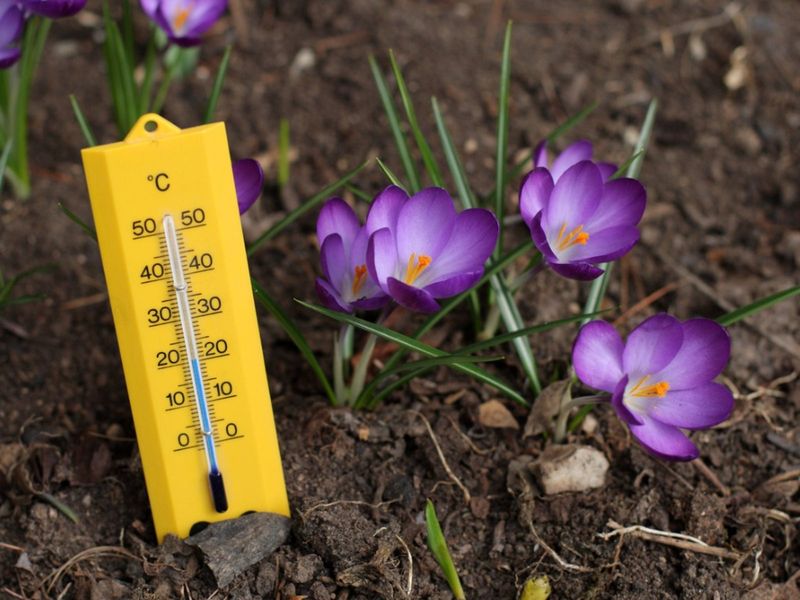
Beans and corn, for example, need soil temperatures of at least 60 degrees Fahrenheit to germinate properly. Planting them too early in cold soil means slow sprouting, weak seedlings, and a disappointing harvest later on.
A simple soil thermometer, available at most garden centers, gives you the honest answer your calendar never can.
Push the thermometer about two inches into the ground in the morning for the most accurate reading. North Carolina’s Piedmont and coastal regions tend to warm up faster than the mountains, so your location in the state really does matter.
Checking the soil before you plant is one of the most reliable moves you can make this April. It takes less than a minute, costs almost nothing, and saves you from wasting seeds on ground that just is not ready yet.
Trust the soil, not the date, and your garden will reward you with stronger, healthier plants all season long.
2. Use Raised Rows Or Hills For Better Drainage
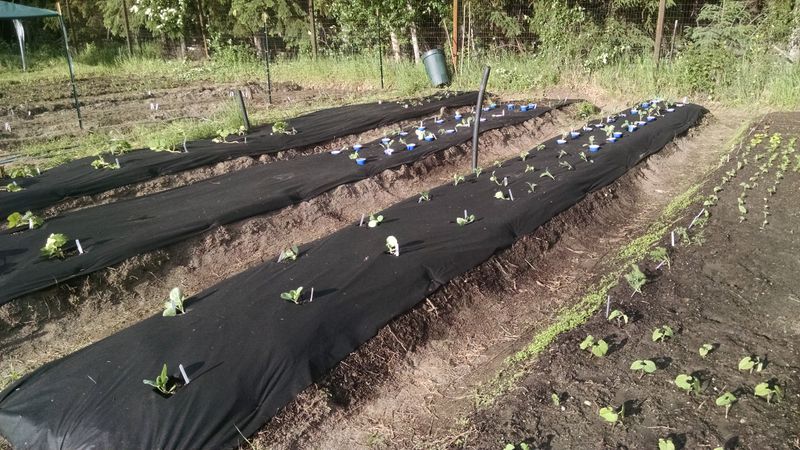
April rains in North Carolina can be generous, sometimes a little too generous for flat garden beds.
Traditional Southern gardeners figured out a clever fix long before modern drainage systems existed, and it involved nothing more than a good hoe and some extra effort.
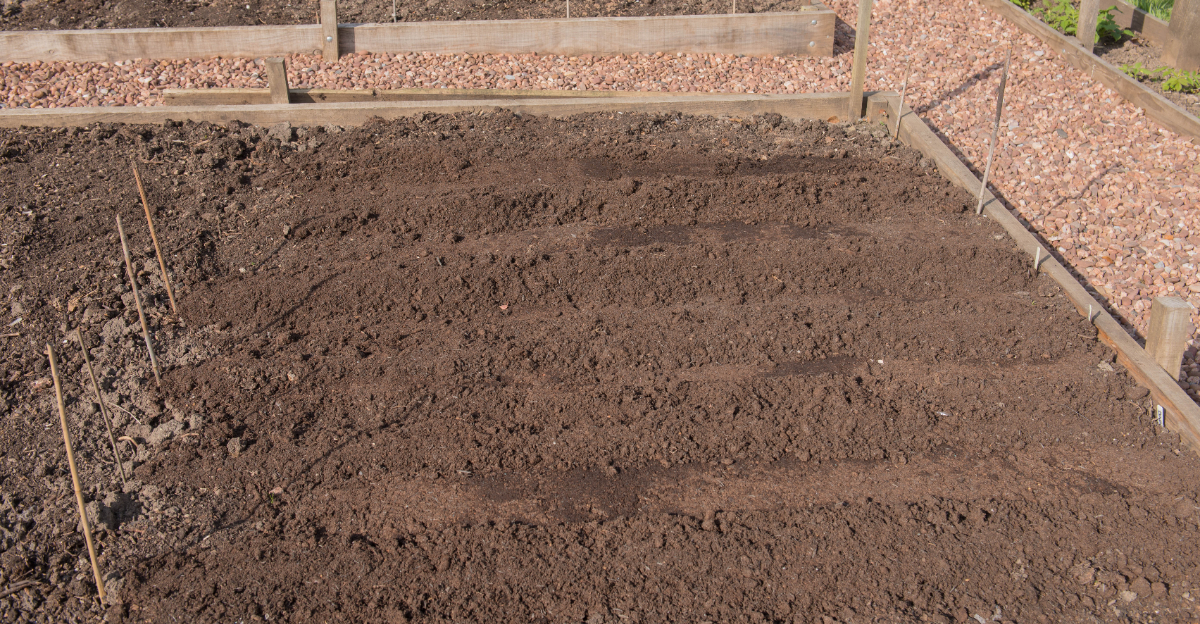
They mounded their soil into raised rows or hills, letting excess rainwater run off to the sides instead of pooling around plant roots.
Soggy roots are one of the fastest ways to lose a crop, and North Carolina’s clay-heavy soils in many regions make drainage an even bigger concern. Raised rows lift your plants just enough above the waterline to keep roots breathing properly after a heavy spring shower.
You only need to raise the soil about four to six inches to make a noticeable difference in how well your garden drains.
Your North Carolina Garden Changes Every Week. Your Plan Should Too.
Gardening in North Carolina changes quickly throughout the season. Every Friday you’ll receive a simple weekly plan showing exactly what to plant, prune, fertilize, harvest, and protect so you never miss the right timing.
Forming hills works especially well for crops like squash, cucumbers, and melons, which are traditionally planted in small mounded clusters. The hills warm up faster in spring sunlight too, giving seeds an extra boost right when they need it most.
Building your rows north to south also helps each plant get even sunlight throughout the day.
Across North Carolina, from the coastal plain to the foothills, this old-school trick remains one of the most practical and low-cost improvements any home gardener can make in April.
3. Plant Cool-Season Crops Early And Often
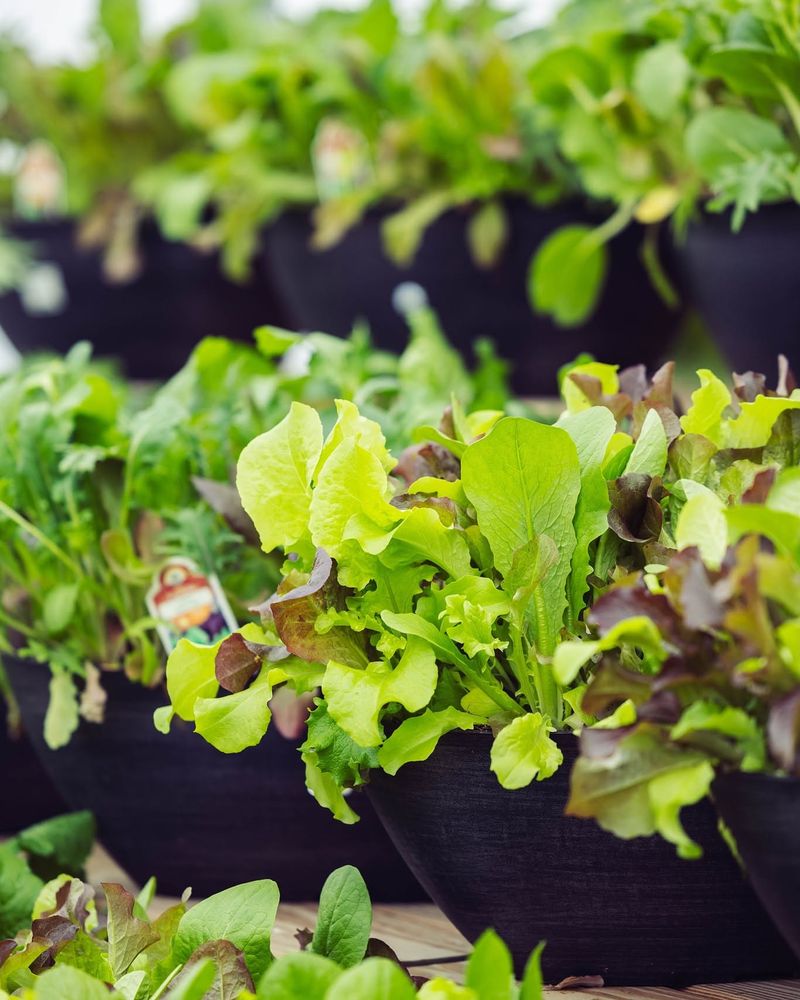
Succession planting is one of those old Southern secrets that sounds simple but changes everything about how much food your garden produces.
Rather than planting all your lettuce or spinach at once, you sow small batches every ten to fourteen days throughout April.
The result is a steady, rolling harvest instead of one overwhelming flush of greens all at once. Cool-season crops like lettuce, kale, radishes, turnip greens, and Swiss chard absolutely love North Carolina’s mild April temperatures.
They grow fast, taste better in cooler weather, and give you something delicious to harvest while you wait for tomatoes and peppers to catch up.
Radishes can go from seed to table in as little as three weeks, making them perfect for filling gaps between other plantings.
The key is to keep sowing even after your first batch is already in the ground and growing. Many North Carolina gardeners skip this step and end up with a two-week feast followed by nothing at all.
Staggering your plantings by even a week or two makes a huge difference in how long your cool-season harvest lasts. As temperatures climb through late spring, you can shift toward heat-tolerant varieties to extend the season even further.
Old Southern gardeners knew that a productive garden is never planted all at once, and that wisdom rings just as true in April today as it did a hundred years ago.
4. Add Compost Before Summer Heat Arrives
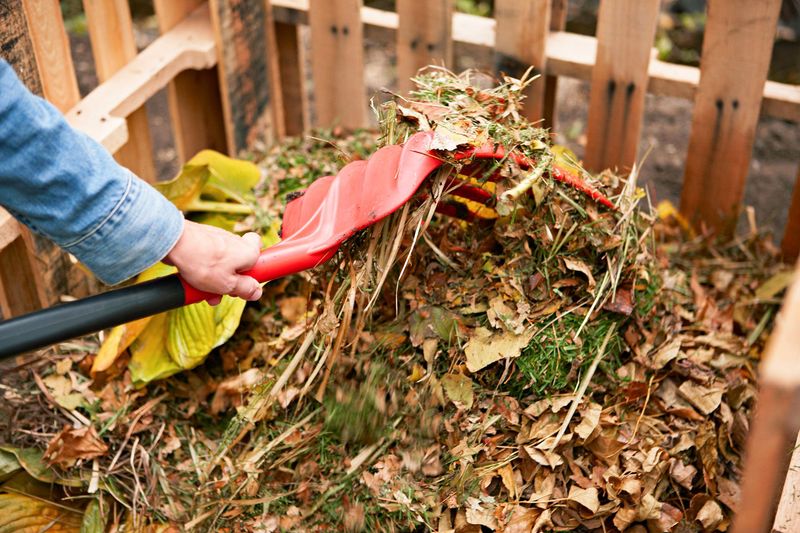
There is a reason old Southern gardeners kept a compost pile going year-round. They understood that healthy soil grows healthy plants, and compost was their most powerful tool for building that foundation.
April is the perfect window to work compost into your North Carolina garden beds before summer heat makes the soil dry and hard to improve.
Compost does several things at once that no single bag of fertilizer can match. It improves soil structure, helping sandy soils hold moisture and breaking up heavy clay soils common across much of North Carolina.
It also feeds the billions of microorganisms living underground that help plants absorb nutrients more efficiently throughout the growing season.
Spread a two to three inch layer of finished compost over your garden beds and work it into the top six inches of soil with a fork or tiller. If you do not have your own compost yet, bagged versions from local garden centers work just as well.
Adding compost now means your soil will stay cooler, hold water longer, and support stronger root systems once summer temperatures start climbing.
Across North Carolina, where summers can get brutally hot and dry, this one April habit can be the difference between a struggling garden and a thriving one.
Southern gardeners called it feeding the earth, and the earth always paid them back with abundance.
5. Mulch Early To Lock In Spring Moisture
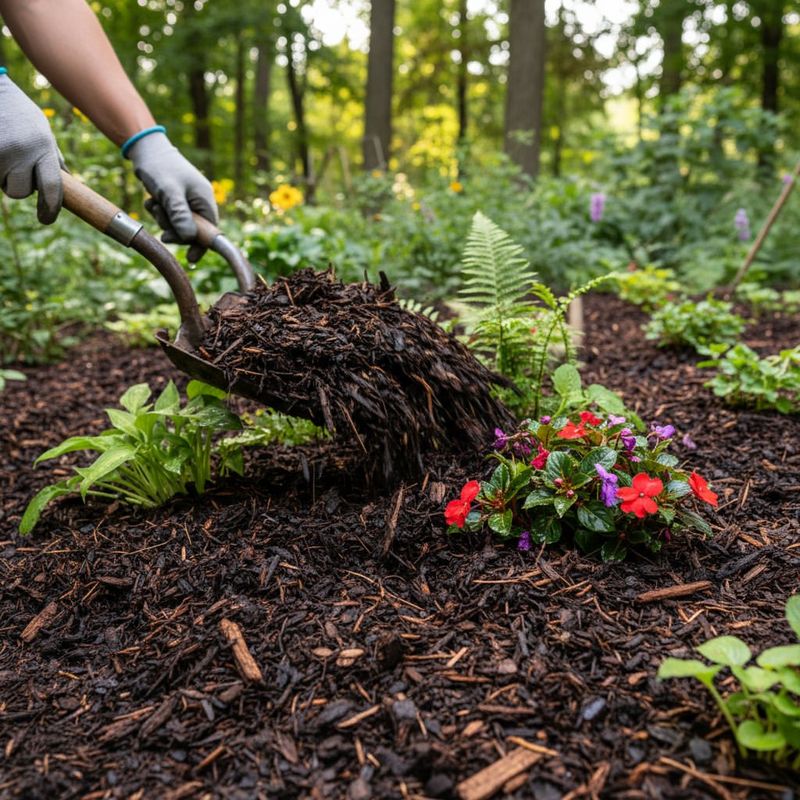
Pine straw has been a Southern gardener’s best friend for as long as anyone can remember. Across North Carolina, it is practically everywhere, making it one of the most accessible and affordable mulching materials available.
Applying a two to three inch layer around your plants in April does more good than most people realize, and the benefits last well into the hottest months of summer.
Mulch slows down water evaporation from the soil surface, which means you water less often and your plants stay hydrated longer between rain events. It also keeps soil temperatures more stable, which roots absolutely love.
Beyond moisture and temperature, a good layer of mulch suppresses weed growth by blocking sunlight from reaching weed seeds waiting in the soil below.
Pine straw is a classic choice, but shredded leaves, wood chips, and straw all work beautifully in North Carolina gardens. Keep mulch pulled back slightly from plant stems to prevent rot and allow good airflow at the base of each plant.
Applying mulch early in April, before the heat arrives, gives you the biggest advantage because you are locking in cool spring moisture right from the start.
Old Southern gardeners treated mulching as a non-negotiable spring chore, and modern research completely backs up their instincts.
A well-mulched garden in April is a garden that is already prepared to handle whatever the North Carolina summer throws at it.
6. Use Companion Planting To Reduce Pests
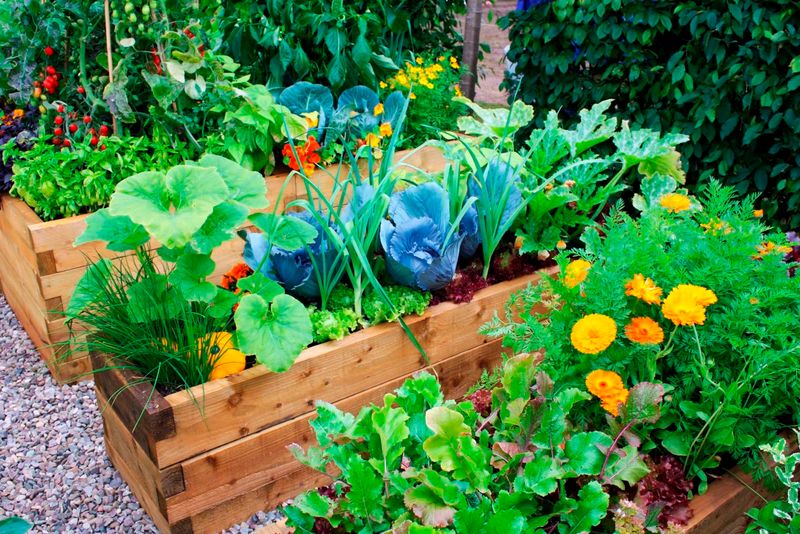
Old Southern gardens rarely grew just one crop in a row, and that was not an accident.
Mixing plants together on purpose, a practice called companion planting, was one of the smartest natural pest control strategies generations of gardeners relied on long before chemical sprays existed.
North Carolina gardeners today are rediscovering just how effective this approach really is.
Basil planted near tomatoes is one of the most well-known pairings, and it genuinely works. The strong scent of basil confuses and deters aphids and hornworms, two of the most common tomato pests in North Carolina gardens.
Marigolds are another powerhouse companion, releasing a scent through their roots and flowers that many insects find deeply unpleasant.
Planting marigolds along the borders of your vegetable beds creates a fragrant barrier that helps protect everything growing inside.
Nasturtiums attract aphids away from your vegetables, acting as a kind of sacrificial plant that lures pests away from your most prized crops.
Dill and fennel attract beneficial predator insects like lacewings and parasitic wasps, which naturally keep harmful pest populations in check.
April is the ideal time to set up these plant partnerships in North Carolina because you are establishing them early, before pest pressure builds through late spring and summer.
A garden designed with companion planting in mind works with nature instead of against it, and that is a lesson old Southern gardeners understood deeply and well.
7. Water Deeply But Less Often
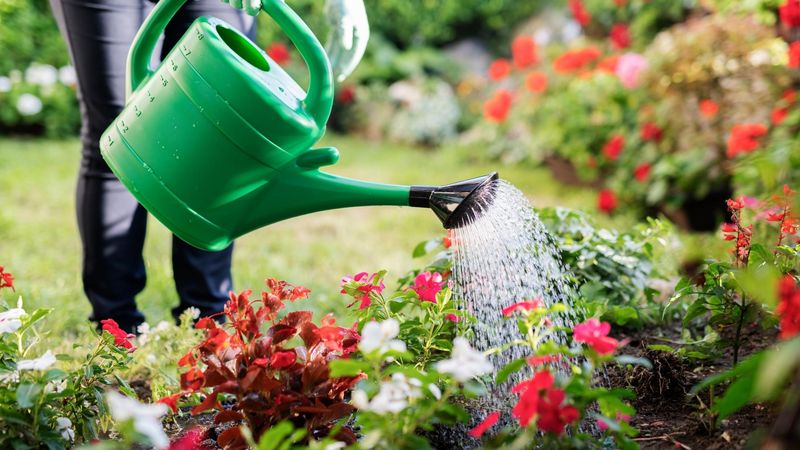
Frequent shallow watering is one of the most common mistakes home gardeners make, and old Southern gardeners knew better.
They watered deeply and less often, training roots to reach down into the soil rather than staying near the surface where moisture disappears quickly.
North Carolina summers can be relentlessly hot and dry, and plants with shallow roots struggle badly when dry spells hit.
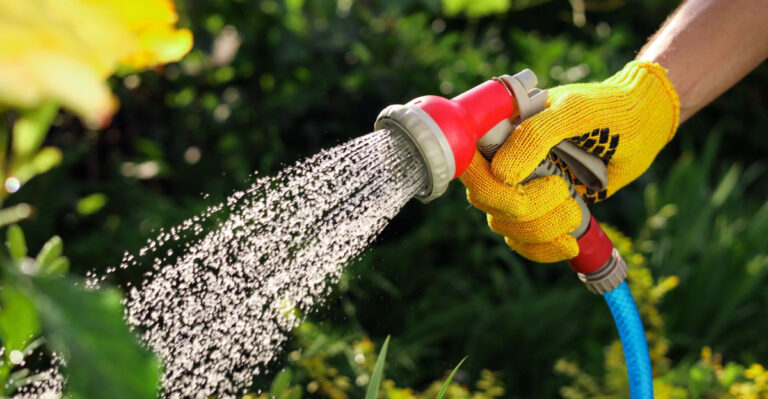
Deep watering means applying enough water at one time to soak the soil six to eight inches below the surface. Roots follow moisture downward, building a stronger, more resilient system that can tap into deeper reserves during dry stretches.
A simple way to check is to push a finger or a wooden dowel into the soil after watering to see how far the moisture has actually penetrated.
Watering in the early morning is the most efficient time because less water is lost to evaporation and foliage dries quickly, reducing the risk of fungal problems.
Drip irrigation and soaker hoses are excellent modern tools that deliver water directly to roots, which aligns perfectly with the deep watering philosophy old Southern farmers practiced by hand.
Starting this habit in April, while spring temperatures are still mild, helps establish strong root systems before the real heat of a North Carolina summer arrives.
Plants that drink deeply grow stronger, and stronger plants produce more food. It is a simple truth that never goes out of style.
8. Start Tender Crops Indoors Or Protect Them
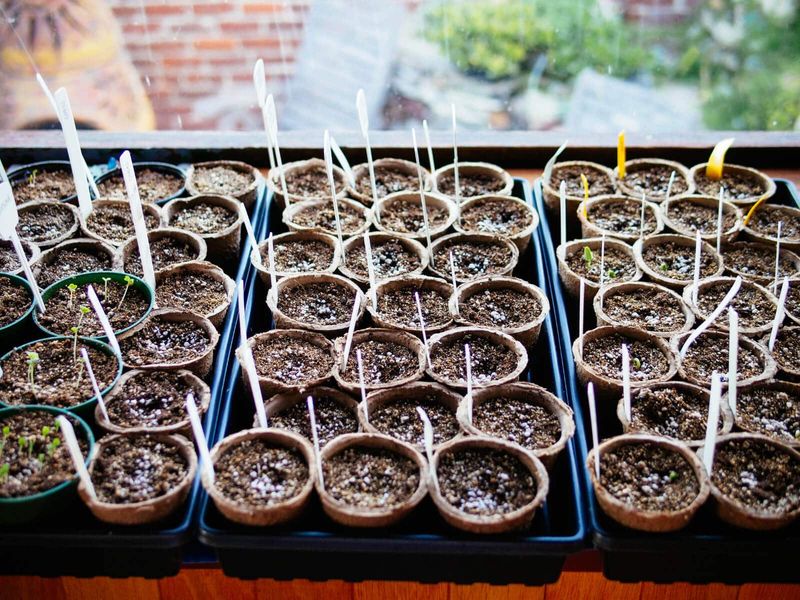
April in North Carolina can feel like full-on spring one week and then surprise you with a cold snap the next. Old Southern gardeners knew this well, and they had a straightforward strategy for dealing with it.
Starting warm-season crops like tomatoes, peppers, and eggplant indoors gave them a head start while keeping tender seedlings safe from unpredictable late-season cold.
North Carolina’s last frost date varies quite a bit depending on where you live in the state. The mountains around Asheville can see frost well into April, while the coastal plain near Wilmington often clears frost risk earlier in the month.
Knowing your specific area’s average last frost date helps you decide exactly when it is safe to move seedlings outside permanently.
Until that date passes, keeping seedlings near a south-facing window or under grow lights gives them the warmth and light they need to develop properly.
If you do move plants outside during the day for hardening off, bring them back in before temperatures drop at night.
Row covers and simple cold frames made from old windows are classic Southern solutions for protecting plants that are already in the ground. April weather in North Carolina rewards the gardener who stays flexible and pays attention.
Starting your tender crops early indoors and protecting them when needed is not just cautious planning, it is exactly the kind of practical wisdom that helped Southern families fill their tables with food season after season.
9. Keep Rows Clean And Weed Early
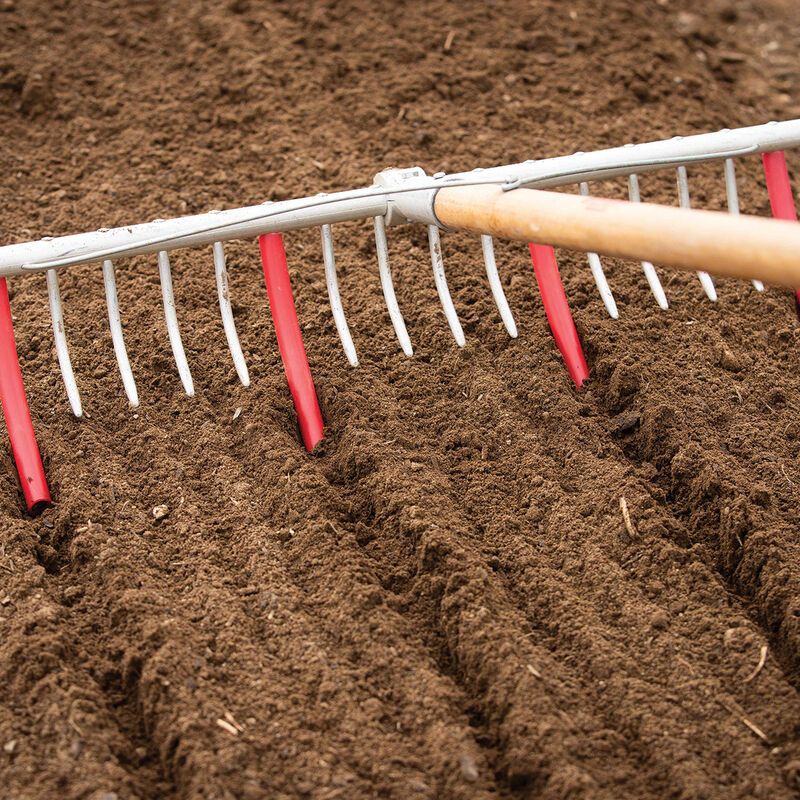
Weeds are patient, fast, and ruthless competitors. They move in quietly, steal water and nutrients from your vegetables, and before you know it, they have taken over entire sections of your garden.
Old Southern gardeners treated early weeding as a non-negotiable weekly task, and their gardens were noticeably more productive because of it.
The best time to pull or hoe weeds is when they are still tiny, ideally before they ever get the chance to flower and set seed. A single weed plant can release hundreds or even thousands of seeds into your soil, creating a much bigger problem next year.
Getting ahead of weeds in April, when your crops are still small and the soil is moist and loose, is far easier than fighting them in July’s heat.
A sharp hoe is your best tool for this job, slicing weeds off just below the soil surface without disturbing your vegetable roots too much.
Hoeing between rows once a week through April and May makes a dramatic difference in how manageable your garden stays all season.
In North Carolina, where warm temperatures and rainfall create ideal weed-growing conditions, staying consistent with early weeding pays off in a big way.
Clean rows also improve airflow between plants, which helps reduce fungal issues that thrive in humid Southern conditions.
Old-timers called a clean garden a happy garden, and they were absolutely right about that.
10. Watch The Weather Closely For Late Frost

April has a sneaky reputation among experienced North Carolina gardeners. Just when you think winter is completely gone, a cold front can roll through and catch your garden off guard.
Old Southern gardeners kept a close eye on the sky and the thermometer, and they never put their frost covers away too early in the season.
A late frost can damage or wipe out tender plants like tomatoes, peppers, and basil overnight if they are left unprotected.
The mountain regions of western North Carolina are especially vulnerable to late April frost events, but even Piedmont and coastal gardeners have seen surprise cold nights well into the month.
Keeping a supply of old bedsheets, lightweight row covers, or frost blankets nearby is one of the smartest habits any April gardener can have.
Cover your plants in the evening before a forecasted cold night and remove the covers the next morning once temperatures rise above freezing again. Plastic sheeting works in a pinch but should not sit directly on plant foliage since it can trap cold against the leaves.
Checking a reliable local weather forecast every evening in April takes just a moment and can save weeks of work and investment in a single night.
North Carolina gardeners who stay weather-aware through April consistently have better outcomes than those who assume the cold is already gone. Staying alert is the oldest and most reliable trick in the Southern gardening book.