The Beneficial Insects Pennsylvanians Should Never Accidentally Remove
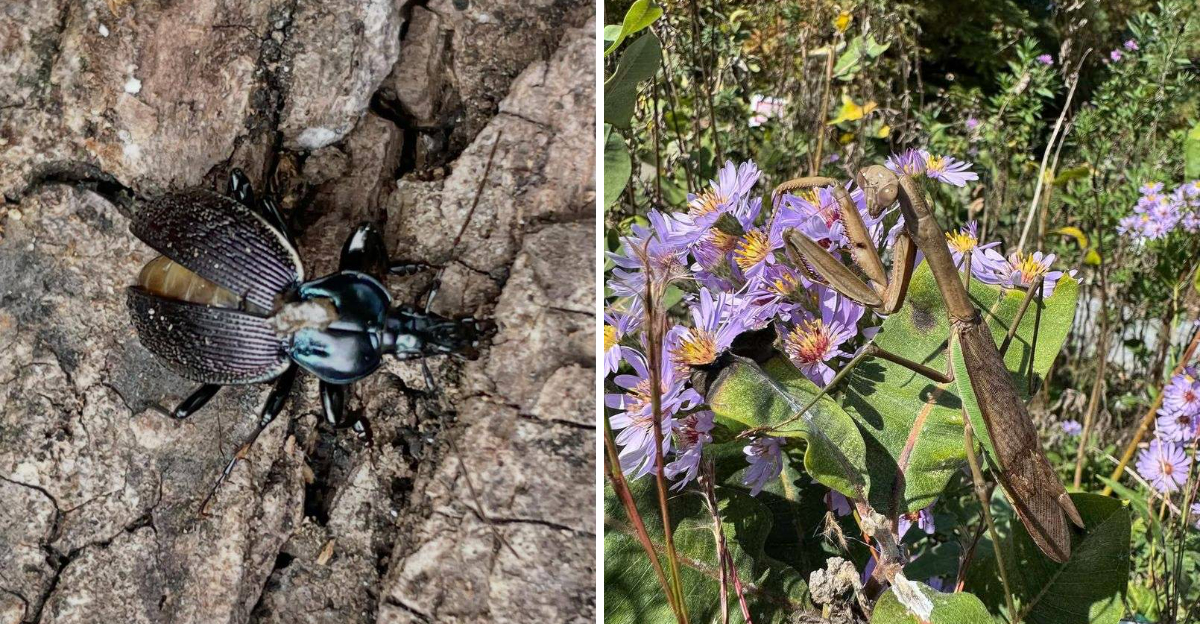
Ever notice a strange bug in the yard and assume it has to be bad news? That reaction is pretty common, especially when something is crawling across a leaf, hovering near flowers, or hanging around the garden beds longer than you would like.
But in Pennsylvania yards, some of the most helpful creatures are the ones people are quickest to remove. They may not look important at first glance, yet they are quietly doing work that helps the whole garden function better.
These beneficial insects can pollinate flowers, feed on destructive pests, and support a healthier balance in the landscape without asking for much in return. The tricky part is that not all of them look friendly or familiar.
Some seem odd, some appear in unexpected places, and some get mistaken for pests simply because they are small and easy to misjudge.
Once they are gone, the garden can feel the difference. Fewer natural helpers can mean more pest trouble, weaker pollination, and more effort on your part.
Knowing which insects deserve protection can make gardening easier, smarter, and a lot more rewarding over time.
1. Lady Beetles (Ladybugs)
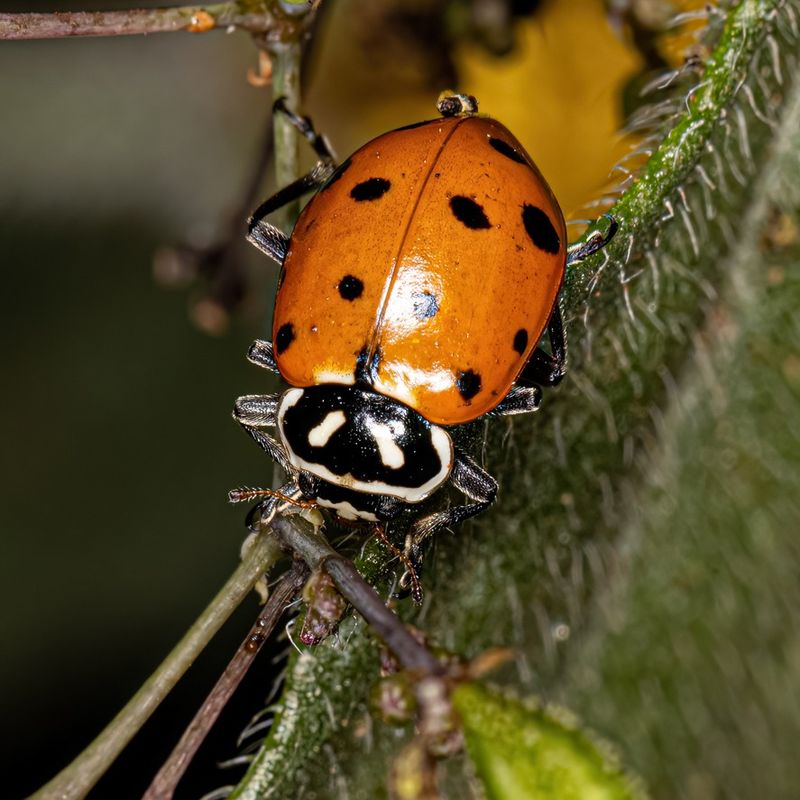
Spotting a ladybug in your garden is actually a really good sign. These small, round beetles are one of nature’s most powerful pest controllers, and Pennsylvania gardeners should do everything they can to keep them around.
A single adult ladybug can eat up to 5,000 aphids over its lifetime, which is pretty incredible for such a tiny insect.
Ladybugs are especially common in vegetable and flower gardens across Pennsylvania. They show up when aphid populations are high, almost like they have a built-in radar for trouble.
Both adults and larvae feed on soft-bodied pests like aphids, mites, and mealybugs, making them valuable at every stage of their life cycle.
Here is something many people do not know: ladybug larvae look nothing like the cute spotted adults. They are small, dark, and almost alligator-shaped, which causes a lot of people to mistake them for harmful bugs and remove them.
Before you reach for a spray bottle or gardening glove, take a closer look at what you are dealing with.
Encouraging ladybugs in your Pennsylvania yard is easier than you might think. Planting flowers like dill, fennel, and marigolds gives them shelter and extra food sources.
Avoiding broad-spectrum pesticides is also key, since those products can wipe out ladybug populations fast. Once you start protecting these little beetles, you will likely notice fewer pest problems throughout the growing season.
2. Green Lacewings
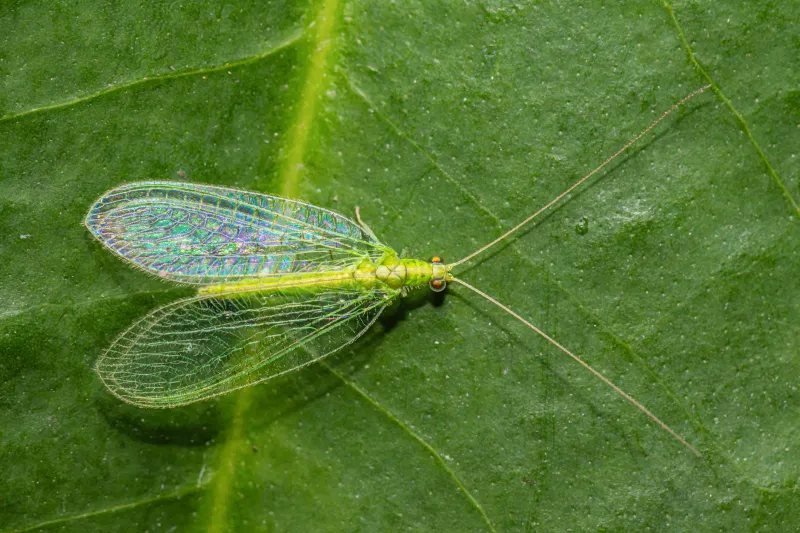
Do not let their delicate, almost fairy-like appearance fool you. Green lacewings are fierce predators in the insect world, and their larvae are some of the most effective pest hunters you will find in any Pennsylvania garden.
Gardeners who learn to recognize these insects quickly realize just how much work they are doing behind the scenes.
The larvae of green lacewings are sometimes called aphid lions, and that nickname is well earned. They use curved, hollow jaws to grab and feed on aphids, spider mites, whiteflies, and other small pests.
Your Pennsylvania Garden Changes Every Week. Your Plan Should Too.
Gardening in Pennsylvania changes quickly throughout the season. Every Friday you’ll receive a simple weekly plan showing exactly what to plant, prune, fertilize, harvest, and protect so you never miss the right timing.
One larva can take out dozens of pests in a single day, which adds up to serious pest control over a growing season.
Adult green lacewings are a little different in their habits. They mostly feed on nectar and pollen, which means they also contribute to pollination in your garden.
You will often find them near flowering plants in the evening, since they tend to be more active after the sun goes down.
Pennsylvania gardens that include a variety of flowering plants are more likely to attract and support green lacewing populations. Native wildflowers, herbs like cilantro and dill, and plants with small open blooms are especially attractive to them.
Since lacewing eggs are tiny and often laid on thin stalks attached to leaves, they are easy to overlook during routine garden maintenance. Being careful when trimming plants or removing old foliage helps protect these helpful insects and keeps your garden working at its best all season long.
3. Ground Beetles
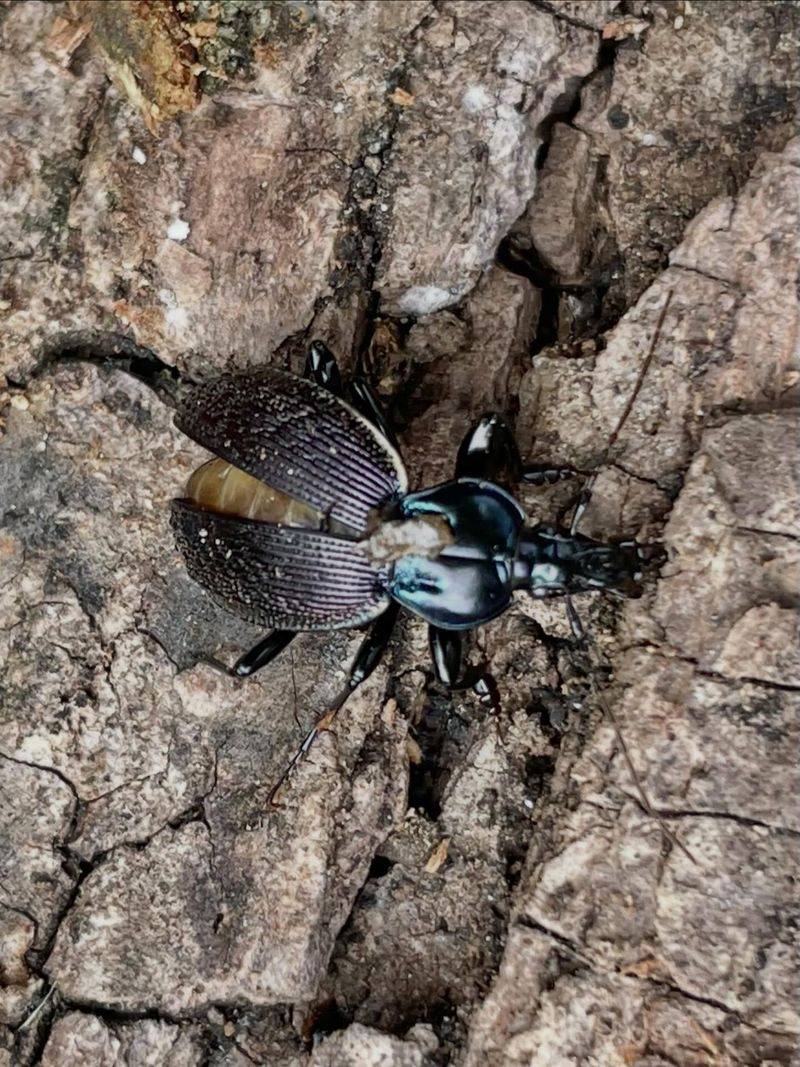
Most people never even notice ground beetles because these insects spend their lives close to the soil, hiding under mulch, rocks, and leaf litter. They are mostly active at night, which is another reason they go undetected.
But across Pennsylvania, ground beetles are quietly doing some of the most important pest control work in the garden.
Ground beetles feed on slugs, caterpillars, cutworms, root maggots, and other soil-dwelling pests that can seriously damage plant roots and seedlings. Because they hunt at or below the soil surface, they target pests that other beneficial insects often miss entirely.
For gardeners dealing with recurring slug problems or unexplained root damage, a healthy ground beetle population can be a game changer.
Fun fact: there are over 2,500 species of ground beetles in North America, and many of them are found right here in Pennsylvania. Most are dark and shiny, ranging from black to dark brown or even metallic green.
They may look a little intimidating up close, but they pose no threat to humans or pets whatsoever.
Supporting ground beetles is mostly about giving them a good habitat. Keeping a layer of mulch in garden beds, leaving some areas of bare soil, and avoiding heavy tilling all help maintain the environment these beetles prefer.
Reducing pesticide use is also important, since ground beetles are sensitive to chemical treatments. Once you make your Pennsylvania garden ground-beetle friendly, these nighttime hunters will reward you with season-long protection against some of the most damaging soil pests around.
4. Parasitic Wasps
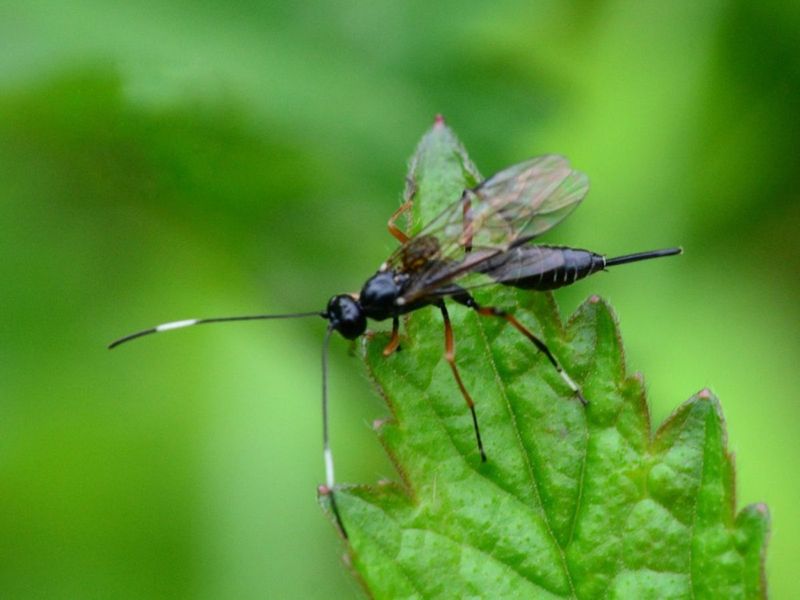
Tiny and almost invisible to the naked eye, parasitic wasps are one of the most underappreciated beneficial insects in all of Pennsylvania. Most people have never heard of them, and many who have assume they are dangerous.
The truth is, these small wasps are completely harmless to humans and are extraordinary at controlling pest insect populations.
Parasitic wasps work by laying their eggs inside or directly on pest insects like caterpillars, aphids, and whiteflies. When the eggs hatch, the developing larvae feed on the host insect from the inside, eventually stopping the pest from reproducing or causing further damage.
It sounds intense, but it is one of the most effective forms of natural pest control found anywhere in the natural world.
Several species of parasitic wasps are native to Pennsylvania and are already working in gardens, fields, and forests throughout the state. You might spot evidence of their work if you notice caterpillars covered in tiny white cocoons.
Those cocoons belong to braconid wasp larvae, one of the most common parasitic wasp species in the region.
Attracting parasitic wasps to your Pennsylvania yard is easier than most people expect. Planting small-flowered plants like yarrow, dill, sweet alyssum, and parsley gives adult wasps the nectar they need to survive.
Avoiding pesticide sprays is the single most important step you can take to protect them. Because these wasps are so small, even low-toxicity products can have a big impact on their populations.
Treat them well and they will quietly protect your garden all season long.
5. Hoverflies (Syrphid Flies)
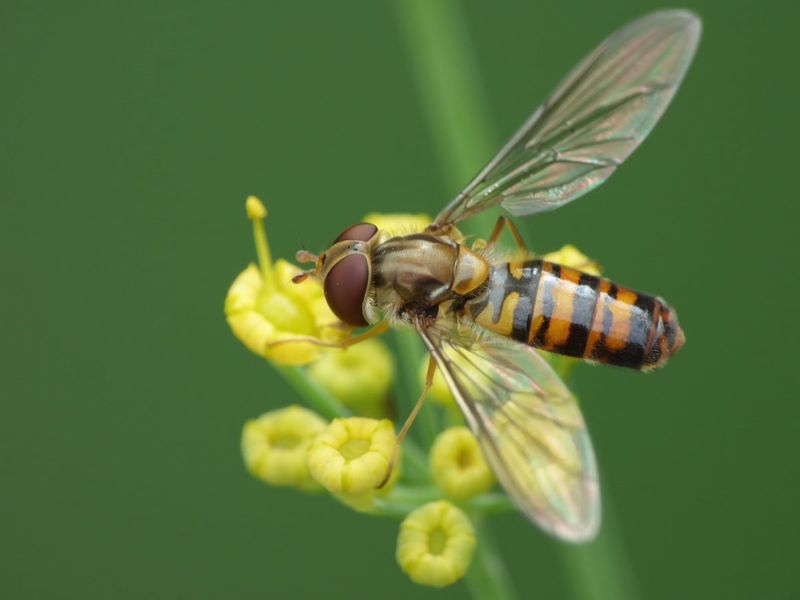
At first glance, hoverflies look a lot like bees or small yellow jackets, and that resemblance causes a lot of Pennsylvania gardeners to swat them away without a second thought. That is a mistake worth correcting.
Hoverflies are completely harmless to people, and they play two important roles in the garden: pest control and pollination.
The larvae of hoverflies are hungry hunters. They feed on aphids and other small soft-bodied insects, working their way through colonies of pests that can quickly overwhelm vegetable and flower gardens.
Meanwhile, adult hoverflies spend their time visiting flowers and feeding on nectar and pollen, making them surprisingly effective pollinators across Pennsylvania gardens and farms.
What makes hoverflies especially interesting is their ability to hover in place, almost like tiny helicopters. They zip from flower to flower with impressive speed and precision.
You will most often spot them around flowering plants during warm, sunny days from late spring through early fall, which covers most of the Pennsylvania growing season.
Encouraging hoverflies is straightforward and rewarding. Planting a variety of flowering plants, especially those with open, shallow blooms like zinnias, marigolds, and native wildflowers, gives both larvae and adults what they need to thrive.
Leaving a small section of your yard a little wilder, with leaf litter or low ground cover, also helps support their life cycle. Once you stop mistaking them for stinging insects and start recognizing them as garden allies, you will find yourself genuinely glad to see them buzzing around your Pennsylvania yard each season.
6. Praying Mantises
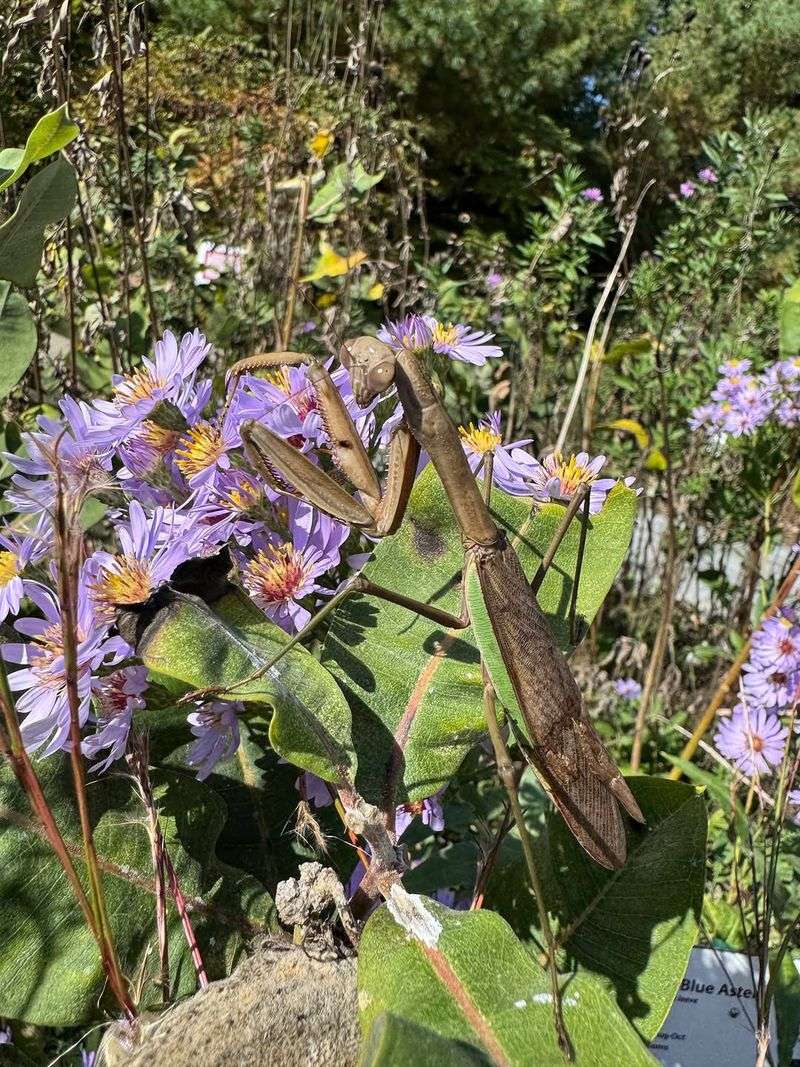
Few insects command as much attention in the garden as the praying mantis. With its triangular head, rotating eyes, and folded front legs, it looks like something straight out of a science fiction movie.
Pennsylvania gardeners who spot one of these remarkable predators should consider themselves lucky, because a mantis in your yard is a sign of a healthy, balanced garden ecosystem.
Praying mantises are generalist predators, meaning they eat a wide variety of insects. Beetles, moths, flies, crickets, and many other pests are all fair game.
Because they are large and patient hunters, they can take on prey that smaller beneficial insects cannot handle. Their presence helps reduce pest populations across a broader range of species, which is especially useful in larger or more naturalized Pennsylvania gardens.
One quirky fact about mantises is that they are the only insect capable of turning their heads a full 180 degrees. This gives them an almost eerie ability to track moving prey without shifting their body.
They rely almost entirely on sight to hunt, and they are remarkably good at staying still and waiting for the right moment to strike.
Attracting praying mantises to your Pennsylvania yard starts with creating a garden that supports a diverse insect community. Taller plants, shrubs, and areas with dense foliage give mantises the cover they need to hunt effectively.
You can also find egg cases, called oothecae, for sale at some garden centers. Placing them in your garden in early spring gives the next generation of mantises a head start right in your own backyard.
7. Native Bees (Various Species)
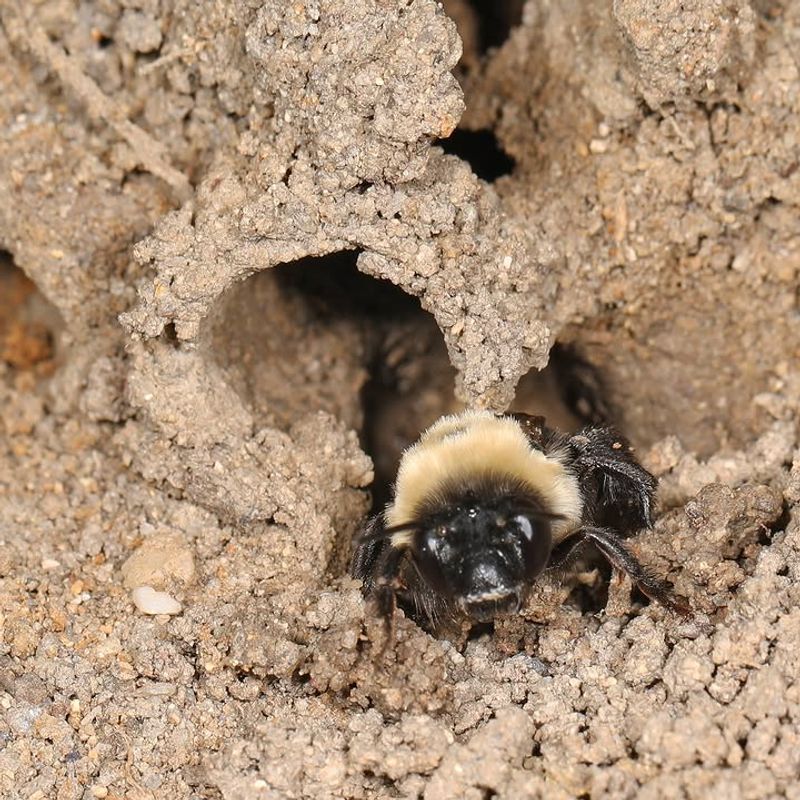
When most people think about bees, they picture the familiar honeybee. But Pennsylvania is actually home to over 400 species of native bees, and many of them are even more efficient pollinators than their well-known cousin.
Bumblebees, mason bees, sweat bees, and mining bees are just a few of the native species working hard in Pennsylvania gardens, fields, and orchards every single season.
Native bees are incredibly important for the health of local plant communities. They pollinate vegetables, fruits, and wildflowers with remarkable efficiency, often visiting more flowers per trip than non-native species.
Some native bees, like bumblebees, use a technique called buzz pollination, where they vibrate their bodies at just the right frequency to release pollen from certain flowers. Tomatoes, peppers, and blueberries all benefit from this special skill.
Unfortunately, native bee populations across Pennsylvania have faced pressure from habitat loss, pesticide use, and the spread of invasive plant species.
Many native bees nest in the ground or in hollow plant stems, which means routine yard cleanup can accidentally disturb or remove their nesting sites.
Being a little less tidy in certain areas of your yard can actually go a long way toward supporting these vital pollinators.
Supporting native bees does not require a lot of effort or expense. Planting native Pennsylvania wildflowers like black-eyed Susans, coneflowers, and wild bergamot gives bees the food they need throughout the season.
Leaving small patches of bare soil and keeping some dry plant stems standing through winter provides essential nesting habitat. Every small change you make adds up to real support for these irreplaceable garden partners.