When And How To Prune Peppers For Better Growth In North Carolina Gardens
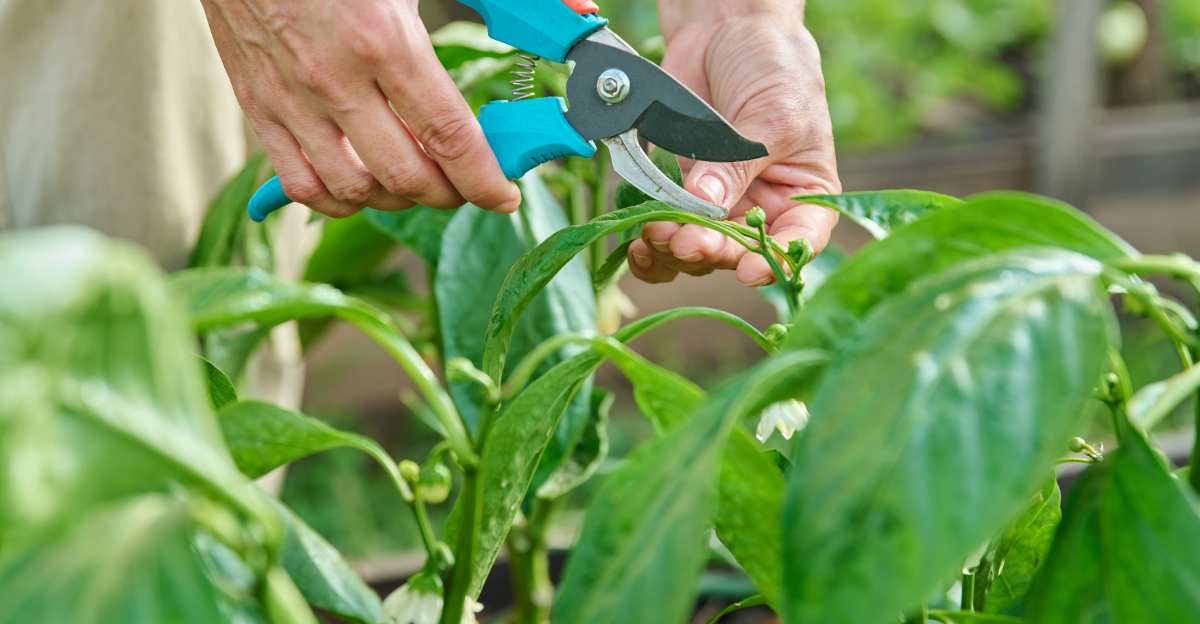
Peppers can grow well in North Carolina, but knowing when and how to prune them can make a noticeable difference in their health and overall growth.
Many gardeners skip pruning or feel unsure about cutting into their plants, yet a few simple steps can lead to stronger stems and better airflow.
In North Carolina’s warm climate, plants grow quickly, which means guiding that growth can really pay off.
Pruning at the right time helps plants stay balanced and encourages them to put energy into producing more peppers instead of excess foliage.
It can also reduce crowding, which is helpful in humid conditions where plants need space to stay healthy.
Whether you are growing peppers in raised beds or containers, a little attention to pruning can go a long way.
With the right approach, your plants can stay productive, sturdy, and easier to manage all season long.
1. Start Pruning After Plants Are Established
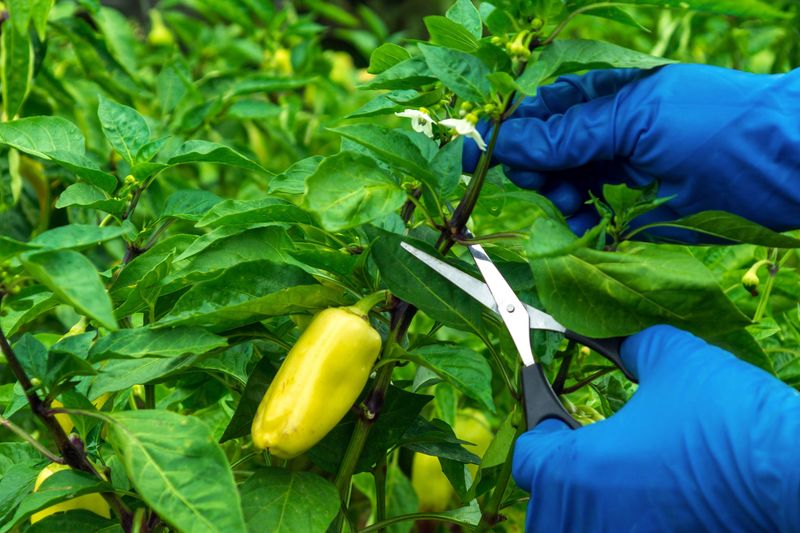
Most gardeners are surprised to learn that timing is everything when it comes to pruning peppers. Cutting into your plants too early can actually slow them down rather than help them grow.
In North Carolina, the sweet spot for starting to prune is when your pepper plants have reached about 8 to 12 inches tall and are actively pushing out new growth, which usually happens in late spring.
At that stage, the root system is strong enough to handle a little trimming without getting stressed out. Before that point, the plant is still putting all its energy into getting established in the soil.
Jumping in too soon means you are taking away resources the plant desperately needs to build a strong foundation.
North Carolina’s warm and humid spring climate actually helps peppers grow quickly once they are transplanted outdoors.
Soil temperatures need to be consistently above 60 degrees Fahrenheit before you even consider any cutting.
Waiting for that warmth ensures your plants are healthy, vigorous, and ready to bounce back fast after pruning.
A good rule of thumb is to observe your plants daily once they hit the 8-inch mark. If new leaves are forming and the stem looks sturdy, you are good to go.
Patience in those early weeks pays off with stronger, more productive plants throughout the rest of the growing season in your North Carolina garden.
2. Remove The First Flowers Early In The Season
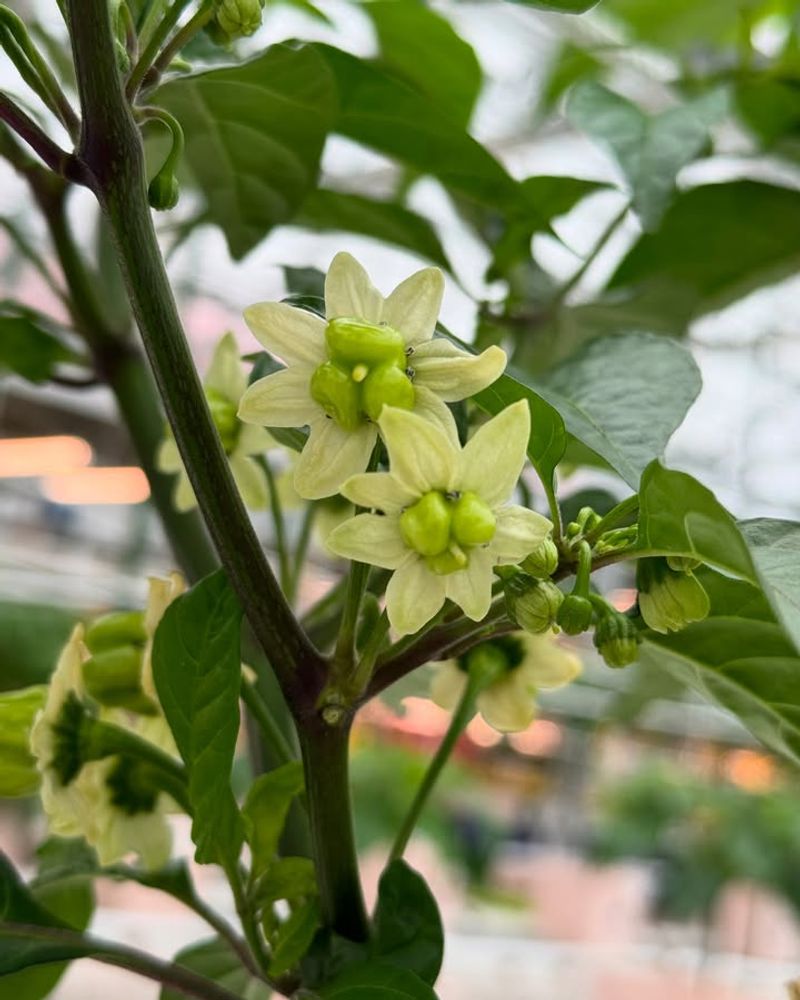
Pinching off the very first flowers on your pepper plant might feel completely wrong, but it is one of the smartest moves a North Carolina gardener can make.
Those early blooms show up before the plant has built up enough strength to support fruit properly.
Letting them stay means the plant splits its energy between growing and producing at the same time, and neither job gets done well. When you remove those first flower clusters, something great happens underground.
The plant redirects all of its energy straight into root and leaf development, building a stronger, wider base that will support way more fruit later in the season.
Your North Carolina Garden Changes Every Week. Your Plan Should Too.
Gardening in North Carolina changes quickly throughout the season. Every Friday you’ll receive a simple weekly plan showing exactly what to plant, prune, fertilize, harvest, and protect so you never miss the right timing.
Think of it like skipping the first small harvest to set yourself up for a much bigger one down the road.
North Carolina gardeners who try this technique often notice their plants becoming noticeably bushier and more robust within just a few weeks. The stems get thicker, the leaves get fuller, and the plant just looks healthier overall.
That extra structural strength means it can hold up heavy fruit without branches bending or snapping later on.
Aim to remove just the first two or three flower clusters, and then let the plant do its thing naturally.
After that initial pinching, the flowers that follow will develop into peppers on a much more capable and well-rooted plant.
The payoff in yield and plant health is absolutely worth those few moments of effort early on.
3. Prune Lower Leaves Near The Soil Line
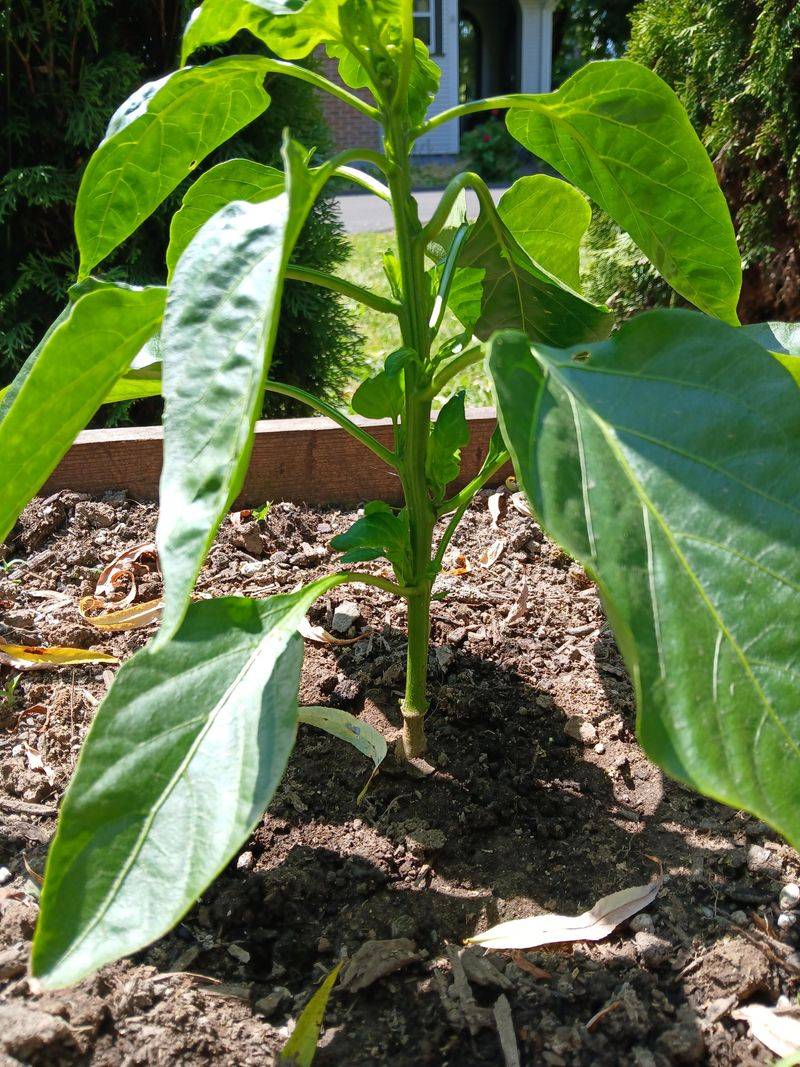
One of the most practical pruning habits you can build is consistently removing the leaves that hang down close to the soil.
In North Carolina, where summer humidity can get seriously intense, those low-hanging leaves create the perfect environment for fungal problems and soil-borne diseases to creep up onto your plants.
Keeping that lower portion of the stem clear is a simple step with a big impact. When leaves sit too close to moist soil, they trap moisture against the plant and block airflow right at ground level.
Fungi and bacteria absolutely love those warm, damp, airless pockets. By clearing out those leaves, you essentially take away the conditions that allow those problems to get started in the first place.
A good target is to keep the bottom 6 to 8 inches of your pepper plant stem completely clear of leaves and side shoots.
This gives the base of the plant room to breathe and makes it much easier to water at the root zone without splashing soil onto the foliage. Clean stems also make it easier to spot early signs of trouble before they spread.
North Carolina gardeners dealing with particularly rainy stretches will notice a real difference when they keep those lower leaves trimmed back.
Combine this habit with good mulching around the base of the plant, and you create a growing environment that is much more resistant to the moisture-related challenges that come with gardening in this region.
4. Thin Out Weak Or Crowded Branches
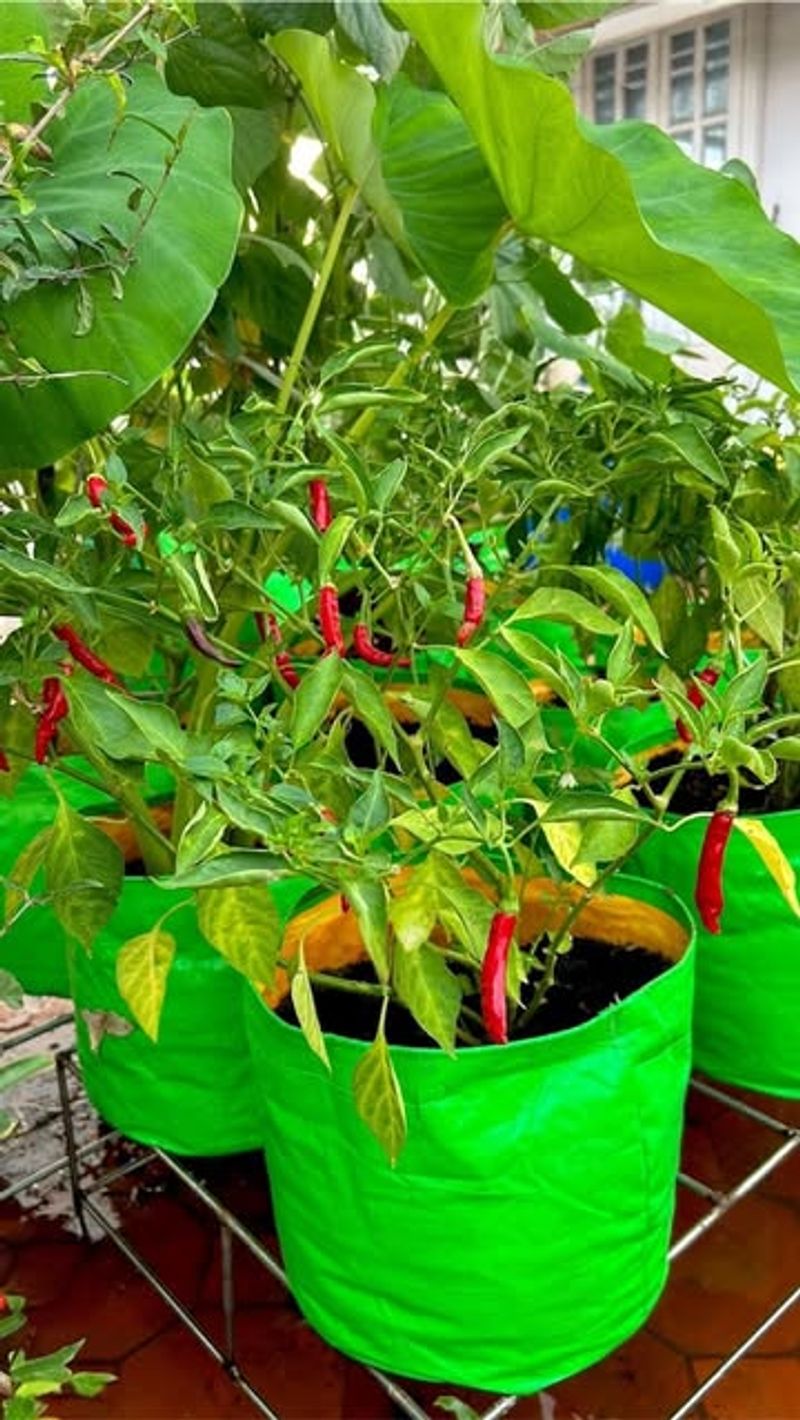
Crowded plants might look lush and full, but inside that dense tangle of branches, there is actually a lot of wasted potential.
When branches compete for light and air, none of them get quite enough of either, and the result is a plant that works really hard but delivers disappointing results.
Thinning out weak or overcrowded growth is one of the most effective ways to change that outcome in your North Carolina garden.
Start by looking for branches that cross over each other, grow inward toward the center of the plant, or look noticeably thinner and weaker than the rest. Those are the ones to remove first.
Cutting them away opens up the canopy so sunlight can reach the inner branches and fruit that would otherwise stay shaded and underdeveloped all season long.
Better light penetration means more flowers, and more flowers means more peppers. It is really that straightforward.
When every remaining branch gets a good dose of direct sunlight, the plant can photosynthesize more efficiently and push more energy into fruit production rather than just maintaining a mass of leaves that are not doing much useful work.
Improved airflow is another huge benefit, especially in North Carolina’s notoriously humid summers.
Moving air dries out wet foliage faster after rain or irrigation, which dramatically cuts down on the conditions that allow fungal diseases to spread.
A well-thinned plant is not just more productive, it is also significantly more resilient throughout the entire growing season.
5. Top Your Plants To Encourage Bushier Growth
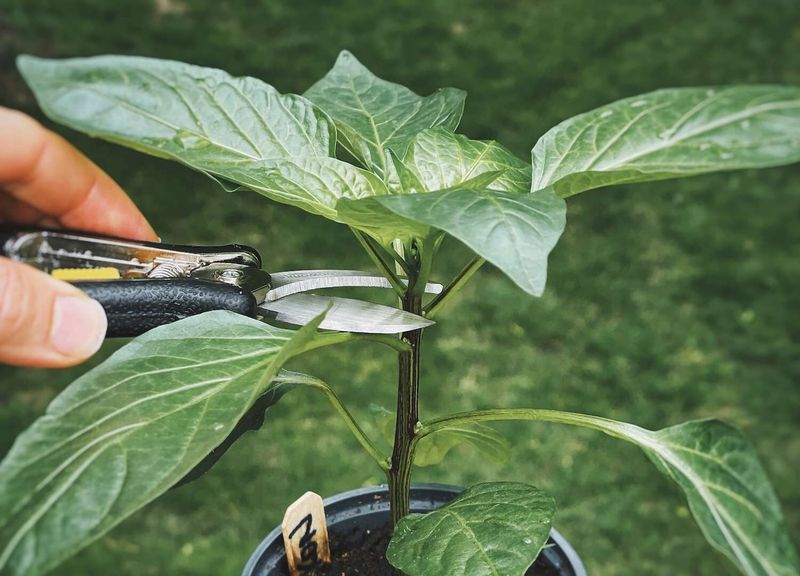
Topping a pepper plant sounds a little intimidating, but it is actually one of the most rewarding things you can do for your garden.
The idea is simple: snip off the very tip of the main growing stem when the plant is somewhere between 8 and 12 inches tall.
That one small cut triggers a chain reaction that results in a much bushier, more productive plant over time.
When you remove that main growing tip, the plant stops sending all its energy straight up and starts pushing growth outward instead.
New side shoots emerge from just below the cut, and each of those shoots eventually becomes its own flowering branch.
More branches mean more places for flowers to form, and more flowers translate directly into more peppers for your harvest.
North Carolina gardeners growing in raised beds or containers especially benefit from this technique because it keeps plants more compact and manageable without sacrificing yield.
A bushy, well-branched pepper plant actually fits better in tight growing spaces and holds its fruit more evenly distributed throughout the canopy rather than concentrating everything at the top.
Timing matters here, so aim to top your plants in early to mid-season before the heat of a North Carolina summer really sets in.
Doing it during cooler, milder weather gives the plant time to recover and branch out before peak growing conditions arrive.
The result is a plant that looks fuller, performs better, and produces more fruit than one that was never topped at all.
6. Avoid Heavy Pruning During Peak Summer Heat
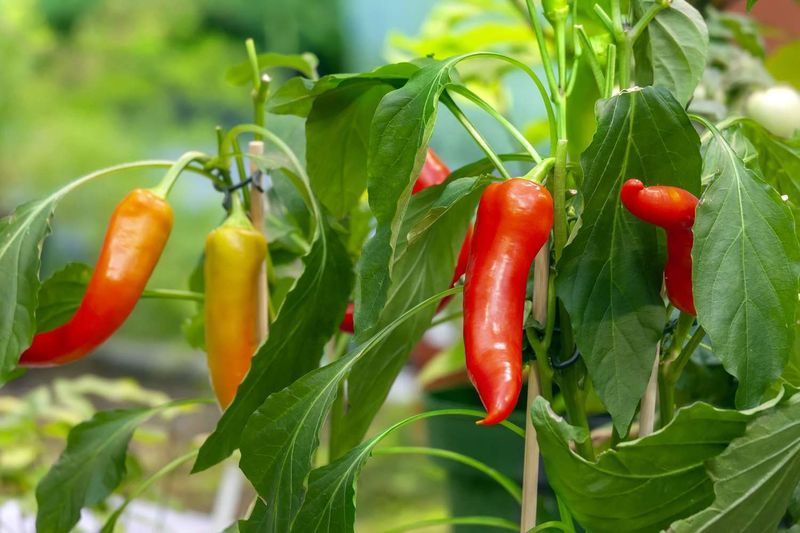
North Carolina summers are no joke. Temperatures regularly climb into the upper 80s and 90s, and humidity makes it feel even hotter out in the garden.
During those peak heat stretches, your pepper plants are already working overtime just to stay hydrated and keep producing.
Piling on heavy pruning during that period adds a layer of stress the plant really does not need right then.
Pruning creates wounds on the plant, and healing those wounds requires energy and resources.
When temperatures are high, the plant is already directing a lot of resources toward basic survival functions like cooling itself and maintaining water pressure in its tissues.
Heavy cutting during that time can push a plant that was doing fine right into a stressed, struggling state. The smart approach during peak summer heat is to stick to light maintenance only.
Remove any obviously damaged or diseased leaves, clear out anything that is blocking airflow, and leave the rest alone.
This keeps the plant tidy and healthy without adding unnecessary burden during the hardest weeks of the growing season.
Once temperatures start to ease up in late summer or early fall, you can resume more active pruning if needed.
North Carolina’s growing season is long enough that you will still have plenty of time to shape your plants and encourage new growth before the season wraps up.
Patience during the hottest months protects your investment and keeps your plants on track for a strong finish.
7. Remove Diseased Or Damaged Leaves Right Away
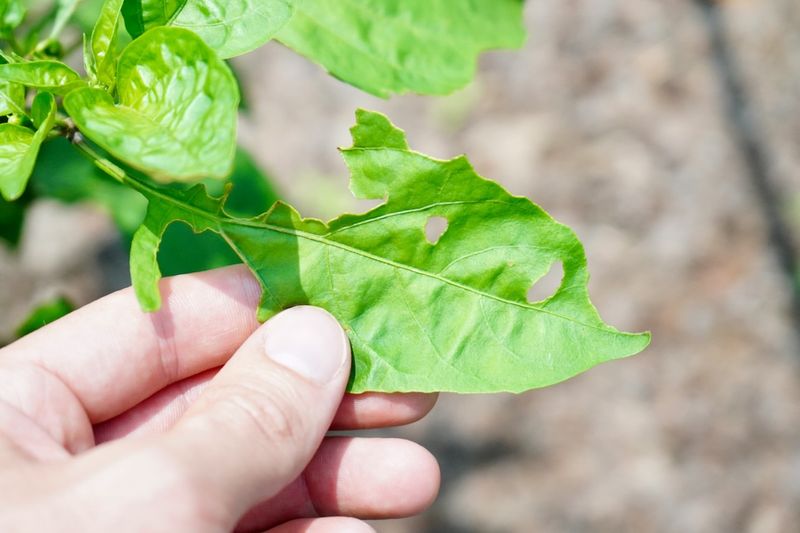
Spotting a sick leaf on your pepper plant and leaving it there is a gamble you really do not want to take, especially in a place like North Carolina where warm, humid conditions help problems spread fast.
Diseased or damaged foliage acts like an open invitation for fungal spores, bacteria, and pests to move in and spread to the rest of the plant. Getting rid of that material quickly is one of the best protective moves you can make.
Look for leaves with unusual spots, yellowing edges, powdery coatings, or areas that look water-soaked and dark.
Any of those signs can indicate a fungal or bacterial issue that will spread to nearby leaves if left unchecked.
Removing the affected leaves as soon as you spot them interrupts that spread before it gets out of hand.
Always place removed diseased material directly into a trash bag rather than tossing it onto your compost pile.
Diseased plant matter in compost can create problems down the line when that compost goes back into your garden.
Keeping the debris contained and disposed of properly is just as important as the removal itself.
North Carolina gardeners should make a habit of walking through their pepper beds every few days during the growing season.
A quick visual check takes only a few minutes but can catch problems early enough to handle them with just a snip or two.
Staying proactive keeps your plants looking great and producing steadily all season long without major setbacks.
8. Always Use Clean And Sharp Pruning Tools
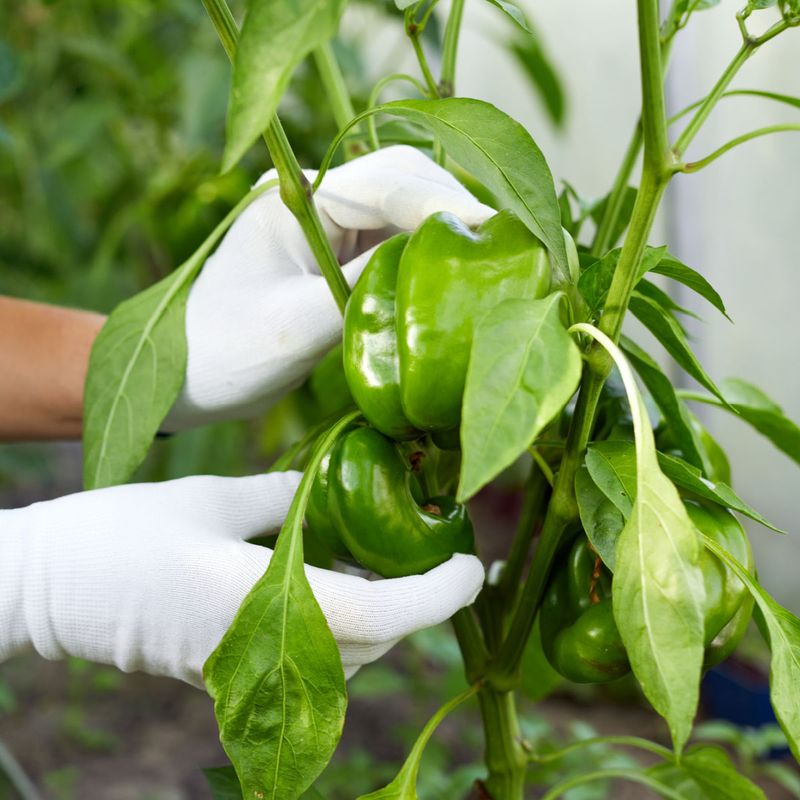
Here is something a lot of gardeners skip over until it causes a real problem: the cleanliness of your tools matters just as much as the pruning itself.
Dirty or dull pruning shears can transfer bacteria and fungal spores from one plant to another with every single cut.
In a humid North Carolina garden where diseases can spread quickly, that kind of accidental transmission can cause serious damage across an entire pepper bed.
Sharp tools are equally important. A clean, precise cut heals much faster than a ragged, torn one.
When the blade is dull, it crushes and tears plant tissue instead of slicing cleanly through it, leaving a rough wound that takes longer to close and is more vulnerable to infection in the meantime.
Keeping your blades sharp is a simple way to protect your plants every time you prune. Before heading out to your garden, wipe your pruner blades with a cloth soaked in isopropyl alcohol or a diluted bleach solution.
Between plants, do a quick wipe-down again to avoid carrying anything from one plant to the next. It only takes a moment but provides real protection for your entire pepper crop.
Investing in a quality pair of bypass pruners is well worth it for any North Carolina gardener who takes their pepper harvest seriously.
Good tools stay sharp longer, make cleaner cuts, and are more comfortable to use during long pruning sessions.
Pair them with a small bottle of sanitizer kept right in your garden tote, and you are always ready to prune safely and effectively.
9. Stop Major Pruning Once Fruit Sets In Late Season
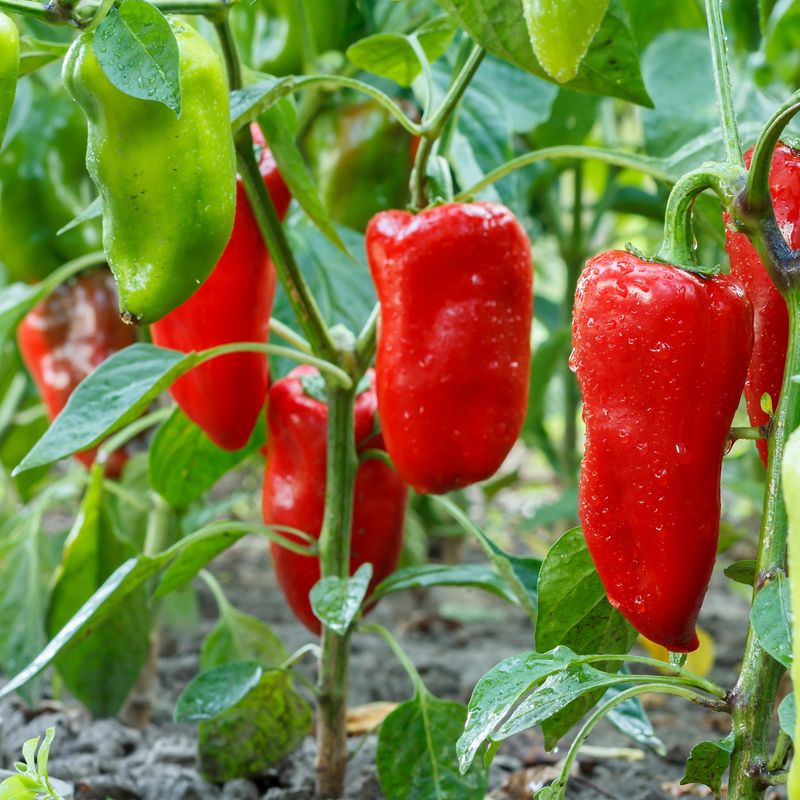
There is a natural rhythm to pruning peppers, and knowing when to stop is just as valuable as knowing when to start.
Once your plants are actively producing fruit and you can see peppers forming and filling out across the branches, it is time to put the pruners away for the most part.
At that stage, the plant needs every leaf it has to fuel the ripening process for the fruit already on the vine.
Leaves are essentially the plant’s solar panels, capturing sunlight and converting it into the energy needed to ripen peppers.
Removing too many of them late in the season reduces the plant’s ability to finish the job it started.
In North Carolina, where the growing season can stretch well into fall, there is still plenty of good growing time left, and you want your plants operating at full capacity during those weeks.
About four to six weeks before the first expected frost in your area, you can do one final round of targeted pruning.
Remove any new flower buds that have formed, since there will not be enough warm days left for them to develop into mature peppers anyway.
Trimming those late blooms tells the plant to redirect its remaining energy into ripening the fruit that is already there.
North Carolina gardeners in the Piedmont and Mountain regions should pay close attention to local frost date forecasts in October.
Timing that last pruning session correctly can mean the difference between harvesting fully ripe peppers and watching a crop get caught by an early cold snap. A little seasonal awareness goes a long way toward a satisfying end-of-season harvest.
10. Prioritize Airflow In North Carolina’s Humid Climate
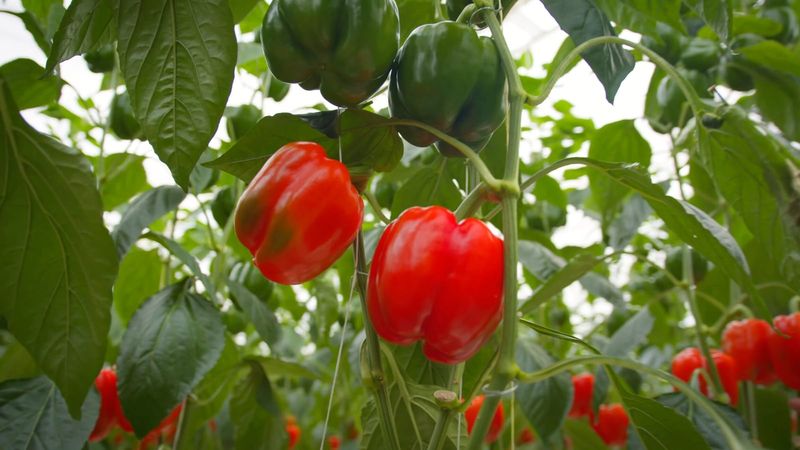
If there is one thing that shapes how North Carolina gardeners should approach pruning, it is the region’s famously sticky humidity.
From June through August, the air in much of the state feels thick, and that moisture-laden environment is a prime breeding ground for fungal diseases like powdery mildew, gray mold, and bacterial leaf spot.
Strategic pruning that prioritizes airflow is one of the most powerful tools you have against all of those issues.
Good airflow through the plant canopy means that after rain or morning dew, the foliage dries out much faster.
Wet leaves that stay wet for hours are far more susceptible to fungal infection than leaves that dry out quickly in moving air.
Opening up your pepper plants through thoughtful pruning creates the kind of environment where diseases simply struggle to get a foothold. Focus your airflow-oriented pruning on the interior of the plant.
Remove branches that grow inward and create dense, overlapping layers of foliage in the middle of the canopy.
Even removing just a few key branches can dramatically improve how air moves through the plant, especially when combined with keeping the lower stem clear of leaves near the soil.
North Carolina gardeners who grow in raised beds or tightly spaced rows benefit especially from this approach, since plants grown close together share airflow challenges.
Proper spacing combined with consistent pruning creates a garden environment where each plant gets the circulation it needs to stay healthy, productive, and resilient against the humidity-driven challenges that come with growing peppers in this wonderful state.