The Fertilizing Mistake That Is Ruining Ohio Rose Bushes
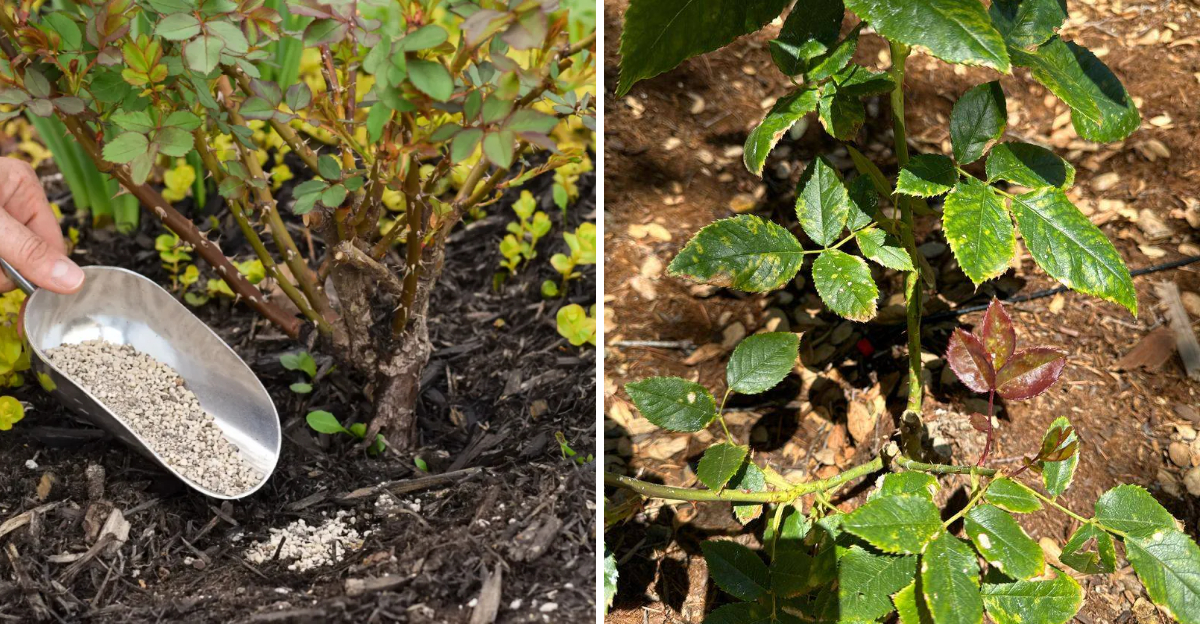
Big blooms, rich color, that classic rose look, every Ohio gardener wants it. So you feed your roses, thinking more nutrients will push them to shine.
Then the opposite happens. Fewer blooms, weak stems, leaves that look lush but lifeless.
Sound familiar? That common fertilizing habit trips up even experienced gardeners.
It feels right at the time, yet it throws everything out of balance. The answer often comes down to one simple mistake that hides in plain sight.
Too much of the wrong thing at the wrong moment can turn a promising bush into a disappointment. Ohio soil and weather add another layer to the problem.
Get the timing and mix right, and roses reward you. Miss it, and they hold back.
Time to uncover what really goes wrong and bring those blooms back.
1. Too Much Nitrogen Means Fewer Blooms
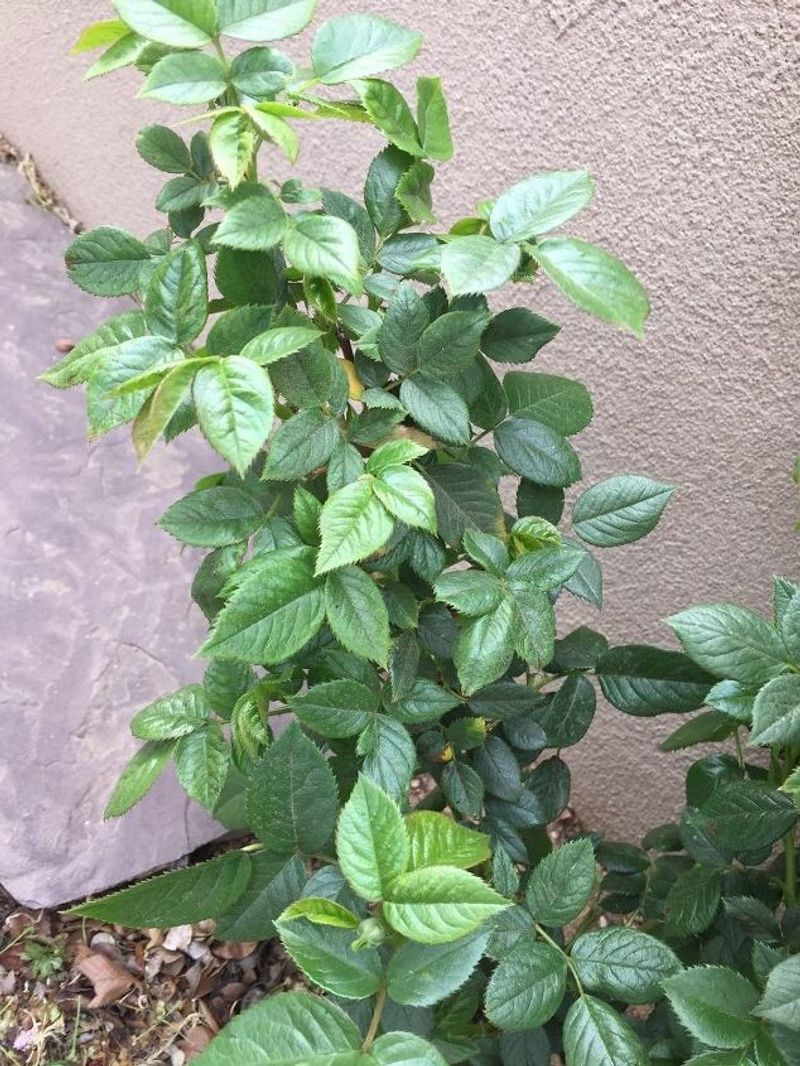
Walk past a rose bush that should be covered in flowers but instead looks like a leafy green shrub, and you have probably seen the effects of too much nitrogen firsthand.
It is one of the most common fertilizing mistakes Ohio gardeners make, and it quietly works against everything you are trying to grow.
When roses receive too much nitrogen, the plant puts almost all of its energy into producing leaves and stems rather than flowers. The growth looks impressive at first.
The foliage gets thick and lush, and new shoots seem to appear almost overnight. But blooms stay scarce, and the plant never quite delivers what you planted it for.
According to Ohio State University Extension, nitrogen is the nutrient most responsible for leafy, vegetative growth. That is helpful in small, balanced amounts, but when nitrogen is applied too heavily or too often, it throws the plant’s priorities completely out of order.
The rose keeps growing upward and outward, using up energy that should be going toward bud development.
There is also a secondary problem that often comes with all that lush new growth.
The soft, fast-growing leaves and stems are more attractive to pests and more vulnerable to fungal diseases like black spot and powdery mildew, both of which are common in Ohio’s humid summers.
A balanced fertilizer with equal parts nitrogen, phosphorus, and potassium, such as a 10-10-10 formula, gives roses what they need without tipping the scale too far in any direction.
Less nitrogen means more blooms, and that is the goal every Ohio gardener should be aiming for.
2. Overfeeding Weakens Your Roses
There is something almost counterintuitive about the idea that feeding your plants too much can actually make them weaker.
Yet that is exactly what happens when rose bushes receive more fertilizer than they can reasonably use, and Ohio gardeners see this play out every season.
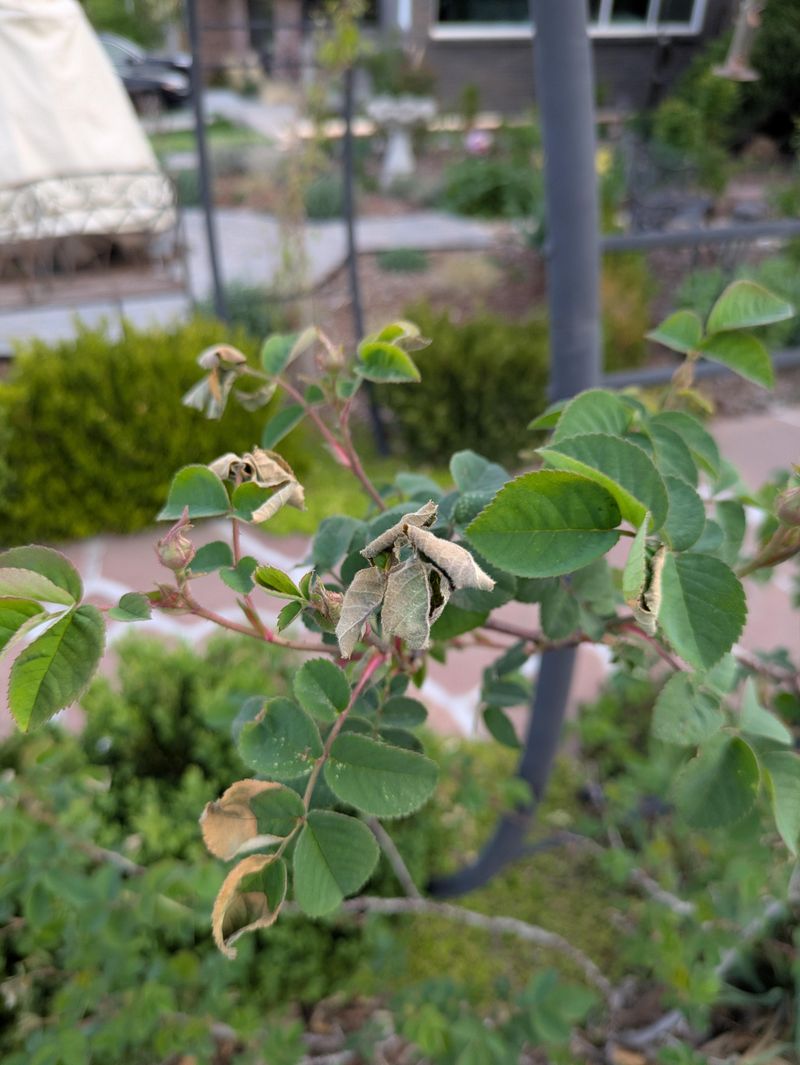
When fertilizer builds up in the soil faster than roots can absorb it, the salt concentration around the root zone increases. This is called fertilizer burn, and it interferes with the plant’s ability to take in water and nutrients through normal root function.
Your Ohio Garden Changes Every Week. Your Plan Should Too.
Gardening in Ohio changes quickly throughout the season. Every Friday you’ll receive a simple weekly plan showing exactly what to plant, prune, fertilize, harvest, and protect so you never miss the right timing.
The rose ends up stressed even though it is surrounded by what looks like plenty of food.
Signs of overfeeding can include yellowing leaves, brown leaf edges, wilting despite adequate watering, and a general look of poor health that does not improve with more care.
Many gardeners mistake these symptoms for a watering problem or a disease, which leads to even more fertilizer being applied and the cycle getting worse.
Beyond the root zone, overfeeding throws off the natural hormonal balance inside the plant. According to research from university extension programs, excessive nutrient levels can disrupt how a plant manages stress and regulates its own growth.
The rose spends more energy trying to cope with imbalance than it does producing flowers.
Following the recommended application rates on any fertilizer package is not just a suggestion. It is genuinely the safest and most effective approach.
A plant that receives the right amount of nutrition at the right time will always outperform one that has been pushed beyond its natural limits.
3. Bad Timing Throws Everything Off
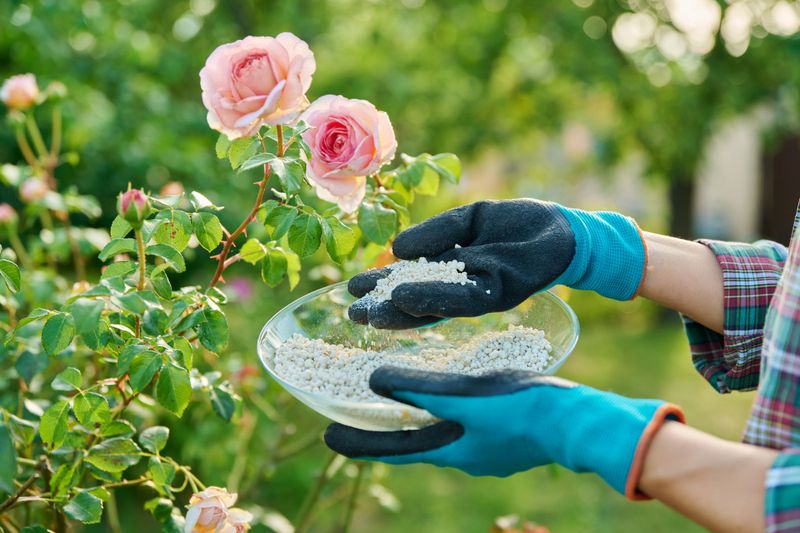
Even a perfectly balanced fertilizer applied at the wrong moment can set your rose bushes back rather than push them forward. In Ohio, where seasons shift quickly and late frosts are not unusual, timing is one of the most critical parts of a successful fertilizing routine.
Starting too early in spring is a frequent mistake. If you apply fertilizer before the plant has fully come out of dormancy, you risk stimulating tender new growth just in time for a cold snap to damage it.
Ohio State University Extension recommends waiting until new growth is actively emerging before beginning your feeding schedule, which in most parts of Ohio means sometime in mid to late spring.
On the other end of the season, fertilizing too late into summer or early fall is equally problematic. New growth that appears in late summer does not have enough time to harden before the first frost arrives.
That soft, immature growth is highly vulnerable to cold damage, which can weaken the entire plant heading into winter.
A general guideline supported by extension resources is to stop fertilizing about six weeks before the average first frost date in your area. For most of Ohio, that means wrapping up feeding by late August or early September at the latest.
Mid-cycle timing matters too. If you fertilize right before or during a bloom flush, you can actually interrupt the blooming process.
Let the plant complete its natural cycle, then feed after blooms have faded to encourage the next round of flowers on repeat-blooming varieties.
4. New Roses Do Not Need Heavy Feeding
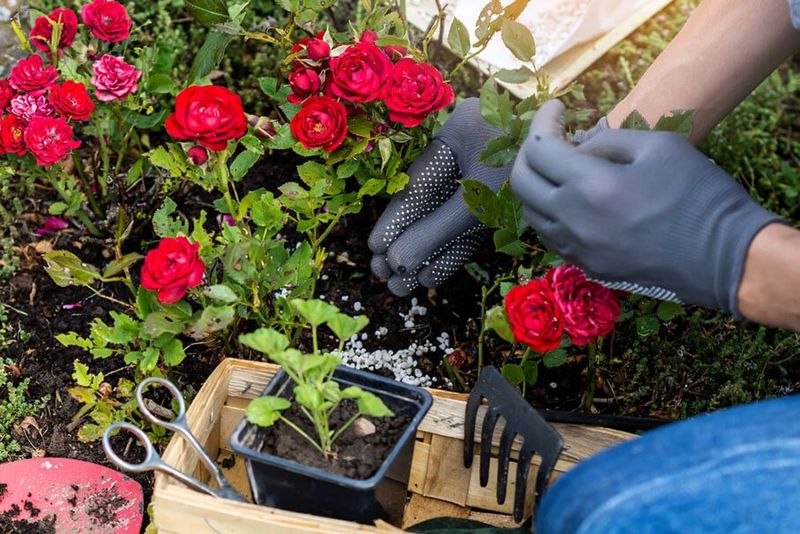
Fresh out of the container and settled into a new garden bed, a newly planted rose bush looks ready to take on the world. It is tempting to give it a strong nutritional boost right away, but that eagerness to help can actually slow things down considerably.
When a rose is first planted, its top priority is growing roots, not producing flowers or new stems. The root system needs time to spread out and establish a solid connection with the surrounding soil before the plant can efficiently absorb fertilizer.
Apply heavy feeding too soon, and you risk burning those young, sensitive roots before they have had any chance to settle.
Many gardening experts and extension resources recommend waiting at least four to six weeks after planting before introducing any fertilizer to a new rose.
During that establishment window, the plant benefits most from consistent watering and good soil contact rather than added nutrients.
If the planting mix already contains compost or slow-release amendments, additional fertilizer is even less necessary in those early weeks.
There is also a growth quality issue to consider. Heavy fertilizing in the first season pushes rapid top growth that is often soft, weak, and not well supported by the still-developing root system.
That kind of growth can look exciting but tends to be fragile and more prone to problems.
Starting slow and building up gradually gives new roses a much stronger foundation. A light application of balanced fertilizer once roots are established will produce far better long-term results than loading up the soil from day one.
5. Rich Soil Can Backfire Fast
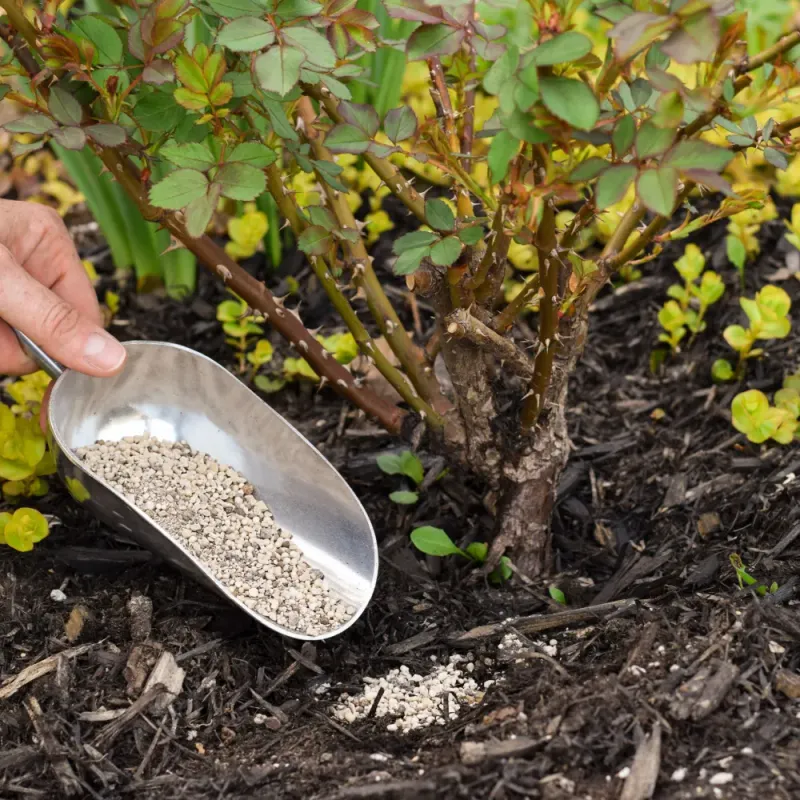
Not every Ohio garden needs the same amount of fertilizer, and assuming yours does without checking first is a mistake that catches a lot of experienced gardeners off guard.
If your soil is already naturally fertile or has been heavily amended with compost in recent seasons, adding fertilizer on top of that can push nutrient levels well past what roses actually need.
Ohio has a wide range of soil types, and many areas have naturally rich, loamy soil that holds nutrients well.
When a gardener plants roses in that kind of soil and then follows a standard feeding schedule without first doing a soil test, the result is often an excess of one or more nutrients.
Too much phosphorus, for example, can block the plant’s ability to absorb other essential minerals like iron and zinc, leading to visible deficiency symptoms even though the soil is technically loaded.
A soil test is one of the most practical tools available to Ohio gardeners, and Ohio State University Extension offers testing services through local county offices.
A basic test shows you what your soil already contains and what, if anything, actually needs to be added.
That information alone can prevent months of unnecessary fertilizing and the problems that come with it.
Gardens that have been heavily mulched with wood chips or bark over several years may also have elevated nutrient levels from organic breakdown. Before reaching for the fertilizer bag, take a step back and assess what your soil is already doing.
Sometimes the most effective move is simply doing nothing at all.
6. Fast Growth Is Not Always Better
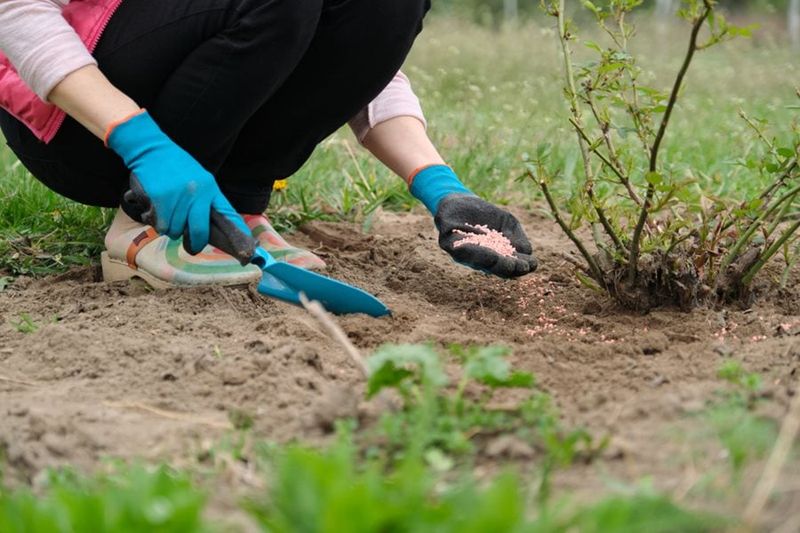
There is a certain satisfaction in watching a plant shoot up quickly after you have put work into the garden. Fast growth feels like proof that something is going right.
But when it comes to roses, rapid growth driven by excess fertilizer is often a warning sign rather than a success story.
When fertilizer, especially high-nitrogen formulas, pushes a rose into fast mode, the new growth that appears is typically soft and succulent.
Those tender stems and leaves look healthy on the surface, but they have not had time to develop the cell walls and structural strength that normal, steady growth produces.
The result is a plant that looks vigorous but is actually more fragile than it should be.
That soft growth is also a magnet for common rose pests. Spider mites, aphids, and thrips are all drawn to the tender new tissue that rapid growth creates.
In Ohio’s humid summers, fungal diseases like black spot and powdery mildew spread easily across lush, dense foliage that does not get good air circulation.
From a blooming standpoint, fast vegetative growth actually competes with flower production. The plant channels its resources into stem and leaf development, and bud formation gets pushed aside.
You end up with a large, leafy plant that rarely delivers the color and fragrance you planted it for.
According to extension guidance, steady and moderate growth is the hallmark of a well-fed rose.
A plant that grows at a measured pace, supported by balanced nutrition applied on a sensible schedule, produces stronger stems, better blooms, and far greater seasonal performance overall.
7. More Fertilizer Is Not The Answer
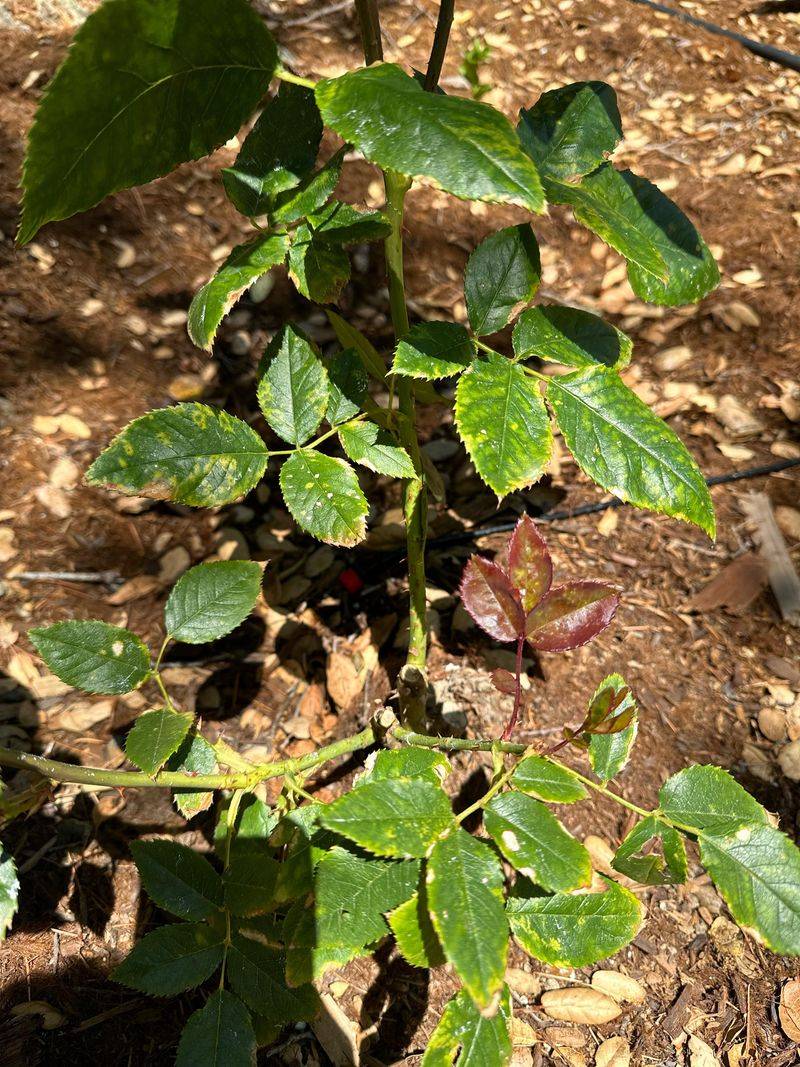
When roses are not performing the way a gardener hoped, the first instinct is often to add more fertilizer. It seems logical enough.
If a little helps, then more should help even more. But that reasoning leads to some of the most consistent and avoidable problems in rose care.
The truth is that roses are not especially heavy feeders compared to some other garden plants. They respond well to regular, moderate nutrition, but they do not benefit from being pushed with large doses of fertilizer in hopes of a quick turnaround.
When a plant is not blooming well or looks stressed, the cause is often something other than a lack of nutrients, and adding more fertilizer in that situation typically makes things worse.
Poor blooming can be caused by too little sunlight, improper pruning, pest pressure, disease, or yes, already too much fertilizer from a previous application.
A gardener who keeps adding more without identifying the actual cause is essentially guessing, and roses are not very forgiving of repeated guessing.
University extension resources consistently emphasize that a soil test should be the starting point whenever a rose is underperforming.
That single step removes the guesswork entirely and tells you exactly what is needed, whether that is a nutrient adjustment, a pH correction, or simply better watering practices.
Rose care is more about observation and restraint than it is about aggressive intervention.
A gardener who watches their plants closely, responds to actual symptoms with targeted solutions, and avoids the urge to overfeed will consistently see better results than one who relies on more of everything.
8. Balance Beats Overfeeding Every Time
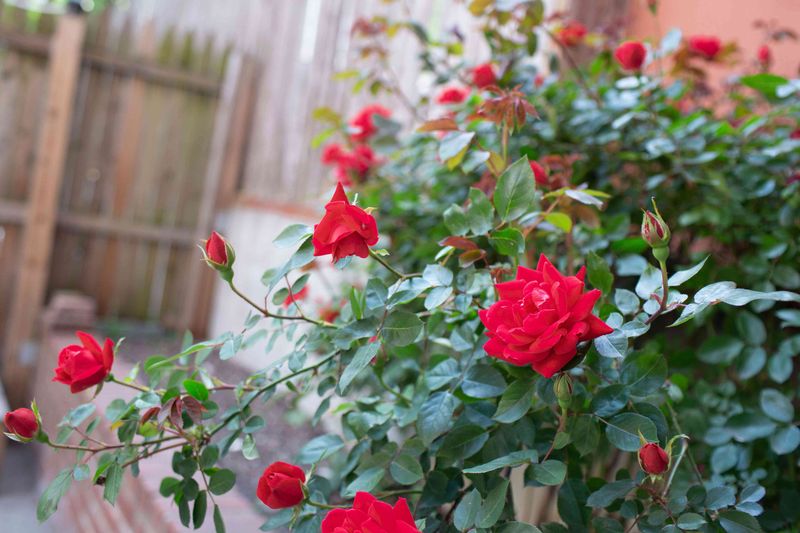
After everything that can go wrong with rose fertilizing, the good news is that getting it right is actually pretty straightforward. It does not require expensive products or complicated schedules.
It mostly requires consistency, patience, and a willingness to follow a balanced approach rather than an aggressive one.
A balanced fertilizer, one with roughly equal amounts of nitrogen, phosphorus, and potassium, is the most reliable starting point for Ohio rose growers.
A 10-10-10 formula is widely recommended by extension resources and works well for most rose varieties across the state.
It supports healthy growth without pushing the plant in any single direction too hard.
Application timing matters just as much as what you apply. Begin fertilizing in spring once new growth is actively emerging, and continue on a four to six week schedule through midsummer.
Stop feeding about six weeks before the expected first frost in your area, giving the plant time to slow down naturally and prepare for the colder months ahead.
Between feedings, compost and organic mulch do quiet, steady work in the background.
They improve soil structure, support beneficial microbial activity, and release small amounts of nutrients slowly over time.
That kind of background nutrition complements a balanced fertilizer schedule without creating spikes or imbalances.
The roses that perform best season after season are almost never the ones that were pushed hardest. They are the ones that received steady, appropriate care from gardeners who understood that more is not always better.
A measured, balanced approach gives Ohio rose bushes exactly what they need to thrive, bloom generously, and come back strong year after year.