Do This Before Planting Carrots In North Carolina And Watch Them Grow Like Crazy
Carrots can be tricky to grow in North Carolina, especially when seeds struggle to sprout evenly or seedlings come up too crowded. Many gardeners deal with patchy rows, slow growth, or the need to thin plants over and over again.
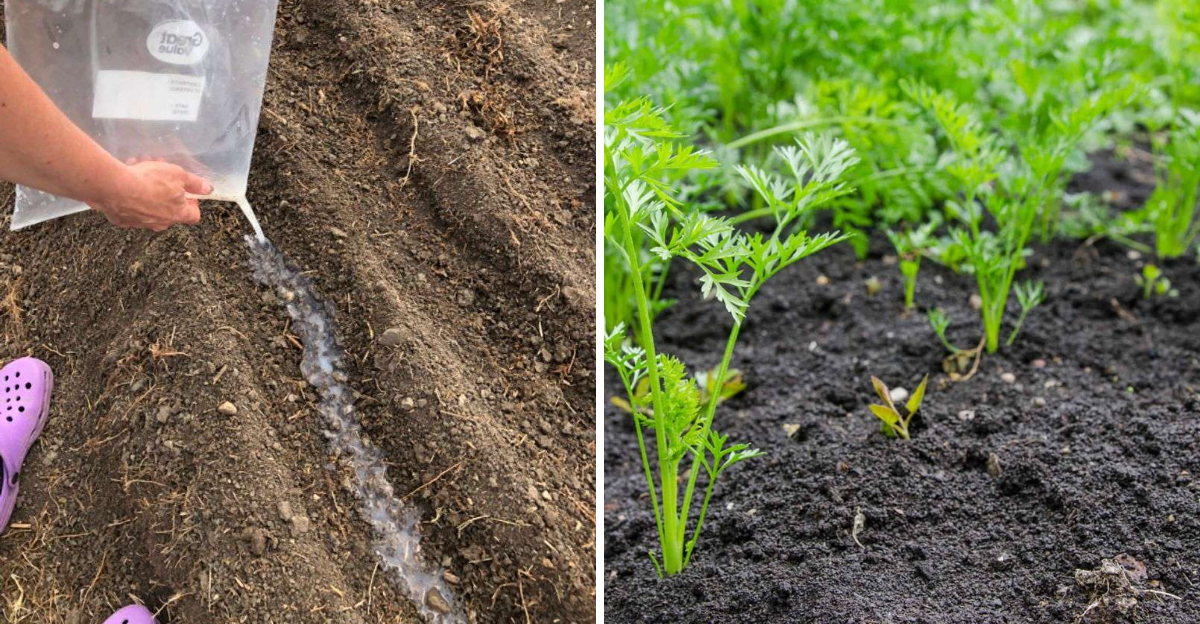
There is a simple trick that can make a big difference right from the start, using a homemade seed gel. This method helps keep seeds evenly spaced and consistently moist, which improves germination and gives young plants a stronger beginning.
In North Carolina’s spring conditions, where soil can dry out quickly or crust over, that extra support can really pay off. Instead of guessing where seeds will land, you get better control and more reliable results.
With a little prep before planting, you can turn a frustrating crop into one that grows smoothly and produces healthy, well shaped carrots.
1. Seed Gel Is A Simple Way To Evenly Space Tiny Seeds
Carrot seeds are incredibly small, almost like tiny specks of dust, and that makes them notoriously hard to plant with any real precision. Most gardeners end up dumping too many into one spot without even realizing it.
That clumping creates a crowded mess underground where roots compete and rarely reach their full size.
Seed gel solves that problem in a surprisingly clever way. When you mix your carrot seeds into a thick, clear gel, each seed gets suspended and separated from the others.
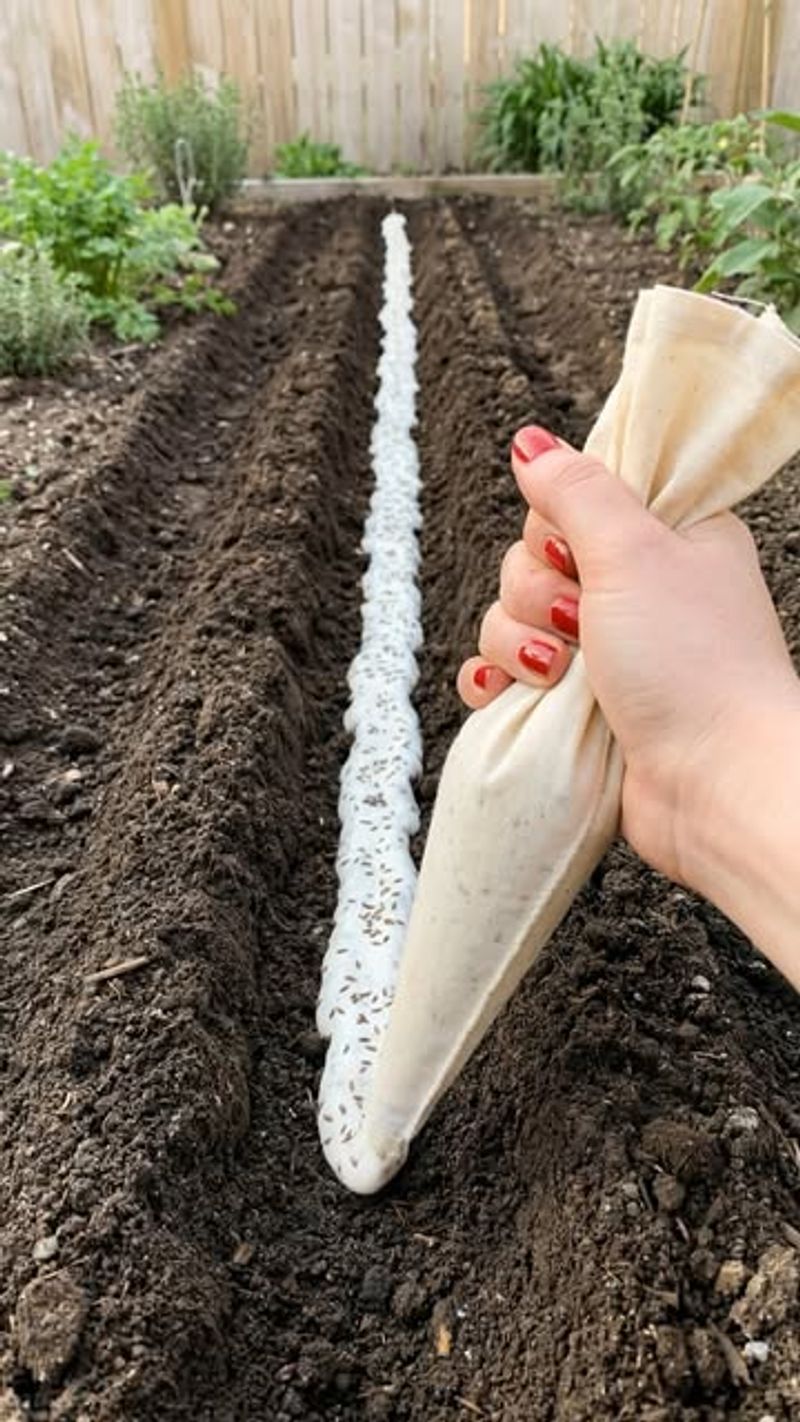
You then lay that gel in a steady line along your garden row, placing seeds at a much more consistent distance than bare-handed planting ever allows.
North Carolina gardeners especially benefit from this technique because the state’s varied spring soil conditions make precise planting even more valuable. Loose soil in the Piedmont region or sandy coastal plain soil can shift seeds around during watering.
Keeping seeds locked in gel helps them stay right where you put them. The result is noticeably better from the very first season you try it. Rows come up cleaner, seedlings emerge with breathing room, and you spend far less time thinning crowded plants.
It is one of those small changes that delivers a surprisingly big payoff when harvest time finally rolls around.
2. Seed Gel Is Usually Made From Cornstarch And Water
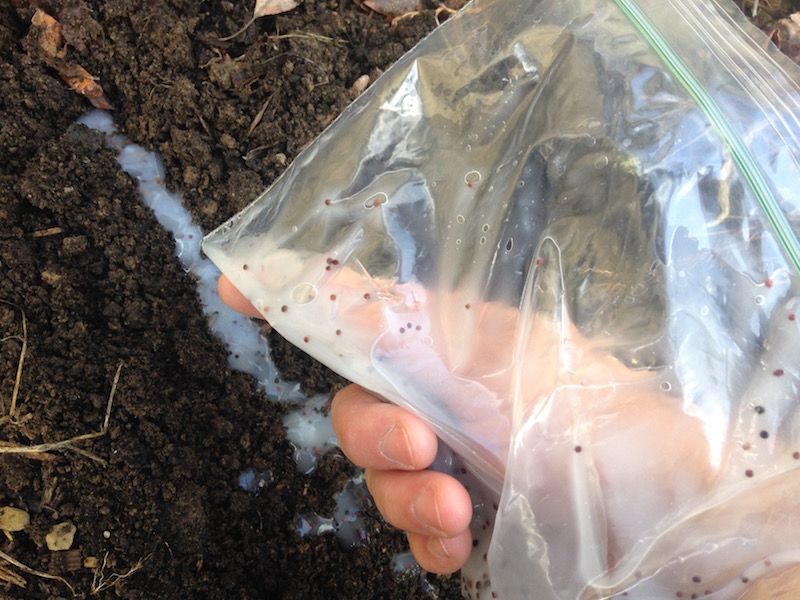
You probably already have everything you need to make seed gel sitting in your kitchen right now. The most popular homemade version uses just two ingredients: plain cornstarch and water.
Cook them together in a small pot over medium heat, stirring constantly, until the mixture thickens into a smooth, clear gel.
The ratio most gardeners use is roughly one tablespoon of cornstarch per cup of water, though you can adjust it slightly depending on how thick you want the final gel to be.
Thicker gel holds seeds more firmly, while a slightly thinner mix flows more easily through a squeeze bottle. Both work well for carrot planting in North Carolina gardens.
Once the gel thickens, remove it from heat and let it cool completely before adding your carrot seeds. Adding seeds to a hot mixture can damage them and reduce germination rates significantly.
Your North Carolina Garden Changes Every Week. Your Plan Should Too.
Gardening in North Carolina changes quickly throughout the season. Every Friday you’ll receive a simple weekly plan showing exactly what to plant, prune, fertilize, harvest, and protect so you never miss the right timing.
Patience at this step pays off when you see those seedlings popping up strong and healthy a few weeks later.
Some gardeners also use store-bought seed gel products, which work just as reliably. But making your own is cost-effective, easy, and completely natural.
There are no chemicals or additives to worry about, which is great news for anyone growing organic carrots or working with kids in the garden for the first time.
3. The Gel Keeps Seeds Moist During Germination
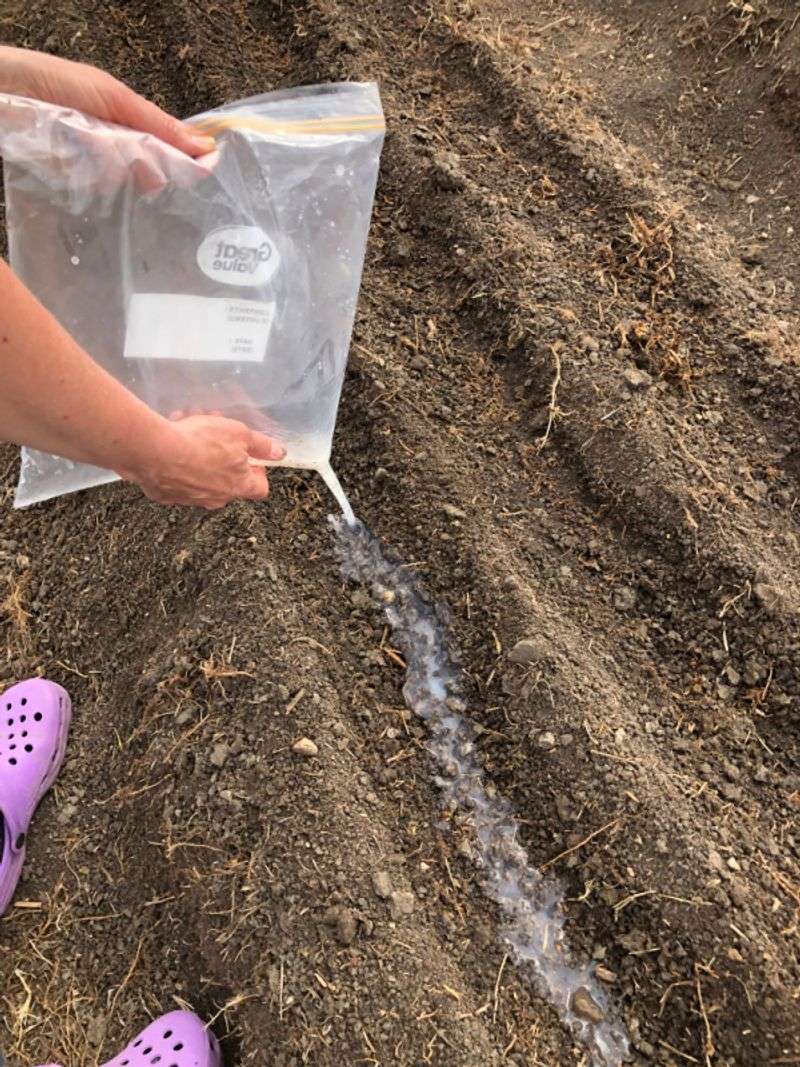
Moisture is everything when it comes to germinating carrot seeds. Without consistent dampness surrounding each seed, germination slows down or stops entirely, leaving you with patchy, disappointing rows.
North Carolina’s spring weather can swing between dry spells and sudden warm stretches, making moisture management a real challenge for carrot growers.
Seed gel acts like a tiny moisture reservoir wrapped right around each seed. The gel itself holds water and releases it slowly, keeping the seed surface consistently damp even when the top layer of soil starts to dry out between waterings.
That steady moisture contact is exactly what triggers the germination process to begin.
Carrots typically need about 10 to 14 days to germinate, and keeping moisture consistent throughout that entire window is critical. Without gel, many gardeners water too much or too little during that waiting period, which disrupts the process.
The gel takes a lot of that guesswork away and creates a more forgiving planting environment.
Gardeners across the Piedmont and coastal regions of North Carolina have found that this moisture-holding benefit is especially useful during the unpredictable weeks of February and March.
Spring temperatures fluctuate, rain comes and goes, and soil dries faster than expected. Seed gel bridges those gaps and gives every single seed the best possible start right from day one.
4. Gel Planting Helps Prevent Overcrowding And Reduces Thinning Work
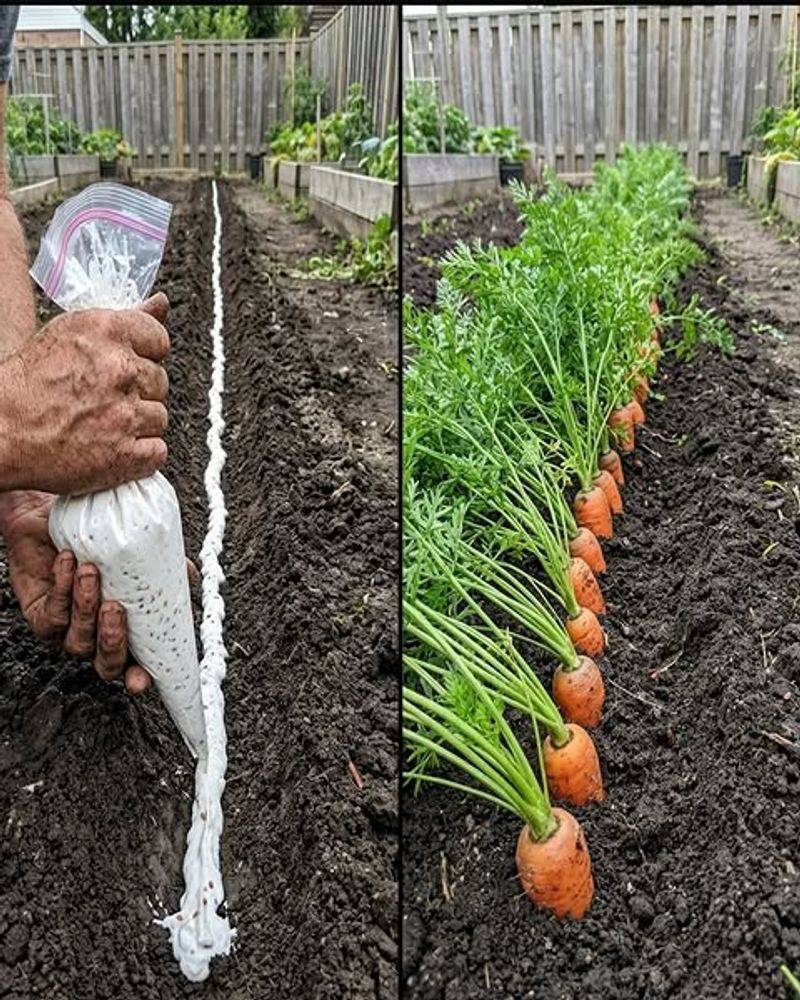
Thinning carrots is one of those garden chores that nobody really enjoys. You spend time planting, wait patiently for seedlings to appear, and then have to pull half of them out just to give the rest room to grow.
It feels wasteful, and honestly, it is a step you can dramatically reduce by using seed gel from the start.
Because the gel spreads seeds out evenly as you lay it in the row, seedlings emerge already spaced at a reasonable distance from each other. You still may need to thin a little, but the process becomes much quicker and less frustrating.
Many North Carolina gardeners report cutting their thinning time in half after switching to gel planting.
Proper spacing matters more for carrots than almost any other vegetable. Roots that grow too close together get twisted, stunted, and oddly shaped.
A carrot that has room to push straight down into loose soil grows longer, smoother, and far more flavorful than one that spent its energy competing with neighbors for space.
The North Carolina State Extension recommends thinning carrots to about two to three inches apart for best root development. Starting with gel planting puts you much closer to that target right from the beginning.
Less thinning means less disruption to the soil around remaining seedlings, which helps every plant in the row settle in and grow without unnecessary stress.
5. A Squeeze Bottle Or Spoon Makes Application Easy And Accurate
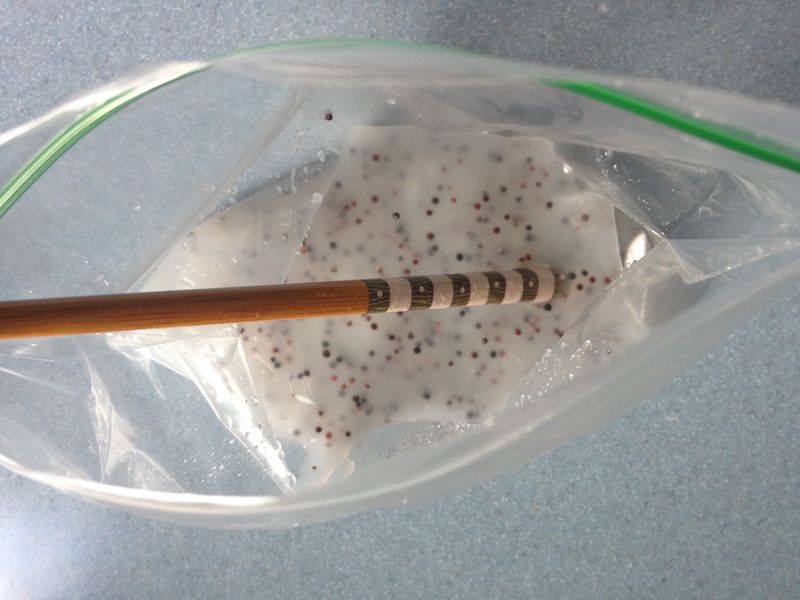
One of the best things about using seed gel is how simple the application process actually is. You do not need any special equipment or fancy tools to get it right.
A basic plastic squeeze bottle, the kind used for condiments or craft projects, works perfectly for laying gel in a clean, steady line along your planting row.
Piping bags, which you can find at any grocery or craft store, are another popular option among North Carolina gardeners who want extra control over the flow. Simply fill the bag, snip a small opening at the tip, and guide it slowly along your prepared furrow.
The gel comes out smoothly and evenly, depositing seeds at a consistent rate the whole length of the row.
If you do not have a bottle or bag on hand, a regular spoon works just fine for smaller garden beds. Scoop a small amount of gel and drag it gently along the row, letting it settle into the furrow naturally.
It takes a little more patience with a spoon, but the result is still far better than direct seed sowing by hand.
Whichever method you choose, the key is moving at a steady, unhurried pace. Rushing tends to clump the gel and defeats the purpose of even spacing.
Take your time, enjoy the process, and your North Carolina carrot bed will reward that careful effort with a beautifully uniform, productive harvest.
6. Seed Gel Works Best When Soil Is Cool In Early Spring
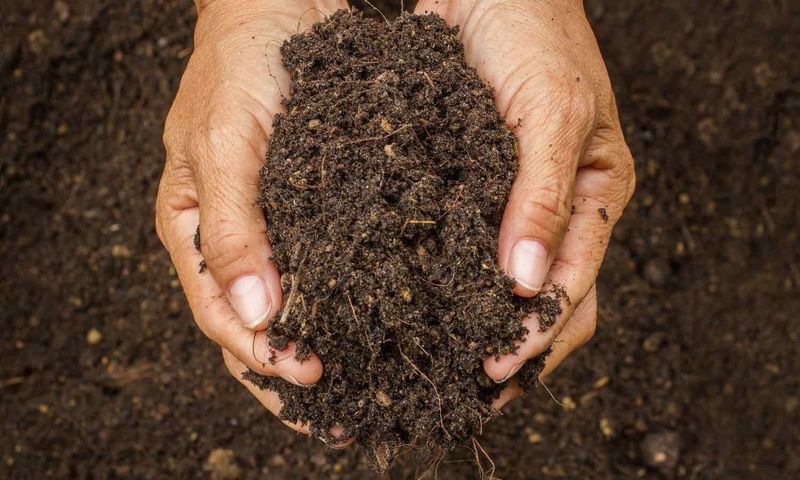
Carrots are cool-season crops through and through, and they perform best when soil temperatures sit between 45 and 85 degrees Fahrenheit. In North Carolina, that sweet spot typically falls in the weeks between late January and late March for spring planting.
Getting seeds in the ground during that window gives them the coolness they need to germinate steadily and develop strong roots.
Seed gel actually performs even better in cool soil conditions than in warm ones. The gel holds its consistency longer when temperatures are mild, which means it does not break down or dry out as quickly after planting.
That extended stability gives seeds more time to absorb moisture and begin the germination process at their own natural pace.
Planting too late in the season, when North Carolina temperatures start climbing into the 80s and 90s, causes carrot seeds to struggle significantly. Heat triggers premature bolting, poor root development, and tough, bitter-tasting roots.
Getting your seed gel rows in the ground while the soil is still cool is one of the most important timing decisions you can make for a successful harvest.
Many experienced gardeners in the Triangle area and western North Carolina mountains mark their calendars for mid-February as the ideal gel planting window.
The soil is workable, temperatures are manageable, and spring rains keep moisture levels naturally high.
Combine those conditions with seed gel, and your carrot bed gets an incredibly strong, healthy start that sets the tone for the entire growing season.
7. The Gel Helps Protect Seeds From Washing Away In Heavy Rain
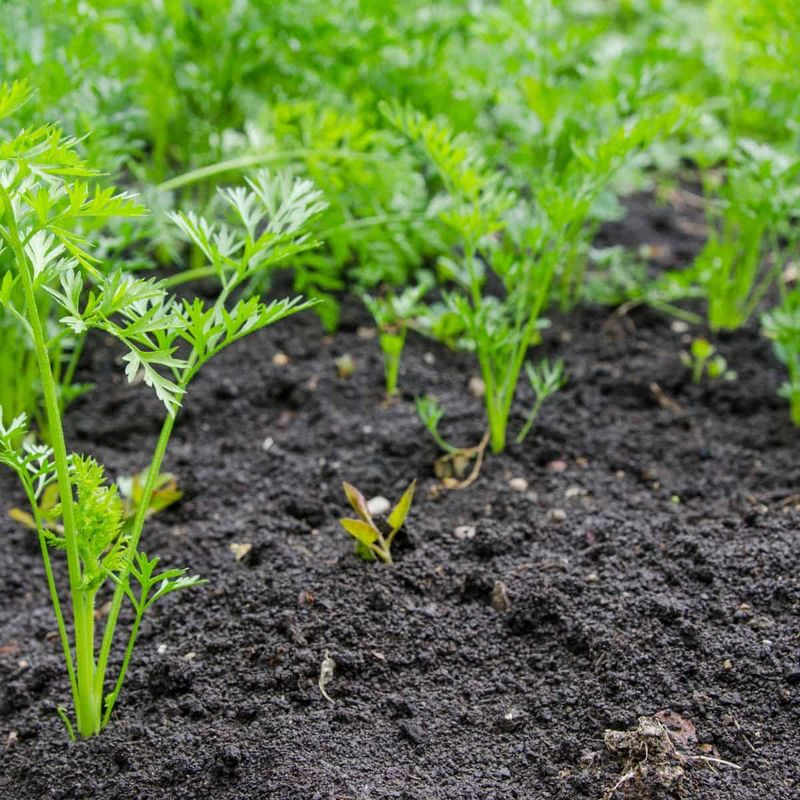
Spring rain in North Carolina is no joke. The state sees some serious downpours between February and April, and those heavy rains can absolutely wreck a freshly planted carrot bed if seeds are just sitting loose in the soil.
Water moves soil around quickly, and tiny carrot seeds travel right along with it, ending up bunched in low spots or washed completely out of the row.
Seed gel acts as a physical anchor that holds seeds in place even when rain hits. The gel itself is thick enough to resist light and moderate rainfall without shifting position in the furrow.
This means your carefully laid rows stay intact after a spring shower, and you do not have to replant or guess where your seeds ended up.
This protection is especially valuable in areas of North Carolina with sloped garden beds or loose, sandy coastal plain soil. Both of those conditions make seed displacement more likely during heavy rain events.
Gel planting gives you a meaningful layer of insurance against those frustrating washout situations that can set a garden back by weeks.
After laying your gel rows, covering them lightly with a thin layer of fine soil or compost adds even more protection. That light covering holds the gel in place while also helping to maintain the moisture and darkness that carrot seeds need to germinate.
Together, these two simple steps create a planting setup that stands up well to North Carolina’s famously unpredictable spring weather patterns.
8. Seed Gel Does Not Replace The Need For Well-Prepared Soil
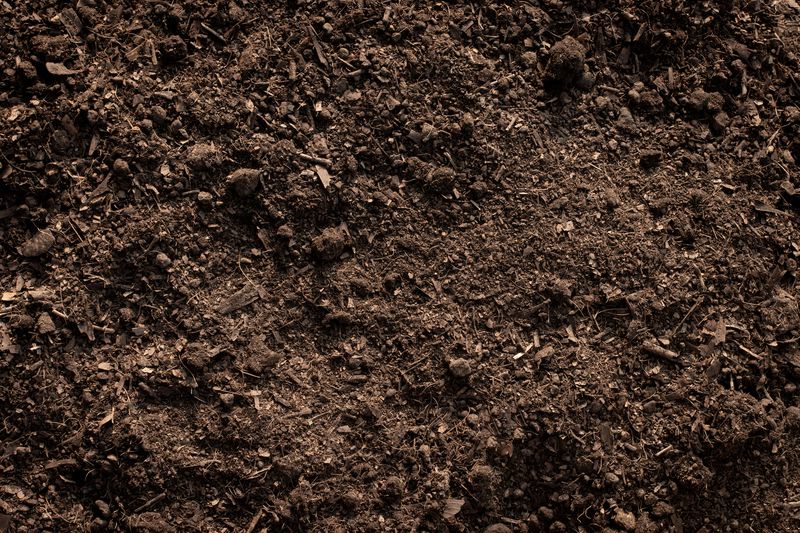
Seed gel is a genuinely powerful planting tool, but it cannot fix poor soil on its own. Carrots are root vegetables, which means the quality of your soil directly determines the quality of your harvest.
Compacted, rocky, or clay-heavy soil stops carrot roots from pushing downward, resulting in short, forked, or misshapen roots no matter how well you planted the seeds.
North Carolina has a wide range of soil types depending on where you garden. The Piedmont region is known for its red clay soil, which drains poorly and compacts easily.
Coastal plain gardeners deal with sandy soil that drains too fast and lacks nutrients. Both situations require soil preparation before gel planting can do its job effectively.
Loosening the soil to a depth of at least 12 inches is the single most important thing you can do before planting carrots.
Adding two to four inches of compost or aged organic matter improves both clay and sandy soils, creating the loose, well-draining environment that carrot roots absolutely love. A soil that crumbles easily in your hand is the texture you are aiming for.
Once your soil is properly prepared, seed gel becomes significantly more effective because seeds land in a medium that actually supports healthy root growth.
The combination of great soil and gel planting is what produces those long, straight, sweet carrots that make a North Carolina garden worth every bit of the effort you put into it each season.