How To Keep Fuchsia Hybrids Blooming Longer In North Carolina Homes
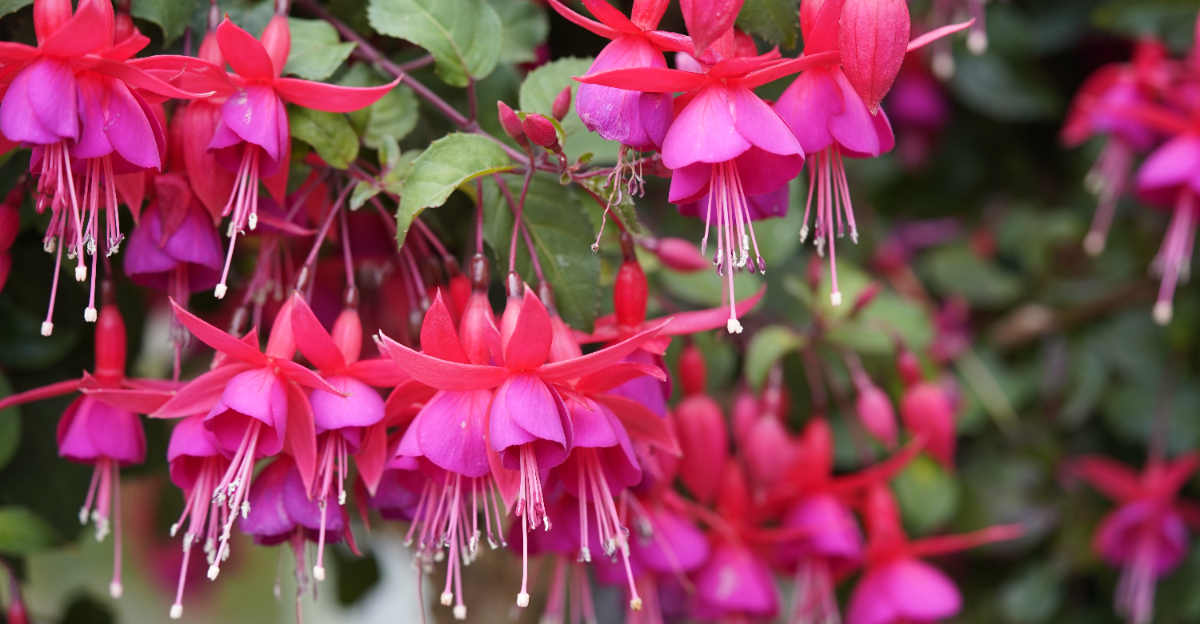
Fuchsia hybrids can bring stunning color to North Carolina homes, but keeping those blooms going longer takes the right approach. These plants prefer cooler conditions, which can be a challenge indoors as temperatures rise from spring into summer.
Many people enjoy a short burst of flowers, then notice blooming slow down sooner than expected. The key is understanding what keeps fuchsias comfortable and actively producing buds.
Light, watering, and temperature all play a big role, especially as indoor conditions shift with the seasons. Even small changes can help extend their bloom time and keep plants looking fresh.
In North Carolina, where humidity and indoor climate can vary, a little extra attention goes a long way. With the right care, your fuchsia can stay full, vibrant, and covered in blooms much longer than you might expect.
1. Keep Plants In Bright Indirect Light
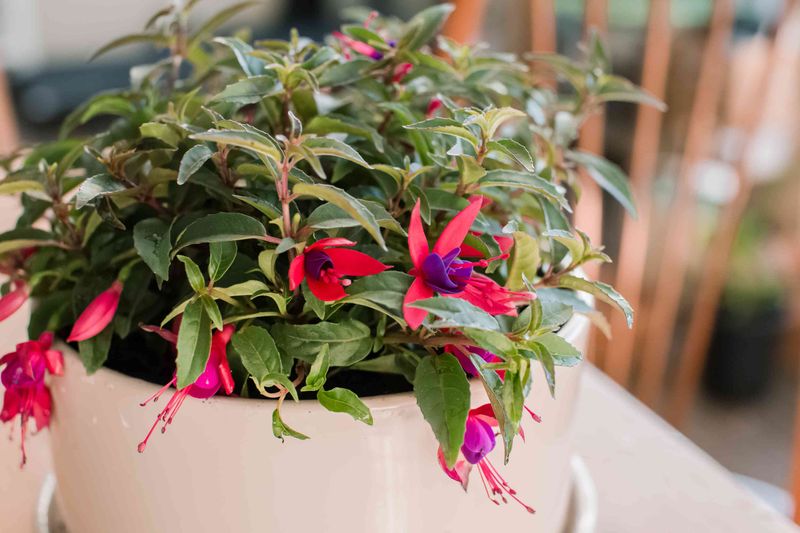
Fuchsia hybrids are picky about one thing above almost everything else, and that thing is light. Too much direct sun scorches their delicate petals, while too little leaves them struggling to bloom at all.
Finding that sweet spot makes a huge difference in how long your plant stays colorful and full.
In North Carolina homes, an east-facing window is often the perfect spot for a fuchsia. Morning light is gentle and warm without the harsh intensity that comes later in the day.
A filtered south-facing window with a sheer curtain also works beautifully, giving the plant strong light without burning the leaves.
Fuchsia hybrids need around four to six hours of bright, indirect light each day to produce their best blooms. If your home does not have a great natural light source, a grow light placed about twelve inches above the plant can fill in the gap nicely.
Rotating the pot every week or so ensures all sides of the plant get equal exposure, which helps it grow evenly and bloom more fully.
Watch the leaves for clues. Pale or yellowing foliage can signal too much direct sun, while dark green but flowerless growth often means not enough light.
Making small adjustments early keeps your fuchsia performing beautifully throughout the blooming season right inside your North Carolina home.
2. Maintain Cooler Indoor Temperatures
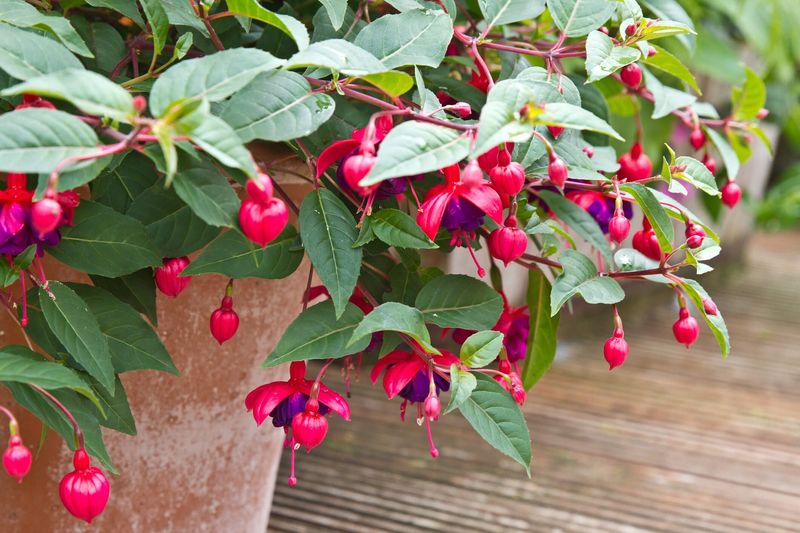
Warm temperatures are one of the biggest enemies of a blooming fuchsia. Most people do not realize that these plants actually prefer conditions that feel a little cool and refreshing rather than warm and cozy.
North Carolina summers can push indoor temperatures up quickly, and that heat causes buds to drop before they even open.
Fuchsia hybrids grow best when indoor temperatures stay between 60 and 70 degrees Fahrenheit. At night, a slight drop in temperature actually encourages more bud formation, so cracking a window in the evening during spring and fall can give your plant a real boost.
Keeping the thermostat from climbing above 75 degrees during the day helps protect those precious blooms.
Air conditioning is your friend here in North Carolina. Running the AC on warm days keeps your fuchsia comfortable and prevents the stress that leads to bud drop.
Your North Carolina Garden Changes Every Week. Your Plan Should Too.
Gardening in North Carolina changes quickly throughout the season. Every Friday you’ll receive a simple weekly plan showing exactly what to plant, prune, fertilize, harvest, and protect so you never miss the right timing.
Just make sure the plant is not sitting directly in front of a vent, because blasting cold or warm air directly onto the foliage causes its own set of problems.
Placing your fuchsia near an interior wall away from heat-absorbing windows during peak summer heat is another smart move.
Small adjustments to placement and temperature control can dramatically extend how long your plant stays in full, gorgeous bloom throughout the warmer months in your home.
3. Keep Soil Consistently Moist
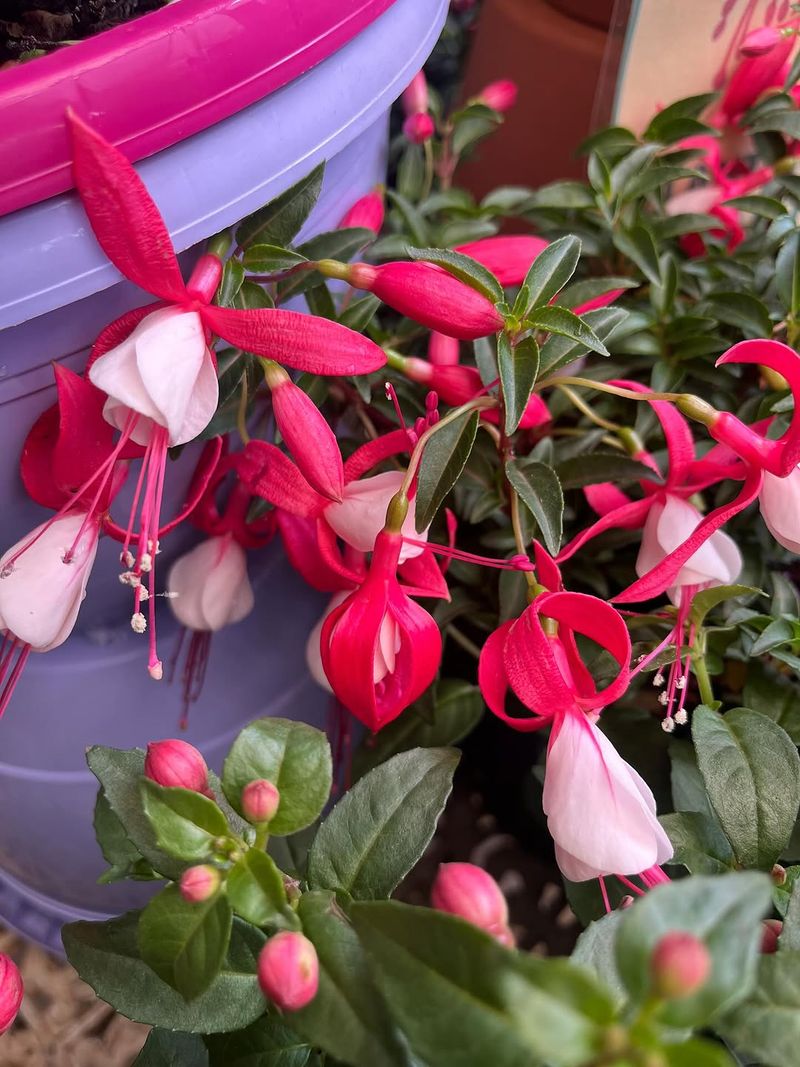
Fuchsia hybrids have a strong opinion about water, and that opinion is simple: they want consistent moisture at all times. Letting the soil go completely dry even once can cause significant stress, leading to wilting, bud drop, and a plant that struggles to recover quickly.
Staying on top of watering is one of the most important habits you can build.
Check the soil every day or two by pressing your finger about an inch into the surface. If it feels dry at that depth, it is time to water.
Always water thoroughly, allowing moisture to drain out of the bottom of the pot, and never let the plant sit in standing water for more than thirty minutes since soggy roots cause rot.
North Carolina homes with central heating or air conditioning tend to have drier indoor air, which means the soil dries out faster than you might expect.
During active blooming periods, some fuchsias need water every single day, especially if they are in smaller containers or hanging baskets with limited soil volume.
Adjusting your schedule based on the season keeps things balanced.
Using a pot with good drainage holes and a well-draining potting mix makes consistent moisture much easier to manage. A mix designed for container plants works well, and adding a small amount of perlite improves drainage without sacrificing moisture retention.
Healthy, well-watered fuchsias bloom longer and look more vibrant every day.
4. Increase Humidity Around The Plant
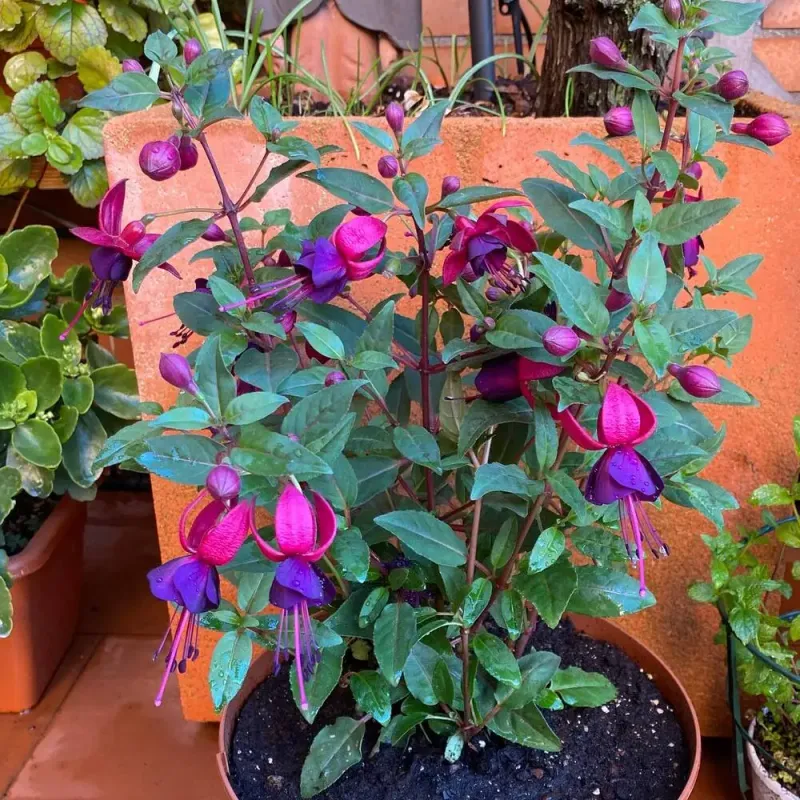
Here is something many plant owners overlook completely: humidity matters just as much as water in the soil. Fuchsia hybrids come from naturally humid environments and they genuinely struggle when the air around them is too dry.
In North Carolina homes with central air conditioning running through the summer, indoor humidity levels can drop surprisingly low.
One of the easiest ways to boost humidity is by placing a shallow tray filled with pebbles and water beneath the plant’s pot. As the water evaporates slowly, it creates a pocket of moisture around the foliage and flowers.
Just make sure the bottom of the pot sits above the waterline so the roots stay dry and healthy. Grouping several houseplants together is another clever trick that works really well.
Plants naturally release moisture through their leaves in a process called transpiration, and when several plants grow close together they create a more humid microclimate that benefits all of them. Your fuchsia will thank you for the company.
A small cool-mist humidifier placed nearby is the most effective solution if your home tends to run very dry. Aim for indoor humidity levels between 50 and 70 percent for the best fuchsia performance.
Misting the leaves lightly in the morning can also help, though it is best done early so the foliage dries before evening and reduces any risk of fungal issues on your beautiful plant.
5. Remove Spent Flowers Frequently
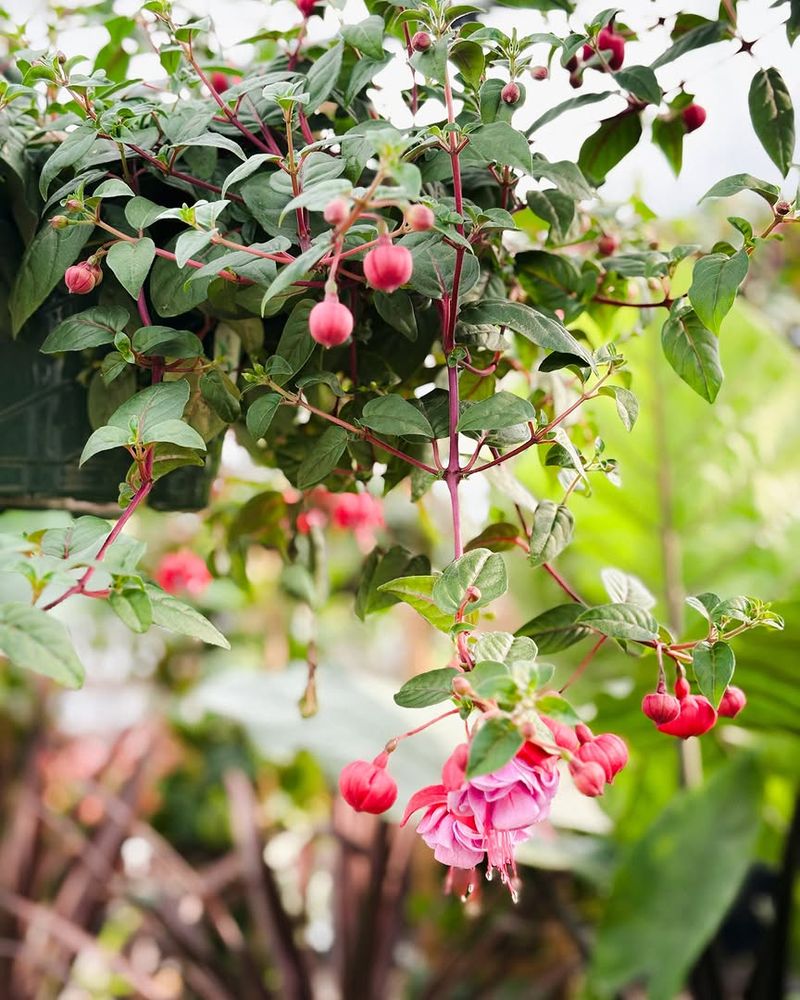
Every gardener who grows fuchsias eventually learns this golden rule: the more you remove old blooms, the more new ones appear. Deadheading, which simply means pinching off flowers that have faded, prevents the plant from putting its energy into making seeds.
Instead, that energy goes right back into producing fresh, colorful new buds.
Fuchsia flowers drop naturally after they fade, but the seed pods that form behind them stay on the plant and quietly drain its resources. Removing both the faded flower and the small swelling pod behind it gives you the best results.
It only takes a few minutes every couple of days, and the payoff in extended blooming time is absolutely worth it.
North Carolina gardeners who deadhead their fuchsias consistently often notice blooming that stretches weeks longer than plants left to their own devices. You do not need any special tools for this job.
A light pinch between your fingers is all it takes to remove spent blooms cleanly without damaging the surrounding stems or buds.
Building deadheading into your regular plant care routine makes it feel effortless over time. Try doing a quick check every time you water, since you are already up close with the plant anyway.
Removing spent flowers while the plant is still actively blooming keeps the display looking fresh, full, and beautiful throughout the entire growing season in your home.
6. Pinch Back Growing Tips For Fuller Blooms
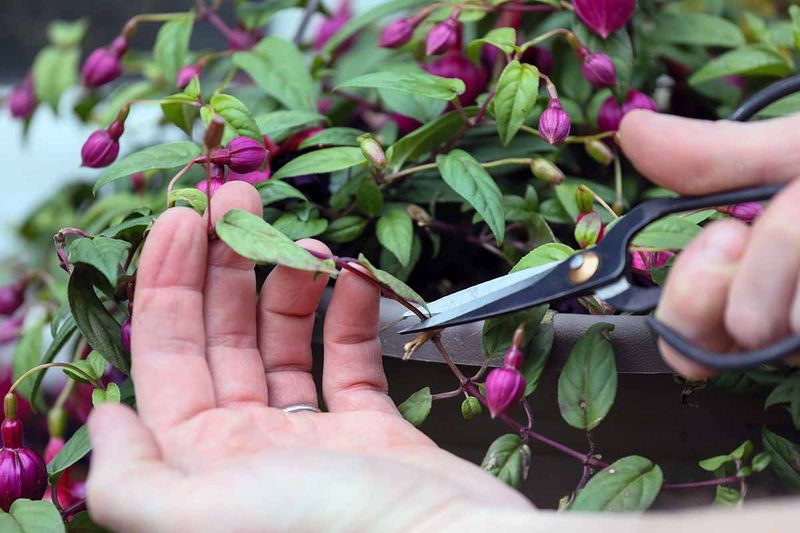
Pinching sounds simple, and honestly it is, but the results it produces are genuinely impressive. When you pinch off the soft growing tips of a fuchsia stem, the plant responds by sending out two new shoots from just below the pinch point.
More shoots mean more flowering stems, and more flowering stems mean a fuller, more spectacular plant overall.
Start pinching young fuchsia plants early in the season before they set their first buds. Pinch each growing tip back by about a quarter inch, removing just the newest soft growth.
After two to three weeks, you will see new side shoots forming, and you can pinch those tips as well to encourage even more branching throughout the plant.
Many North Carolina gardeners stop pinching once buds start forming, which is exactly the right call. Pinching too late in the season removes buds that are already developing and delays blooming rather than encouraging it.
Timing your last pinch about six to eight weeks before you want peak blooms gives the plant enough time to branch out and set new flower buds.
A well-pinched fuchsia looks noticeably different from one that has been left to grow on its own. Instead of a few long, sparse stems, you get a bushy, rounded plant covered in flowers from top to bottom.
For hanging baskets especially, this technique creates that gorgeous cascading effect that makes fuchsias so popular in North Carolina homes and porches.
7. Feed Lightly But Regularly For Best Results
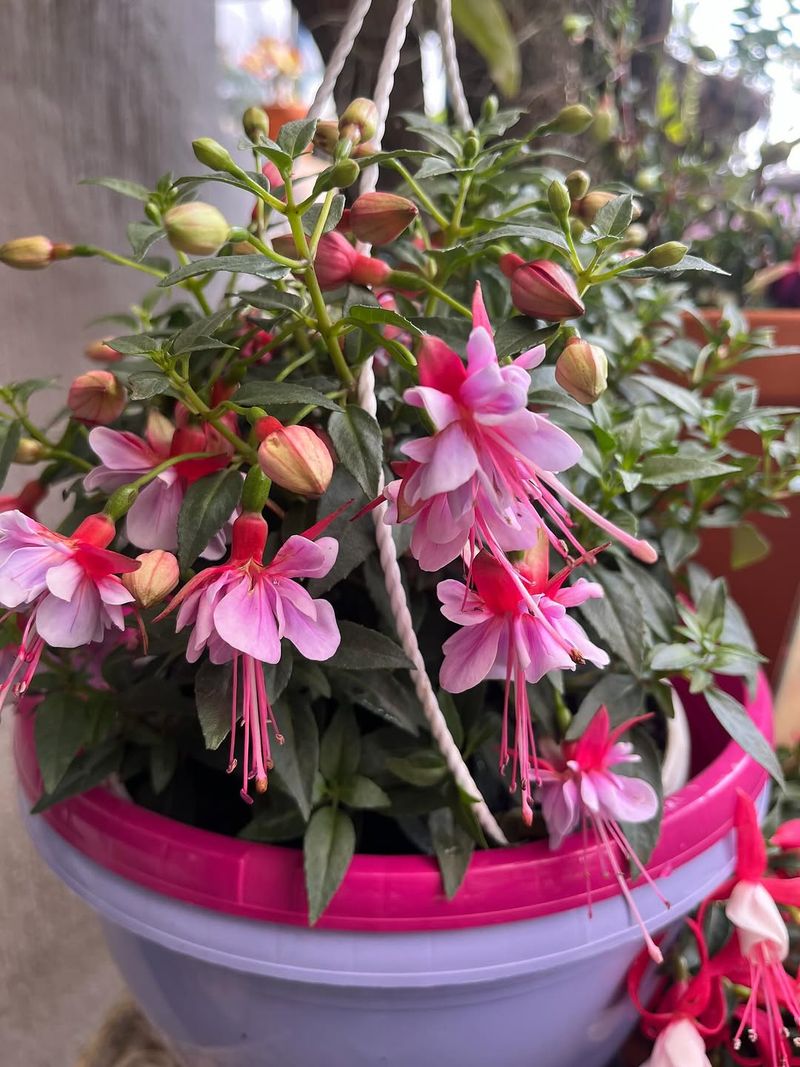
Think of fertilizer as a regular snack for your fuchsia rather than a big occasional meal. Fuchsia hybrids are heavy bloomers, and producing all those flowers takes a steady supply of nutrients.
A balanced, water-soluble fertilizer applied every two to three weeks during active growth keeps the plant well-fed without overwhelming it.
Look for a fertilizer with roughly equal parts nitrogen, phosphorus, and potassium, often labeled as a balanced formula like 10-10-10 or 20-20-20.
During peak blooming, some growers switch to a formula slightly higher in phosphorus, which supports flower production specifically.
Diluting the fertilizer to half the recommended strength reduces the risk of burning the roots while still delivering consistent nutrition.
Overfeeding is a real concern with fuchsias. Too much nitrogen pushes the plant to produce lush green leaves at the expense of flowers, which is the opposite of what you want.
Always follow the label directions and err on the side of feeding less rather than more if you are unsure about the right amount for your specific plant size.
North Carolina’s growing season offers a nice long window for regular feeding from spring through early fall. As the season winds down and the plant slows its growth, you can reduce feeding frequency to once a month or stop altogether.
Giving your fuchsia a nutrient break in late fall helps it rest and recharge for another stunning blooming season ahead.
8. Avoid Moving The Plant Once Buds Form
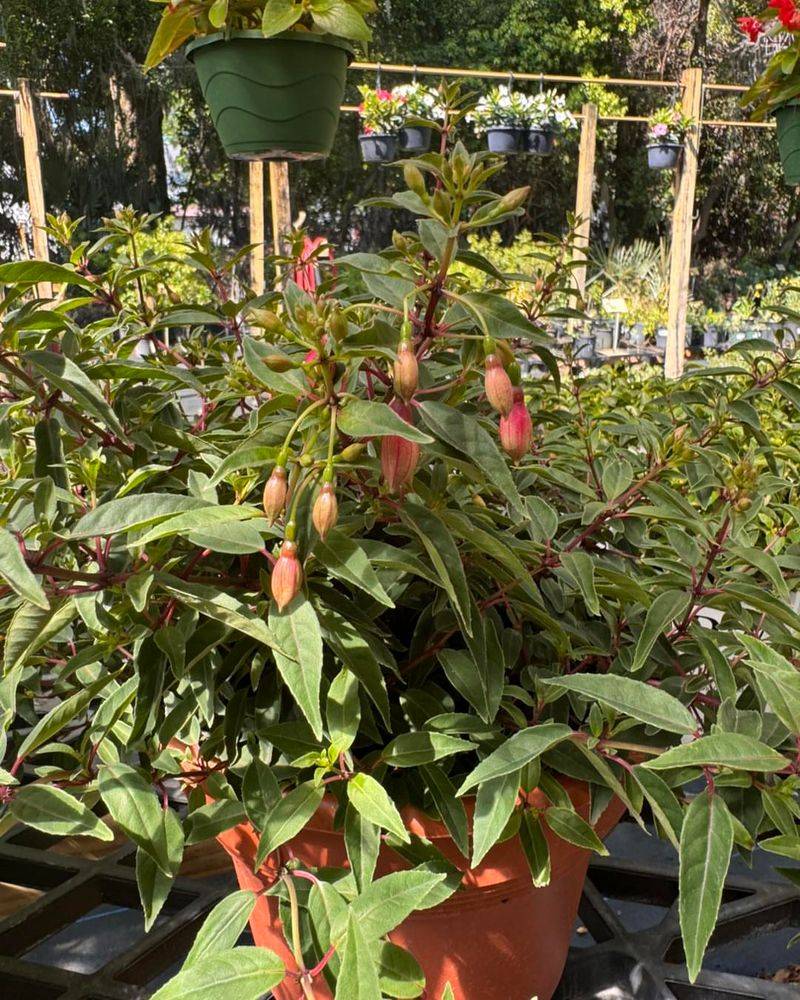
Fuchsias are creatures of habit in the best possible way. Once a plant starts forming buds, it has essentially committed to that spot and its current light direction.
Moving it to a new location, even just a few feet away, can confuse the plant enough to cause bud drop, which is frustrating after all the care you have put in.
The science behind this is straightforward. Flower buds grow oriented toward a consistent light source, and when that source suddenly shifts, the plant experiences stress as it tries to reorient itself.
That stress often triggers the plant to shed developing buds before they ever open, leaving you with bare stems where flowers should be growing beautifully.
Choose your spot carefully before buds begin forming, ideally in early spring when the plant is just starting its active growth phase.
Once you place it in a good location with the right light and temperature conditions, commit to keeping it there through the blooming season.
Mark the spot if you need to so you remember not to shuffle things around during a cleaning session or rearranging day.
North Carolina homes with consistent seasonal light patterns make this easier than you might think. An east-facing window in the spring provides steady morning light without dramatic shifts as the weeks pass.
Stable placement paired with all the other care habits in this guide creates the most reliable conditions for a fuchsia that blooms heavily and stays gorgeous for months on end.
9. Move Outdoors After Frost In Partial Shade
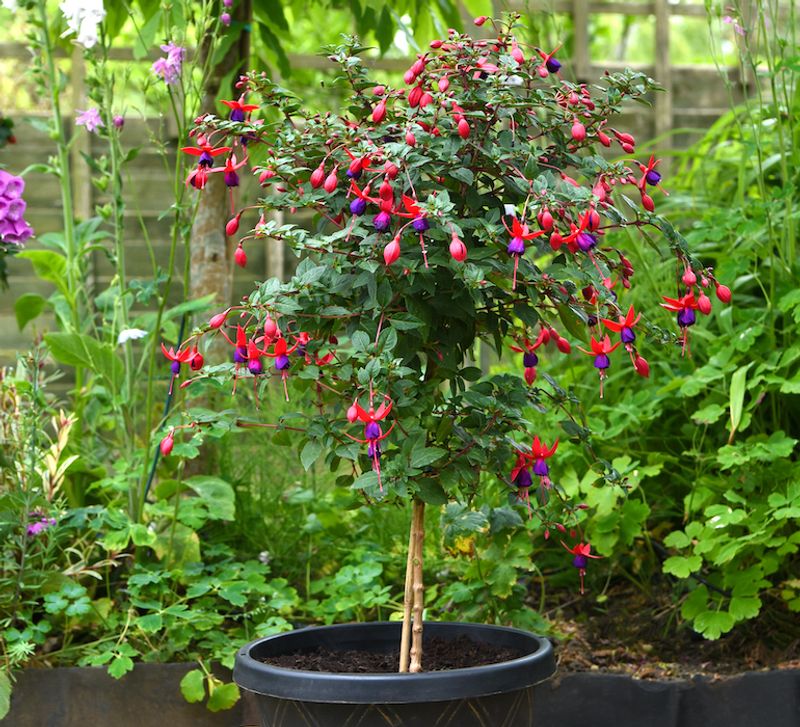
Spring in North Carolina brings one of the best opportunities for fuchsia growers, and that is the chance to move plants outside once frost risk has passed.
The last average frost date in most of North Carolina falls between mid-March and mid-April depending on your region, so keep an eye on the forecast before making the move outdoors.
Outdoor conditions in partial shade can genuinely transform a fuchsia that has been sitting indoors all winter.
Brighter natural light, fresh air circulation, and slightly more humidity from the outdoor environment all work together to trigger a burst of new growth and heavy blooming.
A shaded porch, a spot under a large tree, or the north side of a fence all work wonderfully for this purpose.
Avoid placing fuchsias in direct afternoon sun outdoors, since the intensity is far greater outside than it appears through a window.
Even in partial shade, the plant gets more total light than it would indoors, which is exactly what encourages that explosive spring bloom cycle that fuchsia lovers look forward to every year in North Carolina.
Transitioning the plant gradually helps it adjust without stress. Start by placing it outdoors for a few hours each day in a sheltered spot, then increase the time over one to two weeks before leaving it outside full-time.
This slow adjustment, called hardening off, protects the plant from shock and sets it up for its most productive and colorful outdoor blooming season yet.
10. Remove Leggy Growth To Redirect Plant Energy
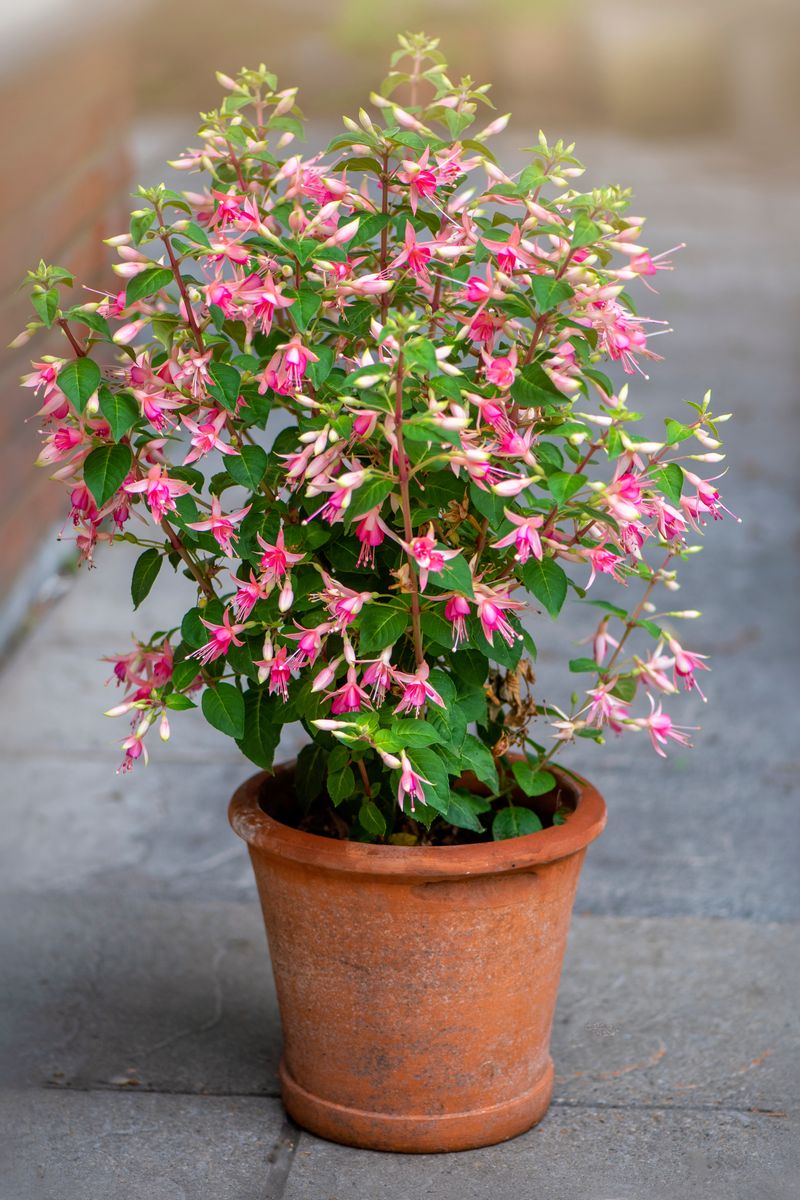
Leggy growth has a way of sneaking up on a fuchsia, especially one that spent time in lower light during winter months. Long, stretched-out stems with wide gaps between leaves are a sign that the plant was reaching for light or simply growing without being guided.
Removing that weak growth early makes a noticeable difference in plant health and bloom production.
Leggy stems use up water, nutrients, and energy without contributing many flowers to the overall display.
Cutting them back to a node, which is the small bump on the stem where leaves and new shoots emerge, redirects all that stored energy into stronger, more productive growth.
New shoots that emerge from these nodes tend to be compact, vigorous, and quick to set flower buds.
Use clean, sharp scissors or small pruning shears for this job to make clean cuts that heal quickly. Avoid tearing or crushing the stems, since rough cuts create entry points for disease.
After pruning, give the plant a good drink of water and a light dose of balanced fertilizer to support the new growth that follows within a week or two.
North Carolina gardeners often do this type of cleanup pruning in late winter or very early spring before the main growing season kicks off.
Starting the season with a tidy, well-shaped plant means all the energy goes into producing those spectacular hanging blooms that make fuchsia hybrids one of the most rewarding flowering plants you can grow in your home.