These Are The 8 Native Pennsylvania Plants To Grow Instead Of Hostas
Hostas have a way of showing up everywhere in Pennsylvania gardens. They are easy to recognize, easy to like, and for a lot of people, they feel like the default answer for shady spots.
But after a while, that same familiar look can start to feel a little predictable. On top of that, hostas come with their own headaches.
Deer love them, slugs chew them up, and in some yards they need more attention than people expect just to keep looking decent through the season.
That is a big reason more gardeners are starting to look at native plants instead. Pennsylvania has plenty of beautiful options that can fill the same role while bringing something extra to the yard.
Some offer bold leaves, some add flowers, and some attract birds, bees, and butterflies in a way hostas never will. They also tend to feel more connected to the landscape around them, which gives a garden a more natural and interesting look.
If you love the fullness hostas bring but want something with more personality and fewer common problems, native Pennsylvania plants can be a much better fit than you might think.
1. Wild Ginger (Asarum Canadense)
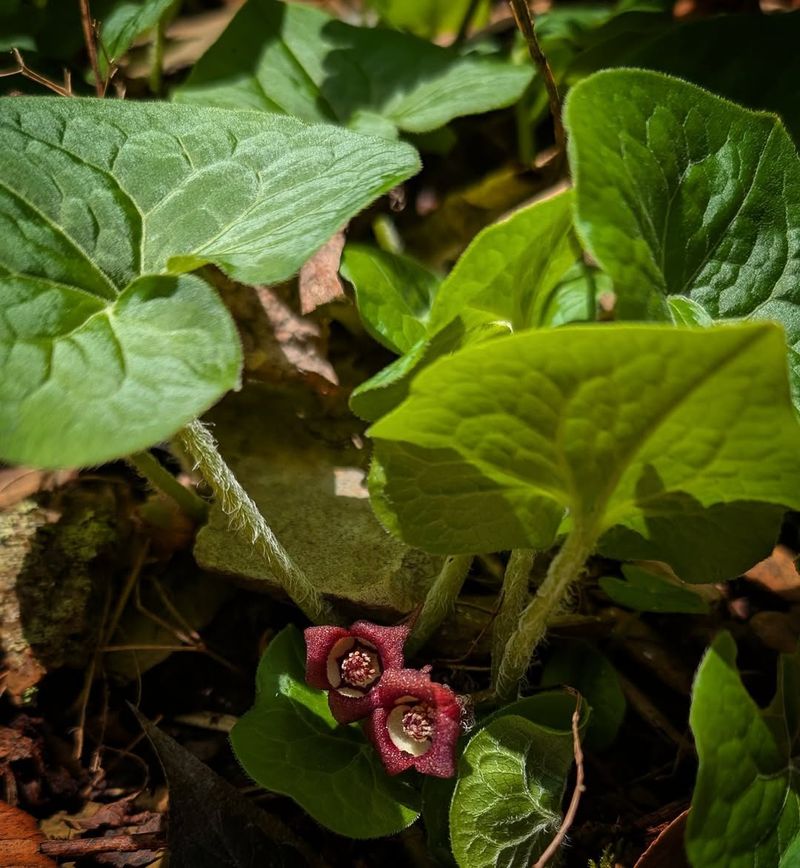
Walk through any shaded Pennsylvania woodland in spring and you might spot a low carpet of broad, velvety leaves hugging the forest floor. That is Wild Ginger, and it is one of the best native groundcovers you can grow in place of hostas.
Its heart-shaped leaves are thick and rich green, giving your garden that same full, lush look that hostas are famous for.
Wild Ginger spreads slowly by underground rhizomes, eventually forming a dense mat that crowds out weeds naturally. You will not need to spend hours pulling unwanted plants once it gets going.
It thrives in moist, rich, shady soil, which makes it a natural fit for the shaded spots in Pennsylvania gardens where little else wants to grow.
One fun fact: Wild Ginger does produce small flowers in early spring, but they hide beneath the leaves at soil level. They are pollinated by ground-crawling insects rather than bees.
The plant is not related to culinary ginger, but its roots do carry a spicy, ginger-like scent. It is a long-lived perennial that asks for very little once it settles in.
Plant it under trees or along shaded borders, and let it do what it does best in Pennsylvania’s woodland settings.
2. Foamflower (Tiarella Cordifolia)
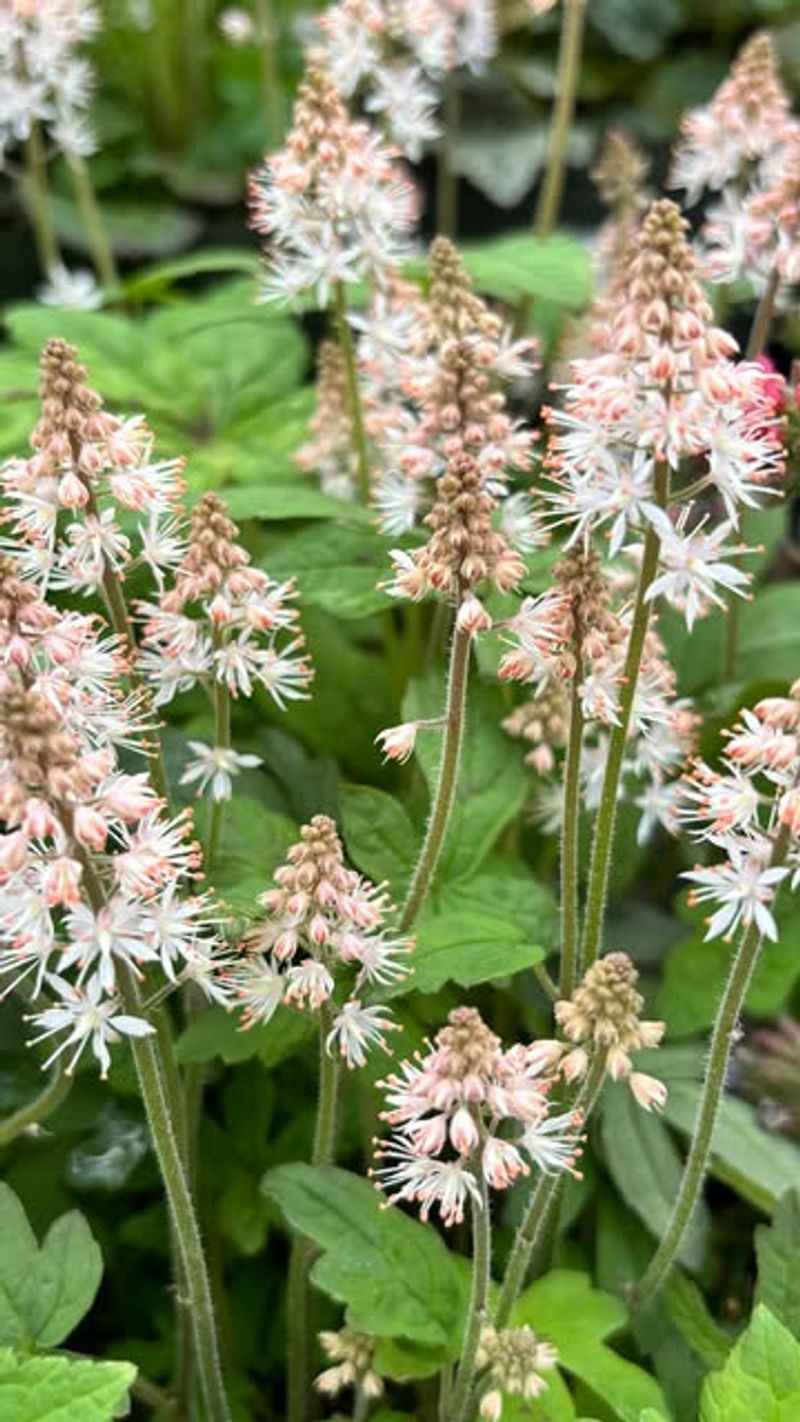
Foamflower has a name that perfectly matches its personality. In spring, it sends up airy, frothy spikes of tiny white to pale pink flowers that look like foam floating above the leaves.
Below those blooms, the foliage is deeply lobed and attractive all season long, making it a strong visual replacement for hostas in Pennsylvania shade gardens.
Unlike hostas, Foamflower offers double the interest: beautiful leaves and seasonal blooms. It grows well in part shade to full shade, preferring moist, well-drained soil rich in organic matter.
Once established, it spreads gently by runners, slowly filling in bare spots under trees or along shaded garden paths.
Your Pennsylvania Garden Changes Every Week. Your Plan Should Too.
Gardening in Pennsylvania changes quickly throughout the season. Every Friday you’ll receive a simple weekly plan showing exactly what to plant, prune, fertilize, harvest, and protect so you never miss the right timing.
Foamflower is also a great plant for supporting local wildlife. Bees and small pollinators visit the flowers in spring, giving your garden an ecological boost that hostas cannot provide.
In Pennsylvania, this plant is right at home in woodland gardens, rain gardens, or shaded borders near streams and naturalized areas. It stays relatively low to the ground, typically reaching six to twelve inches tall, so it works well as an edging plant or a soft filler between taller natives.
Pair it with Wild Ginger or Solomon’s Seal for a layered, natural-looking planting that feels like a true Pennsylvania woodland.
3. Allegheny Spurge (Pachysandra Procumbens)
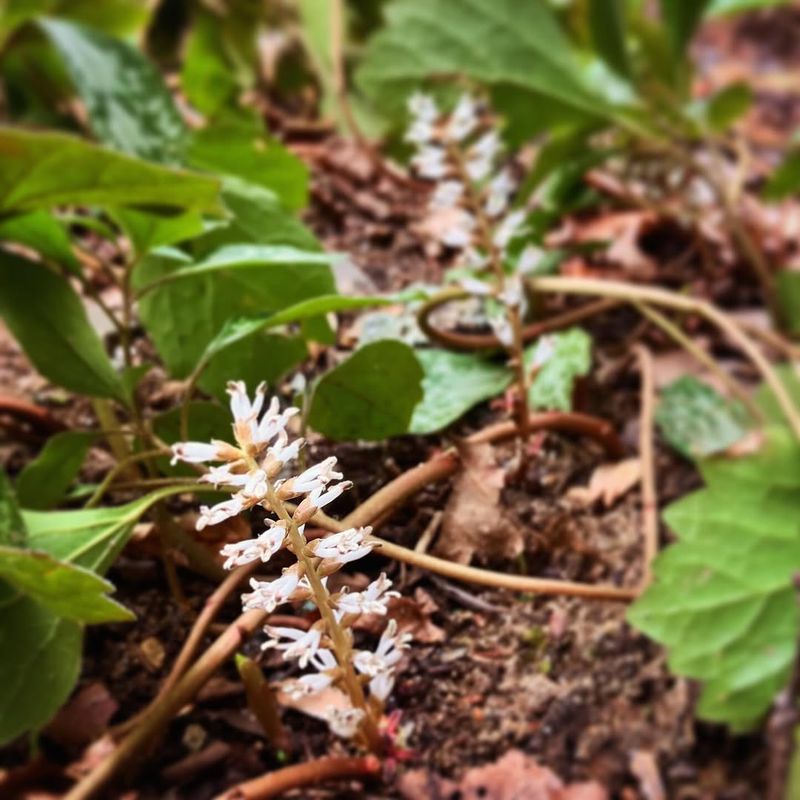
Most gardeners in Pennsylvania have seen the common non-native pachysandra blanketing shaded yards in a sea of glossy green. But did you know there is a native version that is actually more interesting and better suited to local conditions?
Allegheny Spurge is that plant, and it deserves far more attention than it gets.
Native to the Appalachian region, Allegheny Spurge features semi-evergreen leaves with a beautiful mottled pattern of gray-green and silver. In late winter or early spring, it pushes up short spikes of fragrant white flowers before most other plants even wake up.
It handles dry shade better than almost any other native groundcover, which is a huge advantage in Pennsylvania gardens where tree roots compete for moisture.
While the non-native pachysandra can become invasive in natural areas, Allegheny Spurge stays well-behaved and spreads at a manageable pace. It provides year-round texture and structure in spots where nothing else seems to thrive.
Plant it under mature oaks, maples, or other large shade trees where the soil tends to be dry and rooty. It pairs well with Christmas Fern and Wild Ginger for a layered native planting.
For Pennsylvania gardeners who want a low-maintenance, four-season groundcover that supports the local ecosystem, Allegheny Spurge is a true standout choice.
4. Plantain-Leaved Sedge (Carex Plantaginea)
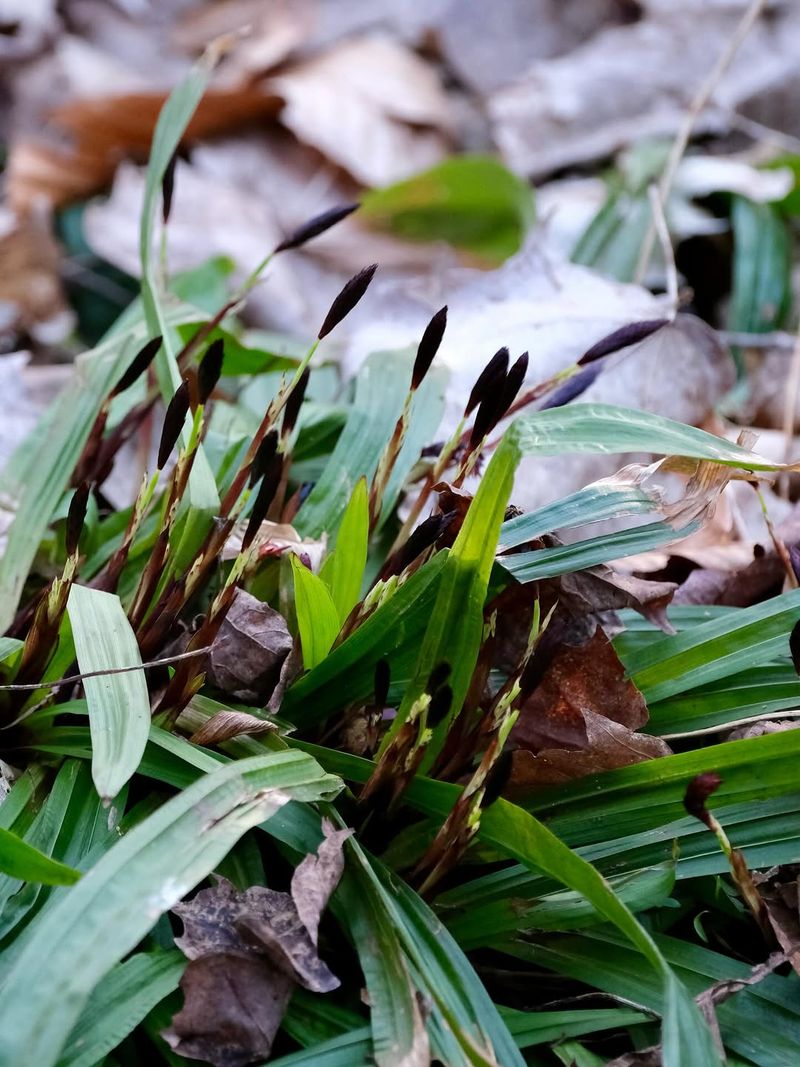
Sedges often get overlooked in favor of flashier plants, but Plantain-Leaved Sedge is genuinely one of the most hosta-like natives you can find in Pennsylvania. Its leaves are wide, bright green, and arching, giving it a lush, full appearance that fits right into a shaded garden bed.
Up close, the leaf texture is almost identical to what you would expect from a small hosta variety.
This sedge is native to moist woodland slopes and stream banks throughout Pennsylvania, so it is perfectly adapted to the state’s climate and seasonal rainfall patterns. It thrives in full to part shade with consistently moist, humus-rich soil.
Unlike many ornamental grasses, it stays evergreen in mild winters, giving your garden some life even in the colder Pennsylvania months.
Plantain-Leaved Sedge is also very low maintenance once it gets established. It does not spread aggressively, so you can plant it in smaller spaces without worry.
It reaches about twelve to eighteen inches tall and works beautifully as a border edging or as a mass planting under trees. Early in spring, it sends up small, attractive seed heads that add subtle interest.
If you have been relying on hostas simply for their bold foliage effect, this sedge delivers that same visual satisfaction while also supporting the native Pennsylvania ecosystem in meaningful ways.
5. Solomon’s Seal (Polygonatum Biflorum)
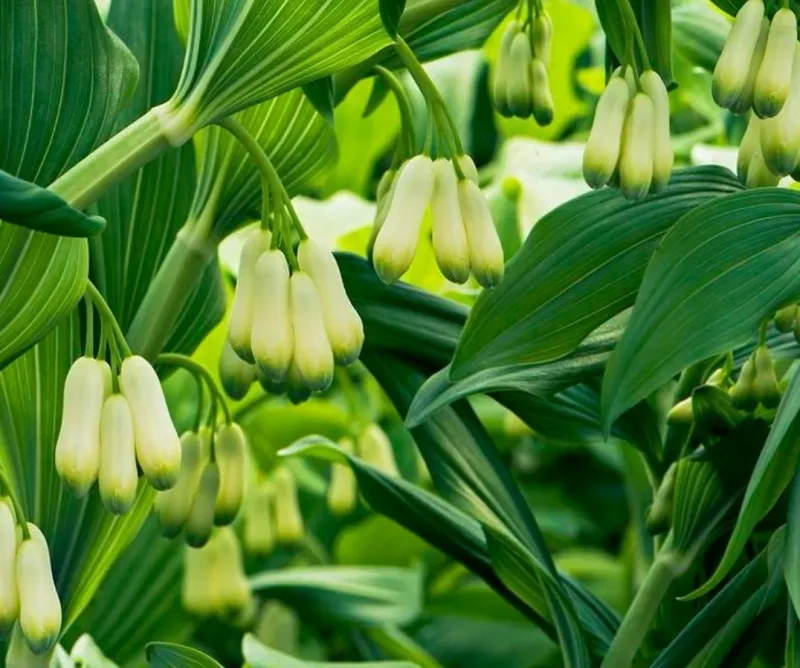
There is something almost architectural about Solomon’s Seal. Its long, gracefully arching stems lined with neat, oval leaves bring a sense of structure and elegance to shaded Pennsylvania gardens that very few other plants can match.
In late spring, tiny white bell-shaped flowers dangle beneath the stems like little lanterns, adding a delicate charm that hostas simply do not offer.
Solomon’s Seal is a true Pennsylvania native, found naturally in moist woodlands and along shaded slopes throughout the state. It tolerates a wide range of conditions, from fairly dry shade to consistently moist soil, making it one of the most adaptable shade perennials available to Pennsylvania gardeners.
Once planted, it spreads slowly by underground rhizomes, gradually forming an attractive colony that fills in over time.
In fall, the leaves turn a warm golden yellow before the plant goes dormant, giving the garden one last seasonal display. Blue-black berries follow the flowers and provide food for birds.
Solomon’s Seal can reach two to three feet tall, making it a great mid-level plant in layered woodland garden designs. It pairs beautifully with Foamflower, Wild Ginger, and Christmas Fern for a full native planting scheme.
For Pennsylvania gardeners who want height, structure, and four-season interest in the shade, Solomon’s Seal is a must-have perennial.
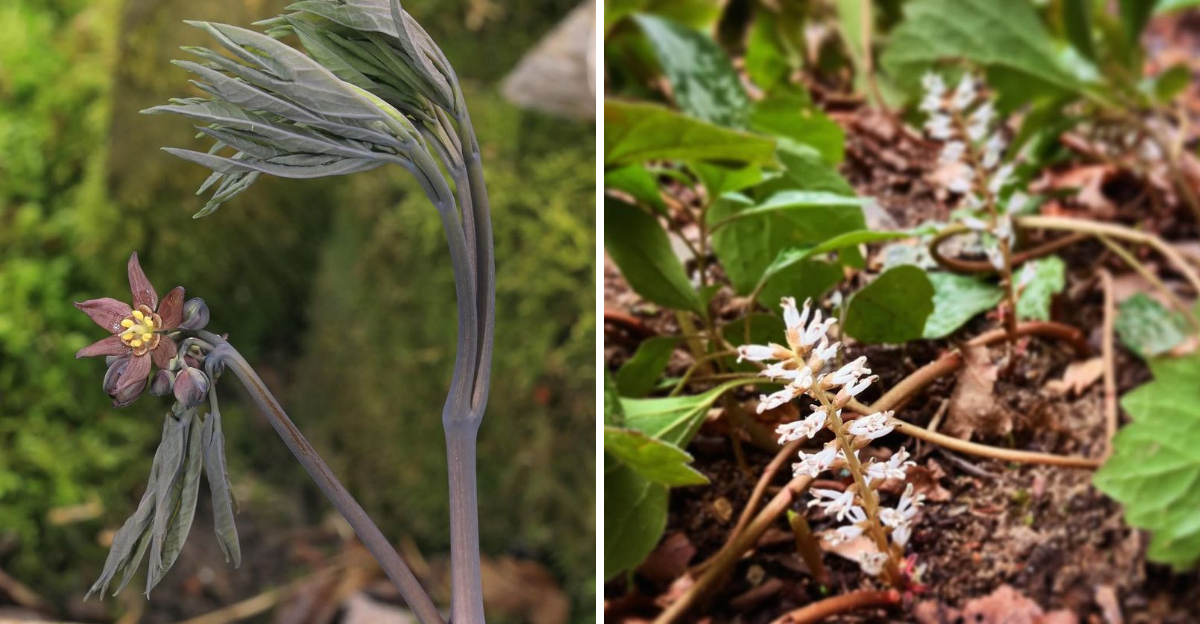
6. Blue Cohosh (Caulophyllum Thalictroides)
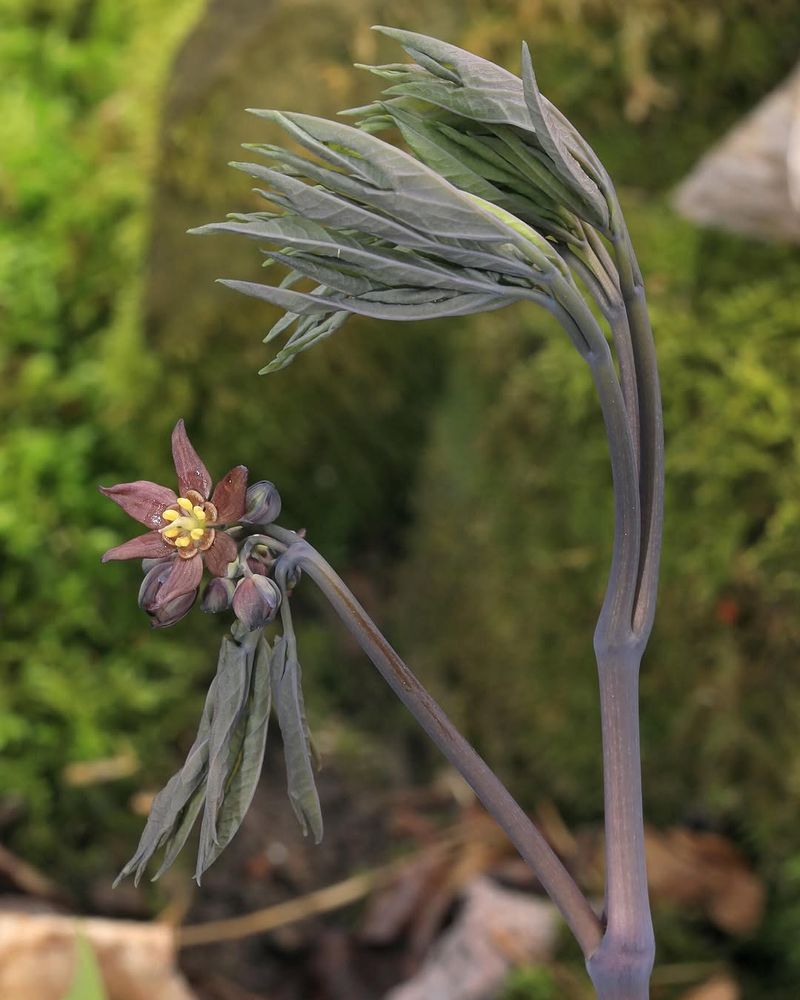
Bold, unusual, and full of character, Blue Cohosh is one of those native plants that makes you stop and look twice. When it first emerges in early spring, the entire plant is covered in a striking blue-purple hue that slowly transitions into rich blue-green as the season progresses.
The large, deeply lobed compound leaves create a lush, full effect that rivals the visual impact of many hosta varieties.
Blue Cohosh is native to rich, shaded woodlands throughout Pennsylvania and much of the eastern United States. It prefers moist, fertile soil with plenty of organic matter, similar to the conditions where hostas tend to perform best.
It grows to about two feet tall, which gives it enough presence to anchor a shaded garden bed or naturalized woodland area.
Later in the season, clusters of vivid blue berries appear and add a pop of color that carries into late summer and early fall. Those berries attract birds, giving your Pennsylvania garden another layer of ecological value.
Blue Cohosh is also a long-lived plant that improves with age, slowly expanding into a fuller clump over the years. It is not the most commonly sold native plant at garden centers, so you may need to seek it out at a native plant nursery in Pennsylvania, but the search is absolutely worth it.
7. Green-And-Gold (Chrysogonum Virginianum)
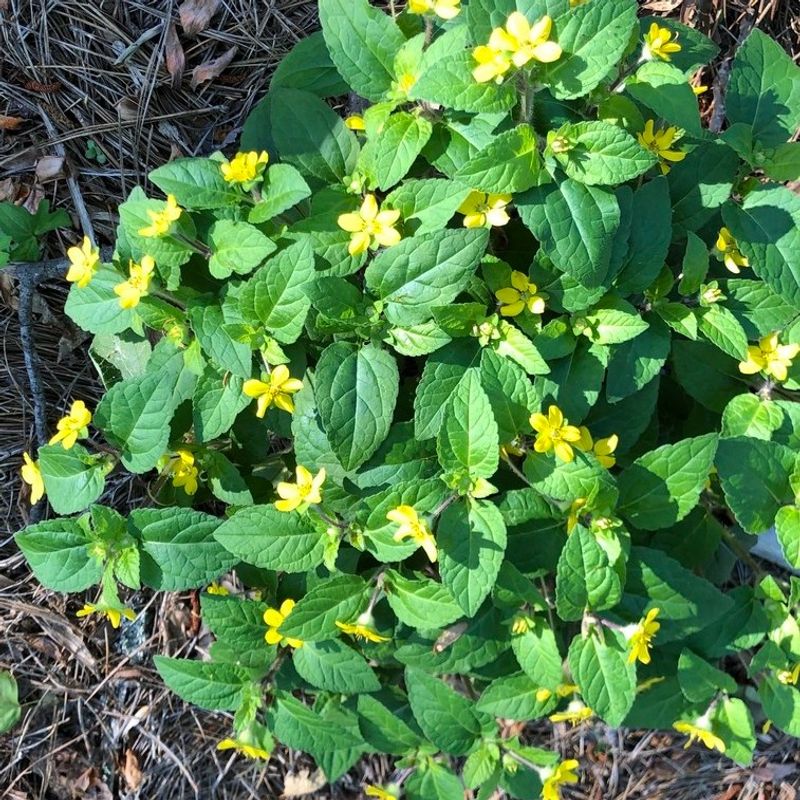
If your shaded Pennsylvania garden feels a little gloomy and could use a splash of sunshine, Green-and-Gold is exactly what you need. This cheerful, low-growing native perennial produces bright yellow, star-shaped flowers that bloom heavily in spring and then continue to pop up sporadically throughout the growing season.
The contrast between the dark green foliage and the vivid yellow blooms is genuinely eye-catching.
Green-and-Gold spreads by runners to form a dense, weed-suppressing carpet that works beautifully as a groundcover in place of hostas. It handles both shade and part sun, which gives it more flexibility than many other shade-loving natives.
In Pennsylvania, it performs well under deciduous trees where it gets some dappled light during the growing season.
Unlike hostas, which go completely dormant in winter, Green-and-Gold is semi-evergreen in much of Pennsylvania, holding its foliage through mild winters and providing year-round coverage in garden beds.
It stays low, typically reaching only six to nine inches in height, making it ideal for edging pathways, filling gaps between stepping stones, or spreading under taller shrubs and trees.
Bees and butterflies visit the flowers regularly, adding a lively energy to the garden. For a native groundcover that delivers both color and coverage in Pennsylvania shade gardens, Green-and-Gold earns its spot on every planting list.
8. Christmas Fern (Polystichum Acrostichoides)
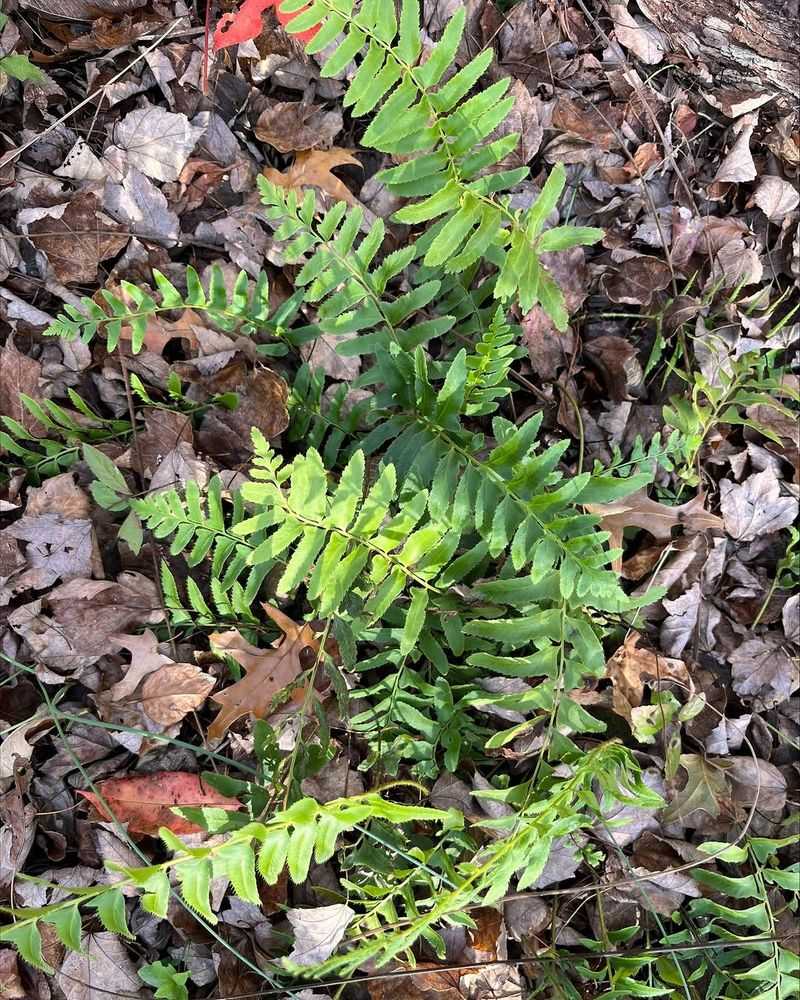
Few native plants in Pennsylvania can claim the year-round reliability of the Christmas Fern. While most perennials retreat underground in winter, Christmas Fern stays fully evergreen, keeping its dark, glossy fronds all through the cold months.
Early settlers reportedly used the fronds for holiday decorations, which is exactly how this tough native earned its festive name.
Christmas Fern thrives in full to part shade and tolerates a wide range of soil conditions, from moist woodland soil to rocky, sloped terrain. It is one of the most adaptable native ferns in Pennsylvania, growing naturally on shaded hillsides, stream banks, and forest edges across the state.
Its fronds arch outward from a central crown, reaching about two feet tall and creating a vase-like shape that adds real structure to a shaded garden bed.
When planted in groups of three or more, Christmas Fern creates a bold, textural effect similar to a mass planting of hostas. It pairs naturally with Solomon’s Seal, Wild Ginger, and Foamflower to build a layered native woodland garden that looks intentional and beautiful throughout every season.
Deer tend to leave it alone, which is a genuine bonus for Pennsylvania gardeners who deal with frequent deer pressure. Pollinators and small mammals also benefit from the shelter the ferns provide, making it a genuinely ecological choice for any Pennsylvania shade garden.